

Free Northwest Ohio Travel Guide & Mobile App
Explore Northwest Ohio with free travel guides. Discover regional history, expert tips, proposed trips, and audio guides on web or mobile app.


Explore Northwest Ohio for Toledo’s art and glass heritage, Lake Erie wetlands, island escapes, birdwatching, historic towns and productive farmland.
Read more about Northwest Ohio
Getting to and around Northwest Ohio
How to get there
Transportation
Top city travel guides in Northwest Ohio
The cities of Northwest Ohio, and the easiest places to base yourself.
-

-

-

-
-

-


Swipe for more cities
Destinations in Northwest Ohio
Resorts, valleys and scenic spots worth a trip of their own.
-

-

-

-

-

-


Swipe for more destinations
Best attractions in Northwest Ohio
Northwest Ohio’s attractions range from major cultural institutions to broad, low-lying landscapes shaped by the Great Lakes. In Toledo, the Toledo Museum of Art is the region’s leading art destination, with particular importance for glass, while the Toledo Zoo and the National Museum of the Great Lakes offer family-oriented and maritime perspectives. The city’s riverfront, historic neighbourhoods and industrial heritage provide further ways to understand its development. West and south of Toledo, Maumee Bay State Park combines Lake Erie shoreline, marsh, woodland, golf and trails. Oak Openings Preserve is noted for unusual sandy-soil habitats and supports walking, cycling and wildlife observation. Along the lake, Magee Marsh Wildlife Area and Ottawa National Wildlife Refuge are outstanding places for seasonal birdwatching, with boardwalks, wetlands and observation areas. Inland, visitors can explore the heritage of Maumee, Defiance, Bowling Green, Findlay and Lima, each reflecting different aspects of canal, agricultural, railway or industrial history. The Lake Erie islands add boating, geological and vineyard experiences, although their ferry services are seasonal and mainland departure points should be checked carefully.
-
Amusement park
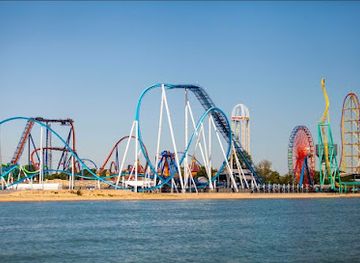
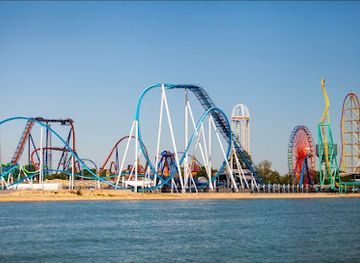
Cedar Point
Experience the ultimate thrill at Cedar Point, Ohio's premier amusement park featuring world-class rides, family attractions, and unforgettable entertainment.
-
Park
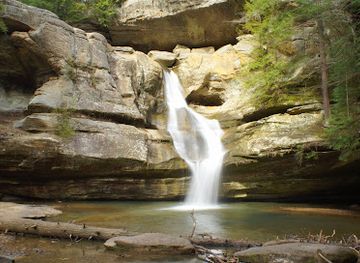
Hocking Hills State Park
Explore the breathtaking landscapes of Hocking Hills State Park in Ohio, a paradise for hikers and nature lovers with stunning waterfalls and unique rock formations.
-
Zoo
Toledo Zoo
Explore the captivating Toledo Zoo, where diverse wildlife and conservation efforts create unforgettable experiences for visitors of all ages.
-
Art museum
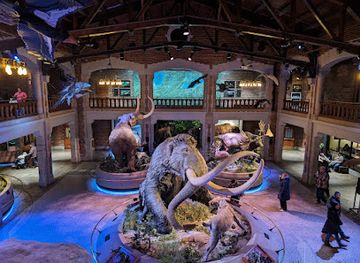
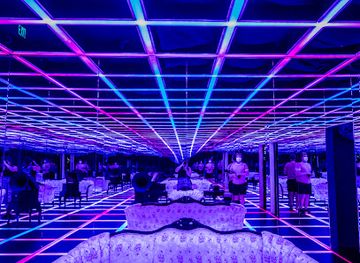
Otherworld
Experience the wonder of Otherworld, an immersive art museum in Columbus, Ohio, where creativity and imagination come to life in interactive installations.
Best landmarks in Northwest Ohio
The Maumee River is Northwest Ohio’s defining geographical landmark, widening towards Lake Erie and explaining Toledo’s historic importance as a port and transport centre. Fort Meigs in Perrysburg is a substantial reconstructed War of 1812 fortification and a reminder of the region’s military role during the struggle for control of the Great Lakes frontier. Nearby Fallen Timbers Battlefield preserves the setting of the 1794 battle that changed the political future of northwest Ohio. In Toledo, the Toledo Museum of Art’s neoclassical main building and glass pavilion are prominent civic landmarks, while the city’s historic Victorian and early twentieth-century homes are especially visible in the Old West End. The Anthony Wayne Bridge, spanning the Maumee, is a familiar part of the Toledo skyline. Along the shore, Maumee Bay, western Lake Erie’s marshes and the island landscapes form natural landmarks rather than single monuments. Kelleys Island’s glacial grooves, outside the region’s mainland urban core but within the western Lake Erie island area, reveal the geological forces that shaped the lake basin.
-
Amusement park
Cedar Point
Experience unparalleled excitement and family-friendly fun at Cedar Point, the ultimate amusement park on the shores of Lake Erie.
-
Park
Wildwood Preserve Metropark
Discover the natural beauty and historical charm of Wildwood Preserve Metropark in Toledo, Ohio, a perfect retreat for nature lovers and history enthusiasts alike.
-
History museum
Carillon Historical Park
Explore Dayton's rich history at Carillon Historical Park, featuring interactive exhibits, historic buildings, and stunning landscapes perfect for families and history lovers.
-
Historical landmark
Stan Hywet Hall & Gardens
Explore the historic beauty of Stan Hywet Hall & Gardens, where history, architecture, and nature harmoniously intertwine in Akron, Ohio.


Explore Northwest Ohio on the map
Plan your trip on one map. See where the top cities, national parks and sights are, and book hotels and experiences in a few clicks.
Best hotels in Northwest Ohio
Best restaurants in Northwest Ohio
Northwest Ohio’s dining reflects both its agricultural hinterland and its position on Lake Erie. Toledo has the broadest choice, from longstanding family restaurants and neighbourhood cafés to contemporary dining, while smaller cities and market towns tend towards independent restaurants, bakeries, diners, pubs and rural inns. Freshwater fish, particularly walleye and yellow perch, appear on menus around the lake, though availability varies by season and catch. Farms supply sweet corn, apples, berries, pumpkins and other produce, and farmers’ markets are useful places to find local ingredients and prepared foods. The region also participates in Ohio’s craft-brewing, cider and wine culture, with producers scattered through the countryside and near the lake. Greek, Middle Eastern, Polish and other immigrant culinary influences are especially visible in Toledo, reflecting the city’s industrial history. Visitors should distinguish locally produced foods from dishes associated with Ohio more generally, while allowing room for classic American breakfast cafés, barbecue, burgers and bakery traditions.
-
Hot Dog
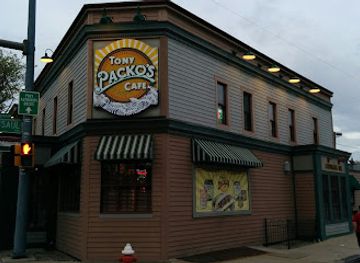
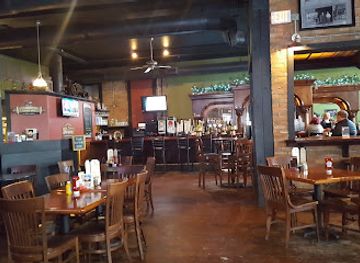
Tony Packo's Restaurant
Discover the taste of Toledo at Tony Packo's Restaurant – home of famous hot dogs and a vibrant dining experience steeped in history.
-
Italian
Spaghetti Warehouse
Discover delightful Italian dishes at Spaghetti Warehouse in Toledo – where every meal feels like a family gathering.
-
Restaurant
Ye Olde Durty Bird
Experience Toledo's culinary charm at Ye Olde Durty Bird - a delightful gastropub serving American classics in a family-friendly atmosphere.
-
Steak
Mancy's Steakhouse
Experience Toledo's finest steaks at Mancy's Steakhouse – where quality meets elegance in every bite.


Best bars in Northwest Ohio
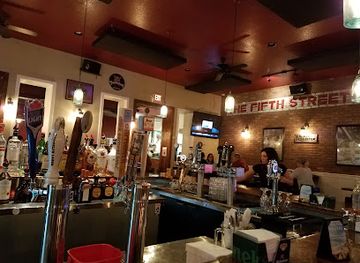
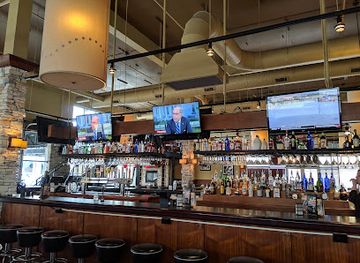
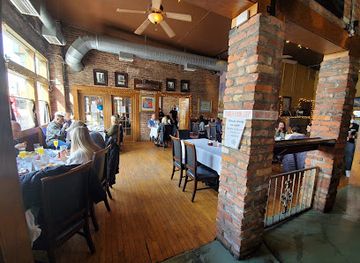
Toledo is the main centre for Northwest Ohio’s evening life, with neighbourhood pubs, breweries, cocktail bars, live music, sports bars and restaurants concentrated around downtown, the Warehouse District, the Old West End and nearby commercial areas. Bowling Green has a younger, university-influenced scene, while Findlay and Lima offer local pubs, breweries, live entertainment and restaurant-led evenings rather than a large club culture. Smaller communities generally close earlier and are better suited to a relaxed meal, a historic tavern or a local beer than to late-night dancing. Summer brings seasonal activity around Lake Erie marinas, island communities and waterfront businesses, but opening patterns can vary with weather and tourism demand. Check current arrangements for performances, transport and closing times, and remember that American licensing rules, identification requirements and last-service times may differ from those familiar to visitors from Britain or Europe.
-
Bar
Luckie's Barn & Grill-Oregon
Immerse yourself in a delightful dining experience at Luckie's Barn & Grill, where family-friendly dining meets vibrant atmosphere in Oregon, Ohio.
-
Italian
5th Street Pub
Experience the best of Italian cuisine at 5th Street Pub, where delicious food and a vibrant atmosphere come together in Perrysburg, Ohio.
-
Grill
Bar Louie - Perrysburg
Discover Bar Louie in Perrysburg: a lively grill and bar offering delicious American cuisine and a vibrant cocktail scene in a welcoming atmosphere.
-
American
Manhattan's Pub 'n Cheer
Experience the heart of Toledo at Manhattan's Pub 'n Cheer, where American comfort food meets a vibrant atmosphere in a perfect dining experience.

Best nightclubs in Northwest Ohio
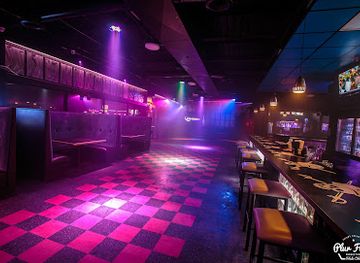
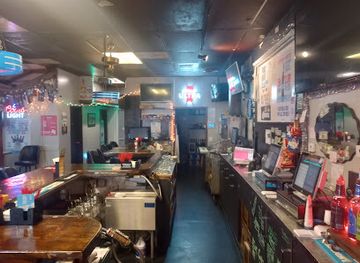
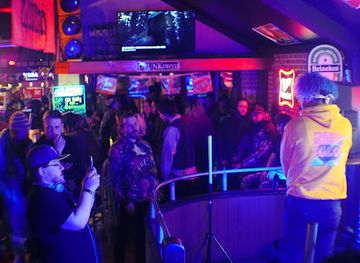
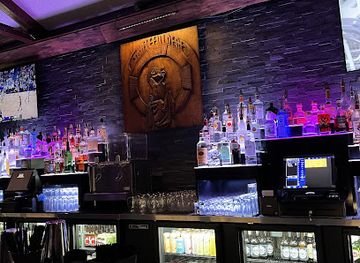
Toledo is the main centre for Northwest Ohio’s evening life, with neighbourhood pubs, breweries, cocktail bars, live music, sports bars and restaurants concentrated around downtown, the Warehouse District, the Old West End and nearby commercial areas. Bowling Green has a younger, university-influenced scene, while Findlay and Lima offer local pubs, breweries, live entertainment and restaurant-led evenings rather than a large club culture. Smaller communities generally close earlier and are better suited to a relaxed meal, a historic tavern or a local beer than to late-night dancing. Summer brings seasonal activity around Lake Erie marinas, island communities and waterfront businesses, but opening patterns can vary with weather and tourism demand. Check current arrangements for performances, transport and closing times, and remember that American licensing rules, identification requirements and last-service times may differ from those familiar to visitors from Britain or Europe.
-
Bar
Chasers
Experience the vibrant nightlife at Chasers in Toledo, where cocktails flow and the dance floor awaits for an unforgettable evening.
-
Lounge
Centre Court Lounge
Centre Court Lounge: Your go-to lounge in Toledo for drinks, dancing, and delightful nights out.
-
Bar
Club Bentley's
Experience the vibrant nightlife at Club Bentley's in Bryan, Ohio – a lively bar with a welcoming atmosphere and diverse drink selections.
-
Night club
The Golden Road
Discover the pulse of Toledo's nightlife at The Golden Road, where affordable drinks meet electrifying music and vibrant atmosphere.
Best shops in Northwest Ohio
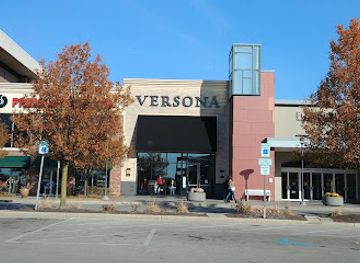
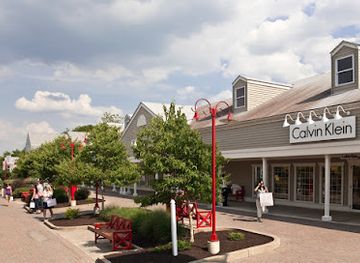
Shopping in Northwest Ohio is centred on Toledo’s independent districts, suburban retail areas, traditional downtowns and the region’s farm-producing countryside. Toledo’s historic neighbourhoods provide galleries, specialist food shops, antiques and locally made goods, while the city’s arts institutions and glass heritage make contemporary glassware an appropriate regional purchase. Bowling Green, Findlay, Lima, Maumee and Perrysburg offer different combinations of independent boutiques, books, antiques, cafés and practical high-street shopping. Farmers’ markets and seasonal farm stands are the best sources for fruit, vegetables, honey, cider, baked goods and other local produce, although schedules vary through the year. Around the Lake Erie islands and shoreline, shops commonly focus on nautical goods, regional food, wine and holiday souvenirs rather than luxury retail. For a more distinctive memento, look for Ohio-made ceramics, glass, preserves, beer or cider, and buy food products with enough time and packaging for travel.
-
Shopping mall
Franklin Park Mall
Explore Franklin Park Mall, Toledo's ultimate shopping haven with top brands, diverse dining, and entertainment options for all ages.
-
Outlet mall
Aurora Farms Premium Outlets
Discover unbeatable savings and a variety of brand-name stores at Aurora Farms Premium Outlets, the ultimate shopping destination in Ohio.
-
Shopping mall
The Town Center at Levis Commons
Explore shopping, dining, and community events at the Town Center at Levis Commons – a premier destination in Perrysburg, Ohio.
-
Antique store
Ohio Valley Antique Mall
Explore the Ohio Valley Antique Mall, a vast treasure trove of vintage finds, rare books, and unique collectibles in Fairfield, Ohio.


Get your free copy of our complete guide to Northwest Ohio, delivered straight to you.
Everything on this page, from attractions and restaurants to essentials and local phrases, in one PDF you can read offline, print or share.
Already have an account? Sign in
Your Northwest Ohio guide is ready.
We'll send it to · Not you? Sign out

Getting your guide ready…
We are putting together a fresh copy of the Northwest Ohio guide. This can take up to a minute.
This can take a few moments. If your browser asks, choose Allow so the download can start. You'll find the guide in your Downloads folder.
Nothing happened? Download it again
Sorry, the guide is taking longer than usual. Please try again in a minute, or get it by email instead.
Northwest Ohio essentials
Currency and Payment
Safety
Emergency Situations
Do's and Don'ts
Local Tips
From Eve
Local phrases worth knowing
You don't need to get them perfect. A few words go a long way, and locals appreciate the effort.
Basics
| English | Local | Say it |
|---|---|---|
| Hello | Hi | [hai] |
| Goodbye | See ya | [si ya] |
| Yes | Yep | [yehp] |
| No | Nah | [nah] |
| Please/You're welcome | Please / No problem | [pliz / no prob] |
| Thank you | Thanks | [thangs] |
| Excuse me/Sorry | Excuse me / Sorry | [eks-kyooz mee / sori] |
| How are you? | How ya doin'? | [how ya doin'] |
| Fine. And you? | Good. And you? | [gud. an' you?] |
| Do you speak English? | You speakin' English? | [yu speekin' ing-glish?] |
| I don't understand | I don't get it | [I don't get it] |
Eating & Drinking
| English | Local | Say it |
|---|---|---|
| I'd like to see the menu, please | Can I see the menu? | [kan I see thuh men-yoo?] |
| I don't eat meat | I ain't eatin' meat | [I ain't eatin' meat] |
| Cheers! | Cheers! | [cheers] |
| I would like to pay, please | Can I pay, please? | [kan I pay, pliz?] |
Emergencies
| English | Local | Say it |
|---|---|---|
| Help! | Help! | [help] |
| Go away! | Get lost! | [get lost] |
| Call the Police! | Call the cops! | [call thuh cops] |
| Call a doctor! | Call a doc! | [call a doc] |
| I'm lost | I'm lost | [I'm lost] |
| I'm ill | I'm not feelin' well | [I'm not feelin' wel] |
Shopping
| English | Local | Say it |
|---|---|---|
| I'd like to buy... | I wanna buy... | [I wanna buy...] |
| I'm just looking | Just lookin' | [just lookin'] |
| How much is it? | What’s the price? | [whats thuh prys?] |
| That's too expensive | That's too pricey | [thats too priy-see] |
| Can you lower the price? | Can you drop the price? | [kan you drop thuh prys?] |
Time & Numbers
| English | Local | Say it |
|---|---|---|
| What time is it? | What time is it? | [what time is it?] |
| It's one o'clock | It's one | [it's wun] |
| Half past (10) | Half past ten | [half past ten] |
| Morning | Mornin' | [mornin'] |
| Afternoon | Afternoon | [afternun] |
| Evening | Evenin' | [evenin'] |
| Yesterday | Yesterday | [yesturday] |
| Today | Today | [today] |
| Tomorrow | Tomorrow | [tumorrow] |
| 1 | One | [wun] |
| 2 | Two | [too] |
| 3 | Three | [three] |
| 4 | Four | [for] |
| 5 | Five | [fiv] |
| 6 | Six | [siks] |
| 7 | Seven | [sev-en] |
| 8 | Eight | [ait] |
| 9 | Nine | [nain] |
| 10 | Ten | [ten] |
Transport & Directions
| English | Local | Say it |
|---|---|---|
| Where's a/the...? | Where's the...? | [wheres thuh...?] |
| What's the address? | What's the address? | [whats thuh ad-dress?] |
| Can you show me (on the map)? | Can you point it out? | [kan you point it out?] |
| When's the next (bus)? | When's the next bus? | [whens thuh next bus?] |
| A ticket (to ....) | A ticket to... | [a tik-it to...] |
History of Northwest Ohio
Indigenous Peoples and the Great Lakes Waterways
Long before European settlement, the Maumee River, Lake Erie shore and inland wetlands supported Indigenous communities whose economies combined farming, fishing, hunting and trade. The region was connected to wider Great Lakes networks rather than isolated from them. The Miami, Odawa, Potawatomi, Wyandot and other peoples maintained relationships with these waterways and landscapes, while earlier societies left archaeological evidence across Ohio. European expansion, warfare, diplomacy and successive treaties profoundly altered Indigenous control of the area, a history that remains essential to understanding Northwest Ohio’s place within the Great Lakes.
The Battle of Fallen Timbers and the Treaty of Greenville
In 1794, United States forces under General Anthony Wayne defeated a confederation of Indigenous fighters at the Battle of Fallen Timbers, near present-day Maumee. The subsequent Treaty of Greenville in 1795 transferred much of present-day Ohio to the United States, although Indigenous claims and resistance continued. The battle helped open the Maumee Valley to American settlement and military infrastructure. Fallen Timbers Battlefield, now part of the national park system, and nearby Fort Meigs preserve the strategic importance of the river corridor during this period.
Canals, River Towns and Early Settlement
During the early nineteenth century, communities along the Maumee River expanded as roads, canals and river shipping connected Northwest Ohio with Lake Erie and the interior. The Miami and Erie Canal, completed through the region in the 1840s, linked the Great Lakes with the Ohio River system and encouraged the growth of places such as Toledo, Maumee and Defiance. Although railways later eclipsed the canals, the waterways helped establish the commercial geography that still distinguishes the Maumee Valley and shaped the region’s early urban development.
Toledo and the Struggle for the Maumee Corridor
The boundaries of the young states of Ohio and Michigan were disputed in the Toledo War of 1835–36, a largely non-violent confrontation over the strategically valuable Maumee corridor and access to Lake Erie. Ohio ultimately retained Toledo, while Michigan received the Upper Peninsula as part of the settlement. The episode illustrates the importance attached to the port, river and transport routes even before industrial expansion. Toledo’s later growth as a commercial and manufacturing centre was built on this advantageous position.
Railways, Manufacturing and Glass
From the nineteenth century onwards, railways and Great Lakes shipping transformed Northwest Ohio into a major distribution and manufacturing zone. Toledo developed industries associated with glass, automobiles, shipbuilding, metalworking and grain, while inland towns such as Lima, Findlay and Fostoria became important railway and industrial centres. Toledo’s glass industry was particularly influential, earning the city the nickname Glass City and supporting skilled production, design and education. Industrial change brought immigration, urban growth and new cultural institutions, including the Toledo Museum of Art.
Agricultural Modernisation and the Lake Erie Environment
Drainage, mechanised farming and improved transport reshaped Northwest Ohio’s former wetlands and created one of Ohio’s most productive agricultural zones. At the same time, industrialisation and intensive land use placed pressure on the Maumee River and western Lake Erie. In the twentieth and twenty-first centuries, conservation programmes restored marshes, oak habitats and coastal wetlands, while scientific monitoring addressed algal blooms and other water-quality problems. Places such as Maumee Bay State Park, Ottawa National Wildlife Refuge and Magee Marsh embody this continuing balance between agriculture, industry and environmental stewardship.
A Modern Great Lakes Cultural Region
Northwest Ohio’s contemporary identity combines urban renewal, higher education, conservation and industrial continuity. The University of Toledo and Bowling Green State University contribute research, arts and a young population, while Toledo’s museums and waterfront projects strengthen its cultural profile. The region remains connected to national freight, automotive and agricultural networks, yet its wetlands, bird migrations and lake communities have become important parts of its visitor economy. This mixture of working landscapes, environmental awareness and Great Lakes heritage defines the region today.
Northwest Ohio in Photos
Browse through our photo collection highlighting the charm and character of the destination.
Neighbouring regions of Northwest Ohio
The closest regions to Northwest Ohio, if you have time for more than one.
-

-

-

-
-


Swipe for more regions
Explore more

Explore more of Ohio
Explore Ohio's vibrant cities, rich history, and stunning natural landscapes. From bustling urban centers to serene state parks, Ohio offers diverse attractions for every traveler.
Explore Ohio