

Free Miami Valley Travel Guide & Mobile App
Explore Miami Valley with free travel guides. Discover regional history, expert tips, proposed trips, and audio guides on web or mobile app.


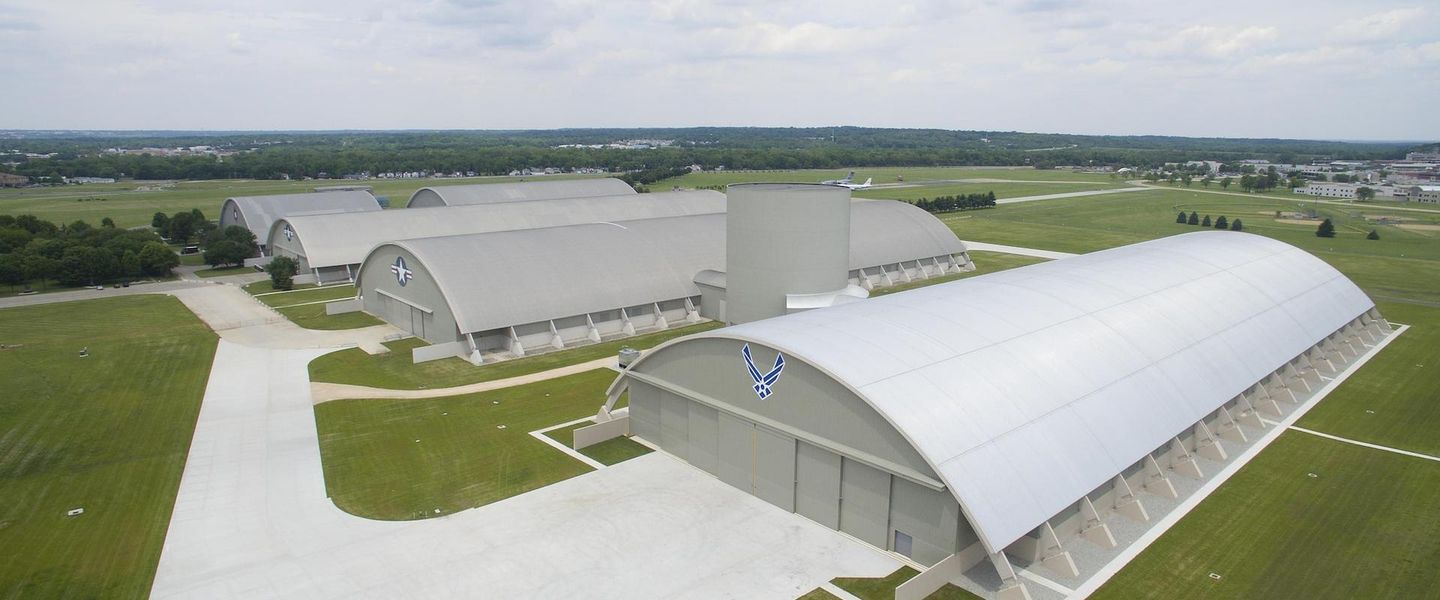


Explore Miami Valley for Dayton's aviation heritage, historic Ohio towns, river trails, woodland parks and inventive regional food.
Read more about Miami Valley
Getting to and around Miami Valley
How to get there
Transportation
Top city travel guides in Miami Valley
The cities of Miami Valley, and the easiest places to base yourself.
-

-


Swipe for more cities
Best attractions in Miami Valley
Miami Valley's attractions combine invention, military aviation, local history and accessible outdoor recreation. Dayton's National Museum of the United States Air Force is the region's major aviation institution, with extensive aircraft collections and interpretive displays, while Dayton Aviation Heritage National Historical Park explains the Wright brothers' work and the city's wider African American aviation history. Carillon Historical Park places regional inventions and industry in a historical setting, and Boonshoft Museum of Discovery offers science and natural-history exhibits. Outside Dayton, the historic centres of Troy and Piqua provide museums, galleries and nineteenth-century architecture. Yellow Springs is a base for the trails and ecological landscapes of Glen Helen Nature Preserve, John Bryan State Park and Clifton Gorge. The Miami Valley Trails and Great Miami Riverway support cycling, walking and paddling, while forested parks, farm country and riverfront greenways offer quieter alternatives to the principal museums. Attractions are dispersed, so a varied itinerary works best when planned around separate urban, historic-town and outdoor days.
-
Museum
National Museum of the US Air Force
Discover the wonders of aviation at the National Museum of the US Air Force, where history and technology soar together.
-
Escape room center
Breakout Games
Experience the thrill of immersive escape rooms at Breakout Games in Dayton, Ohio—an unforgettable adventure for friends and family.
-
Amusement park
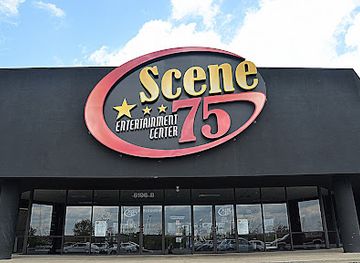
Scene75 Entertainment Center | Dayton
Experience the thrill of unlimited fun at Scene75 Entertainment Center, Dayton's ultimate amusement park for families and friends alike.
-
History museum
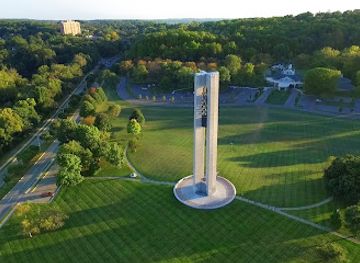
Carillon Historical Park
Explore the fascinating history of Dayton, Ohio, at Carillon Historical Park—home to stunning exhibits, interactive experiences, and beautiful landscapes.

Best landmarks in Miami Valley
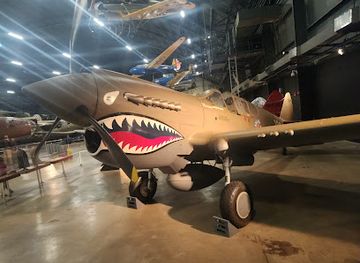
The National Museum of the United States Air Force, on the Wright-Patterson Air Force Base complex in Riverside, is one of Miami Valley's most recognisable landmarks, its enormous aircraft galleries expressing the region's continuing association with flight and military research. In Dayton, the Wright Cycle Company building and the Wright family home form part of the city's aviation story, while Carillon Historical Park's Deeds Carillon is a prominent feature of the southern urban landscape. The Great Miami River and its flood-control works are geographical landmarks as well as engineering legacies, recalling the devastation of the 1913 flood and the subsequent reshaping of the valley. Farther east, Clifton Gorge's exposed limestone strata and wooded ravines create one of the region's most distinctive natural scenes. Historic courthouse squares and commercial streets in Troy and Piqua provide architectural landmarks from the canal and railway era, contrasting with Dayton's industrial and civic buildings. Together these places show how rivers, engineering, aviation and successive town-building periods have defined the Miami Valley.
-
History museum
Carillon Historical Park
Experience Dayton's rich history and innovation at Carillon Historical Park, a beautiful outdoor museum with engaging exhibits and stunning views.
-
Nature preserve
Charleston Falls Preserve
Immerse yourself in the natural beauty of Charleston Falls Preserve, a serene escape with breathtaking waterfalls and scenic trails in Tipp City, Ohio.
-
Park
Carriage Hill MetroPark
Discover the beauty and history of Carriage Hill MetroPark in Huber Heights, Ohio, where nature and heritage come together in a breathtaking setting.
-
Historical landmark
Newark Earthworks
Discover the Newark Earthworks, Ohio's ancient monumental earthworks, showcasing Native American civilization and astronomical alignments.


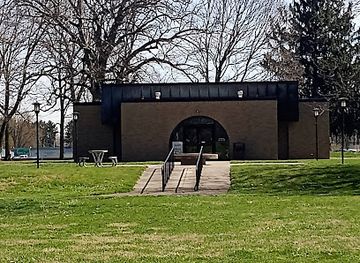
Explore Miami Valley on the map
Plan your trip on one map. See where the top cities, national parks and sights are, and book hotels and experiences in a few clicks.
Best hotels in Miami Valley
Best restaurants in Miami Valley
Dining in Miami Valley reflects southwestern Ohio's Midwestern setting, with a mixture of independent restaurants, neighbourhood cafés, traditional diners, breweries, pubs and contemporary kitchens. Dayton has the broadest choice, including restaurants concentrated around downtown and established neighbourhoods, while Troy, Yellow Springs and other historic communities offer compact scenes that can be explored on foot. Local menus commonly draw on Ohio produce, seasonal vegetables, beef, pork, baked goods and comfort-food traditions, alongside international cuisines shaped by the region's diverse population. Farmers' markets and Dayton's 2nd Street Market are useful places to find prepared food, local produce and small-scale specialities, although availability changes through the year. Rural areas have farm stands, family restaurants and roadside food businesses rather than dense dining districts. Craft beer is prominent in the regional beverage scene, and responsible drivers should plan ahead when visiting breweries or destinations outside the main towns.
-
Irish pub
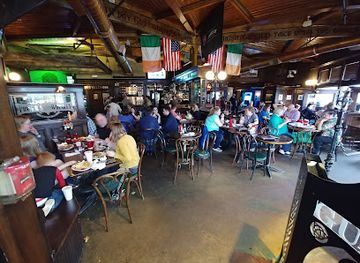
Dublin Pub
Experience authentic Irish hospitality at Dublin Pub in Dayton - savor delicious gastropub cuisine paired with a vibrant atmosphere.
-
Italian
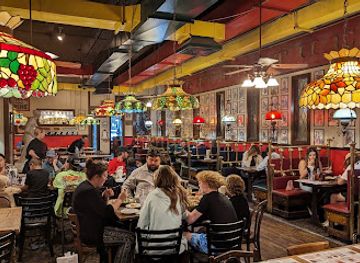
Spaghetti Warehouse
Discover authentic Italian cuisine at Spaghetti Warehouse in Dayton – where every dish tells a story!
-
Pizza
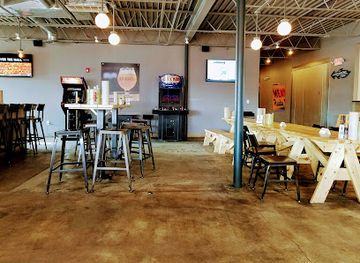
Old Scratch Pizza & Beer
Discover Dayton's vibrant pizza scene at Old Scratch Pizza & Beer - where artisanal flavors meet craft beer in a welcoming atmosphere.
-
Family-friendly
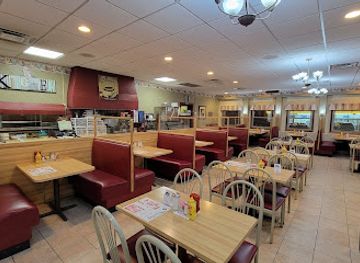
George's Family Restaurant
Discover comfort food at its best at George's Family Restaurant in Dayton - where family-friendly meets delicious dining!
Best bars in Miami Valley
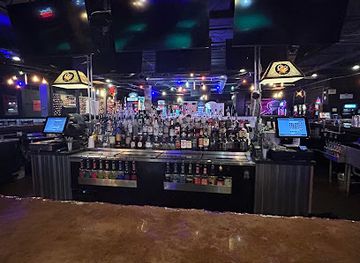
Miami Valley's evening life is centred more on pubs, breweries, restaurants, live music and performance venues than on a large nightclub circuit. Dayton provides the greatest concentration of bars and late-evening entertainment, particularly around downtown and nearby established neighbourhoods, with options ranging from traditional taverns to cocktail-focused and craft-beer venues. Yellow Springs has a small-town arts and music atmosphere, while Troy and other county seats tend towards independent bars, restaurants and occasional live performances. Breweries are part of the region's contemporary social scene, but nightlife remains local and varied rather than dominated by one entertainment district. In smaller communities, evening choices can narrow considerably outside weekends, and rural visitors should arrange a safe return journey rather than rely on late public transport. Theatre, galleries, concerts and seasonal community events can be as important to the region's night-time culture as drinking venues.
-
Sports bar
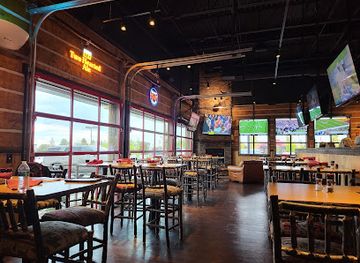
Twin Peaks
Experience the thrill of sports and delicious American cuisine at Twin Peaks, Dayton's premier sports bar and restaurant.
-
Fondue
The Melting Pot
Experience the art of fondue at The Melting Pot, a fine dining restaurant in Dayton, Ohio, perfect for social dining and special occasions.
-
Steak
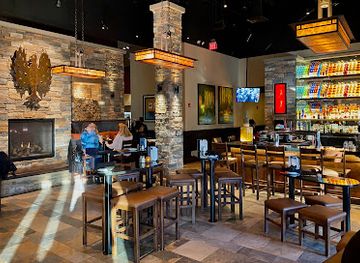
Firebirds Wood Fired Grill
Discover the vibrant dining experience at Firebirds Wood Fired Grill, where expertly crafted steaks and seafood await in a charming atmosphere.
-
Sports bar
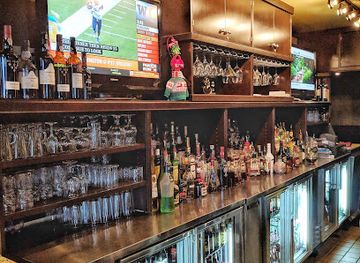
Miami Valley Sports Bar
Discover Miami Valley Sports Bar: Ohio's ultimate destination for sports, food, and fun, where every game is a celebration.
Best nightclubs in Miami Valley
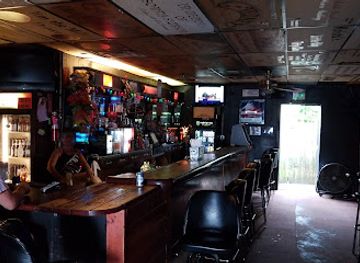
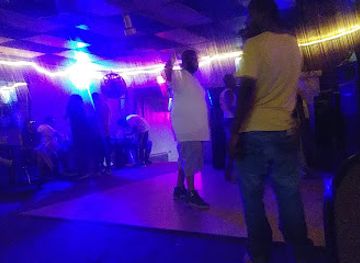
Miami Valley's evening life is centred more on pubs, breweries, restaurants, live music and performance venues than on a large nightclub circuit. Dayton provides the greatest concentration of bars and late-evening entertainment, particularly around downtown and nearby established neighbourhoods, with options ranging from traditional taverns to cocktail-focused and craft-beer venues. Yellow Springs has a small-town arts and music atmosphere, while Troy and other county seats tend towards independent bars, restaurants and occasional live performances. Breweries are part of the region's contemporary social scene, but nightlife remains local and varied rather than dominated by one entertainment district. In smaller communities, evening choices can narrow considerably outside weekends, and rural visitors should arrange a safe return journey rather than rely on late public transport. Theatre, galleries, concerts and seasonal community events can be as important to the region's night-time culture as drinking venues.
-
Bar
Daddy’s Den & Patio
Discover the lively nightlife at Daddy’s Den & Patio, a bar and night club in Dayton, OH that offers fun, music, and great drinks in a vibrant atmosphere.
-
Bar
Christy Club
Discover the lively atmosphere of Christy Club in Dayton, Ohio - where great drinks and good times await in a welcoming bar setting.
-
Dance club
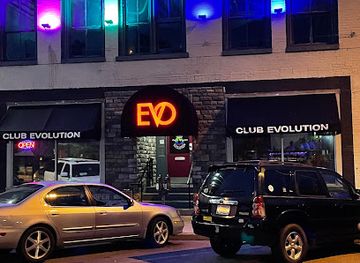
Club Evolution
Discover the ultimate nightlife experience at Club Evolution, Dayton's lively dance club and inclusive event venue.
-
Bar
K-9 Club
Experience the warmth of community at K-9 Club, Dayton's premier pet-friendly bar that celebrates the bond between humans and their furry friends.

Best shops in Miami Valley
Shopping in Miami Valley ranges from urban independent retail to historic-town boutiques and practical suburban centres. Dayton's 2nd Street Market is a key destination for regional produce, baked goods, prepared food and small vendors, with offerings that reflect the seasons rather than a fixed souvenir catalogue. Downtown Dayton and nearby neighbourhoods have independent booksellers, galleries, specialist shops and locally minded businesses, while The Greene Town Center in Beavercreek provides a larger open-air retail and dining environment east of the city. Yellow Springs is known for browsing among independent shops, art galleries, books, clothing and craft-oriented businesses. Troy and Piqua offer smaller historic shopping districts where antiques, gifts, local art and food products are more prominent than chain retail. Farmers' markets and roadside farm stands become especially useful in warmer months for Ohio-grown produce, preserves and baked goods. Visitors should distinguish durable local products from generic regional souvenirs, and check market days because schedules vary by town and season.
-
Shopping mall
The Greene
Explore The Greene, Ohio's premier open-air shopping center with diverse shops, dining, and entertainment, perfect for a delightful outing.
-
Shopping mall
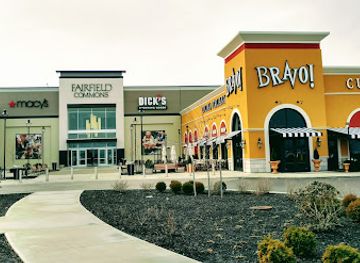
The Mall at Fairfield Commons
Explore a diverse shopping paradise at The Mall at Fairfield Commons in Beavercreek, Ohio, offering a mix of retail, dining, and entertainment.
-
Shopping mall
Dayton Mall
Explore Dayton Mall: A vibrant shopping haven with diverse stores, dining, and family-friendly entertainment in Dayton, Ohio.
-
Shopping mall
Airway Shopping Center
Discover the Airway Shopping Center: a vibrant shopping and dining destination in Dayton, Ohio, offering diverse stores and delicious eateries.

Get your free copy of our complete guide to Miami Valley, delivered straight to you.
Everything on this page, from attractions and restaurants to essentials and local phrases, in one PDF you can read offline, print or share.
Already have an account? Sign in
Your Miami Valley guide is ready.
We'll send it to · Not you? Sign out

Getting your guide ready…
We are putting together a fresh copy of the Miami Valley guide. This can take up to a minute.
This can take a few moments. If your browser asks, choose Allow so the download can start. You'll find the guide in your Downloads folder.
Nothing happened? Download it again
Sorry, the guide is taking longer than usual. Please try again in a minute, or get it by email instead.
Miami Valley essentials
Currency and Payment
Safety
Emergency Situations
Do's and Don'ts
Local Tips
From Eve
Local phrases worth knowing
You don't need to get them perfect. A few words go a long way, and locals appreciate the effort.
Basics
| English | Local | Say it |
|---|---|---|
| Hello | Hi | [Hai] |
| Goodbye | See ya | [See yah] |
| Yes | Yeah | [Yea] |
| No | Nope | [Nope] |
| Please/You're welcome | Please/No problem | [Pleez/No prob] |
| Thank you | Thanks | [Thangs] |
| Excuse me/Sorry | Excuse me/Sorry | [Excuse me/Sorry] |
| How are you? | How ya doin'? | [How yah doin'?] |
| Fine. And you? | Good. And you? | [Good. An' you?] |
| Do you speak English? | Do ya speak English? | [Do yah speak English?] |
| I don't understand | I don’t get it | [I don't get it] |
Eating & Drinking
| English | Local | Say it |
|---|---|---|
| I'd like to see the menu, please | Can I see the menu, please? | [Can I see the menu, pleez?] |
| I don't eat meat | I’m not a meat eater | [I'm not a meat eater] |
| Cheers! | Cheers! | [Cheers!] |
| I would like to pay, please | Can I get the check, please? | [Can I get the check, pleez?] |
Emergencies
| English | Local | Say it |
|---|---|---|
| Help! | Help! | [Help!] |
| Go away! | Leave me alone! | [Leave me alone!] |
| Call the Police! | Call the cops! | [Call the cops!] |
| Call a doctor! | Get a doctor! | [Get a doctor!] |
| I'm lost | I’m lost | [I'm lost] |
| I'm ill | I feel sick | [I feel sick] |
Shopping
| English | Local | Say it |
|---|---|---|
| I'd like to buy... | I wanna buy... | [I wanna buy...] |
| I'm just looking | Just browsing | [Just browsing] |
| How much is it? | What’s the price? | [What's the price?] |
| That's too expensive | That’s way too pricey | [That's way too pricey] |
| Can you lower the price? | Can you drop the price? | [Can you drop the price?] |
Time & Numbers
| English | Local | Say it |
|---|---|---|
| What time is it? | What time is it? | [What time is it?] |
| It's one o'clock | It’s one o’clock | [It's one o'clock] |
| Half past (10) | Half past ten | [Half past ten] |
| Morning | Morning | [Morning] |
| Afternoon | Afternoon | [Afternoon] |
| Evening | Evening | [Evening] |
| Yesterday | Yesterday | [Yesterday] |
| Today | Today | [Today] |
| Tomorrow | Tomorrow | [Tomorrow] |
| 1 | One | [Wun] |
| 2 | Two | [Too] |
| 3 | Three | [Three] |
| 4 | Four | [For] |
| 5 | Five | [Fyv] |
| 6 | Six | [Siks] |
| 7 | Seven | [Sev-en] |
| 8 | Eight | [Ayt] |
| 9 | Nine | [Nyn] |
| 10 | Ten | [Ten] |
Transport & Directions
| English | Local | Say it |
|---|---|---|
| Where's a/the...? | Where's the...? | [Where's the...?] |
| What's the address? | What’s the address? | [What's the address?] |
| Can you show me (on the map)? | Can you show me on the map? | [Can you show me on the map?] |
| When's the next (bus)? | When’s the next bus? | [When's the next bus?] |
| A ticket (to ....) | A ticket to ... | [A ticket to ...] |
History of Miami Valley
Indigenous Miami Valley
Long before American settlement, the Miami Valley was occupied and used by Indigenous communities including the Shawnee, Miami and Wyandot peoples, among others. Rivers, fertile bottomlands and established trails supported movement, trade and seasonal subsistence. The region's English name reflects the Miami people, although the historical and cultural geography of the area was more complex than that single label suggests. Treaties and forced removal during the late eighteenth and early nineteenth centuries transferred Indigenous lands to the United States, with profound consequences that remain part of Ohio's history.
The Founding of Dayton, 1796
Dayton was founded in 1796 by a group of settlers led by General Israel Ludlow, who chose a site near the confluence of the Great Miami and Stillwater rivers. Its position on navigable waterways and developing roads helped it grow from a frontier settlement into the principal commercial centre of the valley. The city's early development took place within the wider expansion of the United States into the Old Northwest, a process that displaced Indigenous nations and reshaped land ownership, government and settlement across southwestern Ohio.
Canals, Railways and Industrial Growth
The Miami and Erie Canal, completed through Dayton in the 1820s and 1830s, connected the Great Lakes with the Ohio River system and strengthened the valley's role in regional commerce. Railways later overtook canals as the dominant transport technology, linking Dayton and surrounding towns to national markets. Flour milling, agricultural processing, metalworking, manufacturing and other industries expanded around these connections. Historic canal traces, railway-era buildings and older commercial streets in communities such as Piqua and Troy reflect this transformation.
Dayton's Culture of Invention
Dayton became nationally important for the number and range of inventions developed in and around the city. Wilbur and Orville Wright operated a bicycle business and conducted systematic experiments that culminated in their first successful powered flights at Kitty Hawk, North Carolina, in 1903. Their Dayton workshops and family home are associated with the Dayton Aviation Heritage National Historical Park. Other Dayton inventors, engineers and manufacturers contributed to developments in cash registers, electrical equipment, automobiles and industrial technology, creating a durable local association with practical problem-solving.
Manufacturing, Labour and the Great Flood of 1913
Industrial expansion made Dayton prosperous but also exposed the city to the hazards of development along the river system. In March 1913, extreme rainfall caused the Great Flood, devastating Dayton and surrounding communities and killing hundreds across Ohio. The disaster prompted major flood-control works, including the Miami Conservancy District's system of dams and channels. These projects altered the valley's relationship with its rivers and helped create the managed waterways, parks and floodplain landscapes that visitors encounter today.
Military Research and the Modern Region
The development of Wright-Patterson Field and related aviation facilities established the Miami Valley as a major centre of military research and aerospace engineering. The base grew from the area's early aviation connections and became associated with aircraft testing, logistics and advanced research. The National Museum of the United States Air Force preserves and interprets this story, while nearby communities continue to reflect the economic and cultural influence of the installation. Modern Dayton consequently combines manufacturing and engineering traditions with education, healthcare, government and technology.
Miami Valley in Photos
Browse through our photo collection highlighting the charm and character of the destination.
Neighbouring regions of Miami Valley
The closest regions to Miami Valley, if you have time for more than one.
-

-

-

-

-


Swipe for more regions
Explore more

Explore more of Ohio
Explore Ohio's vibrant cities, rich history, and stunning natural landscapes. From bustling urban centers to serene state parks, Ohio offers diverse attractions for every traveler.
Explore Ohio