

Free Scioto Valley Travel Guide & Mobile App
Explore Scioto Valley with free travel guides. Discover regional history, expert tips, proposed trips, and audio guides on web or mobile app.


Explore Ohio's Scioto Valley for ancient earthworks, river towns, forested hills, state parks and the cultural energy of Columbus.
Read more about Scioto Valley
When is the best time to visit Scioto Valley?
Best: June, August–September · 24–28°C| Month | High (°C) | Rainfall (mm) |
|---|---|---|
| January | 4 | 78 |
| February | 5 | 72 |
| March | 11 | 89 |
| April | 18 | 96 |
| May | 21 | 104 |
| June (best) | 26 | 106 |
| July | 29 | 113 |
| August (best) | 28 | 102 |
| September (best) | 24 | 90 |
| October | 17 | 80 |
| November | 11 | 81 |
| December | 4 | 83 |
Getting to and around Scioto Valley
How to get there
Transportation
Top city travel guides in Scioto Valley
The cities of Scioto Valley, and the easiest places to base yourself.

Swipe for more cities
Best attractions in Scioto Valley
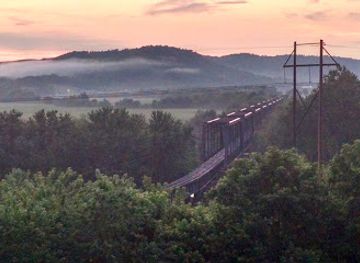
The Scioto Valley's attractions range from a major urban riverfront to archaeological landscapes and forested outdoor areas. In Columbus, the Scioto Mile links parks and promenades along the river near civic buildings, while the wider city provides museums, galleries and cultural institutions. Around Chillicothe, the defining attraction is the group of Hopewell Culture National Historical Park sites, where visitors can walk among monumental earthworks and learn about the societies that created them. Adena State Memorial adds a nineteenth-century historic house and landscaped grounds to the archaeological story. Great Seal State Park offers trails, wooded hills and broad views associated with Ohio's state emblem, while the southern valley leads towards Shawnee State Forest and the recreational landscapes near Portsmouth. Portsmouth's floodwall murals provide a large-scale, outdoor account of local history and complement the town's river setting. Smaller communities, historic streets, seasonal farms and tributary valleys fill the spaces between these headline sites, making the region particularly suited to road journeys that combine interpretation, walking, landscape and local history.
-
Tourist attraction
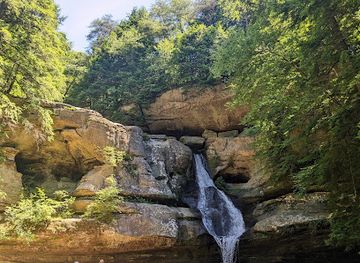
Cedar Falls
Discover Cedar Falls, a picturesque waterfall surrounded by lush nature in Hocking Hills State Park, perfect for hiking and tranquility.
-
Tourist attraction
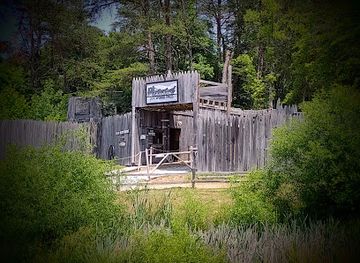
Dogwood Pass
Experience the rich heritage of Ohio at Dogwood Pass, a captivating tourist attraction blending history with entertainment for all ages.
-
Tourist attraction
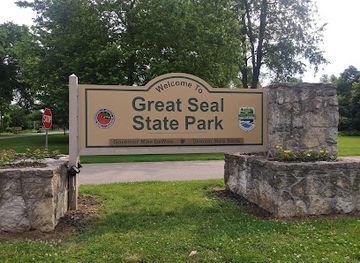
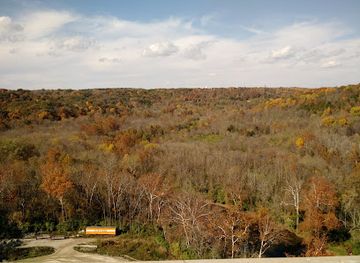
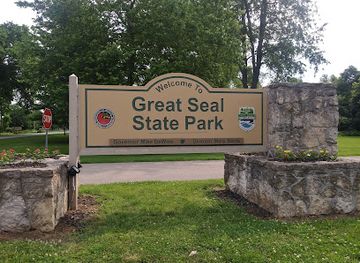
Great Seal State Park
Experience the serene landscapes and outdoor adventures at Great Seal State Park in Chillicothe, Ohio, a perfect getaway for nature lovers and families.
-
Event venue
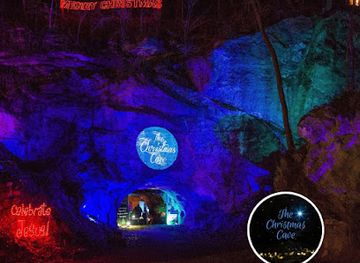
The Christmas Cave
Experience the holiday spirit year-round at The Christmas Cave, Ohio's enchanting attraction filled with festive displays and magical moments.
Best landmarks in Scioto Valley
The most important landmarks in the Scioto Valley are the Hopewell earthworks near Chillicothe, where geometric embankments and ceremonial sites give physical form to the achievements of ancient Indigenous societies. Mound City Group, part of Hopewell Culture National Historical Park, is especially legible as a planned ceremonial landscape, while nearby earthwork complexes broaden the scale of the archaeological story. Adena State Memorial combines a historic mansion with a preserved mound and grounds associated with Ohio's early political era. In Columbus, the Scioto River corridor and the Scioto Mile form a modern civic landmark, with parks and public spaces that have reshaped the downtown relationship with the water. Portsmouth's floodwall murals are a distinctive twentieth- and twenty-first-century landmark: painted panels extend along the riverfront and narrate local history through large-scale public art. Great Seal State Park contributes a natural landmark through its wooded ridges and views, landscapes echoed in the hills farther south towards Shawnee State Forest.
-
Historical landmark
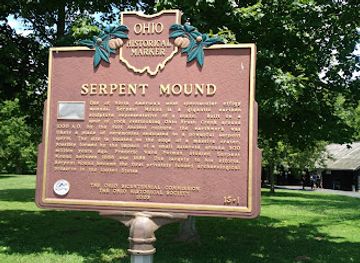
Serpent Mound State Memorial
Discover the ancient marvel of Serpent Mound in Ohio – a unique historical landmark that reveals the mysteries of Native American cultures.
-
Museum
Fort Ancient
Explore the ancient earthworks of Fort Ancient, a historical landmark in Ohio, and immerse yourself in the rich cultural heritage of Native American history.
-
Tourist attraction
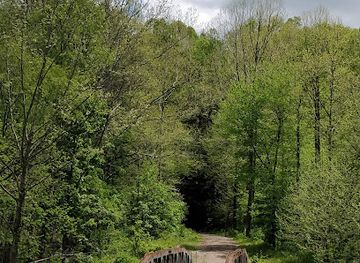
Moonville Tunnel
Discover the enchanting Moonville Tunnel, a historical landmark and hiking paradise in the heart of Ohio's Appalachian region.
-
State park
Great Seal State Park
Experience the stunning landscapes and abundant wildlife at Great Seal State Park, a premier destination for outdoor adventures in Ohio.
Explore Scioto Valley on the map
Plan your trip on one map. See where the top cities, national parks and sights are, and book hotels and experiences in a few clicks.
Best hotels in Scioto Valley
Best restaurants in Scioto Valley
Dining in the Scioto Valley changes with its geography. Columbus has the broadest choice, from independent cafés and food halls to restaurants drawing on Ohio produce and international cooking. In Circleville and Chillicothe, small-town diners, bakeries, taverns and family restaurants provide an accessible introduction to everyday Ohio food, while nearby farms contribute seasonal fruit, vegetables and locally raised meat. The southern valley shares some culinary influences with the wider Ohio Appalachian region, including hearty country cooking, biscuits, pies and traditional comfort dishes, although no single menu defines the whole corridor. River towns may offer freshwater fish and classic American casual food, but seafood is not a defining local tradition. Farmers' markets and farm stands are useful for discovering apples, sweet corn, pumpkins and preserves when in season. Breakfast cafés and independent bakeries are often early-closing businesses, so visitors travelling between smaller communities should avoid assuming that food will be available late at night.
-
Restaurant
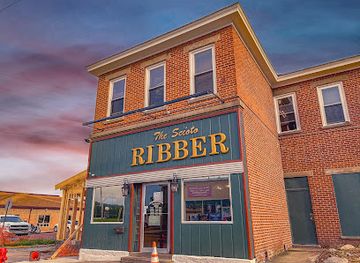
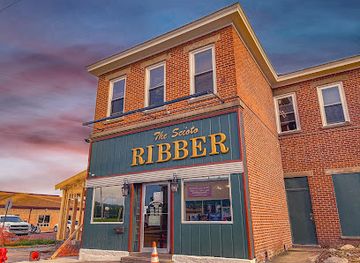
Scioto Ribber
Discover the unique flavors of wood-fired grilling at Scioto Ribber – Portsmouth's top culinary gem.
-
Mexican
Sonora Mexican Grill Portsmouth
Experience authentic Mexican flavors at Sonora Mexican Grill in Portsmouth – where every meal is a celebration of taste and culture.
-
Mexican
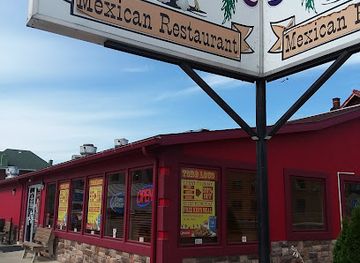
Toro Loco Mexican Restaurant
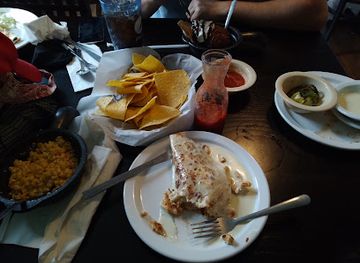
Experience authentic Mexican flavors at Toro Loco Mexican Restaurant in Portsmouth – where delicious meets affordable!
-
Grill
Patties & Pints
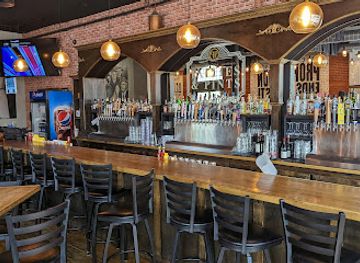
Experience the vibrant flavors at Patties & Pints in Portsmouth - where delicious grill fare meets an extensive beer selection.
Best bars in Scioto Valley
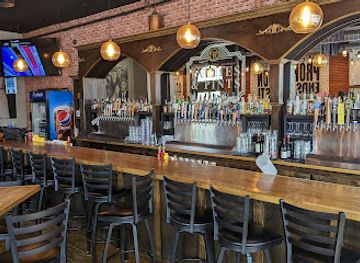
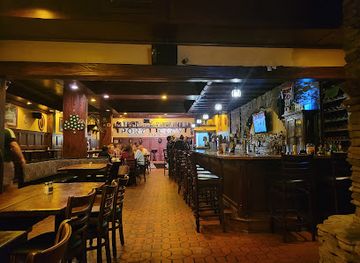
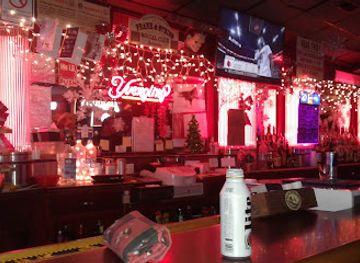
Nightlife is concentrated in Columbus, where the northern Scioto corridor offers cocktail bars, breweries, live music, theatres and a wide range of evening restaurants. Around Chillicothe, Portsmouth and the smaller valley communities, the evening scene is more modest and generally centres on pubs, taverns, casual restaurants, local events and occasional live performances rather than dedicated nightclubs. Historic town centres may be pleasant for an early evening walk, but opening patterns can vary and some businesses close relatively early. Breweries and independent bars reflect Ohio's wider craft-drink culture, while rural areas are better suited to a quiet meal or gathering than late-night entertainment. Visitors should arrange a sober driver or other transport when travelling between towns, since distances are considerable and public transport is limited outside Columbus.
-
Restaurant
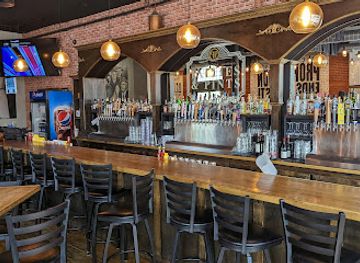
Scioto Ribber
Discover the best barbecue in Portsmouth, Ohio at Scioto Ribber, where every meal is a celebration of flavor and tradition.
-
Grill
Patties & Pints
Discover the vibrant flavors of Patties & Pints in Portsmouth, where gourmet burgers meet an exceptional craft beer selection.
-
Brewpub
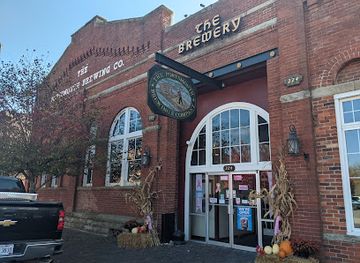
The Portsmouth Brewing Co.
Discover the rich flavors of Ohio craft beer at The Portsmouth Brewing Co., where quality brews meet delicious food in a vibrant atmosphere.
-
Restaurant
Applebee's Grill + Bar
Experience the best of American dining at Applebee's Grill + Bar, a family-friendly restaurant in New Boston offering delicious comfort food and a lively atmosphere.
Best nightclubs in Scioto Valley
Nightlife is concentrated in Columbus, where the northern Scioto corridor offers cocktail bars, breweries, live music, theatres and a wide range of evening restaurants. Around Chillicothe, Portsmouth and the smaller valley communities, the evening scene is more modest and generally centres on pubs, taverns, casual restaurants, local events and occasional live performances rather than dedicated nightclubs. Historic town centres may be pleasant for an early evening walk, but opening patterns can vary and some businesses close relatively early. Breweries and independent bars reflect Ohio's wider craft-drink culture, while rural areas are better suited to a quiet meal or gathering than late-night entertainment. Visitors should arrange a sober driver or other transport when travelling between towns, since distances are considerable and public transport is limited outside Columbus.
-
Grill
Patties & Pints
Experience the vibrant flavors of Patties & Pints in Portsmouth, where delicious burgers meet a fun and lively atmosphere.
-
Irish pub
Port City Pub
Discover the heart of Portsmouth at Port City Pub, where traditional Irish flavors meet a vibrant atmosphere for a memorable dining experience.
-
Bar
Frank & Steins Lounge
Discover the lively ambiance of Frank & Steins Lounge in Portsmouth, OH, where great drinks and friendly faces create unforgettable moments.
-
Bar
Stag Bar
Experience the lively atmosphere and affordable drinks at Stag Bar, Portsmouth's local favorite for relaxation and socializing.
Best shops in Scioto Valley
Shopping in the Scioto Valley is strongest in Columbus, where visitors will find major retail districts, independent neighbourhood shops, galleries, booksellers and specialist food stores. Farther south, Chillicothe, Circleville and Portsmouth offer traditional high streets with antiques, gifts, clothing, local services and small independent businesses rather than extensive luxury retail. Seasonal farmers' markets and farm stands are worthwhile for Ohio produce, baked goods, preserves, pumpkins, sweet corn and other locally grown items, though their dates and locations change. Craft and heritage shops may stock locally themed artwork, pottery, handmade goods and books about the Hopewell earthworks or Ohio history. The best souvenirs are often durable regional products or museum-shop purchases connected with Indigenous archaeology and local heritage; visitors should avoid buying purported archaeological artefacts unless their legal and ethical provenance is clear.
-
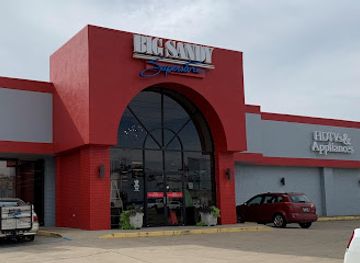
Appliance store
Big Sandy Superstore
Discover Big Sandy Superstore in Portsmouth for an unparalleled shopping experience featuring furniture, appliances, and electronics for every home.
-
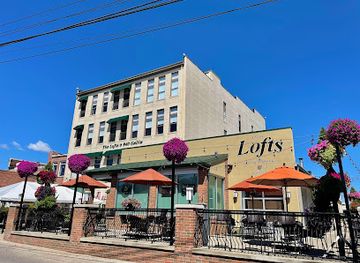
Coffee shop
Lofts Coffee Company & Roastery
Discover the rich flavors and warm ambiance of Lofts Coffee Company & Roastery in Portsmouth, Ohio, where exceptional coffee meets delightful brunch options.
-
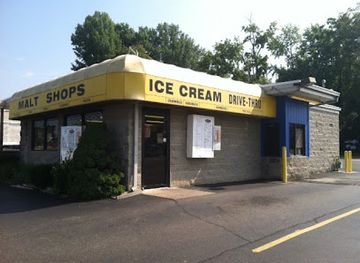
Ice Cream
Malt Shops
Experience the sweet flavors of nostalgia at Malt Shops, Portsmouth's favorite spot for ice cream, burgers, and Armenian cuisine.
-
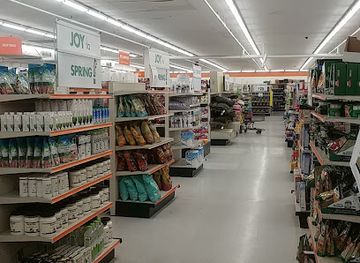
Discount store
Big Lots
Shop smart at Big Lots in Portsmouth, Ohio, where unbeatable discounts meet quality products, perfect for travelers looking to save.
Get your free copy of our complete guide to Scioto Valley, delivered straight to you.
Everything on this page, from attractions and restaurants to essentials and local phrases, in one PDF you can read offline, print or share.
Already have an account? Sign in
Your Scioto Valley guide is ready.
We'll send it to · Not you? Sign out

Getting your guide ready…
We are putting together a fresh copy of the Scioto Valley guide. This can take up to a minute.
This can take a few moments. If your browser asks, choose Allow so the download can start. You'll find the guide in your Downloads folder.
Nothing happened? Download it again
Sorry, the guide is taking longer than usual. Please try again in a minute, or get it by email instead.
Scioto Valley essentials
Currency and Payment
Safety
Emergency Situations
Do's and Don'ts
Local Tips
From Eve
Local phrases worth knowing
You don't need to get them perfect. A few words go a long way, and locals appreciate the effort.
Basics
| English | Local | Say it |
|---|---|---|
| Hello | Howdy | [Ha-dee] |
| Goodbye | See ya later | [See ya lay-ter] |
| Yes | Yep | [Yep] |
| No | Nah | [Nah] |
| Please/You're welcome | No problem | [No prob-lum] |
| Thank you | Thanks a lot | [Thanks a lot] |
| Excuse me/Sorry | Pardon me | [Par-don me] |
| How are you? | How ya doin'? | [How ya do-in'?] |
| Fine. And you? | Good. And you? | [Good. And you?] |
| Do you speak English? | Can ya speak English? | [Can ya speak English?] |
| I don't understand | I ain't followin' | [I ain't fol-lowin'] |
Eating & Drinking
| English | Local | Say it |
|---|---|---|
| I'd like to see the menu, please | Can I see the menu? | [Can I see the men-u?] |
| I don't eat meat | I don't do meat | [I don't do meat] |
| Cheers! | Cheers! | [Cheers!] |
| I would like to pay, please | Can I get the check, please? | [Can I get the check, please?] |
Emergencies
| English | Local | Say it |
|---|---|---|
| Help! | Help! | [Help!] |
| Go away! | Get lost! | [Get lost!] |
| Call the Police! | Call the cops! | [Call the cops!] |
| Call a doctor! | Get a doctor here! | [Get a doc-tor here!] |
| I'm lost | I'm turned around | [I'm turned a-round] |
| I'm ill | I'm not feelin' well | [I'm not feel-in' well] |
Shopping
| English | Local | Say it |
|---|---|---|
| I'd like to buy... | I wanna buy... | [I wanna buy...] |
| I'm just looking | I'm just browsing | [I'm just brow-sing] |
| How much is it? | What's the price? | [What's the price?] |
| That's too expensive | That's way too pricey | [That's way too price-y] |
| Can you lower the price? | Can ya knock down the price? | [Can ya knock down the price?] |
Time & Numbers
| English | Local | Say it |
|---|---|---|
| What time is it? | What time ya got? | [What time ya got?] |
| It's one o'clock | It's one o'clock | [It's one o'clock] |
| Half past (10) | Half past ten | [Half past ten] |
| Morning | Mornin' | [Morn-in'] |
| Afternoon | Afternoon | [Af-ter-noon] |
| Evening | Evenin' | [Even-in'] |
| Yesterday | Yest'day | [Yes-ter-day] |
| Today | Today | [To-day] |
| Tomorrow | Tomor-row | [To-mor-row] |
| 1 | One | [One] |
| 2 | Two | [Two] |
| 3 | Three | [Three] |
| 4 | Four | [Four] |
| 5 | Five | [Five] |
| 6 | Six | [Six] |
| 7 | Seven | [Seven] |
| 8 | Eight | [Eight] |
| 9 | Nine | [Nine] |
| 10 | Ten | [Ten] |
Transport & Directions
| English | Local | Say it |
|---|---|---|
| Where's a/the...? | Where's the ...? | [Where's the ...?] |
| What's the address? | What's the addy? | [What's the ad-dy?] |
| Can you show me (on the map)? | Can ya point it out? | [Can ya point it out?] |
| When's the next (bus)? | When's the next bus? | [When's the next bus?] |
| A ticket (to ....) | A ticket to ... | [A tick-et to ...] |
History of Scioto Valley
Adena and Hopewell earthwork traditions, c. 1000 BCE–400 CE
The Scioto Valley contains one of the greatest concentrations of Indigenous earthworks in North America. Adena communities built burial mounds and ceremonial monuments from about 1000 BCE, followed by Hopewell societies whose geometric enclosures, embankments and specialised artefacts reached remarkable complexity between roughly 100 BCE and 400 CE. The surviving works around Chillicothe, including those protected by Hopewell Culture National Historical Park, demonstrate long-distance exchange, careful surveying and ceremonial activity. They are enduring sacred and archaeological landscapes rather than simply scenic remnants.
Shawnee and other Indigenous homelands
Before and during European colonisation, the Scioto Valley was used and inhabited by Indigenous peoples including the Shawnee, as well as communities connected with the wider Ohio Valley. The river supplied routes through woodland and prairie, while hunting, farming and diplomacy shaped settlement patterns. Treaties, warfare and forced removals during the eighteenth and nineteenth centuries transferred control of the region to the United States. Modern place names and cultural interpretation preserve only part of this history, which remains essential to understanding the valley's landscapes.
Chillicothe and Ohio's early statehood, 1790s–1810s
Chillicothe became one of the most important political centres in early Ohio. It served as the state's first capital from 1803 to 1810 and again from 1812 to 1816, when legislators debated the developing state's institutions and relationship with the federal government. The town was established amid the changing frontier economy of the Scioto Valley, and its position on river and overland routes encouraged trade. Adena State Memorial and local historic collections help interpret this formative period.
Canals, river commerce and agricultural settlement, nineteenth century
Nineteenth-century transport improvements connected the valley's farms and towns with larger markets. The Ohio and Erie Canal passed through parts of the wider Scioto watershed, while the Scioto River and later railways supported movement of agricultural goods, timber and manufactured products. Towns such as Chillicothe, Circleville and Portsmouth grew as commercial centres, although river flooding and changing transport routes repeatedly affected their fortunes. The surviving street plans, warehouses, civic buildings and canal-related traces reflect this transition from frontier settlement to an integrated Ohio economy.
Railways, industry and the growth of Portsmouth
Portsmouth developed at the southern end of the valley where the Scioto meets the Ohio, making it an important transport and industrial centre. Railways, river traffic and manufacturing supported employment and regional trade during the nineteenth and twentieth centuries. The town's position also connected it economically and culturally with Kentucky and West Virginia across the Ohio River. Later industrial change reduced some traditional employment, but Portsmouth's historic core, river setting and large floodwall mural project continue to express its regional identity.
The modern capital corridor
Columbus expanded from a planned early nineteenth-century state capital into Ohio's largest city and the principal urban centre at the northern end of the Scioto Valley. Government, education, manufacturing, commerce and services drew population towards the river corridor. Redevelopment along the downtown riverfront, including the Scioto Mile parks and restored public spaces, has made the river more visible in civic life. Columbus's museums, neighbourhoods and food culture now provide a strongly urban counterpoint to the rural and small-town landscapes farther south.
Preserving the valley's archaeological and natural heritage
During the twentieth and twenty-first centuries, public agencies, archaeologists and local organisations increasingly worked to protect the valley's earthworks, forests, waterways and historic communities. Hopewell Culture National Historical Park, designated a UNESCO World Heritage property in 2023 as part of the Hopewell Ceremonial Earthworks, brought international recognition to the Chillicothe area and related Ohio sites. State parks, forests and local heritage projects further support interpretation and recreation, while ongoing scholarship emphasises Indigenous achievement and stewardship rather than presenting the past as an isolated prehistory.
Scioto Valley in Photos
Browse through our photo collection highlighting the charm and character of the destination.
Neighbouring regions of Scioto Valley
The closest regions to Scioto Valley, if you have time for more than one.
-

-

-

-

-


Swipe for more regions
Explore more

Explore more of Ohio
Explore Ohio's vibrant cities, rich history, and stunning natural landscapes. From bustling urban centers to serene state parks, Ohio offers diverse attractions for every traveler.
Explore Ohio