

Free Little Miami River Valley Travel Guide & Mobile App
Explore Little Miami River Valley with free travel guides. Discover regional history, expert tips, proposed trips, and audio guides on web or mobile app.


Explore the Little Miami River Valley for limestone gorges, river trails, Indigenous earthworks, historic towns and outdoor adventures near Cincinnati.
Read more about Little Miami River Valley
When is the best time to visit Little Miami River Valley?
Best: May–June, September · 23–28°C| Month | High (°C) | Rainfall (mm) |
|---|---|---|
| January | 4 | 68 |
| February | 5 | 62 |
| March | 12 | 76 |
| April | 17 | 85 |
| May (best) | 23 | 103 |
| June (best) | 28 | 104 |
| July | 30 | 111 |
| August | 29 | 99 |
| September (best) | 25 | 85 |
| October | 18 | 83 |
| November | 11 | 83 |
| December | 4 | 75 |
Getting to and around Little Miami River Valley
How to get there
Transportation
Top city travel guides in Little Miami River Valley
The cities of Little Miami River Valley, and the easiest places to base yourself.
-

-

-


Swipe for more cities
Best attractions in Little Miami River Valley
The Little Miami River Valley’s principal attractions are connected by landscape as much as by road. John Bryan State Park and Clifton Gorge State Nature Preserve offer forest trails, limestone formations and views into one of the river’s most dramatic sections. The Little Miami Scenic Trail is the region’s defining recreational asset, carrying walkers, runners and cyclists through former railway corridors between farms, woods and valley towns. Canoeing and kayaking are available on suitable stretches, subject to water conditions and access arrangements. Fort Ancient Earthworks near Oregonia adds major archaeological and cultural significance, with large embankments and museum interpretation relating to Indigenous Ohio. Historic communities including Clifton, Spring Valley, Loveland and Milford contribute nineteenth-century architecture, independent shops and river-oriented recreation. The valley also has wildlife-watching opportunities in wooded floodplains, wetlands and restored habitats, while nearby Yellow Springs provides galleries, cafés and access to the upper valley’s parks. The appeal lies in combining active outdoor travel with geology, archaeology, conservation and small-town heritage rather than concentrating on a single monumental attraction.
-
Tourist attraction
Sharon Woods
Discover the natural allure of Sharon Woods in Ohio, a perfect park for outdoor activities, family fun, and serene nature exploration.
-
Tourist attraction
Loveland Castle Museum
Explore Loveland Castle Museum, a historical landmark blending medieval architecture and fascinating stories in a picturesque setting.
-
Museum
Fort Ancient
Explore the ancient earthworks of Fort Ancient, a unique blend of history, culture, and nature in Ohio, perfect for tourists and history enthusiasts alike.
-
Tourist attraction
Trammel Fossil Park
Explore Trammel Fossil Park in Sharonville, Ohio, where adventure meets education as you dig for ancient fossils in a beautiful natural setting.



Best landmarks in Little Miami River Valley
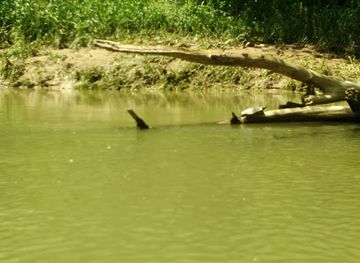
Fort Ancient Earthworks is the valley’s most important archaeological landmark: its extensive earthen embankments occupy a high terrace above the Little Miami near Oregonia and demonstrate the scale of Indigenous construction in ancient Ohio. Clifton Gorge is the region’s defining natural landmark, where the river cuts through resistant limestone to create exposed rock walls, narrow channels and wooded overlooks. John Bryan State Park protects the wider gorge landscape and gives the geological formation a carefully managed public setting. The Little Miami Scenic Trail is a landmark of a different kind, following former railway alignments and expressing the valley’s transition from industrial transport route to recreational corridor. Historic streets and buildings in Milford, Loveland, Clifton and Spring Valley preserve the visual imprint of nineteenth-century farming, milling and railway commerce. Stone bridges, former mills and railway remnants appear along parts of the corridor, while the river itself remains the central geographical feature linking these cultural and natural landmarks.
-
Museum
Loveland Castle Museum
Explore the medieval charm of Loveland Castle Museum, a historical landmark that offers a unique glimpse into a bygone era in Ohio.
-
Open air museum
Fort Meigs Historic Site
Explore the rich history of the War of 1812 at Fort Meigs Historic Site, a captivating open-air museum in Perrysburg, Ohio.
-
Museum
Fort Ancient
Explore the ancient earthworks of Fort Ancient in Ohio, a historical landmark with scenic trails and rich indigenous heritage.
-
Historical place museum
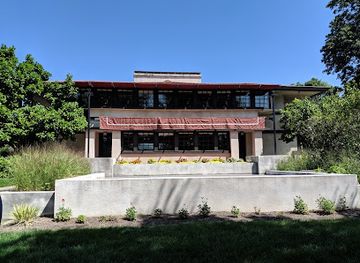
Frank Lloyd Wright's Westcott House
Explore the architectural brilliance of Frank Lloyd Wright's Westcott House in Springfield, Ohio, a must-visit historical museum showcasing Prairie School design.

Explore Little Miami River Valley on the map
Plan your trip on one map. See where the top cities, national parks and sights are, and book hotels and experiences in a few clicks.
Best hotels in Little Miami River Valley
Best restaurants in Little Miami River Valley
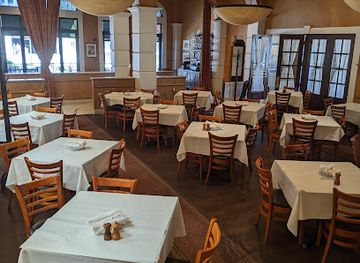
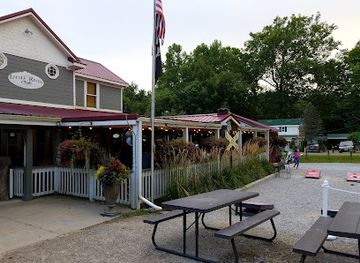
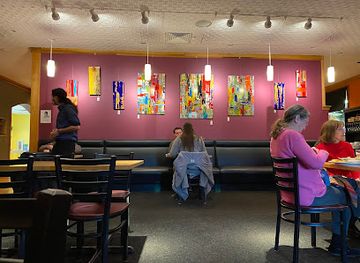
Dining in the Little Miami River Valley is varied but generally informal, with cafés, independent restaurants, breweries, pizzerias, farm-to-table venues and traditional American eateries concentrated in towns such as Loveland, Milford and Yellow Springs. Trail communities cater to cyclists with coffee, sandwiches, ice cream and easygoing places for a post-ride meal, while rural areas have fewer establishments and reward advance planning. Menus commonly draw on wider Midwestern and American traditions: burgers, barbecue, fried chicken, seasonal vegetables, baked goods and locally produced beers are more characteristic than a single dish unique to the valley. Farmers’ markets and farm shops provide opportunities to buy Ohio-grown produce, apples, pumpkins, preserves and other regional goods when in season. Historic towns also support independent bistros and cafés, and the southern corridor benefits from proximity to Cincinnati’s broader dining culture without sharing all of its urban density. Tipping is expected in table-service restaurants.
-
Italian
Brio Italian Grille
Discover authentic Italian cuisine at Brio Italian Grille, Newport's premier dining destination with a charming atmosphere and exquisite flavors.
-
Brewery
Little Miami Brewing Company
Discover locally brewed craft beers and delicious family-friendly meals at Little Miami Brewing Company in Milford.
-
Grill
Little River Bar and Grill
Experience the vibrant flavors of Little River Bar and Grill in Oregonia - where delicious food meets lively entertainment.
-
American
Meadowlark Restaurant
Experience innovative American cuisine at Meadowlark Restaurant in Dayton; where fresh ingredients meet exceptional service in a charming setting.

Best bars in Little Miami River Valley
Evening life in the Little Miami River Valley is centred on pubs, breweries, restaurant bars, historic downtowns and live-music events rather than a large nightclub scene. Loveland and Milford have the greatest concentration of places for drinks and dinner, while Yellow Springs adds a more arts-oriented café and bar culture linked to its independent shops and cultural institutions. Breweries and taprooms are popular social venues, but visitors should not drive after drinking, particularly where trail towns are separated by rural roads. In smaller settlements, evenings are quieter and may focus on a local restaurant, community event or live performance rather than late opening hours. Cincinnati’s substantial nightlife is nearby but outside the valley and requires transport planning. Seasonal outdoor seating, river-town festivals and cycling events can make the corridor livelier at certain times, although dates and participating venues change from year to year.
-
River
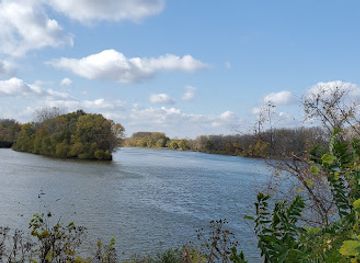
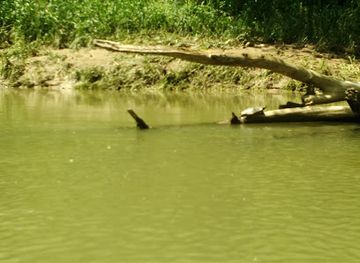
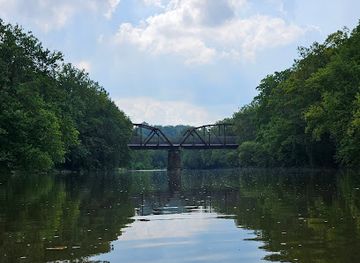
Little Miami River
Experience the tranquil beauty and adventure of the Little Miami River in Ohio, perfect for outdoor enthusiasts and nature lovers alike.
Best nightclubs in Little Miami River Valley
Evening life in the Little Miami River Valley is centred on pubs, breweries, restaurant bars, historic downtowns and live-music events rather than a large nightclub scene. Loveland and Milford have the greatest concentration of places for drinks and dinner, while Yellow Springs adds a more arts-oriented café and bar culture linked to its independent shops and cultural institutions. Breweries and taprooms are popular social venues, but visitors should not drive after drinking, particularly where trail towns are separated by rural roads. In smaller settlements, evenings are quieter and may focus on a local restaurant, community event or live performance rather than late opening hours. Cincinnati’s substantial nightlife is nearby but outside the valley and requires transport planning. Seasonal outdoor seating, river-town festivals and cycling events can make the corridor livelier at certain times, although dates and participating venues change from year to year.
-
Grill
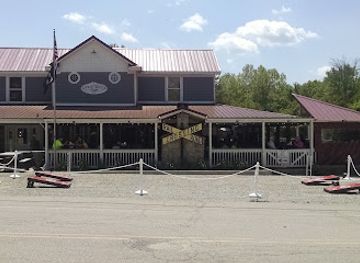
Little River Bar and Grill
Experience the lively atmosphere and delicious grill cuisine at Little River Bar and Grill in Oregonia, Ohio, where every visit is a celebration.
Best shops in Little Miami River Valley
Shopping in the Little Miami River Valley is concentrated in independent downtowns, trail-oriented businesses, galleries, farm shops and seasonal markets rather than large retail districts. Yellow Springs is known for independent books, arts, crafts, clothing and locally made goods, while Loveland and Milford offer a mixture of boutiques, gift shops, cafés and galleries in walkable historic areas. Market and farm-shop purchases may include Ohio-grown fruit and vegetables, honey, preserves, baked goods, cheese, craft beer and other regional produce, with availability varying by season. Visitors using the Little Miami Scenic Trail will find bike services and casual retail in several corridor communities, but not continuous shopping along the route. Local art, ceramics, jewellery and hand-crafted items make more meaningful souvenirs than generic river-themed merchandise, and Fort Ancient’s visitor facilities provide an opportunity to choose educational material about Ohio’s Indigenous heritage.
-
Outlet mall
Cincinnati Premium Outlets
Discover unbeatable deals at Cincinnati Premium Outlets, Ohio's premier shopping destination with over 100 brand-name outlet stores.
-
Antique store
Ohio Valley Antique Mall
Explore Ohio Valley Antique Mall: A Vintage Wonderland of Antiques, Collectibles, and Unique Finds in Fairfield, Ohio.
-
Shopping mall
Streets of West Chester
Explore the Streets of West Chester: A vibrant shopping mall with diverse stores, delightful dining options, and a lively atmosphere in Ohio.
-
Shopping mall
Shops At Harper's Point
Experience the best of shopping, dining, and entertainment at the Shops at Harper's Point in Cincinnati, a vibrant destination for all tastes.


Get your free copy of our complete guide to Little Miami River Valley, delivered straight to you.
Everything on this page, from attractions and restaurants to essentials and local phrases, in one PDF you can read offline, print or share.
Already have an account? Sign in
Your Little Miami River Valley guide is ready.
We'll send it to · Not you? Sign out

Getting your guide ready…
We are putting together a fresh copy of the Little Miami River Valley guide. This can take up to a minute.
This can take a few moments. If your browser asks, choose Allow so the download can start. You'll find the guide in your Downloads folder.
Nothing happened? Download it again
Sorry, the guide is taking longer than usual. Please try again in a minute, or get it by email instead.
Little Miami River Valley essentials
Currency and Payment
Safety
Emergency Situations
Do's and Don'ts
Local Tips
From Eve
Local phrases worth knowing
You don't need to get them perfect. A few words go a long way, and locals appreciate the effort.
Basics
| English | Local | Say it |
|---|---|---|
| Hello | Howdy | [Ha-dee] |
| Goodbye | See ya | [See yah] |
| Yes | Yep | [Yep] |
| No | Nope | [Nope] |
| Please/You're welcome | No problem | [No prob-lem] |
| Thank you | Thanks a lot | [Thanks a lot] |
| Excuse me/Sorry | Sorry 'bout that | [Sorry 'bout that] |
| How are you? | How ya doin'? | [How ya doin'?] |
| Fine. And you? | Good, you? | [Good, you?] |
| Do you speak English? | Can ya speak English? | [Can ya speak English?] |
| I don't understand | I ain't gettin' it | [I ain't gettin' it] |
Eating & Drinking
| English | Local | Say it |
|---|---|---|
| I'd like to see the menu, please | Can I see the menu? | [Can I see the menu?] |
| I don't eat meat | I ain't eatin' meat | [I ain't eatin' meat] |
| Cheers! | Cheers! | [Cheers!] |
| I would like to pay, please | Can I pay the bill? | [Can I pay the bill?] |
Emergencies
| English | Local | Say it |
|---|---|---|
| Help! | Help! | [Help!] |
| Go away! | Get lost! | [Get lost!] |
| Call the Police! | Call the cops! | [Call the cops!] |
| Call a doctor! | Get a doctor! | [Get a doctor!] |
| I'm lost | I'm turned around | [I'm turned around] |
| I'm ill | I'm not feelin' well | [I'm not feelin' well] |
Shopping
| English | Local | Say it |
|---|---|---|
| I'd like to buy... | I wanna buy... | [I wanna buy...] |
| I'm just looking | Just browsin' | [Just browsin'] |
| How much is it? | What’s the damage? | [What’s the damage?] |
| That's too expensive | That's way too pricey | [That's way too pricey] |
| Can you lower the price? | Can ya knock down the price? | [Can ya knock down the price?] |
Time & Numbers
| English | Local | Say it |
|---|---|---|
| What time is it? | What time ya got? | [What time ya got?] |
| It's one o'clock | It's one | [It's one] |
| Half past (10) | Half past ten | [Half past ten] |
| Morning | Mornin' | [Mornin'] |
| Afternoon | Afternoon | [Afternoon] |
| Evening | Evenin' | [Evenin'] |
| Yesterday | Yest'day | [Yest'day] |
| Today | Today | [Today] |
| Tomorrow | Tomorrah | [Tomorrah] |
| 1 | One | [One] |
| 2 | Two | [Two] |
| 3 | Three | [Three] |
| 4 | Four | [Four] |
| 5 | Five | [Five] |
| 6 | Six | [Six] |
| 7 | Seven | [Seven] |
| 8 | Eight | [Eight] |
| 9 | Nine | [Nine] |
| 10 | Ten | [Ten] |
Transport & Directions
| English | Local | Say it |
|---|---|---|
| Where's a/the...? | Where's the...? | [Where's the...?] |
| What's the address? | What’s the address? | [What’s the address?] |
| Can you show me (on the map)? | Can ya point it out? | [Can ya point it out?] |
| When's the next (bus)? | When's the next bus? | [When's the next bus?] |
| A ticket (to ....) | A ticket to... | [A ticket to...] |
History of Little Miami River Valley
Hopewell Earthworks and Indigenous Landscapes
The Little Miami Valley contains important evidence of Indigenous societies that flourished in the Ohio region long before European settlement. Fort Ancient Earthworks, on a high terrace above the river near Oregonia, was constructed and used by communities associated with the Hopewell tradition between roughly 2,000 and 1,500 years ago. Its embankments, gateways and elevated position reveal complex planning, ceremonial activity and extensive connections across eastern North America. The site is not a fortress in the European sense, and its original purposes were varied. Today it provides one of the clearest places in the valley to appreciate the depth of Ohio’s pre-European history.
Miami and Shawnee Homelands
The river and surrounding country formed part of the homelands and travel networks of Indigenous peoples, including the Miami and Shawnee, before and during the period of European colonial expansion. The name Little Miami reflects this wider historical association, although the river’s naming and later settlement history were shaped by colonial mapping and political change. Treaties, warfare and the expansion of the United States during the late eighteenth and early nineteenth centuries displaced Indigenous communities from much of the region. The resulting transformation opened the valley to intensive farming and new settlements, while leaving an enduring Indigenous history that is increasingly central to interpretation of its archaeological sites.
Farming, Mills and Early Settlements
Euro-American settlement expanded through the valley during the late eighteenth and early nineteenth centuries, encouraged by fertile farmland, timber and the river’s water power. Communities developed around gristmills, sawmills, forges and transport crossings, while farms supplied growing markets in Cincinnati and Dayton. Towns such as Milford, Loveland, Spring Valley and Waynesville preserve elements of this period in their street plans, brick commercial buildings, churches and houses. The river could be both a resource and an obstacle: flooding, changing channels and difficult crossings influenced where roads, mills and later railways were established.
Canals, Railways and Industrial Connections
The valley’s economic history was shaped by transport improvements as much as by agriculture. The Miami and Erie Canal passed through parts of the broader Miami country to the west, while railways later followed practical routes along the Little Miami and its tributaries. Rail connections helped move farm goods, timber and manufactured products and encouraged the growth of market towns. Several modern recreational trails occupy former railway alignments, allowing visitors to experience the same corridor from a slower perspective. The survival of former depots, bridges, mill sites and commercial streets reflects the period when the valley was integrated into Ohio’s expanding transport network.
The Little Miami Railroad
The Little Miami Railroad, established in the nineteenth century, connected Cincinnati with communities north-east of the city and became one of the important transport lines in south-western Ohio. Its route supported settlement, commerce and tourism while following the valley’s natural geography. Although passenger and freight services have long since disappeared from much of the original alignment, sections of the railway corridor were adapted for the Little Miami Scenic Trail. This reuse links modern recreation with the region’s industrial past and explains why the trail often feels like a linear historical landscape as well as a cycling route.
Conservation of the Scenic River
By the mid-twentieth century, pollution, development and changing land use had placed pressure on the Little Miami and its tributaries. Campaigns by conservationists, residents and canoeing interests helped secure stronger protection for the river. In 1969, the Little Miami River became Ohio’s first designated State Scenic River, an important milestone in the state’s river-conservation movement. The designation encouraged stewardship of water quality, habitat and public enjoyment, although it did not remove all development or flooding pressures. Today, state parks, nature preserves, trail organisations and local communities continue that conservation legacy.
The Valley as a Recreation Corridor
During the late twentieth and early twenty-first centuries, the Little Miami Valley increasingly shifted from a transport and industrial corridor to a destination for walking, cycling, paddling and nature study. The Little Miami Scenic Trail, developed through a partnership of public agencies and local organisations, has connected former railway sections into one of Ohio’s best-known multi-use trail systems. State parks and preserves such as John Bryan and Clifton Gorge add geological and ecological interest, while towns along the corridor have adapted former commercial and railway areas for cafés, shops and visitor services. Recreation now forms an important part of the valley’s contemporary identity.
Little Miami River Valley in Photos
Browse through our photo collection highlighting the charm and character of the destination.
Neighbouring regions of Little Miami River Valley
The closest regions to Little Miami River Valley, if you have time for more than one.
-

-

-

-

-


Swipe for more regions
Explore more

Explore more of Ohio
Explore Ohio's vibrant cities, rich history, and stunning natural landscapes. From bustling urban centers to serene state parks, Ohio offers diverse attractions for every traveler.
Explore Ohio