

Free Central Ohio Travel Guide & Mobile App
Explore Central Ohio with free travel guides. Discover regional history, expert tips, proposed trips, and audio guides on web or mobile app.


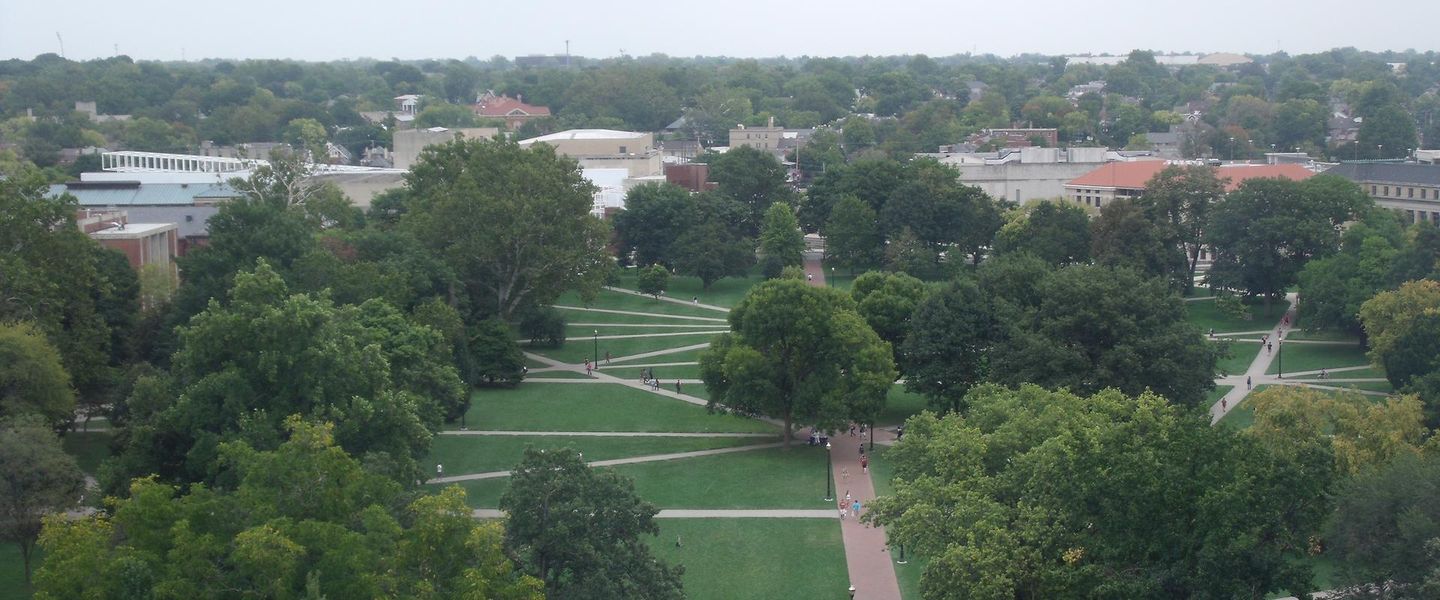


Central Ohio combines Columbus museums and food with Indigenous earthworks, historic towns, river parks and accessible countryside across the state capital region.
Read more about Central Ohio
Getting to and around Central Ohio
How to get there
Transportation
Top city travel guides in Central Ohio
The cities of Central Ohio, and the easiest places to base yourself.
-

-

-

-

-

-


Swipe for more cities
Destinations in Central Ohio
Resorts, valleys and scenic spots worth a trip of their own.
-

-

-

-

-


Swipe for more destinations
Best attractions in Central Ohio
Central Ohio’s attractions range from major Columbus museums to archaeological sites and open landscapes outside the capital. Downtown visitors can combine the Ohio Statehouse, COSI, the National Veterans Memorial and Museum and the Scioto Mile, while the Columbus Museum of Art and the nearby cultural districts provide a more focused arts itinerary. Franklin Park Conservatory and Botanical Gardens offers glasshouses, gardens and changing exhibitions, and the Ohio History Center presents the state’s wider story. Historic neighbourhoods such as German Village, Victorian Village and the Short North are attractions in their own right, through architecture, galleries, restaurants and local shops. North of Columbus, the Columbus Zoo and Aquarium in Powell is a substantial family and wildlife attraction, while Dublin adds river parks and a historic village centre. East of the capital, the Newark Earthworks and nearby Dawes Arboretum provide distinctive cultural and botanical experiences. Metro parks across the region offer walking, cycling, wetlands, prairies and wooded trails, giving Central Ohio a varied attraction landscape without requiring visitors to travel to the state’s more mountainous south.
-
Zoo
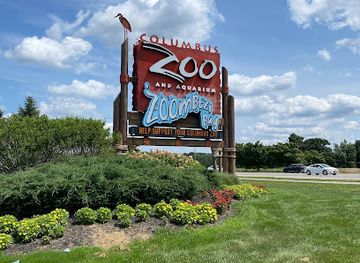
Columbus Zoo and Aquarium
Discover the Columbus Zoo and Aquarium, a captivating blend of wildlife, aquatic wonders, and family-friendly fun in Ohio.
-
Escape room center
Breakout Games
Experience the thrill of escape rooms at Breakout Games in Columbus, where fun meets challenge in an unforgettable adventure for all ages.
-
Botanical garden
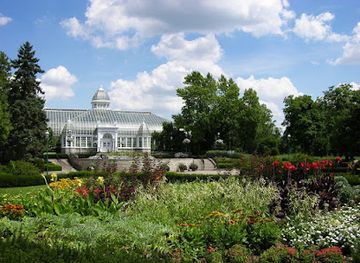
Franklin Park Conservatory and Botanical Gardens
Explore the vibrant floral displays and artistic exhibits at Franklin Park Conservatory, a botanical haven in Columbus, Ohio.
-
Escape room center
The Escape Game Columbus
Experience thrilling adventures and solve intricate puzzles at The Escape Game Columbus, a premier escape room attraction in Ohio's vibrant capital.


Best landmarks in Central Ohio
The Ohio Statehouse is Central Ohio’s most important civic landmark, occupying a prominent site in downtown Columbus and illustrating the political importance of the state capital. Nearby, the Scioto Mile and the riverfront frame the city with promenades, bridges and public spaces, while the National Veterans Memorial and Museum provides a distinctive contemporary architectural presence. German Village is notable for its preserved nineteenth-century brick houses, narrow streets and former religious and commercial buildings, offering a coherent historic townscape within the modern city. The Great Circle and Octagon Earthworks at Newark are more ancient landmarks: monumental geometric constructions made by the Hopewell culture and now part of the UNESCO-listed Hopewell Ceremonial Earthworks. In the wider region, the historic centre of Dublin, river landscapes and older courthouse-town streets in communities such as Delaware and Lancaster add local architectural character. Franklin Park Conservatory’s glass structure is a prominent botanical landmark, contrasting with the region’s Indigenous earthworks, civic monuments and nineteenth-century urban fabric.
-
Escape room center
Breakout Games
Experience the thrill of adventure and teamwork at Breakout Games in Columbus, where mysteries await in immersive escape rooms.
-
Botanical garden
Franklin Park Conservatory and Botanical Gardens
Explore the lush beauty and rich biodiversity of Franklin Park Conservatory, a botanical haven in Columbus with stunning gardens and vibrant events.
-
City park
Bicentennial Park
Discover the tranquil beauty of Bicentennial Park in Columbus, a perfect blend of nature, culture, and community events for every visitor.
-
History museum
Carillon Historical Park
Explore the rich heritage of Dayton, Ohio at Carillon Historical Park, where history comes alive through engaging exhibits and beautiful landscapes.


Explore Central Ohio on the map
Plan your trip on one map. See where the top cities, national parks and sights are, and book hotels and experiences in a few clicks.
Best hotels in Central Ohio
Best restaurants in Central Ohio
Central Ohio’s dining scene is metropolitan in range but still connected to Ohio’s Midwestern food traditions. Columbus has established neighbourhood restaurants, cafés, breweries and food halls alongside strong Vietnamese, Somali, Ethiopian, Nepalese, Mexican, Indian, Middle Eastern and East Asian offerings. German Village is particularly associated with historic streets, bakeries and independent restaurants, while the Short North, downtown, Clintonville and the university area each have different concentrations of dining. Visitors will find classic American breakfasts, burgers, barbecue, pizza and seasonal farm-to-table menus, as well as contemporary cooking built around Ohio produce. Farmers’ markets and specialist food shops are useful places to encounter apples, sweet corn, baked goods, preserves and other regional products when in season. Outside Columbus, historic town centres and rural communities tend towards diners, cafés, pubs and family-run restaurants rather than a dense restaurant circuit. Ohio craft beer is widely represented, but the region’s culinary identity is best understood through its combination of immigrant cuisines, university-city experimentation and practical Midwestern staples.
-
German
Schmidt’s Sausage Haus Restaurant
Experience authentic German flavors at Schmidt’s Sausage Haus Restaurant in Columbus' historic German Village.
-
Family-friendly
Der Dutchman
Experience authentic Amish cuisine at Der Dutchman in Plain City, Ohio—where hearty meals meet warm hospitality.
-
Diner
Cap City Fine Diner and Bar
Experience the best of American comfort food at Cap City Fine Diner and Bar in Columbus - where every meal feels like home.
-
Mediterranean
Brassica in the Short North
Discover Brassica in Columbus' Short North: A vibrant Mediterranean dining experience with fresh flavors and local charm.


Best bars in Central Ohio
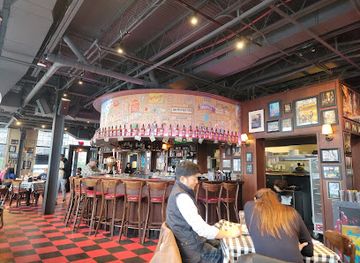
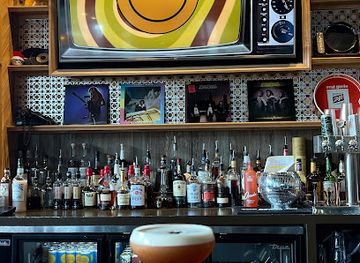
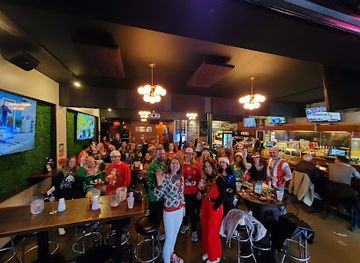
Nightlife is concentrated in Columbus, particularly around the Short North, downtown, the Arena District, the Brewery District, German Village and the Ohio State University area. These districts offer cocktail bars, breweries, pubs, live music, comedy, theatre and late-night restaurants, though the character of each changes with university terms, sporting events and major conventions. The Arena District is especially active around concerts and professional sports, while smaller venues and neighbourhood bars provide a less event-driven evening. Dublin, Westerville and other suburban centres have pubs, breweries and restaurants, but their nightlife is generally earlier and more local in character. Rural Central Ohio tends to centre on traditional bars, restaurants, seasonal events and occasional live music rather than large clubs. Visitors should check current arrangements for individual venues, carry valid identification when required and plan transport carefully if travelling beyond walkable urban districts.
-
Bar
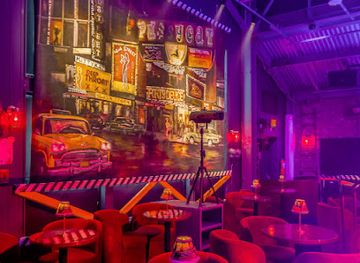
Forty Deuce Burlesque & Speakeasy
Forty Deuce Burlesque & Speakeasy: A vintage-inspired nightlife experience in Columbus, Ohio, featuring stunning burlesque shows and handcrafted cocktails.
-
Sightseeing tour agency
Trolley Pub Columbus
Explore the Short North Arts District on Trolley Pub Columbus: a fun-filled craft beer adventure through Columbus' vibrant sights.
-
Bar
Woodlands Tavern
Experience the best of Columbus at Woodlands Tavern, a bar and American restaurant offering great food, drinks, and live music.
-
Lounge
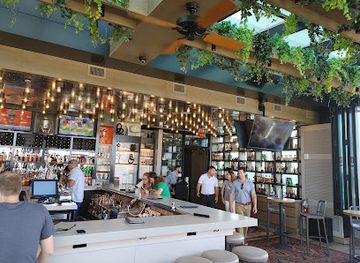
Lincoln Social Rooftop
Discover stunning views and exquisite cuisine at Lincoln Social Rooftop, Columbus's premier lounge in the Short North Arts District.
Best nightclubs in Central Ohio
Nightlife is concentrated in Columbus, particularly around the Short North, downtown, the Arena District, the Brewery District, German Village and the Ohio State University area. These districts offer cocktail bars, breweries, pubs, live music, comedy, theatre and late-night restaurants, though the character of each changes with university terms, sporting events and major conventions. The Arena District is especially active around concerts and professional sports, while smaller venues and neighbourhood bars provide a less event-driven evening. Dublin, Westerville and other suburban centres have pubs, breweries and restaurants, but their nightlife is generally earlier and more local in character. Rural Central Ohio tends to centre on traditional bars, restaurants, seasonal events and occasional live music rather than large clubs. Visitors should check current arrangements for individual venues, carry valid identification when required and plan transport carefully if travelling beyond walkable urban districts.
-
Night club
Forty Deuce Burlesque & Speakeasy
Discover the enchanting world of Forty Deuce Burlesque & Speakeasy in Columbus, where vibrant performances meet vintage charm for an unforgettable nightlife experience.
-
Lounge
Avalon
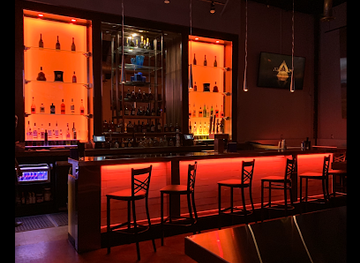
Experience the vibrant ambiance and creative cocktails at Avalon, the premier lounge in Downtown Columbus, Ohio.
-
Grill
The Copper Mug
Discover The Copper Mug in Loudonville, Ohio, where a delightful grill menu meets picturesque surroundings for an unforgettable dining experience.
-
Gay night club
Axis Nightclub
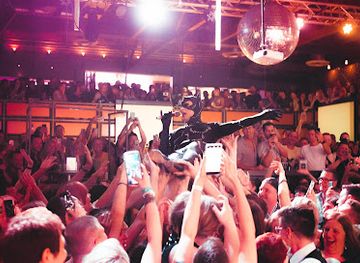
Experience the vibrant nightlife at Axis Nightclub, a premier gay nightclub in Columbus with spectacular drag shows and a welcoming atmosphere.

Best shops in Central Ohio
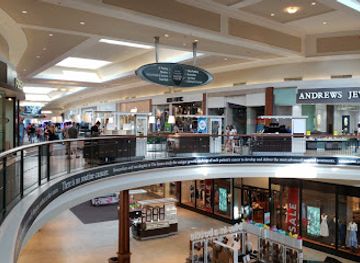
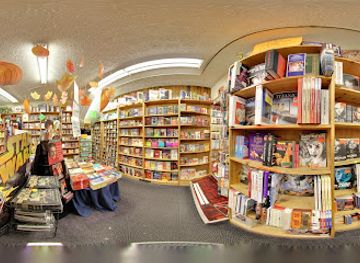
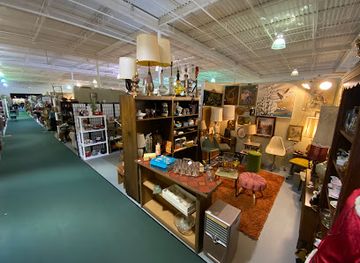
Shopping in Central Ohio ranges from independent urban retail to traditional market-town high streets and regional food purchasing. The Short North is known for galleries, design-led shops, fashion, books, homewares and locally produced goods, while German Village and nearby districts offer smaller specialist businesses. Downtown and the Easton area provide larger-scale retail, though Easton is a shopping and entertainment complex rather than a historic regional market. Columbus’s farmers’ markets are useful for seasonal produce, baked goods, preserves and prepared food, with schedules varying by season and location. In Dublin, Westerville, Delaware and other surrounding communities, older commercial streets combine cafés, gift shops, antiques, galleries and practical local services. Visitors seeking souvenirs should look for Ohio-made food products, craft beer merchandise, artwork, ceramics, books about Indigenous earthworks and locally designed goods rather than generic state memorabilia. Retail is widely dispersed, so checking transport and parking arrangements is worthwhile when combining several shopping areas.
-
Shopping mall
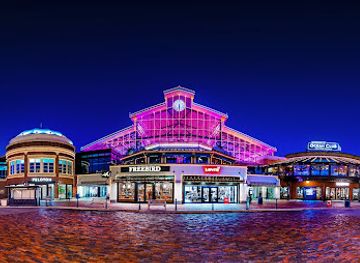
Easton Town Center
Explore Easton Town Center in Columbus, a premier shopping destination with unique shops, diverse dining, and entertainment options for a perfect day out.
-
Shopping mall
Polaris Fashion Place
Experience the best shopping in Columbus at Polaris Fashion Place, featuring diverse stores, delicious dining, and vibrant entertainment options.
-
Book store
The Book Loft of German Village
Explore The Book Loft of German Village, a charming bookstore with a vast collection of books and a unique, cozy atmosphere in Columbus, Ohio.
-
Antique store
Heritage Square Antique Mall
Discover unique vintage treasures and collectibles at Heritage Square Antique Mall in Columbus, Ohio, a haven for antique enthusiasts and casual shoppers alike.
Get your free copy of our complete guide to Central Ohio, delivered straight to you.
Everything on this page, from attractions and restaurants to essentials and local phrases, in one PDF you can read offline, print or share.
Already have an account? Sign in
Your Central Ohio guide is ready.
We'll send it to · Not you? Sign out

Getting your guide ready…
We are putting together a fresh copy of the Central Ohio guide. This can take up to a minute.
This can take a few moments. If your browser asks, choose Allow so the download can start. You'll find the guide in your Downloads folder.
Nothing happened? Download it again
Sorry, the guide is taking longer than usual. Please try again in a minute, or get it by email instead.
Central Ohio essentials
Currency and Payment
Safety
Emergency Situations
Do's and Don'ts
Local Tips
From Eve
Local phrases worth knowing
You don't need to get them perfect. A few words go a long way, and locals appreciate the effort.
Basics
| English | Local | Say it |
|---|---|---|
| Hello | Hi | [hai] |
| Goodbye | See ya | [see yah] |
| Yes | Yep | [Yep] |
| No | Nope | [nohp] |
| Please/You're welcome | Please/No problem | [pleez/no prob] |
| Thank you | Thanks | [thangs] |
| Excuse me/Sorry | Excuse me/Sorry | [ex-kyoos mee/saw-ree] |
| How are you? | How ya doin'? | [how yah doin'] |
| Fine. And you? | Good. And you? | [gud. And you?] |
| Do you speak English? | Do ya speak English? | [doo yah speek ing-glish?] |
| I don't understand | I don’t get it | [I dont get it] |
Eating & Drinking
| English | Local | Say it |
|---|---|---|
| I'd like to see the menu, please | Can I see the menu, please? | [kan I see thuh menu, pleez?] |
| I don't eat meat | I don't eat meat | [I dont eet meet] |
| Cheers! | Cheers! | [cheers] |
| I would like to pay, please | Can I get the check, please? | [kan I get thuh chek, pleez?] |
Emergencies
| English | Local | Say it |
|---|---|---|
| Help! | Help! | [help] |
| Go away! | Leave me alone! | [leev me uh-lone] |
| Call the Police! | Call 911! | [call nine-one-one] |
| Call a doctor! | Get a doctor! | [get a dok-tor] |
| I'm lost | I’m lost | [I'm lost] |
| I'm ill | I’m not feelin' well | [I'm not feelin' wel] |
Shopping
| English | Local | Say it |
|---|---|---|
| I'd like to buy... | I wanna buy... | [I wanna buy...] |
| I'm just looking | Just lookin' | [just lookin'] |
| How much is it? | How much is this? | [how much is this?] |
| That's too expensive | That's way too pricey | [thats way too pry-see] |
| Can you lower the price? | Can you knock down the price? | [kan you nak down thuh price?] |
Time & Numbers
| English | Local | Say it |
|---|---|---|
| What time is it? | What time is it? | [what time is it?] |
| It's one o'clock | It's one o'clock | [it's one o'clock] |
| Half past (10) | Half past ten | [half past ten] |
| Morning | Morning | [morning] |
| Afternoon | Afternoon | [afternoon] |
| Evening | Evening | [evening] |
| Yesterday | Yesterday | [yesturday] |
| Today | Today | [today] |
| Tomorrow | Tomorrow | [tomorrow] |
| 1 | One | [won] |
| 2 | Two | [too] |
| 3 | Three | [three] |
| 4 | Four | [for] |
| 5 | Five | [five] |
| 6 | Six | [six] |
| 7 | Seven | [sev-en] |
| 8 | Eight | [ate] |
| 9 | Nine | [nine] |
| 10 | Ten | [ten] |
Transport & Directions
| English | Local | Say it |
|---|---|---|
| Where's a/the...? | Where's the...? | [where's thuh...?] |
| What's the address? | What’s the address? | [what's thuh ad-dress?] |
| Can you show me (on the map)? | Can you point it out on the map? | [can you point it out on thuh map?] |
| When's the next (bus)? | When's the next bus? | [when's thuh next bus?] |
| A ticket (to ....) | A ticket to... | [a tik-it to...] |
History of Central Ohio
Hopewell Ceremonial Earthworks, c. 1–400 CE
Central Ohio contains some of the most substantial surviving earthworks associated with the Hopewell culture, an Indigenous network of communities active in the Middle Woodland period. The Newark Earthworks, including the Great Circle and Octagon Earthworks, used enormous banks and geometric forms whose alignments reflect sophisticated knowledge of landscape and the sky. The sites were not simply defensive structures: they supported ceremonial, social and exchange activities. Although later development damaged parts of the original complexes, the surviving earthworks remain major archaeological places and form part of the UNESCO-listed Hopewell Ceremonial Earthworks.
Indigenous Homelands and Dispossession
Long before Columbus was founded, the region was home to Indigenous peoples and crossed by established networks of travel, exchange and diplomacy. In the eighteenth and early nineteenth centuries, Ohio was contested among Indigenous nations, colonial powers and the expanding United States. Treaties, warfare and federal removal policies progressively dispossessed Native communities, including peoples connected with the Shawnee, Delaware, Wyandot, Miami and other nations. The forced removal of Indigenous communities is essential to understanding Central Ohio’s settlement history, even though many Native people and communities continue to maintain connections with Ohio today.
The Founding of Columbus, 1812
Columbus was founded in 1812 at the meeting point of the Scioto and Olentangy rivers and named for Christopher Columbus. Its location near the geographic centre of Ohio was chosen for the new state capital, helping to distribute political activity between the state’s older northern and southern centres. The young city grew through government, trade and transport rather than through a single dominant industry. The Ohio Statehouse and surrounding downtown civic buildings still express the capital’s continuing political role.
Canals, Railways and Commercial Growth
Nineteenth-century transport infrastructure transformed Central Ohio. The Ohio and Erie Canal connected the region to Lake Erie and the Ohio River system, while later railways made Columbus an important inland junction. These routes supported grain, livestock, manufactured goods and migration, linking the capital with farms and market towns across the state. Rail and canal development encouraged population growth, warehouses and industrial activity, much of which shaped neighbourhoods such as the Brewery District and the areas around the Scioto River. Even after canals declined, transport remained central to the region’s economy.
Settlement, Industry and German Influence
Central Ohio’s nineteenth-century growth brought immigrants and migrants from Europe and other parts of the United States. German settlement had a particularly visible effect in Columbus, where German Village developed south of downtown with brick houses, churches, breweries and small businesses. Agriculture, food processing, clothing, machinery and brewing contributed to the wider economy, while African American communities also established institutions and neighbourhoods despite segregation and discrimination. The surviving historic districts offer architectural evidence of these changes, but the region’s social history also includes labour struggles, exclusion and uneven access to housing and opportunity.
Ohio State University and the Modern Capital
The establishment of Ohio Agricultural and Mechanical College in 1870, later Ohio State University, helped make Columbus a major educational and research centre. The university expanded the city’s intellectual, medical, sporting and cultural life and attracted students, scholars and workers from across the world. During the twentieth century, state government, retail, manufacturing, logistics and education drove metropolitan expansion. Neighbourhoods around the university and downtown developed distinct identities, while suburban growth spread into communities such as Dublin, Westerville, Gahanna and Reynoldsburg.
Civil Rights, Migration and Cultural Change
The twentieth century brought major changes in Central Ohio’s population and civic life. African American residents built churches, businesses, newspapers and community organisations while challenging housing discrimination, segregation and unequal public services. Later migration from Asia, Africa, Latin America and the Middle East broadened the region’s cultural and culinary landscape. These communities are visible in religious institutions, festivals, restaurants, professional networks and neighbourhood organisations. Central Ohio’s contemporary identity is therefore shaped not only by its state-capital institutions but also by successive movements of people and campaigns for greater inclusion.
Revitalisation and Regional Expansion since the Late Twentieth Century
From the late twentieth century onwards, Columbus and nearby communities experienced extensive downtown redevelopment, suburban growth and investment in universities, healthcare, technology, logistics and the arts. Projects along the Scioto River, the restoration of historic districts and the development of districts such as the Short North changed the visitor experience of the capital. At the same time, rapid expansion created debates about housing affordability, transport, land use and the preservation of farmland and historic buildings. Central Ohio today combines a growing metropolitan economy with older industrial, agricultural and civic landscapes.
Central Ohio in Photos
Browse through our photo collection highlighting the charm and character of the destination.
Neighbouring regions of Central Ohio
The closest regions to Central Ohio, if you have time for more than one.
-

-

-

-

-


Swipe for more regions
Explore more

Explore more of Ohio
Explore Ohio's vibrant cities, rich history, and stunning natural landscapes. From bustling urban centers to serene state parks, Ohio offers diverse attractions for every traveler.
Explore Ohio