

Free Southeast Ohio Travel Guide & Mobile App
Explore Southeast Ohio with free travel guides. Discover regional history, expert tips, proposed trips, and audio guides on web or mobile app.


Explore Southeast Ohio for Hocking Hills trails, Appalachian forests, Ohio River towns, university culture and layered regional heritage.
Read more about Southeast Ohio
Getting to and around Southeast Ohio
How to get there
Transportation
Top city travel guides in Southeast Ohio
The cities of Southeast Ohio, and the easiest places to base yourself.
-

-
-

-

-

-


Swipe for more cities
Destinations in Southeast Ohio
Resorts, valleys and scenic spots worth a trip of their own.
-

-

-

-

-


Swipe for more destinations
Best attractions in Southeast Ohio
Southeast Ohio's attractions are divided between natural landscapes, historic communities and cultural institutions. Hocking Hills State Park is the best-known outdoor draw, with trails through sandstone gorges and around Old Man's Cave, Ash Cave and Cedar Falls, while nearby Hocking Hills State Forest and Wayne National Forest extend the possibilities for hiking, paddling, climbing and wildlife watching. Burr Oak State Park provides a quieter setting of woodland, lake and rolling hills in the eastern part of the region. Athens combines Ohio University, galleries, live music and independent cultural events with access to rural roads and forested recreation. Marietta offers museums, riverfront walks and early-settlement history, while Portsmouth and Gallipolis provide Ohio River perspectives further south. Nelsonville's historic arts setting, including Stuart's Opera House, adds live performance and local heritage to the itinerary. Across the region, former mining landscapes, craft workshops, county museums, covered bridges and small-town main streets reveal the relationship between natural resources, work and community life.
-
Park
Hocking Hills State Park
Explore Hocking Hills State Park, a stunning natural oasis in Ohio, filled with hiking trails, waterfalls, and breathtaking landscapes for your next outdoor adventure.
-
Art museum
Otherworld
Experience the extraordinary at Otherworld, an immersive art museum in Columbus, Ohio, where creativity and imagination come to life.
-
State park
Hocking Hills State Park Visitor Center
Explore the breathtaking beauty of Hocking Hills State Park, Ohio's outdoor gem, where adventure and nature intertwine for an unforgettable experience.
-
Park
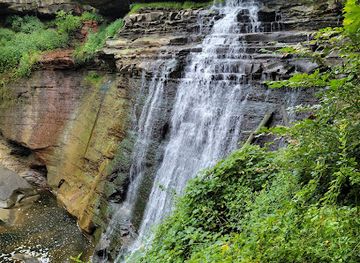
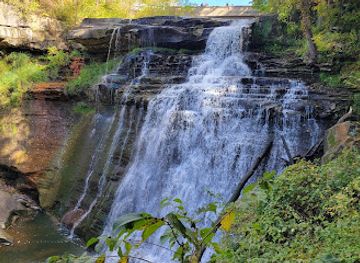
Brandywine Falls
Discover the mesmerizing beauty of Brandywine Falls, Ohio's stunning 65-foot waterfall surrounded by lush trails and diverse wildlife.



Best landmarks in Southeast Ohio
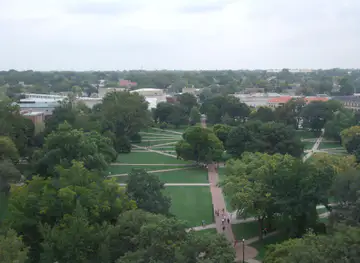
The region's most recognisable landmarks include the sandstone formations of Hocking Hills, where Old Man's Cave, Ash Cave and Cedar Falls express the geological character of the Appalachian foothills. Marietta's Campus Martius Museum and historic brick streets represent the organised settlement of the Northwest Territory, while the confluence of the Muskingum and Ohio rivers explains the town's early importance. The Ohio River itself is a major geographical landmark, defining the eastern and southern edge of the region and giving Marietta, Gallipolis and Portsmouth distinct river histories. In Athens, Ohio University's historic College Green provides a civic and architectural centre within a larger campus landscape. Nelsonville's historic downtown and Stuart's Opera House recall the commercial and cultural life of a nineteenth-century Appalachian town. Across the hills, former rail corridors, mining landscapes and preserved industrial structures are less monumental but equally significant, marking the industries that connected remote valleys with national markets.
-
Amusement park
Cedar Point
Discover Cedar Point, the world-renowned amusement park in Sandusky, Ohio, featuring thrilling roller coasters, family-friendly attractions, and breathtaking lakeside views.
-
National park
Cuyahoga Valley National Park
Discover the breathtaking landscapes and rich biodiversity of Cuyahoga Valley National Park in Ohio, a perfect destination for outdoor enthusiasts and history lovers alike.
-
History museum
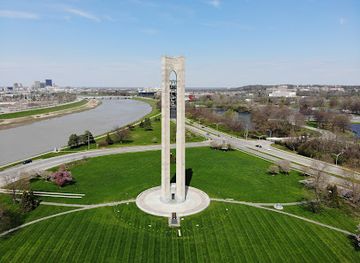
Carillon Historical Park
Discover the rich history and innovative spirit of Dayton at Carillon Historical Park, home to stunning exhibits and the iconic Carillon Bell Tower.
-
Historical landmark
Stan Hywet Hall & Gardens
Explore the enchanting Stan Hywet Hall & Gardens, a historical gem in Akron, Ohio, showcasing exquisite architecture and stunning gardens.

Explore Southeast Ohio on the map
Plan your trip on one map. See where the top cities, national parks and sights are, and book hotels and experiences in a few clicks.
Best hotels in Southeast Ohio
Best restaurants in Southeast Ohio
Dining in Southeast Ohio ranges from university-town cafés and independent restaurants in Athens to family-run eateries, traditional American diners, rural inns and river-town establishments. Appalachian influences appear in seasonal produce, beans, corn, apples, preserved foods, biscuits and hearty home-style cooking, although menus vary considerably between communities. The region's farms and orchards contribute vegetables, meat, honey, maple products, baked goods and other provisions sold through farm shops and farmers' markets. Ohio's broader brewing tradition is represented by local and regional craft beer, with Athens providing one of the area's most developed food-and-drink scenes. In Hocking Hills and the wooded east, restaurants often cater to visitors seeking substantial meals after outdoor activities, while Marietta's historic centre offers cafés and dining close to the rivers. Visitors should also look for Appalachian craft products, seasonal pies and locally produced pantry goods rather than expecting a single dish to define the region.
-
American
Mike's Place
Discover the vibrant flavors of American cuisine at Mike's Place in Kent, Ohio – where every meal is a celebration!
-
Traditional American
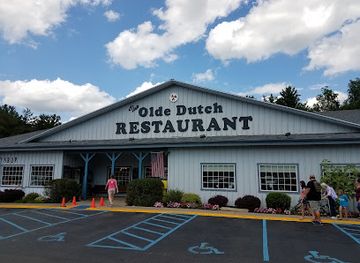
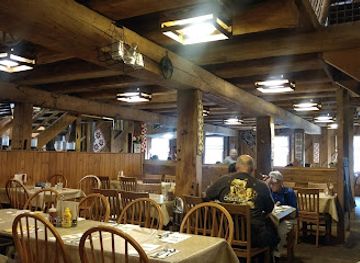
Olde Dutch
Discover the flavors of traditional American cuisine at Olde Dutch in Logan, Ohio – where comfort food meets heartfelt service.
-
Restaurant
The Barn Restaurant
Experience rustic charm and delicious comfort food at The Barn Restaurant in Smithville - a must-visit culinary destination.
-
Seafood
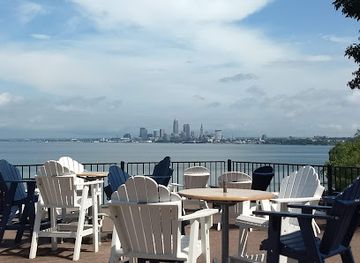
Pier W
Discover Pier W: A top-rated seafood restaurant offering stunning lake views and exquisite dishes in Lakewood, Ohio.

Best bars in Southeast Ohio
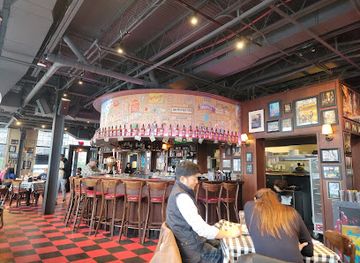
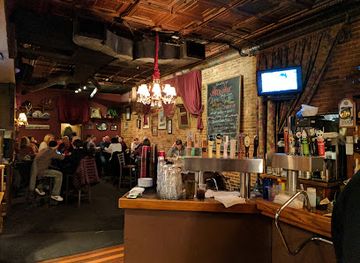
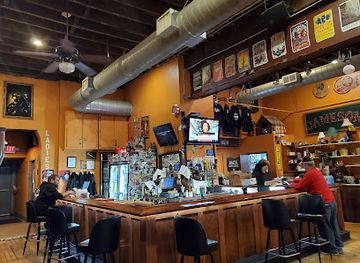
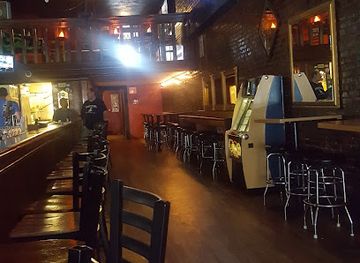
Nightlife is concentrated in Athens, where Ohio University supports a larger selection of pubs, live-music venues, casual bars and late-evening social spaces than most communities in the region. The scene changes with the academic calendar and is complemented by restaurants, arts events and performances. Marietta, Portsmouth, Nelsonville and other larger towns offer more restrained evenings centred on historic pubs, taprooms, cafés, live music and community events rather than extensive club districts. In Hocking Hills and rural areas, evenings are generally built around cabin stays, restaurants, small bars and seasonal entertainment, with long distances between venues. Local breweries and taprooms provide alternatives to conventional nightlife, but opening arrangements vary, especially outside the main towns. Arrange transport in advance when staying in the countryside and never drive after drinking.
-
Bar
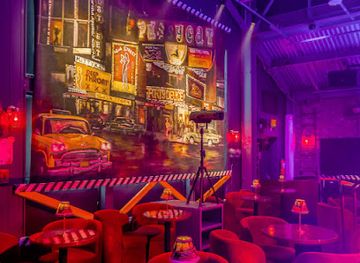
Forty Deuce Burlesque & Speakeasy
Discover the magic of live entertainment at Forty Deuce Burlesque & Speakeasy, where vintage charm and modern excitement come together in Columbus, Ohio.
-
Bar
Tip Top Kitchen & Cocktails
Experience the best of American cuisine and craft cocktails at Tip Top Kitchen & Cocktails, a downtown Columbus favorite for food lovers.
-
Bar
Blind Bob's
Discover Blind Bob's in Dayton, a bar and American restaurant with live music, delicious food, and an inviting atmosphere perfect for any occasion.
-
Bar
ABC the Tavern
Experience the vibrant atmosphere of ABC the Tavern in Ohio City, where delicious American cuisine meets an inviting bar ambiance for tourists.
Best nightclubs in Southeast Ohio
Nightlife is concentrated in Athens, where Ohio University supports a larger selection of pubs, live-music venues, casual bars and late-evening social spaces than most communities in the region. The scene changes with the academic calendar and is complemented by restaurants, arts events and performances. Marietta, Portsmouth, Nelsonville and other larger towns offer more restrained evenings centred on historic pubs, taprooms, cafés, live music and community events rather than extensive club districts. In Hocking Hills and rural areas, evenings are generally built around cabin stays, restaurants, small bars and seasonal entertainment, with long distances between venues. Local breweries and taprooms provide alternatives to conventional nightlife, but opening arrangements vary, especially outside the main towns. Arrange transport in advance when staying in the countryside and never drive after drinking.
-
Night club
Forty Deuce Burlesque & Speakeasy
Discover the magic of burlesque and speakeasy vibes at Forty Deuce, Columbus' top destination for nightlife and entertainment.
-
Night club
Square Nightclub
Discover Akron's vibrant nightlife at Square Nightclub, where live music, fantastic drinks, and an electric ambiance create unforgettable memories.
-
Night club
Interbelt Nite Club
Discover Akron's nightlife at Interbelt Nite Club, a lively spot for dancing, drinks, and unforgettable moments in the heart of the city.
-
Night club
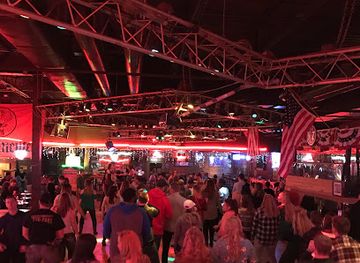
Yellow Rose Nightclub
Discover vibrant nightlife at Yellow Rose Nightclub in West Carrollton, Ohio, where great music and fun await every weekend.


Best shops in Southeast Ohio
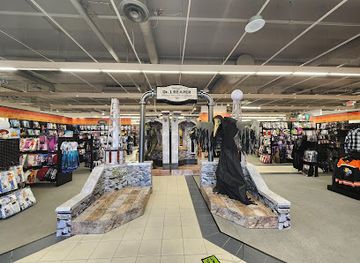
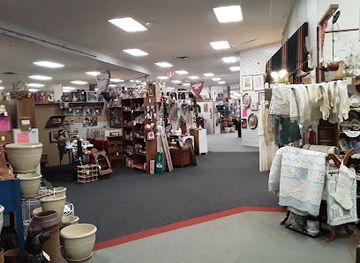
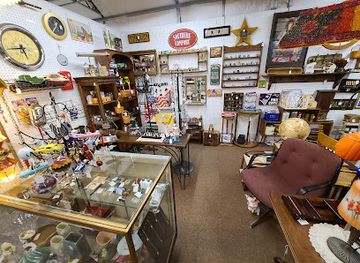
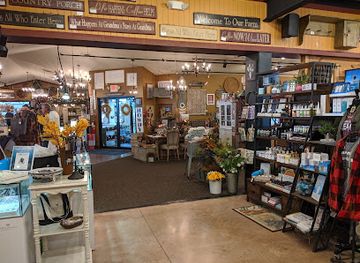
Shopping in Southeast Ohio is centred on small-town main streets, independent retailers, university-oriented businesses, craft studios and seasonal markets rather than large luxury centres. Athens has the broadest concentration of independent shops, books, clothing, records, gifts and locally focused food outlets, while Marietta combines historic-centre shopping with antiques, galleries and Ohio River heritage. Nelsonville and the Hocking Hills area are good places to look for pottery, woodwork, quilts, artwork and other Appalachian craft products, though stock and opening arrangements vary by season. Farmers' markets and farm shops across the region sell honey, maple products, preserves, baked goods, fruit, vegetables and locally raised food. County fairs and community festivals can also provide access to small producers and handmade goods. Choose products with clear local provenance, particularly where souvenirs are presented as Appalachian craft, and remember that many rural shops operate limited hours outside the main visitor seasons.
-
Outlet mall
Aurora Farms Premium Outlets
Discover unbeatable deals at Aurora Farms Premium Outlets, where shopping meets savings in a delightful outdoor setting.
-
Antique store
Ohio Valley Antique Mall
Discover an eclectic collection of antiques and vintage treasures at Ohio Valley Antique Mall, a must-visit for collectors and enthusiasts in Fairfield, Ohio.
-
Antique store
Heart of Ohio Antique Center
Explore a treasure trove of antiques and vintage collectibles at the Heart of Ohio Antique Center, a must-visit for history lovers and treasure hunters.
-
Gift shop
Village Gift Barn
Explore the Village Gift Barn in Berlin, Ohio for unique gifts, chic clothing, and a touch of local artistry in a beautiful setting.
Get your free copy of our complete guide to Southeast Ohio, delivered straight to you.
Everything on this page, from attractions and restaurants to essentials and local phrases, in one PDF you can read offline, print or share.
Already have an account? Sign in
Your Southeast Ohio guide is ready.
We'll send it to · Not you? Sign out

Getting your guide ready…
We are putting together a fresh copy of the Southeast Ohio guide. This can take up to a minute.
This can take a few moments. If your browser asks, choose Allow so the download can start. You'll find the guide in your Downloads folder.
Nothing happened? Download it again
Sorry, the guide is taking longer than usual. Please try again in a minute, or get it by email instead.
Southeast Ohio essentials
Currency and Payment
Safety
Emergency Situations
Do's and Don'ts
Local Tips
From Eve
Local phrases worth knowing
You don't need to get them perfect. A few words go a long way, and locals appreciate the effort.
Basics
| English | Local | Say it |
|---|---|---|
| Hello | Howdy | [Haw-dee] |
| Goodbye | See ya later | [See ya lay-ter] |
| Yes | Yep | [Yep] |
| No | Nah | [Nah] |
| Please/You're welcome | Please/No problem | [Please/No prob-lem] |
| Thank you | Thanks a lot | [Thanks uh lot] |
| Excuse me/Sorry | Excuse me/Sorry 'bout that | [Ex-cuse me/Sorry 'bout that] |
| How are you? | How ya doin’? | [How ya doin’?] |
| Fine. And you? | Good. And you? | [Good. An' you?] |
| Do you speak English? | You speakin' English? | [You speakin' English?] |
| I don't understand | I ain't gettin' it | [I ain't gettin' it] |
Eating & Drinking
| English | Local | Say it |
|---|---|---|
| I'd like to see the menu, please | Can I see the menu, please? | [Can I see the menu, please?] |
| I don't eat meat | I ain't eatin' meat | [I ain't eatin' meat] |
| Cheers! | Cheers! | [Cheers!] |
| I would like to pay, please | Can I pay up, please? | [Can I pay up, please?] |
Emergencies
| English | Local | Say it |
|---|---|---|
| Help! | Help! | [Help!] |
| Go away! | Get outta here! | [Get outta here!] |
| Call the Police! | Call the cops! | [Call the cops!] |
| Call a doctor! | Get a doc! | [Get a doc!] |
| I'm lost | I'm all turned around | [I'm all turned around] |
| I'm ill | I ain't feelin' good | [I ain't feelin' good] |
Shopping
| English | Local | Say it |
|---|---|---|
| I'd like to buy... | I wanna buy... | [I wanna buy...] |
| I'm just looking | Just lookin’ | [Just lookin’] |
| How much is it? | What’s it cost? | [What’s it cost?] |
| That's too expensive | That's too pricey | [That's too pricey] |
| Can you lower the price? | Can ya bring it down? | [Can ya bring it down?] |
Time & Numbers
| English | Local | Say it |
|---|---|---|
| What time is it? | What time ya got? | [What time ya got?] |
| It's one o'clock | It's one o'clock | [It's one o'clock] |
| Half past (10) | Half past ten | [Half past ten] |
| Morning | Mornin' | [Mornin'] |
| Afternoon | Afternoon | [Afternoon] |
| Evening | Evenin' | [Evenin'] |
| Yesterday | Yesterday | [Yesterday] |
| Today | Today | [Today] |
| Tomorrow | Tomorrow | [Tomorrow] |
| 1 | One | [One] |
| 2 | Two | [Two] |
| 3 | Three | [Three] |
| 4 | Four | [Four] |
| 5 | Five | [Five] |
| 6 | Six | [Six] |
| 7 | Seven | [Seven] |
| 8 | Eight | [Eight] |
| 9 | Nine | [Nine] |
| 10 | Ten | [Ten] |
Transport & Directions
| English | Local | Say it |
|---|---|---|
| Where's a/the...? | Where's the...? | [Where's the...?] |
| What's the address? | What's the address? | [What's the address?] |
| Can you show me (on the map)? | Can ya show me on the map? | [Can ya show me on the map?] |
| When's the next (bus)? | When's the next bus? | [When's the next bus?] |
| A ticket (to ....) | A ticket to... | [A ticket to...] |
History of Southeast Ohio
Adena and Hopewell Earthwork Traditions
Long before European settlement, Indigenous societies in the Ohio Valley and surrounding uplands built monumental earthworks, ceremonial enclosures and burial mounds. The Adena tradition is associated with the early first millennium BCE, while Hopewell communities flourished later, particularly between roughly 100 BCE and 500 CE. These societies participated in far-reaching exchange networks involving materials such as mica, copper and marine shell. Many earthworks have been altered or lost, but surviving archaeological landscapes and museum collections demonstrate that southeast Ohio was part of a complex cultural world rather than an empty frontier.
Indigenous Nations and Colonial Expansion
The region was home to and travelled through by Indigenous peoples including Shawnee, Delaware, Mingo and Wyandot communities, among others, before and during the period of colonial expansion. British, American and Indigenous claims overlapped across the Ohio Country, producing conflict, diplomacy and forced displacement. Treaties following the American Revolution opened much of the territory to United States settlement, but they did not erase Indigenous histories or continuing connections. Place names, archaeological evidence and Native communities beyond the region remain reminders of this deeper past.
Marietta and the Ohio Company, 1788
Marietta was established in 1788 by settlers associated with the Ohio Company, becoming the first permanent settlement founded by organised American settlers in the Northwest Territory. Its position at the meeting of the Ohio and Muskingum rivers made it an important early point of administration, trade and transportation. The Campus Martius settlement, represented today by the Campus Martius Museum, reflects the defensive concerns and civic ambitions of the first generation of settlers. Marietta's historic buildings and riverfront preserve this formative period in the creation of Ohio.
Canals, River Commerce and Early Industry
During the nineteenth century, canals, navigable rivers and improving roads connected interior settlements with the Ohio River and larger markets. The Hocking Canal helped link the Athens and Hocking valleys with river transport, while Marietta, Portsmouth and other river communities handled agricultural and manufactured goods. Timber, salt, iron, clay and other resources supported furnaces, mills and workshops. Although railways eventually displaced much canal traffic, the transport network encouraged town growth and established patterns of commerce that continued into the industrial era.
Coal, Clay, Salt and Railways
Extractive industries transformed many Appalachian Ohio communities from the nineteenth century into the twentieth. Coal mining was particularly important in parts of Athens, Perry, Hocking, Meigs, Gallia and neighbouring counties, while clay, salt, iron and timber supported related industries. Railways carried raw materials and finished goods through the valleys, bringing wage employment but also difficult working conditions and environmental change. The decline of mines and heavy industry left economic challenges, yet former industrial sites, company towns, rail corridors and local museums continue to shape the region's historical landscape.
Appalachian Identity and Modern Cultural Life
Southeast Ohio became part of the wider Appalachian region in cultural and economic terms, especially through twentieth-century debates about poverty, industrial decline, education and rural development. The Appalachian Regional Commission, created in 1965, included much of southern and eastern Ohio within its development area. In the decades since, universities, arts organisations, outdoor tourism and heritage initiatives have added new dimensions to local economies. The region's contemporary identity draws on music, craft, community traditions and environmental landscapes without reducing its communities to a single Appalachian stereotype.
Southeast Ohio in Photos
Browse through our photo collection highlighting the charm and character of the destination.
Neighbouring regions of Southeast Ohio
The closest regions to Southeast Ohio, if you have time for more than one.
-

-

-

-

-


Swipe for more regions
Explore more

Explore more of Ohio
Explore Ohio's vibrant cities, rich history, and stunning natural landscapes. From bustling urban centers to serene state parks, Ohio offers diverse attractions for every traveler.
Explore Ohio