

Cherokee Landing State Park Travel Guide - Free Web & App
Your ultimate guide to Cherokee Landing State Park. Discover top landmarks, proposed trips, and local tips. Free on the web or via the Evendo companion app.


Cherokee Landing State Park in Oklahoma offers Fort Gibson Lake boating, camping, fishing, trails and a peaceful base near Tahlequah and Cherokee country.
Lake Country in Eastern Oklahoma
Cherokee Landing State Park occupies a wooded shoreline setting on Fort Gibson Lake in eastern Oklahoma, within easy reach of the city of Tahlequah and the communities of Park Hill and Fort Gibson. The park is a place for unhurried outdoor recreation rather than a conventional resort: its character comes from broad water views, oak and pecan woodland, open lakeside spaces and the changing light across one of the region's major reservoirs. Fort Gibson Lake was created on the Grand River, a tributary of the Arkansas River, and its coves and inlets provide a varied setting for boating, fishing and wildlife observation.Read more about Cherokee Landing State Park
Camping and Water-Based Recreation
Gateway Communities and Cherokee Heritage
When is the best time to visit Cherokee Landing State Park?
Best: May, September–October · 21–28°C| Month | High (°C) | Rainfall (mm) |
|---|---|---|
| January | 8 | 41 |
| February | 11 | 46 |
| March | 17 | 56 |
| April | 21 | 66 |
| May (best) | 26 | 86 |
| June | 31 | 95 |
| July | 33 | 76 |
| August | 33 | 56 |
| September (best) | 28 | 46 |
| October (best) | 21 | 56 |
| November | 15 | 65 |
| December | 9 | 55 |
Getting to and around Cherokee Landing State Park
How to get there
Transportation
Best attractions in Cherokee Landing State Park
The principal attraction is Fort Gibson Lake, whose broad reservoir surface, wooded coves and changing shoreline create opportunities for boating, fishing, wildlife observation and lakeside picnicking. Cherokee Landing State Park provides camping and recreational access close to the water, with boat-launch facilities and open spaces that make it a practical base for families and anglers. The immediate woodland is best experienced at an unhurried pace, through short walks and time spent near the shore rather than through an extensive mountain-style trail network. Beyond the park, the nearby towns of Tahlequah and Park Hill add a distinctly cultural dimension, with Cherokee history, community institutions and regional heritage sites that should be explored separately from the state park. Fort Gibson Lake also connects visitors with a wider reservoir landscape extending towards Fort Gibson and Muskogee, where additional marinas, shoreline areas and historic attractions can be found outside Cherokee Landing's boundaries.
-
Campground
Cherokee Landing Recreation
Discover the natural beauty and recreational opportunities at Cherokee Landing Recreation, a serene campground in Park Hill, Oklahoma.

Explore Cherokee Landing State Park on the map
Plan your trip on one map. See where the top attractions, landmarks, restaurants and hotels are, and book hotels and experiences in a few clicks.
Best hotels in Cherokee Landing State Park
Best bars in Cherokee Landing State Park
Evenings at Cherokee Landing State Park are centred on campfires where permitted, quiet lakeside time and the natural darkness of a rural reservoir rather than on organised nightlife. The park does not function as a bar or nightclub district, and visitors should not expect late-night entertainment, live music venues or a broad choice of evening establishments on site. Tahlequah provides the nearest more varied social scene, with locally oriented restaurants, casual drinking places and occasional cultural events, while Fort Gibson and Muskogee offer additional options farther from the park. Availability and opening patterns vary, particularly outside the main travel season. A camping stay is best suited to visitors who value conversation, stargazing and the sounds of the lakeshore over a scheduled night out.
-
Campground
Cherokee Landing Recreation
Discover the tranquility of Cherokee Landing Recreation, a perfect campground for nature lovers and adventure seekers in Oklahoma.

Best shops in Cherokee Landing State Park
Shopping within Cherokee Landing State Park is limited, so campers should obtain food, fuel, fishing supplies and everyday necessities in Tahlequah or another nearby town before arriving. Tahlequah is the most useful centre for combining practical shopping with regional arts, crafts and Cherokee cultural products, although stock and opening arrangements vary among individual businesses. Visitors may find locally made artwork, books, pottery, textiles and food products reflecting eastern Oklahoma's cultural identity, but should distinguish genuine regional work from generic souvenirs. Fort Gibson and Muskogee provide further general retail and outdoor-supply options beyond the immediate park area. There is no extensive shopping street or permanent market inside the state park, and lakeside facilities are intended mainly for recreation rather than retail browsing.
-
State park
Cherokee Landing State Park
Explore Cherokee Landing State Park: A serene escape in Oklahoma for nature lovers and outdoor adventurers, perfect for hiking, fishing, and picnicking.
-
Convenience store
Oklahoma Station
Discover Oklahoma Station in Park Hill: Your one-stop convenience store, gas station, and bait shop for all your travel needs.
-
Campground
Cherokee Landing Recreation
Discover the serene beauty of Cherokee Landing Recreation in Park Hill, Oklahoma, a perfect retreat for camping and outdoor adventures.


Get your free copy of our complete guide to Cherokee Landing State Park, delivered straight to you.
Everything on this page, from attractions and restaurants to essentials and local phrases, in one PDF you can read offline, print or share.
Already have an account? Sign in
Your Cherokee Landing State Park guide is ready.
We'll send it to · Not you? Sign out

Getting your guide ready…
We are putting together a fresh copy of the Cherokee Landing State Park guide. This can take up to a minute.
This can take a few moments. If your browser asks, choose Allow so the download can start. You'll find the guide in your Downloads folder.
Nothing happened? Download it again
Sorry, the guide is taking longer than usual. Please try again in a minute, or get it by email instead.
Cherokee Landing State Park essentials
Currency and Payment
Safety
Emergency Situations
Do's and Don'ts
Local Tips
History of Cherokee Landing State Park
A Grand River Reservoir
Cherokee Landing's modern landscape is shaped by Fort Gibson Lake, a reservoir created by the Fort Gibson Dam on the Grand River. The dam was constructed by the United States Army Corps of Engineers as part of wider flood-control and water-management works in the Arkansas River basin, and the lake was impounded in the late 1940s. Its formation altered river valleys, shorelines and low-lying land, replacing a flowing-water landscape with the wide arms and coves that define the area today. The reservoir has since supported boating, fishing, camping and other forms of public recreation, while changing water levels continue to influence access and the appearance of the shore.
Cherokee Country Before the Park
The state park stands within a wider landscape central to the history of the Cherokee people. Park Hill, just to the south and west of the park area, became an important Cherokee community in the nineteenth century after Cherokee removal brought families and institutions to present-day Oklahoma. Tahlequah, established in the same period, became the capital of the Cherokee Nation, and the surrounding region retains strong links to Cherokee governance, education, religion and cultural life. The park itself is primarily a recreational site, but its location beside these communities places visits to the lake within a much older cultural landscape.
Land Use and Rural Change
Before the reservoir became the dominant physical feature, the surrounding country was used through a mixture of farming, woodland management, transport and settlement. The Grand River corridor connected productive rural areas while also presenting the flood risks that later water-management projects sought to reduce. Construction of Fort Gibson Dam brought major changes to land ownership, settlement patterns and river access, as reservoir waters covered parts of the former valley and created new shorelines. The resulting lake economy developed alongside the established agricultural and rural communities of Cherokee County and neighbouring Muskogee County.
Public Recreation and Conservation
Cherokee Landing State Park forms part of Oklahoma's public recreation network created around important natural and water landscapes. Its history since the reservoir's creation has been tied to camping, fishing, boating, picnicking and access to the Fort Gibson shoreline. Management must balance those uses with fluctuating water levels, woodland habitats, erosion, litter control and the protection of lake and shore environments. The park's continuing appeal reflects a broader shift in the region from river-valley land use towards reservoir-based recreation, while nearby Cherokee communities preserve the cultural history that predates the lake.
Cherokee Landing State Park in Photos
Browse through our photo collection highlighting the charm and character of the destination.
Neighbouring destination travel guides
The closest destinations to Cherokee Landing State Park, if you have time for more than one.
-

-

-

-

-


Swipe for more destinations
Explore more
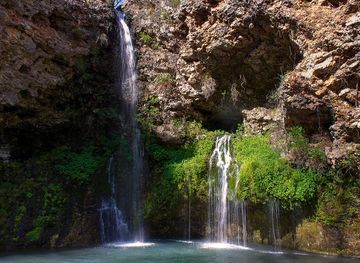
Explore more of Ozark Plateau
Explore Oklahoma’s Ozark Plateau for forested hills, clear rivers, Cherokee heritage, waterfalls, lakes and outdoor adventures near Tahlequah.
Explore Ozark Plateau
Explore more of Oklahoma
Discover Oklahoma: Where the spirit of the Old West meets modern charm, offering a rich mix of history, nature, and vibrant culture in the heart of the United States.
Explore Oklahoma