

Free Southeastern Oklahoma Travel Guide & Mobile App
Explore Southeastern Oklahoma with free travel guides. Discover regional history, expert tips, proposed trips, and audio guides on web or mobile app.


Explore Southeastern Oklahoma for Ouachita mountain drives, Choctaw heritage, forest trails, Broken Bow Lake and relaxed small-town travel.
Read more about Southeastern Oklahoma
Getting to and around Southeastern Oklahoma
How to get there
Transportation
Top city travel guides in Southeastern Oklahoma
The cities of Southeastern Oklahoma, and the easiest places to base yourself.
-

-

-
-

-

-


Swipe for more cities
Destinations in Southeastern Oklahoma
Resorts, valleys and scenic spots worth a trip of their own.
-

-

-

-

-

-


Swipe for more destinations
Best attractions in Southeastern Oklahoma
Southeastern Oklahoma’s attractions are shaped by forest, water and Indigenous history. Beavers Bend State Park and Broken Bow Lake provide the region’s most developed outdoor base, with hiking, fishing, paddling, boating and woodland scenery around the Mountain Fork River. Nearby Hochatown has cabins and activity providers, while the wider McCurtain County landscape offers quieter roads and forest recreation. Robbers Cave State Park, north of the Ouachitas, combines sandstone formations, wooded trails, lakes and historic associations with the outlaw legends of Indian Territory. The Talimena National Scenic Byway crosses the region’s mountain country, and Talamena State Park provides an access point for its high ridges and views. Cultural and historic attractions include the Choctaw Nation Capitol Museum in Tuskahoma, Fort Towson Historic Site near the Red River, and Spiro Mounds to the east, an important archaeological site associated with Caddoan society. Small museums, fishing lakes, wildlife-watching areas and local event venues add variety, while the best experiences usually involve allowing time for the landscape between formal attractions.
-
Museum
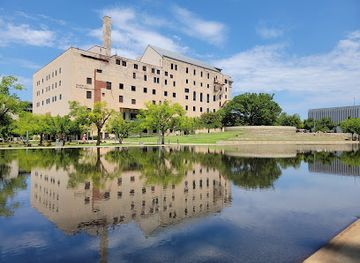
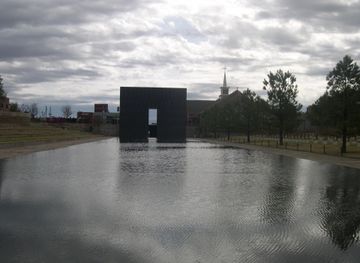
Oklahoma City National Memorial & Museum
Explore the Oklahoma City National Memorial & Museum: a poignant tribute to resilience, history, and the enduring human spirit.
-
Heritage museum
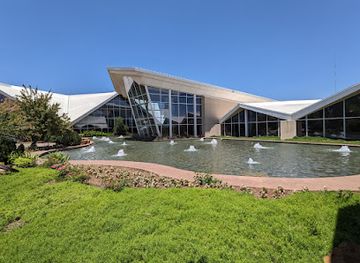
National Cowboy & Western Heritage Museum
Discover the legacy of the American West at the National Cowboy & Western Heritage Museum, a captivating destination for art and history enthusiasts alike.
-
Wildlife refuge
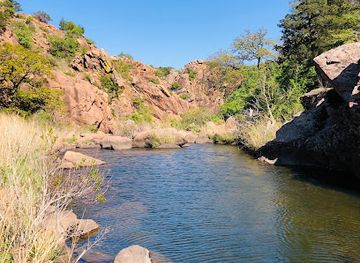
Wichita Mountains National Wildlife Refuge
Explore the stunning landscapes and rich wildlife of Wichita Mountains National Wildlife Refuge, a true gem for nature lovers and adventure seekers in Oklahoma.
-
State park
Beavers Bend State Park and Nature Center
Discover the natural beauty and outdoor adventures that await you at Beavers Bend State Park in Oklahoma, a perfect getaway for nature lovers and adventure seekers.
Best landmarks in Southeastern Oklahoma
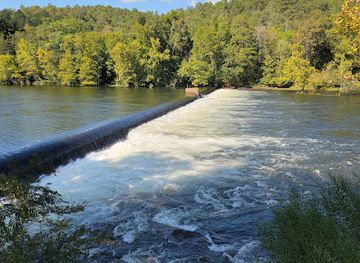
The Ouachita Mountains provide southeastern Oklahoma with its most recognisable natural landmarks, particularly the high ridges and long-distance views along the Oklahoma section of the Talimena National Scenic Byway. Around Broken Bow, the broad waters of Broken Bow Lake and the forested shoreline of Beavers Bend State Park define a major recreational landscape, while the Mountain Fork River adds a contrasting narrow, flowing corridor. Tuskahoma’s Choctaw Nation Capitol Museum is a significant civic and cultural landmark, linking the region’s historic capital with the continuing sovereignty of the Choctaw Nation. Fort Towson Historic Site preserves the setting of a nineteenth-century United States military post near the Red River, and Spiro Mounds represents the archaeological depth of the region before European settlement. In the north, the sandstone ridges and cave formations of Robbers Cave State Park create a distinctive visual landscape associated with local frontier history. These places are important not only for scenery but also for the Indigenous, military, archaeological and economic histories embedded in the region.
-
Museum
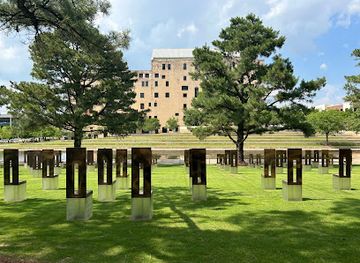
Oklahoma City National Memorial & Museum
Explore the Oklahoma City National Memorial & Museum, a poignant tribute to resilience and community healing, honoring the victims of the 1995 bombing.
-
Heritage museum
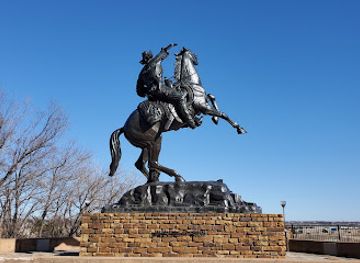
National Cowboy & Western Heritage Museum
Explore the rich heritage of the American West at the National Cowboy & Western Heritage Museum, where history and art come alive in Oklahoma City.
-
Historical landmark
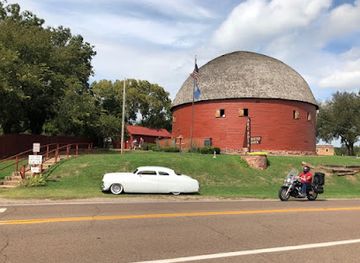
Arcadia Round Barn
Discover the historic Arcadia Round Barn on Route 66, a unique landmark that embodies Oklahoma's heritage with events, music, and local culture.
-
Historical place
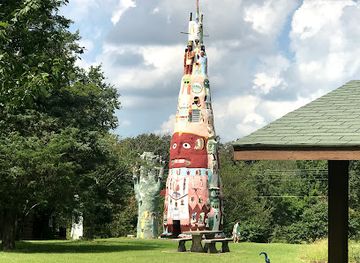
Ed Galloway's Totem Pole Park
Explore the artistic legacy and cultural significance of Ed Galloway's Totem Pole Park, a captivating historical site nestled in the heart of Oklahoma.
Explore Southeastern Oklahoma on the map
Plan your trip on one map. See where the top cities, national parks and sights are, and book hotels and experiences in a few clicks.
Best hotels in Southeastern Oklahoma
Best restaurants in Southeastern Oklahoma
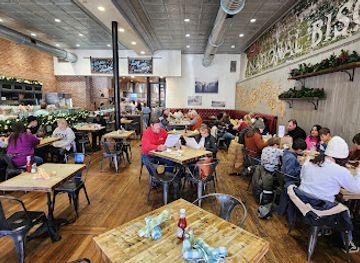
Dining in southeastern Oklahoma is generally informal and community-oriented, with the strongest choices concentrated in Durant, McAlester, Broken Bow, Idabel and other regional centres. Barbecue, burgers, fried catfish, chicken-fried steak, sandwiches and Southern-style vegetables are common, while diners and cafés provide practical breakfasts and lunches for road travellers. Around Broken Bow and Hochatown, restaurants serve visitors staying in cabins and taking part in lake activities, though the scene remains more relaxed than a metropolitan dining district. Local food shopping may include honey, jams, baked goods, pecans and other Oklahoma products, depending on season and location. Choctaw culinary traditions and contemporary Native foodways are part of the region’s wider cultural story, although availability varies and should not be assumed at every restaurant. In rural areas, check distances and service hours before setting out for dinner, particularly outside the main towns and busier holiday periods.
-
American
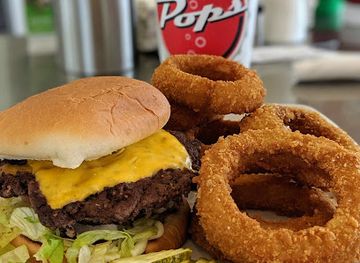
Pops 66
Experience the charm of Route 66 at Pops 66 – where delicious American cuisine meets nostalgic roadside attractions.
-
Restaurant
The Pioneer Woman Mercantile
Experience delectable comfort food and charming shopping at The Pioneer Woman Mercantile in Pawhuska – where culinary dreams come true.
-
Steak
Cattlemen's Steakhouse
Experience Oklahoma City's rich culinary heritage at Cattlemen's Steakhouse—home of the best steaks and American classics since 1910.
-
Seafood
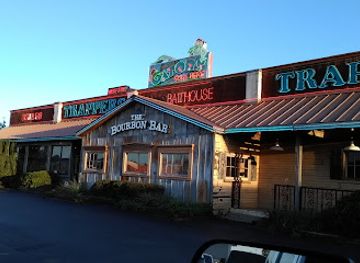
Trapper's Fishcamp & Grill
Discover the vibrant flavors of seafood at Trapper's Fishcamp & Grill – where every dish tells a story.
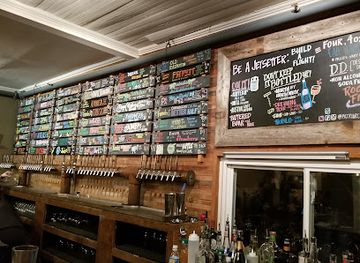
Best bars in Southeastern Oklahoma
Evening life in southeastern Oklahoma centres on traditional American bars, casual restaurants, breweries and live music rather than a large nightclub circuit. Durant and McAlester offer the broadest concentration of dining and evening venues, while Broken Bow and Hochatown have a seasonal visitor scene associated with cabin stays, lake trips and informal entertainment. In smaller communities, evenings are more likely to involve a local pub, restaurant, community event or music performance than late-night dancing. Alcohol availability and service can differ between businesses and local jurisdictions, so visitors should check arrangements rather than assume that every rural area has a full bar. The region’s dark skies, quiet forest settings and porch-based cabin evenings are often more characteristic than organised nightlife, and visitors should respect neighbours and park quiet hours.
-
Casino
Buffalo Run Casino & Resort
Discover the ultimate entertainment experience at Buffalo Run Casino & Resort, featuring gaming, live music, dining, and luxurious accommodations in Miami, Oklahoma.
-
Grill
Painted Horse Bar & Grille
Discover the Painted Horse Bar & Grille in Bartlesville, where great food, a cozy atmosphere, and local brews come together for an unforgettable dining experience.
-
Beer Garden
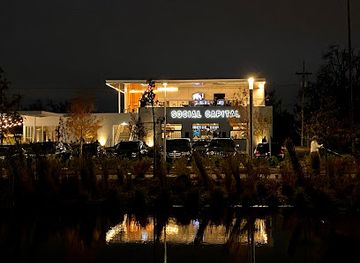
Social Capital
Experience the lively atmosphere of Social Capital, Oklahoma City's premier beer garden offering local brews and delicious food with stunning skyline views.
-
Bar
The Patriarch Craft Beer House & Lawn
Discover craft beers and a vibrant atmosphere at The Patriarch Craft Beer House & Lawn in Edmond, where history meets relaxation and community.
Best nightclubs in Southeastern Oklahoma
Evening life in southeastern Oklahoma centres on traditional American bars, casual restaurants, breweries and live music rather than a large nightclub circuit. Durant and McAlester offer the broadest concentration of dining and evening venues, while Broken Bow and Hochatown have a seasonal visitor scene associated with cabin stays, lake trips and informal entertainment. In smaller communities, evenings are more likely to involve a local pub, restaurant, community event or music performance than late-night dancing. Alcohol availability and service can differ between businesses and local jurisdictions, so visitors should check arrangements rather than assume that every rural area has a full bar. The region’s dark skies, quiet forest settings and porch-based cabin evenings are often more characteristic than organised nightlife, and visitors should respect neighbours and park quiet hours.
-
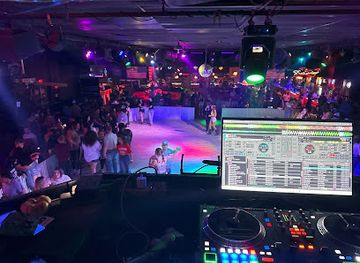
Night club
Redneck Dance Hall
Discover the vibrant nightlife at Redneck Dance Hall, Oklahoma City's ultimate destination for dancing, socializing, and fun-filled evenings.
-
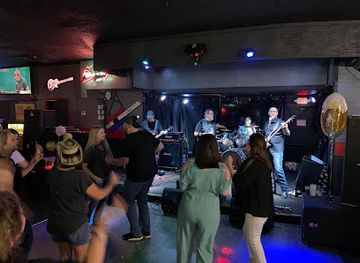
Bar
Alley Club
Experience the vibrant nightlife at Alley Club, South Oklahoma City's premier bar with live music and a welcoming atmosphere.
-
Night club
One15 Nightclub
Dive into the nightlife scene at One15 Nightclub, where great music, vibrant energy, and exceptional service meet in Oklahoma City.
-
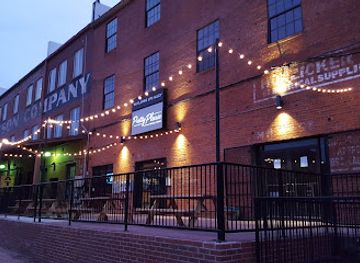
Lounge
Pretty Please Social Room
Discover the lively nightlife at Pretty Please Social Room in Bricktown, where cocktails meet vibrant entertainment in Oklahoma City.

Best shops in Southeastern Oklahoma
Shopping in southeastern Oklahoma is primarily local and practical, with independent shops, antique stores, craft outlets, farm stands and small-town high streets rather than large luxury districts. Durant, McAlester, Broken Bow and Idabel provide the broadest everyday choice, while Hochatown has visitor-oriented shops offering cabin supplies, outdoor goods, artworks and souvenirs. Market opportunities vary by season and town, so visitors should check local listings rather than expect a permanent market on every day. Regional purchases may include honey, jams, pecans, handmade furniture, pottery, paintings, Native-inspired contemporary art and products from local food producers. At Choctaw Nation museums and cultural facilities, buy only items that are clearly and ethically identified, and treat Indigenous art and craft as cultural work rather than generic themed merchandise. Antique shops and roadside stands can be worthwhile stops, but opening arrangements in small communities may be limited outside peak periods.
-
Gift shop
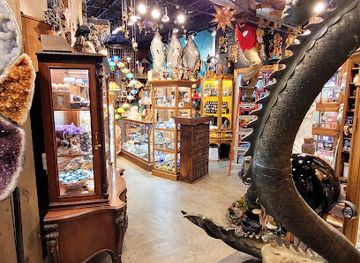
Craig's Curious Emporium
Explore the eclectic treasures of Craig's Curious Emporium in Oklahoma City, where unique gifts, books, and metaphysical supplies await.
-
Shopping mall
The Farm Shopping Center
Experience shopping like never before at The Farm Shopping Center in Tulsa, where specialty shops and delightful eateries await!
-
Antique store
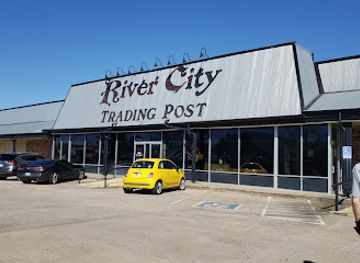
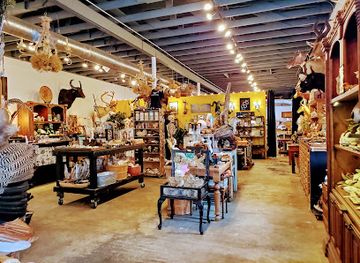
River City Trading Post
Explore the best of antiques, collectibles, and home goods at River City Trading Post in Jenks, Oklahoma—a treasure trove for every visitor.
-
Gift shop
Black Moth
Discover eclectic treasures and unique souvenirs at Black Moth, Tulsa's charming gift shop and collectibles haven.

Get your free copy of our complete guide to Southeastern Oklahoma, delivered straight to you.
Everything on this page, from attractions and restaurants to essentials and local phrases, in one PDF you can read offline, print or share.
Already have an account? Sign in
Your Southeastern Oklahoma guide is ready.
We'll send it to · Not you? Sign out

Getting your guide ready…
We are putting together a fresh copy of the Southeastern Oklahoma guide. This can take up to a minute.
This can take a few moments. If your browser asks, choose Allow so the download can start. You'll find the guide in your Downloads folder.
Nothing happened? Download it again
Sorry, the guide is taking longer than usual. Please try again in a minute, or get it by email instead.
Southeastern Oklahoma essentials
Currency and Payment
Safety
Emergency Situations
Do's and Don'ts
Local Tips
From Eve
Local phrases worth knowing
You don't need to get them perfect. A few words go a long way, and locals appreciate the effort.
Basics
| English | Local | Say it |
|---|---|---|
| Hello | Howdy | [hau-dee] |
| Goodbye | See ya later | [see ya lay-ter] |
| Yes | Yep | [yep] |
| No | Nah | [nah] |
| Please/You're welcome | No problem | [no prob-lem] |
| Thank you | Thanks a lot | [thanks a lot] |
| Excuse me/Sorry | Pardon me | [par-don me] |
| How are you? | How ya doin'? | [how ya doin'?] |
| Fine. And you? | I'm good, you? | [I'm good, you?] |
| Do you speak English? | You speakin' English? | [you speakin' English?] |
| I don't understand | I ain't followin' | [I ain't followin'] |
Eating & Drinking
| English | Local | Say it |
|---|---|---|
| I'd like to see the menu, please | Can I see the menu? | [can I see the menu?] |
| I don't eat meat | I ain't eatin' meat | [I ain't eatin' meat] |
| Cheers! | Cheers! | [cheers] |
| I would like to pay, please | Can I get the check? | [can I get the check?] |
Emergencies
| English | Local | Say it |
|---|---|---|
| Help! | Help! | [help] |
| Go away! | Leave me be! | [leave me be] |
| Call the Police! | Call the cops! | [call the cops] |
| Call a doctor! | Get me a doctor! | [get me a doctor] |
| I'm lost | I’m lost | [I’m lost] |
| I'm ill | I ain't feelin' good | [I ain't feelin' good] |
Shopping
| English | Local | Say it |
|---|---|---|
| I'd like to buy... | I wanna buy... | [I wanna buy...] |
| I'm just looking | Just browsing | [just browsin'] |
| How much is it? | What’s the price? | [what’s the price?] |
| That's too expensive | That's too high | [that's too high] |
| Can you lower the price? | Can ya knock down the price? | [can ya knock down the price?] |
Time & Numbers
| English | Local | Say it |
|---|---|---|
| What time is it? | What time ya got? | [what time ya got?] |
| It's one o'clock | It's one o'clock | [it's one o'clock] |
| Half past (10) | Half past ten | [half past ten] |
| Morning | Mornin' | [mornin'] |
| Afternoon | Afternoon | [afternoon] |
| Evening | Evenin' | [evenin'] |
| Yesterday | Yesterday | [yesterday] |
| Today | Today | [today] |
| Tomorrow | Tomorrow | [tomorrow] |
| 1 | One | [one] |
| 2 | Two | [two] |
| 3 | Three | [three] |
| 4 | Four | [four] |
| 5 | Five | [five] |
| 6 | Six | [six] |
| 7 | Seven | [seven] |
| 8 | Eight | [eight] |
| 9 | Nine | [nine] |
| 10 | Ten | [ten] |
Transport & Directions
| English | Local | Say it |
|---|---|---|
| Where's a/the...? | Where can I find a...? | [where can I find a...?] |
| What's the address? | What’s the address? | [what’s the address?] |
| Can you show me (on the map)? | Can you point it out? | [can you point it out?] |
| When's the next (bus)? | When's the next bus? | [when's the next bus?] |
| A ticket (to ....) | A ticket to... | [a ticket to...] |
History of Southeastern Oklahoma
Spiro Mounds and Caddoan Cultural Networks
The Spiro Mounds archaeological site, in Le Flore County near the Arkansas border, records a major Caddoan ceremonial and political centre that flourished roughly between the ninth and fifteenth centuries. Its communities participated in extensive exchange networks reaching across much of the central and southern United States. Archaeologists have recovered finely worked shell, stone, wood and other objects, although interpretations of the site continue to develop. Spiro demonstrates that sophisticated Indigenous societies shaped southeastern Oklahoma long before European settlement and that the region belonged to a far wider cultural world.
Choctaw Settlement in Indian Territory
During the early nineteenth century, the Choctaw people faced increasing pressure from the United States to surrender their southeastern homeland. Treaties, removal and resettlement brought many Choctaw families to Indian Territory, including present-day southeastern Oklahoma, where they established communities, farms, schools and political institutions. Not all Choctaw people left the Southeast at the same time, and the process involved coercion, hardship and loss. In Indian Territory, however, the Choctaw rebuilt a national government and developed institutions whose legacy remains central to the region.
Removal, Fort Towson and the Red River Frontier
Fort Towson, established in 1831 near the Red River, formed part of the United States military presence on the frontier between Indian Territory and Texas. It served during the era of Indigenous removal and later became associated with the movement of troops and supplies through the region. The fort’s location illustrates the strategic importance of southern Oklahoma’s river corridor and its proximity to Texas and the Choctaw Nation. Today, the historic site preserves the foundations and landscape of a military post shaped by an often unequal and contested frontier.
The Civil War in Indian Territory
The Civil War disrupted southeastern Oklahoma as competing military forces and Native nations navigated shifting alliances, political divisions and severe shortages. Choctaw and Chickasaw leaders entered an alliance with the Confederacy, while other Native people supported the Union or sought to avoid the conflict. Fighting, displacement and the destruction of property affected communities across Indian Territory. The war’s consequences were lasting: post-war treaties reduced tribal landholdings and altered the political position of the Choctaw Nation and its neighbours.
Coal, Railways and the Rise of Mining Towns
Coal mining and railway construction transformed parts of southeastern Oklahoma in the late nineteenth and early twentieth centuries. Communities around Wilburton, McAlester and other mining districts grew as companies extracted coal for regional markets and railways connected previously isolated settlements. The industry attracted workers from varied backgrounds and left a legacy of company towns, labour struggles, immigrant communities and mine infrastructure. Although large-scale coal mining has declined, the region’s roads, town plans, museums and place names still reflect the economic importance of the mineral era.
Lumber, Hydroelectric Development and State Parks
The forests of the Ouachita and Kiamichi regions supported timber production, sawmills and related employment, especially as rail access improved. In the twentieth century, reservoirs such as Broken Bow Lake altered valleys, supplied water and created new opportunities for fishing, boating and tourism. State parks, scenic highways and protected woodland areas followed, helping shift parts of the regional economy towards recreation and conservation. This transition did not erase forestry or ranching, but it added a visitor economy based on lakes, mountain scenery and outdoor access.
The Modern Choctaw Nation of Oklahoma
The Choctaw Nation of Oklahoma remains one of the region’s most important cultural, political and economic institutions. Its headquarters are in Durant, while Tuskahoma retains historic significance as the nation’s capital and hosts museums and governmental heritage sites. Contemporary programmes in education, healthcare, housing, language, cultural preservation and economic development express continuing Choctaw sovereignty and community life. For visitors, this present-day reality provides essential context: southeastern Oklahoma is not merely a landscape associated with Choctaw history but part of the nation’s ongoing homeland and civic world.
Southeastern Oklahoma in Photos
Browse through our photo collection highlighting the charm and character of the destination.
Neighbouring regions of Southeastern Oklahoma
The closest regions to Southeastern Oklahoma, if you have time for more than one.
-

-

-
-

-


Swipe for more regions
Explore more
Explore more of Oklahoma
Discover Oklahoma: Where the spirit of the Old West meets modern charm, offering a rich mix of history, nature, and vibrant culture in the heart of the United States.
Explore Oklahoma