

Free Jebel Akhdar Travel Guide & Mobile App
Explore Jebel Akhdar with free travel guides. Discover regional history, expert tips, proposed trips, and audio guides on web or mobile app.


Jebel Akhdar combines Oman’s cool highlands with rose terraces, mountain villages, ancient irrigation and rewarding walks above the interior.
Read more about Jebel Akhdar
When is the best time to visit Jebel Akhdar?
Best: April–May, October · 23–28°C| Month | High (°C) | Rainfall (mm) |
|---|---|---|
| January | 15 | 15 |
| February | 17 | 15 |
| March | 20 | 20 |
| April (best) | 23 | 15 |
| May (best) | 28 | 10 |
| June | 31 | 5 |
| July | 32 | 5 |
| August | 32 | 5 |
| September | 30 | 10 |
| October (best) | 27 | 10 |
| November | 22 | 15 |
| December | 17 | 15 |
Getting to and around Jebel Akhdar
How to get there
Transportation
Best attractions in Jebel Akhdar
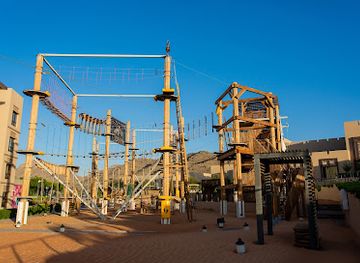
Jebel Akhdar’s attractions arise from the close relationship between mountain terrain and settled agriculture. The plateau villages of Saiq, Al Ain and Ash Shirayjah provide access to terraced orchards, old stone houses and views across sharply incised wadis. Wadi Bani Habib is particularly notable for its abandoned village buildings, cultivated slopes and walking routes, while the surrounding highlands offer opportunities for hiking, photography and quiet observation of traditional irrigation. In spring, damask roses bring colour and fragrance to farms across the Saiq area, and local distillation traditions give the season a strong cultural dimension. The region’s mountain resorts add guided walks, viewpoints, outdoor activities and stargazing, but the landscape remains the principal attraction. Visitors interested in agriculture can learn about pomegranates, walnuts, apricots and other highland crops, while those seeking more demanding scenery can follow routes along escarpments and through rugged valleys. Jebel Akhdar is not a destination of dense museums or large entertainment complexes; its appeal lies in village walks, living agricultural systems, cool mountain air, geological drama and the chance to see how Omani communities have cultivated an elevated, water-scarce environment.
-
Tourist attraction
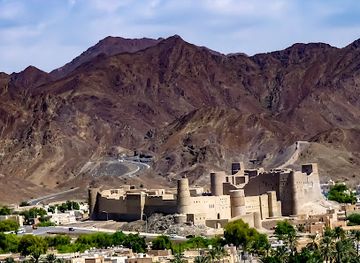
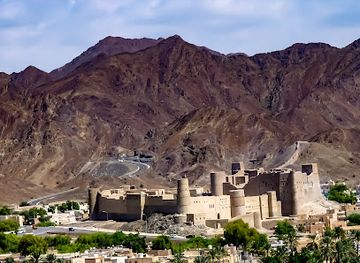
Bahla Fort
Discover the grandeur of Bahla Fort, a UNESCO World Heritage Site, where history meets breathtaking architecture in the heart of Oman.
-
Heritage museum
Oman Across Ages Museum
Explore the rich cultural tapestry of Oman at the Oman Across Ages Museum, a heritage destination that reveals the nation's fascinating history.
-
Tourist attraction
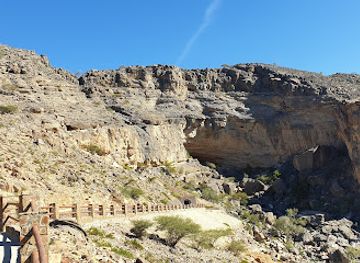
Al Hoota Cave
Explore the stunning Al Hoota Cave, a natural wonder in Oman, featuring breathtaking formations and rich geological history.
-
Tourist attraction
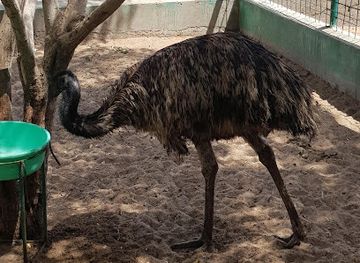
Al Noman Zoo
Explore Al Noman Zoo in Barka, Oman, a vibrant animal park that combines fun, education, and wildlife conservation for an unforgettable family experience.
Best landmarks in Jebel Akhdar
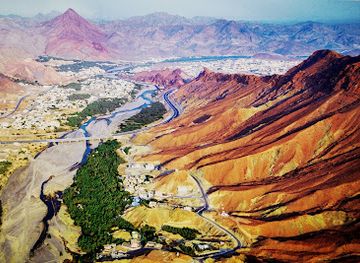
The defining landmarks of Jebel Akhdar are its human-shaped terraces and the dramatic limestone escarpments that frame the plateau. The villages of Saiq, Al Ain and Ash Shirayjah are recognisable for their clustered stone and plaster houses, cultivated slopes and channels of the aflaj irrigation system. Wadi Bani Habib stands out as a highly evocative mountain settlement, where abandoned homes overlook orchards and reveal the architectural scale of earlier village life. The deep wadis and cliff-edge viewpoints around the plateau are natural landmarks in their own right, exposing the vertical relief between the highlands and Oman’s interior. Traditional rose-growing terraces form a seasonal cultural landscape rather than a single monument, especially around the Saiq area. The region’s significance also extends beyond scenic value: its villages and water channels embody long-term adaptation to altitude, aridity and limited arable land. Unlike Oman’s great lowland forts and urban mosques, Jebel Akhdar’s visual identity comes from the integration of settlement, agriculture and mountain geology.
-
Fortress
Nizwa Fort
Discover Nizwa Fort, a historic fortress in Oman that offers a captivating glimpse into the region's rich history and stunning architectural beauty.
-
Historical landmark
Bahla Fort
Discover Bahla Fort, a UNESCO World Heritage Site, where history meets stunning architecture in the heart of Oman.
-
Tourist attraction
Al Hoota Cave
Discover the breathtaking Al Hoota Cave in Oman, a natural wonder filled with stunning geological formations and unique ecosystems.
-
Garden
Falaj Daris Park
Discover the tranquility and beauty of Falaj Daris Park, a lush oasis in Nizwa, Oman, perfect for relaxation and cultural exploration.
Explore Jebel Akhdar on the map
Plan your trip on one map. See where the top cities, national parks and sights are, and book hotels and experiences in a few clicks.
Best hotels in Jebel Akhdar
Best restaurants in Jebel Akhdar
Dining on Jebel Akhdar is centred on resort restaurants, guesthouses and the home-style hospitality found in rural Oman rather than a large independent restaurant scene. Menus commonly draw on national Omani cooking, including spiced rice with meat or chicken, grilled dishes, soups, flatbreads, dates and sweet preparations flavoured with cardamom or rose water. Local mountain produce gives the highland table a seasonal emphasis: pomegranates, walnuts, almonds, apricots, peaches, herbs and honey may appear in dishes, drinks or small farm sales when available. Rose water from the plateau is an important local flavouring and cultural product. Larger properties may offer international menus alongside Omani specialities, while smaller accommodation tends to require advance meal arrangements. Visitors should not expect extensive late-night dining or a choice of restaurants between villages; booking dinner with accommodation is often the most practical plan. Nizwa and other towns below the mountain provide a broader range of everyday Omani cafés and restaurants.
-
 Hotel
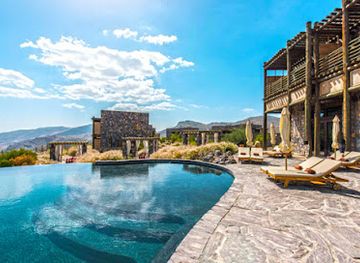
HotelAnantara Al Jabal Al Akhdar Resort
Discover unparalleled luxury amidst stunning mountain landscapes at Anantara Al Jabal Al Akhdar Resort in Oman.
-
Resort hotel
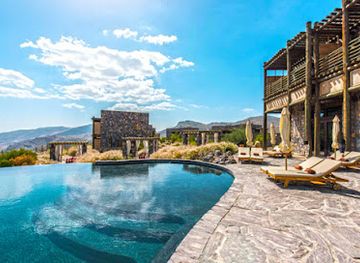
Alila Jabal Akhdar
Experience unparalleled luxury and breathtaking views at Alila Jabal Akhdar, Oman's premier mountain resort hotel.
-
Mountain peak
Jebel Shams
Discover the breathtaking landscapes and thrilling adventures at Jebel Shams, Oman's majestic peak known as 'Mountain of the Sun'.
-
Resort hotel
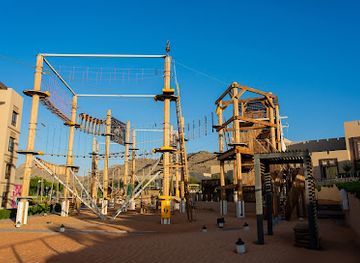
dusitD2 Naseem Resort, Jabal Akhdar, Oman
Discover luxury and adventure at dusitD2 Naseem Resort in Jabal Akhdar - where breathtaking landscapes meet exceptional hospitality.
Best bars in Jebel Akhdar
Jebel Akhdar does not have a conventional nightclub district, and evening life is generally quiet, with guests dining, talking, stargazing or joining occasional cultural and outdoor activities at their accommodation. Any alcohol service is governed by Oman’s national licensing rules and is generally confined to authorised hotel or resort venues; it should not be assumed to be available in villages or small guesthouses. Resort lounges can provide a more formal evening setting, while traditional coffee, tea and dates better reflect ordinary local hospitality. The high plateau is well suited to early nights because mountain walks and viewpoints are best approached with daylight, and temperatures can fall sharply after sunset. Visitors seeking a larger choice of cafés, restaurants or licensed evening venues should plan time in Nizwa or another major Omani city rather than expecting a busy entertainment scene on the mountain.
-
Hotel
Anantara Al Jabal Al Akhdar Resort
Discover the unparalleled luxury and breathtaking scenery of Anantara Al Jabal Al Akhdar Resort, a mountain paradise in Oman.
-
Resort hotel
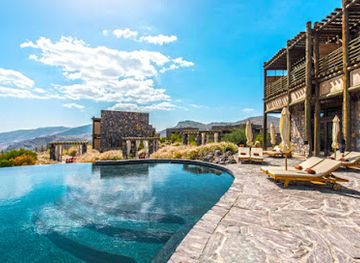
Alila Jabal Akhdar
Discover luxury and tranquility at Alila Jabal Akhdar, a stunning resort in Oman's breathtaking mountains, perfect for relaxation and adventure.
-
Hotel
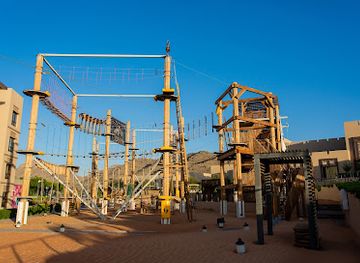
dusitD2 Naseem Resort, Jabal Akhdar, Oman
Experience luxury and adventure at dusitD2 Naseem Resort, Jabal Akhdar - a serene escape in the heart of Oman’s breathtaking mountains.
-
Restaurant
Layali Al Jabal Restaurant
Discover the authentic flavors of Middle Eastern cuisine at Layali Al Jabal Restaurant in Labal, where every meal is a celebration of taste.
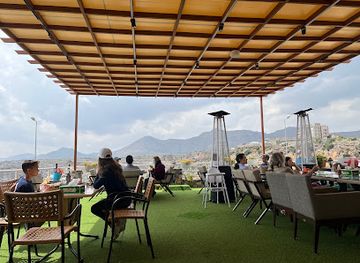
Best nightclubs in Jebel Akhdar
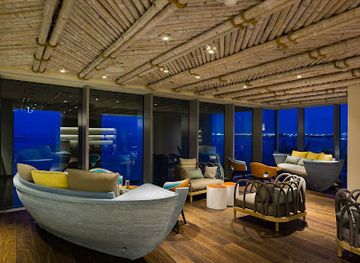
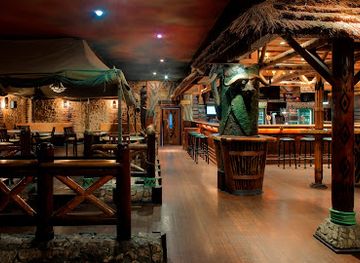
Jebel Akhdar does not have a conventional nightclub district, and evening life is generally quiet, with guests dining, talking, stargazing or joining occasional cultural and outdoor activities at their accommodation. Any alcohol service is governed by Oman’s national licensing rules and is generally confined to authorised hotel or resort venues; it should not be assumed to be available in villages or small guesthouses. Resort lounges can provide a more formal evening setting, while traditional coffee, tea and dates better reflect ordinary local hospitality. The high plateau is well suited to early nights because mountain walks and viewpoints are best approached with daylight, and temperatures can fall sharply after sunset. Visitors seeking a larger choice of cafés, restaurants or licensed evening venues should plan time in Nizwa or another major Omani city rather than expecting a busy entertainment scene on the mountain.
-
Lounge
Zale Beach Club & Lounge
Experience the epitome of luxury and relaxation at Zale Beach Club & Lounge in Muscat, where exquisite dining meets stunning ocean views.
-
Bar
Club Safari
Experience the vibrant nightlife of Muscat at Club Safari, where exquisite drinks and a lively atmosphere await you.
-
Bar
Beach Pool Club Bar نادي بركة الشاطيء
Discover tranquility at Beach Pool Club Bar, where refreshing drinks and breathtaking views create an unforgettable beachside escape.
-
Live music bar
Layalina Night Club
Discover the vibrant nightlife at Layalina Night Club, Muscat's top live music venue offering unforgettable performances and a lively atmosphere.

Best shops in Jebel Akhdar
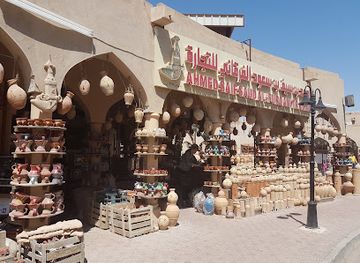
Shopping on Jebel Akhdar is small-scale and closely connected to local agriculture and household production. Seasonal rose water is the most distinctive purchase, particularly during and after the spring harvest, although availability and quality vary between sellers. Visitors may also find mountain pomegranates, walnuts, almonds, honey, dried fruit, herbs and other produce when harvests permit. Small shops and accommodation providers sometimes sell locally made food products and Omani souvenirs, but the plateau is not a major retail destination and choice is limited compared with Nizwa. For a wider selection of crafts, dates, spices, silver jewellery, textiles and traditional goods, Nizwa’s souq and markets below the mountain are more suitable, though they lie outside Jebel Akhdar. Buy agricultural products respectfully and avoid removing plants, stones or other material from terraces and wadis. Because many mountain goods are seasonal, a product associated with the region may not be available on every visit.
-
Market
Nizwa Souq
Explore the enchanting Nizwa Souq, where tradition meets vibrant commerce in the heart of Oman.
-
Hotel
Anantara Al Jabal Al Akhdar Resort
Experience luxury amidst nature at Anantara Al Jabal Al Akhdar Resort, where breathtaking views meet exceptional hospitality in the heart of Oman.
-
Resort hotel
Alila Jabal Akhdar
Experience unparalleled luxury and breathtaking mountain views at Alila Jabal Akhdar, Oman’s premier resort hotel.
-
Hotel
dusitD2 Naseem Resort, Jabal Akhdar, Oman
Discover the harmony of luxury and adventure at dusitD2 Naseem Resort, a premier destination in the majestic Jabal Akhdar mountains, Oman.
Get your free copy of our complete guide to Jebel Akhdar, delivered straight to you.
Everything on this page, from attractions and restaurants to essentials and local phrases, in one PDF you can read offline, print or share.
Already have an account? Sign in
Your Jebel Akhdar guide is ready.
We'll send it to · Not you? Sign out

Getting your guide ready…
We are putting together a fresh copy of the Jebel Akhdar guide. This can take up to a minute.
This can take a few moments. If your browser asks, choose Allow so the download can start. You'll find the guide in your Downloads folder.
Nothing happened? Download it again
Sorry, the guide is taking longer than usual. Please try again in a minute, or get it by email instead.
Jebel Akhdar essentials
Currency and Payment
Safety
Emergency Situations
Do's and Don'ts
Local Tips
From Eve
Local phrases worth knowing
You don't need to get them perfect. A few words go a long way, and locals appreciate the effort.
Basics
| English | Local | Say it |
|---|---|---|
| Hello | مرحبا | [Marhaban] |
| Goodbye | مع السلامة | [Ma'a as-salama] |
| Yes | نعم | [Na'am] |
| No | لا | [La] |
| Please/You’re welcome | من فضلك | [Min fadlik] |
| Thank you | شكرا | [Shukran] |
| Excuse me/Sorry | عفوا | [Afwan] |
| How are you? | كيف حالك؟ | [Kayfa halak?] |
| Fine. And you? | بخير. وأنت؟ | [Bikhayr. Wa anta?] |
| Do you speak English? | هل تتحدث الإنجليزية؟ | [Hal tatahadath al-ingliziyya?] |
| I don't understand | لا أفهم | [La afham] |
Eating & Drinking
| English | Local | Say it |
|---|---|---|
| I’d like to see the menu, please | أود رؤية القائمة، من فضلك | [Awad ru'yat al-qa'ima, min fadlik] |
| I don't eat meat | لا أتناول اللحم | [La atanaawal al-lahm] |
| Cheers! | في صحتك! | [Fi sihtak!] |
| I would like to pay, please | أود الدفع، من فضلك | [Awad ad-daf', min fadlik] |
Emergencies
| English | Local | Say it |
|---|---|---|
| Help! | نجدة! | [Najda!] |
| Go away! | اذهب بعيدا! | [Idhhab ba'idan!] |
| Call the Police! | اتصل بالشرطة! | [Ittasil bil-shurta!] |
| Call a doctor! | اتصل بطبيب! | [Ittasil bi-tabeeb!] |
| I’m lost | أنا ضائع | [Ana da'i'] |
| I’m ill | أنا مريض | [Ana marid] |
Shopping
| English | Local | Say it |
|---|---|---|
| I’d like to buy... | أود شراء... | [Awad shira'] |
| I’m just looking | أنا فقط أنظر | [Ana faqat anzur] |
| How much is it? | كم ثمنه؟ | [Kam thamanu?] |
| That’s too expensive | هذا غالي جدا | [Hatha ghali jidan] |
| Can you lower the price? | هل يمكنك تخفيض السعر؟ | [Hal yumkinuka takhfid as-si'r?] |
Time & Numbers
| English | Local | Say it |
|---|---|---|
| What time is it? | كم الساعة؟ | [Kam as-saa'a?] |
| It’s one o'clock | الساعة واحدة | [As-saa'a wahida] |
| Half past (10) | نصف (10) | [Nisf (10)] |
| Morning | صباح | [Sabah] |
| Afternoon | بعد الظهر | [Ba'ad ad-dhuhr] |
| Evening | مساء | [Masa'] |
| Yesterday | أمس | [Ams] |
| Today | اليوم | [Al-yawm] |
| Tomorrow | غدا | [Ghadan] |
| 1 | واحد | [Wahid] |
| 2 | اثنان | [Ithnain] |
| 3 | ثلاثة | [Thalatha] |
| 4 | أربعة | [Arba'a] |
| 5 | خمسة | [Khamsa] |
| 6 | ستة | [Sitta] |
| 7 | سبعة | [Sab'a] |
| 8 | ثمانية | [Thamaniya] |
| 9 | تسعة | [Tis'a] |
| 10 | عشرة | [Ashara] |
Transport & Directions
| English | Local | Say it |
|---|---|---|
| Where's a/the...? | أين يوجد...؟ | [Ayna yujad...?] |
| What’s the address? | ما هو العنوان؟ | [Ma huwa al-unwan?] |
| Can you show me (on the map)? | هل يمكنك إرشادي (على الخريطة)؟ | [Hal yumkinuka irshadi (ala al-kharita)?] |
| When’s the next (bus)? | متى يصل (الباص) التالي؟ | [Mata yasl (al-bas) at-tali?] |
| A ticket (to ....) | تذكرة (إلى ....) | [Tadhkara (ila ....)] |
History of Jebel Akhdar
Ancient settlement and mountain agriculture
The highlands of Jebel Akhdar have long supported communities in places where springs, terrace soils and careful water management made cultivation possible. Archaeological evidence across Oman points to deep prehistoric and early historic settlement, while the mountain’s surviving villages reflect a much later but enduring agricultural system. Terraces reduced erosion and created pockets for orchards, cereals and garden crops. This relationship between highland communities and a difficult limestone environment remains central to understanding the region’s history.
Aflaj irrigation and village life
Jebel Akhdar’s farms depend on aflaj, Oman’s traditional channels that carry spring or groundwater to settlements and cultivated terraces. Water is distributed according to established communal rights, linking agriculture with local governance and social organisation. The channels are not simply engineering features: they determine the position of orchards, paths, houses and mosques. Their continued visibility around plateau villages shows how generations adapted to limited water and made intensive cultivation possible at considerable altitude.
The Nabhani era and interior Oman
From the twelfth to the early seventeenth century, the Nabhani dynasty governed large parts of inland Oman from centres including Bahla and other fortified settlements of the interior. Jebel Akhdar formed part of this wider highland and interior world, connected by tracks and political relationships to the settlements below the mountains. The period helped shape the fortified architecture, agricultural traditions and regional networks that visitors encounter across the Nizwa and Al Hamra areas, although the mountain villages themselves remained agricultural communities rather than major urban centres.
The Ya'ruba state and Oman’s consolidation
The Ya'ruba dynasty rose to prominence in the seventeenth century and expelled Portuguese forces from Oman’s principal strongholds, helping to consolidate an Omani state with influence extending across the Indian Ocean. The interior mountains were important in the political and religious landscape of this period, providing defensible terrain and links between inland communities. Jebel Akhdar was not an isolated cultural enclave; it formed part of the network of villages, forts, markets and religious institutions that supported Oman’s inland society.
The Imamate and the Jebel Akhdar conflict
In the twentieth century, Oman’s interior was closely associated with the Ibadi imamate, whose authority was distinct from the sultanate based on the coast. Tensions between these political structures contributed to the Jebel Akhdar War of 1957–59, when forces of the Sultanate, supported by Britain, fought to reassert control over the mountain region. The conflict brought the plateau into modern political history and left a legacy that is important to Oman’s understanding of state formation. Visitors should approach this subject with historical sensitivity rather than treating the mountain solely as a scenic destination.
Modern roads, tourism and agricultural continuity
Improved roads and vehicles transformed access to Jebel Akhdar during Oman’s modern development, connecting plateau communities more directly with Nizwa and the national road network. Resorts, guesthouses and guided outdoor activities have since added tourism to the local economy. Agriculture has not disappeared: pomegranates, roses, walnuts and other crops remain important markers of place and season. The contemporary region therefore combines infrastructure and specialist tourism with long-established village life, terrace farming and communal irrigation.
Jebel Akhdar in Photos
Browse through our photo collection highlighting the charm and character of the destination.
Neighbouring regions of Jebel Akhdar
The closest regions to Jebel Akhdar, if you have time for more than one.
-

-

-

-

-


Swipe for more regions
Explore more
Explore more of Oman
Discover Oman: A land of ancient forts, golden deserts, and warm hospitality, offering a perfect blend of adventure and tranquility.
Explore Oman