

Ash Sharqiyah North Governorate, Oman Travel Guide
Explore the enchanting landscapes and rich cultural heritage of Ash Sharqiyah North Governorate in Oman, featuring the majestic Wahiba Sands, picturesque Wadi Bani Khalid, and historic Ibra.
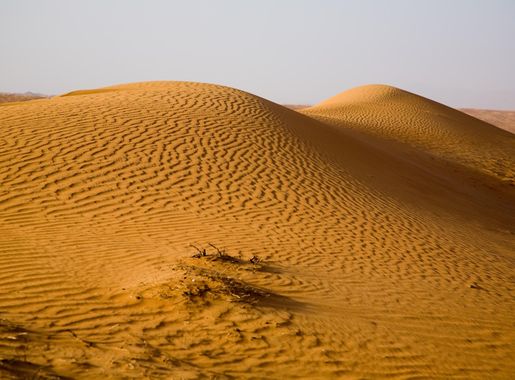
Ash Sharqiyah North Governorate is a gem in the Sultanate of Oman that offers an enchanting blend of natural beauty and cultural heritage. This region is perfect for tourists looking to explore the unspoiled landscapes and rich traditions of Oman. One of the main attractions here is the majestic Wahiba Sands, a vast desert that stretches as far as the eye can see. Visitors can enjoy thrilling activities such as dune bashing, camel riding, and sandboarding. The desert also offers a unique camping experience under the star-studded sky. In addition to its stunning desert landscapes, Ash Sharqiyah North Governorate is home to the picturesque Wadi Bani Khalid. This oasis features crystal-clear pools and scenic views, making it an ideal spot for swimming and picnicking. The wadi's lush greenery and cool waters provide a refreshing contrast to the surrounding arid terrain. For those interested in history and culture, the region boasts several traditional villages and ancient forts. The town of Ibra is known for its vibrant souq (market) and historic buildings. Visitors can wander through the narrow alleys and experience the local way of life firsthand. Another must-visit site is the Al Hajar Mountains, which offer breathtaking views and excellent hiking opportunities. The mountains are home to diverse flora and fauna, making them a paradise for nature lovers and adventure seekers alike.

Know before you go
Hi, I'm Eve. Here are a few practical things to know before exploring Ash Sharqiyah North Governorate.
- Visit early in the morning or late in the afternoon to avoid the mid-day heat, especially in the desert areas.
- Carry plenty of water and sun protection when exploring the desert and mountains.
- Hire a local guide for a more informative and safe experience, particularly for desert excursions and mountain hikes.
- Wear modest clothing when visiting traditional villages and respect local customs.
- Check the weather forecast before planning a trip to Wadi Bani Khalid, as flash floods can occur during the rainy season.
Top City Travel Guides in Ash Sharqiyah North Governorate
The cities of Ash Sharqiyah North Governorate, and the easiest places to base yourself.


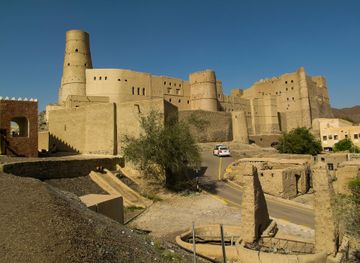
Destinations in Ash Sharqiyah North Governorate
Resorts, valleys and scenic spots worth a trip of their own.


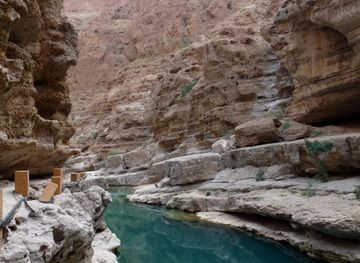
Explore Ash Sharqiyah North Governorate: Things to Do, Places to Eat, Hotels & More
Handpicked recommendations for top attractions, local dining, accommodations, and more

Top Attractions & Sightseeing in Ash Sharqiyah North Governorate
Top-rated picks
Best Attractions

Mutrah Souq
Experience the vibrant culture of Oman at Mutrah Souq, a bustling market full of traditional crafts, spices, and local delicacies in Muscat.

Royal Opera House Muscat
Discover the Royal Opera House Muscat, a stunning venue showcasing the best of Oman's cultural scene with world-class performances and breathtaking architecture.

Al Sahwa Garden
Discover the tranquility of Al Sahwa Garden in Seeb, Oman, a perfect retreat for families and nature enthusiasts amidst vibrant flora and serene landscapes.

Ghubrah Beach Park
Discover the tranquil beauty of Ghubrah Beach Park in Muscat, a perfect blend of nature and leisure for every traveler.

Best landmarks in Ash Sharqiyah North Governorate
Top-rated picks
Best Landmarks

Bimmah Sinkhole
Discover the breathtaking Bimmah Sinkhole, a stunning natural attraction in Oman, perfect for swimming, picnics, and unforgettable scenery.

Wadi Shab
Explore Wadi Shab, a stunning natural oasis in Oman featuring emerald waters, rugged cliffs, and unique caves for an unforgettable adventure.

Mutrah Fort
Explore Mutrah Fort, a historic fortress in Muscat offering stunning views and insights into Oman's rich maritime heritage.

Wadi Dayqah Dam
Discover the breathtaking Wadi Dayqah Dam in Qurayyat, Oman, an architectural wonder surrounded by stunning landscapes and rich nature.

Best restaurants in Ash Sharqiyah North Governorate
Top-rated picks
Best Restaurants

Zaki Restaurant
Experience authentic Omani hot pot at Zaki Restaurant in Sur – where flavors meet tradition.

Al Hawash Restaurant
Experience authentic Omani cuisine at Al Hawash Restaurant in Sur—where tradition meets flavor in every bite.

Vaidyans Fish and Grill Restaurant
Discover the best seafood at Vaidyans Fish and Grill Restaurant in Sur, Oman - where freshness meets flavor!

Restaurant kitchen Naseem Mahout Yemen
Experience authentic Yemeni cuisine at Restaurant Kitchen Naseem Mahout in Ibra – where every meal tells a story.

Best bars in Ash Sharqiyah North Governorate
Top-rated picks
Best Bars

Rock Bottom Cafe Muscat
Experience the vibrant nightlife and delicious American cuisine at Rock Bottom Cafe Muscat, your ultimate destination for food and fun.

Vaidyans Fish and Grill Restaurant
Experience the best of Omani seafood at Vaidyans Fish and Grill, where fresh flavors meet a vibrant atmosphere in Sur.
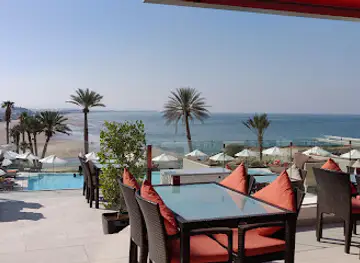
Duke's
Discover Duke's in Muscat: A gastropub offering a blend of local flavors and international cuisine within the Crowne Plaza Hotel.

O'Malley's Irish Pub
Discover the vibrant atmosphere and authentic flavors of Ireland at O'Malley's Irish Pub in Muscat, where every night is a celebration.

Best nightclubs in Ash Sharqiyah North Governorate
Top-rated picks
Best Nightclubs

Zale Beach Club & Lounge
Experience the elegance of Zale Beach Club & Lounge, where exquisite dining meets stunning coastal views in the heart of Muscat.

Club Safari
Discover the vibrant nightlife at Club Safari, Muscat's premier bar within the Grand Hyatt, offering exquisite cocktails and live entertainment.

VI Muscat Club
Unleash your spirit at VI Muscat Club, where the heart of Muscat's nightlife beats with vibrant music, dancing, and unforgettable memories.

Elements Nightlife
Experience the vibrant nightlife of Muscat at Elements Nightlife, where music, cocktails, and fun create unforgettable memories.

Best shops in Ash Sharqiyah North Governorate
Top-rated picks
Best Shops

Mutrah Souq
Discover the charm of Mutrah Souq in Muscat, a vibrant market filled with Omani treasures, spices, and rich cultural experiences.

Dragon Gift Center
Experience the vibrant shopping scene at Dragon Gift Center, Muscat's premier destination for local crafts and unique gifts.

East Shopping
Discover the vibrant shopping experience at East Shopping, where local culture meets modern retail in Jalan Bani Buali.

Oriental Shopping LLC
Experience the essence of Omani culture at Oriental Shopping LLC, your ultimate supermarket destination for local and international products.

Explore Ash Sharqiyah North Governorate on the Map
A handpicked selection of must-see spots in Ash Sharqiyah North Governorate, mapped for you.
Ash Sharqiyah North Governorate Essentials
-
Ash Sharqiyah North Governorate is accessible via various means of transportation. The nearest international airport is Muscat International Airport, approximately 200 kilometers away. From Muscat, you can rent a car, hire a taxi, or take a bus to the governorate. The journey by road typically takes around 2 to 3 hours. There are also domestic flights to smaller airports in the region, but driving offers the most flexibility for exploring the area.
-
Within Ash Sharqiyah North Governorate, the primary means of transportation are rental cars and taxis. Public buses are available but less frequent and may not cover all tourist destinations. Renting a car is highly recommended for convenience and to explore the region at your own pace. Ensure that you have an international driving permit (IDP) if you plan on driving.
-
The official currency in Oman is the Omani Rial (OMR). Credit cards are widely accepted in hotels, restaurants, and larger shops, but it is advisable to carry cash for smaller establishments and local markets. ATMs are available in major towns within the governorate, but it is wise to withdraw sufficient cash in Muscat or other major cities before traveling to more remote areas.
-
Ash Sharqiyah North Governorate is generally a safe destination for tourists. However, it is advisable to take standard precautions, such as avoiding walking alone at night in unfamiliar areas and keeping an eye on your belongings in crowded places. There are no specific high-crime areas targeting tourists, but it is always best to stay vigilant and aware of your surroundings.
-
In case of emergency, dial 9999 for immediate assistance. The local police stations and medical facilities are available in major towns within the governorate. It is recommended to have travel insurance that covers medical emergencies. For minor health issues, pharmacies are available where you can purchase over-the-counter medications.
-
Fashion: Do dress modestly, especially when visiting religious sites. Avoid wearing revealing clothing. Religion: Do respect local customs and traditions. Always cover your head and dress conservatively when entering mosques. Public Transport: Do be respectful and give up your seat to elderly passengers. Don't eat or drink on public transport. Greetings: Do greet people with a handshake. A slight bow of the head is also a sign of respect. Eating & Drinking: Do try local delicacies and accept food offerings graciously. Don't refuse hospitality, as it is considered impolite.
-
To experience Ash Sharqiyah North Governorate like a local, visit the traditional souqs where you can buy fresh produce, spices, and local crafts. Engage with locals, as they are often friendly and willing to share stories about the region's history and culture. Don't miss visiting the Wahiba Sands for a unique desert experience and the Wadi Bani Khalid for its stunning natural pools. For a truly local experience, try camping in the desert under the stars.
When is the best time to visit Ash Sharqiyah North Governorate?
Useful Local Phrases for Ash Sharqiyah North Governorate
You don't need to speak the language perfectly. Even learning a few simple words can make conversations warmer—and locals usually appreciate the effort.
— Eve

Here are the phrases I use most often in Ash Sharqiyah North Governorate. Try a few—you'll be surprised how far they go! 😊
❤️
-
- Helloمرحبا
[Marhaban] - Goodbyeوداعا
[Wada'an] - Yesنعم
[Na'am] - Noلا
[La] - Please/You're welcomeرجاءً/عفواً
[Rajaa'an/Afwan] - Thank youشكراً
[Shukran] - Excuse me/Sorryعفواً/آسف
[Afwan/Asif] - How are you?كيف حالك؟
[Kayfa halak?] - Fine. And you?بخير. وأنت؟
[Bikhayr. Wa anta?] - Do you speak English?هل تتحدث الإنجليزية؟
[Hal tatahadath al-ingliziyya?] - I don't understandلا أفهم
[La afham]
- Helloمرحبا
-
- I'd like to see the menu, pleaseأود رؤية القائمة، من فضلك
[Awd ru'yat al-qa'ima, min fadlik] - I don't eat meatلا آكل اللحم
[La akul al-lahm] - Cheers!في صحتك!
[Fi sihtak!] - I would like to pay, pleaseأود الدفع، من فضلك
[Awd al-daf', min fadlik]
- I'd like to see the menu, pleaseأود رؤية القائمة، من فضلك
-
- Help!نجدة!
[Najda!] - Go away!اذهب بعيداً!
[Idhhab ba'eedan!] - Call the Police!اتصل بالشرطة!
[Ittasil bil-shurta!] - Call a doctor!اتصل بالطبيب!
[Ittasil bil-tabeeb!] - I'm lostأنا ضائع
[Ana da'i'] - I'm illأنا مريض
[Ana marid]
- Help!نجدة!
-
- I'd like to buy...أود شراء...
[Awd shira'a...] - I'm just lookingأنا فقط أبحث
[Ana faqat abhath] - How much is it?كم ثمنه؟
[Kam thamanhu?] - That's too expensiveهذا مكلف جداً
[Hatha mukallaf jiddan] - Can you lower the price?هل يمكنك تخفيض السعر؟
[Hal yumkinuka takhfid al-si'r?]
- I'd like to buy...أود شراء...
-
- What time is it?ما الوقت؟
[Ma al-waqt?] - It's one o'clockالساعة واحدة
[Al-sa'a wahida] - Half past (10)نصف بعد (10)
[Nisf ba'd (10)] - Morningصباح
[Sabah] - Afternoonبعد الظهر
[Ba'ad al-zuhur] - Eveningمساء
[Masa'] - Yesterdayبالأمس
[Bil-am's] - Todayاليوم
[Al-yawm] - Tomorrowغداً
[Ghadan] - 1واحد
[Wahid] - 2اثنان
[Ithnan] - 3ثلاثة
[Thalatha] - 4أربعة
[Arba'a] - 5خمسة
[Khamsa] - 6ستة
[Sitta] - 7سبعة
[Sab'a] - 8ثمانية
[Thamaniya] - 9تسعة
[Tis'a] - 10عشرة
[Ashara]
- What time is it?ما الوقت؟
-
- Where's a/the...?أين ...؟
[Ayna ...?] - What's the address?ما هو العنوان؟
[Ma huwa al-'unwan?] - Can you show me (on the map)?هل يمكنك أن تظهر لي (على الخريطة)؟
[Hal yumkinuka an tuzhir li (ala al-kharita)?] - When's the next (bus)?متى يأتي (الباص) التالي؟
[Mata ya'ti (al-bas) al-tali?] - A ticket (to ....)تذكرة (إلى ...)
[Tadhkara (ila ...)]
- Where's a/the...?أين ...؟
History of Ash Sharqiyah North Governorate
-
The Ash Sharqiyah North Governorate has been inhabited since prehistoric times, with archaeological evidence indicating the presence of ancient settlements. Excavations in areas like Ibra have unearthed artifacts dating back to the Bronze Age, highlighting the region's long history of human habitation.
-
Ibra, one of the oldest cities in Oman, was a significant trading hub in the ancient world. Its strategic location on trade routes facilitated commerce between the interior of Oman and coastal regions. Ibra's souks were famous for their bustling activity, where merchants traded goods such as frankincense, myrrh, and dates.
-
During the Yaruba Dynasty (1624-1749), the Ash Sharqiyah region saw the construction of several forts to protect against invasions and safeguard trade routes. Notable forts such as Al Mudhaireb Fort and Al Manzafah Fort in Ibra are enduring symbols of this era, showcasing traditional Omani architecture and the region's strategic importance.
-
In the mid-20th century, the Ash Sharqiyah North Governorate was affected by the Imamate Rebellion, a conflict between the Sultanate and the Imamate of Oman. The rebellion, which sought greater autonomy for the interior regions, left a lasting impact on the socio-political landscape of the area.
-
Ash Sharqiyah North Governorate is rich in cultural traditions that reflect its historical heritage. The region is known for its vibrant festivals, such as the camel racing events in Al Mudhaireb and the traditional Omani dances performed during celebrations. These cultural expressions provide insight into the community's way of life and their connection to history.
-
Wadis, or dry riverbeds, are a crucial feature of the Ash Sharqiyah landscape. Historically, the management of water resources in these wadis was vital for agriculture and settlement. The ancient aflaj irrigation system, which channels water from underground sources, is still in use today, demonstrating the ingenuity and resilience of the region's early inhabitants.
-
In recent decades, Ash Sharqiyah North Governorate has seen significant development, balancing modern infrastructure with the preservation of its historical sites. Efforts to restore and maintain forts, traditional houses, and archaeological sites are ongoing, ensuring that the rich history of the region remains accessible to future generations.
Neighbouring Regions of Ash Sharqiyah North Governorate
The closest regions to Ash Sharqiyah North Governorate, if you have time for more than one.


Your all‑in‑one travel companion app
Explore expert travel guides, compare and book tours, experiences, hotels, and more—all from the palm of your hand. Download now for seamless trip planning wherever your wanderlust takes you.


Explore More of Oman
Looking beyond Ash Sharqiyah North Governorate? Discover Oman for broader travel guides, local hot-spots, and regional highlights.
Explore OmanAsh Sharqiyah North Governorate in Photos
Browse through our photo collection highlighting the charm and character of the destination.




Discover the Wonders of Ash Sharqiyah North Governorate
Ash Sharqiyah North Governorate is a gem in the Sultanate of Oman that offers an enchanting blend of natural beauty and cultural heritage. This region is perfect for tourists looking to explore the unspoiled landscapes and rich traditions of Oman. One of the main attractions here is the majestic Wahiba Sands, a vast desert that stretches as far as the eye can see. Visitors can enjoy thrilling activities such as dune bashing, camel riding, and sandboarding. The desert also offers a unique camping experience under the star-studded sky. In addition to its stunning desert landscapes, Ash Sharqiyah North Governorate is home to the picturesque Wadi Bani Khalid. This oasis features crystal-clear pools and scenic views, making it an ideal spot for swimming and picnicking. The wadi's lush greenery and cool waters provide a refreshing contrast to the surrounding arid terrain. For those interested in history and culture, the region boasts several traditional villages and ancient forts. The town of Ibra is known for its vibrant souq (market) and historic buildings. Visitors can wander through the narrow alleys and experience the local way of life firsthand. Another must-visit site is the Al Hajar Mountains, which offer breathtaking views and excellent hiking opportunities. The mountains are home to diverse flora and fauna, making them a paradise for nature lovers and adventure seekers alike.