

Free Muscat Governorate Travel Guide & Mobile App
Explore Muscat Governorate with free travel guides. Discover regional history, expert tips, proposed trips, and audio guides on web or mobile app.


Muscat Governorate combines Oman's historic harbours, mountain landscapes, mosques, museums, beaches and modern dining across a varied coastal capital.
Read more about Muscat Governorate
When is the best time to visit Muscat Governorate?
Best: December–February · 25–27°C| Month | High (°C) | Rainfall (mm) |
|---|---|---|
| January (best) | 25 | 15 |
| February (best) | 27 | 10 |
| March | 30 | 12 |
| April | 34 | 5 |
| May | 38 | 1 |
| June | 40 | 0 |
| July | 39 | 0 |
| August | 38 | 0 |
| September | 36 | 1 |
| October | 34 | 3 |
| November | 30 | 5 |
| December (best) | 27 | 10 |
Getting to and around Muscat Governorate
How to get there
Transportation
Top city travel guides in Muscat Governorate
The cities of Muscat Governorate, and the easiest places to base yourself.

Swipe for more cities
Best attractions in Muscat Governorate
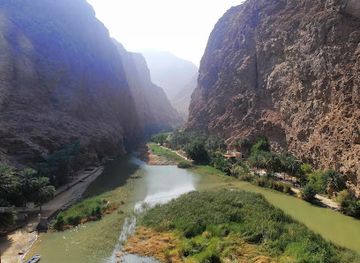
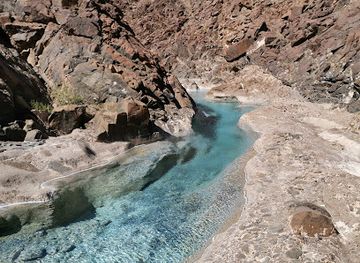
Muscat Governorate's attractions range from historic waterfronts to modern cultural institutions and rugged coastal scenery. Old Muscat centres on the National Museum, Al Alam Palace and the forts of Al Jalali and Al Mirani, while nearby Mutrah offers the corniche, fish market and traditional souq. The Sultan Qaboos Grand Mosque in Bawshar is one of the country's most important contemporary buildings, and the Royal Opera House Muscat provides a major venue for music, performance and architecture. Qurum's beach and natural park give the capital open space, while Al Mouj presents a newer marina and leisure environment in Seeb. Beyond the central districts, Qurayyat and Bandar Al Khayran bring visitors closer to coves, limestone hills, marine life and boating routes. Mountain roads around Al Amerat offer viewpoints and access to wadi landscapes, although conditions can be demanding in hot weather. The attraction mix is therefore less about a single pedestrian historic centre and more about linking cultural sites, coastal stops, markets and mountain scenery across the governorate.
-
Tourist attraction
Sultan Qaboos Grand Mosque
Explore the breathtaking Sultan Qaboos Grand Mosque, a symbol of Oman’s rich heritage and architectural grandeur in the heart of Muscat.
-
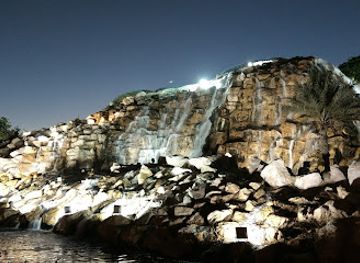
Country park
Qurum Natural Park
Discover the tranquility of Qurum Natural Park, a lush green haven in Muscat perfect for relaxation, picnics, and nature walks.
-
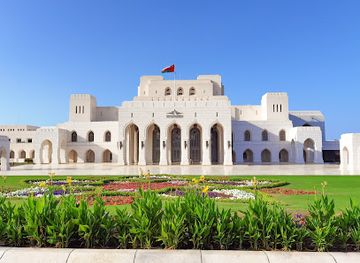
Tourist attraction
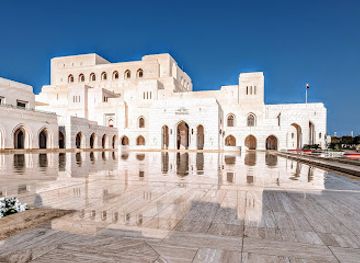
Royal Opera House Muscat
Discover the Royal Opera House Muscat, where stunning architecture meets world-class performances in the heart of Oman.
-
Tourist attraction
Al Alam Palace
Explore the breathtaking Al Alam Palace in Muscat, a stunning representation of Omani heritage, surrounded by rich history and beautiful landscapes.


Best landmarks in Muscat Governorate
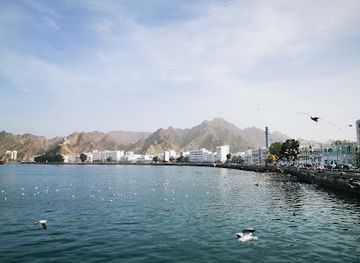
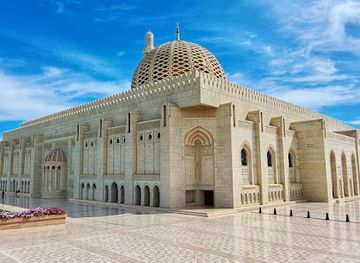
The forts of Al Jalali and Al Mirani are Muscat's most recognisable historic sentinels, standing on rocky heights at either side of the old harbour and recalling the city's sixteenth-century Portuguese fortifications. Between them, Al Alam Palace is the ceremonial palace of the Sultanate, distinguished by its colourful façade and formal setting rather than by ordinary public access. Mutrah's Corniche, backed by steep barren mountains and facing the harbour, is a defining urban landscape, with the incense-scented Mutrah Souq and historic waterfront buildings nearby. The Sultan Qaboos Grand Mosque in Bawshar is a major landmark of modern Oman, combining monumental scale with carefully controlled Islamic architectural detail. The Royal Opera House Muscat adds a contemporary cultural landmark in the capital's central corridor, while the dramatic coves and limestone formations of Bandar Al Khayran provide a natural counterpoint to the built heritage. Together these places express Muscat's development from fortified port to modern national capital without severing its maritime and mountainous setting.
-
Market
Mutrah Souq
Dive into the vibrant culture of Oman at Mutrah Souq, a historic market filled with treasures, spices, and local craftsmanship.
-
Mosque
Sultan Qaboos Grand Mosque
Explore the grandeur of Sultan Qaboos Grand Mosque, Muscat's architectural masterpiece and a cultural beacon of Oman.
-
Country park
Qurum Natural Park
Experience the lush landscapes and tranquil beauty of Qurum Natural Park in Muscat, a perfect escape for nature lovers and families alike.
-
Opera house
Royal Opera House Muscat
Discover the artistic heart of Muscat at the Royal Opera House, where captivating performances meet stunning architecture in a cultural oasis.
Explore Muscat Governorate on the map
Plan your trip on one map. See where the top cities, national parks and sights are, and book hotels and experiences in a few clicks.
Best hotels in Muscat Governorate
Best restaurants in Muscat Governorate
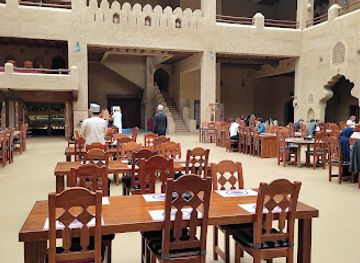
Muscat's dining scene reflects Oman's position at the meeting point of Arabian, Indian Ocean and South Asian influences. Omani restaurants and family-run cafés serve dishes such as shuwa, spiced rice with meat or fish, grilled seafood, harees, dates, Omani halwa and cardamom-scented kahwa; shuwa is associated with wider Omani culinary traditions rather than Muscat alone. Mutrah and the older waterfront areas are useful for seafood and traditional flavours, while Qurum, Al Khuwair, Al Mouj and major hotel districts offer a broad range of international cuisines. South Indian, Pakistani, East African and Arabic food are longstanding parts of the capital's urban dining culture. Fish markets and seafood restaurants are especially relevant in a coastal governorate, while coffee shops, bakeries and casual cafés shape everyday eating. Alcohol is served only in licensed venues, generally in hotels and selected restaurants, and reservations may be sensible for popular dining rooms during the cooler high season.
-
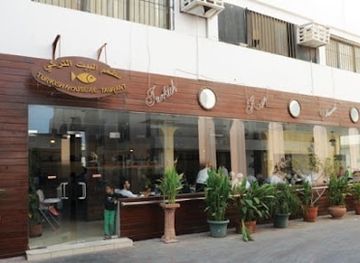
Turkish
Turkish House Restaurant
Discover authentic Turkish cuisine at Turkish House Restaurant in Muscat - where every meal is a celebration of flavor and hospitality.
-
Restaurant
Rozna Restaurant
Experience authentic Omani flavors at Rozna Restaurant in Muscat—where tradition meets culinary excellence.
-
Restaurant
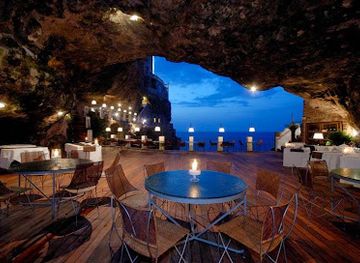
The Cave
Discover the vibrant flavors of Asia and beyond at The Cave in Darsyt - where exquisite cuisine meets lively ambiance.
-
Restaurant
Slider Station
Experience the ultimate burger haven at Slider Station in Muscat - where every bite delivers bold flavors and unforgettable moments.
Best bars in Muscat Governorate
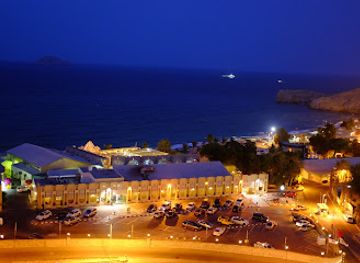
Evening life in Muscat Governorate is generally more measured than in a large Western capital. Mutrah's corniche, Old Muscat's waterfront and the cafés of Qurum provide places for an evening walk, tea or coffee, while restaurants and hotel lounges form the main licensed nightlife scene. Hotels in areas such as Al Khuwair, Qurum and Al Mouj may offer bars, live music or occasional entertainment, but availability and programming change, so current arrangements should be checked directly. Muscat does not have a single concentrated club district; larger venues are dispersed through commercial and hotel areas. During cooler months, outdoor terraces and marina settings become more appealing, whereas summer evenings often centre on air-conditioned dining and shopping. Alcohol may be consumed only in licensed premises and should not be taken into public spaces or publicised as the defining feature of local culture.
-
Restaurant
Huqqa
Discover Huqqa in Muscat: A vibrant restaurant offering Halal cuisine, exquisite hookah, and a warm, family-friendly atmosphere.
-
Grill
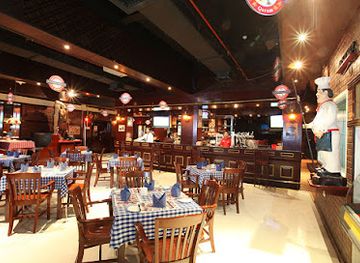
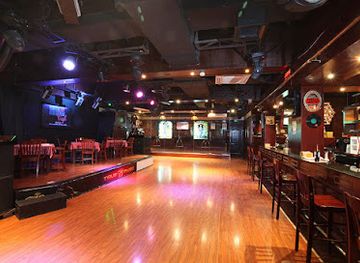
Rock Bottom Cafe Muscat
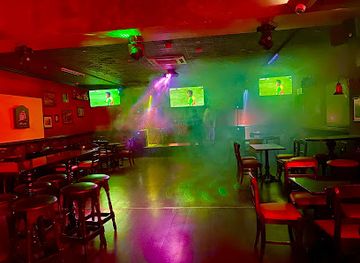
Discover the vibrant dining and nightlife experience at Rock Bottom Cafe Muscat, where American grill meets an energetic club atmosphere.
-
American
Caramel Restaurant & Lounge
Experience the fusion of American cuisine and chic ambiance at Caramel Restaurant & Lounge in Muscat's cultural heart.
-
Gastropub
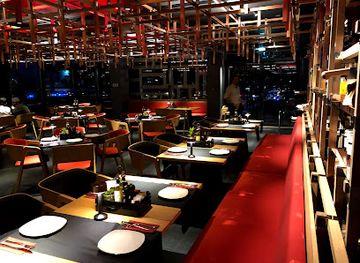
Duke's
Experience the vibrant flavors and lively atmosphere of Duke's, a premier gastropub in Muscat offering a unique dining experience.
Best nightclubs in Muscat Governorate
Evening life in Muscat Governorate is generally more measured than in a large Western capital. Mutrah's corniche, Old Muscat's waterfront and the cafés of Qurum provide places for an evening walk, tea or coffee, while restaurants and hotel lounges form the main licensed nightlife scene. Hotels in areas such as Al Khuwair, Qurum and Al Mouj may offer bars, live music or occasional entertainment, but availability and programming change, so current arrangements should be checked directly. Muscat does not have a single concentrated club district; larger venues are dispersed through commercial and hotel areas. During cooler months, outdoor terraces and marina settings become more appealing, whereas summer evenings often centre on air-conditioned dining and shopping. Alcohol may be consumed only in licensed premises and should not be taken into public spaces or publicised as the defining feature of local culture.
-
Grill
Rock Bottom Cafe Muscat
Discover the lively Rock Bottom Cafe in Muscat, an American grill and disco club that combines delicious dining with unforgettable nightlife experiences.
-
Lounge
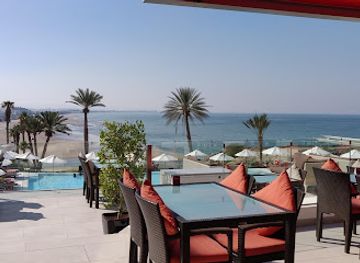
Zale Beach Club & Lounge
Experience the perfect blend of luxury and relaxation at Zale Beach Club & Lounge in Muscat, where exquisite dining meets breathtaking ocean views.
-
Bar
PDO Club
Discover PDO Club in Muscat: A lively bar offering refreshing drinks, delicious food, and vibrant entertainment for a memorable night out.
-
Night club
O'Malley's Irish Pub
Discover the heart of Ireland in Muscat at O'Malley's Irish Pub, where traditional cuisine meets lively atmosphere and sports excitement.
Best shops in Muscat Governorate
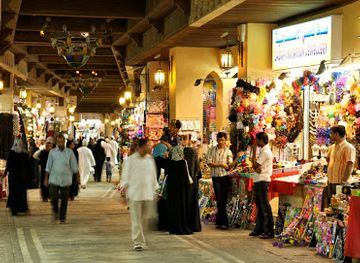
Mutrah Souq remains Muscat Governorate's most atmospheric shopping area, with lanes devoted to frankincense, perfumes, silver jewellery, khanjars, textiles, embroidered items, pottery and Omani sweets. Bargaining may be part of the experience, but visitors should remain courteous and compare workmanship and prices before buying. Contemporary shopping is concentrated in large malls and retail districts across Qurum, Al Khuwair, Seeb and Al Mouj, where international brands, supermarkets, cafés and cinemas sit alongside local businesses. Markets and specialist food shops are useful for dates, halwa, spices, coffee and packaged frankincense, while galleries and craft outlets offer more considered souvenirs than mass-produced trinkets. Seeb and other outer districts have a more everyday commercial character than Old Muscat, with neighbourhood shops and produce markets serving residents. Silver items, traditional textiles and fragrances are culturally associated with Oman, but their quality and authenticity vary, so ask about materials and care requirements before purchasing.
-
Market
Mutrah Souq
Explore the cultural tapestry of Oman at Mutrah Souq, where traditional crafts and vibrant market life come together in a captivating experience.
-
Shopping mall
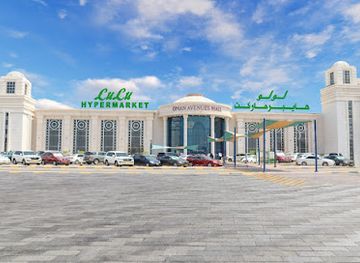
Oman Avenues Mall
Explore Oman Avenues Mall in Muscat for an unforgettable shopping and dining experience featuring local and international brands.
-
Shopping mall
City Centre Muscat
Discover the vibrant shopping experience at City Centre Muscat, where modern retail meets Omani culture.
-
Hypermarket
LuLu Hypermarket - Bousher
Explore LuLu Hypermarket in Bousher for an authentic Omani shopping experience with diverse products and local specialties.


Get your free copy of our complete guide to Muscat Governorate, delivered straight to you.
Everything on this page, from attractions and restaurants to essentials and local phrases, in one PDF you can read offline, print or share.
Already have an account? Sign in
Your Muscat Governorate guide is ready.
We'll send it to · Not you? Sign out

Getting your guide ready…
We are putting together a fresh copy of the Muscat Governorate guide. This can take up to a minute.
This can take a few moments. If your browser asks, choose Allow so the download can start. You'll find the guide in your Downloads folder.
Nothing happened? Download it again
Sorry, the guide is taking longer than usual. Please try again in a minute, or get it by email instead.
Muscat Governorate essentials
Currency and Payment
Safety
Emergency Situations
Do's and Don'ts
Local Tips
From Eve
Local phrases worth knowing
You don't need to get them perfect. A few words go a long way, and locals appreciate the effort.
Basics
| English | Local | Say it |
|---|---|---|
| Hello | مرحبا | [Marhaban] |
| Goodbye | وداعا | [Wada'an] |
| Yes | نعم | [Na'am] |
| No | لا | [La] |
| Please/You're welcome | من فضلك | [Min fadlak] |
| Thank you | شكرا | [Shukran] |
| Excuse me/Sorry | عفوا/آسف | [Afwan/Asif] |
| How are you? | كيف حالك؟ | [Kayfa halak?] |
| Fine. And you? | بخير. وانت؟ | [Bikhair. Wa anta?] |
| Do you speak English? | هل تتحدث الإنجليزية؟ | [Hal tatahadath al-ingliziyya?] |
| I don't understand | لا أفهم | [La afham] |
Eating & Drinking
| English | Local | Say it |
|---|---|---|
| I'd like to see the menu, please | أود رؤية القائمة، من فضلك | [Awad ru'yat al-qa'ima, min fadlak] |
| I don't eat meat | لا آكل اللحم | [La akul al-lahm] |
| Cheers! | في صحتك! | [Fi sihatak!] |
| I would like to pay, please | أود أن أدفع، من فضلك | [Awad an adfa', min fadlak] |
Emergencies
| English | Local | Say it |
|---|---|---|
| Help! | مساعدة! | [Musaa'ada!] |
| Go away! | ابتعد! | [Ibt'id!] |
| Call the Police! | اتصل بالشرطة! | [Ittasil bil-shurta!] |
| Call a doctor! | اتصل بطبيب! | [Ittasil bi-tabeeb!] |
| I'm lost | أنا ضائع | [Ana da'i'] |
| I'm ill | أنا مريض | [Ana marid] |
Shopping
| English | Local | Say it |
|---|---|---|
| I'd like to buy... | أود أن أشتري... | [Awad an ashtari...] |
| I'm just looking | أنا فقط أنظر | [Ana faqat anzur] |
| How much is it? | كم يكلف؟ | [Kam yukallif?] |
| That's too expensive | هذا غالي جدا | [Hatha ghali jiddan] |
| Can you lower the price? | هل يمكنك خفض السعر؟ | [Hal yumkinuka khafd al-si'r?] |
Time & Numbers
| English | Local | Say it |
|---|---|---|
| What time is it? | كم الساعة؟ | [Kam al-saa'a?] |
| It's one o'clock | الساعة واحدة | [Al-saa'a wahida] |
| Half past (10) | نصف (10) | [Nisf (10)] |
| Morning | صباح | [Sabah] |
| Afternoon | ظهر | [Zuhur] |
| Evening | مساء | [Masa'] |
| Yesterday | أمس | [Ams] |
| Today | اليوم | [Al-yawm] |
| Tomorrow | غدا | [Ghadan] |
| 1 | واحد | [Wahid] |
| 2 | اثنان | [Ithnan] |
| 3 | ثلاثة | [Thalatha] |
| 4 | أربعة | [Arba'a] |
| 5 | خمسة | [Khamsa] |
| 6 | ستة | [Sitta] |
| 7 | سبعة | [Sab'a] |
| 8 | ثمانية | [Thamaniya] |
| 9 | تسعة | [Tis'a] |
| 10 | عشرة | [Ashara] |
Transport & Directions
| English | Local | Say it |
|---|---|---|
| Where's a/the...? | أين ...؟ | [Ayna ...?] |
| What's the address? | ما هو العنوان؟ | [Ma huwa al-'unwan?] |
| Can you show me (on the map)? | هل يمكنك إظهار لي (على الخريطة)؟ | [Hal yumkinuka izhar li (ala al-kharita)?] |
| When's the next (bus)? | متى تأتي (الحافلة) التالية؟ | [Mata ta'ti (al-hafilah) al-taliya?] |
| A ticket (to ....) | تذكرة (إلى ....) | [Tadhkara (ila ....)] |
History of Muscat Governorate
Early maritime settlement and Indian Ocean trade
Muscat's sheltered harbour and Mutrah's anchorage supported coastal settlement and seaborne exchange long before the modern capital developed. The wider coast of northern Oman was connected to trading networks across the Arabian Sea, linking communities with southern Arabia, India and East Africa. Fishing, date cultivation in irrigated oases and maritime skills underpinned local life. Archaeological evidence from the Muscat area is less monumental than that of some Omani interior sites, but the governorate's geography explains its enduring role as a port and gateway.
Portuguese control of Muscat, 1507–1650
Portuguese forces captured Muscat in 1507 during their attempt to control Indian Ocean trade routes. They strengthened the harbour's defensive system, and the imposing forts of Al Jalali and Al Mirani remain the most visible reminders of this period, although both have been substantially altered over time. Portuguese influence was eventually removed in 1650 when Omani forces, during the Ya'aruba era, regained Muscat. The episode established the harbour as a place of strategic importance to competing maritime powers.
The Ya'aruba and early Al Busaidi seaborne state
After the Portuguese departure, Omani rulers expanded their influence along the Arabian Sea and East African coast. Muscat benefited from this maritime orientation, handling trade in goods such as dates, textiles, spices and metals. The political centre shifted between Omani towns at different times, but Muscat's harbour remained crucial. In the eighteenth century, Ahmad bin Said founded the Al Busaidi dynasty, whose rule eventually consolidated Muscat's position as the seat of a powerful commercial and naval state.
Muscat and Mutrah under the Al Busaidi sultans
From the late eighteenth century, Muscat increasingly served as the political capital of the Al Busaidi sultans. Mutrah developed as a commercial and maritime quarter, while Muscat itself retained the character of a fortified royal and administrative settlement. Trade and political connections with Zanzibar and the East African coast shaped the capital's cosmopolitan history. Forts, gates, waterfront warehouses and traditional houses reflected the demands of defence, government and commerce in a port exposed to regional rivalry.
The nineteenth-century Indian Ocean economy
During the nineteenth century, Muscat was closely connected to an Omani sphere of influence extending across the western Indian Ocean. Ships connected the capital with ports in East Africa, the Arabian Peninsula, India and the Persian Gulf, carrying dates, fish, textiles and other cargoes. Mutrah's market activity grew alongside this trade. The movement of merchants and communities left cultural traces in food, language, architecture and commercial life, helping to give Muscat a more outward-looking identity than its isolated mountain setting might suggest.
From protected sultanate to modern capital
In the twentieth century, Muscat and Mutrah remained compact settlements linked by narrow coastal routes, while much of the surrounding landscape was mountainous or lightly developed. After 1970, Sultan Qaboos bin Said oversaw extensive investment in roads, schools, hospitals, public buildings and utilities. Modern Muscat expanded westwards through Bawshar, Al Khuwair, Qurum and Seeb, while the historic core was conserved and new buildings were generally required to respect a low-rise architectural character.
Contemporary cultural and urban development
The present governorate combines the functions of Oman's national capital, principal diplomatic centre and major visitor gateway. Institutions such as the National Museum, the Royal Opera House Muscat and the Sultan Qaboos Grand Mosque express the country's investment in cultural presentation and public architecture. At the same time, port activity, suburban growth, shopping districts and new coastal developments have transformed daily life. Historic Muscat, commercial Mutrah and expanding western districts now form a connected but geographically dispersed metropolitan landscape.
Muscat Governorate in Photos
Browse through our photo collection highlighting the charm and character of the destination.
Neighbouring regions of Muscat Governorate
The closest regions to Muscat Governorate, if you have time for more than one.
-

-

-

-

-


Swipe for more regions
Explore more
Explore more of Oman
Discover Oman: A land of ancient forts, golden deserts, and warm hospitality, offering a perfect blend of adventure and tranquility.
Explore Oman