

Free Al Hajar Ash Sharqi Travel Guide & Mobile App
Explore Al Hajar Ash Sharqi with free travel guides. Discover regional history, expert tips, proposed trips, and audio guides on web or mobile app.


Explore Al Hajar Ash Sharqi in Oman for mountain wadis, falaj villages, Qalhat’s heritage, coastal roads and eastern Arabian landscapes.
Read more about Al Hajar Ash Sharqi
When is the best time to visit Al Hajar Ash Sharqi?
Best: December–February · 24–27°C| Month | High (°C) | Rainfall (mm) |
|---|---|---|
| January (best) | 24 | 10 |
| February (best) | 27 | 8 |
| March | 30 | 7 |
| April | 34 | 5 |
| May | 38 | 3 |
| June | 42 | 2 |
| July | 41 | 4 |
| August | 40 | 6 |
| September | 38 | 7 |
| October | 35 | 9 |
| November | 30 | 10 |
| December (best) | 26 | 12 |
Getting to and around Al Hajar Ash Sharqi
How to get there
Transportation
Top city travel guides in Al Hajar Ash Sharqi
The cities of Al Hajar Ash Sharqi, and the easiest places to base yourself.
-

-

-

-

-


Swipe for more cities
Destinations in Al Hajar Ash Sharqi
Resorts, valleys and scenic spots worth a trip of their own.
-

-

-


Swipe for more destinations
Best attractions in Al Hajar Ash Sharqi
Al Hajar Ash Sharqi is defined by outdoor landscapes and the relationship between mountains, water and the sea. Wadi Bani Khalid offers one of the region’s most accessible combinations of palm groves, clear pools and canyon scenery, while Wadi Shab and Wadi Tiwi provide more varied walking experiences through steep-sided valleys towards the Gulf of Oman. Some routes involve uneven surfaces, swimming or short boat crossings, so conditions and access should be checked locally. Inland villages and date plantations reveal the continuing role of falaj irrigation, and Ibra provides a useful base for exploring the eastern interior. On the coast, Qalhat’s archaeological remains and Sur’s maritime heritage broaden the region’s appeal beyond natural scenery. The ancient port, traditional boatbuilding associations and rugged coastal roads connect the mountains with Oman’s Indian Ocean history. Visitors can also find opportunities for hiking, landscape photography, birdwatching and geology, although facilities become sparse away from the main settlements. The attractions are widely dispersed, and the contrast between a shaded wadi, a cultivated village and an exposed mountain road is central to the experience.
-
Tourist attraction
Nizwa Fort
Discover Nizwa Fort, a remarkable historical site in Oman, showcasing stunning architecture and rich cultural heritage.
-
Tourist attraction
Qurum Natural Park
Explore the lush landscapes and vibrant wildlife of Qurum Natural Park, Muscat's premier destination for relaxation and outdoor activities.
-
Tourist attraction
Sri Krishna Temple, Muscat, Oman
Explore the spiritual richness and architectural beauty of Sri Krishna Temple, a unique Hindu sanctuary in Muscat, Oman.
-
Tourist attraction
Mutrah Fort
Discover the historical charm of Mutrah Fort in Muscat, Oman, where stunning views and rich heritage await every visitor.


Best landmarks in Al Hajar Ash Sharqi
The Bibi Maryam Mausoleum at Qalhat is the region’s most recognisable historic landmark, standing within the remains of a medieval port that once connected Oman with Indian Ocean trade. Its surviving structure and the wider archaeological site illustrate Qalhat’s former importance more convincingly than any modern reconstruction, and the Ancient City of Qalhat is recognised by UNESCO. The old maritime identity of Sur is represented by its traditional dhow-building heritage and coastal setting, although the city is best understood as a gateway and cultural counterpart to the eastern Hajar rather than a mountain settlement. Inland, the visual landmarks are often smaller and more closely connected with daily life: falaj channels, date plantations, watchtowers, old mud-brick houses and cultivated pockets beneath bare ridges. Wadi Bani Khalid’s watercourses and limestone walls form a natural landmark of a different kind, while Wadi Shab and Wadi Tiwi are defined by their narrow valleys descending towards the sea. Together these places express the region’s central geography, in which water, mountain routes and maritime exchange have shaped settlement for centuries.
-
Mosque
Sultan Qaboos Grand Mosque
Discover the breathtaking beauty and serene ambiance of the Sultan Qaboos Grand Mosque in Muscat, Oman - an architectural gem and cultural treasure.
-
Fortress
Nizwa Fort
Explore Nizwa Fort, an iconic fortress showcasing Oman's rich heritage and breathtaking architecture, surrounded by vibrant local culture.
-
Tourist attraction
Bimmah Sinkhole
Explore the breathtaking Bimmah Sinkhole in Oman, a stunning natural wonder with crystal-clear waters and dramatic limestone formations.
-
Tourist attraction
Wadi Shab
Discover the breathtaking beauty of Wadi Shab, a stunning oasis in Oman, perfect for hiking, swimming, and exploring nature's wonders.


Explore Al Hajar Ash Sharqi on the map
Plan your trip on one map. See where the top cities, national parks and sights are, and book hotels and experiences in a few clicks.
Best hotels in Al Hajar Ash Sharqi
Best restaurants in Al Hajar Ash Sharqi
Dining in Al Hajar Ash Sharqi is closely connected with Omani home cooking, rural hospitality and the produce of irrigated valleys. Expect rice dishes served with spiced chicken, meat or fish, as well as grilled seafood along the coast, flatbreads, dates and sweet, cardamom-scented treats. Halwa, a dense Omani confection traditionally flavoured with saffron, rose water or spices, is widely associated with hospitality throughout the country and is a useful local food gift. In towns such as Sur and Ibra, restaurants range from Omani and South Asian establishments to cafés serving simple meals, while smaller villages and wadi stops tend to have fewer choices. Fresh fish is particularly relevant on the coast, whereas dates, limes and other garden produce reflect the agricultural valleys. Markets and small shops are practical places to buy bottled water, fruit, dates and snacks before heading into remote areas. In rural settings, opening arrangements and payment options can be limited, so eating earlier and carrying provisions is sensible.
-
Turkish
Turkish House Restaurant
Discover authentic Turkish cuisine at Turkish House Restaurant in Muscat - where every meal tells a story of tradition and flavor.
-
Restaurant
Rozna Restaurant
Discover the heart of Omani cuisine at Rozna Restaurant in Muscat – where tradition meets taste in every dish.
-
Turkish
Turkish Palace Restaurant مطعم القصر التركي
Discover authentic Turkish cuisine at Turkish Palace Restaurant in Seeb—where flavor meets tradition in every dish.
-
Hot Pot
Zaki Restaurant
Experience the essence of Omani hospitality at Zaki Restaurant in Sur with authentic hot pot dishes crafted from fresh ingredients.


Best bars in Al Hajar Ash Sharqi
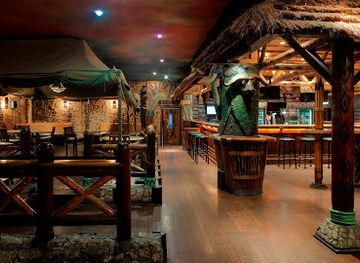
Al Hajar Ash Sharqi does not have a major bar or nightclub scene. Evening life centres on family gatherings, cafés, hotel restaurants and traditional social spaces rather than late-night entertainment. Sur and the larger inland towns provide the broadest choice of places to eat after dark, while visitors staying near the wadis will usually find quiet evenings, stargazing and conversations in guesthouses more characteristic than organised nightlife. Alcohol is available only under Oman’s licensing rules and should be consumed in appropriate licensed venues, where such facilities exist; it is not part of ordinary public life in villages or outdoor areas. During cooler months, the region’s calm evenings can be used for walks through settled areas, coastal drives or time at accommodation rather than clubbing. Check current arrangements directly with hotels, since facilities and licensing vary and are not a defining feature of the destination.
-
Grill
Rock Bottom Cafe Muscat
Experience the vibrant atmosphere and delicious American grill at Rock Bottom Cafe in Muscat, a must-visit for food and nightlife lovers.
-
Gastropub
Duke's
Experience the fusion of traditional and modern cuisine at Duke's, a premier gastropub in the heart of Muscat, Oman.
-
Bar
Sama Terrazza Rooftop Lounge
Experience breathtaking views and a vibrant atmosphere at Sama Terrazza Rooftop Lounge, Muscat's premier bar destination for relaxation and socializing.
-
Irish pub
O'Malley's Irish Pub
Discover the vibrant charm of O'Malley's Irish Pub in Muscat, where traditional Irish cuisine meets a lively atmosphere and exciting nightlife.


Best nightclubs in Al Hajar Ash Sharqi
Al Hajar Ash Sharqi does not have a major bar or nightclub scene. Evening life centres on family gatherings, cafés, hotel restaurants and traditional social spaces rather than late-night entertainment. Sur and the larger inland towns provide the broadest choice of places to eat after dark, while visitors staying near the wadis will usually find quiet evenings, stargazing and conversations in guesthouses more characteristic than organised nightlife. Alcohol is available only under Oman’s licensing rules and should be consumed in appropriate licensed venues, where such facilities exist; it is not part of ordinary public life in villages or outdoor areas. During cooler months, the region’s calm evenings can be used for walks through settled areas, coastal drives or time at accommodation rather than clubbing. Check current arrangements directly with hotels, since facilities and licensing vary and are not a defining feature of the destination.
-
Bar
Sama Terrazza Rooftop Lounge
Experience the breathtaking views and vibrant atmosphere at Sama Terrazza Rooftop Lounge in Muscat, where every drink is a celebration.
-
Bar
Club Safari
Discover the lively nightlife of Muscat at Club Safari, where exquisite drinks and vibrant energy create an unforgettable experience.
-
Lounge
Super Nova Play Center
Experience the vibrant atmosphere of Super Nova Play Center in Muscat, where fun and relaxation come together for an unforgettable visit.
-
Lounge
Piano Lounge at Shangri-La's Barr Al Jissah Resort & Spa
Discover the enchanting ambiance of the Piano Lounge at Shangri-La's Barr Al Jissah Resort & Spa, a perfect blend of relaxation and luxury.


Best shops in Al Hajar Ash Sharqi
Shopping in Al Hajar Ash Sharqi is practical and regional rather than centred on large retail districts. The souqs and shops of Sur and Ibra are useful for dates, spices, frankincense, halwa, Omani coffee ingredients, woven goods and everyday supplies, while smaller settlements offer a more limited selection. Produce from irrigated valleys, particularly dates and seasonal fruit, makes a meaningful purchase when available. Visitors may also find traditional textiles, embroidered clothing, silver-coloured jewellery, pottery and household crafts, though quality and availability vary between shops. Qalhat and the coastal settlements are better suited to heritage visits than extensive shopping, whereas Sur provides the broadest choice near the eastern coast. Buy from established sellers, ask permission before photographing craftspeople or products, and remember that bargaining is not appropriate everywhere. Stock up on water, snacks and fuel before travelling to remote wadis, where there may be no shops or reliable card facilities.
-
Market
Mutrah Souq
Discover the rich culture and vibrant atmosphere of Mutrah Souq, a must-visit market in Muscat filled with traditional crafts and local delicacies.
-
Shopping mall
Oman Avenues Mall
Discover Oman Avenues Mall in Muscat, a vibrant shopping center offering diverse shopping, dining, and entertainment experiences.
-
Shopping mall
City Centre Qurum
Discover City Centre Qurum, Muscat’s vibrant shopping mall with over 60 stores, dining options, and entertainment for the whole family.
-
Shopping mall
Al Araimi Boulevard
Experience shopping, dining, and entertainment at Al Araimi Boulevard, Muscat's premier shopping destination.


Get your free copy of our complete guide to Al Hajar Ash Sharqi, delivered straight to you.
Everything on this page, from attractions and restaurants to essentials and local phrases, in one PDF you can read offline, print or share.
Already have an account? Sign in
Your Al Hajar Ash Sharqi guide is ready.
We'll send it to · Not you? Sign out

Getting your guide ready…
We are putting together a fresh copy of the Al Hajar Ash Sharqi guide. This can take up to a minute.
This can take a few moments. If your browser asks, choose Allow so the download can start. You'll find the guide in your Downloads folder.
Nothing happened? Download it again
Sorry, the guide is taking longer than usual. Please try again in a minute, or get it by email instead.
Al Hajar Ash Sharqi essentials
Currency and Payment
Safety
Emergency Situations
Do's and Don'ts
Local Tips
From Eve
Local phrases worth knowing
You don't need to get them perfect. A few words go a long way, and locals appreciate the effort.
Basics
| English | Local | Say it |
|---|---|---|
| Hello | أهلاً | [Ahlan] |
| Goodbye | مع السلامة | [Ma'a as-salama] |
| Yes | نعم | [Na'am] |
| No | لا | [La] |
| Please/You're welcome | من فضلك | [Min fadlik] |
| Thank you | شكراً | [Shukran] |
| Excuse me/Sorry | عفواً | [Afwan] |
| How are you? | كيف حالك؟ | [Kayfa halak?] |
| Fine. And you? | بخير، وأنت؟ | [Bikhair, wa anta?] |
| Do you speak English? | هل تتحدث الإنجليزية؟ | [Hal tatahadath al-ingliziyya?] |
| I don't understand | لا أفهم | [La afham] |
Eating & Drinking
| English | Local | Say it |
|---|---|---|
| I'd like to see the menu, please | أود رؤية القائمة، من فضلك | [Awad ru'yat al-qa'ima, min fadlik] |
| I don't eat meat | لا آكل اللحم | [La akul al-lahm] |
| Cheers! | في صحتك! | [Fi sihatak!] |
| I would like to pay, please | أود الدفع، من فضلك | [Awad ad-daf', min fadlik] |
Emergencies
| English | Local | Say it |
|---|---|---|
| Help! | ساعدني! | [Sa'idni!] |
| Go away! | ابتعد! | [Ibt'id!] |
| Call the Police! | اتصل بالشرطة! | [Ittasil bil-shurta!] |
| Call a doctor! | اتصل بالطبيب! | [Ittasil bil-tabeeb!] |
| I'm lost | أنا ضائع | [Ana da'i'] |
| I'm ill | أنا مريض | [Ana marid] |
Shopping
| English | Local | Say it |
|---|---|---|
| I'd like to buy... | أود شراء... | [Awad shir'a...] |
| I'm just looking | أنا فقط أنظر | [Ana faqat anzur] |
| How much is it? | كم ثمنه؟ | [Kam thamanuh?] |
| That's too expensive | هذا مكلف جداً | [Hatha mukallaf jiddan] |
| Can you lower the price? | هل يمكنك خفض السعر؟ | [Hal yumkinuka khafdh as-si'r?] |
Time & Numbers
| English | Local | Say it |
|---|---|---|
| What time is it? | كم الساعة؟ | [Kam as-saa'a?] |
| It's one o'clock | الساعة الواحدة | [As-saa'a al-wahidah] |
| Half past (10) | نصف الساعة (10) | [Nisf as-saa'a (10)] |
| Morning | صباح | [Sabah] |
| Afternoon | بعد الظهر | [Ba'd al-zuhur] |
| Evening | مساء | [Masa'] |
| Yesterday | أمس | [Ams] |
| Today | اليوم | [Al-yawm] |
| Tomorrow | غداً | [Ghadan] |
| 1 | واحد | [Wahid] |
| 2 | اثنان | [Ithnan] |
| 3 | ثلاثة | [Thalatha] |
| 4 | أربعة | [Arba'a] |
| 5 | خمسة | [Khamsa] |
| 6 | ستة | [Sitta] |
| 7 | سبعة | [Sab'a] |
| 8 | ثمانية | [Thamaniya] |
| 9 | تسعة | [Tis'a] |
| 10 | عشرة | [Ashara] |
Transport & Directions
| English | Local | Say it |
|---|---|---|
| Where's a/the...? | أين...؟ | [Ayn...?] |
| What's the address? | ما هو العنوان؟ | [Ma huwa al-'unwan?] |
| Can you show me (on the map)? | هل يمكنك أن تريني (على الخريطة)؟ | [Hal yumkinuka an turini (ala al-kharita)?] |
| When's the next (bus)? | متى يأتي (الباص) التالي؟ | [Mata ya'ti (al-bas) at-tali?] |
| A ticket (to ....) | تذكرة (إلى....) | [Tadhkarah (ila....)] |
History of Al Hajar Ash Sharqi
Early settlement, copper and the land of Magan
The wider Hajar Mountains formed part of the landscape associated with Magan, a Bronze Age name recorded in Mesopotamian sources and often linked with Oman. Copper from Oman was traded across the Gulf and beyond, while mountain settlements benefited from springs, seasonal runoff and access to stone and grazing. Archaeological evidence in Oman shows long patterns of movement between the interior, the mountains and the coast. In Al Hajar Ash Sharqi, the enduring importance of wadis reflects this deep history: they provided routes, water and cultivable pockets in an otherwise arid environment.
Falaj irrigation and settled mountain life
Omani communities developed and maintained aflaj, underground and open irrigation channels that carry water from springs or groundwater sources to fields and homes. In the eastern Hajar, falaj systems supported date palms, fruit trees and small agricultural settlements in valleys where rainfall is limited. Their management depended on shared rules, skilled maintenance and careful distribution. The surviving channels, palms and cultivated plots around eastern villages are not simply scenic features; they represent a social and economic system that allowed settled life to continue beside the mountains for centuries.
Qalhat and the medieval Indian Ocean
Qalhat became one of Oman’s most important medieval ports, linking the country with trading networks across the Arabian Sea, India and East Africa. Its position on the eastern coast gave it access to the mountain hinterland as well as maritime routes. The settlement declined after the rise of other Omani ports and was later affected by earthquakes and coastal change, but its archaeological remains preserve evidence of its former importance. The Bibi Maryam Mausoleum is the best-known surviving monument, and the site is now part of the UNESCO World Heritage property of the Ancient City of Qalhat.
Portuguese competition and Omani maritime power
During the sixteenth and seventeenth centuries, Portuguese naval expansion into the Indian Ocean brought conflict to Oman’s coastal trade. Ports along the Gulf of Oman became strategically important, while Omani forces gradually challenged Portuguese control. The eastern coast’s sheltered anchorages, trading settlements and shipbuilding traditions were shaped by this wider contest. Although many of the best-preserved fortifications are elsewhere in Oman, the history of Qalhat and Sur is inseparable from the regional struggle over maritime commerce and the sea routes leading towards India and East Africa.
Sur, dhows and the Indian Ocean economy
Sur developed as a major maritime centre on Oman’s eastern coast, with merchants and shipwrights involved in voyages across the Indian Ocean. Traditional wooden dhows carried dates, textiles, foodstuffs and other goods, connecting coastal Oman with ports in the Indian subcontinent and East Africa. Boatbuilding remained an important cultural marker even as steamships, modern roads and changing trade patterns altered the economy. The maritime heritage of Sur provides a useful coastal counterpart to the inland wadis and agricultural settlements of Al Hajar Ash Sharqi.
Roads, modernisation and heritage conservation
In the later twentieth century, modern roads, electricity, schools and improved communications transformed access to Oman’s mountain and coastal settlements. Communities that had once depended heavily on footpaths, pack animals and sea travel became more closely connected with Muscat, Sur and the interior. Economic life also diversified beyond farming, fishing and craft production. At the same time, interest in conserving traditional villages, aflaj, archaeological sites and maritime skills increased. Today the eastern Hajar is experienced through this combination of modern infrastructure, living rural communities and carefully protected heritage.
Al Hajar Ash Sharqi in Photos
Browse through our photo collection highlighting the charm and character of the destination.
Neighbouring regions of Al Hajar Ash Sharqi
The closest regions to Al Hajar Ash Sharqi, if you have time for more than one.
-

-

-

-

-


Swipe for more regions
Explore more
Explore more of Oman
Discover Oman: A land of ancient forts, golden deserts, and warm hospitality, offering a perfect blend of adventure and tranquility.
Explore Oman