Free Ash Sharqiyah South Governorate Travel Guide & Mobile App
Explore Ash Sharqiyah South Governorate with free travel guides. Discover regional history, expert tips, proposed trips, and audio guides on web or mobile app.


Explore Ash Sharqiyah South in Oman for Sur’s maritime heritage, Wadi Shab, turtle beaches, Qalhat ruins and the remote landscapes of Masirah Island.
Read more about Ash Sharqiyah South Governorate
When is the best time to visit Ash Sharqiyah South Governorate?
Best: December–February · 26–27°C| Month | High (°C) | Rainfall (mm) |
|---|---|---|
| January (best) | 26 | 13 |
| February (best) | 27 | 11 |
| March | 30 | 12 |
| April | 34 | 10 |
| May | 37 | 5 |
| June | 39 | 4 |
| July | 38 | 4 |
| August | 37 | 5 |
| September | 36 | 8 |
| October | 34 | 9 |
| November | 30 | 13 |
| December (best) | 27 | 15 |
Getting to and around Ash Sharqiyah South Governorate
How to get there
Transportation
Top city travel guides in Ash Sharqiyah South Governorate
The cities of Ash Sharqiyah South Governorate, and the easiest places to base yourself.
-

-

-


Swipe for more cities
Destinations in Ash Sharqiyah South Governorate
Resorts, valleys and scenic spots worth a trip of their own.
-

-

-


Swipe for more destinations
Best attractions in Ash Sharqiyah South Governorate
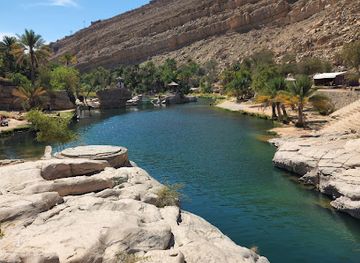
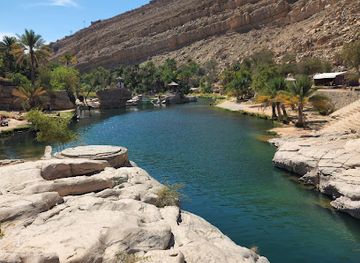
Ash Sharqiyah South offers a varied collection of coastal, historical and outdoor attractions spread across a large governorate. Sur and Al Ayjah provide the clearest introduction to the region’s maritime identity, with harbour views, traditional boat-building, old defensive structures and waterfront streets. North of Sur, the mountain-fringed coast around Tiwi leads to Wadi Shab, where a dramatic gorge, pools and walking routes create one of Oman’s best-known wadi experiences; conditions can vary, so visitors should assess the route carefully. Qalhat offers archaeological remains and a powerful sense of a vanished medieval port, while Ras al Jinz and Ras al Hadd are associated with green-turtle nesting and coastal conservation. Inland, forts and settlements in the Jalan area reveal a more agricultural and defensive landscape, with date palms and dry valleys replacing the open sea. Masirah Island adds broad beaches, fishing villages, tidal habitats and opportunities for bird and marine-life observation. These attractions are not clustered together, so a car, careful planning and respect for weather and conservation restrictions are important.
-
Tourist attraction
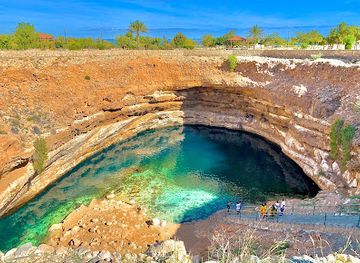
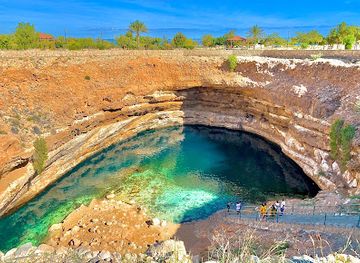
Bimmah Sinkhole
Explore the stunning Bimmah Sinkhole in Oman, a natural wonder with turquoise waters and breathtaking scenery perfect for swimming and relaxation.
-
Park
Riyam Park حديقة ريام
Discover the tranquility of Riyam Park in Muscat, a beautiful green oasis with stunning views, perfect for relaxation and leisure.
-
Tourist attraction
Wadi Shab
Explore Wadi Shab, an oasis of natural beauty in Oman, where adventure meets tranquility amidst stunning landscapes and crystal-clear waters.
-
Tourist attraction
Wadi Bani Khalid Pools & Cave
Explore the stunning Wadi Bani Khalid, a natural oasis with crystal-clear pools and breathtaking caves, perfect for adventure and relaxation in Oman.
Best landmarks in Ash Sharqiyah South Governorate
The most recognisable landmarks of Ash Sharqiyah South express its relationship with the sea, trade and defensive settlement. Sur’s waterfront and Al Ayjah’s harbour setting are associated with the city’s dhow-building heritage, while Al Ayjah Lighthouse provides a memorable coastal viewpoint above the historic approach to the port. The ruins of Qalhat, including the Bibi Maryam Mausoleum, mark one of the great medieval trading ports of the Arabian Sea and provide an archaeological counterpoint to modern coastal development. Around Sur and the Jalan settlements, surviving forts and watchtowers show how communities protected routes, water and harbour approaches. Wadi Shab is a natural landmark rather than a built monument, its limestone gorge and pools illustrating the force of seasonal water in an arid landscape. Ras al Hadd and Ras al Jinz are significant coastal landmarks because of their turtle-nesting shores, while Masirah Island’s long beaches and open horizons make the island itself one of the governorate’s defining geographical features.
-
Tourist attraction
Bimmah Sinkhole
Discover Bimmah Sinkhole: A stunning natural landmark in Oman with crystal-clear waters, perfect for swimming and relaxation amidst breathtaking scenery.
-
Tourist attraction
Wadi Shab
Discover the breathtaking beauty of Wadi Shab in Oman, where adventure meets serene landscapes and hidden natural wonders await.
-
Tourist attraction
Wadi Bani Khalid Pools & Cave
Experience the breathtaking beauty of Wadi Bani Khalid Pools & Cave, a serene oasis offering swimming, hiking, and stunning landscapes in the heart of Oman.
-
River
Wadi Bani Khalid
Explore the breathtaking Wadi Bani Khalid, a serene oasis in Oman known for its crystal-clear waters and stunning natural landscapes.
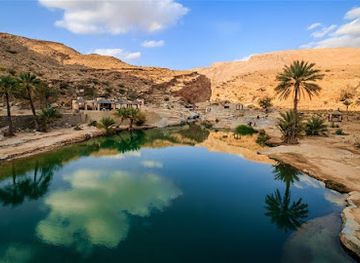
Explore Ash Sharqiyah South Governorate on the map
Plan your trip on one map. See where the top cities, national parks and sights are, and book hotels and experiences in a few clicks.
Best hotels in Ash Sharqiyah South Governorate
Best restaurants in Ash Sharqiyah South Governorate
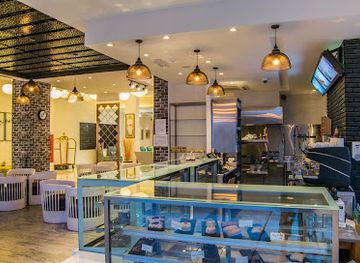
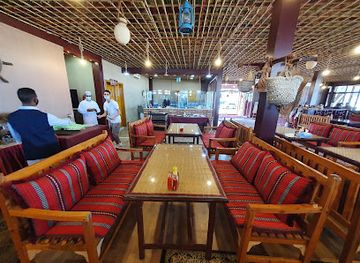
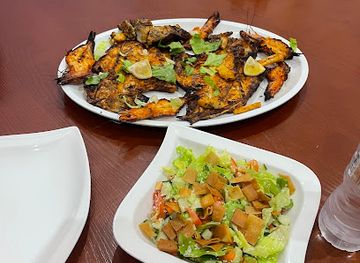
Dining in Ash Sharqiyah South combines everyday Omani cooking with the seafood traditions of the eastern coast. Sur is the easiest place to find a broad choice of restaurants, cafés and simple local eateries, while smaller towns and Masirah Island offer a more limited but often strongly regional selection. Fresh fish, prawns and other seafood are central to coastal meals, commonly served with rice, flatbreads, salads and spiced sauces. Visitors will also encounter national favourites such as shuwa, slow-cooked meat prepared for important occasions, majboos or spiced rice dishes, harees and grilled meats. Dates, Omani halwa and coffee flavoured with cardamom are customary ways to finish or accompany a meal. Markets and small shops are useful for fruit, bottled water, dates and snacks during road journeys. Restaurant settings range from modest cafés and Indian-influenced eateries to hotel dining rooms, with the greatest concentration in Sur; outside the main towns, it is sensible to carry provisions.
-
Hot Pot
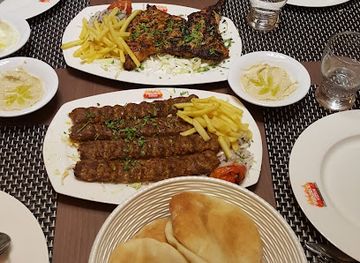
Zaki Restaurant
Experience authentic Omani flavors at Zaki Restaurant in Sur – where every hot pot meal is a delightful journey through taste.
-
Restaurant
Al Hawash Restaurant
Discover authentic Omani flavors at Al Hawash Restaurant in Sur – where tradition meets taste.
-
Restaurant
Vaidyans Fish and Grill Restaurant
Experience the best of Omani seafood at Vaidyans Fish and Grill in Sur – where freshness meets flavor.
-
Restaurant
Barbeque Nation Sur
Experience the best barbecue dining at Barbeque Nation Sur, where every meal is a flavorful adventure in Oman.
Best bars in Ash Sharqiyah South Governorate
Ash Sharqiyah South does not have a major nightclub scene, and evening life is shaped more by family gatherings, cafés, hotel restaurants and traditional social spaces than by late-night entertainment. Sur provides the broadest choice of places to eat after dark, with coffee shops and casual restaurants remaining more significant than bars. Licensed alcohol is available only in authorised establishments such as certain hotels, subject to Omani law and individual venue policies, while public drinking is not appropriate. On Masirah Island and in smaller inland towns, evenings are generally quiet, with visitors spending time at accommodation, watching the coast or dining locally. Seafront walks, early-morning fishing activity and stargazing in sparsely settled areas are more representative of the region’s night-time character than clubbing; remote locations should be approached with practical caution and respect for local communities.
-
Hot Pot
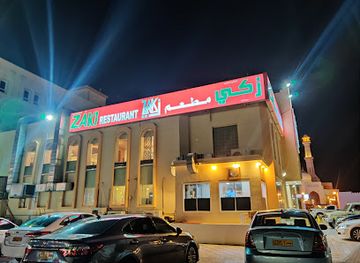
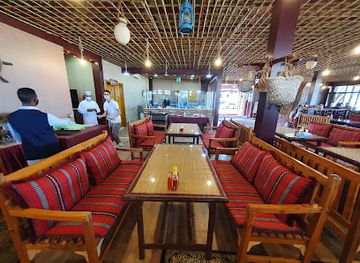
Zaki Restaurant
Experience the rich flavors of hot pot dining at Zaki Restaurant in Sur, Oman, where fresh ingredients meet a cozy atmosphere.
-
 Resort hotel
Turtle Beach Resort
Discover the tranquil beauty and luxurious comforts of Turtle Beach Resort in Ras Al Hadd, Oman, a perfect beach getaway for relaxation and adventure.
-
Restaurant
Al Hawash Restaurant
Experience authentic Omani cuisine at Al Hawash Restaurant in Sur, where flavor meets tradition in a cozy atmosphere.
-
Grill
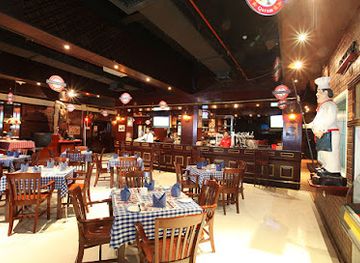
Rock Bottom Cafe Muscat
Discover Rock Bottom Cafe Muscat, where American grill meets vibrant nightlife in an unforgettable dining experience.
Best nightclubs in Ash Sharqiyah South Governorate
Ash Sharqiyah South does not have a major nightclub scene, and evening life is shaped more by family gatherings, cafés, hotel restaurants and traditional social spaces than by late-night entertainment. Sur provides the broadest choice of places to eat after dark, with coffee shops and casual restaurants remaining more significant than bars. Licensed alcohol is available only in authorised establishments such as certain hotels, subject to Omani law and individual venue policies, while public drinking is not appropriate. On Masirah Island and in smaller inland towns, evenings are generally quiet, with visitors spending time at accommodation, watching the coast or dining locally. Seafront walks, early-morning fishing activity and stargazing in sparsely settled areas are more representative of the region’s night-time character than clubbing; remote locations should be approached with practical caution and respect for local communities.
-
Bar
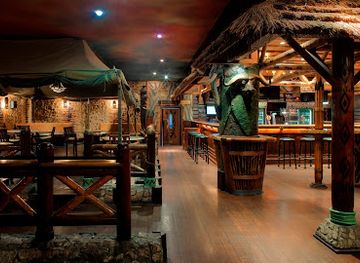
Club Safari
Experience the vibrant nightlife at Club Safari, Muscat's premier bar for cocktails, live music, and unforgettable evenings.
-
Dive club
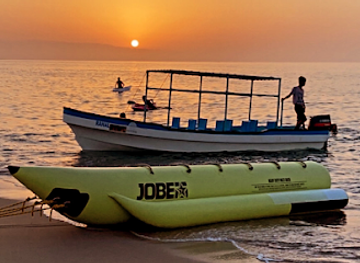
Arabian Sea Adventures
Discover the underwater wonders of the Arabian Sea at Arabian Sea Adventures - an unforgettable dive experience for all levels in Al Hadd, Oman.
-
Dance club
VI Muscat Club
Discover the electrifying nightlife at VI Muscat Club, a vibrant dance club in the heart of Muscat offering unforgettable experiences.
-
Live music bar
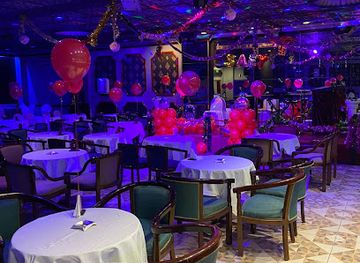
Layalina Night Club
Discover Muscat's nightlife at Layalina Night Club, a lively venue with electrifying live music and a vibrant atmosphere to dance the night away.

Best shops in Ash Sharqiyah South Governorate
Shopping in Ash Sharqiyah South is centred on local souqs, market streets, small groceries and independent businesses rather than large retail complexes. Sur is the most practical place to browse for everyday goods, Omani clothing, frankincense, dates, halwa, spices and gifts connected with the region’s maritime identity. Traditional wooden boats are generally working craft rather than souvenirs, but their presence around Sur’s boat-building areas offers insight into a living skill. Inland towns such as Jalan Bani Bu Ali and Jalan Bani Bu Hassan have local shops and produce associated with date cultivation and village life, while Masirah is more suited to buying simple provisions than to dedicated souvenir shopping. Look for Omani silver jewellery, woven items, pottery and packaged food products where available, checking quality and provenance rather than assuming that every item is locally made. Markets are most rewarding when approached as places for everyday commerce as well as visitor purchases.
-
Resort hotel
Turtle Beach Resort
Experience luxury and tranquility at Turtle Beach Resort, a stunning coastal retreat in Ras Al Hadd, Oman, perfect for relaxation and adventure.
-
Shopping mall
My City Centre Sur
Explore My City Centre Sur - your ultimate shopping destination in Oman, featuring diverse shops, dining, and entertainment for an unforgettable experience.
-
Shopping mall
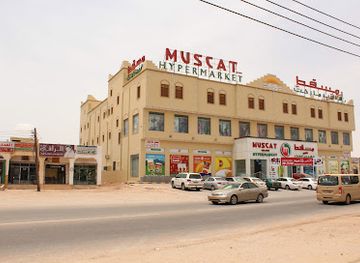
MUSCAT GOLDEN HYPERMARKET
Explore Muscat Golden Hypermarket, where local shopping meets cultural experience in the heart of Oman.
-
Resort hotel
Ras Al Hadd Holiday Resort
Discover the beauty and tranquility of Ras Al Hadd Holiday Resort, an oasis of comfort on Oman's stunning coastline, perfect for relaxation and adventure.

Get your free copy of our complete guide to Ash Sharqiyah South Governorate, delivered straight to you.
Everything on this page, from attractions and restaurants to essentials and local phrases, in one PDF you can read offline, print or share.
Already have an account? Sign in
Your Ash Sharqiyah South Governorate guide is ready.
We'll send it to · Not you? Sign out

Getting your guide ready…
We are putting together a fresh copy of the Ash Sharqiyah South Governorate guide. This can take up to a minute.
This can take a few moments. If your browser asks, choose Allow so the download can start. You'll find the guide in your Downloads folder.
Nothing happened? Download it again
Sorry, the guide is taking longer than usual. Please try again in a minute, or get it by email instead.
Ash Sharqiyah South Governorate essentials
Currency and Payment
Safety
Emergency Situations
Do's and Don'ts
Local Tips
From Eve
Local phrases worth knowing
You don't need to get them perfect. A few words go a long way, and locals appreciate the effort.
Basics
| English | Local | Say it |
|---|---|---|
| Hello | مرحبا | [Marhaban] |
| Goodbye | وداعا | [Wada'an] |
| Yes | نعم | [Na'am] |
| No | لا | [La] |
| Please/You're welcome | من فضلك | [Min fadlik] |
| Thank you | شكرا | [Shukran] |
| Excuse me/Sorry | عفوا | [Afwan] |
| How are you? | كيف حالك؟ | [Kayfa halak?] |
| Fine. And you? | بخير، وأنت؟ | [Bikhayr, wa anta?] |
| Do you speak English? | هل تتحدث الإنجليزية؟ | [Hal tatahadath al-ingliziyya?] |
| I don't understand | لا أفهم | [La afham] |
Eating & Drinking
| English | Local | Say it |
|---|---|---|
| I'd like to see the menu, please | أود أن أرى القائمة، من فضلك | [Awad an ara al-qa'ima, min fadlik] |
| I don't eat meat | لا أأكل اللحم | [La akul al-lahm] |
| Cheers! | في صحتك! | [Fi sihatak!] |
| I would like to pay, please | أود أن أدفع، من فضلك | [Awad an adfa', min fadlik] |
Emergencies
| English | Local | Say it |
|---|---|---|
| Help! | نجدة! | [Najda!] |
| Go away! | ابتعد! | [Ibt'id!] |
| Call the Police! | اتصل بالشرطة! | [Ittasil bil-shurta!] |
| Call a doctor! | اتصل بطبيب! | [Ittasil bi-tabeeb!] |
| I'm lost | أنا ضائع | [Ana da'i'] |
| I'm ill | أنا مريض | [Ana marid] |
Shopping
| English | Local | Say it |
|---|---|---|
| I'd like to buy... | أود أن أشتري... | [Awad an ashtari...] |
| I'm just looking | أنا فقط أنظر | [Ana faqat anzur] |
| How much is it? | كم ثمنه؟ | [Kam thamanuh?] |
| That's too expensive | هذا مكلف جدا | [Hatha mukallaf jidan] |
| Can you lower the price? | هل يمكنك تخفيض السعر؟ | [Hal yumkinuka takhfid as-si'r?] |
Time & Numbers
| English | Local | Say it |
|---|---|---|
| What time is it? | كم الساعة؟ | [Kam as-saa'a?] |
| It's one o'clock | الساعة الواحدة | [As-saa'a al-wahidiya] |
| Half past (10) | نصف (10) | [Nisf (10)] |
| Morning | صباحا | [Sabahan] |
| Afternoon | بعد الظهر | [Ba'ad az-zuhur] |
| Evening | مساء | [Masa'a] |
| Yesterday | أمس | [Ams] |
| Today | اليوم | [Al-yawm] |
| Tomorrow | غدا | [Ghadan] |
| 1 | واحد | [Wahid] |
| 2 | اثنان | [Ithnan] |
| 3 | ثلاثة | [Thalatha] |
| 4 | أربعة | [Arba'a] |
| 5 | خمسة | [Khamsa] |
| 6 | ستة | [Sitta] |
| 7 | سبعة | [Sab'a] |
| 8 | ثمانية | [Thamaniya] |
| 9 | تسعة | [Tis'a] |
| 10 | عشرة | [Ashara] |
Transport & Directions
| English | Local | Say it |
|---|---|---|
| Where's a/the...? | أين هو/هي...؟ | [Ayna huwa/hiya...?] |
| What's the address? | ما هو العنوان؟ | [Ma huwa al-unwan?] |
| Can you show me (on the map)? | هل يمكنك أن تريني (على الخريطة)؟ | [Hal yumkinuka an turini (ala al-kharita)?] |
| When's the next (bus)? | متى يأتي (الباص) التالي؟ | [Mata ya'ti (al-bas) at-tali?] |
| A ticket (to ....) | تذكرة (إلى ....) | [Tadhkira (ila ....)] |
History of Ash Sharqiyah South Governorate
Early settlement and the maritime world of Magan
The eastern coast of Oman has been inhabited since prehistoric times, supported by fishing, pastoralism, oasis agriculture and access to copper-producing areas farther inland. In the Bronze Age, Oman was associated with Magan, a trading region known from Mesopotamian records for copper, stone and maritime connections. Ash Sharqiyah South’s coves and natural harbours formed part of the wider seaborne network linking Oman with the Iranian coast, the Indus Valley and southern Arabia. Archaeological evidence across Oman shows that coastal communities were never isolated; the sea was a route for commerce, migration and cultural exchange long before the rise of the Islamic state.
Qalhat and medieval Indian Ocean trade
Qalhat, on the coast north-east of Sur, became a major port during the medieval period. From roughly the eleventh to the sixteenth centuries, it participated in commercial networks spanning the Arabian Peninsula, Persia, India and East Africa. Its prosperity was connected to the wider Omani and Hormuzi trading world, and the settlement contained substantial religious and civic buildings. The archaeological remains, including the mausoleum traditionally associated with Bibi Maryam, demonstrate the scale and cosmopolitan character of the port. Qalhat’s decline followed changing political and maritime conditions, including the Portuguese intervention in the Indian Ocean.
Islamic coastal towns and fortified settlements
Following the spread of Islam to Oman in the seventh century, coastal and inland settlements developed within the country’s Ibadi religious and political traditions. Forts, watchtowers and defensive walls were constructed or strengthened over successive centuries to protect water sources, routes and settlements. In Ash Sharqiyah South, Sur, Al Ayjah, Jalan Bani Bu Ali and other towns retain buildings and defensive structures associated with this long period of local governance. These sites were not merely military installations: they formed part of communities whose economies depended on farming, fishing, trade and the management of scarce water.
The Portuguese and the struggle for Omani ports
Portuguese forces entered the Indian Ocean at the beginning of the sixteenth century and sought to control strategic ports and shipping routes. Coastal Oman became part of the contest between Portuguese power, local rulers and regional trading interests. Qalhat was among the ports affected by this upheaval, while Sur and other settlements continued to be shaped by the uncertain security of the coast. Oman eventually expelled the Portuguese from its principal strongholds in the seventeenth century under the Yaruba imams. The period left a lasting mark on Oman’s maritime history and on the defensive architecture visible along the coast.
Sur’s dhow-building and overseas connections
From the eighteenth century into the modern era, Sur became one of Oman’s best-known centres for wooden dhow construction and long-distance sailing. Its boat builders produced vessels used for fishing, cargo and travel across the Arabian Sea, connecting Oman with ports in India, East Africa and the Gulf. Sur’s commercial families and sailors helped sustain an economy built on maritime skill, although changing shipping technology and political boundaries eventually reduced the importance of traditional sailing. The remaining boat-building knowledge, harbour quarters and maritime collections preserve an important part of Oman’s overseas history.
Modern development and conservation
During the twentieth century, Oman underwent major social and economic change, particularly after the modernisation programme begun in 1970. Roads, schools, electricity, healthcare and communications gradually linked Ash Sharqiyah South’s coastal and inland settlements more closely with Muscat and the rest of the country. At the same time, conservation became increasingly important at places such as Ras al Jinz, where green turtles nest, and at Qalhat, whose archaeological remains reflect the region’s international past. Contemporary development therefore sits alongside efforts to protect fragile coastlines, wildlife habitats and maritime traditions.
Ash Sharqiyah South Governorate in Photos
Browse through our photo collection highlighting the charm and character of the destination.
Neighbouring regions of Ash Sharqiyah South Governorate
The closest regions to Ash Sharqiyah South Governorate, if you have time for more than one.
-

-

-

-

-


Swipe for more regions