

FATA (Federally Administered Tribal Areas), Pakistan Travel Guide
Discover the untouched beauty and rich cultural heritage of FATA, Pakistan - a hidden gem offering adventure, history, and hospitality.
The Federally Administered Tribal Areas (FATA) in Pakistan is a region rich with history, culture, and stunning landscapes. Nestled between the Khyber Pakhtunkhwa province and the border with Afghanistan, FATA offers a unique glimpse into a lifestyle that has remained largely unchanged for centuries. From the rugged mountains and scenic valleys to the vibrant local markets, this area is a haven for adventure seekers and culture enthusiasts alike. Visitors to FATA can immerse themselves in the local traditions and hospitality of the tribal people. The region is known for its distinct Pashtun culture, which includes traditional dances, music, and intricate handcrafts. You’ll find the locals to be welcoming and eager to share their heritage with you. The food here is another highlight, with rich flavors and aromatic spices that are sure to tantalize your taste buds. FATA is also home to some fascinating historical sites. The Khyber Pass, one of the most famous mountain passes in the world, has been a gateway for many ancient armies and traders. The region's forts, such as the Jamrud Fort, tell tales of bygone eras and offer panoramic views of the surrounding areas. Nature lovers will be thrilled with the opportunities for hiking and exploring the untouched beauty of the landscape. Whether it's the serene beauty of the Tirah Valley or the breathtaking views from the peaks, FATA promises an unforgettable experience.

Know before you go
Hi, I'm Eve. Here are a few practical things to know before exploring FATA (Federally Administered Tribal Areas).
- Check the local security situation before planning your visit, as the region has experienced instability in the past.
- Respect local customs and traditions, including dressing modestly and asking for permission before taking photos of people.
- Hire a local guide to navigate the area safely and to enhance your understanding of the local culture and history.
- Keep cash handy, as ATMs and card payment options are limited in the region.
- Learn a few basic phrases in Pashto, the local language, to help communicate and connect with the locals.
Top City Travel Guides in FATA (Federally Administered Tribal Areas)
The cities of FATA (Federally Administered Tribal Areas), and the easiest places to base yourself.
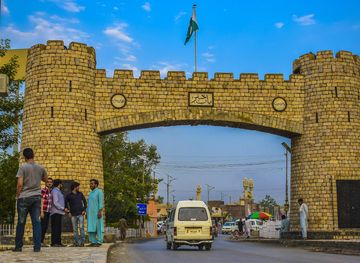
Explore FATA (Federally Administered Tribal Areas): Things to Do, Places to Eat, Hotels & More
Handpicked recommendations for top attractions, local dining, accommodations, and more

Top Attractions & Sightseeing in FATA (Federally Administered Tribal Areas)
Top-rated picks
Best Attractions

Shabqadar Bazar
Discover the vibrant Shabqadar Bazar in Khyber Pakhtunkhwa, where history, culture, and authentic flavors come together for an unforgettable experience.

Tirah Valley
Explore the breathtaking natural beauty and rich cultural heritage of Tirah Valley, a hidden gem in Khyber Pakhtunkhwa, Pakistan.

ALLAH Hoo Hiking Trail
Discover the ALLAH Hoo Hiking Trail: A breathtaking journey through the stunning landscapes of Pakistan's Frontier region.

Tirah Medan Valley تیراہ میدان ویلي
Explore the stunning landscapes and rich culture of Tirah Medan Valley, a must-visit tourist attraction in Khyber Pakhtunkhwa, Pakistan.

Best landmarks in FATA (Federally Administered Tribal Areas)
Top-rated picks
Best Landmarks

Jamrud Fort
Explore the historical Jamrud Fort, a majestic fortress in Khyber Pakhtunkhwa, Pakistan, offering stunning views and a glimpse into the past.

Shabqadar Bazar
Explore Shabqadar Bazar: a vibrant marketplace in Khyber Pakhtunkhwa, rich with local culture, crafts, and delicious street food.

Michni Fort
Discover the historical splendor of Michni Fort in Khyber Pakhtunkhwa, where breathtaking views meet rich cultural heritage.

Sheikh Badin National Park
Explore Sheikh Badin National Park: A breathtaking national park in Pakistan offering diverse wildlife, stunning landscapes, and outdoor adventures.

Best restaurants in FATA (Federally Administered Tribal Areas)


Best bars in FATA (Federally Administered Tribal Areas)
Top-rated picks
Best Bars

Silver Dragon
Experience the authentic taste of Chinese cuisine at Silver Dragon in Peshawar, where every dish is a celebration of flavor and tradition.

Syed Afridi customer service
Discover the vibrant Syed Afridi Bazaar in Peshawar, a cultural hub for shopping, local delicacies, and authentic Pakistani traditions.

Shabqadar Bazar
Explore the enchanting Shabqadar Bazar, a vibrant marketplace in Khyber Pakhtunkhwa, teeming with culture, crafts, and culinary delights.

FRONTIER Arms & Ammo Gun Shop
Discover the rich heritage of arms craftsmanship at Frontier Arms & Ammo Gun Shop in Darra Adam Khel, Khyber Pakhtunkhwa, Pakistan.

Best shops in FATA (Federally Administered Tribal Areas)
Top-rated picks
Best Shops

Syed Afridi customer service
Explore the vibrant Syed Afridi Customer Service Bazar in Bara, Peshawar, a hub of local culture, shopping, and unforgettable culinary delights.

FRONTIER Arms & Ammo Gun Shop
Discover the rich heritage of firearms at Frontier Arms & Ammo Gun Shop in Khyber Pakhtunkhwa, where tradition meets modernity.

Sadiq Abad Patak Bazaar Bajaur
Explore the vibrant Sadiq Abad Patak Bazaar, a cultural hub in Bajaur offering local handicrafts, authentic cuisine, and a lively shopping experience.

Shakas Market
Experience the cultural heartbeat of Peshawar at Shakas Market, where vibrant stalls and local flavors come together in harmony.

Explore FATA (Federally Administered Tribal Areas) on the Map
A handpicked selection of must-see spots in FATA (Federally Administered Tribal Areas), mapped for you.
FATA (Federally Administered Tribal Areas) Essentials
-
FATA (Federally Administered Tribal Areas) is located in the northwestern region of Pakistan. The nearest major international airport is Bacha Khan International Airport in Peshawar. From Peshawar, you can travel by road to various parts of FATA. It is advisable to arrange transportation in advance through a reliable tour operator, as public transportation options may be limited and security checkpoints are common.
-
Within FATA, transportation options include private cars, taxis, and local jeeps. Due to the region's mountainous terrain and sometimes challenging road conditions, a 4x4 vehicle is recommended for travel. Public buses and minibuses do operate, but they may not be the most comfortable or reliable option. Hiring a local guide who is familiar with the area can greatly enhance your travel experience and ensure your safety.
-
The official currency in Pakistan is the Pakistani Rupee (PKR). Cash is the primary form of payment in FATA, and credit cards are not widely accepted. ATMs are rare in the region, so it is advisable to carry sufficient cash from major cities like Peshawar before entering FATA. Make sure to have small denominations, as larger bills may be difficult to break in rural areas.
-
While FATA has become safer in recent years, it is still important to take precautions. Avoid traveling alone and always stay with a trusted local guide. Some areas may have higher security risks, so check the latest travel advisories and avoid areas with ongoing military operations. Be cautious of your surroundings, especially in crowded places, and keep your valuables secure.
-
In case of an emergency, the local emergency number in Pakistan is 15 for police, 115 for medical emergencies, and 16 for fire services. It is strongly recommended to have travel insurance that covers medical emergencies and evacuation. The medical facilities in FATA are limited, so for serious health issues, it may be necessary to travel to a major city like Peshawar. Always carry a basic first aid kit and any necessary medications.
-
Fashion: Do dress conservatively; men should avoid shorts, and women should wear loose-fitting clothing and a headscarf. Religion: Do respect local customs and traditions. Always ask for permission before taking photos of people or religious sites. Public Transport: Do be respectful and follow local norms. Don't argue or raise your voice in public places. Greetings: Do greet people with 'Assalamu Alaikum' and a handshake. Respect personal space and wait for the other person to extend their hand first. Eating & Drinking: Do accept food and drink offerings graciously. Don't eat or drink in public during the month of Ramadan.
-
To experience FATA like a local, engage with the hospitable and proud local tribes. Visit traditional markets (bazaars) where you can buy local crafts, textiles, and food. Try the local cuisine, such as Chapli Kebabs and traditional bread. Respect the local customs and be open to learning about their rich cultural heritage. Always travel with a local guide who can navigate cultural nuances and ensure your safety.
When is the best time to visit FATA (Federally Administered Tribal Areas)?
Useful Local Phrases for FATA (Federally Administered Tribal Areas)
You don't need to speak the language perfectly. Even learning a few simple words can make conversations warmer—and locals usually appreciate the effort.
— Eve

Here are the phrases I use most often in FATA (Federally Administered Tribal Areas). Try a few—you'll be surprised how far they go! 😊
❤️
-
- Helloسلام
[Salam] - Goodbyeخدا حافظ
[Khuda Hafiz] - Yesجی ہاں
[Ji Haan] - Noنہیں
[Nahin] - Please/You're welcomeبراہ کرم / خوش آمدید
[Barah-e-Karam / Khush Aamdeed] - Thank youشکریہ
[Shukriya] - Excuse me/Sorryمعاف کرنا
[Maaf Karna] - How are you?آپ کیسے ہیں؟
[Aap Kaise Hain?] - Fine. And you?ٹھیک ہوں۔ اور آپ؟
[Theek Hoon. Aur Aap?] - Do you speak English?کیا آپ انگریزی بولتے ہیں؟
[Kya Aap Angrezi Bolte Hain?] - I don't understandمجھے سمجھ نہیں آتی
[Mujhe Samaj Nahin Aati]
- Helloسلام
-
- I'd like to see the menu, pleaseبراہ کرم مینو دکھائیں
[Barah-e-Karam Menu Dikhain] - I don't eat meatمیں گوشت نہیں کھاتا
[Main Gosht Nahin Khata] - Cheers!چینچین!
[Chin-Chin!] - I would like to pay, pleaseبراہ کرم میں ادائیگی کرنا چاہتا ہوں
[Barah-e-Karam Main Adaigi Karna Chahta Hoon]
- I'd like to see the menu, pleaseبراہ کرم مینو دکھائیں
-
- Help!مدد!
[Madad!] - Go away!چلے جاؤ!
[Chalay Jao!] - Call the Police!پولیس کو بلائیں!
[Police Ko Bulain!] - Call a doctor!ڈاکٹر کو بلائیں!
[Doctor Ko Bulain!] - I'm lostمیں کھو گیا ہوں
[Main Kho Gaya Hoon] - I'm illمیں بیمار ہوں
[Main Bimaar Hoon]
- Help!مدد!
-
- I'd like to buy...میں خریدنا چاہتا ہوں...
[Main Kharidna Chahta Hoon...] - I'm just lookingمیں صرف دیکھ رہا ہوں
[Main Sirf Dekh Raha Hoon] - How much is it?یہ کتنے کا ہے؟
[Yeh Kitne Ka Hai?] - That's too expensiveیہ بہت مہنگا ہے
[Yeh Bohat Mehnga Hai] - Can you lower the price?کیا آپ قیمت کم کر سکتے ہیں؟
[Kya Aap Qeemat Kam Kar Sakte Hain?]
- I'd like to buy...میں خریدنا چاہتا ہوں...
-
- What time is it?کیا وقت ہوا ہے؟
[Kya Waqt Hua Hai?] - It's one o'clockیہ ایک بجے ہیں
[Yeh Ek Baje Hain] - Half past (10)ساڑھے دس
[Saadhe Das] - Morningصبح
[Subah] - Afternoonدوپہر
[Dopahar] - Eveningشام
[Shaam] - Yesterdayکل
[Kal] - Todayآج
[Aaj] - Tomorrowکل
[Kal] - 1ایک
[Aik] - 2دو
[Do] - 3تین
[Teen] - 4چار
[Chaar] - 5پانچ
[Paanch] - 6چھ
[Chay] - 7سات
[Saat] - 8آٹھ
[Aath] - 9نو
[Nau] - 10دس
[Das]
- What time is it?کیا وقت ہوا ہے؟
-
- Where's a/the...?کہاں ہے ...؟
[Kahan Hai ...?] - What's the address?پتہ کیا ہے؟
[Pata Kya Hai?] - Can you show me (on the map)?کیا آپ مجھے دکھا سکتے ہیں؟
[Kya Aap Mujhe Dikhha Sakte Hain?] - When's the next (bus)?اگلی (بس) کب ہے؟
[Agli (Bus) Kab Hai?] - A ticket (to ....)ایک ٹکٹ (.... کے لیے)
[Ek Ticket (.... Ke Liye)]
- Where's a/the...?کہاں ہے ...؟
History of FATA (Federally Administered Tribal Areas)
-
The Federally Administered Tribal Areas (FATA) have a long and rich history that dates back to ancient times. The region has been inhabited by various tribes for thousands of years, including the Pashtuns, who are believed to have settled in the area as early as the first millennium BCE. The strategic location of FATA at the crossroads of South Asia and Central Asia has made it a melting pot of cultures and a key region in many historical events.
-
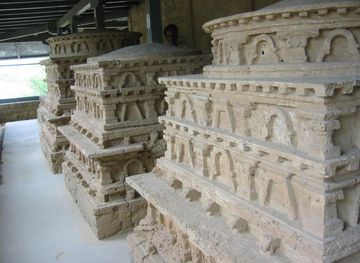
During the 6th century BCE to the 11th century CE, the area that includes FATA was part of the Gandhara Civilization. The region was a major center for Buddhist culture and learning, with numerous monasteries and stupas. The remnants of this era can still be seen in various archaeological sites, such as the Takht-i-Bahi monastery, which is a UNESCO World Heritage Site.
-
In the 7th and 8th centuries, the Islamic conquests reached the region, leading to the spread of Islam among the local tribes. The region later came under the control of the Ghaznavid Dynasty in the 10th century, which further solidified the Islamic influence in FATA. The Ghaznavids were known for their military expeditions and cultural patronage, contributing to the region's historical landscape.
-
During the Mughal Empire (1526-1857), FATA was a strategically important border region. The Mughals established forts and outposts to maintain control over the tribal areas. Although the Mughals had a significant influence on the region, the tribes of FATA largely maintained their autonomy by engaging in periodic skirmishes and negotiations with the Mughal authorities.
-
In the late 19th century, FATA came under British colonial rule following the Second Anglo-Afghan War. The British established the Durand Line in 1893, which demarcated the boundary between British India and Afghanistan, cutting through the tribal areas. This arbitrary division had long-lasting implications on the region's political and social dynamics, as it split tribes and communities across two countries.
-
After the partition of British India in 1947, FATA became part of Pakistan. However, the region retained a unique administrative status under the Frontier Crimes Regulation (FCR), which was a set of colonial-era laws that gave significant power to tribal leaders and limited the application of Pakistani law. This special status contributed to the region's isolation and underdevelopment compared to the rest of the country.
-
The Soviet invasion of Afghanistan in 1979 had a profound impact on FATA, as the region became a base for Afghan mujahideen fighters supported by the United States and Pakistan. The influx of refugees and militants transformed the social and political landscape of FATA. The end of the Soviet-Afghan War left a legacy of arms and radicalization that continued to affect the region for decades.
-
Following the 9/11 attacks, FATA gained international attention as a hub for militant groups. The Pakistani military launched several operations to combat terrorism and insurgency in the region, including Operation Zarb-e-Azb in 2014. These military campaigns had significant humanitarian and socio-political consequences, leading to displacement and ongoing efforts to stabilize the region.
-
In 2018, the Pakistani government passed a constitutional amendment to merge FATA with the Khyber Pakhtunkhwa province, effectively abolishing its special status under the FCR. The merger aimed to integrate the region into the mainstream political and economic framework of Pakistan, bringing new opportunities and challenges for development and governance in the former tribal areas.
Neighbouring Regions of FATA (Federally Administered Tribal Areas)
The closest regions to FATA (Federally Administered Tribal Areas), if you have time for more than one.


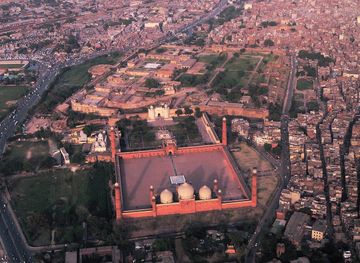


Your all‑in‑one travel companion app
Explore expert travel guides, compare and book tours, experiences, hotels, and more—all from the palm of your hand. Download now for seamless trip planning wherever your wanderlust takes you.


Explore More of Pakistan

Looking beyond FATA (Federally Administered Tribal Areas)? Discover Pakistan for broader travel guides, local hot-spots, and regional highlights.
Explore PakistanFATA (Federally Administered Tribal Areas) in Photos
Browse through our photo collection highlighting the charm and character of the destination.


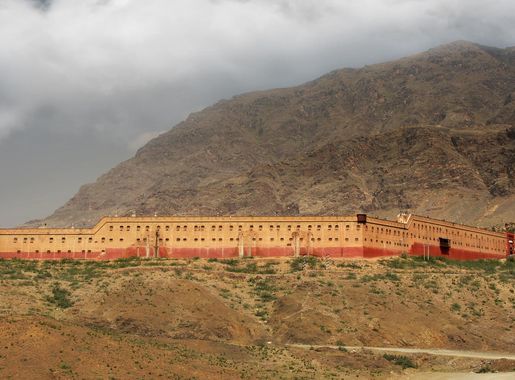

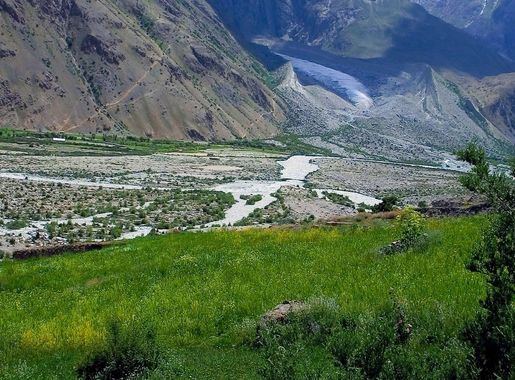

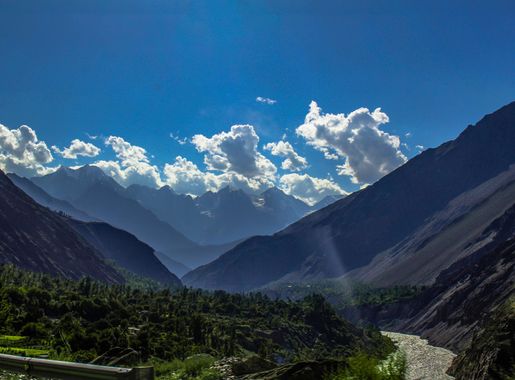


Exploring the Hidden Treasures of FATA, Pakistan
The Federally Administered Tribal Areas (FATA) in Pakistan is a region rich with history, culture, and stunning landscapes. Nestled between the Khyber Pakhtunkhwa province and the border with Afghanistan, FATA offers a unique glimpse into a lifestyle that has remained largely unchanged for centuries. From the rugged mountains and scenic valleys to the vibrant local markets, this area is a haven for adventure seekers and culture enthusiasts alike. Visitors to FATA can immerse themselves in the local traditions and hospitality of the tribal people. The region is known for its distinct Pashtun culture, which includes traditional dances, music, and intricate handcrafts. You’ll find the locals to be welcoming and eager to share their heritage with you. The food here is another highlight, with rich flavors and aromatic spices that are sure to tantalize your taste buds. FATA is also home to some fascinating historical sites. The Khyber Pass, one of the most famous mountain passes in the world, has been a gateway for many ancient armies and traders. The region's forts, such as the Jamrud Fort, tell tales of bygone eras and offer panoramic views of the surrounding areas. Nature lovers will be thrilled with the opportunities for hiking and exploring the untouched beauty of the landscape. Whether it's the serene beauty of the Tirah Valley or the breathtaking views from the peaks, FATA promises an unforgettable experience.