

Free Northern Punjab Travel Guide & Mobile App
Explore Northern Punjab with free travel guides. Discover regional history, expert tips, proposed trips, and audio guides on web or mobile app.


Explore Northern Punjab’s Potohar landscapes, Taxila ruins, Rohtas Fort, river valleys and historic market towns near Islamabad.
Read more about Northern Punjab
When is the best time to visit Northern Punjab?
Best: February–March, November · 22–27°C| Month | High (°C) | Rainfall (mm) |
|---|---|---|
| January | 19 | 20 |
| February (best) | 22 | 25 |
| March (best) | 27 | 30 |
| April | 34 | 25 |
| May | 39 | 30 |
| June | 42 | 35 |
| July | 40 | 100 |
| August | 38 | 105 |
| September | 37 | 60 |
| October | 33 | 25 |
| November (best) | 25 | 20 |
| December | 20 | 15 |
Getting to and around Northern Punjab
How to get there
Transportation
Top city travel guides in Northern Punjab
The cities of Northern Punjab, and the easiest places to base yourself.
-

-

-

-


Swipe for more cities
Destinations in Northern Punjab
Resorts, valleys and scenic spots worth a trip of their own.

Swipe for more destinations
Best attractions in Northern Punjab
Northern Punjab’s attractions range from ancient archaeology to open Potohar countryside. Taxila is the region’s leading cultural destination, combining the Taxila Museum with the remains of Bhir Mound, Sirkap, Sirsukh, Dharmarajika and Jaulian; the separate sites make it more rewarding than a brief stop. Rohtas Fort, east of Jhelum, offers a large-scale encounter with Afghan military architecture, while Attock’s river landscape illustrates the strategic importance of the Indus and Kabul confluence. Rawalpindi provides urban history through old bazaars, cantonment areas and colonial-era buildings, whereas Chakwal and the Salt Range approaches offer rural scenery, temples and seasonal landscapes. Visitors interested in nature can explore plateau views, ravines and village tracks, but should use local guidance and check conditions after rain. The region is better suited to archaeological touring, heritage walks, road excursions and landscape observation than to a single concentrated resort-style itinerary.
-
Park
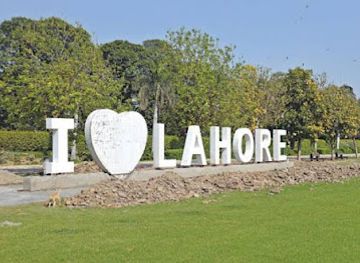
Jilani (Race Course) Park
Explore Jilani Park in Lahore, a vibrant green space offering tranquility, recreational activities, and picturesque landscapes perfect for relaxation.
-
National park
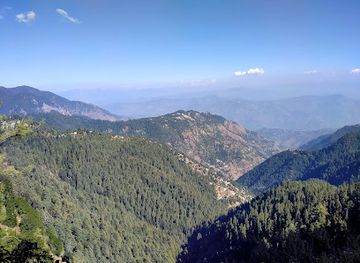
Ayubia National Park
Experience the breathtaking landscapes and rich biodiversity of Ayubia National Park in Khyber Pakhtunkhwa, Pakistan.
-
Archaeological museum
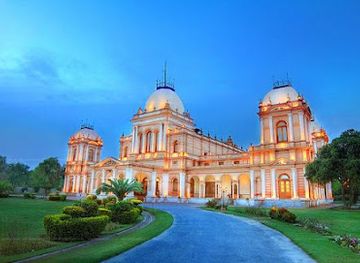
Noor Mahal
Explore the grandeur of Noor Mahal, Bahawalpur's stunning architectural masterpiece, rich in history and beauty.
-
Museum
Pakistan Monument Museum
Explore the rich heritage of Pakistan at the Pakistan Monument Museum, a captivating blend of art and history in the heart of Islamabad.

Best landmarks in Northern Punjab
Taxila’s archaeological landscape is Northern Punjab’s most internationally significant landmark group. The planned streets and stone buildings of Sirkap, the earlier settlement of Bhir Mound and the monastic remains at Jaulian and Dharmarajika together express the region’s ancient Buddhist, commercial and cosmopolitan history. Rohtas Fort is the most imposing medieval landmark: its thick walls, monumental gateways and elevated position near the Jhelum demonstrate how the route through northern Punjab was defended in the sixteenth century. Attock’s position at the meeting of the Indus and Kabul rivers gives the area exceptional geographical importance, with the wider river corridor long associated with imperial movement and military strategy. In Rawalpindi, old bazaar streets, colonial civic architecture and cantonment-era planning provide a layered urban record. The Potohar Plateau itself is also a defining natural landmark, marked by eroded gullies, open highland views and seasonal streams rather than dramatic alpine relief.
-
Historical landmark
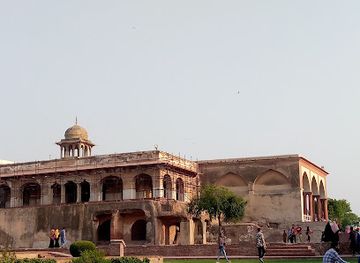
Lahore Fort
Experience the grandeur of Lahore Fort, a historical masterpiece showcasing Mughal architecture and rich cultural heritage in the heart of Pakistan.
-
Tourist attraction
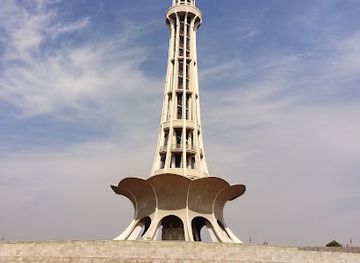
Minar-e-Pakistan
Explore Minar-e-Pakistan, a majestic symbol of Pakistan's independence, nestled in Lahore's historic Walled City, blending rich history with stunning architecture.
-
Historical landmark
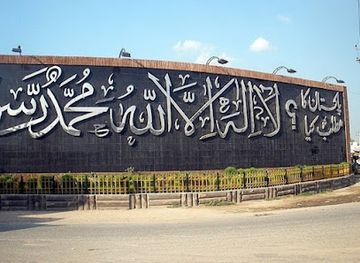
Kalma Chowk
Explore the vibrant heart of Chiniot at Kalma Chowk, a historical landmark rich in culture and local traditions.
-
Monument
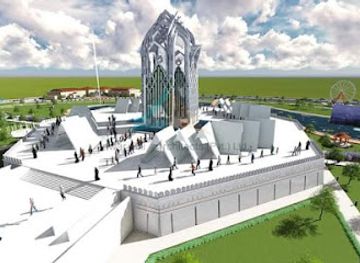
Bab-e-Pakistan
Explore Bab-e-Pakistan, a stunning monument in Lahore that commemorates the sacrifices of the partition and reflects the rich cultural heritage of Pakistan.
Explore Northern Punjab on the map
Plan your trip on one map. See where the top cities, national parks and sights are, and book hotels and experiences in a few clicks.
Best hotels in Northern Punjab
Best restaurants in Northern Punjab
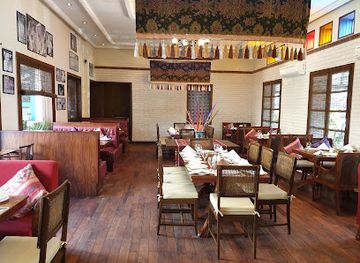
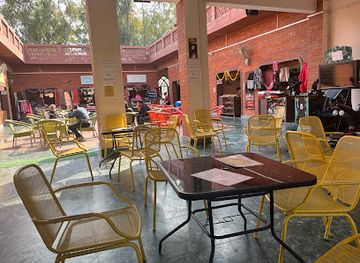
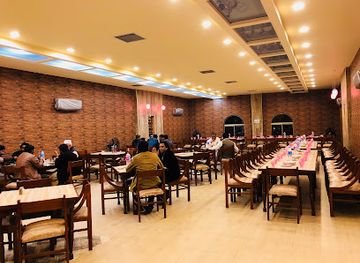
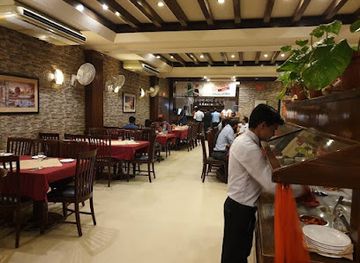
Dining in Northern Punjab reflects the wider culinary traditions of Punjab while retaining a Potohari emphasis on filling breads, lentils, grilled meats, rice dishes, seasonal vegetables and sweet tea. Rawalpindi has the broadest choice, from traditional cafés and kebab restaurants to bakeries, family dining rooms and contemporary establishments, while Taxila, Jhelum, Chakwal and Attock offer simpler restaurants and busy market eateries. Seek out tandoori roti and naan, seekh kebabs, chicken or mutton karahi, daal, chana, seasonal saag and rice dishes, with jalebi, gulab jamun or local bakery sweets for dessert. Food markets and roadside stalls can be rewarding when turnover is high and hygiene is visible. In rural areas, menus may depend on the day’s supplies, so a flexible approach is useful. Tea, lassi and fruit drinks are common refreshments, although visitors should choose treated or sealed water.
-
Pakistani
Spice Bazaar
Discover authentic Pakistani cuisine at Spice Bazaar in Lahore - where tradition meets fine dining in an elegant atmosphere.
-
Punjabi
Shahi Qila
Experience authentic Punjabi cuisine at Shahi Qila, where history meets flavor on India's vibrant border.
-
Pakistani
Khan Baba Restaurant
Experience authentic Pakistani flavors at Khan Baba Restaurant in Lahore – where every dish tells a story.
-
Restaurant
Gourmet Family Restaurant
Experience authentic Pakistani cuisine at Gourmet Family Restaurant in Lahore, perfect for families and food lovers seeking delicious meals.
Best bars in Northern Punjab
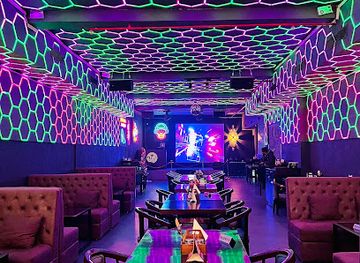
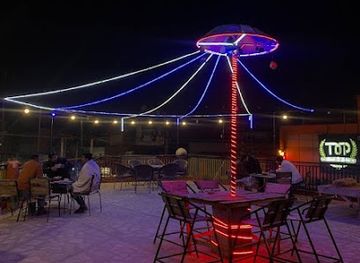
Northern Punjab does not have a conventional bar-and-nightclub culture for visitors, and alcohol is restricted under Pakistani law and social custom. Evening life instead centres on family restaurants, tea cafés, sweet shops, food streets, hotel dining rooms and the busy bazaars of Rawalpindi. The larger urban area offers occasional cultural performances, cinemas and live public events, subject to changing programmes and local conditions. In Taxila, Jhelum, Chakwal and Attock, evenings are generally quieter, with people gathering for meals, tea and conversation rather than clubbing. Some hotels serving international travellers may have different practices, but visitors should not assume that alcohol is available. Plan rural excursions to finish in daylight and arrange reliable transport back to your accommodation rather than expecting late-night public connections.
-
Pub
The Liquid Room- Best Pub, Club/Bar In Amritsar
Discover the energetic nightlife at The Liquid Room, Amritsar's top pub and club, featuring vibrant ambiance, live music, and diverse drink options for an unforgettable experience.
-
Bar
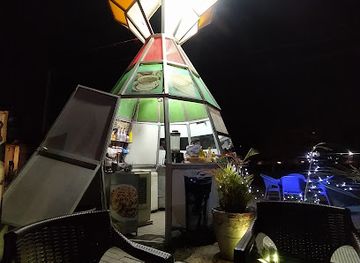
Mocktail Bar
Discover the vibrant Mocktail Bar in Lahore, where non-alcoholic beverages meet a lively atmosphere, perfect for socializing and relaxation.
-
Bar
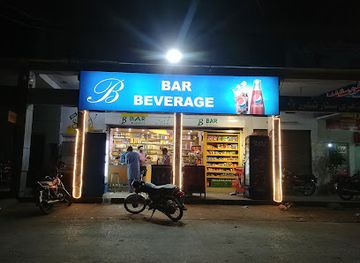
B Bar
Experience the vibrant nightlife at B Bar in Gujranwala, where great drinks and a lively atmosphere await every visitor.
-
Bar
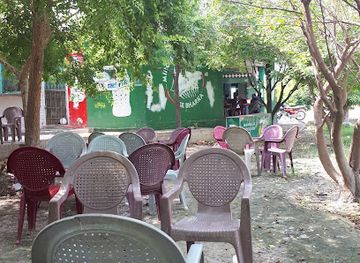
CAFE AL-JAFER, BZU, MULTAN, PAKISTAN.
Discover the lively Cafe Al-Jafer in Bahauddin Zakariya University, Multan - a perfect blend of local culture, flavors, and a vibrant atmosphere.
Best nightclubs in Northern Punjab
Northern Punjab does not have a conventional bar-and-nightclub culture for visitors, and alcohol is restricted under Pakistani law and social custom. Evening life instead centres on family restaurants, tea cafés, sweet shops, food streets, hotel dining rooms and the busy bazaars of Rawalpindi. The larger urban area offers occasional cultural performances, cinemas and live public events, subject to changing programmes and local conditions. In Taxila, Jhelum, Chakwal and Attock, evenings are generally quieter, with people gathering for meals, tea and conversation rather than clubbing. Some hotels serving international travellers may have different practices, but visitors should not assume that alcohol is available. Plan rural excursions to finish in daylight and arrange reliable transport back to your accommodation rather than expecting late-night public connections.
-
Disco club
Club
Dive into Lahore's electrifying nightlife at this top-rated disco club, where music and energy create unforgettable dance experiences.
-
Night club
Sahil Marriage Club
Discover the vibrant nightlife of Multan at Sahil Marriage Club, where culture and modern entertainment come together in an unforgettable experience.
-
Night club
Ch imran Jaspal Bakhoana
Experience the vibrant nightlife of Sargodha at Ch imran Jaspal Bakhoana, a top nightclub perfect for dancing and socializing.
-
Night club
Bethak بیٹھک
Dive into the heart of Rawalpindi's nightlife at Bethak بیٹھک, where culture meets modern entertainment for an unforgettable experience.


Best shops in Northern Punjab
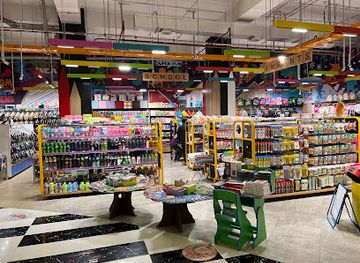
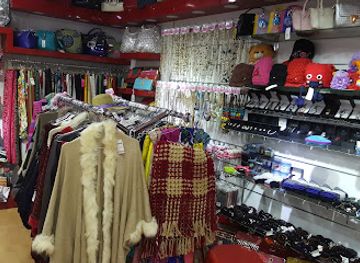
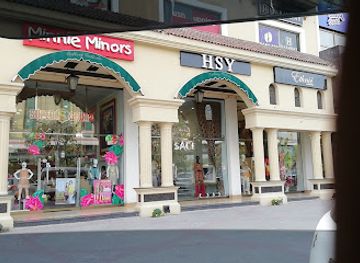
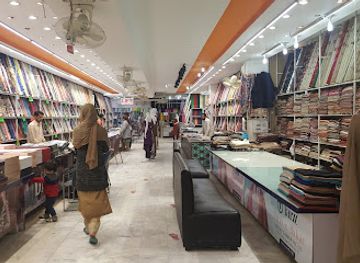
Rawalpindi is the region’s principal shopping centre, with crowded bazaars and commercial streets selling clothing, textiles, footwear, household goods, jewellery, books, spices, sweets and practical travel supplies. Raja Bazaar and the surrounding old commercial area are particularly associated with traditional retail, although visitors should expect congestion and a strongly local shopping environment rather than a curated tourist market. Taxila offers stone and metal craft items, souvenirs and replicas connected with its archaeological identity, but buyers should avoid anything presented as an illicit antiquity. In Jhelum, Chakwal and Attock, shopping is focused on local high streets, food shops, bakeries, fabric merchants and small markets. Useful regional purchases include packaged spices, Punjabi sweets, embroidered textiles and locally made craft goods. Bargaining may be customary in smaller independent shops and markets, while established stores and shopping centres generally use fixed prices.
-
Shopping mall
Emporium Mall
Explore the vibrant Emporium Mall in Lahore, where shopping, dining, and entertainment come together for an unforgettable experience.
-
Shopping mall
Mall of Lahore
Discover the Mall of Lahore, where shopping, dining, and entertainment converge in a vibrant atmosphere, reflecting the culture of Lahore.
-
Shopping mall
Gulberg Galleria
Discover shopping bliss at Gulberg Galleria in Lahore, where fashion meets food and family fun in a vibrant atmosphere.
-
Shopping mall
Raja Sahib - Model Town Link Road
Experience the vibrant shopping and dining scene at Raja Sahib in Lahore, a must-visit destination for retail enthusiasts and food lovers.
Get your free copy of our complete guide to Northern Punjab, delivered straight to you.
Everything on this page, from attractions and restaurants to essentials and local phrases, in one PDF you can read offline, print or share.
Already have an account? Sign in
Your Northern Punjab guide is ready.
We'll send it to · Not you? Sign out

Getting your guide ready…
We are putting together a fresh copy of the Northern Punjab guide. This can take up to a minute.
This can take a few moments. If your browser asks, choose Allow so the download can start. You'll find the guide in your Downloads folder.
Nothing happened? Download it again
Sorry, the guide is taking longer than usual. Please try again in a minute, or get it by email instead.
Northern Punjab essentials
Currency and Payment
Safety
Emergency Situations
Do's and Don'ts
Local Tips
From Eve
Local phrases worth knowing
You don't need to get them perfect. A few words go a long way, and locals appreciate the effort.
Basics
| English | Local | Say it |
|---|---|---|
| Hello | ہیلو | [Hello] |
| Goodbye | الوداع | [Alvida] |
| Yes | ہاں | [Haan] |
| No | نہیں | [Nahin] |
| Please/You're welcome | براہ کرم/خوش آمدید | [Barah-e-Karam/Khosh Aamdeed] |
| Thank you | شکریہ | [Shukriya] |
| Excuse me/Sorry | معاف کیجیے/افسوس | [Maaf Kijiye/Afsos] |
| How are you? | آپ کیسے ہیں؟ | [Aap Kaise Hain?] |
| Fine. And you? | ٹھیک ہوں۔ اور آپ؟ | [Theek Hoon. Aur Aap?] |
| Do you speak English? | کیا آپ انگریزی بولتے ہیں؟ | [Kya Aap Angrezi Bolte Hain?] |
| I don't understand | مجھے سمجھ نہیں آتا | [Mujhe Samajh Nahin Aata] |
Eating & Drinking
| English | Local | Say it |
|---|---|---|
| I'd like to see the menu, please | براہ کرم مینو دکھائیں | [Barah-e-Karam Menu Dikhain] |
| I don't eat meat | میں گوشت نہیں کھاتا | [Main Gosht Nahin Khata] |
| Cheers! | چلیں! | [Chalein!] |
| I would like to pay, please | براہ کرم میں ادائیگی کرنا چاہوں گا | [Barah-e-Karam Main Adaigi Karna Chahoon Ga] |
Emergencies
| English | Local | Say it |
|---|---|---|
| Help! | مدد! | [Madad!] |
| Go away! | چلے جاؤ! | [Chalay Jao!] |
| Call the Police! | پولیس کو بلائیں! | [Police Ko Bulain!] |
| Call a doctor! | ڈاکٹر کو بلائیں! | [Doctor Ko Bulain!] |
| I'm lost | میں کھو گیا ہوں | [Main Kho Gaya Hoon] |
| I'm ill | میں بیمار ہوں | [Main Beemar Hoon] |
Shopping
| English | Local | Say it |
|---|---|---|
| I'd like to buy... | میں یہ خریدنا چاہتا ہوں... | [Main Yeh Khareedna Chahta Hoon...] |
| I'm just looking | میں صرف دیکھ رہا ہوں | [Main Sirf Dekh Raha Hoon] |
| How much is it? | یہ کتنے کا ہے؟ | [Yeh Kitne Ka Hai?] |
| That's too expensive | یہ بہت مہنگا ہے | [Yeh Bohat Mehnga Hai] |
| Can you lower the price? | کیا آپ قیمت کم کر سکتے ہیں؟ | [Kya Aap Qeemat Kam Kar Sakte Hain?] |
Time & Numbers
| English | Local | Say it |
|---|---|---|
| What time is it? | کیا وقت ہوا ہے؟ | [Kya Waqt Hua Hai?] |
| It's one o'clock | ایک بجے ہیں | [Aik Baje Hain] |
| Half past (10) | ساڑھے دس | [Saade Das] |
| Morning | صبح | [Subah] |
| Afternoon | دوپہر | [Dopahar] |
| Evening | شام | [Shaam] |
| Yesterday | کل | [Kal] |
| Today | آج | [Aaj] |
| Tomorrow | کل | [Kal] |
| 1 | ایک | [Aik] |
| 2 | دو | [Do] |
| 3 | تین | [Teen] |
| 4 | چار | [Chaar] |
| 5 | پانچ | [Paanch] |
| 6 | چھ | [Chay] |
| 7 | سات | [Saat] |
| 8 | آٹھ | [Aath] |
| 9 | نو | [Nau] |
| 10 | دس | [Das] |
Transport & Directions
| English | Local | Say it |
|---|---|---|
| Where's a/the...? | کہاں ہے...؟ | [Kahan Hai...?] |
| What's the address? | پتہ کیا ہے؟ | [Pata Kya Hai?] |
| Can you show me (on the map)? | کیا آپ مجھے دکھا سکتے ہیں (نقشے پر)؟ | [Kya Aap Mujhe Dikha Sakte Hain (Nakshe Par)?] |
| When's the next (bus)? | اگلی (بس) کب ہے؟ | [Agli (Bus) Kab Hai?] |
| A ticket (to ....) | ایک ٹکٹ (.... کے لیے) | [Aik Ticket (... Ke Liye)] |
History of Northern Punjab
Early Settlements and the Potohar Plateau
The Potohar Plateau contains some of South Asia’s earliest evidence of human activity, including Palaeolithic stone-tool sites associated with the Soan Valley. The Soan River and adjoining plateau provided water, raw materials and routes through a landscape that was later occupied by settled farming communities. Much of this early heritage is archaeological rather than monumental, and many locations are not organised as conventional tourist sites. Its importance lies in showing that northern Punjab was part of the deep human history of the Indian subcontinent long before the rise of historic cities and empires.
Taxila and the Gandharan World
Taxila developed as a major centre of learning, trade and religious life through successive periods of Achaemenid, Hellenistic, Indo-Scythian, Parthian and Kushan influence. The archaeological area includes the settlements of Bhir Mound, Sirkap and Sirsukh, together with Buddhist monasteries such as Dharmarajika and Jaulian. Greek artistic conventions combined with Buddhist subjects in the wider Gandharan tradition, leaving a legacy visible in sculpture, urban planning and religious architecture. Taxila’s position near routes crossing the Potohar region helped make it one of the most internationally connected ancient centres in present-day Pakistan.
Ghaznavid, Ghurid and Delhi Sultanate Routes
From the eleventh century onwards, the Potohar region lay along military and commercial routes linking the Punjab with Peshawar, Afghanistan and the upper Indus. Fortified settlements and strategic crossings became increasingly important as Ghaznavid, Ghurid and later Delhi Sultanate powers competed for control of northern India. The region’s position made it a corridor for armies, officials, merchants and religious scholars. Although many early structures have disappeared or survive only archaeologically, the pattern of forts, route towns and river crossings continued to shape settlement long after these dynasties had passed.
Sher Shah Suri and Rohtas Fort
Rohtas Fort, built in the 1540s by Sher Shah Suri near the Jhelum River, was designed to control the Grand Trunk Road and resist the return of the Mughal emperor Humayun. Its massive walls, gateways and defensive position demonstrate the military importance of northern Punjab during a period of conflict between Afghan and Mughal powers. The fort was later used by the Mughals and remained strategically significant under subsequent rulers. Today its surviving ramparts and gates are among the region’s clearest examples of sixteenth-century military architecture.
Mughal and Sikh Influence
The Mughal Empire incorporated northern Punjab into a wider system of imperial roads, administration and revenue collection. The Grand Trunk Road strengthened links between Lahore, Delhi and the north-west, while gardens, serais and religious foundations formed part of the Mughal travel and settlement landscape. In the eighteenth and early nineteenth centuries, the region experienced the political changes that accompanied the weakening of Mughal authority and the expansion of Sikh power under Maharaja Ranjit Singh. Forts, shrines, route towns and changing landholding patterns reflect these overlapping periods of rule.
British Rule, Railways and Rawalpindi’s Military Role
The British annexation of Punjab in 1849 brought new administrative structures, roads, canals and railway connections. Rawalpindi expanded as a cantonment and military centre because of its position close to the north-western frontier, while railway development connected the plateau more efficiently with Lahore, Peshawar and other parts of British India. Jhelum and Attock also acquired greater strategic importance. Colonial civic buildings, cantonment planning and railway infrastructure remain visible in parts of the urban landscape, although the region’s older bazaars and settlement patterns continued alongside them.
Partition and the Modern Region
The partition of British India in 1947 transformed northern Punjab’s population, administration and commercial networks. Muslim refugees arrived in towns and villages, while many Hindu and Sikh residents departed for India; properties, businesses and neighbourhoods were consequently reorganised. Rawalpindi became an important administrative and military centre in Pakistan, and the region’s road and rail links supported the country’s developing capital and northern communications. Contemporary northern Punjab combines these post-Partition changes with older Potohari, Punjabi, Islamic, Buddhist, Mughal, Sikh and colonial layers.
Northern Punjab in Photos
Browse through our photo collection highlighting the charm and character of the destination.
Neighbouring regions of Northern Punjab
The closest regions to Northern Punjab, if you have time for more than one.
-

-

-

-

-


Swipe for more regions
Explore more

Explore more of Pakistan
Discover Pakistan: A land of majestic mountains, rich history, and delicious cuisine, where every journey is an adventure and every moment is filled with wonder.
Explore Pakistan