

Free Pothohar Plateau Travel Guide & Mobile App
Explore Pothohar Plateau with free travel guides. Discover regional history, expert tips, proposed trips, and audio guides on web or mobile app.


Discover the Pothohar Plateau: A blend of ancient history, breathtaking landscapes, and vibrant local culture in the heart of Pakistan.
Read more about Pothohar Plateau
When is the best time to visit Pothohar Plateau?
Best: March, October–November · 22–28°C| Month | High (°C) | Rainfall (mm) |
|---|---|---|
| January | 17 | 30 |
| February | 19 | 35 |
| March (best) | 23 | 40 |
| April | 29 | 35 |
| May | 34 | 30 |
| June | 38 | 40 |
| July | 37 | 70 |
| August | 36 | 80 |
| September | 34 | 60 |
| October (best) | 28 | 30 |
| November (best) | 22 | 20 |
| December | 18 | 25 |
Getting to and around Pothohar Plateau
How to get there
Transportation
Top city travel guides in Pothohar Plateau
The cities of Pothohar Plateau, and the easiest places to base yourself.
-

-

-

-

-

-


Swipe for more cities
Destinations in Pothohar Plateau
Resorts, valleys and scenic spots worth a trip of their own.
-

-

-

-


Swipe for more destinations
Best attractions in Pothohar Plateau
The Pothohar Plateau in Pakistan is a treasure trove of historical and natural wonders, offering visitors a unique blend of ancient heritage and breathtaking landscapes. Explore the age-old Buddhist rock carvings and stupas at Taxila, a UNESCO World Heritage site, or wander through the ruins of the ancient city of Sirkap. Marvel at the majestic Katas Raj Temples, steeped in myth and history, or visit the iconic Rohtas Fort, a formidable 16th-century fortress that stands as a testament to the region's Mughal past. Nature enthusiasts will be captivated by the picturesque vistas of the Salt Range, where the shimmering Khewra Salt Mines offer an underground spectacle unlike any other. The scenic Soan Valley, with its lush greenery and serene lakes, provides a perfect retreat for those seeking tranquility. Adventure seekers can hike the rugged terrain of the Margalla Hills, offering panoramic views of the plateau and beyond. Whether you're a history buff, nature lover, or thrill-seeker, the Pothohar Plateau promises an unforgettable journey through time and nature.
-
National park
Shakarparian National Park
Explore Shakarparian National Park, a serene oasis in Islamabad, where nature meets culture amidst stunning landscapes and historic monuments.
-
Tourist attraction
Pakistan Monument
Discover the beauty and significance of the Pakistan Monument, an architectural masterpiece symbolizing unity and heritage in Islamabad.
-
Heritage museum
Lok Virsa Heritage Museum
Immerse yourself in Pakistan's rich culture at Lok Virsa Heritage Museum - a vibrant showcase of art, history, and traditions in Islamabad.
-
Museum
Pakistan Monument Museum
Explore the rich cultural heritage of Pakistan at the Pakistan Monument Museum, a must-visit destination for tourists in Islamabad.


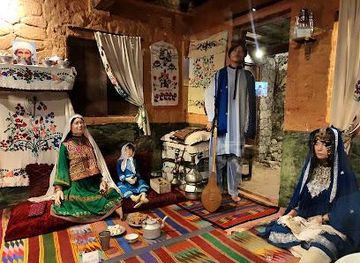

Best landmarks in Pothohar Plateau
The Pothohar Plateau in Pakistan is a treasure trove of historical and natural wonders that beckon the curious traveler. Immerse yourself in the enigmatic rock carvings of Shah Allah Ditta Caves, marvel at the ancient Buddhist stupas of Taxila, a UNESCO World Heritage site, or wander through the labyrinthine streets of Rawalpindi's Raja Bazaar, where history whispers from every corner. The plateau's picturesque landscapes, framed by the Margalla Hills, offer stunning hiking trails and panoramic views. Discover the centuries-old Katas Raj Temples, reflecting the region's diverse religious heritage, and experience the awe-inspiring architecture of Rohtas Fort, a testament to Mughal ingenuity. Whether you're an archaeology enthusiast, a history buff, or a nature lover, Pothohar Plateau promises a journey back in time through its myriad of captivating landmarks.
-
National park
Ayub National Park
Explore the natural beauty and diverse wildlife of Ayub National Park, a tranquil escape in Rawalpindi, Pakistan, perfect for outdoor adventures and relaxation.
-
Heritage museum
Lok Virsa Heritage Museum
Explore Pakistan's rich heritage at the Lok Virsa Heritage Museum, where art and culture come together in a vibrant celebration of tradition.
-
Museum
Pakistan Monument Museum
Explore the vibrant history and culture of Pakistan at the Pakistan Monument Museum, a must-visit destination in Islamabad for all tourists.
-
Tourist attraction
Rohtas Fort
Discover Rohtas Fort, a UNESCO World Heritage site in Jhelum, Pakistan, showcasing stunning Mughal architecture and rich historical significance.

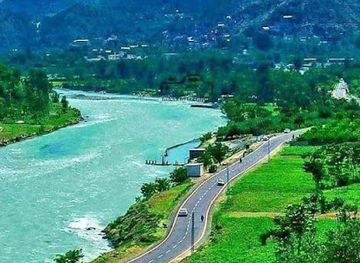
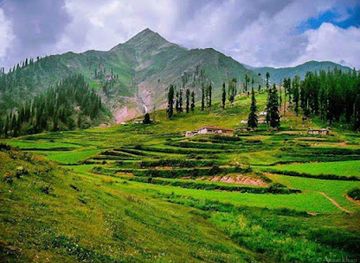
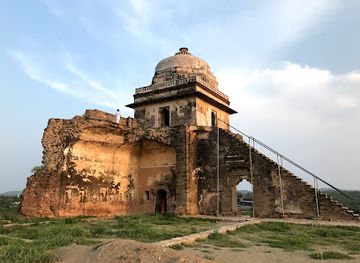
Explore Pothohar Plateau on the map
Plan your trip on one map. See where the top cities, national parks and sights are, and book hotels and experiences in a few clicks.
Best hotels in Pothohar Plateau
Best restaurants in Pothohar Plateau
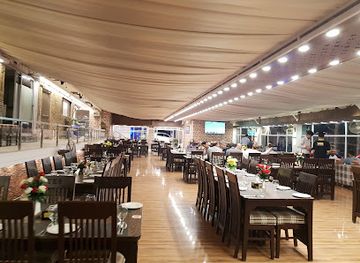
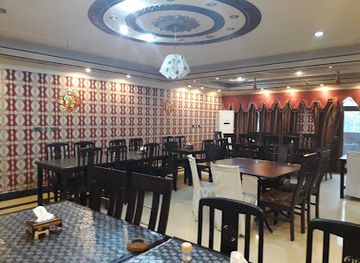
The dining scene of the Pothohar Plateau is a tantalizing mosaic of flavors that reflect its rich cultural tapestry and historical depth. Visitors can expect to savor traditional Pakistani dishes like 'Pothwari Karahi,' a spicy, aromatic meat stew that is a local favorite, and 'Makki di Roti' with 'Sarson da Saag,' a wholesome cornmeal bread served with mustard greens. Street food enthusiasts will delight in the bustling markets of Rawalpindi, where vendors offer everything from 'Chana Chaat' to 'Gol Gappay,' crispy hollow spheres filled with tangy tamarind water. The region also boasts a variety of dining experiences, from rustic roadside 'dhabas' to sophisticated restaurants offering panoramic views of the ancient landscapes. Fresh local produce, aromatic spices, and centuries-old recipes converge to create a culinary experience that is both authentic and unforgettable.
-
Restaurant
TKR 3
Experience the vibrant flavors of Pakistan at TKR 3 in Islamabad – where culinary tradition meets modern dining.
-
Restaurant
Khyber Shinwari
Experience the rich flavors of Pakistan at Khyber Shinwari, famous for its mutton chops and vibrant atmosphere in Islamabad.
-
Restaurant
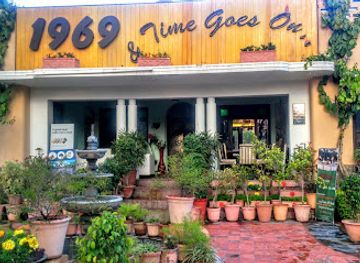
1969 Restaurant
Experience exquisite flavors at 1969 Restaurant in Islamabad - where culinary tradition meets modern elegance.
-
Restaurant
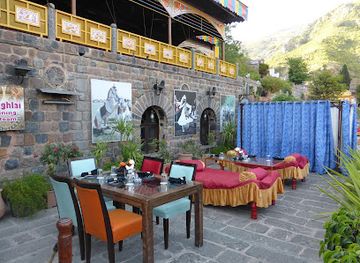
Des Pardes Restaurant
Experience authentic Pakistani flavors in a serene setting at Des Pardes Restaurant in Islamabad.
Best bars in Pothohar Plateau
The nightlife scene in the Pothohar Plateau offers a unique blend of cultural experiences and modern entertainment. As the sun sets, the cities within the plateau come alive with traditional music performances in open-air venues, where the soulful sounds of the sitar and tabla resonate under the starlit sky. Visitors can explore local bazaars that stay open late, offering an array of street food, crafts, and souvenirs. Some towns boast contemporary lounges and rooftop bars that provide stunning views of the rugged landscape, serving a mix of local brews and international cocktails. Nighttime tours of ancient ruins and historical sites, often illuminated beautifully, add a mystical charm to the area, making Pothohar Plateau a captivating destination for night owls and culture enthusiasts alike.
-
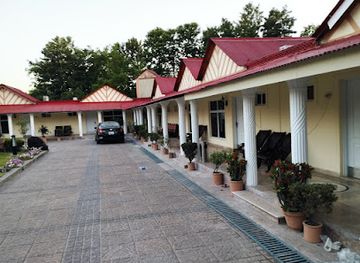
Lodging
Jungle Barracks
Experience tranquility and adventure at Jungle Barracks, your ideal lodging in the heart of Ayub National Park, Rawalpindi, Punjab.
-
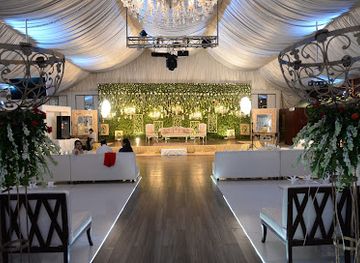
Wedding venue
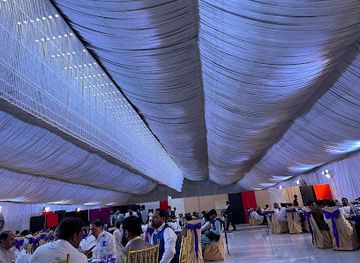
Potohar Qila Marquee
Discover the elegance of Potohar Qila Marquee, a premier wedding venue in Rawalpindi, perfect for unforgettable celebrations and events.
-
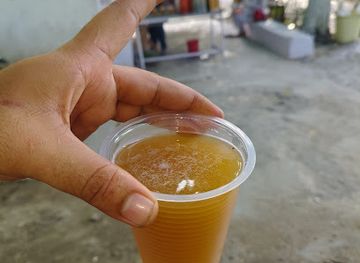
Bar
Imli aloo bukhara juice corner
Experience the refreshing taste of Imli Aloo Bukhara and other vibrant juices at this popular corner bar in Islamabad.
-
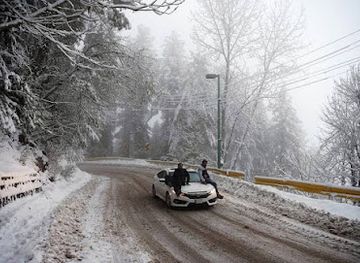
Hotel
Murree Ayubia Hotel
Discover tranquility and breathtaking views at Murree Ayubia Hotel, your perfect mountain getaway in Pakistan's scenic paradise.
Best nightclubs in Pothohar Plateau
The nightlife scene in the Pothohar Plateau offers a unique blend of cultural experiences and modern entertainment. As the sun sets, the cities within the plateau come alive with traditional music performances in open-air venues, where the soulful sounds of the sitar and tabla resonate under the starlit sky. Visitors can explore local bazaars that stay open late, offering an array of street food, crafts, and souvenirs. Some towns boast contemporary lounges and rooftop bars that provide stunning views of the rugged landscape, serving a mix of local brews and international cocktails. Nighttime tours of ancient ruins and historical sites, often illuminated beautifully, add a mystical charm to the area, making Pothohar Plateau a captivating destination for night owls and culture enthusiasts alike.
-
Wedding venue
Potohar Qila Marquee
Discover the elegance of Potohar Qila Marquee, a premier wedding venue in Rawalpindi, where tradition meets luxury in a stunning setting.
-
Club
The French Club 21
Discover the lively nightlife at The French Club 21 in Islamabad, where French elegance meets vibrant club culture for an unforgettable experience.
-
Library
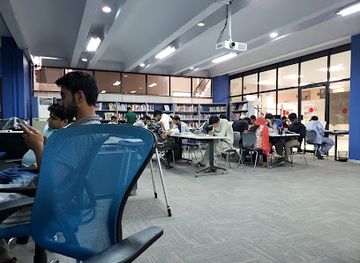
Lincoln Reading Lounge
Explore the Lincoln Reading Lounge in Islamabad, a perfect blend of tranquility and literature within the National Library of Pakistan.
-
 Lounge
Webpreneur Lounge
Discover the Webpreneur Lounge in Islamabad: your ideal spot for relaxation and productivity amidst the city's vibrant culture.
Best shops in Pothohar Plateau
The Pothohar Plateau offers a vibrant and eclectic shopping experience that captures the essence of its rich cultural tapestry. Visitors can explore bustling bazaars brimming with traditional handicrafts, including intricately woven textiles, hand-carved wooden artifacts, and dazzling jewelry that reflects the region's ancient heritage. The local markets also feature a variety of spices, aromatic teas, and organic produce, providing an authentic taste of Pothohar's culinary delights. Artisans and vendors are often eager to share stories about their crafts, making each purchase a memorable cultural exchange. Be prepared to haggle, as the spirited negotiations are an integral part of the shopping adventure, adding to the overall charm and excitement of your visit.
-
Shopping mall
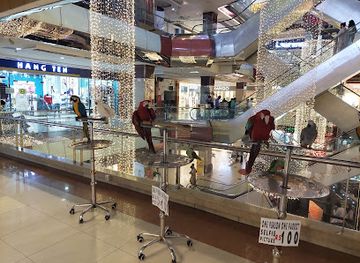
Centaurus Mall
Discover a world of shopping, dining, and entertainment at Centaurus Mall in Islamabad, the ultimate destination for tourists and locals alike.
-
Shopping mall
Giga Mall
Discover the ultimate shopping and entertainment experience at Giga Mall, Islamabad's premier destination for fashion, food, and fun.
-
Tourist attraction
Daman-e-Koh
Explore Daman-e-Koh, Islamabad's premier viewpoint for stunning cityscapes and nature trails, perfect for hiking and photography enthusiasts.
-
Tourist attraction
Rohtas Fort
Discover Rohtas Fort, a UNESCO World Heritage Site in Punjab, Pakistan, showcasing stunning architecture and rich history amidst breathtaking views.
Get your free copy of our complete guide to Pothohar Plateau, delivered straight to you.
Everything on this page, from attractions and restaurants to essentials and local phrases, in one PDF you can read offline, print or share.
Already have an account? Sign in
Your Pothohar Plateau guide is ready.
We'll send it to · Not you? Sign out

Getting your guide ready…
We are putting together a fresh copy of the Pothohar Plateau guide. This can take up to a minute.
This can take a few moments. If your browser asks, choose Allow so the download can start. You'll find the guide in your Downloads folder.
Nothing happened? Download it again
Sorry, the guide is taking longer than usual. Please try again in a minute, or get it by email instead.
Pothohar Plateau essentials
Currency and Payment
Safety
Emergency Situations
Do's and Don'ts
Local Tips
From Eve
Local phrases worth knowing
You don't need to get them perfect. A few words go a long way, and locals appreciate the effort.
Basics
| English | Local | Say it |
|---|---|---|
| Hello | سلام | [Salam] |
| Goodbye | خدا حافظ | [Khuda Hafiz] |
| Yes | جی ہاں | [Ji Haan] |
| No | نہیں | [Nahin] |
| Please/You're welcome | براہ کرم/خوش آمدید | [Barah-e-Karam/Khush Aamdeed] |
| Thank you | شکریہ | [Shukriya] |
| Excuse me/Sorry | معاف کیجئے/معاف کرنا | [Maaf Kijiye/Maaf Karna] |
| How are you? | آپ کیسے ہیں؟ | [Aap Kaise Hain?] |
| Fine. And you? | ٹھیک ہوں۔ اور آپ؟ | [Theek Hoon. Aur Aap?] |
| Do you speak English? | کیا آپ انگریزی بولتے ہیں؟ | [Kya Aap Angrezi Bolte Hain?] |
| I don't understand | مجھے سمجھ نہیں آتا | [Mujhe Samajh Nahin Aata] |
Eating & Drinking
| English | Local | Say it |
|---|---|---|
| I'd like to see the menu, please | براہ کرم مینو دکھائیں | [Barah-e-Karam Menu Dikhain] |
| I don't eat meat | میں گوشت نہیں کھاتا | [Main Gosht Nahin Khaata] |
| Cheers! | چینج! | [Cheers!] |
| I would like to pay, please | براہ کرم میں ادا کرنا چاہتا ہوں | [Barah-e-Karam Main Ada Karna Chahta Hoon] |
Emergencies
| English | Local | Say it |
|---|---|---|
| Help! | مدد! | [Madad!] |
| Go away! | چلے جاؤ! | [Chalay Jao!] |
| Call the Police! | پولیس کو بلاؤ! | [Police Ko Bulao!] |
| Call a doctor! | ڈاکٹر کو بلاؤ! | [Doctor Ko Bulao!] |
| I'm lost | میں کھو گیا ہوں | [Main Kho Gaya Hoon] |
| I'm ill | میں بیمار ہوں | [Main Beemar Hoon] |
Shopping
| English | Local | Say it |
|---|---|---|
| I'd like to buy... | میں خریدنا چاہتا ہوں... | [Main Khareedna Chahta Hoon...] |
| I'm just looking | میں صرف دیکھ رہا ہوں | [Main Sirf Dekh Raha Hoon] |
| How much is it? | یہ کتنے کا ہے؟ | [Yeh Kitne Ka Hai?] |
| That's too expensive | یہ بہت مہنگا ہے | [Yeh Bohat Mehnga Hai] |
| Can you lower the price? | کیا آپ قیمت کم کر سکتے ہیں؟ | [Kya Aap Qeemat Kam Kar Sakte Hain?] |
Time & Numbers
| English | Local | Say it |
|---|---|---|
| What time is it? | کیا وقت ہوا ہے؟ | [Kya Waqt Hua Hai?] |
| It's one o'clock | یہ ایک بجے ہیں | [Yeh Aik Baje Hain] |
| Half past (10) | ساڑھے (10) | [Saadhe (10)] |
| Morning | صبح | [Subah] |
| Afternoon | دوپہر | [Dopahar] |
| Evening | شام | [Shaam] |
| Yesterday | کل | [Kal] |
| Today | آج | [Aaj] |
| Tomorrow | کل | [Kal] |
| 1 | ایک | [Aik] |
| 2 | دو | [Do] |
| 3 | تین | [Teen] |
| 4 | چار | [Chaar] |
| 5 | پانچ | [Paanch] |
| 6 | چھ | [Chay] |
| 7 | سات | [Saat] |
| 8 | آٹھ | [Aath] |
| 9 | نو | [Nau] |
| 10 | دس | [Das] |
Transport & Directions
| English | Local | Say it |
|---|---|---|
| Where's a/the...? | کہاں ہے...؟ | [Kahan Hai...?] |
| What's the address? | پتہ کیا ہے؟ | [Pata Kya Hai?] |
| Can you show me (on the map)? | کیا آپ مجھے دکھا سکتے ہیں (نقشے پر)? | [Kya Aap Mujhe Dikhai Sakte Hain (Naqshay Par)?] |
| When's the next (bus)? | اگلی (بس) کب ہے؟ | [Agli (Bus) Kab Hai?] |
| A ticket (to ....) | ایک ٹکٹ (.... کے لئے) | [Aik Ticket (.... Ke Liye)] |
History of Pothohar Plateau
The Ancient Roots: Prehistoric Inhabitants
Pothohar Plateau is a testament to early human civilization, with archaeological findings dating back to the Stone Age. The region is home to the Soan Valley, where tools and fossils from early humans have been discovered, indicating a thriving prehistoric community. This plateau served as a cradle for human development, with evidence of human activity stretching back hundreds of thousands of years.
Gandhara Civilization: A Cultural Melting Pot
In ancient times, the Pothohar Plateau was part of the Gandhara civilization, a major center of Buddhist culture. The city of Taxila, located within this region, was a renowned hub of learning and culture. Founded around 1000 BCE, Taxila became a melting pot of Greek, Persian, and Indian influences, particularly during the reign of Emperor Ashoka, who embraced Buddhism and promoted its spread throughout his empire.
The Incursion of Alexander the Great
In 326 BCE, the Pothohar Plateau witnessed the arrival of Alexander the Great as he ventured into the Indian subcontinent. The Battle of the Hydaspes, fought near the Jhelum River, marked a significant encounter between Alexander and King Porus. Alexander's invasion left a lasting imprint on the region, introducing Hellenistic influences and establishing Greek settlements that thrived for centuries.
Islamic Conquests and Mughal Influence
The arrival of Islam in the 8th century transformed the cultural and architectural landscape of the Pothohar Plateau. The region fell under the rule of various Islamic dynasties, including the Ghaznavids, Ghurids, and Mughals. The Mughal period, in particular, left a profound legacy with the construction of grand mosques, forts, and gardens. Rohtas Fort, built by Sher Shah Suri, stands as a UNESCO World Heritage Site, exemplifying the strategic and architectural prowess of the era.
The British Colonial Era
The 19th century saw the Pothohar Plateau coming under British colonial rule. The British developed infrastructure, including railways and roads, which significantly impacted the region's connectivity and economy. The area became a focal point during the Indian Rebellion of 1857, with numerous skirmishes and uprisings against colonial forces. The British influence is still visible in the architecture of cities like Rawalpindi, which served as a major military garrison town.
The Struggle for Independence
The Pothohar Plateau played a pivotal role in the struggle for independence from British rule. It was a hotbed of political activity, with leaders like Liaquat Ali Khan and Allama Iqbal hailing from this region. The All India Muslim League, which spearheaded the demand for a separate Muslim state, found strong support here. The creation of Pakistan in 1947 marked the culmination of these efforts, forever altering the region's political and social landscape.
Modern-Day Pothohar: A Blend of Tradition and Progress
Today, the Pothohar Plateau is a vibrant blend of ancient traditions and modern advancements. It is known for its rich cultural heritage, with numerous festivals, traditional crafts, and culinary delights. The region's natural beauty, marked by rolling hills, rivers, and archaeological sites, continues to attract tourists and history enthusiasts from around the world. As Pakistan progresses, Pothohar remains a testament to the country's diverse and storied past.
Pothohar Plateau in Photos
Browse through our photo collection highlighting the charm and character of the destination.
Neighbouring regions of Pothohar Plateau
The closest regions to Pothohar Plateau, if you have time for more than one.
-

-

-

-

-


Swipe for more regions
Explore more

Explore more of Pakistan
Discover Pakistan: A land of majestic mountains, rich history, and delicious cuisine, where every journey is an adventure and every moment is filled with wonder.
Explore Pakistan