

Gandhara, Pakistan Travel Guide
Explore Gandhara in Pakistan - a captivating blend of ancient Buddhist and Hellenistic cultures, featuring historic ruins, unique art, and rich archaeological heritage.
Gandhara, located in present-day Pakistan, is a treasure trove of history and culture. This ancient region, once a melting pot of Buddhist and Hellenistic influences, offers a fascinating glimpse into the past. Visitors to Gandhara can explore the impressive ruins of monasteries, stupas, and ancient cities that tell the story of a bygone era. The region is renowned for its unique art and architecture, known as Gandharan art, which is a blend of Greek, Persian, and Indian styles. Key sites to visit include the city of Taxila, a UNESCO World Heritage Site, where you can wander through the remains of ancient universities, monasteries, and markets. Another must-see is the Buddhist ruins of Takht-i-Bahi, perched on a hilltop with panoramic views of the surrounding landscape. For those interested in archaeology and history, the museums in the region offer a wealth of artifacts and exhibits. The Taxila Museum, in particular, houses an impressive collection of sculptures, coins, and relics from the Gandharan era. Whether you're a history buff or simply looking to explore a unique cultural destination, Gandhara promises an enriching experience that will transport you back in time.

Know before you go
Hi, I'm Eve. Here are a few practical things to know before exploring Gandhara.
- Visit during spring or autumn for the best weather conditions.
- Wear comfortable walking shoes, as many sites require a fair amount of walking.
- Hire a local guide for an in-depth understanding of the historical sites.
- Bring a hat and sunscreen, especially if visiting outdoor ruins.
- Don't miss the Taxila Museum for a comprehensive overview of Gandharan history.
Top City Travel Guides in Gandhara
The cities of Gandhara, and the easiest places to base yourself.


Destinations in Gandhara
Resorts, valleys and scenic spots worth a trip of their own.


Explore Gandhara: Things to Do, Places to Eat, Hotels & More
Handpicked recommendations for top attractions, local dining, accommodations, and more

Top Attractions & Sightseeing in Gandhara
Top-rated picks
Best Attractions

Faisal Mosque Islamabad
Discover the awe-inspiring Faisal Mosque, an iconic symbol of Islamabad, showcasing modern Islamic architecture and serene beauty amidst nature.

Daman-e-Koh
Discover breathtaking views and serene hiking trails at Daman-e-Koh, Islamabad's premier tourist attraction for nature lovers.

Lok Virsa Heritage Museum
Explore the cultural heart of Pakistan at Lok Virsa Heritage Museum, showcasing diverse traditions, crafts, and performances in Islamabad.

Lahore Museum
Explore the Lahore Museum, a treasure trove of Pakistan's history, art, and culture, showcasing artifacts from ancient civilizations to the modern era.

Best landmarks in Gandhara
Top-rated picks
Best Landmarks

Lahore Fort
Discover the grandeur of Lahore Fort, a UNESCO World Heritage site showcasing the exquisite Mughal architecture and rich history of Pakistan.
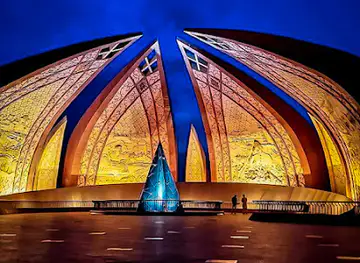
Pakistan Monument
Explore the Pakistan Monument: A stunning tribute to the country’s unity and cultural heritage, offering breathtaking views and rich history in Islamabad.

Lok Virsa Heritage Museum
Explore the vibrant cultural heritage of Pakistan at Lok Virsa Heritage Museum, a must-visit destination for art and culture enthusiasts in Islamabad.

Lahore Museum
Explore the rich cultural heritage of Pakistan at Lahore Museum, home to an extensive collection of historical artifacts and art.

Best restaurants in Gandhara
Top-rated picks
Best Restaurants

The Monal Islamabad
Experience breathtaking views and exquisite Pakistani cuisine at The Monal Islamabad, where every meal becomes a celebration.

Kolachi Restaurant
Experience authentic Pakistani cuisine with stunning sea views at Kolachi Restaurant in Karachi – a true culinary gem by the coast.

Dera Restaurant
Discover authentic Pakistani flavors at Dera Restaurant in Lahore—where every dish tells a story.

Ginyaki
Discover authentic Chinese flavors at Ginyaki in Islamabad – a perfect dining spot for every food lover.

Best bars in Gandhara
Top-rated picks
Best Bars

MaiKada Cafe and Restaurant /Best Sheesha cafe in Islamabad Shisha Shesha Lounge hookah lounge In Islamabad F10 Pakistan
Discover Islamabad's MaiKada Cafe - where delicious cuisine meets the finest shisha experience in a vibrant and welcoming atmosphere.
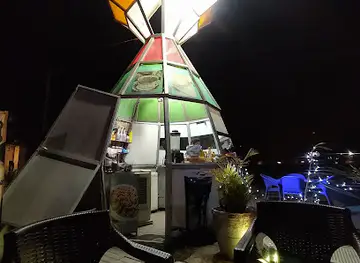
Mocktail Bar
Discover the vibrant Mocktail Bar in Lahore, where creativity meets refreshment in a lively, alcohol-free atmosphere.

Deshan Snooker Club
Experience the thrill of snooker at Deshan Snooker Club in Abbottabad, where sports and socializing come together in a vibrant atmosphere.

State/Diplomatic Lounge
Experience luxury and comfort at the State/Diplomatic Lounge in Islamabad Gandhara International Airport, the perfect escape for travelers.

Best nightclubs in Gandhara
Top-rated picks
Best Nightclubs

The French Club 21
Discover the vibrant nightlife at The French Club 21 in Islamabad's Diplomatic Enclave, where French elegance meets lively entertainment.

State/Diplomatic Lounge
Discover unparalleled comfort and tranquility at the State/Diplomatic Lounge, the perfect haven for travelers at Islamabad Gandhara International Airport.
Webpreneur Lounge
Discover the vibrant Webpreneur Lounge in Islamabad, a perfect blend of creativity and productivity for entrepreneurs and creatives alike.

CC Lounge
Discover the elegance of CC Lounge in Islamabad, a luxurious retreat for gourmets and socializers amidst a vibrant city atmosphere.

Best shops in Gandhara
Top-rated picks
Best Shops

Centaurus Mall
Experience shopping, dining, and entertainment at Centaurus Mall, a premier destination in Islamabad offering a taste of modern luxury.

Pardah Clothing Brand and Maxi House,Pakistan🇵🇰
Explore Pardah Clothing Brand and Maxi House in Rawalpindi – A hub for traditional Pakistani fashion blending heritage and modernity.

Haroon’s
Explore Haroon's in Islamabad for an exceptional selection of local gifts, handicrafts, and souvenirs that capture the essence of Pakistani culture.

Kayal, Islamabad
Discover Kayal in Islamabad, a charming gift shop offering unique souvenirs and stylish women's clothing, perfect for every traveler.

Explore Gandhara on the Map
A handpicked selection of must-see spots in Gandhara, mapped for you.
Gandhara Essentials
-
Gandhara is located in the Khyber Pakhtunkhwa province of Pakistan. The nearest international airport is Islamabad International Airport, approximately 150 kilometers away from the heart of Gandhara. From Islamabad, you can take a taxi, a bus, or rent a car to reach Gandhara. The journey typically takes around 2 to 3 hours by road. There are also domestic flights available to Peshawar, which is closer to Gandhara, followed by a road trip of about an hour.
-
Within Gandhara, you can use local taxis, rickshaws, and buses for transportation. Renting a car is also a convenient option if you prefer to explore at your own pace. Public buses operate regularly and are an inexpensive way to travel. For short distances, rickshaws are a popular choice among locals and tourists alike.
-
The official currency in Pakistan is the Pakistani Rupee (PKR). Credit cards are accepted in major hotels, restaurants, and shops, but it is advisable to carry cash, especially when visiting smaller establishments. ATMs are available in major towns, but it is recommended to withdraw sufficient cash before traveling to remote areas.
-
Gandhara is generally a safe destination for tourists, but it is advisable to take standard precautions. Avoid walking alone at night in unfamiliar areas and keep an eye on your belongings in crowded places. Areas with higher crime rates targeting tourists are rare, but staying vigilant is always wise. Avoid political gatherings and protests.
-
In case of emergency, dial 1122 for immediate assistance, which is the emergency number for police, fire, and medical services. Major towns in Gandhara have medical facilities and police stations. It is recommended to have travel insurance that covers medical emergencies. For minor health issues, there are pharmacies where you can purchase over-the-counter medications.
-
Fashion: Do dress modestly, especially when visiting religious sites. Avoid wearing revealing clothing. Religion: Do respect local customs and traditions. Always cover your head when entering mosques and religious shrines. Public Transport: Do be respectful and give up your seat to elderly passengers. Don't eat or drink on public transport. Greetings: Do greet people with a handshake if you are a man. Women should wait to see if a hand is offered. Eating & Drinking: Do try local delicacies and accept food offerings graciously. Don’t refuse hospitality, as it is considered impolite.
-
To experience Gandhara like a local, visit the bustling bazaars where you can buy traditional crafts and local goods. Engage with locals, as they are often friendly and willing to share stories about the region's rich history and culture. Don't miss visiting the ancient Buddhist sites such as Taxila and Takht-i-Bahi, which offer a glimpse into the area's historical significance. For a unique experience, attend local festivals and try traditional foods like Chapli Kebab and Peshawari Naan.
When is the best time to visit Gandhara?
Useful Local Phrases for Gandhara
You don't need to speak the language perfectly. Even learning a few simple words can make conversations warmer—and locals usually appreciate the effort.
— Eve

Here are the phrases I use most often in Gandhara. Try a few—you'll be surprised how far they go! 😊
❤️
-
- Helloالسلام علیکم
[Assalamu Alaikum] - Goodbyeالوداع
[Alvida] - Yesجی ہاں
[Ji Haan] - Noنہیں
[Nahin] - Please/You're welcomeبراہ کرم/خوش آمدید
[Barah-e-Karam/Khosh Aamdeed] - Thank youشکریہ
[Shukriya] - Excuse me/Sorryمعاف کیجیے/معاف کرنا
[Maaf Kijiye/Maaf Karna] - How are you?آپ کیسے ہیں؟
[Aap Kaise Hain?] - Fine. And you?ٹھیک ہوں۔ اور آپ؟
[Theek Hoon. Aur Aap?] - Do you speak English?کیا آپ انگریزی بولتے ہیں؟
[Kya Aap Angrezi Bolte Hain?] - I don't understandمجھے سمجھ نہیں آتا
[Mujhe Samajh Nahin Aata]
- Helloالسلام علیکم
-
- I'd like to see the menu, pleaseبراہ کرم مینو دکھائیں
[Barah-e-Karam Menu Dikhain] - I don't eat meatمیں گوشت نہیں کھاتا
[Main Gosht Nahin Khata] - Cheers!زندہ باد!
[Zinda Baad!] - I would like to pay, pleaseبراہ کرم میں ادا کرنا چاہوں گا
[Barah-e-Karam Main Ada Karna Chahoon Ga]
- I'd like to see the menu, pleaseبراہ کرم مینو دکھائیں
-
- Help!مدد کریں!
[Madad Karein!] - Go away!چلے جاؤ!
[Chalay Jao!] - Call the Police!پولیس کو بلائیں!
[Police Ko Bulain!] - Call a doctor!ڈاکٹر کو بلائیں!
[Doctor Ko Bulain!] - I'm lostمیں کھو گیا ہوں
[Main Kho Gaya Hoon] - I'm illمیں بیمار ہوں
[Main Bimar Hoon]
- Help!مدد کریں!
-
- I'd like to buy...میں خریدنا چاہتا ہوں...
[Main Kharidna Chahta Hoon...] - I'm just lookingمیں صرف دیکھ رہا ہوں
[Main Sirf Dekh Raha Hoon] - How much is it?یہ کتنے کا ہے؟
[Yeh Kitne Ka Hai?] - That's too expensiveیہ بہت مہنگا ہے
[Yeh Bohat Mehnga Hai] - Can you lower the price?کیا آپ قیمت کم کر سکتے ہیں؟
[Kya Aap Qeemat Kam Kar Sakte Hain?]
- I'd like to buy...میں خریدنا چاہتا ہوں...
-
- What time is it?کیا وقت ہوا ہے؟
[Kya Waqt Hua Hai?] - It's one o'clockیہ ایک بجے ہیں
[Yeh Ek Baje Hain] - Half past (10)ساڑھے دس
[Saade Das] - Morningصبح
[Subah] - Afternoonدوپہر
[Dopahar] - Eveningشام
[Shaam] - Yesterdayکل
[Kal] - Todayآج
[Aaj] - Tomorrowکل
[Kal] - 1ایک
[Aik] - 2دو
[Do] - 3تین
[Teen] - 4چار
[Chaar] - 5پانچ
[Paanch] - 6چھ
[Chay] - 7سات
[Saat] - 8آٹھ
[Aath] - 9نو
[Nau] - 10دس
[Das]
- What time is it?کیا وقت ہوا ہے؟
-
- Where's a/the...?کہاں ہے ...؟
[Kahan Hai ...?] - What's the address?پتہ کیا ہے؟
[Pata Kya Hai?] - Can you show me (on the map)?کیا آپ مجھے دکھا سکتے ہیں؟
[Kya Aap Mujhe Dikha Sakte Hain?] - When's the next (bus)?اگلی (بس) کب ہے؟
[Agli (Bus) Kab Hai?] - A ticket (to ....)ایک ٹکٹ (.... کے لیے)
[Ek Ticket (.... Ke Liye)]
- Where's a/the...?کہاں ہے ...؟
History of Gandhara
-
Gandhara, located in present-day northern Pakistan, was an ancient region renowned for its cultural and historical significance. It was bordered by the Hindu Kush mountains to the north and the Indus River to the south. The region served as a critical crossroads between the East and West, facilitating trade, cultural exchange, and the spread of Buddhism.
-
Around the 6th century BCE, Gandhara came under the rule of the Achaemenid Empire. The Persian influence brought administrative advancements and introduced new cultural elements to the region. Gandhara's strategic location made it a valuable part of the empire, serving as a hub for trade routes extending from Central Asia to India.
-
In 327 BCE, Alexander the Great invaded Gandhara as part of his campaign to conquer the Persian Empire. His arrival marked a significant turning point, as it introduced Hellenistic influence to the region. The fusion of Greek and local cultures led to the development of a unique artistic style known as Greco-Buddhist art.
-
Following Alexander's death, the Mauryan Empire, under Emperor Chandragupta Maurya, took control of Gandhara around 305 BCE. During the reign of Ashoka the Great, the third Mauryan emperor, Buddhism flourished in Gandhara. Ashoka's patronage led to the construction of numerous stupas and monasteries, promoting the spread of Buddhism across Asia.
-
Gandhara became famous for its distinct school of art, which emerged between the 1st century BCE and the 7th century CE. This artistic tradition combined Hellenistic, Roman, Persian, and Indian elements, resulting in exquisite sculptures and architectural marvels. The portrayal of the Buddha in human form, with Greco-Roman influences, became a hallmark of Gandharan art.
-
In the 1st century CE, the Kushan Empire rose to prominence in Gandhara. Under the rule of Emperor Kanishka, the region experienced a golden age of cultural and economic prosperity. The Kushan rulers were great patrons of Buddhism, and Gandhara became a center for Buddhist learning and pilgrimage. Monasteries, stupas, and universities flourished during this period.
-
By the 5th century CE, Gandhara began to decline due to a combination of internal strife and external invasions. The region was ravaged by the Huns, leading to the destruction of many cultural and religious sites. Over time, the prominence of Gandhara diminished, and it eventually faded into obscurity.
-
The remnants of Gandhara's glorious past were rediscovered in the 19th and 20th centuries by archaeologists and historians. Excavations revealed ancient Buddhist monasteries, stupas, and intricate sculptures, shedding light on the region's historical and cultural significance. Today, Gandhara's archaeological sites, such as Taxila and Swat Valley, attract scholars and tourists from around the world.
Neighbouring Regions of Gandhara
The closest regions to Gandhara, if you have time for more than one.



Your all‑in‑one travel companion app
Explore expert travel guides, compare and book tours, experiences, hotels, and more—all from the palm of your hand. Download now for seamless trip planning wherever your wanderlust takes you.


Explore More of Pakistan

Looking beyond Gandhara? Discover Pakistan for broader travel guides, local hot-spots, and regional highlights.
Explore PakistanGandhara in Photos
Browse through our photo collection highlighting the charm and character of the destination.


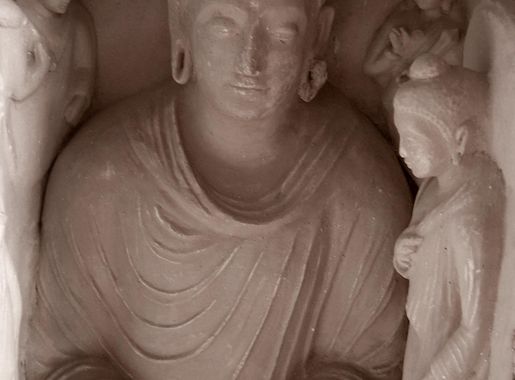


Gandhara: The Ancient Jewel of Pakistan
Gandhara, located in present-day Pakistan, is a treasure trove of history and culture. This ancient region, once a melting pot of Buddhist and Hellenistic influences, offers a fascinating glimpse into the past. Visitors to Gandhara can explore the impressive ruins of monasteries, stupas, and ancient cities that tell the story of a bygone era. The region is renowned for its unique art and architecture, known as Gandharan art, which is a blend of Greek, Persian, and Indian styles. Key sites to visit include the city of Taxila, a UNESCO World Heritage Site, where you can wander through the remains of ancient universities, monasteries, and markets. Another must-see is the Buddhist ruins of Takht-i-Bahi, perched on a hilltop with panoramic views of the surrounding landscape. For those interested in archaeology and history, the museums in the region offer a wealth of artifacts and exhibits. The Taxila Museum, in particular, houses an impressive collection of sculptures, coins, and relics from the Gandharan era. Whether you're a history buff or simply looking to explore a unique cultural destination, Gandhara promises an enriching experience that will transport you back in time.