

Khyber Pakhtunkhwa, Pakistan Travel Guide
Discover Khyber Pakhtunkhwa: A land of ancient trade routes, majestic mountains, and rich cultural heritage in the heart of Pakistan.
Khyber Pakhtunkhwa, often abbreviated as KP, is a breathtaking province in Pakistan known for its rich history, vibrant culture, and stunning landscapes. Nestled in the northwestern region of the country, this area offers a unique blend of ancient traditions and modern attractions, making it a perfect travel destination for adventurous souls and history enthusiasts alike. The province is home to the famous Khyber Pass, a historic trade route that has connected Central Asia to the Indian subcontinent for centuries. Visiting this pass offers a glimpse into the region's strategic importance and its role in shaping the history of South Asia. The rugged mountains and scenic valleys provide incredible opportunities for hiking, trekking, and exploring nature. In addition to its natural beauty, Khyber Pakhtunkhwa boasts several archaeological sites and historic monuments. The ancient city of Peshawar, the provincial capital, is a treasure trove of historical landmarks, including the iconic Bala Hisar Fort and the Peshawar Museum, which houses artifacts from the Gandhara civilization. The region is also known for its warm hospitality, with locals eager to share their traditions, cuisine, and stories with visitors. For those seeking a spiritual experience, Khyber Pakhtunkhwa offers numerous Sufi shrines and religious sites. The serene ambiance and spiritual energy at places like the Shrine of Rahman Baba attract pilgrims and tourists alike. Moreover, the province is a melting pot of cultures and languages, offering a unique opportunity to immerse oneself in the diverse ways of life that characterize this enchanting part of Pakistan.

Know before you go
Hi, I'm Eve. Here are a few practical things to know before exploring Khyber Pakhtunkhwa.
- Dress modestly and respect local customs to ensure a positive interaction with locals.
- Visit the Khyber Pass early in the morning to avoid crowds and enjoy the serene environment.
- Hire a local guide for a richer experience and deeper understanding of historical sites.
- Try traditional Pashtun cuisine, especially dishes like Chapli Kebabs and Peshawari Naan.
- Carry cash as many local markets and smaller establishments do not accept credit cards.
Top City Travel Guides in Khyber Pakhtunkhwa
The cities of Khyber Pakhtunkhwa, and the easiest places to base yourself.


Destinations in Khyber Pakhtunkhwa
Resorts, valleys and scenic spots worth a trip of their own.


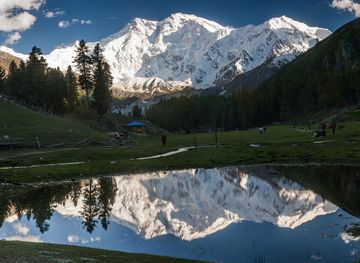
Explore Khyber Pakhtunkhwa: Things to Do, Places to Eat, Hotels & More
Handpicked recommendations for top attractions, local dining, accommodations, and more

Top Attractions & Sightseeing in Khyber Pakhtunkhwa
Top-rated picks
Best Attractions

Garrison Park Peshawar
Discover Garrison Park in Peshawar: a serene urban sanctuary filled with lush greenery, recreational activities, and family-friendly spaces.

Kiwai Waterfall
Experience the breathtaking beauty of Kiwai Waterfall, a serene retreat in Khyber Pakhtunkhwa, Pakistan, perfect for nature lovers and adventure seekers.

Jinnah Park
Discover Jinnah Park, a serene park in Peshawar that blends natural beauty with local culture, showcasing the essence of Pakistan's vibrant heritage.

Tatara Park
Discover Tatara Park, Peshawar's serene green space offering scenic landscapes, family-friendly activities, and a taste of local culture.

Best landmarks in Khyber Pakhtunkhwa
Top-rated picks
Best Landmarks

Fiza Gat Park
Discover tranquility and breathtaking views at Fiza Gat Park, a beautiful oasis in Mingora, gifted by Japan to the people of Pakistan.

Usho Forest (Plain Forest)
Discover the serenity of Usho Forest in Kalam Valley, a national treasure of lush greenery and diverse wildlife perfect for adventure and relaxation.

Garrison Park Peshawar
Explore Garrison Park in Peshawar, a lush escape with vibrant gardens, recreational activities, and scenic views that showcase the city's natural charm.

Kohati Gate
Explore Kohati Gate, a historical gem in Peshawar, where the echoes of the past meet the vibrant life of present-day Pakistan.

Best restaurants in Khyber Pakhtunkhwa
Top-rated picks
Best Restaurants

Shiraz Ronaq
Discover the rich flavors of traditional Pakistani cuisine at Shiraz Ronaq - an unforgettable buffet experience in Peshawar.

Hujra Restaurant
Experience authentic Pakistani cuisine at Hujra Restaurant in Peshawar - where tradition meets taste.

G Qurban Restaurant
Discover authentic Pakistani flavors at G Qurban Restaurant in Mingora – where every dish tells a story.

Zaiqa Restaurant
Discover authentic Pakistani flavors at Zaiqa Restaurant in Peshawar—where tradition meets taste.

Best bars in Khyber Pakhtunkhwa
Top-rated picks
Best Bars

Shiraz Ronaq
Discover the rich flavors of traditional Pakistani cuisine at Shiraz Ronaq, Peshawar's top buffet restaurant known for its warm hospitality.

Hujra Restaurant
Experience the rich flavors of Peshawar at Hujra Restaurant, where tradition meets culinary excellence in a warm and inviting setting.

Cafe Crunch
Discover the culinary heart of Peshawar at Cafe Crunch, a delightful restaurant with a vibrant atmosphere and exquisite international and local dishes.

Bannu Beef Pulao & Sweet Bar
Discover the authentic taste of Khyber Pakhtunkhwa at Bannu Beef Pulao & Sweet Bar, where every bite tells a story of rich culinary traditions.

Best nightclubs in Khyber Pakhtunkhwa
Top-rated picks
Best Nightclubs

Tut bar
Experience the vibrant nightlife at Tut Bar in Peshawar, a lively club perfect for socializing, dancing, and enjoying local music.

The Q Club
Discover the electrifying nightlife at The Q Club in Risalpur, where great music and vibrant energy unite for an unforgettable experience.

Hill Club
Discover the lively nightlife of Hill Club in Haripur, Khyber Pakhtunkhwa – a premier destination for music, dance, and unforgettable experiences.

Thakisar Naag Cricket Park
Discover the vibrant atmosphere and sporting excitement at Thakisar Naag Cricket Park in Haripur, Khyber Pakhtunkhwa, a must-visit for every traveler.

Best shops in Khyber Pakhtunkhwa
Top-rated picks
Best Shops

Khaksar
Explore Khaksar, a vibrant shopping mall in Swabi, offering local crafts, modern goods, and delightful dining experiences.

HBK Arena
Experience the best shopping and dining at HBK Arena, Peshawar's lively hub for tourists and locals alike.

Wadud Home Store
Discover authentic Pakistani fashion at Wadud Home Store, a unique shopping destination in Peshawar offering a blend of traditional and modern styles.

Khyber City Mall
Discover a vibrant shopping experience at Khyber City Mall in Swabi, where diverse stores and culinary delights await every traveler.

Explore Khyber Pakhtunkhwa on the Map
A handpicked selection of must-see spots in Khyber Pakhtunkhwa, mapped for you.
Khyber Pakhtunkhwa Essentials
-
Khyber Pakhtunkhwa (KP) is accessible by air, road, and rail. The main international gateway is Bacha Khan International Airport in Peshawar, with flights from major cities in Pakistan and select international destinations. From Islamabad, you can take a domestic flight or travel by road, which takes roughly 2-3 hours. Road travel is facilitated by the M-1 Motorway. For a scenic alternative, the Pakistan Railways offers train routes linking major cities to KP.
-
Within KP, various modes of transportation are available, including buses, taxis, rickshaws, and car rentals. Public buses connect major cities and towns, while taxis and rickshaws are convenient for shorter distances. For a more comfortable experience, ride-hailing services like Careem and Uber operate in larger cities like Peshawar. Renting a car can also be a good option for exploring the region at your own pace.
-
The official currency is the Pakistani Rupee (PKR). Credit and debit cards are accepted in larger cities and at major hotels, restaurants, and shops. However, cash is essential for smaller towns and rural areas. ATMs are widely available, but it's advisable to carry sufficient cash when venturing into less developed regions.
-
KP is generally safe for tourists, but it's important to stay vigilant. Avoid traveling to areas near the Afghan border and stay updated on any travel advisories. Peshawar has some neighborhoods with higher crime rates, so avoid isolated areas, especially at night. Petty crime like pickpocketing can occur in crowded places, so keep your belongings secure.
-
In case of an emergency, dial 1122 for immediate assistance. Major cities have hospitals and clinics that provide quality healthcare. It's advisable to have travel insurance that covers medical emergencies. For minor health issues, pharmacies are widely available. Keep a list of emergency contacts, including your country's embassy or consulate.
-
Fashion: Do dress modestly, covering shoulders and knees, especially in rural areas and religious sites. Avoid wearing revealing clothing. Religion: Do respect local customs and traditions. Always remove your shoes and cover your head when entering mosques. Public Transport: Do be respectful and give up your seat to elderly passengers. Don’t eat or drink on public transport. Greetings: Do greet people with a handshake. In rural areas, a slight nod or placing your hand over your heart can be a sign of respect. Eating & Drinking: Do try local delicacies and accept food offerings graciously. Don’t refuse hospitality, as it is considered impolite.
-
To experience KP like a local, visit the bustling markets of Peshawar, where you can buy traditional goods and taste local cuisine. Engage with locals, as they are often friendly and willing to share stories about the region's rich history and culture. Don't miss the opportunity to visit historical sites like the Bala Hisar Fort and the ancient Buddhist ruins in Swat Valley. For outdoor enthusiasts, the scenic beauty of places like the Kaghan and Naran valleys is a must-see.
When is the best time to visit Khyber Pakhtunkhwa?
Useful Local Phrases for Khyber Pakhtunkhwa
You don't need to speak the language perfectly. Even learning a few simple words can make conversations warmer—and locals usually appreciate the effort.
— Eve

Here are the phrases I use most often in Khyber Pakhtunkhwa. Try a few—you'll be surprised how far they go! 😊
❤️
-
- Helloسلام
[Salam] - Goodbyeخداحافظ
[Khuda Hafiz] - Yesجی ہاں
[Ji Haan] - Noنہیں
[Nahi] - Please/You're welcomeمہربانی
[Meherbani] - Thank youشکریہ
[Shukriya] - Excuse me/Sorryمعاف کیجیے
[Maaf Kijiye] - How are you?آپ کیسے ہیں؟
[Aap Kaise Hain?] - Fine. And you?ٹھیک ہوں۔ اور آپ؟
[Theek Hoon. Aur Aap?] - Do you speak English?کیا آپ انگریزی بولتے ہیں؟
[Kya Aap Angrazi Bolte Hain?] - I don't understandمجھے سمجھ نہیں آتا
[Mujhe Samajh Nahi Aata]
- Helloسلام
-
- I'd like to see the menu, pleaseمہربانی کرکے مینو دکھائیں
[Meherbani Karke Menu Dikhain] - I don't eat meatمیں گوشت نہیں کھاتا
[Main Gosht Nahi Khata] - Cheers!زندہ باد!
[Zinda Baad!] - I would like to pay, pleaseمہربانی کرکے میں بل دینا چاہتا ہوں
[Meherbani Karke Main Bill Dena Chahta Hoon]
- I'd like to see the menu, pleaseمہربانی کرکے مینو دکھائیں
-
- Help!مدد کریں!
[Madad Karein!] - Go away!چلے جاؤ!
[Chalay Jao!] - Call the Police!پولیس کو بلائیں!
[Police Ko Bulain!] - Call a doctor!ڈاکٹر کو بلائیں!
[Doctor Ko Bulain!] - I'm lostمیں کھو گیا ہوں
[Main Kho Gaya Hoon] - I'm illمیں بیمار ہوں
[Main Beemar Hoon]
- Help!مدد کریں!
-
- I'd like to buy...میں خریدنا چاہتا ہوں...
[Main Kharidna Chahta Hoon...] - I'm just lookingمیں صرف دیکھ رہا ہوں
[Main Sirf Dekh Raha Hoon] - How much is it?یہ کتنے کا ہے؟
[Yeh Kitne Ka Hai?] - That's too expensiveیہ بہت مہنگا ہے
[Yeh Bohat Mehnga Hai] - Can you lower the price?کیا آپ قیمت کم کر سکتے ہیں؟
[Kya Aap Qeemat Kam Kar Sakte Hain?]
- I'd like to buy...میں خریدنا چاہتا ہوں...
-
- What time is it?کیا وقت ہوا ہے؟
[Kya Waqt Hua Hai?] - It's one o'clockیہ ایک بجے ہیں
[Yeh Aik Baje Hain] - Half past (10)ساڑھے دس
[Saaday Das] - Morningصبح
[Subah] - Afternoonدوپہر
[Dopehar] - Eveningشام
[Shaam] - Yesterdayکل
[Kal] - Todayآج
[Aaj] - Tomorrowکل
[Kal] - 1ایک
[Aik] - 2دو
[Do] - 3تین
[Teen] - 4چار
[Chaar] - 5پانچ
[Panch] - 6چھ
[Chay] - 7سات
[Saat] - 8آٹھ
[Aath] - 9نو
[Nau] - 10دس
[Das]
- What time is it?کیا وقت ہوا ہے؟
-
- Where's a/the...?کہاں ہے ...؟
[Kahan Hai ...?] - What's the address?پتہ کیا ہے؟
[Pata Kya Hai?] - Can you show me (on the map)?کیا آپ مجھے دکھا سکتے ہیں (نقشے پر)؟
[Kya Aap Mujhe Dikha Sakte Hain (Naqsha Par)?] - When's the next (bus)?اگلی (بس) کب ہے؟
[Agli (Bus) Kab Hai?] - A ticket (to ....)ایک ٹکٹ (.... کے لیے)
[Aik Ticket (.... Ke Liye)]
- Where's a/the...?کہاں ہے ...؟
History of Khyber Pakhtunkhwa
-
The region of Khyber Pakhtunkhwa was once the heartland of the ancient Gandhara civilization, which flourished from around the 6th century BCE to the 11th century CE. This civilization is renowned for its unique blend of Greek, Persian, and Indian influences. The city of Taxila, a UNESCO World Heritage Site, was a major center of learning and culture during this period. The Gandhara art, especially its Buddha statues, is considered one of the finest examples of ancient craftsmanship.
-
In 327 BCE, Alexander the Great marched through the Khyber Pass, leading his army into the Indian subcontinent. His invasion brought Greek influence to the region, which significantly impacted local culture and governance. The cities of Charsadda and Swat bear traces of Hellenistic architecture and urban planning from this period.
-
Khyber Pakhtunkhwa was an integral part of the Kushan Empire, which lasted from the 1st to the 3rd centuries CE. The Kushans are credited with the introduction of Buddhism to Central Asia and China. The local capital, Peshawar, known as Purushapura in ancient times, became a major center of Buddhist learning and culture. The famous Kanishka Stupa, once the tallest building in the world, was built during this period.
-
The region witnessed a significant transformation with the arrival of Islamic invaders in the 7th century CE. The Ghaznavid Empire, with its capital in Ghazni, Afghanistan, extended its rule over Khyber Pakhtunkhwa. The famous ruler Mahmud of Ghazni launched numerous expeditions through the Khyber Pass, solidifying Islamic influence in the area. The remnants of this period can be seen in the form of mosques and forts scattered across the province.
-
During the 16th and 17th centuries, Khyber Pakhtunkhwa was incorporated into the vast Mughal Empire. The Mughals left a lasting legacy in the form of architectural marvels and administrative reforms. The region's strategic importance as a gateway to India meant that cities like Peshawar were fortified and beautified. The Bala Hissar Fort in Peshawar is a prominent example of Mughal military architecture.
-
In the 19th century, Khyber Pakhtunkhwa became a focal point of 'The Great Game'—the strategic rivalry between the British Empire and Tsarist Russia. The British established control over the region in 1849 after the Second Anglo-Sikh War. The construction of the Khyber Railway and various forts like Fort Jamrud were part of British efforts to secure the frontier. The province's tribal areas remained semi-autonomous, governed by the Frontier Crimes Regulations.
-
After the partition of British India in 1947, Khyber Pakhtunkhwa became part of the newly formed Pakistan. The region has since undergone significant socio-economic changes. The construction of infrastructure, educational institutions, and healthcare facilities has been a focus of modern development efforts. However, the province has also faced challenges, including conflict and natural disasters, which continue to shape its contemporary history.
-
Khyber Pakhtunkhwa is a mosaic of diverse cultures and traditions. The Pashtunwali code, a traditional lifestyle and honor code of the Pashtun people, governs social norms and practices. Traditional dances like the Attan, and festivals such as Eid and Nowruz, are celebrated with great enthusiasm. The region is also famous for its handicrafts, including Peshawari chappals, intricate woodwork, and vibrant textiles.
Neighbouring Regions of Khyber Pakhtunkhwa
The closest regions to Khyber Pakhtunkhwa, if you have time for more than one.
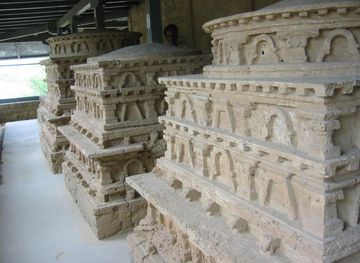


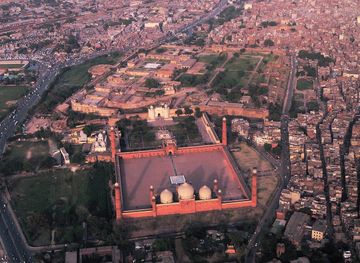
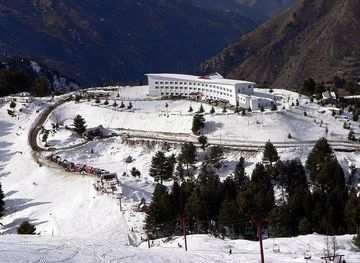

Your all‑in‑one travel companion app
Explore expert travel guides, compare and book tours, experiences, hotels, and more—all from the palm of your hand. Download now for seamless trip planning wherever your wanderlust takes you.


Explore More of Pakistan

Looking beyond Khyber Pakhtunkhwa? Discover Pakistan for broader travel guides, local hot-spots, and regional highlights.
Explore PakistanKhyber Pakhtunkhwa in Photos
Browse through our photo collection highlighting the charm and character of the destination.




Khyber Pakhtunkhwa: The Enigmatic Frontier of Pakistan
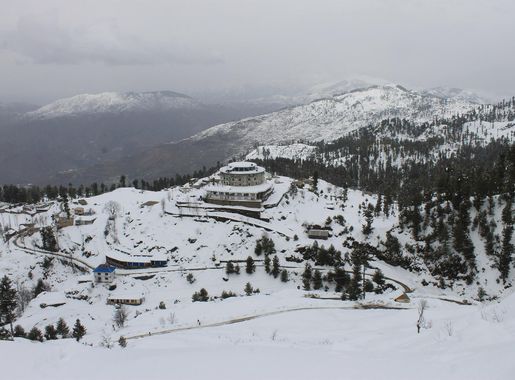
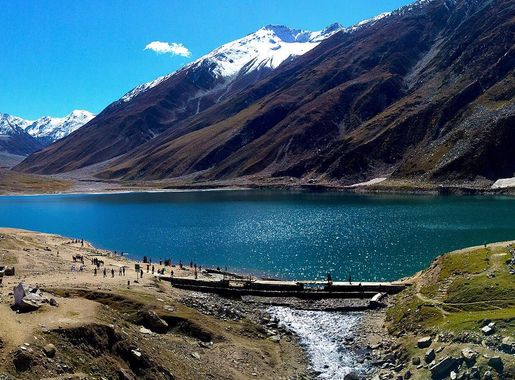
Khyber Pakhtunkhwa, often abbreviated as KP, is a breathtaking province in Pakistan known for its rich history, vibrant culture, and stunning landscapes. Nestled in the northwestern region of the country, this area offers a unique blend of ancient traditions and modern attractions, making it a perfect travel destination for adventurous souls and history enthusiasts alike. The province is home to the famous Khyber Pass, a historic trade route that has connected Central Asia to the Indian subcontinent for centuries. Visiting this pass offers a glimpse into the region's strategic importance and its role in shaping the history of South Asia. The rugged mountains and scenic valleys provide incredible opportunities for hiking, trekking, and exploring nature. In addition to its natural beauty, Khyber Pakhtunkhwa boasts several archaeological sites and historic monuments. The ancient city of Peshawar, the provincial capital, is a treasure trove of historical landmarks, including the iconic Bala Hisar Fort and the Peshawar Museum, which houses artifacts from the Gandhara civilization. The region is also known for its warm hospitality, with locals eager to share their traditions, cuisine, and stories with visitors. For those seeking a spiritual experience, Khyber Pakhtunkhwa offers numerous Sufi shrines and religious sites. The serene ambiance and spiritual energy at places like the Shrine of Rahman Baba attract pilgrims and tourists alike. Moreover, the province is a melting pot of cultures and languages, offering a unique opportunity to immerse oneself in the diverse ways of life that characterize this enchanting part of Pakistan.