

Karimabad Travel Guide - Free Web & App
Your ultimate guide to Karimabad. Discover top landmarks, proposed trips, and local tips. Free on the web or via the Evendo companion app.


Karimabad, Pakistan, combines Hunza’s historic forts, Karakoram views, village walks, apricot orchards and access to northern mountain landscapes.
A Valley Town Beneath the Karakoram
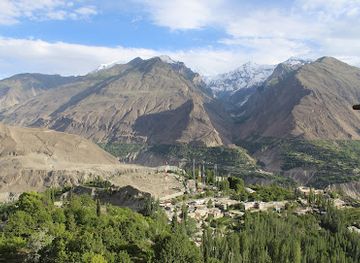
Karimabad is the best-known settlement in Hunza, a high mountain valley in Gilgit-Baltistan, northern Pakistan. Set above the Hunza River and surrounded by steep, dry slopes, the town looks towards a formidable skyline of the Karakoram, including Ultar Sar and the peaks around the upper valley. Its compact bazaar, terraced fields, apricot orchards and stone-and-timber houses give it a distinctive character that is both rural and historically important.Read more about Karimabad
Forts, Orchards and Living Heritage
Exploring Hunza from Karimabad
When is the best time to visit Karimabad?
Best: April–May, October · 24–29°C| Month | High (°C) | Rainfall (mm) |
|---|---|---|
| January | 12 | 60 |
| February | 14 | 57 |
| March | 19 | 53 |
| April (best) | 24 | 44 |
| May (best) | 29 | 27 |
| June | 34 | 11 |
| July | 37 | 10 |
| August | 36 | 10 |
| September | 31 | 13 |
| October (best) | 25 | 27 |
| November | 18 | 44 |
| December | 13 | 54 |
Getting to and around Karimabad
How to get there
Transportation
Best attractions in Karimabad
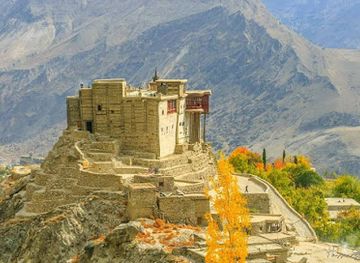
Karimabad’s principal attraction is Baltit Fort, a historic stone-and-timber complex standing above the town and offering insight into Hunza’s former ruling household. The old lanes, terraces and orchards around Karimabad are rewarding to explore on foot, while the nearby settlement of Altit contains Altit Fort and a historic village setting of its own. Above the town, Duikar is known for broad views across Hunza and towards the high Karakoram, although the ascent requires care. The wider valley adds further excursions: the village landscapes of Ganish and the central Hunza settlements reveal traditional architecture and irrigation culture, while Attabad Lake, Passu and the upper Hunza communities lie farther north along the Karakoram Highway. These places are not all within Karimabad’s immediate limits, so road conditions and travel time matter when planning visits. Seasonal orchards, mountain viewpoints and glimpses of glacier-carved terrain provide much of the destination’s visual character.
-
Tourist attraction
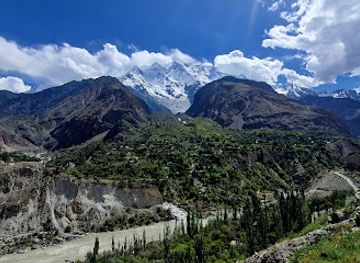
Rakaposhi View Point Nasir abad Hunza
Explore the breathtaking Rakaposhi View Point in Hunza, a perfect destination for stunning mountain views and tranquil nature experiences.
-
Tourist attraction
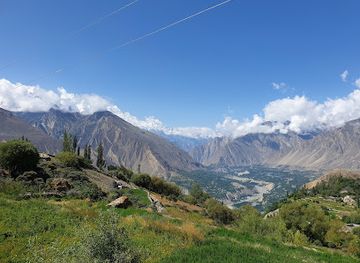
Shepherd's Den
Explore the breathtaking views and rich culture at Shepherd's Den in Hunza Valley, a must-visit destination for every traveler.
-
Tourist attraction
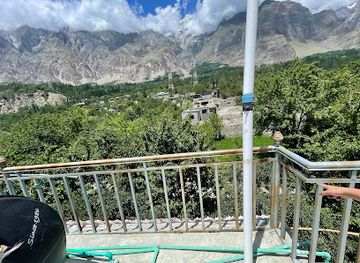
Dream Lodge (Stay & Dine)
Experience the breathtaking beauty of Hunza at Dream Lodge, where comfort meets nature and culinary excellence awaits.
-
Tourist attraction
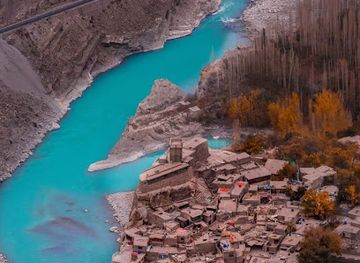
Jataq Altit Hunza
Explore the breathtaking beauty and rich culture of Jataq Altit Hunza, where history meets nature in the heart of the majestic Hunza Valley.
Best landmarks in Karimabad
Baltit Fort is Karimabad’s defining man-made landmark, occupying a high terrace above the town with thick masonry, timber detailing and commanding views over the Hunza valley. Altit Fort, in nearby Altit village, is an older seat of Hunza’s political history and remains important for understanding the relationship between fortified architecture and mountain settlement. The historic village of Ganish contains traditional houses and community spaces associated with early settlement in central Hunza, while Duikar is a natural viewpoint landmark above Karimabad rather than a built monument. Beyond the immediate town, the Hunza River, the high slopes around Ultar and the dramatic formations near Passu express the region’s geological scale. Attabad Lake, created by a major landslide in 2010, is a significant modern landscape feature farther north and should be treated as a separate excursion from Karimabad.
-
Tourist attraction
Baltit Fort Hunza
Explore the historic Baltit Fort in Hunza, a breathtaking blend of culture, architecture, and stunning mountain vistas.
-
Tourist attraction
Rakaposhi View Point Hotel & Restaurant
Experience the stunning vistas of Rakaposhi while enjoying delicious local cuisine at Rakaposhi View Point Hotel & Restaurant in Ghulmet, Pakistan.
-
Tourist attraction
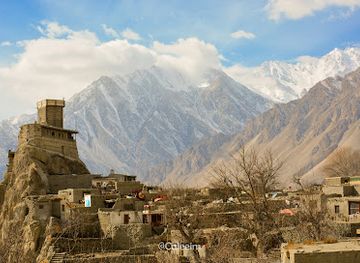
Altit Fort
Discover the rich history and breathtaking views at Altit Fort, a historic gem nestled in the stunning Hunza Valley of Gilgit-Baltistan.
-
Cafe
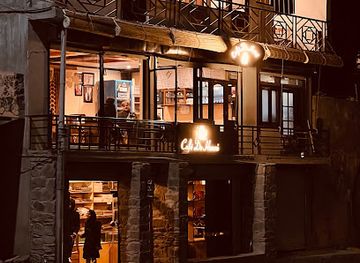
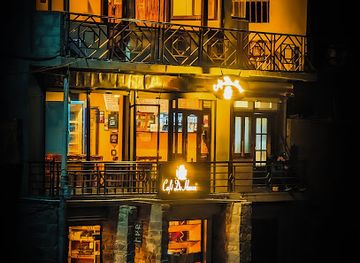
Café de Hunza
Experience the charm of Café de Hunza, a delightful café in Karimabad known for its walnut cake and stunning mountain views.
Explore Karimabad on the map
Plan your trip on one map. See where the top attractions, landmarks, restaurants and hotels are, and book hotels and experiences in a few clicks.
Best hotels in Karimabad
Best restaurants in Karimabad
Karimabad’s food scene is modest but closely connected to Hunza’s agricultural traditions. Visitors can find cafés, small restaurants, bakeries and hotel dining rooms serving Pakistani staples alongside local ingredients such as apricots, apples, walnuts, mulberries and other orchard produce. Hunza is also associated with foods including chapshuro, a filled pastry found across the northern regions, and regional breads and noodle-based dishes, although recipes and availability vary between establishments. Traditional food may be encountered in village homes or organised cultural settings rather than on every restaurant menu. Aliabad, the larger nearby settlement, provides additional everyday dining and supplies, while roadside eateries serve travellers along the Karakoram Highway. In remote parts of the valley, choices are fewer and meal arrangements may depend on accommodation, so advance planning is sensible for longer excursions.
-
Pizza
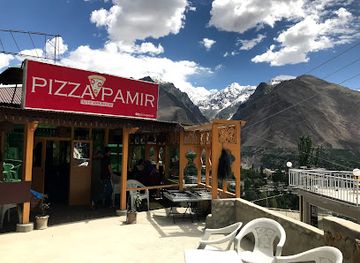
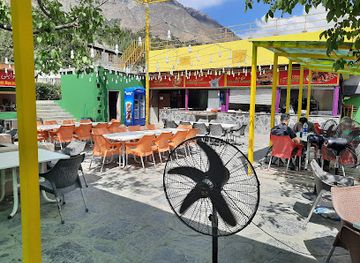
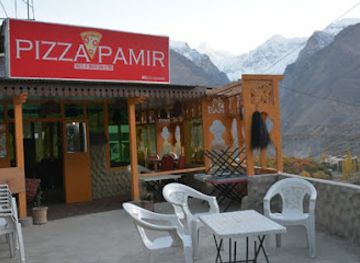
Pizza Pamir
Experience delicious pizza at Pizza Pamir in Karimabad - a family-friendly restaurant serving up fresh flavors in the heart of Hunza Valley.
-
Restaurant
Rewayat Restaurant Ganish Hunza
Discover the rich flavors of Pakistan at Rewayat Restaurant in Ganish Hunza—where every meal is a feast for the senses amidst stunning mountain vistas.
-
Restaurant
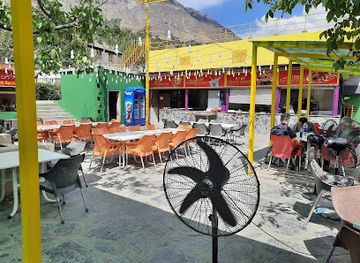
Hidden Paradise Hunza
Experience organic dining at Hidden Paradise Hunza, where local flavors meet stunning mountain views in Karimabad.
-
Restaurant
Hunza food pavilion by Laal Shehzadi
Experience authentic Hunza cuisine at Laal Shehzadi Food Pavilion—where every meal tells a story amidst breathtaking mountain views.
Best bars in Karimabad
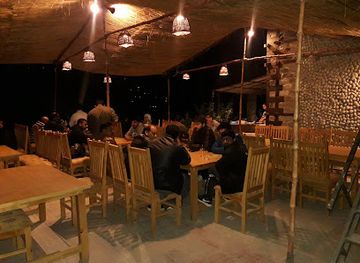
Karimabad does not have a conventional nightclub district or a large late-night entertainment scene. Evenings are generally quiet, centred on hotel lounges, cafés, guesthouse common areas and a small number of local restaurants where visitors can talk over tea or a meal. Traditional music, community gatherings and cultural performances may occur through local or seasonal arrangements, but they should not be assumed to operate on a fixed schedule. The conservative social character of Hunza also shapes evening life, and alcohol is restricted in Pakistan. After dark, the town’s appeal lies more in calm mountain surroundings and clear night skies than in commercial nightlife. Aliabad and larger settlements may offer additional cafés and casual evening activity, but visitors should check locally rather than expect regular late-night services.
-
Cafe
Café de Hunza
Discover the flavors of Hunza at Café de Hunza, where stunning views and delightful treats create an unforgettable experience.
-
Pizza
Pizza Pamir
Indulge in delicious pizzas with stunning mountain views at Pizza Pamir, a family-friendly restaurant in Karimabad, Hunza.
-
Restaurant
Rewayat Restaurant Ganish Hunza
Experience the authentic flavors of Hunza at Rewayat Restaurant in Ganish, where tradition meets breathtaking mountain views.
-
Restaurant
Hidden Paradise Hunza
Discover organic dining at its finest in the stunning landscapes of Hidden Paradise Hunza, where every meal is a celebration of local flavors.
Best nightclubs in Karimabad
Karimabad does not have a conventional nightclub district or a large late-night entertainment scene. Evenings are generally quiet, centred on hotel lounges, cafés, guesthouse common areas and a small number of local restaurants where visitors can talk over tea or a meal. Traditional music, community gatherings and cultural performances may occur through local or seasonal arrangements, but they should not be assumed to operate on a fixed schedule. The conservative social character of Hunza also shapes evening life, and alcohol is restricted in Pakistan. After dark, the town’s appeal lies more in calm mountain surroundings and clear night skies than in commercial nightlife. Aliabad and larger settlements may offer additional cafés and casual evening activity, but visitors should check locally rather than expect regular late-night services.
-
Cafe
Café de Hunza
Discover the enchanting flavors of Hunza at Café de Hunza, where every bite is a journey through the majestic mountains.
-
Hotel
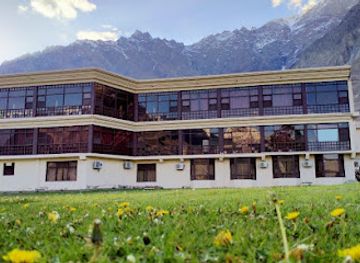
Hunza Darbar Hotel
Discover the enchanting Hunza Valley at Hunza Darbar Hotel, where breathtaking views and exceptional hospitality await you.
-
Tourist attraction
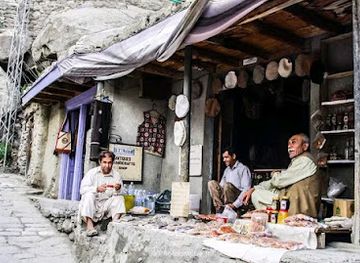
Karimabad Bazar
Discover the cultural heart of Hunza Valley at Karimabad Bazar, where local crafts, delicious food, and stunning mountain views await.
-
Restaurant
Hidden Paradise Hunza
Experience a culinary journey in Hunza with fresh organic dishes surrounded by breathtaking mountain views at Hidden Paradise Hunza.
Best shops in Karimabad
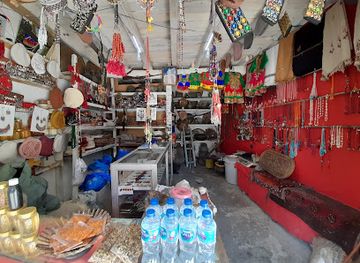
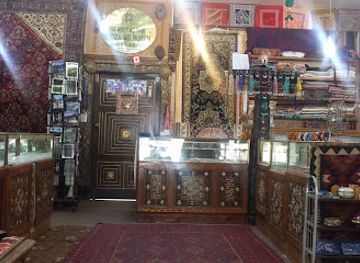
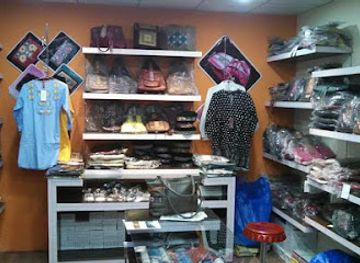
Shopping in Karimabad is concentrated around its bazaar and small independent businesses rather than an extensive retail district. Visitors may find Hunza-produced dried fruit, nuts, jams, honey and other orchard products, together with locally made textiles, caps, carved objects, jewellery and handicrafts whose availability varies by season and shop. Handicraft outlets and heritage areas may also offer objects linked to regional design traditions, while practical supplies and a broader range of everyday goods are more readily found in Aliabad. Roadside stalls and village producers can be useful for local food purchases, but visitors should distinguish genuinely local products from goods brought in from elsewhere. Bargaining may be appropriate in some craft settings, though respectful negotiation and attention to quality, provenance and packaging are advisable when buying food or fragile items for onward travel.
-
Tourist attraction
Karimabad Bazar
Explore the vibrant Karimabad Bazar, a cultural gem in Hunza, where local crafts, cuisine, and warm hospitality await every traveler.
-
Antique store
Hunza Art Museum
Explore the rich cultural heritage of the Hunza Valley at the Hunza Art Museum, a treasure trove of local artistry and historical artifacts.
-
Clothing store
Hunza trade link (HTL)
Explore Hunza Trade Link for unique clothing that blends traditional craftsmanship with modern style, making it a must-visit for fashion enthusiasts.
-
Antique store
Hunza Leather & Threadz
Explore Hunza Leather & Threadz for authentic handcrafted leather goods and textiles reflecting the rich cultural heritage of Gilgit-Baltistan.
Get your free copy of our complete guide to Karimabad, delivered straight to you.
Everything on this page, from attractions and restaurants to essentials and local phrases, in one PDF you can read offline, print or share.
Already have an account? Sign in
Your Karimabad guide is ready.
We'll send it to · Not you? Sign out

Getting your guide ready…
We are putting together a fresh copy of the Karimabad guide. This can take up to a minute.
This can take a few moments. If your browser asks, choose Allow so the download can start. You'll find the guide in your Downloads folder.
Nothing happened? Download it again
Sorry, the guide is taking longer than usual. Please try again in a minute, or get it by email instead.
Karimabad essentials
Currency and Payment
Safety
Emergency Situations
Do's and Don'ts
Local Tips
From Eve
Local phrases worth knowing
You don't need to get them perfect. A few words go a long way, and locals appreciate the effort.
Basics
| English | Local | Say it |
|---|---|---|
| Hello | ہیلو | [hello] |
| Goodbye | خدا حافظ | [khuda hafiz] |
| Yes | ہاں | [haan] |
| No | نہیں | [nahin] |
| Please/You're welcome | براہ کرم | [baraah karam] |
| Thank you | شکریہ | [shukriya] |
| Excuse me/Sorry | معذرت چاہتا ہوں | [maazrat chahta hoon] |
| How are you? | آپ کیسے ہیں؟ | [aap kaise hain?] |
| Fine. And you? | ٹھیک ہوں، آپ؟ | [theek hoon, aap?] |
| Do you speak English? | کیا آپ انگریزی بولتے ہیں؟ | [kya aap angrezi boltay hain?] |
| I don't understand | مجھے سمجھ نہیں آیا | [mujhe samajh nahi aaya] |
Eating & Drinking
| English | Local | Say it |
|---|---|---|
| I'd like to see the menu, please | براہ کرم مینو دکھانا | [baraah karam menu dikhana] |
| I don't eat meat | میں گوشت نہیں کھاتا | [main gosht nahi khaata] |
| Cheers! | صحت | [sehat] |
| I would like to pay, please | براہ کرم پیسے دینا چاہتا ہوں | [baraah karam paisay dena chahta hoon] |
Emergencies
| English | Local | Say it |
|---|---|---|
| Help! | مدد! | [madad!] |
| Go away! | چلے جاؤ! | [chale jao!] |
| Call the Police! | پولیس کو بلاؤ! | [police ko bulao!] |
| Call a doctor! | ڈاکٹر کو بلاؤ! | [doctor ko bulao!] |
| I'm lost | میں گم ہو گیا ہوں | [main gum ho gaya hoon] |
| I'm ill | میں بیمار ہوں | [main beemar hoon] |
Shopping
| English | Local | Say it |
|---|---|---|
| I'd like to buy... | میں خریدنا چاہتا ہوں... | [main khareedna chahta hoon...] |
| I'm just looking | میں بس دیکھ رہا ہوں | [main bas dekh raha hoon] |
| How much is it? | یہ کتنے کا ہے؟ | [yeh kitnay ka hai?] |
| That's too expensive | یہ بہت مہنگا ہے | [yeh bohat mehnga hai] |
| Can you lower the price? | کیا آپ قیمت کم کرسکتے ہیں؟ | [kya aap qeemat kam kar sakte hain?] |
Time & Numbers
| English | Local | Say it |
|---|---|---|
| What time is it? | وقت کیا ہوا ہے؟ | [waqt kya hua hai?] |
| It's one o'clock | ایک بجے ہیں | [aik bajay hain] |
| Half past (10) | دس بج کے بعد آدھا ہوگیا | [das bajay ke baad aadha hogya] |
| Morning | صبح | [subah] |
| Afternoon | دوپہر | [dopehar] |
| Evening | شام | [shaam] |
| Yesterday | گزشتہ دن | [guzishta din] |
| Today | آج | [aaj] |
| Tomorrow | کل | [kal] |
| 1 | ایک | [aik] |
| 2 | دو | [do] |
| 3 | تین | [teen] |
| 4 | چار | [chaar] |
| 5 | پانچ | [paanch] |
| 6 | چھے | [chhe] |
| 7 | سات | [saat] |
| 8 | آٹھ | [aath] |
| 9 | نو | [no] |
| 10 | دس | [das] |
Transport & Directions
| English | Local | Say it |
|---|---|---|
| Where's a/the...? | کہاں ہے... | [kahan hai...] |
| What's the address? | پتہ کیا ہے؟ | [pata kya hai?] |
| Can you show me (on the map)? | کیا آپ مجھے دکھا سکتے ہیں؟ | [kya aap mujhe dikhha sakte hain?] |
| When's the next (bus)? | اگلی بس کب ہے؟ | [agli bus kab hai?] |
| A ticket (to ....) | ٹکٹ (سے ...) | [ticket (se ...)] |
History of Karimabad
A High Mountain Valley Shaped by Water
Hunza’s human history is inseparable from its difficult mountain environment. Settlements developed where glacial and river water could be diverted through irrigation channels onto otherwise dry terraces. These systems supported orchards, grain cultivation and clustered villages beneath the Karakoram slopes. The valley’s position between the highlands of Central Asia and the routes leading towards the Indus also gave it strategic importance, although movement through the mountains was constrained by terrain and season. Karimabad’s historic character therefore emerged from the relationship between defensible settlement sites, carefully managed water and the narrow corridors connecting Hunza with neighbouring valleys.
Altit and the Early Seat of Power
Altit, a short distance from Karimabad, is traditionally regarded as one of the earliest centres of political authority in Hunza. Altit Fort occupies a commanding position above the valley and reflects the defensive needs of a small mountain kingdom. Its architecture, including thick walls and timber elements, developed in response to local materials, climate and security concerns. The surrounding village preserves the physical setting of an old settlement, where agriculture, water management and domestic life remain closely linked. The fort and village together help explain how authority was organised before Karimabad became the main political centre.
Baltit and the Rulers of Hunza
Baltit Fort became the principal seat of the rulers of Hunza, known historically as the Mirs, and gave present-day Karimabad much of its historic importance. The fort occupied a strong position above the valley, allowing its rulers to oversee approaches and nearby settlements. Its form shows influences from the wider Himalayan and Central Asian building tradition, while local stone, timber and earthen construction gave it a distinctly Hunza character. The political household eventually moved away from the fort in the twentieth century, after which the building required extensive conservation. Restoration later helped establish it as one of the valley’s most significant heritage sites.
Trade, Travel and Changing Connections
Hunza historically occupied a frontier zone connected by difficult mountain routes to areas beyond present-day Pakistan. Traders, pilgrims, officials and travellers used passes and valleys linking the region with Xinjiang, the Pamirs and neighbouring parts of the northern mountains. These connections brought goods, languages and political influences, but they did not turn Hunza into an easily accessible lowland centre. Modern road building transformed the pattern of movement. The Karakoram Highway connected the valley more directly with Gilgit and Pakistan’s wider road network, allowing tourism, schooling, trade and public services to expand while also changing the scale and speed of outside contact.
From Ruling State to Heritage Destination
The former princely state of Hunza became part of Pakistan in the twentieth century, and the political role of its hereditary rulers ended as the region was integrated into the country’s administrative system. Karimabad subsequently developed as Hunza’s principal tourism base, with the conservation of Baltit Fort and wider interest in the valley’s landscape and culture contributing to that transition. Heritage work has focused on maintaining historic buildings and presenting them within their village setting rather than treating them as isolated monuments. Tourism now sits alongside agriculture, local commerce and community life, making careful management of traffic, waste, water and historic fabric increasingly important.
Karimabad in Photos
Browse through our photo collection highlighting the charm and character of the destination.
Cities in Karimabad
The towns and cities of Karimabad, and the easiest places to base yourself.

Swipe for more cities
Neighbouring destination travel guides
The closest destinations to Karimabad, if you have time for more than one.
-

-

-

-

-


Swipe for more destinations
Explore more

Explore more of Hunza Valley
Explore Hunza Valley in Pakistan for Karakoram views, historic forts, orchard villages, Attabad Lake and high mountain journeys.
Explore Hunza Valley
Explore more of Pakistan
Discover Pakistan: A land of majestic mountains, rich history, and delicious cuisine, where every journey is an adventure and every moment is filled with wonder.
Explore Pakistan