
Central Punjab, Pakistan Travel Guide
Discover the cultural treasures, historical landmarks, and natural beauty of Central Punjab, Pakistan—a region where ancient traditions meet modern vibrancy.
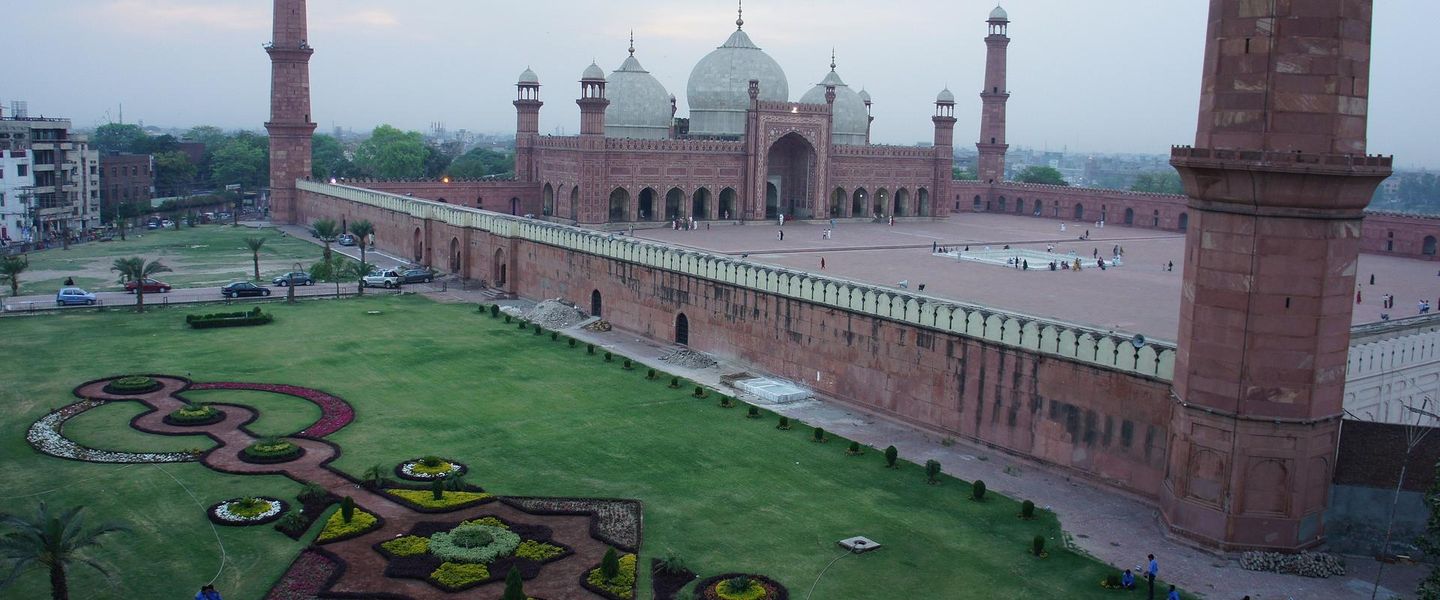
Central Punjab in Pakistan is a region rich in history, culture, and natural beauty. As you travel through its cities and towns, you will be captivated by the harmonious blend of ancient traditions and modern lifestyles. This area is known for its warm and hospitable people, who are always eager to share their customs and stories with visitors. One of the highlights of Central Punjab is the city of Lahore, often referred to as the cultural capital of Pakistan. Lahore is home to some of the most significant historical landmarks in the country, such as the Badshahi Mosque, Lahore Fort, and Shalimar Gardens. These sites offer a glimpse into the grandeur of the Mughal Empire and are a must-visit for history enthusiasts. The bustling streets of Lahore's old city are filled with vibrant markets, delicious street food, and lively bazaars, making it a sensory delight for any traveler. Another gem of Central Punjab is the city of Faisalabad, known for its textile industry. Faisalabad offers a unique experience with its blend of industrial growth and traditional Punjabi culture. The Clock Tower, surrounded by eight bustling bazaars, is a central hub of activity and a great place to shop for local crafts and fabrics. Don't miss the chance to enjoy traditional Punjabi cuisine at one of the many local eateries. For nature lovers, the Salt Range in Central Punjab provides a scenic escape with its rugged hills, salt mines, and serene lakes. The Khewra Salt Mine, one of the oldest and largest in the world, is a fascinating destination where you can explore the underground world of salt formations and learn about the mining process. The nearby Kallar Kahar Lake is a perfect spot for a peaceful picnic and bird-watching. Central Punjab is also known for its vibrant festivals and cultural events. The Basant festival in Lahore, celebrated with kite flying and traditional music, is a colorful and joyous occasion that attracts visitors from all over the country. The region's rich agricultural heritage is showcased in events like the Mela Chiraghan and the annual horse and cattle show, where you can witness traditional sports, music, and dance performances.

Know before you go
Hi, I'm Eve. Here are a few practical things to know before exploring Central Punjab.
- Plan your visit during the spring or autumn for the best weather conditions.
- Lahore's old city can be crowded; hiring a local guide can enhance your experience.
- Try traditional Punjabi dishes like Nihari, Halwa Puri, and Lassi for an authentic culinary experience.
- Wear comfortable shoes when exploring the historical sites as there can be a lot of walking.
- Check the local festival calendar to experience vibrant cultural events during your visit.
Top City Travel Guides in Central Punjab
The cities of Central Punjab, and the easiest places to base yourself.


Explore Central Punjab: Things to Do, Places to Eat, Hotels & More
Handpicked recommendations for top attractions, local dining, accommodations, and more

Top Attractions & Sightseeing in Central Punjab
Top-rated picks
Best Attractions

Lahore Zoo
Explore Lahore Zoo: A Historic Wildlife Sanctuary in the Heart of Punjab, Home to Exotic Animals and Family-Friendly Attractions.

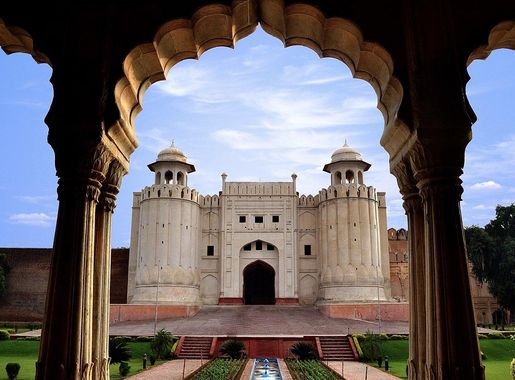
Lahore Fort
Explore Lahore Fort, a UNESCO World Heritage site rich in Mughal architecture, history, and cultural significance, located in the vibrant Walled City of Lahore.

Model Town Park
Explore the lush greenery and tranquility of Model Town Park, a serene urban escape in Lahore, perfect for relaxation and family outings.

Bagh-e-Jinnah
Discover the lush gardens and historical significance of Bagh-e-Jinnah in Lahore, a perfect escape for nature lovers and history enthusiasts alike.

Best landmarks in Central Punjab
Top-rated picks
Best Landmarks

Badshahi Mosque
Experience the grandeur of Badshahi Mosque, a stunning masterpiece of Mughal architecture in Lahore, Pakistan, reflecting rich cultural heritage.
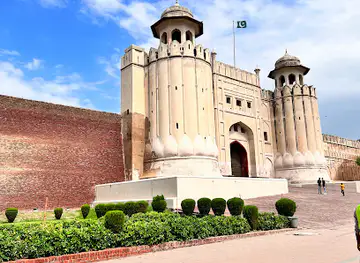
Lahore Fort
Explore Lahore Fort, a majestic UNESCO World Heritage Site that showcases the rich history and stunning architecture of Pakistan's Mughal era.

Clock Tower Faisalabad
Experience the rich history and architectural beauty of the Clock Tower in Faisalabad, a must-see landmark showcasing the city's colonial past.

Pakistan Monument
Discover the iconic Pakistan Monument, a symbol of unity and heritage in the heart of Islamabad, showcasing the beauty and history of Pakistan.

Best restaurants in Central Punjab
Top-rated picks
Best Restaurants

Monal Lahore
Experience exquisite dining at Monal Lahore with stunning views and an extensive buffet featuring Chinese, Continental, and Thai cuisines.

Haveli Restaurant
Experience authentic Pakistani cuisine with stunning views at Haveli Restaurant in Lahore's historic Walled City.

Spice Bazaar
Experience the essence of Pakistani cuisine at Spice Bazaar - where tradition meets contemporary elegance in every bite.

Salt'n Pepper Village Lahore
Experience authentic Pakistani cuisine in a family-friendly atmosphere at Salt'n Pepper Village Lahore – where every meal is a celebration of flavors.

Best bars in Central Punjab
Top-rated picks
Best Bars

Coco Cubano Gulberg
Discover the vibrant flavors of Cuban cuisine at Coco Cubano Gulberg, Lahore's ultimate destination for food, drinks, and lively ambiance.
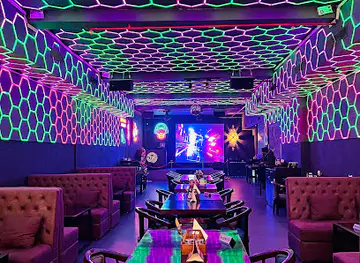
The Liquid Room- Best Pub, Club/Bar In Amritsar
Experience the pulsating nightlife of Amritsar at The Liquid Room, your go-to destination for great food, drinks, and entertainment.

Mocktail Bar
Discover the vibrant Mocktail Bar in Lahore, offering an extensive range of refreshing mocktails in a lively atmosphere perfect for socializing.

Ten 11 Lounge
Discover Lahore's culinary gem at Ten 11 Lounge, where unique decor meets an exquisite menu in the heart of Johar Town.

Best nightclubs in Central Punjab
Top-rated picks
Best Nightclubs

Club
Unleash your energy at Lahore's hottest disco club, where vibrant music and unforgettable nights create lasting memories.

Executive Lounge P C Hotel Lahore
Discover luxury and comfort at the Executive Lounge P C Hotel Lahore, a perfect blend of modern elegance and traditional hospitality.

Sahil Marriage Club
Immerse yourself in the lively atmosphere of Sahil Marriage Club, Multan's premier night club for entertainment and local culture.

Charlie Snooker Club
Experience the lively atmosphere of Charlie Snooker Club, Lahore's top destination for billiards and social gaming.

Best shops in Central Punjab
Top-rated picks
Best Shops

Emporium Mall
Discover the ultimate shopping, dining, and entertainment experience at Emporium Mall, Lahore's premier shopping destination.

Packages Mall
Explore Packages Mall in Lahore for an exceptional shopping experience with diverse brands, delectable dining, and family-friendly entertainment options.

Amanah Mall
Discover the vibrant shopping and entertainment experience at Amanah Mall in Lahore, where every visit is an adventure.

Chase Up Multan - Bosan Road
Discover Chase Up Multan, a top supermarket on Bosan Road offering quality products and unbeatable prices for your shopping needs.

Explore Central Punjab on the Map
A handpicked selection of must-see spots in Central Punjab, mapped for you.
Central Punjab Essentials
-
Central Punjab in Pakistan is well-connected by air, road, and rail. The main international airport is Allama Iqbal International Airport in Lahore, which has connections to major cities worldwide. Domestic flights connect Lahore, Faisalabad, and Multan to other parts of Pakistan. For those preferring to travel by train, the Pakistan Railways network links Lahore to major cities across the country. By road, Central Punjab is accessible via the M-2 and M-3 motorways, making it convenient for travelers using buses or cars.
-
Central Punjab offers a variety of transportation options. In cities like Lahore, Faisalabad, and Multan, you can use ride-hailing services like Uber and Careem. Traditional taxis and auto-rickshaws are also available. For intercity travel, buses operated by companies such as Daewoo and Faisal Movers provide comfortable and affordable options. Local buses and vans are common for short trips within cities, but they can be crowded. Renting a car is another option for those who prefer to travel at their own pace.
-
The official currency of Pakistan is the Pakistani Rupee (PKR). Credit and debit cards are widely accepted in urban areas, especially in hotels, restaurants, and shopping malls. However, it is advisable to carry cash for transactions in smaller shops, local markets, and rural areas. ATMs are plentiful in cities, but it is a good idea to withdraw sufficient cash before traveling to remote areas.
-
Central Punjab is generally safe for tourists, but it's important to stay vigilant. Avoid traveling alone at night and be cautious in crowded areas like markets and public transport hubs. In Lahore, areas such as the Walled City and certain parts of Gulberg can be hotspots for petty crimes targeting tourists. Always keep your belongings secure and be aware of your surroundings. It is also wise to stay updated on current travel advisories.
-
In case of emergency, dial 15 for police assistance, 1122 for medical emergencies, and 16 for fire services. Major cities have hospitals and clinics with emergency services. It is highly recommended to have travel insurance that covers medical emergencies. Pharmacies are available in cities where you can purchase over-the-counter medications. Familiarize yourself with the locations of your country's embassy or consulate in Pakistan for additional support.
-
Fashion: Do dress modestly, particularly in rural areas and when visiting religious sites. Covering shoulders and knees is advisable. Religion: Do respect local customs and religious practices. Remove shoes and cover your head when entering mosques. Public Transport: Do be courteous and offer seats to elderly passengers. Avoid loud conversations and eating on public transport. Greetings: Do greet people with 'Assalamu Alaikum' (Peace be upon you) and a handshake. Men and women typically do not shake hands with each other unless initiated by the woman. Eating & Drinking: Do try local cuisine and accept food graciously. Don't eat or drink in public during the month of Ramadan from dawn to sunset.
-
To experience Central Punjab like a local, visit the vibrant markets such as Anarkali Bazaar in Lahore or Ghanta Ghar in Faisalabad. Engage with locals; they are generally very hospitable and eager to share their culture. Try traditional foods such as biryani, nihari, and lassi. Attend local festivals and events like the Basant Kite Festival in Lahore. Exploring historical sites such as the Lahore Fort, Badshahi Mosque, and the Tomb of Jahangir will provide a deep insight into the region's rich history.
When is the best time to visit Central Punjab?
Useful Local Phrases for Central Punjab
You don't need to speak the language perfectly. Even learning a few simple words can make conversations warmer—and locals usually appreciate the effort.
— Eve

Here are the phrases I use most often in Central Punjab. Try a few—you'll be surprised how far they go! 😊
❤️
-
- Helloہیلو
[Hello] - Goodbyeخدا حافظ
[Khuda Hafiz] - Yesہاں
[Haan] - Noنہیں
[Nahin] - Please/You're welcomeبراہ کرم/خوش آمدید
[Barah-e-Karam/Khosh Aamdeed] - Thank youشکریہ
[Shukriya] - Excuse me/Sorryمعاف کیجیے/معاف کریں
[Maaf Kijiye/Maaf Karein] - How are you?آپ کیسے ہیں؟
[Aap kaise hain?] - Fine. And you?بہت اچھا۔ اور آپ؟
[Bohat accha. Aur aap?] - Do you speak English?کیا آپ انگریزی بولتے ہیں؟
[Kya aap Angrezi bolte hain?] - I don't understandمجھے سمجھ نہیں آتا
[Mujhe samajh nahin aata]
- Helloہیلو
-
- I'd like to see the menu, pleaseبراہ کرم مینو دکھائیں
[Barah-e-Karam menu dikhaiye] - I don't eat meatمیں گوشت نہیں کھاتا
[Main gosht nahin khata] - Cheers!زندگی!
[Zindagi!] - I would like to pay, pleaseبراہ کرم میں بل ادا کرنا چاہتا ہوں
[Barah-e-Karam main bill ada karna chahta hun]
- I'd like to see the menu, pleaseبراہ کرم مینو دکھائیں
-
- Help!مدد کرو!
[Madad karo!] - Go away!جاؤ دور ہو جاؤ!
[Jaao door ho jaao!] - Call the Police!پولیس کو بلاؤ!
[Police ko bulaao!] - Call a doctor!ڈاکٹر کو بلاؤ!
[Doctor ko bulaao!] - I'm lostمیں کھو گیا ہوں
[Main kho gaya hun] - I'm illمیں بیمار ہوں
[Main bimaar hun]
- Help!مدد کرو!
-
- I'd like to buy...میں خریدنا چاہتا ہوں...
[Main kharidna chahta hun...] - I'm just lookingمیں صرف دیکھ رہا ہوں
[Main sirf dekh raha hun] - How much is it?یہ کتنے کا ہے؟
[Yeh kitne ka hai?] - That's too expensiveیہ بہت مہنگا ہے
[Yeh bohat mehnga hai] - Can you lower the price?کیا آپ قیمت کم کر سکتے ہیں؟
[Kya aap qeemat kam kar sakte hain?]
- I'd like to buy...میں خریدنا چاہتا ہوں...
-
- What time is it?کیا وقت ہوا ہے؟
[Kya waqt hua hai?] - It's one o'clockیہ ایک بجے ہیں
[Yeh aik baje hain] - Half past (10)ساڑھے دس
[Saadhe das] - Morningصبح
[Subah] - Afternoonدوپہر
[Dopahar] - Eveningشام
[Shaam] - Yesterdayکل
[Kal] - Todayآج
[Aaj] - Tomorrowکل
[Kal] - 1ایک
[Aik] - 2دو
[Do] - 3تین
[Teen] - 4چار
[Chaar] - 5پانچ
[Paanch] - 6چھ
[Chay] - 7سات
[Saat] - 8آٹھ
[Aath] - 9نو
[Nau] - 10دس
[Das]
- What time is it?کیا وقت ہوا ہے؟
-
- Where's a/the...?کہاں ہے ...؟
[Kahan hai ...?] - What's the address?پتہ کیا ہے؟
[Pata kya hai?] - Can you show me (on the map)?کیا آپ مجھے دکھا سکتے ہیں (نقشے پر)؟
[Kya aap mujhe dikha sakte hain (naqshay par)?] - When's the next (bus)?اگلی (بس) کب ہے؟
[Agli (bus) kab hai?] - A ticket (to ....)ایک ٹکٹ (.... کے لیے)
[Aik ticket (.... ke liye)]
- Where's a/the...?کہاں ہے ...؟
History of Central Punjab
-
Central Punjab is home to some of the most significant archaeological sites of the ancient Indus Valley Civilization, which dates back to 3300 BCE. The city of Harappa, one of the major urban centers of this civilization, lies in the Sahiwal District of Punjab. Visitors can explore the ruins, including remnants of advanced urban planning, drainage systems, and the iconic Harappan seals.
-
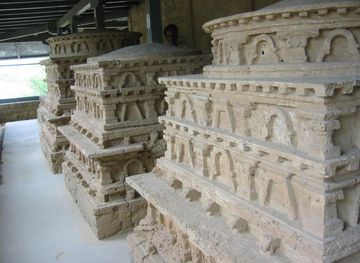
During the 4th century BCE, Central Punjab became an important part of the Gandhara civilization, known for its Greco-Buddhist art and culture. The region saw the rise of many stupas and monasteries. The city of Taxila, located near Rawalpindi, is a UNESCO World Heritage Site and offers extensive ruins that include ancient universities and monasteries.
-
In 326 BCE, Alexander the Great's invasion of India brought him to Central Punjab. The Battle of the Hydaspes River, fought near the Jhelum River, is one of the most famous battles in history. The battle was fought between Alexander and King Porus, and it significantly impacted the region's history and culture.
-
In the early 11th century, Central Punjab saw the arrival of Mahmud of Ghazni, who made significant inroads into the Indian subcontinent. His invasions brought Islamic culture and architecture to the region. The city of Lahore became a major center of Islamic learning and culture under the Ghaznavid rule.
-
The Mughal Empire, established in the early 16th century, left an indelible mark on Central Punjab. The region flourished under Mughal rule, with Lahore serving as a major cultural and administrative center. The Lahore Fort and Shalimar Gardens are magnificent examples of Mughal architecture and are UNESCO World Heritage Sites.
-
In the early 19th century, Central Punjab became the heartland of the Sikh Empire under Maharaja Ranjit Singh. Lahore was the empire's capital, and it saw the construction of many Sikh religious and historical sites, such as the Gurdwara Dera Sahib and Samadhi of Ranjit Singh.
-
Following the decline of the Sikh Empire, Central Punjab came under British rule in the mid-19th century. The British introduced new infrastructure, including railways, canals, and educational institutions. The city of Lahore became an important administrative and cultural center during this period.
-
The partition of India in 1947 had a profound impact on Central Punjab. The region was divided between India and the newly-formed Pakistan, leading to large-scale migrations and communal violence. Lahore became a part of Pakistan and continued to develop as a major cultural and economic hub.
-
Today, Central Punjab is a vibrant region that blends its rich historical heritage with modern advancements. Cities like Lahore, Faisalabad, and Gujranwala are known for their bustling markets, educational institutions, and cultural festivals. The region's diverse history is reflected in its architecture, cuisine, and traditions.
Neighbouring Regions of Central Punjab
The closest regions to Central Punjab, if you have time for more than one.




Your all‑in‑one travel companion app
Explore expert travel guides, compare and book tours, experiences, hotels, and more—all from the palm of your hand. Download now for seamless trip planning wherever your wanderlust takes you.


Explore More of Pakistan

Looking beyond Central Punjab? Discover Pakistan for broader travel guides, local hot-spots, and regional highlights.
Explore PakistanCentral Punjab in Photos
Browse through our photo collection highlighting the charm and character of the destination.


The Heartbeat of Central Punjab: A Cultural and Historical Tapestry
Central Punjab in Pakistan is a region rich in history, culture, and natural beauty. As you travel through its cities and towns, you will be captivated by the harmonious blend of ancient traditions and modern lifestyles. This area is known for its warm and hospitable people, who are always eager to share their customs and stories with visitors. One of the highlights of Central Punjab is the city of Lahore, often referred to as the cultural capital of Pakistan. Lahore is home to some of the most significant historical landmarks in the country, such as the Badshahi Mosque, Lahore Fort, and Shalimar Gardens. These sites offer a glimpse into the grandeur of the Mughal Empire and are a must-visit for history enthusiasts. The bustling streets of Lahore's old city are filled with vibrant markets, delicious street food, and lively bazaars, making it a sensory delight for any traveler. Another gem of Central Punjab is the city of Faisalabad, known for its textile industry. Faisalabad offers a unique experience with its blend of industrial growth and traditional Punjabi culture. The Clock Tower, surrounded by eight bustling bazaars, is a central hub of activity and a great place to shop for local crafts and fabrics. Don't miss the chance to enjoy traditional Punjabi cuisine at one of the many local eateries. For nature lovers, the Salt Range in Central Punjab provides a scenic escape with its rugged hills, salt mines, and serene lakes. The Khewra Salt Mine, one of the oldest and largest in the world, is a fascinating destination where you can explore the underground world of salt formations and learn about the mining process. The nearby Kallar Kahar Lake is a perfect spot for a peaceful picnic and bird-watching. Central Punjab is also known for its vibrant festivals and cultural events. The Basant festival in Lahore, celebrated with kite flying and traditional music, is a colorful and joyous occasion that attracts visitors from all over the country. The region's rich agricultural heritage is showcased in events like the Mela Chiraghan and the annual horse and cattle show, where you can witness traditional sports, music, and dance performances.