

Free Emberá-Wounaan Comarca Travel Guide & Mobile App
Explore Emberá-Wounaan Comarca with free travel guides. Discover regional history, expert tips, proposed trips, and audio guides on web or mobile app.


Explore Panama's Emberá-Wounaan Comarca through rainforest rivers, Indigenous cultural traditions and carefully arranged community-led journeys.
Read more about Emberá-Wounaan Comarca
When is the best time to visit Emberá-Wounaan Comarca?
Best: January–March · 29–30°C| Month | High (°C) | Rainfall (mm) |
|---|---|---|
| January (best) | 29 | 40 |
| February (best) | 30 | 30 |
| March (best) | 30 | 30 |
| April | 30 | 70 |
| May | 30 | 150 |
| June | 30 | 200 |
| July | 30 | 200 |
| August | 30 | 200 |
| September | 30 | 250 |
| October | 29 | 250 |
| November | 29 | 200 |
| December | 29 | 100 |
Getting to and around Emberá-Wounaan Comarca
How to get there
Transportation
Best landmarks in Emberá-Wounaan Comarca
The comarca's most significant landmarks are geographical and cultural rather than monumental. The Chucunaque, Tuira and Sambú river systems are the territory's principal travel corridors and have shaped settlement, trade, food production and social connections for generations. Riverbank communities, communal meeting spaces and traditional houses express a form of architecture adapted to heat, rainfall and life beside the water, although visitors should view them as lived places rather than heritage exhibits. The surrounding Darién rainforest is itself a defining natural landmark, representing one of the great continuous forest landscapes of the Panamanian isthmus. The Colombia-facing frontier gives the region additional historical significance, since Emberá and Wounaan cultural relationships extend across a modern international boundary. Unlike Panama City's monumental historic quarters, the comarca has few built structures intended as visitor icons; its landmarks are recognised through landscape, memory, Indigenous governance and the continuing use of rivers and forest.
-
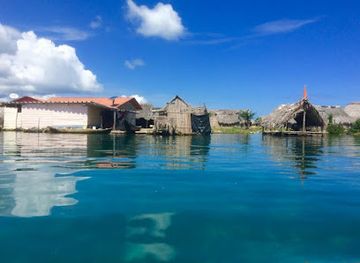
Community center
Caledonia, san blas, panama
Explore Caledonia in San Blas, Panama: a vibrant community center offering cultural insights, local crafts, and stunning natural beauty.
Explore Emberá-Wounaan Comarca on the map
Plan your trip on one map. See where the top cities, national parks and sights are, and book hotels and experiences in a few clicks.
Best hotels in Emberá-Wounaan Comarca
Best restaurants in Emberá-Wounaan Comarca
Dining in the Emberá-Wounaan Comarca is generally arranged through community hosts rather than restaurants. Meals may draw on river fish, plantains, cassava, rice, seasonal fruit and ingredients cultivated or gathered locally, with preparation varying between households and communities. Food is often served simply and communally, making it important to communicate allergies, dietary restrictions and expectations before travelling. Visitors should bring suitable snacks as supplies are limited and journeys can be long, but should not assume that outside food traditions are available on demand. In gateway settlements outside the comarca, basic eateries provide broader Panamanian cooking, while within the territory the focus is on what local families can source and prepare. Paying for meals as part of a community arrangement supports hosts directly; wasting food, demanding elaborate substitutions or treating household cooking as a staged restaurant service is inappropriate.
-
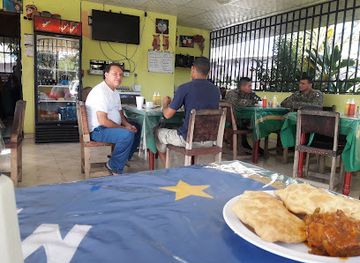
Restaurant
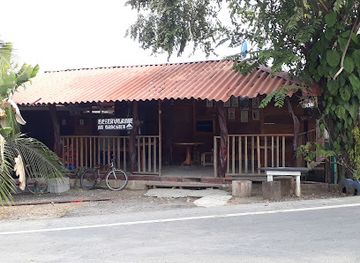
Restaurante Paso A Paso
Experience authentic Panamanian cuisine at Restaurante Paso A Paso in Meteti—delicious meals served in a welcoming atmosphere.
Best bars in Emberá-Wounaan Comarca
The Emberá-Wounaan Comarca has no conventional bar, nightclub or organised nightlife scene for visitors. Evenings generally centre on the community where a guest is staying, with conversation, music, storytelling or quiet observation of the river and forest. Cultural presentations, when offered, should be understood as community-controlled activities rather than entertainment guaranteed by a tour package. Alcohol is not a necessary part of the visit, and visitors should avoid bringing it into communities without explicit agreement. Gateway settlements outside the comarca have modest local evening options, but travellers should not expect late opening hours, extensive public transport or a metropolitan social scene. Keep noise low after dark, respect household routines and follow local guidance about photography, lighting and movement around the community.
-
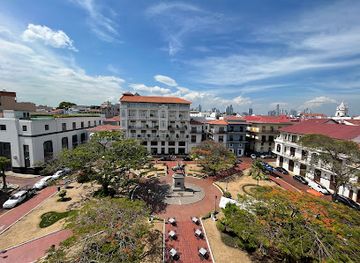
Grill
CasaCasco
Discover the lively CasaCasco, where exquisite grill dining meets vibrant nightlife in the heart of Panama City.
-
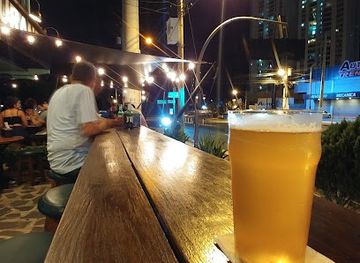
Brewpub
Istmo Brew Pub
Experience the best of craft beer and local cuisine at Istmo Brew Pub in Panama City, a must-visit for food and beer enthusiasts.
-
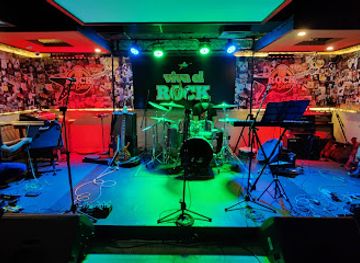
Live music bar
ROCK and Beer
Experience the vibrant nightlife of Panama City at Rock and Beer, where live music and refreshing brews create unforgettable moments.
-
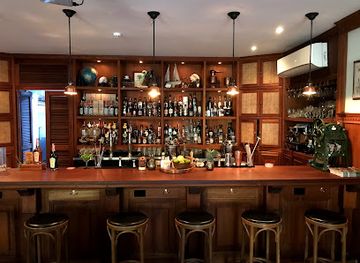
Bar
Pedro Mandinga Rum Bar
Discover the vibrant Pedro Mandinga Rum Bar in Panama City, a hotspot for rum lovers and nightlife enthusiasts seeking an authentic experience.
Best nightclubs in Emberá-Wounaan Comarca
The Emberá-Wounaan Comarca has no conventional bar, nightclub or organised nightlife scene for visitors. Evenings generally centre on the community where a guest is staying, with conversation, music, storytelling or quiet observation of the river and forest. Cultural presentations, when offered, should be understood as community-controlled activities rather than entertainment guaranteed by a tour package. Alcohol is not a necessary part of the visit, and visitors should avoid bringing it into communities without explicit agreement. Gateway settlements outside the comarca have modest local evening options, but travellers should not expect late opening hours, extensive public transport or a metropolitan social scene. Keep noise low after dark, respect household routines and follow local guidance about photography, lighting and movement around the community.
-
Night club
Cuidado Persnal
Experience the electrifying nightlife at Cuidado Persnal, the top night club in Panamá, where music, dancing, and fun await.
Best shops in Emberá-Wounaan Comarca
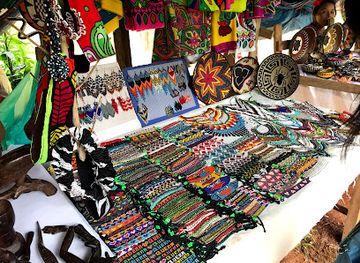
Shopping in the Emberá-Wounaan Comarca is small-scale and community based. Visitors may find woven baskets, beadwork, carved wooden objects, textiles and other handmade pieces, with designs, materials and production methods varying between Emberá and Wounaan communities and between individual makers. Ask who made an item, what materials were used and whether the object is intended for sale; not every cultural object is a souvenir. Buy directly through the community or artisan where possible, pay fairly rather than pursuing aggressive bargaining and check customs rules before purchasing anything made from plant, animal or forest materials. There are no extensive shopping centres or dependable retail streets inside the territory. Yaviza and other gateway settlements outside the comarca provide basic supplies, but visitors should obtain medicines, toiletries, batteries, snacks and travel essentials before beginning the river journey.
-
Supermarket
Ventas Metetí
Discover the flavors of Darién Province at Ventas Metetí, a local supermarket brimming with fresh produce and traditional Panamanian snacks.
-
Tourist attraction
Embera Quera
Experience the vibrant culture and stunning landscapes of Embera Quera, a captivating tourist attraction in Panama rich in indigenous heritage.
-
Store
Melo Yaviza
Discover Melo Yaviza, a vibrant store in Darién Province offering a unique glimpse into local culture and a variety of authentic Panamanian products.
-
Supermarket
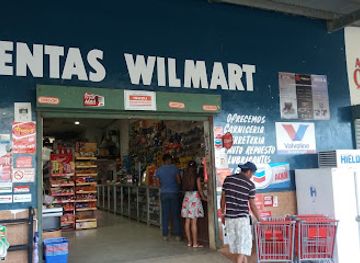
Ventas Wilmart
Discover Ventas Wilmart in Metetí, your essential supermarket for local flavors and everyday needs in the heart of Darién Province.
Get your free copy of our complete guide to Emberá-Wounaan Comarca, delivered straight to you.
Everything on this page, from attractions and restaurants to essentials and local phrases, in one PDF you can read offline, print or share.
Already have an account? Sign in
Your Emberá-Wounaan Comarca guide is ready.
We'll send it to · Not you? Sign out

Getting your guide ready…
We are putting together a fresh copy of the Emberá-Wounaan Comarca guide. This can take up to a minute.
This can take a few moments. If your browser asks, choose Allow so the download can start. You'll find the guide in your Downloads folder.
Nothing happened? Download it again
Sorry, the guide is taking longer than usual. Please try again in a minute, or get it by email instead.
Emberá-Wounaan Comarca essentials
Currency and Payment
Safety
Emergency Situations
Do's and Don'ts
Local Tips
From Eve
Local phrases worth knowing
You don't need to get them perfect. A few words go a long way, and locals appreciate the effort.
Basics
| English | Local | Say it |
|---|---|---|
| Hello | Hola | [Ola] |
| Goodbye | Adiós | [Adios] |
| Yes | Sí | [Si] |
| No | No | [No] |
| Please/You're welcome | Por favor | [Por favor] |
| Thank you | Gracias | [Gracias] |
| Excuse me/Sorry | Disculpe | [Disculpe] |
| How are you? | ¿Cómo estás? | [Como estas] |
| Fine. And you? | Bien. ¿Y tú? | [Bien. I tu] |
| Do you speak English? | ¿Hablas inglés? | [Hablas ingles] |
| I don't understand | No entiendo | [No entiendo] |
Eating & Drinking
| English | Local | Say it |
|---|---|---|
| I'd like to see the menu, please | Me gustaría ver el menú, por favor | [Me gustaria ver el menu, por favor] |
| I don't eat meat | No como carne | [No como carne] |
| Cheers! | ¡Salud! | [Salud] |
| I would like to pay, please | Me gustaría pagar, por favor | [Me gustaria pagar, por favor] |
Emergencies
| English | Local | Say it |
|---|---|---|
| Help! | ¡Ayuda! | [Ayuda] |
| Go away! | ¡Vete! | [Vete] |
| Call the Police! | ¡Llama a la policía! | [Llama a la policia] |
| Call a doctor! | ¡Llama a un doctor! | [Llama a un doctor] |
| I'm lost | Estoy perdido | [Estoy perdido] |
| I'm ill | Estoy enfermo | [Estoy enfermo] |
Shopping
| English | Local | Say it |
|---|---|---|
| I'd like to buy... | Me gustaría comprar... | [Me gustaria comprar] |
| I'm just looking | Solo estoy mirando | [Solo estoy mirando] |
| How much is it? | ¿Cuánto cuesta? | [Cuanto cuesta] |
| That's too expensive | Eso es muy caro | [Eso es muy caro] |
| Can you lower the price? | ¿Puedes bajar el precio? | [Puedes bajar el precio] |
Time & Numbers
| English | Local | Say it |
|---|---|---|
| What time is it? | ¿Qué hora es? | [Que hora es] |
| It's one o'clock | Es la una | [Es la una] |
| Half past (10) | Y media (10) | [Y media 10] |
| Morning | Mañana | [Mañana] |
| Afternoon | Tarde | [Tarde] |
| Evening | Noche | [Noche] |
| Yesterday | Ayer | [Ayer] |
| Today | Hoy | [Hoy] |
| Tomorrow | Mañana | [Mañana] |
| 1 | Uno | [Uno] |
| 2 | Dos | [Dos] |
| 3 | Tres | [Tres] |
| 4 | Cuatro | [Cuatro] |
| 5 | Cinco | [Cinco] |
| 6 | Seis | [Seis] |
| 7 | Siete | [Siete] |
| 8 | Ocho | [Ocho] |
| 9 | Nueve | [Nueve] |
| 10 | Diez | [Diez] |
Transport & Directions
| English | Local | Say it |
|---|---|---|
| Where's a/the...? | ¿Dónde está un/una...? | [Donde esta un/una] |
| What's the address? | ¿Cuál es la dirección? | [Cual es la direccion] |
| Can you show me (on the map)? | ¿Puedes mostrarme (en el mapa)? | [Puedes mostrarme en el mapa] |
| When's the next (bus)? | ¿Cuándo es el próximo (autobús)? | [Cuando es el proximo autobus] |
| A ticket (to ....) | Un boleto (a ....) | [Un boleto a] |
History of Emberá-Wounaan Comarca
Pre-Colonial River Societies
Long before Panama became a Spanish colony, the forests and rivers of eastern Panama supported Indigenous societies whose lives were organised around fishing, hunting, cultivation, river travel and exchange. The region was not an empty wilderness: waterways provided routes between settlements and linked communities to wider networks across the Darién and the Chocó. Archaeological evidence from eastern Panama indicates a deep and varied human presence, although many aspects of earlier history remain less documented than the better-known cultures of western Panama.
Emberá and Wounaan Historical Migration
The Emberá and Wounaan have longstanding connections with the broader Chocó biocultural region, which extends across eastern Panama and western Colombia. Over many generations, families and communities moved along river corridors and maintained relationships across what later became an international boundary. Their histories are therefore not confined to the modern Panamanian state. Language, kinship, river knowledge, craft traditions and customary practices continue to express this wider regional heritage.
The Darién Colonial Frontier
Spanish colonial control in the Darién was uneven. Dense forests, difficult rivers, Indigenous resistance and the absence of easily controlled agricultural centres limited permanent settlement in many areas. Spanish expeditions, missionaries, traders and settlers nevertheless entered the region, while the coast and river routes became entangled in imperial rivalry and foreign incursions. The resulting history differed sharply from that of central Panama: colonial authority remained intermittent, and Indigenous communities retained greater room to maintain their own social and territorial practices.
The Darién in the Nineteenth and Early Twentieth Centuries
After Panama's independence from Spain and its later incorporation into the Colombian republic, eastern Panama remained remote from the main political and economic centres. Rivers continued to serve as the principal transport routes, while small-scale cultivation, fishing, forest use and trade shaped local economies. State institutions expanded gradually rather than through a single transformation. This relative isolation helped preserve Indigenous autonomy but also left communities with limited access to roads, education, healthcare and formal markets.
Panama's Indigenous Territorial Recognition
The Emberá-Wounaan Comarca was established by Panamanian law in 1983 as a form of Indigenous territorial and administrative recognition. Its creation acknowledged the collective presence of Emberá and Wounaan communities and provided a framework for customary governance within the districts of Cémaco and Sambú. The comarca is part of Panama, not an independent country, but its legal status reflects the importance of Indigenous authorities and communal land rights in managing local affairs.
River Transport, Schools and State Services
During the late twentieth century and into the present, roads, schools, health services, communications and government administration reached parts of the territory unevenly. River transport remained fundamental because the comarca's geography makes conventional infrastructure costly and difficult. These changes brought valuable connections with the wider Panamanian state, while also introducing pressures linked to commercial goods, migration, land use and external ideas of development. Communities continue to balance modern services with customary institutions and local priorities.
Conservation and Community-Based Tourism
The Emberá-Wounaan Comarca forms part of a wider Darién landscape recognised for exceptional rainforest biodiversity and cultural importance. Conservation efforts, Indigenous land rights and concerns about illegal resource extraction have increasingly become interconnected. Community-based tourism has developed on a modest scale, allowing some visitors to learn about river life, crafts, food and forest knowledge under local guidance. Its long-term value depends on community consent, fair payment, controlled visitor numbers and respect for cultural ownership rather than on mass tourism.
Emberá-Wounaan Comarca in Photos
Browse through our photo collection highlighting the charm and character of the destination.
Neighbouring regions of Emberá-Wounaan Comarca
The closest regions to Emberá-Wounaan Comarca, if you have time for more than one.
-

-

-

-
-


Swipe for more regions
Explore more

Explore more of Panama
Discover Panama: A vibrant blend of modernity and nature, where historic charm, tropical rainforests, and pristine beaches come together in the heart of Central America.
Explore Panama