

Free Eastern Panama Travel Guide & Mobile App
Explore Eastern Panama with free travel guides. Discover regional history, expert tips, proposed trips, and audio guides on web or mobile app.


Discover the untouched wonders of Eastern Panama, where lush rainforests, pristine beaches, and rich indigenous culture await the intrepid traveler.
Read more about Eastern Panama
When is the best time to visit Eastern Panama?
Best: January–March · 29–31°C| Month | High (°C) | Rainfall (mm) |
|---|---|---|
| January (best) | 29 | 100 |
| February (best) | 30 | 90 |
| March (best) | 31 | 100 |
| April | 31 | 120 |
| May | 31 | 200 |
| June | 30 | 240 |
| July | 30 | 220 |
| August | 30 | 220 |
| September | 30 | 240 |
| October | 30 | 290 |
| November | 30 | 260 |
| December | 29 | 160 |
Getting to and around Eastern Panama
How to get there
Transportation
Top city travel guides in Eastern Panama
The cities of Eastern Panama, and the easiest places to base yourself.

Swipe for more cities
Best attractions in Eastern Panama
Eastern Panama, a hidden gem brimming with natural splendor and rich history, offers intrepid travelers an unparalleled adventure. Begin your journey in the lush rainforests of Darién National Park, a UNESCO World Heritage site teeming with diverse wildlife and indigenous cultures. Navigate the winding rivers of the Embera-Wounaan territory, where you can engage with local communities and learn about their traditions. Explore the pristine beaches and crystal-clear waters of the Pearl Islands, perfect for snorkeling and diving enthusiasts. History buffs will be captivated by the ruins of the colonial town of Nombre de Dios and the tales of pirates and conquistadors that echo through the region. Whether you're trekking through dense jungles, enjoying vibrant festivals, or simply soaking in the breathtaking landscapes, Eastern Panama promises an unforgettable experience.
-
Museum
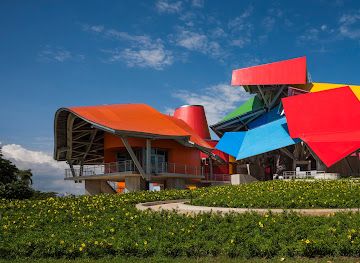
Biomuseo
Explore the Biodiversity of Panama at Biomuseo: An Architectural Jewel and Science Museum in the Heart of Panama City.
-
Tourist attraction
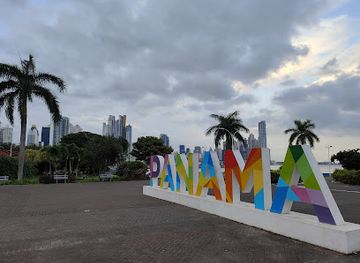
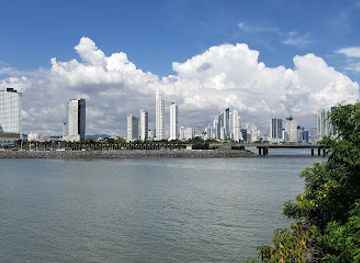
Photo Parador - Cinta Costera
Explore the stunning coastal beauty and vibrant culture at Photo Parador, Cinta Costera in Panama City, a must-visit for every traveler.
-
Tourist attraction
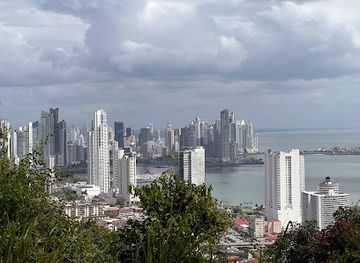
Cerro Ancon Reserve
Discover the breathtaking Cerro Ancon Reserve in Panama City, where lush nature meets stunning views and rich history for an unforgettable experience.
-
Museum
Panama Canal Museum
Discover the rich history and engineering marvel of the Panama Canal at the Panama Canal Museum in Panama City.
Best landmarks in Eastern Panama
Eastern Panama offers a captivating blend of natural wonders and rich history that beckons adventurous travelers. Visitors can explore the pristine rainforests of Darién National Park, a UNESCO World Heritage site teeming with exotic wildlife and indigenous cultures. The ancient petroglyphs of El Valle de Antón provide a glimpse into the region's pre-Columbian past, while the ruins of the colonial-era Real de Santa María transport you to Panama's storied history. For the thrill-seekers, the crystal-clear waters of the Gulf of San Miguel offer unparalleled snorkeling and diving experiences, revealing vibrant marine life and sunken pirate ships. Whether trekking through dense jungles, marveling at historical relics, or indulging in water adventures, Eastern Panama promises an unforgettable journey through time and nature.
-
Historical place
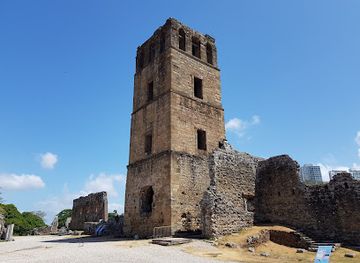
Panamá Viejo
Explore the historical ruins of Panamá Viejo, a UNESCO World Heritage Site that narrates the rich colonial history of Panama City.
-
Boat ramp
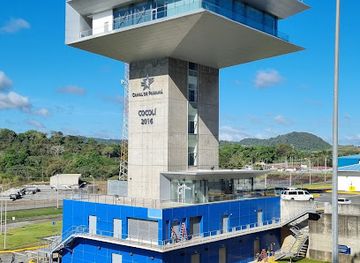
Miraflores Locks
Discover the engineering marvel of the Miraflores Locks, a must-see historical landmark and tourist attraction in Panama City, showcasing the Panama Canal's operations.
-
Tourist attraction
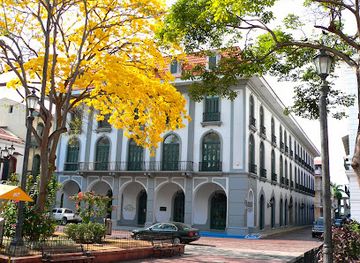
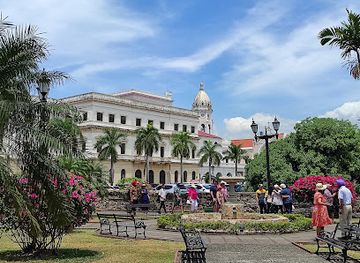
France Square
Discover the beauty and culture of France Square, a serene park in Panama City, perfect for relaxation and vibrant community experiences.
-
Canal
Panama Canal
Experience the engineering marvel of the Panama Canal, a historic passage connecting two oceans and a must-visit destination for every traveler.
Explore Eastern Panama on the map
Plan your trip on one map. See where the top cities, national parks and sights are, and book hotels and experiences in a few clicks.
Best hotels in Eastern Panama
Best restaurants in Eastern Panama
In Eastern Panama, the dining scene is a vibrant tapestry of flavors and cultures, offering visitors a chance to indulge in a culinary journey like no other. From bustling local markets brimming with fresh seafood and tropical fruits to roadside eateries serving hearty Panamanian staples such as sancocho (a flavorful chicken stew) and patacones (crispy fried plantains), the region's cuisine is deeply rooted in tradition yet spiced with modern influences. Adventurous foodies can savor the unique Afro-Caribbean dishes of the coastal towns, where the aroma of coconut rice and grilled fish fills the air, while those exploring the indigenous villages can experience authentic Emberá and Guna Yala fare, including dishes prepared with locally sourced ingredients and ancient cooking techniques. Whether dining in a rustic jungle lodge or a charming seaside restaurant, visitors will find that each meal in Eastern Panama is an opportunity to connect with the region's rich history and diverse cultural heritage.
-
Grill
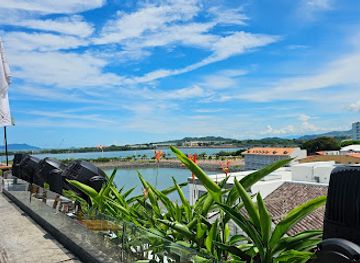
CasaCasco
Experience the vibrant fusion of dining and nightlife at CasaCasco in Panama City—where exceptional flavors meet energetic beats.
-
Caribbean
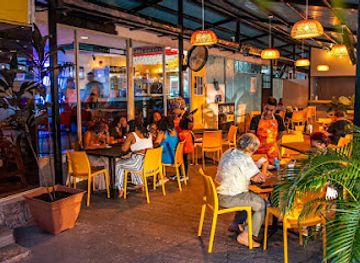
La Tapa Del Coco
Experience authentic Caribbean dining at La Tapa Del Coco in Panama City with vibrant flavors and warm hospitality.
-
Central American
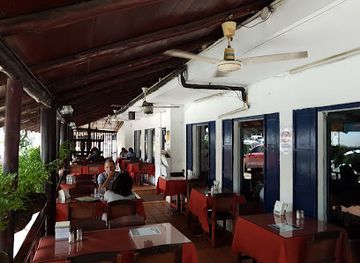
El Trapiche
Discover authentic Central American flavors at El Trapiche in Panama City—your go-to spot for delicious breakfasts and vibrant local culture.
-
Brewpub
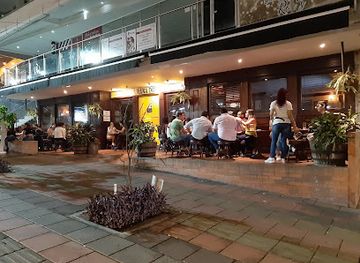
La Rana Dorada
Experience the best craft beers and Panamanian cuisine at La Rana Dorada in Panama City - a must-visit brewpub for tourists.
Best bars in Eastern Panama
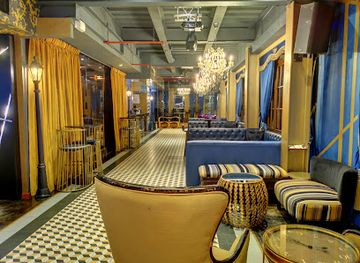
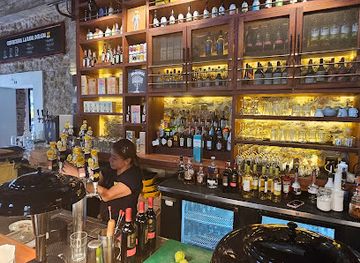
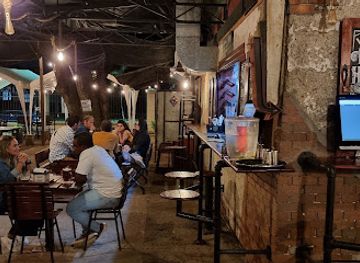
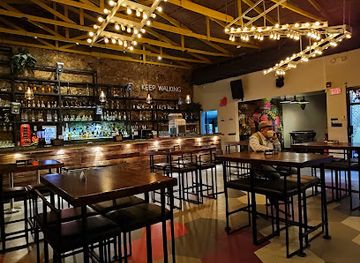
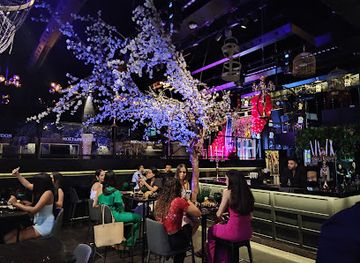
Eastern Panama, often overshadowed by its bustling capital, hides a vibrant and eclectic nightlife that offers a unique blend of traditional and modern experiences. As the sun sets, the region comes alive with the sounds of Afro-Caribbean beats and indigenous rhythms, echoing from lively bars and open-air venues. Visitors can find themselves sipping on locally crafted cocktails at hidden gem bars nestled in the lush Darien jungle or dancing the night away under the stars on pristine beachfronts. The nightlife here is enriched by cultural performances, with locals showcasing traditional dances and music that tell the story of Panama's diverse heritage. Whether you are looking for a laid-back evening by the water or an energetic night of dancing and socializing, Eastern Panama's nightlife promises an immersive and unforgettable experience.
-
Grill
CasaCasco
Experience the best of Panama City nightlife at CasaCasco, where exquisite dining meets vibrant entertainment in a stunning atmosphere.
-
Brewpub
La Rana Dorada Casco
Discover La Rana Dorada Casco, a vibrant brewpub in Panama City's historic Casco Viejo offering artisan beers and delicious local cuisine.
-
Brewpub
La Fábrica
Experience Panama City's vibrant brewpub scene at La Fábrica, where handcrafted beers and delicious bites await you.
-
Disco club
Casa Jaguar
Experience the vibrant nightlife of Panama City at Casa Jaguar, where music, dining, and dancing create a memorable escape.
Best nightclubs in Eastern Panama
Eastern Panama, often overshadowed by its bustling capital, hides a vibrant and eclectic nightlife that offers a unique blend of traditional and modern experiences. As the sun sets, the region comes alive with the sounds of Afro-Caribbean beats and indigenous rhythms, echoing from lively bars and open-air venues. Visitors can find themselves sipping on locally crafted cocktails at hidden gem bars nestled in the lush Darien jungle or dancing the night away under the stars on pristine beachfronts. The nightlife here is enriched by cultural performances, with locals showcasing traditional dances and music that tell the story of Panama's diverse heritage. Whether you are looking for a laid-back evening by the water or an energetic night of dancing and socializing, Eastern Panama's nightlife promises an immersive and unforgettable experience.
-
Disco club
Casa Jaguar
Experience the ultimate nightlife at Casa Jaguar, where delicious cuisine meets vibrant dance in Panama City’s premier disco club.
-
Disco club
Chill out discotheque
Discover the vibrant nightlife at Chill Out Discotheque in Panama City, where music, dance, and unforgettable memories await.
-
Disco club
Moloko Plus
Discover the heartbeat of Panama City's nightlife at Moloko Plus, a premier disco club offering electrifying music and a vibrant social scene.
-
Bar
La Tana
Discover the vibrant nightlife at La Tana in Panama City, where music and fun come together in a spirited atmosphere.


Best shops in Eastern Panama
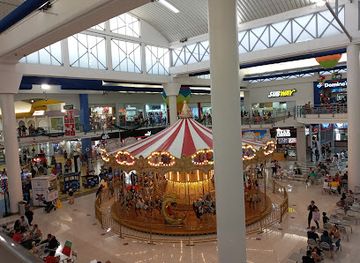
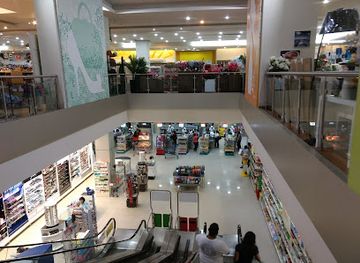
Eastern Panama offers a vibrant and eclectic shopping experience that perfectly blends traditional craftsmanship with modern amenities. Visitors can explore bustling local markets teeming with colorful handmade textiles, intricate molas from the indigenous Guna people, and artisan-crafted jewelry, all of which serve as perfect souvenirs and gifts. For those seeking a more contemporary shopping experience, the region boasts a variety of charming boutiques and specialty shops featuring locally sourced organic produce, gourmet coffee, and unique Panamanian fashion. The lively atmosphere is enhanced by friendly vendors eager to share the stories behind their crafts, making every shopping trip not just a purchase, but a culturally enriching experience.
-
Shopping mall
Albrook Mall
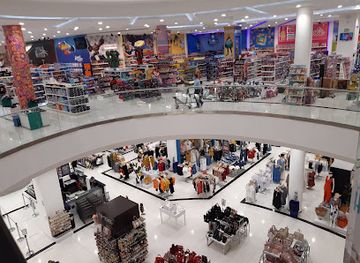
Discover Albrook Mall, Central America's largest shopping destination in Panama City, offering diverse shops, delicious dining, and vibrant entertainment options.
-
Shopping mall
Metromall Panamá
Explore Metromall Panamá, a dynamic shopping destination featuring diverse stores, delightful dining, and entertainment for all ages in the heart of Panama City.
-
Shopping mall
Causeway Amador
Explore Causeway Amador: A Shopping Paradise and Scenic Tourist Attraction in Panama City with Stunning Ocean Views.
-
Shopping mall
AltaPlaza Mall
Discover a shopping paradise at AltaPlaza Mall in Panama City, offering a unique blend of retail, dining, and entertainment experiences.
Get your free copy of our complete guide to Eastern Panama, delivered straight to you.
Everything on this page, from attractions and restaurants to essentials and local phrases, in one PDF you can read offline, print or share.
Already have an account? Sign in
Your Eastern Panama guide is ready.
We'll send it to · Not you? Sign out

Getting your guide ready…
We are putting together a fresh copy of the Eastern Panama guide. This can take up to a minute.
This can take a few moments. If your browser asks, choose Allow so the download can start. You'll find the guide in your Downloads folder.
Nothing happened? Download it again
Sorry, the guide is taking longer than usual. Please try again in a minute, or get it by email instead.
Eastern Panama essentials
Currency and Payment
Safety
Emergency Situations
Do's and Don'ts
Local Tips
From Eve
Local phrases worth knowing
You don't need to get them perfect. A few words go a long way, and locals appreciate the effort.
Basics
| English | Local | Say it |
|---|---|---|
| Hello | Hola | [Ola] |
| Goodbye | Adiós | [A-dios] |
| Yes | Sí | [See] |
| No | No | [No] |
| Please/You're welcome | Por favor | [Por fa-vor] |
| Thank you | Gracias | [Gra-sias] |
| Excuse me/Sorry | Disculpa | [Dis-cul-pa] |
| How are you? | ¿Cómo estás? | [Co-mo es-tas] |
| Fine. And you? | Bien. ¿Y tú? | [Byen. E tu] |
| Do you speak English? | ¿Hablas inglés? | [A-blas in-gle-s] |
| I don't understand | No entiendo | [No en-ti-en-do] |
Eating & Drinking
| English | Local | Say it |
|---|---|---|
| I'd like to see the menu, please | Me gustaría ver el menú, por favor | [Me gus-ta-ria ver el me-nu, por fa-vor] |
| I don't eat meat | No como carne | [No co-mo car-ne] |
| Cheers! | ¡Salud! | [Sa-lud] |
| I would like to pay, please | Me gustaría pagar, por favor | [Me gus-ta-ria pa-gar, por fa-vor] |
Emergencies
| English | Local | Say it |
|---|---|---|
| Help! | ¡Ayuda! | [A-yu-da] |
| Go away! | ¡Vete! | [Ve-te] |
| Call the Police! | ¡Llame a la policía! | [Lla-me a la po-li-cia] |
| Call a doctor! | ¡Llame a un doctor! | [Lla-me a un doc-tor] |
| I'm lost | Estoy perdido | [Es-toy per-di-do] |
| I'm ill | Estoy enfermo | [Es-toy en-fer-mo] |
Shopping
| English | Local | Say it |
|---|---|---|
| I'd like to buy... | Quisiera comprar... | [Ki-sie-ra com-prar] |
| I'm just looking | Solo estoy mirando | [So-lo es-toy mi-ran-do] |
| How much is it? | ¿Cuánto cuesta? | [Cuan-to cues-ta] |
| That's too expensive | Eso es muy caro | [E-so es muy ca-ro] |
| Can you lower the price? | ¿Puedes bajar el precio? | [Pue-des ba-har el pre-cio] |
Time & Numbers
| English | Local | Say it |
|---|---|---|
| What time is it? | ¿Qué hora es? | [Ke o-ra es] |
| It's one o'clock | Es la una | [Es la u-na] |
| Half past (10) | Y media (10) | [Y me-dia (10)] |
| Morning | Mañana | [Ma-nya-na] |
| Afternoon | Tarde | [Tar-de] |
| Evening | Noche | [No-che] |
| Yesterday | Ayer | [A-yér] |
| Today | Hoy | [Oi] |
| Tomorrow | Mañana | [Ma-nya-na] |
| 1 | Uno | [U-no] |
| 2 | Dos | [Dos] |
| 3 | Tres | [Tres] |
| 4 | Cuatro | [Cua-tro] |
| 5 | Cinco | [Cin-co] |
| 6 | Seis | [Seis] |
| 7 | Siete | [Sie-te] |
| 8 | Ocho | [O-cho] |
| 9 | Nueve | [Nue-ve] |
| 10 | Diez | [Diez] |
Transport & Directions
| English | Local | Say it |
|---|---|---|
| Where's a/the...? | ¿Dónde está un...? | [Don-de es-ta un] |
| What's the address? | ¿Cuál es la dirección? | [Cual es la di-rec-cion] |
| Can you show me (on the map)? | ¿Puedes mostrarme (en el mapa)? | [Pue-des mos-trar-me (en el ma-pa)] |
| When's the next (bus)? | ¿Cuándo es el próximo (bus)? | [Cuan-do es el pro-xi-mo (bus)] |
| A ticket (to ....) | Un boleto (a ....) | [Un bo-le-to (a ....)] |
History of Eastern Panama
Indigenous Heritage and the Kuna Yala
Eastern Panama, particularly the region known as the Darién Gap, is home to the indigenous Kuna people, who have maintained a unique way of life for centuries. The Kuna Yala, an autonomous territory, is renowned for its vibrant culture, traditional dress, and stunning molas (textile art). The Kuna have a rich oral history and have resisted outside influences to preserve their heritage and traditions.
Spanish Conquest and Colonization
The arrival of the Spanish in the early 16th century significantly impacted Eastern Panama. Conquistadors, such as Vasco Núñez de Balboa, traversed the region in their quest for gold and a passage to the Pacific Ocean. The Spanish established settlements and trade routes, which led to conflicts with indigenous groups and significant cultural exchanges.
Pirates and Privateers
During the 17th century, Eastern Panama's strategic location made it a hotspot for pirates and privateers. Figures like Sir Henry Morgan became infamous for their raids on Spanish settlements and ships. The dense jungles and waterways of the Darién provided both refuge and challenges for these marauders. Stories of buried treasures and lost fortunes still captivate the imagination of visitors today.
The Darién Scheme
In the late 17th century, the Scottish attempted to establish a colony in the Darién region. Known as the Darién Scheme, this ambitious project aimed to create a trading hub that would rival Spanish control. However, the harsh environment, disease, and lack of support led to the colony's failure, contributing to Scotland's eventual union with England to form Great Britain.
Modern Exploration and Environmental Conservation
The 20th and 21st centuries have seen increased exploration and conservation efforts in Eastern Panama. The region's rich biodiversity, including the Darién National Park, has attracted scientists, adventurers, and environmentalists. Efforts to preserve its unique ecosystems and support indigenous communities have become central to the area's modern identity.
Eastern Panama in Photos
Browse through our photo collection highlighting the charm and character of the destination.
Neighbouring regions of Eastern Panama
The closest regions to Eastern Panama, if you have time for more than one.
-
-

-

-

-


Swipe for more regions
Explore more

Explore more of Panama
Discover Panama: A vibrant blend of modernity and nature, where historic charm, tropical rainforests, and pristine beaches come together in the heart of Central America.
Explore Panama