
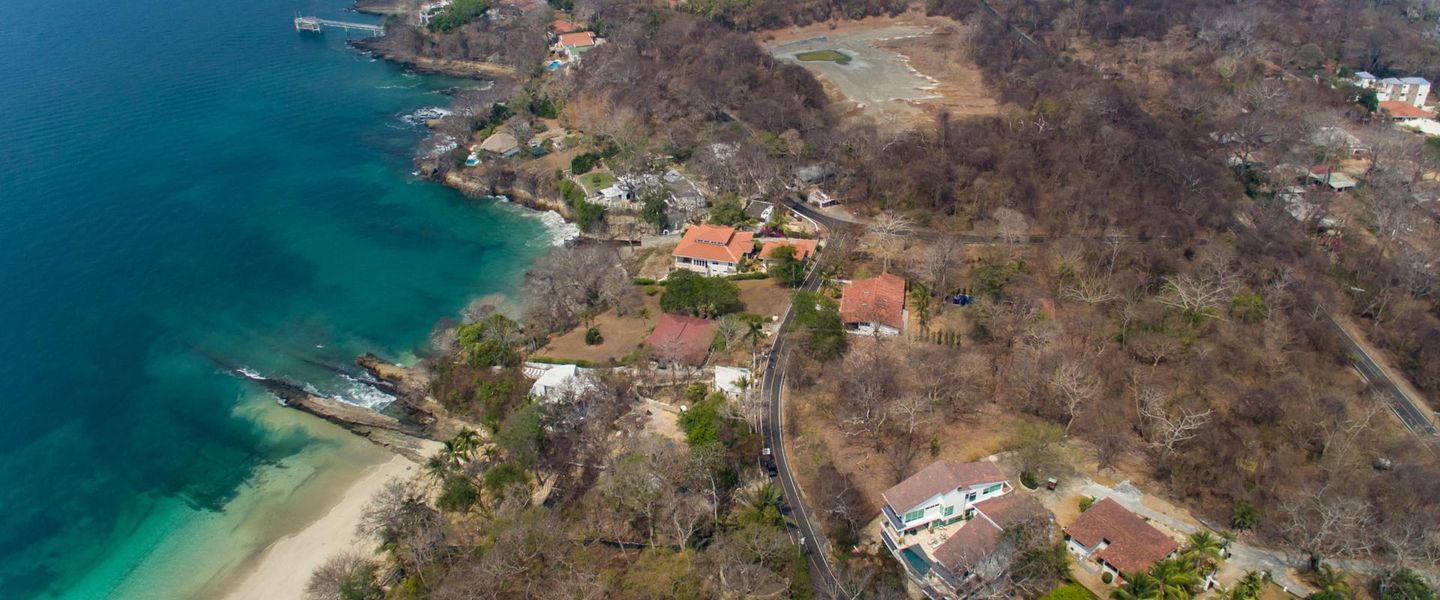
Pearl Islands, Panama Travel Guide
Discover the Pearl Islands in Panama: a tropical paradise with pristine beaches, vibrant marine life, and a rich history, perfect for relaxation and adventure.
Nestled in the Gulf of Panama, the Pearl Islands are a tropical paradise that beckons travelers with their pristine beaches, turquoise waters, and lush greenery. This archipelago consists of more than 200 islands and islets, each offering its unique charm and allure. The most famous of these is Isla Contadora, known for its luxurious resorts and crystal-clear waters ideal for snorkeling and diving. For those seeking adventure, the Pearl Islands are a haven for marine life enthusiasts. The surrounding waters are teeming with vibrant coral reefs, colorful fish, and even the occasional whale sighting. Kayaking and paddleboarding are also popular activities, allowing visitors to explore the islands' hidden coves and secluded beaches. History buffs will find the Pearl Islands equally fascinating. Discovered by the Spanish in the early 16th century, these islands were once a hub for pearl diving and trade. Today, remnants of this rich history can be found in the form of old pirate tales and colonial architecture. A visit to the islands is incomplete without savoring the local seafood, freshly caught and prepared in traditional Panamanian style.

Know before you go
Hi, I'm Eve. Here are a few practical things to know before exploring Pearl Islands.
- Visit during the dry season from December to April for the best weather.
- Don't miss snorkeling or diving around Isla Contadora for a glimpse of the vibrant underwater world.
- Local ferries and small aircraft are the most common ways to reach the islands from Panama City.
- Pack reef-safe sunscreen to protect the delicate marine ecosystem.
- Try local seafood dishes such as ceviche and fresh grilled fish.
Explore Pearl Islands: Things to Do, Places to Eat, Hotels & More
Handpicked recommendations for top attractions, local dining, accommodations, and more

Top Attractions & Sightseeing in Pearl Islands
Top-rated picks
Best Attractions

Parque Nacional Isla Bastimentos
Explore the breathtaking landscapes and vibrant biodiversity of Parque Nacional Isla Bastimentos, a gem of Panama's national parks.

Isla Pedro González
Explore the tranquil beauty and vibrant marine life of Isla Pedro González, a hidden gem in Panamá Province ideal for relaxation and adventure.

Pearl Island
Explore Pearl Island, a serene paradise in Panama's Archipelago de Las Perlas, offering luxury accommodations, stunning beaches, and exquisite dining.

Best landmarks in Pearl Islands
Top-rated picks
Best Landmarks

Miraflores Locks
Explore the Miraflores Locks in Panama City, where engineering marvel and history collide amidst breathtaking views of the Panama Canal.

The Westin Playa Bonita Panama
Discover luxurious comfort and breathtaking views at The Westin Playa Bonita Panama, your ultimate tropical getaway in the heart of Central America.

Panama Canal
Discover the Panama Canal, a breathtaking engineering marvel that revolutionized global trade and offers stunning views along its historic waterway.

Playa de la Isla Taboga
Experience the beauty of Playa de la Isla Taboga, a tranquil beach destination near Panama City, perfect for relaxation and adventure.

Best restaurants in Pearl Islands
Top-rated picks
Best Restaurants

CasaCasco
Experience the best of Panama City's dining and nightlife at CasaCasco, where exquisite grills meet vibrant entertainment.

Fonda Lo Que Hay
Experience authentic Panamanian flavors at Fonda Lo Que Hay - a must-visit culinary hotspot in Panama City.

Lazotea Restaurant & Rooftop
Discover stunning views and vibrant flavors at Lazotea Restaurant & Rooftop in Panama City - a culinary haven for all food enthusiasts.

Sunly Restaurant
Discover the rich tapestry of Chinese cuisine at Sunly Restaurant in Panama City - where tradition meets flavor in every dish.

Best bars in Pearl Islands
Top-rated picks
Best Bars

CasaCasco
Discover the culinary and nightlife hotspot of CasaCasco in Panama City, featuring diverse dining options and vibrant entertainment.

Hacienda del Mar
Discover unparalleled comfort and breathtaking views at Hacienda del Mar in Panamá Province, the perfect tropical escape for travelers.

Amano Bar
Experience the vibrant nightlife at Amano Bar in Panama City, where creative cocktails and delicious cuisine come together in a stylish setting.

Chupitos 507
Discover the vibrant nightlife at Chupitos 507, where innovative cocktails and a lively atmosphere await you in Panama City.

Best nightclubs in Pearl Islands
Top-rated picks
Best Nightclubs

Casa Jaguar
Discover the electrifying nightlife at Casa Jaguar, a premier disco club and restaurant in Panama City, where music and culinary delights unite.

Tropicali
Experience the vibrant flavors and nightlife of Tropicali, where Caribbean cuisine meets an electrifying disco atmosphere in Panama City.

Chill out discotheque
Experience the electric nightlife at Chill Out Discotheque in Panama City, where music, dancing, and unforgettable memories await.

Alejandro's
Discover the pulse of Panama City's nightlife at Alejandro's, a premier night club offering cocktails, karaoke, and unforgettable entertainment.

Best shops in Pearl Islands
Top-rated picks
Best Shops

Albrook Mall
Discover Albrook Mall, Central America's largest shopping center, where shopping, dining, and entertainment converge in Panama City.

Multiplaza Panamá
Discover a shopping paradise at Multiplaza Panamá, where luxury meets local culture in the heart of Panama City.

Metromall Panamá
Discover the vibrant shopping experience at Metromall Panamá, where local culture meets global brands in a family-friendly atmosphere.

AltaPlaza Mall
Explore AltaPlaza Mall in Panama City for a diverse shopping experience with top brands, delicious dining, and exciting entertainment options.

Explore Pearl Islands on the Map
A handpicked selection of must-see spots in Pearl Islands, mapped for you.
Pearl Islands Essentials
-
The Pearl Islands are located in the Gulf of Panama, around 30 miles southeast of Panama City. The most common way to reach the Pearl Islands is by taking a domestic flight from Albrook 'Marcos A. Gelabert' International Airport in Panama City to Contadora Island, the main island in the archipelago. The flight takes about 15 minutes. Alternatively, you can take a ferry from the Amador Causeway in Panama City to Contadora Island, which takes about 90 minutes. Private boat charters are also available for those looking for a more personalized trip.
-
Once on the Pearl Islands, transportation options are limited but sufficient for getting around. On Contadora Island, golf carts are the primary mode of transport and can be rented from various rental agencies. Bicycles are also available for rent, providing a scenic way to explore the island. For island hopping, local boat services and private charters can take you to other islands in the archipelago. Walking is also a viable option given the relatively small size of the islands.
-
The official currency of Panama is the Balboa (PAB), which is pegged to the U.S. Dollar (USD). U.S. Dollars are widely accepted, and there is no need to exchange currency if you are carrying USD. Credit cards are accepted in most hotels, restaurants, and shops on Contadora Island, but it is advisable to carry some cash, especially if you plan to visit the smaller, less developed islands. There are no ATMs on the islands, so ensure you withdraw enough cash before departure.
-
The Pearl Islands are generally safe for tourists, but standard travel precautions should be taken. Always keep an eye on your belongings, especially in crowded areas. Avoid isolated areas after dark and be cautious when swimming or engaging in water sports, as some areas may have strong currents. There are no specific high-crime areas targeting tourists, but it's always wise to remain vigilant and aware of your surroundings.
-
In case of emergency, dial 911 for immediate assistance. The main island, Contadora, has a small medical clinic for basic health needs, but serious medical emergencies may require evacuation to Panama City. It is recommended to have travel insurance that covers medical emergencies, including evacuation. For minor health issues, there are pharmacies on Contadora Island where you can purchase over-the-counter medications.
-
Fashion: Do wear lightweight, breathable clothing suitable for a tropical climate. Avoid overly revealing swimwear when away from the beach. Religion: There are no major religious restrictions, but it's always good to be respectful of local customs and traditions. Public Transport: Do be courteous and patient, as transport options are limited. Don’t expect strict schedules for ferries and local boats. Greetings: Do greet locals with a friendly 'Hola' or 'Buenos días.' A handshake is considered polite. Eating & Drinking: Do try local seafood delicacies and tropical fruits. Don’t drink tap water; always opt for bottled water.
-
To experience the Pearl Islands like a local, take a stroll down the less-traveled paths and explore hidden beaches. Engage with local fishermen who can take you on fishing trips or tell you about the best spots for snorkeling and diving. Visit the local markets to buy fresh seafood and tropical fruits. Don't miss the opportunity to explore the historical sites, such as the old airstrip on Contadora Island, which was used during World War II.
When is the best time to visit Pearl Islands?
Useful Local Phrases for Pearl Islands
You don't need to speak the language perfectly. Even learning a few simple words can make conversations warmer—and locals usually appreciate the effort.
— Eve

Here are the phrases I use most often in Pearl Islands. Try a few—you'll be surprised how far they go! 😊
❤️
-
- HelloHola
[O-la] - GoodbyeAdiós
[A-dios] - YesSí
[See] - NoNo
[No] - Please/You're welcomePor favor/De nada
[Por fa-vor/De na-da] - Thank youGracias
[Gra-sias] - Excuse me/SorryDisculpe/Lo siento
[Dis-cul-pe/Lo sien-to] - How are you?¿Cómo estás?
[Co-mo es-tas] - Fine. And you?Bien. ¿Y tú?
[Bien. I tu] - Do you speak English?¿Hablas inglés?
[A-blas in-gle-s] - I don't understandNo entiendo
[No en-ti-en-do]
- HelloHola
-
- I'd like to see the menu, pleaseMe gustaría ver el menú, por favor
[Me gus-ta-ria ver el me-nu, por fa-vor] - I don't eat meatNo como carne
[No co-mo car-ne] - Cheers!¡Salud!
[Sa-lud] - I would like to pay, pleaseMe gustaría pagar, por favor
[Me gus-ta-ria pa-gar, por fa-vor]
- I'd like to see the menu, pleaseMe gustaría ver el menú, por favor
-
- Help!¡Ayuda!
[A-yu-da] - Go away!¡Vete!
[Ve-te] - Call the Police!¡Llama a la policía!
[Ya-ma a la po-li-cia] - Call a doctor!¡Llama a un doctor!
[Ya-ma a un doc-tor] - I'm lostEstoy perdido
[Es-toy per-di-do] - I'm illEstoy enfermo/a
[Es-toy en-fer-mo/a]
- Help!¡Ayuda!
-
- I'd like to buy...Quisiera comprar...
[Ki-sie-ra com-prar] - I'm just lookingSolo estoy mirando
[So-lo es-toy mi-ran-do] - How much is it?¿Cuánto cuesta?
[Cuan-to cues-ta] - That's too expensiveEso es demasiado caro
[E-so es de-ma-si-a-do ca-ro] - Can you lower the price?¿Puedes bajar el precio?
[Pwe-des ba-har el pre-cio]
- I'd like to buy...Quisiera comprar...
-
- What time is it?¿Qué hora es?
[Ke o-ra es] - It's one o'clockEs la una
[Es la u-na] - Half past (10)Y media (10)
[Y me-dia] - MorningMañana
[Ma-ña-na] - AfternoonTarde
[Tar-de] - EveningNoche
[No-che] - YesterdayAyer
[A-yer] - TodayHoy
[Hoy] - TomorrowMañana
[Ma-ña-na] - 1Uno
[U-no] - 2Dos
[Dos] - 3Tres
[Tres] - 4Cuatro
[Cua-tro] - 5Cinco
[Cin-co] - 6Seis
[Seis] - 7Siete
[Sie-te] - 8Ocho
[O-cho] - 9Nueve
[Nue-ve] - 10Diez
[Diez]
- What time is it?¿Qué hora es?
-
- Where's a/the...?¿Dónde está un/una...?
[Don-de es-ta un/una] - What's the address?¿Cuál es la dirección?
[Cual es la di-rec-ción] - Can you show me (on the map)?¿Puedes mostrarme (en el mapa)?
[Pwe-des mos-trar-me (en el ma-pa)] - When's the next (bus)?¿Cuándo es el próximo (bus)?
[Cuan-do es el pró-xi-mo] - A ticket (to ....)Un boleto (a....)
[Un bo-le-to (a....)]
- Where's a/the...?¿Dónde está un/una...?
History of Pearl Islands
-
The Pearl Islands were inhabited long before the arrival of Europeans. Archaeological evidence suggests that indigenous groups, possibly the Cueva people, lived on the islands, engaging in fishing, hunting, and trading with mainland populations.
-
In 1513, Spanish explorer Vasco Núñez de Balboa became the first European to see the Pacific Ocean from the Americas. Shortly after, the Pearl Islands were discovered by Spanish Conquistadors who named them 'Las Perlas' due to the abundance of pearls found there.
-
In the 17th century, the Pearl Islands became a notorious pirate haven. Pirates like Henry Morgan used the islands as a base to launch attacks on Spanish ships and settlements. The islands' strategic location and hidden coves made them ideal for pirate activity.
-
During the Spanish colonial period, the Pearl Islands were used for pearl diving and as a penal colony. The Spanish exploited the islands' natural resources and used indigenous and African slave labor for pearl harvesting, significantly impacting the local population.
-
In the mid-20th century, the Pearl Islands began to develop as a tourist destination. The construction of hotels, resorts, and airstrips made the islands more accessible. Famous personalities, including the Shah of Iran, began to frequent the islands, further boosting their popularity.
-
Today, the Pearl Islands are a popular destination for tourists seeking pristine beaches, clear waters, and rich marine life. The islands offer a range of activities from snorkeling and diving to exploring the historical sites. The local culture reflects a blend of indigenous, African, and Spanish influences, providing a unique experience for visitors.
Neighbouring Regions of Pearl Islands
The closest regions to Pearl Islands, if you have time for more than one.


Your all‑in‑one travel companion app
Explore expert travel guides, compare and book tours, experiences, hotels, and more—all from the palm of your hand. Download now for seamless trip planning wherever your wanderlust takes you.


Explore More of Panama

Looking beyond Pearl Islands? Discover Panama for broader travel guides, local hot-spots, and regional highlights.
Explore PanamaPearl Islands in Photos
Browse through our photo collection highlighting the charm and character of the destination.
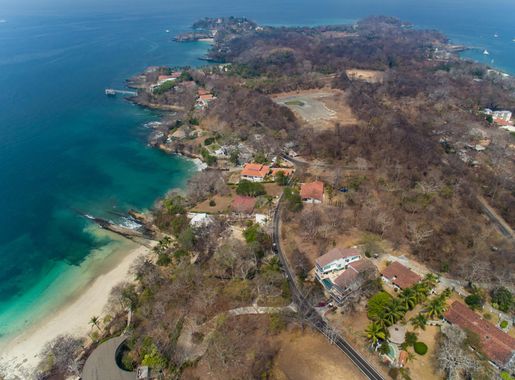
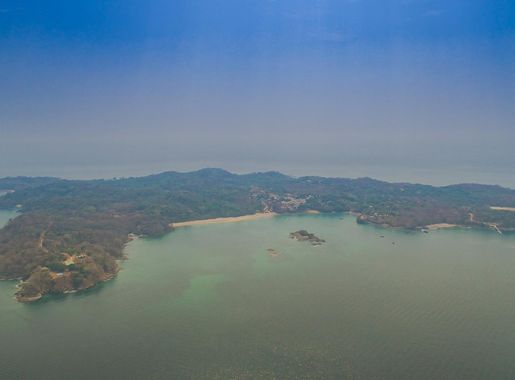


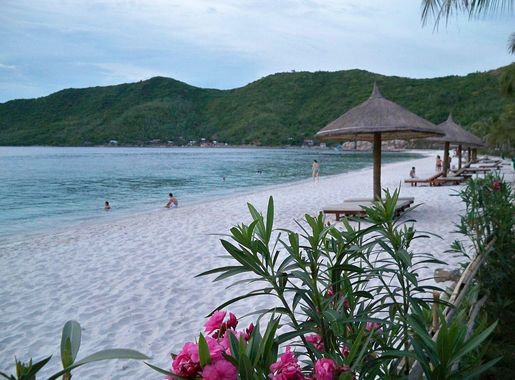
The Enchanting Pearl Islands of Panama
Nestled in the Gulf of Panama, the Pearl Islands are a tropical paradise that beckons travelers with their pristine beaches, turquoise waters, and lush greenery. This archipelago consists of more than 200 islands and islets, each offering its unique charm and allure. The most famous of these is Isla Contadora, known for its luxurious resorts and crystal-clear waters ideal for snorkeling and diving. For those seeking adventure, the Pearl Islands are a haven for marine life enthusiasts. The surrounding waters are teeming with vibrant coral reefs, colorful fish, and even the occasional whale sighting. Kayaking and paddleboarding are also popular activities, allowing visitors to explore the islands' hidden coves and secluded beaches. History buffs will find the Pearl Islands equally fascinating. Discovered by the Spanish in the early 16th century, these islands were once a hub for pearl diving and trade. Today, remnants of this rich history can be found in the form of old pirate tales and colonial architecture. A visit to the islands is incomplete without savoring the local seafood, freshly caught and prepared in traditional Panamanian style.