

Free Taboga Island Travel Guide & Mobile App
Explore Taboga Island with free travel guides. Discover regional history, expert tips, proposed trips, and audio guides on web or mobile app.


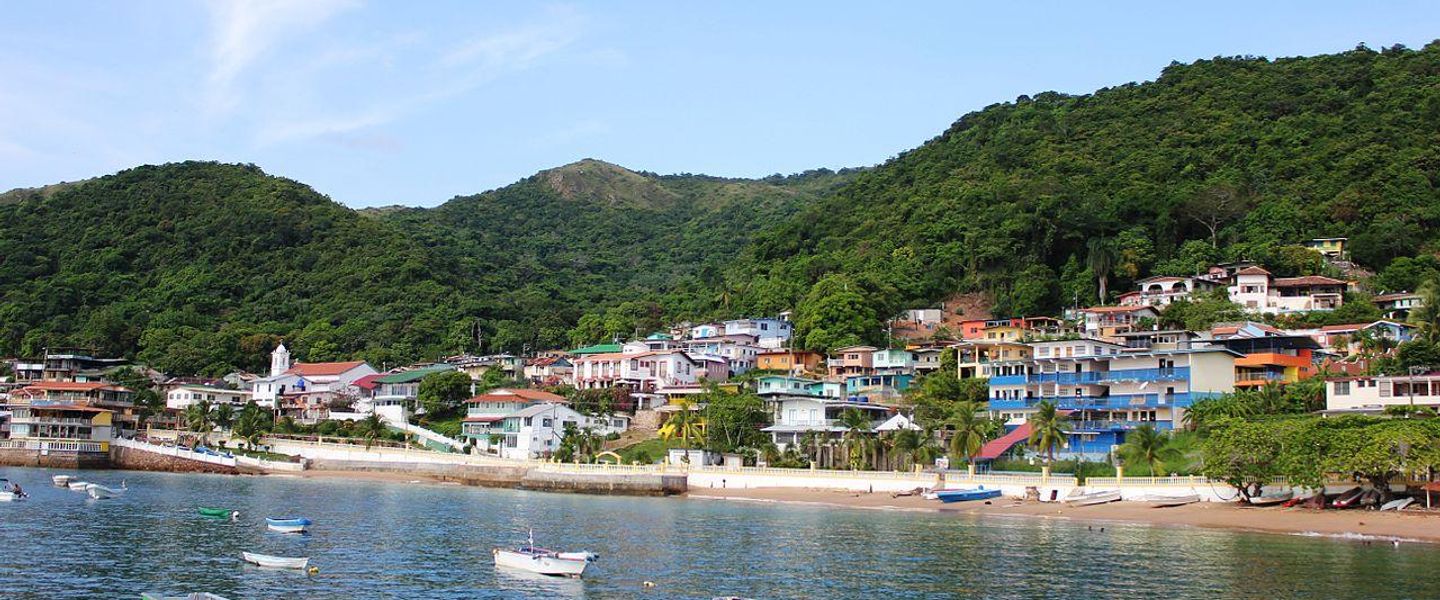


Taboga Island, Panama, pairs a historic fishing village with Pacific beaches, hillside walks, wildlife and easy access from Panama City.
Read more about Taboga Island
When is the best time to visit Taboga Island?
Best: January–March · 29–30°C| Month | High (°C) | Rainfall (mm) |
|---|---|---|
| January (best) | 29 | 30 |
| February (best) | 29 | 20 |
| March (best) | 30 | 20 |
| April | 30 | 70 |
| May | 30 | 140 |
| June | 30 | 200 |
| July | 30 | 160 |
| August | 30 | 140 |
| September | 30 | 200 |
| October | 30 | 250 |
| November | 29 | 200 |
| December | 29 | 70 |
Getting to and around Taboga Island
How to get there
Transportation
Best attractions in Taboga Island
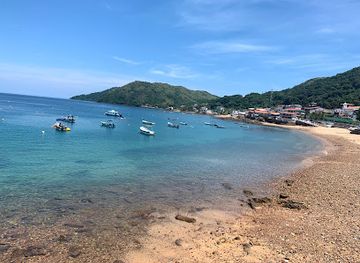
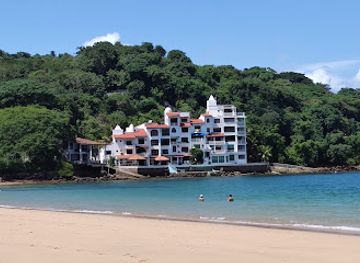
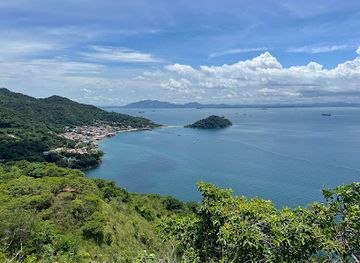
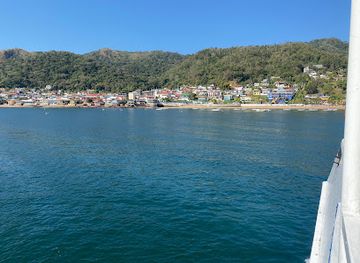
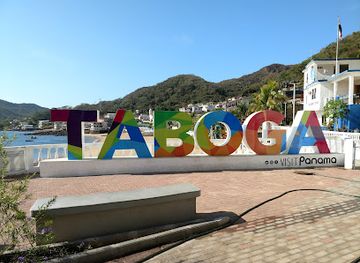
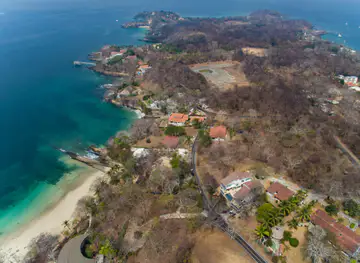
Taboga's attractions are concentrated rather than numerous, making the island well suited to a slow day of walking, swimming and sightseeing. San Pedro provides the cultural centre, with its historic church, harbour and lanes of colourful homes. Along the coast, Playa Restinga and nearby beaches offer places to swim and sunbathe, though tides and sea conditions should be checked before entering the water. Trails climb through dry tropical vegetation towards Cerro de la Cruz and other viewpoints, where the Gulf of Panama, passing vessels and Panama City's distant skyline form the principal panorama. Boat trips can provide access to neighbouring islets and open-water wildlife, including seabirds, dolphins and seasonal humpback whales. The island also appeals to visitors interested in maritime history, colonial settlement and the landscapes that attracted travellers during the canal era. Facilities are modest, so the experience is based more on scenery, village life and outdoor time than on large museums, theme parks or organised resort entertainment.
-
Park
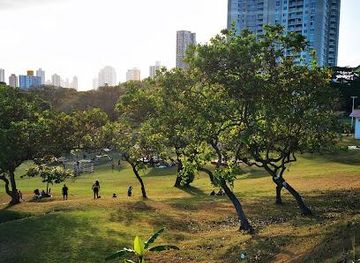
Parque Omar
Explore Parque Omar, a lush urban park in Panama City where nature, recreation, and culture converge for an unforgettable experience.
-
Farmers' market
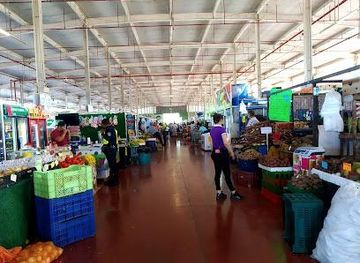
Merca Panamá
Explore Merca Panamá, the vibrant farmers' market in Panama City, where fresh produce and local flavors come together for an unforgettable cultural experience.
-
Beach
Playa de la Isla Taboga
Experience the beauty and tranquility of Playa de la Isla Taboga, a hidden gem in Panama with stunning beaches and rich cultural heritage.
-
Beach pavillion
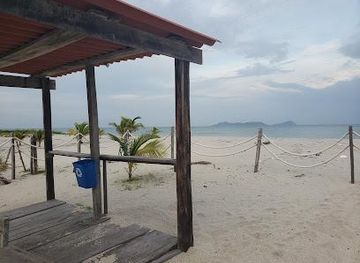
Playa Punta Chame
Experience the serene beauty and vibrant culture of Playa Punta Chame, a top beach destination in Panama perfect for relaxation and adventure.

Best landmarks in Taboga Island
The Iglesia de San Pedro is Taboga's principal historic landmark, with origins traditionally placed in the sixteenth century and a continuing role in the life of San Pedro. Its presence gives the settlement a connection to the earliest Spanish colonial period on the island. Cerro de la Cruz is the most recognisable natural viewpoint, reached by an uphill walk and associated with broad views over the Gulf of Panama, nearby islands and the mainland skyline. The harbour and waterfront form another important visual landmark, linking present-day ferry arrivals with Taboga's long maritime history. Colonial-era houses, narrow lanes and the compact village layout provide a quieter architectural record than the grand civic buildings found in Panama City. Offshore, the island's rocky headlands and surrounding islets help define its seaward identity, while seasonal whale activity adds a living dimension to the wider Gulf landscape without constituting a fixed monument.
-
Beach
Playa de la Isla Taboga
Discover the enchanting Playa de la Isla Taboga, a serene beach escape near Panama City, perfect for relaxation, adventure, and local flavors.
-
Tourist attraction
Restinga Beach
Experience the serene beauty of Restinga Beach on Taboga Island, where crystal-clear waters and lush landscapes create a perfect tropical retreat.
-
Tourist attraction
Cerro de la Cruz
Experience stunning vistas and the tranquility of nature at Cerro de la Cruz on Taboga Island, a captivating tourist attraction in Panama.
-
Tourist attraction
Muelle de Taboga Hernando de Luque
Experience the vibrant culture and stunning views at Muelle de Taboga Hernando de Luque, the perfect spot for relaxation and local charm on Taboga Island.
Explore Taboga Island on the map
Plan your trip on one map. See where the top cities, national parks and sights are, and book hotels and experiences in a few clicks.
Best hotels in Taboga Island
Best restaurants in Taboga Island
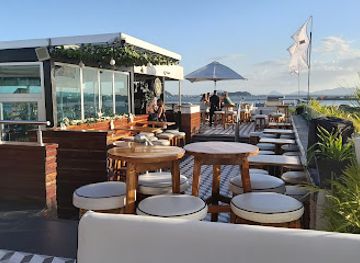
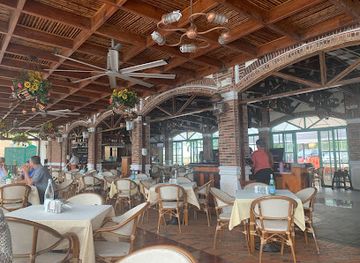
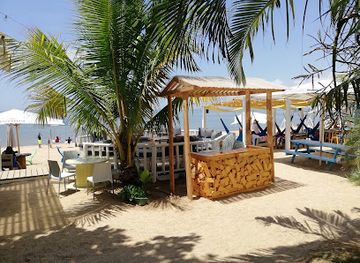
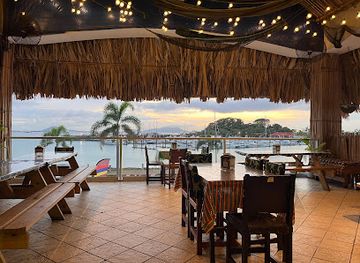
Dining on Taboga is small-scale and informal, centred on cafés, family-run eateries and restaurants near San Pedro and the waterfront rather than a large gastronomic district. Menus commonly draw on Panamanian staples such as rice, plantain, soups, fried preparations and fresh fish or seafood, with availability influenced by the day's supply and the island's visitor numbers. Cold drinks, simple breakfasts and casual lunches are useful for day visitors, while an overnight stay offers more opportunity to eat at a relaxed pace. The surrounding Gulf of Panama gives seafood a natural place in the local dining character, but visitors should ask what is fresh rather than assume a particular catch. Bring snacks and water if planning a long walk, because food outlets are limited away from the settlement and may not follow mainland opening patterns.
-
Grill
CasaCasco
Experience culinary delights and vibrant nightlife at CasaCasco, Panama City's ultimate grill, cocktail bar, and disco club.
-
Grill
Leños & Carbón
Experience the vibrant flavors of Panamanian cuisine at Leños & Carbón, where every dish tells a story over an open flame.
-
Restaurant
Praia Fish and Drinks
Experience fresh seafood delights at Praia Fish and Drinks in Playa Venado – where every meal is a celebration of Panama's coastal flavors.
-
Restaurant
Sabroso Panamá
Discover vibrant dining at Sabroso Panamá - a culinary gem on Isla Perico with exquisite local flavors and lively atmosphere.
Best bars in Taboga Island
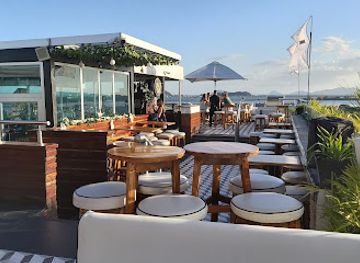
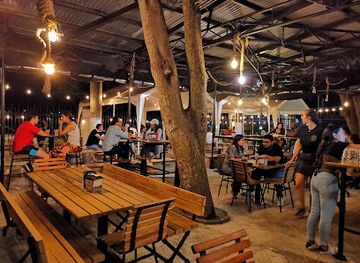
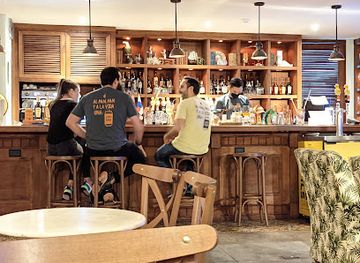
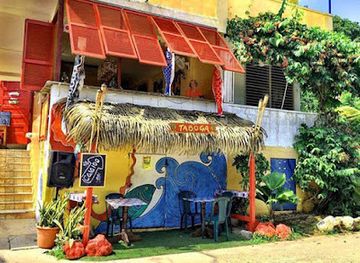
Taboga does not have a major nightclub scene. Evening life is centred on relaxed waterfront restaurants, small bars, cafés and the social atmosphere around San Pedro, with conversation, music and views across the bay more typical than late-night dancing. Some establishments serve beer, rum-based drinks and other refreshments alongside seafood or casual meals, while the pace becomes especially quiet once the last day visitors have departed. The island's limited transport and ferry services mean that visitors should not plan on returning to Panama City late at night without confirming a private boat arrangement. An overnight stay is best approached as a chance to enjoy a calm island evening, not as an extension of the capital's nightlife.
-
Grill
CasaCasco
Discover the essence of Panama City at CasaCasco, where exquisite dining meets vibrant nightlife in an unforgettable setting.
-
Brewpub
La Fábrica
Experience the best craft beers and gourmet burgers at La Fábrica, a vibrant brewpub on the scenic Amador Causeway in Panama City.
-
Bar
Pedro Mandinga Rum Bar
Discover the vibrant atmosphere and exquisite rum cocktails at Pedro Mandinga Rum Bar in the heart of Panama City.
-
Restaurant
Calaloo Beach, FishBar & Grill
Experience the best of local seafood with stunning ocean views at Calaloo Beach, FishBar & Grill on Taboga Island.
Best nightclubs in Taboga Island
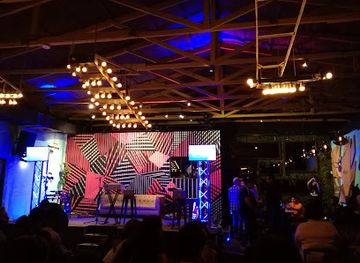
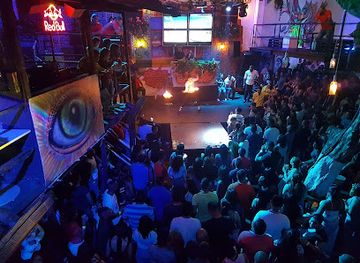
Taboga does not have a major nightclub scene. Evening life is centred on relaxed waterfront restaurants, small bars, cafés and the social atmosphere around San Pedro, with conversation, music and views across the bay more typical than late-night dancing. Some establishments serve beer, rum-based drinks and other refreshments alongside seafood or casual meals, while the pace becomes especially quiet once the last day visitors have departed. The island's limited transport and ferry services mean that visitors should not plan on returning to Panama City late at night without confirming a private boat arrangement. An overnight stay is best approached as a chance to enjoy a calm island evening, not as an extension of the capital's nightlife.
-
Disco club
Casa Jaguar
Discover the electrifying nightlife at Casa Jaguar, Panama City’s premier disco club and restaurant, where great music and delicious cuisine come together.
-
Disco club
Chill out discotheque
Experience the vibrant nightlife of Panama City at Chill Out Discotheque, where music, dancing, and stunning waterfront views come together.
-
Night club
Habano's Café
Immerse yourself in the vibrant nightlife of Panama City at Habano's Café, where music, dance, and great company await you.
-
Disco club
Bar Discoteca Tomsi
Discover the electrifying nightlife at Bar Discoteca Tomsi, Panama City's premier disco club for unforgettable dance and vibrant energy.
Best shops in Taboga Island
Shopping on Taboga is limited and local in character, focused on small shops, refreshments, beach necessities and occasional handmade or souvenir items around San Pedro. Visitors may find locally produced crafts, artwork, shells-inspired designs or island-themed gifts, but selection and availability vary considerably with the season. The most practical purchases are usually drinks, snacks and simple provisions for walks or time on the beach. Taboga is not a destination for extensive retail, designer shopping or large markets; visitors seeking a broader range of Panamanian crafts, food products and commercial goods will find more choice in Panama City before or after the ferry trip. Shop respectfully and avoid buying protected wildlife, coral, archaeological material or anything collected from the shore.
-
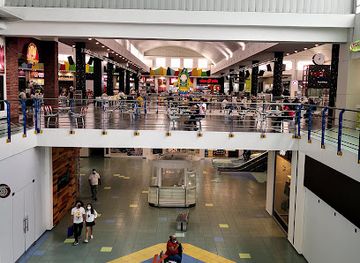
Shopping mall
Albrook Mall
Discover Albrook Mall, Panama's largest shopping center, featuring diverse shops, delectable dining, and family-friendly entertainment for all.
-
Shopping mall
Causeway Amador
Experience the perfect blend of shopping, dining, and stunning views at Causeway Amador in Panama City.
-
Beach
Playa de la Isla Taboga
Experience the tranquil beauty and vibrant marine life at Playa de la Isla Taboga, the perfect beach getaway near Panama City.
-
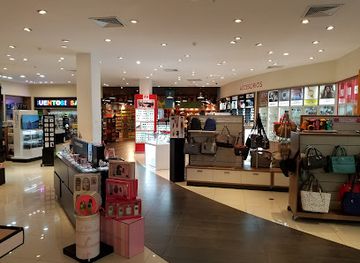
Duty free store
Amphora Duty free
Explore Amphora Duty Free in Panama City for unbeatable prices on luxury goods and local treasures, all while enjoying stunning ocean views.

Get your free copy of our complete guide to Taboga Island, delivered straight to you.
Everything on this page, from attractions and restaurants to essentials and local phrases, in one PDF you can read offline, print or share.
Already have an account? Sign in
Your Taboga Island guide is ready.
We'll send it to · Not you? Sign out

Getting your guide ready…
We are putting together a fresh copy of the Taboga Island guide. This can take up to a minute.
This can take a few moments. If your browser asks, choose Allow so the download can start. You'll find the guide in your Downloads folder.
Nothing happened? Download it again
Sorry, the guide is taking longer than usual. Please try again in a minute, or get it by email instead.
Taboga Island essentials
Currency and Payment
Safety
Emergency Situations
Do's and Don'ts
Local Tips
From Eve
Local phrases worth knowing
You don't need to get them perfect. A few words go a long way, and locals appreciate the effort.
Basics
| English | Local | Say it |
|---|---|---|
| Hello | Hola | [Ola] |
| Goodbye | Adiós | [Adyos] |
| Yes | Sí | [Si] |
| No | No | [No] |
| Please/You're welcome | Por favor | [Por favor] |
| Thank you | Gracias | [Grazias] |
| Excuse me/Sorry | Perdón | [Perdon] |
| How are you? | ¿Cómo estás? | [Komu estas] |
| Fine. And you? | Bien. ¿Y tú? | [Byen. I tu] |
| Do you speak English? | ¿Hablas inglés? | [Ablas ingles] |
| I don't understand | No entiendo | [No entiendo] |
Eating & Drinking
| English | Local | Say it |
|---|---|---|
| I'd like to see the menu, please | Me gustaría ver el menú, por favor | [Me gustaria ver el menu, por favor] |
| I don't eat meat | No como carne | [No komo karne] |
| Cheers! | ¡Salud! | [Salud] |
| I would like to pay, please | Me gustaría pagar, por favor | [Me gustaria pagar, por favor] |
Emergencies
| English | Local | Say it |
|---|---|---|
| Help! | ¡Ayuda! | [Ayuda] |
| Go away! | ¡Vete! | [Vete] |
| Call the Police! | ¡Llama a la policía! | [Llama a la policia] |
| Call a doctor! | ¡Llama a un doctor! | [Llama a un doktor] |
| I'm lost | Estoy perdido | [Estoy perdido] |
| I'm ill | Estoy enfermo | [Estoy enfermo] |
Shopping
| English | Local | Say it |
|---|---|---|
| I'd like to buy... | Me gustaría comprar... | [Me gustaria comprar] |
| I'm just looking | Solo estoy mirando | [Solo estoy mirando] |
| How much is it? | ¿Cuánto cuesta? | [Kuan-to cuesta] |
| That's too expensive | Eso es muy caro | [Eso es muy karo] |
| Can you lower the price? | ¿Puedes bajar el precio? | [Puedes bajar el precio] |
Time & Numbers
| English | Local | Say it |
|---|---|---|
| What time is it? | ¿Qué hora es? | [Ke ora es] |
| It's one o'clock | Es la una | [Es la una] |
| Half past (10) | Y media (10) | [Y media (10)] |
| Morning | Mañana | [Mañana] |
| Afternoon | Tarde | [Tarde] |
| Evening | Noche | [Noche] |
| Yesterday | Ayer | [Ayer] |
| Today | Hoy | [Hoy] |
| Tomorrow | Mañana | [Mañana] |
| 1 | Uno | [Uno] |
| 2 | Dos | [Dos] |
| 3 | Tres | [Tres] |
| 4 | Cuatro | [Kwatros] |
| 5 | Cinco | [Sinko] |
| 6 | Seis | [Seis] |
| 7 | Siete | [Siete] |
| 8 | Ocho | [Ocho] |
| 9 | Nueve | [Nueve] |
| 10 | Diez | [Dyes] |
Transport & Directions
| English | Local | Say it |
|---|---|---|
| Where's a/the...? | ¿Dónde está un/una...? | [Donde esta un/una] |
| What's the address? | ¿Cuál es la dirección? | [Kual es la direccion] |
| Can you show me (on the map)? | ¿Puedes mostrarme (en el mapa)? | [Puedes mostrarme (en el mapa)] |
| When's the next (bus)? | ¿Cuándo es el próximo (bus)? | [Cuando es el proximo (bus)] |
| A ticket (to ....) | Un boleto (a ....) | [Un boleto (a ....)] |
History of Taboga Island
Pre-Columbian Island Communities
Before European colonisation, Taboga formed part of the human and trading landscape of the Gulf of Panama. Indigenous communities used the island and neighbouring waters for fishing, shellfish gathering and movement between the mainland and offshore islands. The gulf's currents, resources and sheltered anchorages made it an important maritime environment long before the arrival of Spanish vessels. Much of the surviving historical record was later written through colonial eyes, but the island's early significance is evident in its position within established indigenous networks.
Spanish Settlement in the Sixteenth Century
Spanish settlers established a permanent community on Taboga in the early sixteenth century, traditionally dated to 1524, and named it San Pedro. Its location in the Gulf of Panama made it useful as an agricultural and maritime outpost supporting traffic connected with Panama City and the Pacific coast. The Iglesia de San Pedro, whose origins are commonly dated to the sixteenth century, remains the most visible architectural reminder of this period. The settlement also reflected Spain's wider effort to organise colonial life around Pacific ports and sea routes.
Pacific Shipping and Colonial Maritime Networks
During the colonial era, Taboga was linked to the movement of people, provisions and goods across the Gulf of Panama. Its harbour and cultivated slopes supported vessels using the Pacific approaches to Panama City, one of the key links in Spain's interoceanic system. The island was exposed to the uncertainty of maritime trade, including attacks and disruptions that affected the wider Panamanian coast. Its later reputation as a place of gardens and flowers developed from the productive landscape maintained around the historic settlement.
Nineteenth-Century Artists and the French Canal Project
Taboga acquired a place in the nineteenth-century history of the Panama Canal through its proximity to the isthmus's major construction schemes. The French canal project brought European workers, engineers and travellers to Panama, while the island offered a nearby retreat from the mainland. Paul Gauguin visited Taboga during his period in Panama in 1887, before his later career in the Caribbean and the Pacific. His connection is a small but notable part of the island's cultural history, set against the difficult and ultimately unsuccessful French canal enterprise.
The Panama Canal Era
The construction and operation of the Panama Canal transformed the Gulf of Panama and strengthened Taboga's connection with the capital, shipping and maritime administration. The island was no longer an isolated colonial outpost but part of a busy waterway serving a global canal system. Its beaches and climate also made it a place for recreation and retreat for residents and visitors from Panama City. Canal-era infrastructure and military activity affected several points around the bay, although the island retained its village-based social and economic character.
A Contemporary Island Community
Modern Taboga balances tourism with the continuing life of a small island community. Ferry links have made day visits from Panama City increasingly practical, while fishing, local services and seasonal visitors remain important to the economy. Conservation concerns now centre on coastal habitats, marine life, waste management and the pressure that concentrated visitor numbers can place on limited infrastructure. The island's present identity therefore combines colonial heritage, maritime history, accessible beaches and a close relationship with the wider metropolitan area.
Taboga Island in Photos
Browse through our photo collection highlighting the charm and character of the destination.
Neighbouring regions of Taboga Island
The closest regions to Taboga Island, if you have time for more than one.
-

-

-

-
-


Swipe for more regions
Explore more

Explore more of Panama
Discover Panama: A vibrant blend of modernity and nature, where historic charm, tropical rainforests, and pristine beaches come together in the heart of Central America.
Explore Panama