

Free Central Province Travel Guide & Mobile App
Explore Central Province with free travel guides. Discover regional history, expert tips, proposed trips, and audio guides on web or mobile app.


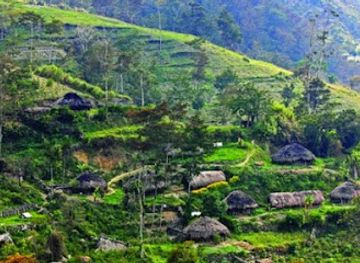
Central Province, Papua New Guinea, combines forested mountains, hiri heritage, coral waters and village landscapes near Port Moresby.
Read more about Central Province
When is the best time to visit Central Province?
Best: September–November · 33–34°C| Month | High (°C) | Rainfall (mm) |
|---|---|---|
| January | 33 | 250 |
| February | 33 | 230 |
| March | 33 | 220 |
| April | 33 | 210 |
| May | 33 | 200 |
| June | 33 | 190 |
| July | 33 | 180 |
| August | 33 | 170 |
| September (best) | 33 | 160 |
| October (best) | 33 | 150 |
| November (best) | 34 | 160 |
| December | 34 | 170 |
Getting to and around Central Province
How to get there
Transportation
Top city travel guides in Central Province
The cities of Central Province, and the easiest places to base yourself.

Swipe for more cities
Destinations in Central Province
Resorts, valleys and scenic spots worth a trip of their own.

Swipe for more destinations
Best attractions in Central Province
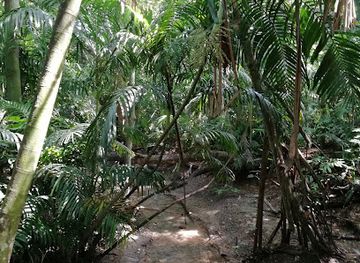
Central Province’s attractions are primarily landscapes, cultural settings and organised outdoor experiences rather than a dense chain of formal museums or monuments. Around Sogeri, the cooler uplands, Laloki River and Rouna Falls provide opportunities for scenic drives, walking and nature observation, while Varirata National Park protects forest habitat and viewpoints above the coastal plain. Birdwatchers may find the park especially rewarding, but trails, facilities and access conditions should be checked locally. Along the coast, Bootless Bay, Loloata Island, Hood Lagoon and nearby reefs support boating, snorkelling, diving and fishing through established operators. The Magi Highway offers access to rural and coastal districts, including communities associated with the province’s Motu and Koitabu heritage, although it is a route to experience gradually rather than a conventional sightseeing circuit. The southern approaches to the Kokoda Track around Owers’ Corner are important for wartime history and trekking, but the principal track continues into Oro Province. Village visits, canoe traditions, gardens and coastal exchange histories can be meaningful attractions when arranged with community consent and proper local interpretation.
-
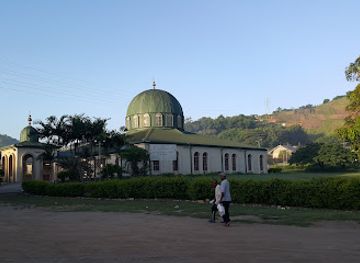
Mosque
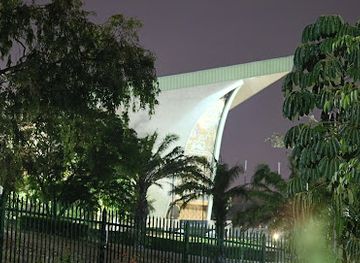
Mosque Hohola
Explore Mosque Hohola in Port Moresby for a peaceful cultural experience amidst stunning Islamic architecture and vibrant community life.
-
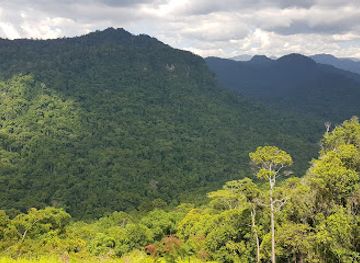
Historical place
Owers' Corner
Explore Owers' Corner, a historical gem in Central Province, revealing the rich legacy of World War II amidst stunning natural beauty.
-
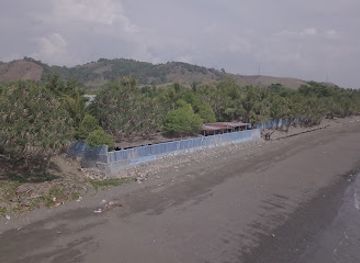
Public beach
March Girls Resort
Discover the serene beauty of March Girls Resort, a stunning public beach in Central Province offering relaxation, adventure, and local culture.
-
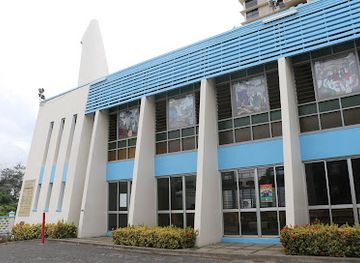
Catholic cathedral
Saint Mary's Catholic Cathedral
Experience the tranquility and architectural beauty of Saint Mary's Catholic Cathedral in Port Moresby, a spiritual haven for visitors seeking peace and reflection.
Best landmarks in Central Province
The most recognisable landmarks of Central Province are tied to its mountains, waterways, coast and wartime geography. Varirata National Park’s forested ridges form a prominent natural landmark above the Port Moresby hinterland, with elevated views that reveal the contrast between inland woodland and the coastal plain. Rouna Falls and the Laloki River are significant features of the Sogeri landscape, combining natural scenery with the water and power infrastructure associated with the capital’s hinterland. On the coast, Loloata Island and the reef-fringed waters of Bootless Bay mark the province’s maritime character, while Hood Lagoon represents the sheltered lagoons and mangrove environments of the south coast. Owers’ Corner is a historically important starting point for the Kokoda route and a reminder of the Second World War’s Central Province approaches, although the celebrated track itself extends north into Oro Province. The province’s traditional lagatoi canoe heritage is culturally important, even where a particular vessel or ceremony is not permanently on public display.
-
Island
New Guinea
Explore the untouched beauty and vibrant cultures of New Guinea, an island paradise offering adventure, biodiversity, and rich traditions.
-
Tourist attraction
Port Moresby Nature Park
Discover the mesmerizing flora and fauna at Port Moresby Nature Park, a top tourist attraction blending a botanical garden, zoo, and recreation center.
-
Island
West Papua
Experience the stunning natural beauty and vibrant cultures of West Papua, Indonesia, a paradise for adventure seekers and nature lovers.
-
Stadium
Sir John Guise Stadium
Discover the heart of Papua New Guinea's sports culture at Sir John Guise Stadium, a vibrant venue for thrilling events and cultural celebrations in Port Moresby.

Explore Central Province on the map
Plan your trip on one map. See where the top cities, national parks and sights are, and book hotels and experiences in a few clicks.
Best hotels in Central Province
Best restaurants in Central Province
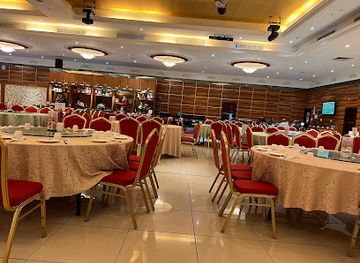
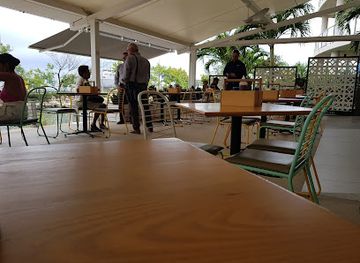
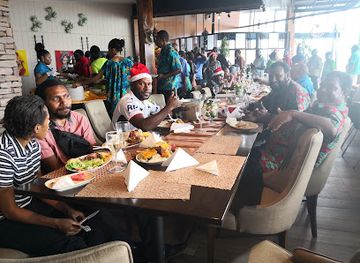
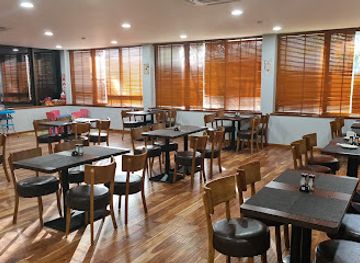
Central Province has a modest and dispersed dining scene, with the widest choice found in Port Moresby outside the province and at established accommodation or island resorts within Central Province. Rural meals may feature rice, root crops, greens, fruit, fish and other locally available ingredients, while coastal communities draw on fishing and shellfish traditions subject to season and local practice. Motu and wider Papuan food heritage is closely connected with sago, seafood, garden produce and communal exchange, though dishes and preparation vary between communities. Travellers heading towards Sogeri, Rigo or more remote coastal districts should carry supplies and confirm whether accommodation provides meals, as cafés and dependable restaurants are not evenly distributed. Markets and roadside stalls can offer fresh produce, but visitors should choose food that is thoroughly cooked and drink treated or bottled water. Dining at a lodge, resort or community-run venue is often the most practical way to encounter local ingredients while supporting local employment.
-
Restaurant
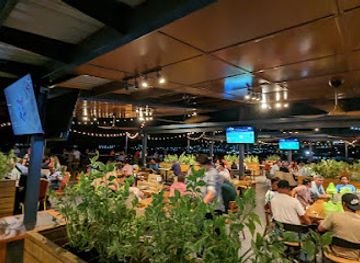
Alibi Bar & Grill
Experience culinary delights at Alibi Bar & Grill in Port Moresby – where local flavors meet international flair in a vibrant atmosphere.
-
Seafood
Dynasty Seafood Restaurant
Experience exquisite seafood dining at Dynasty Seafood Restaurant in Port Moresby’s Vision City Mega Mall – where freshness meets flavor.
-
Brunch
Edge Cafe Port Moresby
Discover the vibrant culinary scene at Edge Cafe Port Moresby - where delightful brunch meets friendly ambiance.
-
Chinese
Asia Aromas Harbour Side West PNG
Experience authentic Chinese cuisine at Asia Aromas Harbour Side West in Lae—where every meal is a journey through Asian flavors.
Best bars in Central Province
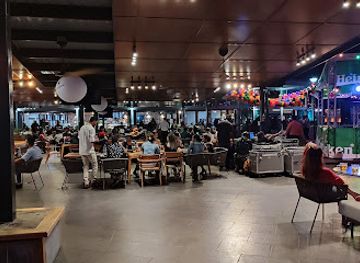
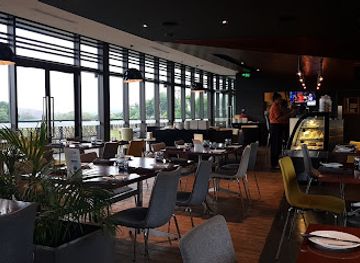
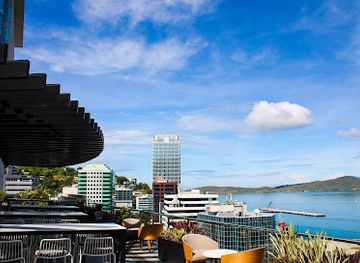
Central Province does not have a concentrated nightclub scene; evening life is more likely to centre on accommodation venues, community gatherings, meals and quiet time after rural excursions. Resorts and established lodges may provide a bar or restaurant for guests, particularly around island and coastal accommodation, while villages have their own social rhythms that should not be treated as entertainment districts. The larger choice of licensed bars, live music and late-night venues is in Port Moresby, which lies outside Central Province. Visitors should travel back from the capital or larger settlements only with trusted transport and should avoid walking around unfamiliar areas after dark. Alcohol is not necessary to experience the province, and responsible consumption is especially important where roads are poor, boat transfers are involved or medical assistance is distant.
-
Restaurant
Alibi Bar & Grill
Discover the vibrant culinary scene at Alibi Bar & Grill in Port Moresby, where delicious food meets a lively atmosphere.
-
Bar
Jackson's Bar Restaurant & Gaming
Discover the vibrant culture and delicious cuisine at Jackson's Bar Restaurant & Gaming in Port Moresby, a hub for food lovers and entertainment seekers.
-
Restaurant
Luluai
Savor the best of local and international cuisine at Luluai, Port Moresby's culinary hotspot for tourists seeking unforgettable flavors.
-
Restaurant
Port Terrace Restaurant & Bar
Experience exquisite dining and stunning views at Port Terrace Restaurant & Bar, a culinary jewel in Port Moresby.
Best nightclubs in Central Province
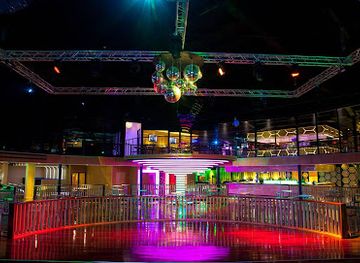
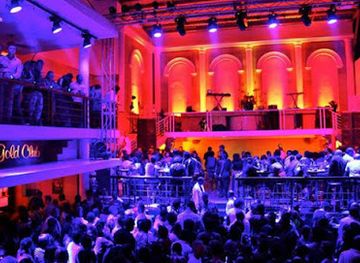
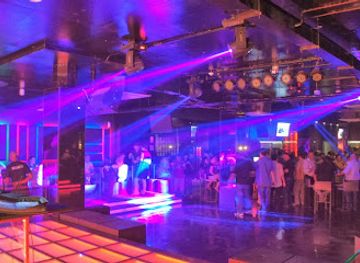
Central Province does not have a concentrated nightclub scene; evening life is more likely to centre on accommodation venues, community gatherings, meals and quiet time after rural excursions. Resorts and established lodges may provide a bar or restaurant for guests, particularly around island and coastal accommodation, while villages have their own social rhythms that should not be treated as entertainment districts. The larger choice of licensed bars, live music and late-night venues is in Port Moresby, which lies outside Central Province. Visitors should travel back from the capital or larger settlements only with trusted transport and should avoid walking around unfamiliar areas after dark. Alcohol is not necessary to experience the province, and responsible consumption is especially important where roads are poor, boat transfers are involved or medical assistance is distant.
-
Club
The Cosmopolitan (PNG)
Discover the energetic nightlife at The Cosmopolitan in Port Moresby, featuring dance floors, gaming lounges, and a lively atmosphere for tourists and locals alike.
-
Night club
The Gold Club
Discover the vibrant nightlife of Port Moresby at The Gold Club, where music and dance come alive in an unforgettable atmosphere.
-
Bar
AKAKA - Bar & Grill
Discover the vibrant atmosphere and local flavors at AKAKA - Bar & Grill in the heart of Pari, the perfect spot for relaxation and enjoyment.
-
Night club
Club Illusion PNG
Discover the pulsating nightlife of Port Moresby at Club Illusion PNG, where unforgettable evenings await in a vibrant atmosphere.
Best shops in Central Province
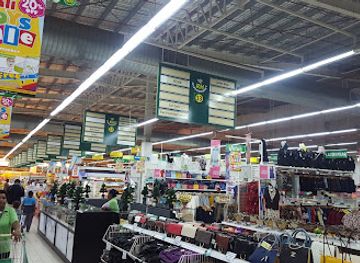
Shopping in Central Province is primarily local and practical rather than centred on large retail complexes. Visitors may find fresh produce, betel nut, woven goods, carved objects, shell jewellery and other handmade items through markets, roadside sellers or community-based initiatives, but availability varies by district and day. Motu and coastal craft traditions can include pottery, weaving and canoe-related design, while products sold near Port Moresby may come from several parts of Papua New Guinea, so ask about provenance rather than assuming an item is made in Central Province. Established resorts and tour operators may offer selected handicrafts, but rural communities have limited stock and card facilities. Buy directly and respectfully where possible, agree prices before purchasing, and avoid antiquities, archaeological material, coral, shells and wildlife products. Port Moresby, outside the province, has the country’s broadest choice of supermarkets, formal shops and galleries for practical supplies and gifts.
-
Shopping mall
Vision City Mega Mall
Discover the vibrant shopping experience at Vision City Mega Mall in Port Moresby, where local culture meets international shopping.
-
Grocery store
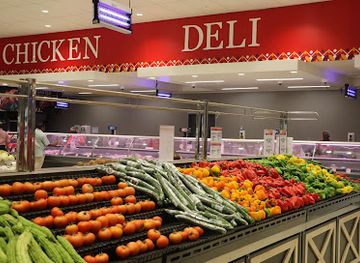
Stop and Shop Waigani Central
Explore the local flavors and international products at Stop and Shop Waigani Central, a must-visit grocery store in Port Moresby.
-
Shopping mall
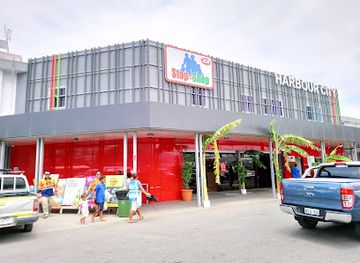
Stop N Shop Harbour City
Discover local culture and shopping at Stop N Shop Harbour City, the premier shopping destination in Port Moresby.
-
General store
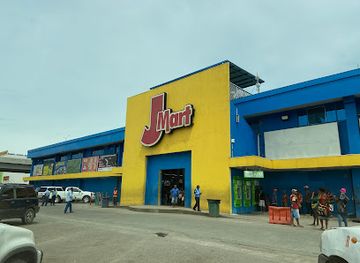
JMart Supermarket Erima
Experience the vibrant shopping scene at JMart Supermarket Erima, your gateway to local flavors and products in Port Moresby.
Get your free copy of our complete guide to Central Province, delivered straight to you.
Everything on this page, from attractions and restaurants to essentials and local phrases, in one PDF you can read offline, print or share.
Already have an account? Sign in
Your Central Province guide is ready.
We'll send it to · Not you? Sign out

Getting your guide ready…
We are putting together a fresh copy of the Central Province guide. This can take up to a minute.
This can take a few moments. If your browser asks, choose Allow so the download can start. You'll find the guide in your Downloads folder.
Nothing happened? Download it again
Sorry, the guide is taking longer than usual. Please try again in a minute, or get it by email instead.
Central Province essentials
Currency and Payment
Safety
Emergency Situations
Do's and Don'ts
Local Tips
From Eve
Local phrases worth knowing
You don't need to get them perfect. A few words go a long way, and locals appreciate the effort.
Basics
| English | Local | Say it |
|---|---|---|
| Hello | Olokai | [Oh-lo-kai] |
| Goodbye | Bai | [Bye] |
| Yes | Yes | [Yes] |
| No | No | [No] |
| Please/You're welcome | Plis | [Pleas] |
| Thank you | Tenkyu | [Ten-kyu] |
| Excuse me/Sorry | Sori | [So-ree] |
| How are you? | Yu orait? | [You oh-right?] |
| Fine. And you? | Orait. Na yu? | [Oh-right. Nah you?] |
| Do you speak English? | Yu toktok long English? | [You talk-talk long English?] |
| I don't understand | Mi no save | [Me no sah-veh] |
Eating & Drinking
| English | Local | Say it |
|---|---|---|
| I'd like to see the menu, please | Mi laik lukim menu, plis | [Me like look-im menu, pleas] |
| I don't eat meat | Mi no kaikai mit | [Me no kai-kai mit] |
| Cheers! | Kaim | [Kime] |
| I would like to pay, please | Mi laik pai, plis | [Me like pie, plees] |
Emergencies
| English | Local | Say it |
|---|---|---|
| Help! | Help! | [Help!] |
| Go away! | Go awai! | [Go ah-why!] |
| Call the Police! | Kolim Polisi! | [Call-im Po-lee-si!] |
| Call a doctor! | Kolim dokta! | [Call-im dock-ta!] |
| I'm lost | Mi lus | [Me loose] |
| I'm ill | Mi sik | [Me seek] |
Shopping
| English | Local | Say it |
|---|---|---|
| I'd like to buy... | Mi laik buy... | [Me like buy...] |
| I'm just looking | Mi soim lukim | [Me so-im look-im] |
| How much is it? | Em kost olsem wanem? | [Em cost ol-sim wah-nen?] |
| That's too expensive | Dat i tumas | [Dat ee too-mas] |
| Can you lower the price? | Yu inap likim prais? | [You ee-nap leek-im price?] |
Time & Numbers
| English | Local | Say it |
|---|---|---|
| What time is it? | Wanem taim? | [Wah-nem time?] |
| It's one o'clock | I gat wan o'clock | [Ee gat wan o-clock] |
| Half past (10) | Harf pas (10) | [Harf pas (ten)] |
| Morning | Mornin | [Morn-ing] |
| Afternoon | Aftanun | [Af-ta-noon] |
| Evening | Ivening | [Eve-ning] |
| Yesterday | Yestide | [Yes-ti-day] |
| Today | Tude | [Too-day] |
| Tomorrow | Tumoro | [Too-morrow] |
| 1 | Wan | [Wan] |
| 2 | Tu | [Too] |
| 3 | Tri | [Tree] |
| 4 | For | [Four] |
| 5 | Faiv | [Five] |
| 6 | Siks | [Six] |
| 7 | Seven | [Seven] |
| 8 | Eit | [Eight] |
| 9 | Nain | [Nine] |
| 10 | Ten | [Ten] |
Transport & Directions
| English | Local | Say it |
|---|---|---|
| Where's a/the...? | Wea em...? | [Where em...?] |
| What's the address? | Wanem adires? | [Wah-nem ah-drees?] |
| Can you show me (on the map)? | Yu inap soim mi (long map)? | [You ee-nap show-im me (long map)?] |
| When's the next (bus)? | When em nekst (bus)? | [When em next (bus)?] |
| A ticket (to ....) | Wan tiket (go....) | [One ticket (go....)] |
History of Central Province
Early Austronesian and Papuan coastal communities
Central Province has long been occupied by communities whose economies combined gardening, fishing, hunting, gathering and coastal trade. The south coast brought together Papuan communities and Austronesian-speaking peoples, producing distinctive forms of canoe technology, settlement and exchange. Archaeological knowledge of Papua New Guinea’s wider coast shows a long history of movement and adaptation, while oral histories remain essential to understanding particular villages and clan territories. The province’s rivers, reefs, mangroves and mountain corridors shaped where people lived and how they exchanged food, pottery, tools and other goods.
The hiri trading network
The hiri was a major seasonal trading system linking Motu communities around the Port Moresby area with Gulf of Papua communities. Motu traders sailed west in large lagatoi craft, carrying pottery vessels and other goods in exchange for sago and locally valuable products. The voyages demanded detailed knowledge of winds, currents, reefs and coastal geography. Although the hiri was disrupted by colonial rule and later economic change, its legacy remains visible in Motu cultural traditions, canoe history and the continuing importance of exchange between the south coast and the Gulf.
European contact and colonial administration
European exploration and missionary activity increased along the south coast during the nineteenth century, followed by the establishment of colonial administration in the territory that became Papua. Port Moresby developed as the principal administrative centre, while surrounding districts remained largely rural and were governed through a combination of official posts, missions and local leadership. Roads, plantations, schools and commercial services altered patterns of movement, but the province’s difficult mountains and dispersed settlements limited the reach of colonial infrastructure.
The Second World War in the Owen Stanley approaches
Central Province became strategically important during the Pacific War because routes from the Port Moresby area crossed the Owen Stanley Range towards the north coast. The Kokoda campaign is associated especially with the track through Central and Oro provinces; its southern approach begins near Owers’ Corner in Central Province. Military roads, supply lines, airfields and wartime movements transformed the region, while the campaign caused severe hardship for local communities who carried supplies, guided troops and supported medical evacuation. Wartime memorials and trekking routes preserve this history, although much of the famous track lies outside Central Province.
Post-war infrastructure and regional development
After 1945, roads, schools, public administration and hydroelectric infrastructure expanded around the Port Moresby hinterland. The Rouna area and the Laloki River became associated with water and power infrastructure serving the capital, while Sogeri developed as a cooler highland retreat and agricultural district. These changes strengthened the connection between Central Province and the growing urban economy without removing the importance of subsistence gardening, fishing, customary landholding and village-based livelihoods.
Independence and contemporary Central Province
Papua New Guinea became independent in 1975, and Central Province continued as a large, mainly rural province surrounding the separately administered National Capital District. Contemporary life reflects several overlapping realities: customary authority and land relationships, expanding links with Port Moresby, the needs of remote communities and the opportunities offered by tourism, fisheries and conservation. The province’s modern identity is therefore not simply an extension of the capital; its coastal cultures, mountain districts and rural communities retain distinct histories and priorities.
Central Province in Photos
Browse through our photo collection highlighting the charm and character of the destination.
Neighbouring regions of Central Province
The closest regions to Central Province, if you have time for more than one.
-

-

-

-

-


Swipe for more regions
Explore more

Explore more of Papua New Guinea
Discover Papua New Guinea, where ancient cultures meet untamed wilderness. From vibrant festivals to stunning natural landscapes, an adventure awaits in this Pacific gem.
Explore Papua New Guinea