
Oro Region, Papua New Guinea Travel Guide
Discover the untouched beauty and rich cultural heritage of the Oro Region in Papua New Guinea, where adventure and tranquility await in equal measure.
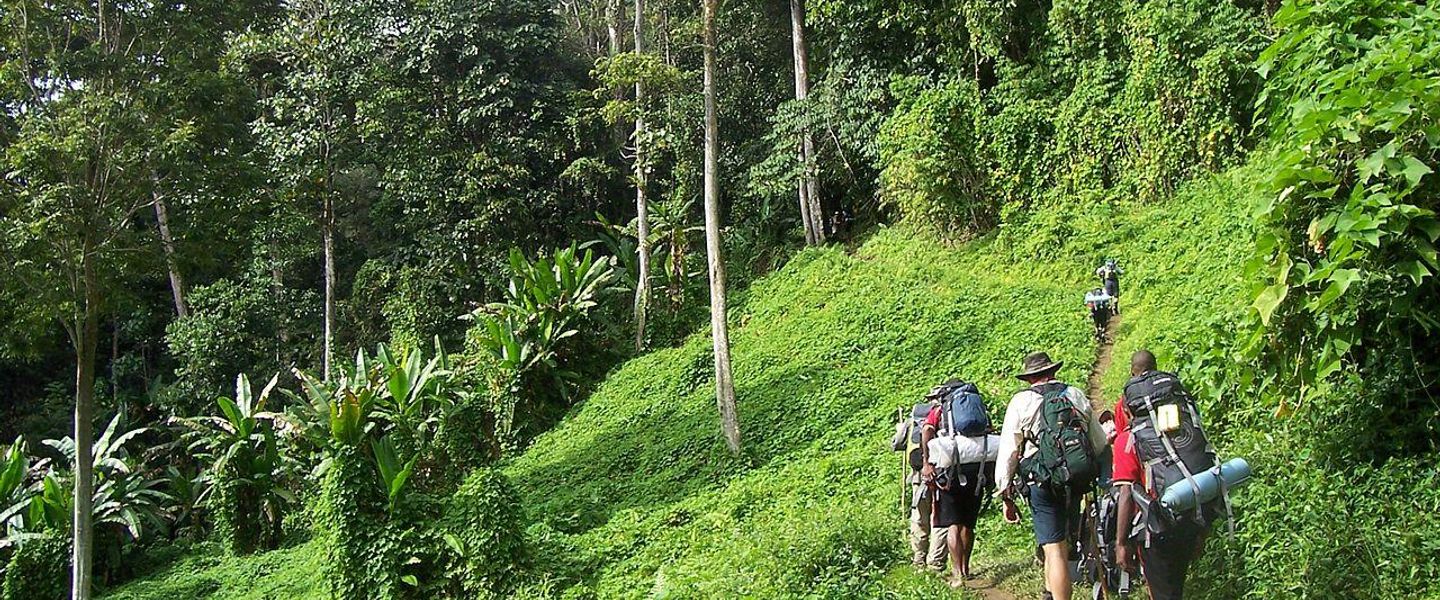
The Oro Region, nestled in the northeastern part of Papua New Guinea, is a hidden gem waiting to be explored. This untouched paradise boasts an array of natural wonders, from dense rainforests and cascading waterfalls to pristine beaches and vibrant coral reefs. The region is home to the famous Kokoda Track, a historic trail that attracts trekkers from around the world eager to experience its challenging terrain and breathtaking scenery. The Oro Region is not just about natural beauty; it is also steeped in rich cultural heritage. The local Orokaiva people are known for their warm hospitality and traditional customs, offering visitors a unique opportunity to immerse themselves in the local way of life. Traditional villages dot the landscape, where you can witness age-old practices such as pottery-making and traditional dancing. For the more adventurous traveler, the region offers thrilling activities such as snorkeling, diving, and bird watching. The Tufi Dive Resort is a popular spot for underwater enthusiasts, providing access to some of the most spectacular coral reefs in the world. Bird watchers will be delighted by the diverse avian species that call the region home, including the rare Blyth's hornbill and the colorful Eclectus parrot.

Know before you go
Hi, I'm Eve. Here are a few practical things to know before exploring Oro Region.
- Respect local customs and traditions when visiting villages; always ask for permission before taking photos of people.
- Pack lightweight, breathable clothing and sturdy hiking boots for trekking the Kokoda Track.
- Carry insect repellent and sunscreen to protect yourself from the tropical climate.
- Consider hiring a local guide to enhance your experience and ensure safety during outdoor activities.
- Bring cash, as ATMs and card facilities are limited in remote areas.
Top City Travel Guides in Oro Region
The cities of Oro Region, and the easiest places to base yourself.

Destinations in Oro Region
Resorts, valleys and scenic spots worth a trip of their own.

Explore Oro Region: Things to Do, Places to Eat, Hotels & More
Handpicked recommendations for top attractions, local dining, accommodations, and more

Top Attractions & Sightseeing in Oro Region


Best landmarks in Oro Region
Top-rated picks
Best Landmarks

New Guinea
Experience the natural wonders and cultural richness of New Guinea, an island paradise in the Pacific with breathtaking landscapes and vibrant traditions.

Port Moresby Nature Park
Explore the vibrant biodiversity and serene landscapes of Port Moresby Nature Park, a unique blend of zoo, botanical garden, and recreation center.

Sir John Guise Stadium
Explore the vibrant atmosphere and cultural significance of Sir John Guise Stadium, a premier sports venue in Port Moresby, Papua New Guinea.

Aviat Social & Sporting Club
Experience sports and socializing at its finest at the Aviat Social & Sporting Club in Port Moresby, where fun and camaraderie await.

Best restaurants in Oro Region
Top-rated picks
Best Restaurants

Dynasty Seafood Restaurant
Experience exquisite seafood dining at Dynasty Seafood Restaurant in Port Moresby’s Vision City Mega Mall – fresh flavors await you!

Daikoku Japanese Steak House
Discover Daikoku Japanese Steak House: A Culinary Gem in Port Moresby Offering Authentic Teppanyaki Experience.

Edge Cafe Port Moresby
Discover delicious brunch options at Edge Cafe Port Moresby – where local flavors meet inviting atmosphere.

Savannah Bistro
Experience the rich flavors of Papua New Guinea at Savannah Bistro, where local ingredients meet international cuisine in an inviting setting.

Best bars in Oro Region
Top-rated picks
Best Bars

Jackson's Bar Restaurant & Gaming
Discover the lively atmosphere at Jackson's Bar Restaurant & Gaming in Port Moresby, where culinary delights meet vibrant entertainment!

Alibi Bar & Grill
Discover a unique dining experience in Port Moresby at Alibi Bar & Grill, where local flavors meet international cuisine in a stunning harborside setting.

Port Terrace Restaurant & Bar
Experience the vibrant flavors of Papua New Guinea at Port Terrace Restaurant & Bar, where culinary excellence meets breathtaking views in Port Moresby.

Sunset Village Resort
Indulge in the rich flavors of Papua New Guinea at Sunset Village Resort, a top destination for grill lovers seeking a unique dining experience.

Best nightclubs in Oro Region
Top-rated picks
Best Nightclubs

KUNDU CLUB
Experience the vibrant nightlife at Kundu Club in Port Moresby, a must-visit bar for tourists seeking local culture and entertainment.

The Gold Club
Immerse yourself in the vibrant nightlife of Port Moresby at The Gold Club, where music, dancing, and local culture come alive in an unforgettable experience.

Club Illusion PNG
Discover the vibrant nightlife of Port Moresby at Club Illusion PNG, where unforgettable nights and electrifying entertainment await.

Club Regal
Dive into the nightlife at Club Regal, Port Moresby's premier night club, featuring vibrant music, dancing, and a lively atmosphere.

Best shops in Oro Region
Top-rated picks
Best Shops

Vision City Mega Mall
Discover the vibrant shopping experience at Vision City Mega Mall in Port Moresby, featuring diverse shops, dining, and entertainment options for all.

Stop and Shop Waigani Central
Explore local flavors and vibrant shopping at Stop and Shop Waigani Central in Port Moresby.

Stop N Shop Harbour City
Experience shopping like never before at Stop N Shop Harbour City, where local culture meets international retail in the heart of Port Moresby.

Stop N Shop
Explore Stop N Shop in Port Moresby for a unique shopping experience filled with local products and warm hospitality.

Explore Oro Region on the Map
A handpicked selection of must-see spots in Oro Region, mapped for you.
Oro Region Essentials
-
Oro Region is accessible via several routes. The most common way to get there is by flying into Port Moresby, the capital of Papua New Guinea, and then taking a domestic flight to Popondetta, the capital of Oro Province. Airlines such as Air Niugini and PNG Air operate regular flights between Port Moresby and Popondetta. From Popondetta, you can travel to various destinations within Oro Region by road.
-
Within Oro Region, transportation options include buses, minibuses, and taxis. Buses and minibuses, often referred to as PMVs (Public Motor Vehicles), are the most common and cost-effective way to get around. Taxis are available but less common, and it is advisable to negotiate the fare before starting your journey. For a more flexible and convenient option, consider renting a vehicle, but be aware that road conditions can vary greatly.
-
The official currency in Papua New Guinea is the Papua New Guinean Kina (PGK). Credit cards are not widely accepted, especially in rural areas, so it is advisable to carry sufficient cash. ATMs are available in Popondetta and other major towns, but it's wise to withdraw enough money in Port Moresby before traveling to more remote areas within Oro Region.
-
While Oro Region is generally safe for tourists, it is essential to take standard precautions. Avoid walking alone at night and keep your belongings secure. Some areas, particularly in rural and remote locations, may have higher crime rates. Always seek local advice on safe areas to visit. It's also a good idea to register with your embassy and provide them with your travel itinerary.
-
In case of emergency, dial 111 for police, fire, or medical assistance. Popondetta General Hospital is the primary medical facility in the region. It is recommended to have comprehensive travel insurance that covers medical emergencies. For minor health issues, pharmacies are available in major towns, but it is advisable to bring any specific medications you may need.
-
Fashion: Do dress modestly, especially when visiting villages or religious sites. Avoid wearing overly revealing clothing. Religion: Do respect local customs and traditions. Always ask for permission before taking photographs of people or their property. Public Transport: Do be patient and polite when using public transport. Don't expect strict adherence to schedules. Greetings: Do greet people with a smile and a handshake. A friendly 'Monin' (good morning) or 'Aftenun' (good afternoon) is appreciated. Eating & Drinking: Do try local foods and accept hospitality graciously. Don't refuse an offer of food or drink, as it can be seen as impolite.
-
To experience Oro Region like a local, visit the local markets where you can purchase fresh produce and traditional goods. Engage with locals, who are often friendly and willing to share stories about their culture and history. Don't miss the opportunity to explore the natural beauty of the region, including Tufi Fjords and Kokoda Track. Participating in local festivals and events is also a great way to immerse yourself in the local culture.
When is the best time to visit Oro Region?
Useful Local Phrases for Oro Region
You don't need to speak the language perfectly. Even learning a few simple words can make conversations warmer—and locals usually appreciate the effort.
— Eve

Here are the phrases I use most often in Oro Region. Try a few—you'll be surprised how far they go! 😊
❤️
-
- HelloKia ora
[kee-ah or-ah] - GoodbyeKia pai
[kee-ah pie] - YesO
[oh] - NoTalu
[tah-loo] - Please/You're welcomeTama
[tah-mah] - Thank youTenkiu
[ten-kee-oo] - Excuse me/SorryPles sori
[ples so-ree] - How are you?Yu orait?
[yoo oh-rite] - Fine. And you?Orait. Na yu?
[oh-rite. nah yoo] - Do you speak English?Yu tokim Inglis?
[yoo toh-keem ing-lis] - I don't understandMi no save
[mee noh sah-veh]
- HelloKia ora
-
- I'd like to see the menu, pleaseMi laik lukim menu, plis
[mee lai-kee loo-keem men-oo, plees] - I don't eat meatMi no kaikai mit
[mee noh kai-kai meet] - Cheers!Sori!
[so-ree] - I would like to pay, pleaseMi laik payim, plis
[mee lai-kee pai-im, plees]
- I'd like to see the menu, pleaseMi laik lukim menu, plis
-
- Help!Help!
[help] - Go away!Go we!
[go we] - Call the Police!Kolim Polisi!
[koh-lim po-lee-see] - Call a doctor!Kolim dokta!
[koh-lim dok-tah] - I'm lostMi lus
[mee loos] - I'm illMi sik
[mee seek]
- Help!Help!
-
- I'd like to buy...Mi laik buy...
[mee lai-kee bai...] - I'm just lookingMi soim lukim
[mee so-im loo-keem] - How much is it?Hamawi em?
[hama-wee em] - That's too expensiveDat i tu pipia
[daht ee too pip-ee-ah] - Can you lower the price?Inap yu larim prais?
[ee-nap yoo lah-rim price]
- I'd like to buy...Mi laik buy...
-
- What time is it?Wanem taim?
[wah-nem time] - It's one o'clockEm wan o'klok
[em wan oh-clock] - Half past (10)Haf pas (10)
[haf pas (ten)] - MorningMoning
[mo-ning] - AfternoonAftanoon
[af-ta-noon] - EveningIvening
[ee-ven-ing] - YesterdayYestede
[yes-te-de] - TodayTude
[too-de] - TomorrowTumoro
[too-mo-ro] - 1Wan
[wan] - 2Tu
[too] - 3Tri
[tree] - 4Foa
[foh-ah] - 5Faiv
[fahiv] - 6Siks
[siks] - 7Seven
[seh-ven] - 8Eit
[eight] - 9Nain
[nine] - 10Ten
[ten]
- What time is it?Wanem taim?
-
- Where's a/the...?Wea i stap...?
[wea ee stap] - What's the address?Wanem adres?
[wah-nem ah-dress] - Can you show me (on the map)?Yu inap soim mi (long map)?
[yoo ee-nap so-im mee (long map)] - When's the next (bus)?When i next (bus)?
[when ee next (bus)] - A ticket (to ....)Wan tiket (go ....)
[wan ti-ket (go ....)]
- Where's a/the...?Wea i stap...?
History of Oro Region
-
Oro Region, also known as Northern Province, is located in the southeastern part of Papua New Guinea. It is renowned for its lush rainforests, vibrant culture, and significant historical landmarks. The region is named after Mount Lamington, an active volcano that erupted catastrophically in 1951.
-
The Koiari people are one of the indigenous groups inhabiting the Oro Region. They are known for their rich traditional customs and unique architecture, including stilt houses. The Koiari have a deep cultural connection to the land and are traditionally hunters and gatherers.
-
Oro Region played a pivotal role during World War II, specifically in the Battle of Buna-Gona and the Kokoda Track Campaign. These battles were critical in halting the Japanese advance towards Port Moresby. The remains of wartime relics and memorials can still be found throughout the region, serving as a somber reminder of its wartime past.
-
On January 21, 1951, Mount Lamington erupted violently, resulting in the deaths of nearly 3,000 people and widespread destruction. This natural disaster significantly impacted the local communities and reshaped the landscape. Today, the area around Mount Lamington is a poignant historical site, reflecting both the region's natural beauty and its vulnerabilities.
-
The Oro Kaiva people are another prominent group in the Oro Region. Known for their elaborate traditional ceremonies, dance, and art, the Oro Kaiva have a rich cultural heritage. Their distinctive facial tattoos and body decorations are symbolic of their identity and social status.
-
The Kokoda Track, which runs through the Oro Region, is a historical and cultural landmark. It was the site of intense fighting during World War II and is now a famous trekking route. The track is not only a testament to the region's wartime history but also a significant part of the local culture and economy.
-
Agriculture has been the backbone of the Oro Region's economy for centuries. The people traditionally cultivate crops like taro, yams, and bananas. The region is also known for its production of betel nut, which plays a vital role in social and cultural practices. In recent years, cocoa and coffee farming have also become important economic activities.
-
In recent decades, the Oro Region has seen various modern developments, including infrastructure improvements and educational initiatives. However, the region continues to face challenges such as natural disasters, economic pressures, and health issues. Efforts are ongoing to balance development with the preservation of cultural heritage and environmental sustainability.
Neighbouring Regions of Oro Region
The closest regions to Oro Region, if you have time for more than one.



Your all‑in‑one travel companion app
Explore expert travel guides, compare and book tours, experiences, hotels, and more—all from the palm of your hand. Download now for seamless trip planning wherever your wanderlust takes you.


Explore More of Papua New Guinea

Looking beyond Oro Region? Discover Papua New Guinea for broader travel guides, local hot-spots, and regional highlights.
Explore Papua New GuineaOro Region in Photos
Browse through our photo collection highlighting the charm and character of the destination.


The Pristine Wilderness of Oro Region
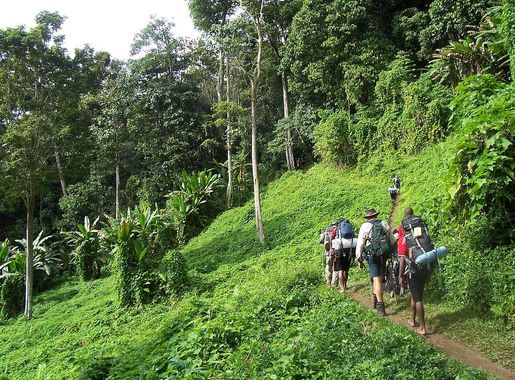
The Oro Region, nestled in the northeastern part of Papua New Guinea, is a hidden gem waiting to be explored. This untouched paradise boasts an array of natural wonders, from dense rainforests and cascading waterfalls to pristine beaches and vibrant coral reefs. The region is home to the famous Kokoda Track, a historic trail that attracts trekkers from around the world eager to experience its challenging terrain and breathtaking scenery. The Oro Region is not just about natural beauty; it is also steeped in rich cultural heritage. The local Orokaiva people are known for their warm hospitality and traditional customs, offering visitors a unique opportunity to immerse themselves in the local way of life. Traditional villages dot the landscape, where you can witness age-old practices such as pottery-making and traditional dancing. For the more adventurous traveler, the region offers thrilling activities such as snorkeling, diving, and bird watching. The Tufi Dive Resort is a popular spot for underwater enthusiasts, providing access to some of the most spectacular coral reefs in the world. Bird watchers will be delighted by the diverse avian species that call the region home, including the rare Blyth's hornbill and the colorful Eclectus parrot.