

Free Papuan Peninsula Travel Guide & Mobile App
Explore Papuan Peninsula with free travel guides. Discover regional history, expert tips, proposed trips, and audio guides on web or mobile app.


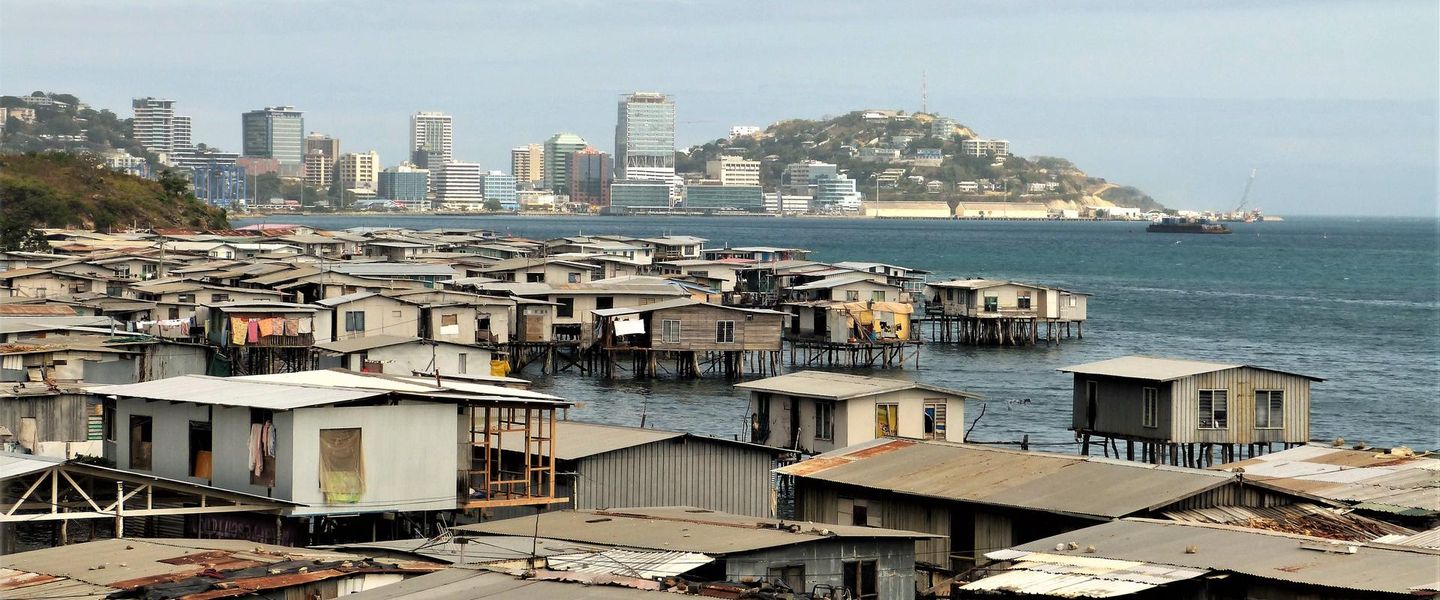


Discover the pristine beauty and rich cultural heritage of the Papuan Peninsula, a hidden gem in Papua New Guinea offering unparalleled adventures and experiences.
Read more about Papuan Peninsula
When is the best time to visit Papuan Peninsula?
Best: June–August · 29°C| Month | High (°C) | Rainfall (mm) |
|---|---|---|
| January | 29 | 250 |
| February | 29 | 230 |
| March | 29 | 240 |
| April | 29 | 200 |
| May | 29 | 150 |
| June (best) | 29 | 140 |
| July (best) | 29 | 130 |
| August (best) | 29 | 140 |
| September | 29 | 150 |
| October | 29 | 170 |
| November | 29 | 200 |
| December | 29 | 230 |
Getting to and around Papuan Peninsula
How to get there
Transportation
Top city travel guides in Papuan Peninsula
The cities of Papuan Peninsula, and the easiest places to base yourself.
-

-


Swipe for more cities
Destinations in Papuan Peninsula
Resorts, valleys and scenic spots worth a trip of their own.
-

-


Swipe for more destinations
Best attractions in Papuan Peninsula
Nestled in the heart of the South Pacific, the Papuan Peninsula in Papua New Guinea is a treasure trove of natural beauty and rich cultural heritage awaiting discovery. Visitors can explore the lush, verdant rainforests teeming with unique wildlife, from the colorful birds of paradise to the elusive tree kangaroos. The pristine beaches, with their powdery white sand and crystal-clear waters, offer idyllic spots for snorkeling, diving, and witnessing the vibrant coral reefs. History enthusiasts will be enchanted by the ancient tribal villages where time-honored traditions and rituals are still very much alive, and the remnants of World War II relics that dot the landscape, telling stories of a bygone era. Adventurers can trek through the rugged Owen Stanley Range, challenge themselves with the famous Kokoda Trail, or kayak along the meandering rivers. The local markets burst with exotic fruits, handcrafted artifacts, and the warm, welcoming smiles of the indigenous people, making every moment on the Papuan Peninsula an unforgettable journey into a world of wonder and discovery.
-
Tourist attraction
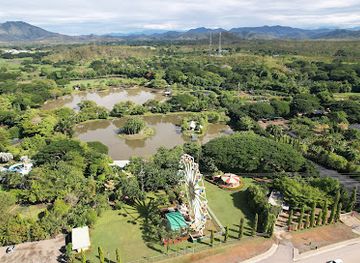
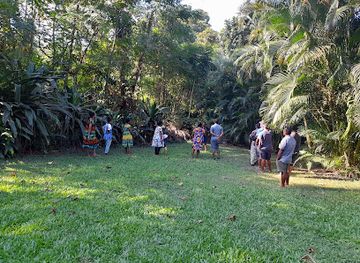
Port Moresby Nature Park
Explore the lush landscapes and unique wildlife at Port Moresby Nature Park, a serene retreat in the heart of Papua New Guinea's capital.
-
Tourist attraction
Papua New Guinea National Museum and Art Gallery
Discover Papua New Guinea's rich cultural heritage at the National Museum and Art Gallery in Port Moresby, showcasing art, artifacts, and history.
-
Theme park
Adventure Park PNG
Experience thrilling rides and family fun at Adventure Park PNG, a must-visit theme park in the heart of Central Province, Papua New Guinea.
-
Mountain peak
Touaguba Hill
Experience breathtaking views and serene nature at Touaguba Hill, a stunning mountain peak in Port Moresby, showcasing the beauty of Papua New Guinea.


Best landmarks in Papuan Peninsula
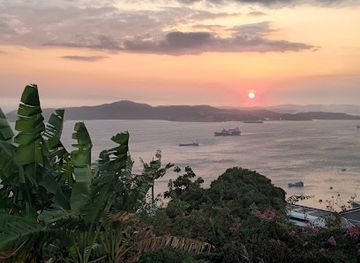
The Papuan Peninsula, a gem in Papua New Guinea, is a treasure trove of unparalleled natural beauty and rich cultural tapestry, offering visitors an opportunity to explore vibrant coral reefs teeming with marine life in the pristine waters of Milne Bay, trek through the dense, biodiverse rainforests of the Owen Stanley Range, and visit the sacred and ancient rock art sites that whisper stories of the indigenous peoples. The bustling markets of Alotau provide a sensory feast with their colorful displays of local crafts and exotic fruits, while the historical remnants of World War II, scattered across the peninsula, offer a poignant glimpse into the past. Adventurers can challenge themselves with the Kokoda Track, a rugged trail that promises breathtaking vistas and a profound sense of accomplishment upon completion.
-
 Hotel
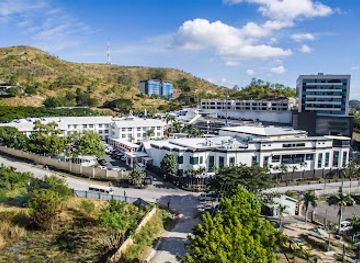
HotelThe Stanley Hotel & Suites
Experience luxury and comfort at The Stanley Hotel & Suites in Port Moresby, a perfect base for exploring Papua New Guinea's vibrant capital.
-
Hotel
Lamana Hotel (Port Moresby)
Discover the vibrant culture and hospitality of Papua New Guinea while enjoying a comfortable stay at Lamana Hotel in Port Moresby.
-
Tourist attraction
Port Moresby Nature Park
Explore the lush landscapes, diverse wildlife, and serene beauty of Port Moresby Nature Park, a premier destination in Papua New Guinea.
-
International airport
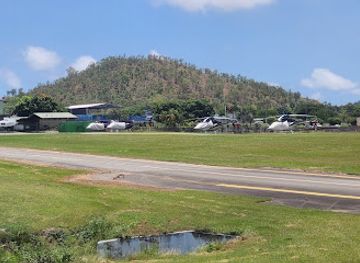
Jacksons International Airport
Discover the gateway to Papua New Guinea at Jacksons International Airport, where adventure begins and cultural experiences await.
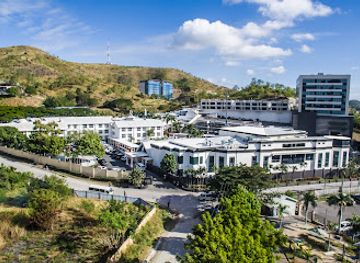
Explore Papuan Peninsula on the map
Plan your trip on one map. See where the top cities, national parks and sights are, and book hotels and experiences in a few clicks.
Best hotels in Papuan Peninsula
Best restaurants in Papuan Peninsula
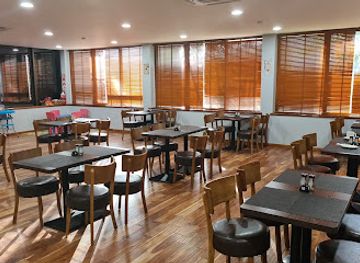
The dining scene of the Papuan Peninsula in Papua New Guinea is a tantalizing blend of indigenous flavors and multicultural influences, offering visitors a rare culinary adventure. Expect to savor traditional dishes like mumu, a hearty feast cooked in an earth oven, and saksak, a delectable sago pudding, alongside fresh seafood pulled straight from the pristine waters. Street markets brim with exotic fruits and local delicacies, while village feasts invite you to experience communal dining and age-old recipes passed down through generations. For those seeking a more contemporary twist, the towns host a variety of eateries where Asian, European, and Australian culinary styles meld seamlessly with local ingredients, creating unique fusion dishes. Whether you're dining in a rustic village setting or a chic urban café, the Papuan Peninsula promises a captivating gastronomic journey that delights the senses.
-
Shopping mall
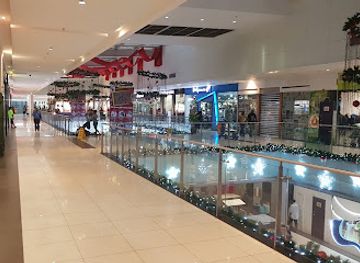
Vision City Mega Mall
Discover unparalleled shopping and entertainment at Vision City Mega Mall in Port Moresby – a true retail paradise for tourists.
-
Hotel
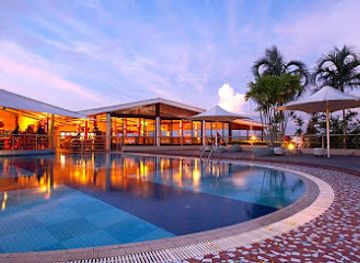
The Stanley Hotel & Suites
Experience unparalleled luxury at The Stanley Hotel & Suites in Port Moresby - your gateway to Papua New Guinea's vibrant culture.
-
Hotel
Airways Hotel
Experience unparalleled luxury and comfort at Airways Hotel in Port Moresby - your perfect travel companion near Jacksons International Airport.
-
Hotel
Lamana Hotel (Port Moresby)
Discover luxury and local charm at Lamana Hotel in Port Moresby - your gateway to Papua New Guinea's rich culture.
Best bars in Papuan Peninsula
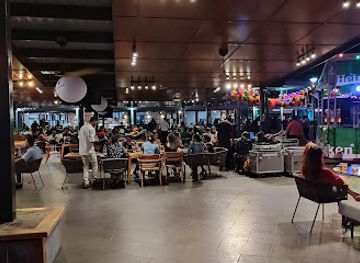
The nightlife on the Papuan Peninsula in Papua New Guinea is a mesmerizing blend of traditional culture and modern entertainment, offering visitors an unforgettable experience. As the sun sets, the coastal towns come alive with a vibrant atmosphere that is both relaxed and exhilarating. You can start your evening at one of the local beachfront bars where you can enjoy exotic cocktails made from local fruits while listening to live music that ranges from traditional Papuan rhythms to contemporary tunes. As the night progresses, head to one of the lively nightclubs where you can dance the night away under the tropical sky. The friendly locals are always eager to share their customs, and you might even find yourself joining in a traditional sing-sing or fire dance. For those seeking a more laid-back experience, there are plenty of cozy, open-air lounges where you can unwind with a drink and take in the stunning ocean views. Whether you are looking for energetic beats or a peaceful night by the sea, the Papuan Peninsula has something to offer every night owl.
-
Hotel
Holiday Inn & Suites Port Moresby PNG
Discover comfort and luxury at Holiday Inn & Suites Port Moresby, your gateway to the vibrant culture of Papua New Guinea.
-
Restaurant
Alibi Bar & Grill
Discover the vibrant culinary scene at Alibi Bar & Grill in Port Moresby, serving up local flavors and lively ambiance for an unforgettable dining experience.
-
Bar
Jackson's Bar Restaurant & Gaming
Discover the vibrant nightlife and local flavors at Jackson's Bar Restaurant & Gaming in Port Moresby, perfect for dining, socializing, and gaming.
-
Restaurant
Luluai
Experience the flavors of Papua New Guinea at Luluai, a top restaurant in Port Moresby offering a warm atmosphere and exquisite local dishes.

Best nightclubs in Papuan Peninsula
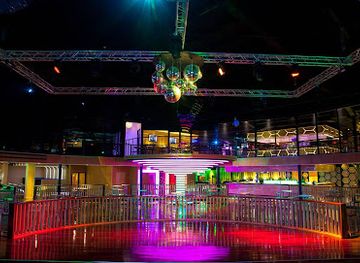
The nightlife on the Papuan Peninsula in Papua New Guinea is a mesmerizing blend of traditional culture and modern entertainment, offering visitors an unforgettable experience. As the sun sets, the coastal towns come alive with a vibrant atmosphere that is both relaxed and exhilarating. You can start your evening at one of the local beachfront bars where you can enjoy exotic cocktails made from local fruits while listening to live music that ranges from traditional Papuan rhythms to contemporary tunes. As the night progresses, head to one of the lively nightclubs where you can dance the night away under the tropical sky. The friendly locals are always eager to share their customs, and you might even find yourself joining in a traditional sing-sing or fire dance. For those seeking a more laid-back experience, there are plenty of cozy, open-air lounges where you can unwind with a drink and take in the stunning ocean views. Whether you are looking for energetic beats or a peaceful night by the sea, the Papuan Peninsula has something to offer every night owl.
-
Club
The Cosmopolitan (PNG)
Discover the heart of Port Moresby's nightlife at The Cosmopolitan, where vibrant energy meets exciting entertainment in a lively club atmosphere.
-
Disco club
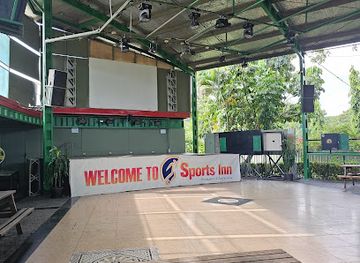
Sports Inn
Discover the vibrant nightlife at Sports Inn, Port Moresby's premier disco club, where music and fun come alive in an electrifying atmosphere.
-
Bar
KUNDU CLUB
Experience the vibrant nightlife of Port Moresby at Kundu Club, where drinks, music, and fun create an unforgettable evening.
-
Night club
The Gold Club
Experience Port Moresby's vibrant nightlife at The Gold Club, where music and atmosphere create unforgettable moments.


Best shops in Papuan Peninsula
The shopping scene in the Papuan Peninsula offers a vibrant tapestry of traditional and contemporary experiences, where bustling open-air markets and quaint village stalls brim with unique handcrafted artifacts, intricate bilum bags, and vibrant local textiles dyed with natural pigments. Visitors can immerse themselves in the rich cultural heritage by purchasing intricate wood carvings, traditional masks, and jewelry made from shells and seeds, all while engaging with the friendly local artisans who often share the fascinating stories behind their crafts. For those seeking a modern twist, the few urban centers feature boutique shops and galleries showcasing contemporary Papuan art, organic coffee, and exotic spices, making every shopping trip an adventure steeped in history and local flavor.
-
Shopping mall
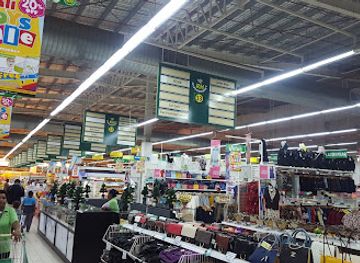
Vision City Mega Mall
Discover the vibrant shopping experience at Vision City Mega Mall in Port Moresby, where diverse retail options and delightful dining await.
-
Grocery store
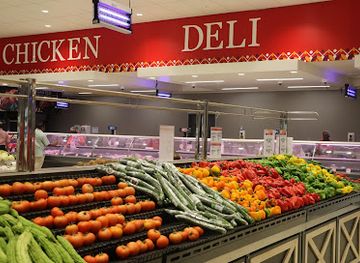
Stop and Shop Waigani Central
Experience the vibrant flavors and local culture at Stop and Shop Waigani Central, your go-to grocery store in Port Moresby.
-
Shopping mall
Stop N Shop Harbour City
Experience the vibrant shopping and dining at Stop N Shop Harbour City in Port Moresby, a must-visit destination for tourists seeking local culture.
-
Store
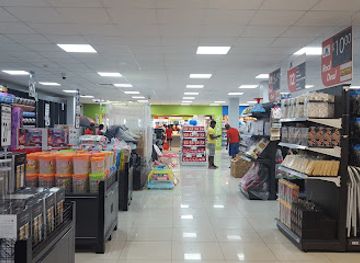
Stop N Shop
Experience the local shopping scene at Stop N Shop, your go-to retail destination in Port Moresby for essentials and souvenirs.
Get your free copy of our complete guide to Papuan Peninsula, delivered straight to you.
Everything on this page, from attractions and restaurants to essentials and local phrases, in one PDF you can read offline, print or share.
Already have an account? Sign in
Your Papuan Peninsula guide is ready.
We'll send it to · Not you? Sign out

Getting your guide ready…
We are putting together a fresh copy of the Papuan Peninsula guide. This can take up to a minute.
This can take a few moments. If your browser asks, choose Allow so the download can start. You'll find the guide in your Downloads folder.
Nothing happened? Download it again
Sorry, the guide is taking longer than usual. Please try again in a minute, or get it by email instead.
Papuan Peninsula essentials
Currency and Payment
Safety
Emergency Situations
Do's and Don'ts
Local Tips
From Eve
Local phrases worth knowing
You don't need to get them perfect. A few words go a long way, and locals appreciate the effort.
Basics
| English | Local | Say it |
|---|---|---|
| Hello | Halo | [ha-lo] |
| Goodbye | Kisim gut | [kee-sim goot] |
| Yes | Yes | [yes] |
| No | No | [no] |
| Please/You're welcome | Plis | [plees] |
| Thank you | Tenkyu | [ten-kyoo] |
| Excuse me/Sorry | Sori | [so-ree] |
| How are you? | Yu oraite? | [yu o-rite] |
| Fine. And you? | Orait. Na yu? | [o-rite. na yu] |
| Do you speak English? | Yu tokim English? | [yu to-kee-m in-glish] |
| I don't understand | Mi no save | [mee no sah-veh] |
Eating & Drinking
| English | Local | Say it |
|---|---|---|
| I'd like to see the menu, please | Mi laik lukim menu, plis | [mee laik loo-keem men-yoo, plees] |
| I don't eat meat | Mi no kaikai mit | [mee no kai-kai meet] |
| Cheers! | Sori! | [so-ree] |
| I would like to pay, please | Mi laik pai, plis | [mee laik pai, plees] |
Emergencies
| English | Local | Say it |
|---|---|---|
| Help! | Help! | [help] |
| Go away! | Go awai! | [go a-wai] |
| Call the Police! | Kolim polis! | [ko-lim po-lis] |
| Call a doctor! | Kolim dokta! | [ko-lim dok-ta] |
| I'm lost | Mi lus | [mee loos] |
| I'm ill | Mi sik | [mee seek] |
Shopping
| English | Local | Say it |
|---|---|---|
| I'd like to buy... | Mi laik buy... | [mee laik bai] |
| I'm just looking | Mi so lukim | [mee so loo-keem] |
| How much is it? | Em olsem hamas? | [em ol-sem ha-mas] |
| That's too expensive | Dat em tumas | [dat em too-mas] |
| Can you lower the price? | Yu inap daunim pris? | [yu in-ap down-im priss] |
Time & Numbers
| English | Local | Say it |
|---|---|---|
| What time is it? | Hu na taim? | [hoo na taim] |
| It's one o'clock | Em wan klok | [em wan klok] |
| Half past (10) | Haf pas (10) | [haf pas ten] |
| Morning | Mornin | [mor-ning] |
| Afternoon | Aftanun | [af-ta-noon] |
| Evening | Ivin | [ee-vin] |
| Yesterday | Yestede | [yes-teh-de] |
| Today | Tude | [too-de] |
| Tomorrow | Tumoro | [too-mo-ro] |
| 1 | Wan | [wan] |
| 2 | Tu | [too] |
| 3 | Tri | [tree] |
| 4 | Foa | [fo-a] |
| 5 | Faiv | [fiv] |
| 6 | Siks | [siks] |
| 7 | Sevn | [sev-en] |
| 8 | Eit | [ait] |
| 9 | Nain | [nain] |
| 10 | Ten | [ten] |
Transport & Directions
| English | Local | Say it |
|---|---|---|
| Where's a/the...? | Wea bilong ...? | [we-a bee-long] |
| What's the address? | Wet bilong adress? | [wet bee-long ad-dress] |
| Can you show me (on the map)? | Yu inap soim mi (long map)? | [yu in-ap so-im mee long map] |
| When's the next (bus)? | Wen em next (bus)? | [wen em next bus] |
| A ticket (to ....) | Wan tiket (go ....) | [wan ti-ket go] |
History of Papuan Peninsula
Ancient Inhabitants and Early Cultures
The Papuan Peninsula, known for its rugged terrain and dense rainforests, has been inhabited by indigenous Papuan people for thousands of years. Archaeological evidence suggests that these early inhabitants were skilled hunter-gatherers and horticulturists, cultivating crops such as yams and taro. Their intricate social structures and rich oral traditions have been passed down through generations, preserving the cultural heritage of the region.
The Austronesian Expansion
Around 3,000 years ago, the Austronesian people began migrating to the Papuan Peninsula, bringing with them advanced seafaring skills and new agricultural practices. This migration led to significant cultural exchanges and the introduction of new languages, pottery styles, and agricultural techniques. The Austronesians established coastal villages and engaged in trade with the indigenous Papuan communities.
European Exploration and Contact
The first recorded European contact with the Papuan Peninsula occurred in the early 17th century when Spanish and Portuguese explorers navigated the surrounding waters. However, it wasn't until the 19th century that sustained European exploration and missionary activity began. The British and Germans established missions and trading posts, attempting to convert indigenous populations to Christianity and integrate them into colonial economies.
World War II Impact
During World War II, the Papuan Peninsula became a significant battleground between Allied and Japanese forces. The Kokoda Track, a rugged mountain trail, was the scene of intense fighting as Australian and Papuan troops resisted the Japanese advance towards Port Moresby. The Battle of Milne Bay, fought on the peninsula's southeastern tip, marked the first major defeat of Japanese forces on land during the Pacific War.
Post-War Developments and Independence
Following World War II, the Papuan Peninsula saw increased efforts towards modernization and self-governance. Papua New Guinea gained independence from Australia in 1975, and the peninsula became an integral part of the new nation. Development projects aimed at improving infrastructure, healthcare, and education were implemented, although many remote areas still faced challenges due to their isolation.
Cultural Revival and Conservation
In recent decades, there has been a renewed focus on preserving the rich cultural heritage of the Papuan Peninsula. Local communities have taken steps to revitalize traditional practices, languages, and art forms. Additionally, conservation efforts have been initiated to protect the region's unique biodiversity and natural landscapes, promoting sustainable tourism and environmental awareness.
Papuan Peninsula in Photos
Browse through our photo collection highlighting the charm and character of the destination.
Neighbouring regions of Papuan Peninsula
The closest regions to Papuan Peninsula, if you have time for more than one.
-

-

-

-

-


Swipe for more regions
Explore more

Explore more of Papua New Guinea
Discover Papua New Guinea, where ancient cultures meet untamed wilderness. From vibrant festivals to stunning natural landscapes, an adventure awaits in this Pacific gem.
Explore Papua New Guinea