

Amambay Mountains, Paraguay Travel Guide
Discover the untouched beauty of the Amambay Mountains in Paraguay, where lush landscapes, rich biodiversity, and cultural heritage create a perfect haven for nature lovers.
Nestled in the heart of Paraguay, the Amambay Mountains offer a breathtaking escape into nature's untouched beauty. This mountain range is a paradise for those seeking adventure, tranquility, and a deep connection with the natural world. The lush green landscapes, rich biodiversity, and serene atmosphere make it a must-visit destination for nature lovers and explorers alike. The Amambay Mountains are home to a variety of flora and fauna, many of which are unique to this region. Hikers and bird watchers will be thrilled by the abundance of trails that wind through the mountains, offering stunning vistas and opportunities to spot rare wildlife. The region's pristine rivers and waterfalls provide perfect spots for picnicking and refreshing swims. Beyond its natural allure, the Amambay Mountains are steeped in cultural and historical significance. The local indigenous communities have preserved their traditional ways of life for centuries, offering visitors a glimpse into Paraguay's rich cultural heritage. Exploring the local villages and engaging with the communities can be a deeply enriching experience, providing a unique perspective on this beautiful region.

Know before you go
Hi, I'm Eve. Here are a few practical things to know before exploring Amambay Mountains.
- Bring sturdy hiking boots for the rugged terrain; the trails can be steep and uneven.
- Visit during the dry season (May to September) for the best weather and trail conditions.
- Pack insect repellent to protect against mosquitoes and other insects.
- Hire a local guide to enhance your experience and learn more about the indigenous culture and wildlife.
- Carry sufficient water and snacks, as there are limited facilities in the mountains.
Destinations in Amambay Mountains
Resorts, valleys and scenic spots worth a trip of their own.

Explore Amambay Mountains: Things to Do, Places to Eat, Hotels & More
Handpicked recommendations for top attractions, local dining, accommodations, and more

Top Attractions & Sightseeing in Amambay Mountains
Top-rated picks
Best Attractions

Salto Amambay, Piribebuy Cordillera
Experience the breathtaking nature of Salto Amambay in Piribebuy, a paradise for nature lovers and adventure seekers in Paraguay.

Salto Amambay
Explore the breathtaking beauty of Salto Amambay, a stunning waterfall in the heart of Paraguay, surrounded by lush nature and diverse wildlife.

Plaza San Roque de Santa Cruz
Experience the tranquility and vibrant local culture at Plaza San Roque de Santa Cruz, the perfect park getaway in Pedro Juan Caballero, Paraguay.

Salto Piraymi
Explore the breathtaking waterfalls and rich biodiversity of Salto Piraymi, a hidden gem in Paraguay's natural paradise.

Best landmarks in Amambay Mountains
Top-rated picks
Best Landmarks

7 Saltos Monument
Explore the natural wonder of 7 Saltos Monument in Salto del Guairá, Paraguay - a breathtaking tribute to cascading waterfalls and rich culture.

Access to Cerro Cora National Park
Experience the natural wonders of Cerro Cora National Park, a hidden gem in Paraguay, perfect for outdoor adventures and wildlife encounters.

Cerro Memby
Discover the breathtaking views and serene beauty of Cerro Memby, a must-visit mountain peak in Paraguay for all nature lovers and adventure seekers.

Monumento, Parque Nacional Cerro Corá
Discover the rich history and stunning landscapes of Parque Nacional Cerro Corá, a historical landmark in Paraguay that captivates every visitor.

Best restaurants in Amambay Mountains
Top-rated picks
Best Restaurants

Lo De Pepe
Experience authentic Paraguayan cuisine at Lo De Pepe in Pedro Juan Caballero - where flavor meets hospitality.

Pepe's Restaurant-Buffet
Discover authentic Brazilian flavors at Pepe's Restaurant-Buffet in Ponta Porã - a haven for food lovers seeking diverse and delicious buffet options.

Paradiso Pizzería Napoletana
Discover authentic Neapolitan pizza at Paradiso Pizzería Napoletana in Pedro Juan Caballero – a culinary gem loved by locals and visitors alike.

Holy Café
Discover the charm of Holy Café in Pedro Juan Caballero – your go-to spot for exceptional coffee, tasty sandwiches, and sweet treats.

Best bars in Amambay Mountains
Top-rated picks
Best Bars
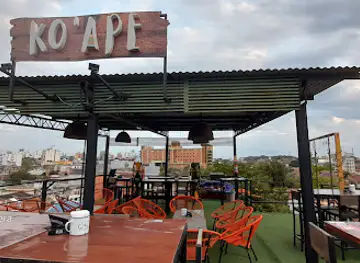
Ko'ape Rooftop
Discover Ko'ape Rooftop: Where Stunning Views Meet Lively Atmosphere in Asunción's Premier Bar Experience.
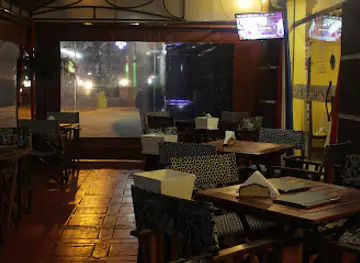
Lo De Pepe
Experience the authentic taste of Paraguay at Lo De Pepe, a restaurant renowned for its delicious local cuisine and warm atmosphere.
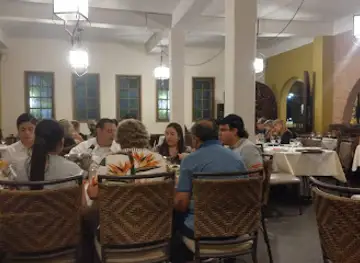
Pepe's Restaurant-Buffet
Discover the taste of Brazil at Pepe's Restaurant-Buffet, where diverse flavors and hearty dishes await in a welcoming atmosphere.

Paradiso Pizzería Napoletana
Experience the best Neapolitan pizza in Pedro Juan Caballero, where each slice is a celebration of flavor and tradition.

Best nightclubs in Amambay Mountains
Top-rated picks
Best Nightclubs

Club Social Amambay
Discover the vibrant nightlife at Club Social Amambay, where music, dance, and local culture come together for an unforgettable experience.

Access to Cerro Cora National Park
Discover the stunning landscapes and rich biodiversity of Cerro Cora National Park, a hidden gem in Paraguay for nature lovers and adventure seekers.

Casa dos prima
Discover the electrifying nightlife at Casa dos Prima, Villa Alta's premier night club for music, dancing, and vibrant local culture.

Best shops in Amambay Mountains
Top-rated picks
Best Shops

Shopping Mariscal
Discover Shopping Mariscal, Asunción's premier shopping mall with a mix of local and international brands, dining options, and family-friendly entertainment.

Shopping Paris
Discover the ultimate shopping experience at Shopping Paris, Ciudad del Este's premier shopping mall with diverse brands, dining, and family fun.

Shopping del Este
Discover Shopping del Este in Ciudad del Este, a vibrant shopping mall offering a diverse range of stores and dining options for an unforgettable retail experience.

Shopping China Importados
Discover a world of imported goods and local flavors at Shopping China Importados, the premier shopping destination in Pedro Juan Caballero.

Explore Amambay Mountains on the Map
A handpicked selection of must-see spots in Amambay Mountains, mapped for you.
Amambay Mountains Essentials
-
The Amambay Mountains are located in northeastern Paraguay, near the border with Brazil. The nearest major city is Pedro Juan Caballero, which has a small airport (Dr. Augusto Roberto Fuster International Airport) with flights from Asunción, the capital of Paraguay. From Asunción, you can also take a long-distance bus to Pedro Juan Caballero, which takes approximately 7-8 hours. Alternatively, you can rent a car and drive to the mountains, enjoying the scenic route.
-
Within the Amambay Mountains, transportation options are limited. Renting a car is the most convenient way to explore the area at your own pace. Local taxis are available in Pedro Juan Caballero, but they may not venture far into the mountains. For those who prefer public transport, there are occasional buses and minibuses (colectivos) that connect Pedro Juan Caballero to nearby towns and villages. Be prepared for rough and unpaved roads in some areas.
-
The official currency in Paraguay is the Paraguayan Guarani (PYG). Credit cards are accepted in some hotels, restaurants, and larger shops in Pedro Juan Caballero, but it is advisable to carry cash, especially when traveling into the mountains. ATMs are available in Pedro Juan Caballero, but may be scarce in more remote areas. It's wise to withdraw sufficient cash before heading into the mountains.
-
The Amambay Mountains are generally safe for tourists, but it is important to exercise caution. Pedro Juan Caballero has areas with higher crime rates, particularly related to drug trafficking, so avoid venturing alone at night and stay in well-populated areas. When hiking or exploring remote areas, always inform someone of your plans and carry a means of communication. Be mindful of your belongings in crowded places.
-
In case of an emergency, dial 911 for immediate assistance. The local police station and medical facilities are available in Pedro Juan Caballero. It is recommended to have travel insurance that covers medical emergencies. The nearest hospital is Hospital Regional de Pedro Juan Caballero. For minor health issues, there are pharmacies in the city where you can purchase over-the-counter medications.
-
Fashion: Do dress comfortably and in layers, as the weather can change rapidly in the mountains. Avoid wearing flashy jewelry and expensive items. Religion: Do be respectful of local customs and traditions. Public Transport: Do be patient and courteous when using public transport. Don't expect strict adherence to schedules. Greetings: Do greet people with a friendly 'Hola' or 'Buen día'. A handshake is common among men, while a light kiss on the cheek may be exchanged among women. Eating & Drinking: Do try local dishes and beverages, such as chipa and tereré. Don't refuse hospitality, as it is considered impolite.
-
To experience the Amambay Mountains like a local, visit the regional markets where you can buy fresh produce and traditional Paraguayan goods. Engage with locals, as they are often friendly and willing to share stories about the area's history and culture. Don't miss exploring the Cerro Corá National Park, which offers hiking trails, waterfalls, and ancient petroglyphs. For a unique cultural experience, attend a local festival or event, where you can enjoy traditional music and dance.
When is the best time to visit Amambay Mountains?
Useful Local Phrases for Amambay Mountains
You don't need to speak the language perfectly. Even learning a few simple words can make conversations warmer—and locals usually appreciate the effort.
— Eve

Here are the phrases I use most often in Amambay Mountains. Try a few—you'll be surprised how far they go! 😊
❤️
-
- HelloHola
[Ola] - GoodbyeAdiós
[A-dios] - YesSí
[See] - NoNo
[No] - Please/You're welcomePor favor
[Por fa-vor] - Thank youGracias
[Gra-thias] - Excuse me/SorryDisculpe
[Dis-kul-pe] - How are you?¿Cómo estás?
[Como es-tas] - Fine. And you?Bien. ¿Y tú?
[Bee-en. Ee tu] - Do you speak English?¿Hablas inglés?
[A-blas in-gles] - I don't understandNo entiendo
[No en-tyen-do]
- HelloHola
-
- I'd like to see the menu, pleaseMe gustaría ver el menú, por favor
[Me gus-ta-ree-a ver el me-nu, por fa-vor] - I don't eat meatNo como carne
[No co-mo car-ne] - Cheers!¡Salud!
[Sa-lud] - I would like to pay, pleaseMe gustaría pagar, por favor
[Me gus-ta-ree-a pa-gar, por fa-vor]
- I'd like to see the menu, pleaseMe gustaría ver el menú, por favor
-
- Help!¡Ayuda!
[A-yu-da] - Go away!¡Vete!
[Ve-te] - Call the Police!¡Llama a la policía!
[Ya-ma a la po-li-cia] - Call a doctor!¡Llama a un doctor!
[Ya-ma a un doc-tor] - I'm lostEstoy perdido
[Es-toy per-di-do] - I'm illEstoy enfermo
[Es-toy en-fer-mo]
- Help!¡Ayuda!
-
- I'd like to buy...Me gustaría comprar...
[Me gus-ta-ree-a com-prar] - I'm just lookingSolo estoy mirando
[So-lo es-toy mi-ran-do] - How much is it?¿Cuánto cuesta?
[Cuan-to kwes-ta] - That's too expensiveEso es muy caro
[E-so es muy ca-ro] - Can you lower the price?¿Puedes bajar el precio?
[Pwe-des ba-har el pre-cio]
- I'd like to buy...Me gustaría comprar...
-
- What time is it?¿Qué hora es?
[Ke o-ra es] - It's one o'clockEs la una
[Es la u-na] - Half past (10)Y media
[Ee me-dia] - MorningMañana
[Ma-ña-na] - AfternoonTarde
[Tar-de] - EveningNoche
[No-che] - YesterdayAyer
[A-yer] - TodayHoy
[Oy] - TomorrowMañana
[Ma-ña-na] - 1Uno
[U-no] - 2Dos
[Dos] - 3Tres
[Tres] - 4Cuatro
[Kua-tro] - 5Cinco
[Sin-co] - 6Seis
[Seis] - 7Siete
[Sye-te] - 8Ocho
[O-cho] - 9Nueve
[Nwe-ve] - 10Diez
[Dyez]
- What time is it?¿Qué hora es?
-
- Where's a/the...?¿Dónde está un/una...?
[Don-de es-ta un/una] - What's the address?¿Cuál es la dirección?
[Kwal es la di-rec-cion] - Can you show me (on the map)?¿Puedes mostrarme (en el mapa)?
[Pwe-des mos-trar-me (en el ma-pa)] - When's the next (bus)?¿Cuándo es el próximo (bus)?
[Kwan-do es el pro-xi-mo (bus)] - A ticket (to ....)Un boleto (a....)
[Un bo-le-to (a....)]
- Where's a/the...?¿Dónde está un/una...?
History of Amambay Mountains
-
Long before European explorers set foot in South America, the Amambay Mountains were home to the Guarani people. They lived in harmony with the natural environment, relying on hunting, fishing, and agriculture. The Guarani's deep spiritual connection to the land is evident in the myths and legends that are still told about these sacred mountains.
-
In the 16th century, Spanish explorers ventured into the Amambay Mountains in search of gold and other riches. The rugged terrain and dense forests made for a challenging expedition. Despite their efforts, the Spanish found little of the material wealth they sought, but their presence marked the beginning of significant cultural and social changes for the indigenous populations.
-
During the 17th and 18th centuries, Jesuit missionaries established missions in the region, including the Amambay Mountains. These missions aimed to convert the Guarani to Christianity and integrate them into European ways of life. The missions became centers of education, agriculture, and crafts, significantly transforming the indigenous communities.
-
The Paraguayan War (1864-1870), also known as the War of the Triple Alliance, had profound effects on the Amambay region. The war devastated Paraguay's population and economy, and its effects were felt even in the remote Amambay Mountains. Many fled to these mountains to escape the conflict, and the area became a refuge for those seeking safety.
-
In the 20th and 21st centuries, efforts have been made to balance development with the preservation of the natural and cultural heritage of the Amambay Mountains. Ecotourism has become an important industry, attracting visitors who want to experience the region's unique biodiversity and cultural history. Conservation projects aim to protect the forests and wildlife while supporting the livelihoods of local communities.
Neighbouring Regions of Amambay Mountains
The closest regions to Amambay Mountains, if you have time for more than one.



Your all‑in‑one travel companion app
Explore expert travel guides, compare and book tours, experiences, hotels, and more—all from the palm of your hand. Download now for seamless trip planning wherever your wanderlust takes you.


Explore More of Paraguay

Looking beyond Amambay Mountains? Discover Paraguay for broader travel guides, local hot-spots, and regional highlights.
Explore ParaguayAmambay Mountains in Photos
Browse through our photo collection highlighting the charm and character of the destination.


The Enchanting Amambay Mountains: Paraguay's Hidden Gem
Nestled in the heart of Paraguay, the Amambay Mountains offer a breathtaking escape into nature's untouched beauty. This mountain range is a paradise for those seeking adventure, tranquility, and a deep connection with the natural world. The lush green landscapes, rich biodiversity, and serene atmosphere make it a must-visit destination for nature lovers and explorers alike. The Amambay Mountains are home to a variety of flora and fauna, many of which are unique to this region. Hikers and bird watchers will be thrilled by the abundance of trails that wind through the mountains, offering stunning vistas and opportunities to spot rare wildlife. The region's pristine rivers and waterfalls provide perfect spots for picnicking and refreshing swims. Beyond its natural allure, the Amambay Mountains are steeped in cultural and historical significance. The local indigenous communities have preserved their traditional ways of life for centuries, offering visitors a glimpse into Paraguay's rich cultural heritage. Exploring the local villages and engaging with the communities can be a deeply enriching experience, providing a unique perspective on this beautiful region.