
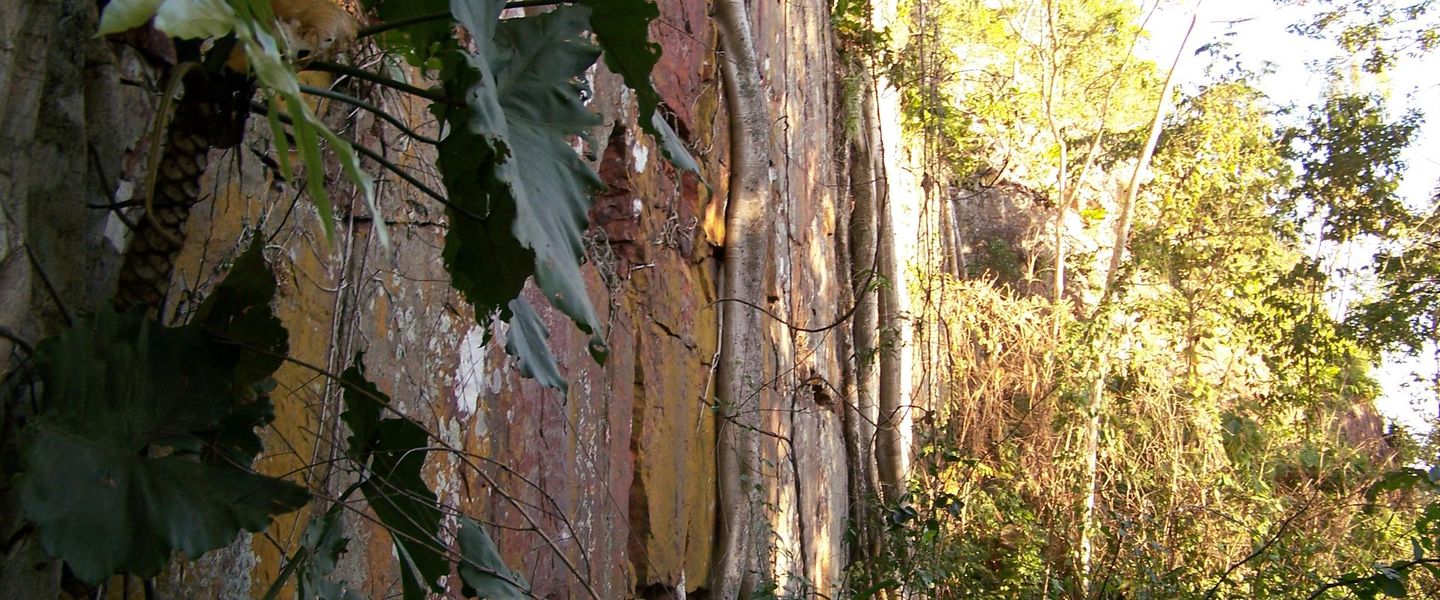
Northern Paraguay, Paraguay Travel Guide
Discover the hidden treasures of Northern Paraguay, where the wild Gran Chaco meets vibrant indigenous cultures and charming rural villages.
Northern Paraguay is a land of diverse landscapes and rich cultural heritage. This region, often overlooked by tourists, offers a unique combination of natural wonders and traditional Paraguayan lifestyles. One of the highlights of Northern Paraguay is the Gran Chaco, a vast and arid plain that stretches into Bolivia and Argentina. The Gran Chaco is home to an array of wildlife, including jaguars, capybaras, and a variety of bird species. Visitors can explore the region through guided tours or embark on self-guided adventures to observe the stunning flora and fauna. The area is also known for its indigenous communities, who maintain their traditional ways of life. Tourists have the opportunity to learn about the customs, crafts, and daily activities of these communities, providing a deeper understanding of Paraguay's cultural mosaic. In addition to its natural and cultural attractions, Northern Paraguay is dotted with charming small towns and villages. These settlements offer a glimpse into the rural life of Paraguay, with markets, festivals, and local cuisine that are sure to delight visitors. Be sure to try the famous Paraguayan barbecue, or 'asado,' which is a staple of the region.

Know before you go
Hi, I'm Eve. Here are a few practical things to know before exploring Northern Paraguay.
- Visit during the dry season (May to September) for more comfortable weather and better wildlife viewing opportunities.
- Hire a local guide for tours of the Gran Chaco to enhance your experience and ensure safety.
- Bring insect repellent and sun protection, as the region can be hot and buggy.
- Learn a few basic Spanish phrases to communicate more easily with locals and enhance your cultural experience.
- Try local foods like chipa (a type of cheese bread) and sopa paraguaya (a traditional cornbread).
Top City Travel Guides in Northern Paraguay
The cities of Northern Paraguay, and the easiest places to base yourself.


Destinations in Northern Paraguay
Resorts, valleys and scenic spots worth a trip of their own.


Explore Northern Paraguay: Things to Do, Places to Eat, Hotels & More
Handpicked recommendations for top attractions, local dining, accommodations, and more

Top Attractions & Sightseeing in Northern Paraguay
Top-rated picks
Best Attractions

Ñu Guasú - Humberto Rubín Park
Discover the lush greenery and vibrant atmosphere of Ñu Guasú - Humberto Rubín Park, a top tourist attraction in Luque, Paraguay, for nature lovers and adventure seekers.

Museo Nacional de Bellas Artes de Asunción
Explore Paraguay's artistic heritage at Museo Nacional de Bellas Artes de Asunción, featuring diverse collections and cultural events in a stunning setting.

Museo Nacional de Historia Natural del Paraguay
Explore Paraguay's rich biodiversity at Museo Nacional de Historia Natural del Paraguay, where nature and education come together in a captivating experience.

Bañado La Estrella
Explore the breathtaking wetlands of Bañado La Estrella in Formosa Province, Argentina, a haven for wildlife and nature lovers alike.

Best landmarks in Northern Paraguay
Top-rated picks
Best Landmarks

Monday Falls
Explore the breathtaking beauty of Monday Falls in Paraguay, a national park offering stunning waterfalls and diverse wildlife set in lush landscapes.

Plaza Uruguaya
Explore Plaza Uruguaya in Asunción, a vibrant park reflecting Paraguay's rich history with Uruguay amidst lush greenery and serene surroundings.

República del Paraguay Park
Discover the serene beauty of República del Paraguay Park in Posadas, Argentina, a perfect blend of nature and culture awaits you.

Plaza de la Democracia
Discover the charm of Plaza de la Democracia in Asunción, a lush park blending history, culture, and relaxation for every tourist.

Best restaurants in Northern Paraguay
Top-rated picks
Best Restaurants

Bolsi
Experience the best of Paraguayan cuisine at Bolsi – a family-friendly restaurant offering breakfast, lunch, and sushi delights in Asunción.

Lido Bar
Discover authentic Paraguayan cuisine at Lido Bar in Asunción - where every dish tells a story.

Churrasquería O Gaúcho
Discover Asunción's premier barbecue destination at Churrasquería O Gaúcho - where quality meets tradition in every delicious bite.

La Cabrera
Discover La Cabrera in Asunción: A top-tier steakhouse offering exceptional Paraguayan cuisine and an unforgettable dining experience.

Best bars in Northern Paraguay
Top-rated picks
Best Bars

Lido Bar
Experience the flavors of Paraguay at Lido Bar, a vibrant restaurant in Asunción offering authentic local dishes and a warm atmosphere for all visitors.

Britannia Pub
Discover the vibrant Britannia Pub in Asunción, where lively ambiance meets a diverse menu of drinks and delicious food, perfect for a night out.

Arsenal Cué
Experience the vibrant nightlife of Asunción at Arsenal Cué, a popular bar known for its lively atmosphere and exquisite drink selection.

Vamos a jugar
Experience a vibrant nightlife at Vamos a jugar, a lively bar in Asunción serving delicious cocktails and local brews, perfect for tourists.

Best nightclubs in Northern Paraguay
Top-rated picks
Best Nightclubs

O'Leary club
Discover O'Leary Club, a lively bar in Asunción, perfect for enjoying drinks and vibrant nightlife with locals and travelers alike.

Velvet Asuncion
Dive into the heart of Asuncion's nightlife at Velvet Asuncion, where electrifying music meets vibrant energy for an unforgettable experience.

Morgan Warehouse, Nightclub
Experience the vibrant nightlife at Morgan Warehouse, Asunción's premier nightclub, where music and dance come alive in a stylish setting.

Club Condesa
Discover the vibrant nightlife of Asunción at Club Condesa, where electrifying music meets stunning architecture for an unforgettable experience.

Best shops in Northern Paraguay
Top-rated picks
Best Shops

Paseo La Galería
Explore the vibrant Paseo La Galería in Asunción for an unforgettable shopping and dining experience, perfect for tourists and locals alike.

delSol Shopping
Discover DelSol Shopping Mall, a vibrant shopping and entertainment hub in Asunción, offering local and international brands, dining options, and cultural experiences.

Shopping Mariscal
Experience the vibrant shopping scene at Shopping Mariscal in Asunción, where local culture meets modern retail and entertainment.

Shopping Multiplaza
Explore Shopping Multiplaza in Asunción for a comprehensive shopping experience with diverse stores, dining options, and entertainment.

Explore Northern Paraguay on the Map
A handpicked selection of must-see spots in Northern Paraguay, mapped for you.
Northern Paraguay Essentials
-
Northern Paraguay is accessible via Silvio Pettirossi International Airport in Asunción, the capital of Paraguay. From Asunción, you can travel to Northern Paraguay by bus, rental car, or domestic flight. Bus services are frequent and connect most major cities and towns. The journey by road can take several hours depending on your destination within Northern Paraguay.
-
Within Northern Paraguay, public buses and minibuses (colectivos) are the most common means of transportation. Taxis are also available in larger towns and cities, but it is advisable to agree on the fare beforehand. For more flexibility, consider renting a car, especially if you plan to explore remote areas. Many roads are unpaved and can be challenging, so a 4x4 vehicle is recommended.
-
The official currency in Paraguay is the Paraguayan Guarani (PYG). Credit cards are accepted in larger hotels, restaurants, and shops, but in smaller towns and rural areas, cash is preferred. ATMs are available in major towns, but it is advisable to carry sufficient cash when traveling to more remote areas, as ATMs may not be readily accessible.
-
Northern Paraguay is generally safe for tourists, but it is important to take standard precautions. Avoid walking alone at night, especially in unfamiliar areas. Some neighborhoods in larger towns may have higher crime rates, so it is best to seek local advice on which areas to avoid. Keep an eye on your belongings in crowded places such as markets and bus stations.
-
In case of emergency, dial 911 for police assistance. For medical emergencies, contact the nearest hospital or clinic. It is recommended to have travel insurance that covers medical emergencies. Pharmacies are available in most towns, and local pharmacists can assist with minor health issues. Ensure you know the location of the nearest medical facility to where you are staying.
-
Fashion: Do dress modestly, especially in rural areas and when visiting religious sites. Avoid overly revealing clothing. Religion: Do respect local customs and traditions. When visiting churches, dress conservatively and behave respectfully. Public Transport: Do be respectful and offer your seat to elderly passengers. Don’t eat or drink on public transport. Greetings: Do greet people with a handshake. A friendly 'hola' is also appreciated. Eating & Drinking: Do try local dishes and accept food offerings graciously. Don’t refuse hospitality, as it is considered impolite.
-
To experience Northern Paraguay like a local, visit local markets where you can buy fresh produce and traditional Paraguayan goods. Engage with locals, as they are often friendly and willing to share stories about the region's history and culture. Don’t miss visiting the Chaco region and the Jesuit Missions of La Santísima Trinidad de Paraná and Jesús de Tavarangue, which are UNESCO World Heritage Sites. For a unique experience, explore the wildlife and natural beauty of the Defensores del Chaco National Park.
When is the best time to visit Northern Paraguay?
Useful Local Phrases for Northern Paraguay
You don't need to speak the language perfectly. Even learning a few simple words can make conversations warmer—and locals usually appreciate the effort.
— Eve

Here are the phrases I use most often in Northern Paraguay. Try a few—you'll be surprised how far they go! 😊
❤️
-
- HelloHola
[Olah] - GoodbyeAdiós
[Ah-dee-ohs] - YesSí
[See] - NoNo
[No] - Please/You're welcomePor favor/De nada
[Por fah-vor/De nah-dah] - Thank youGracias
[Grah-syahs] - Excuse me/SorryPerdón
[Pehr-dohn] - How are you?¿Cómo estás?
[Koh-moh eh-stahs] - Fine. And you?Bien. ¿Y tú?
[Bee-en. Ee too] - Do you speak English?¿Hablas inglés?
[Ah-blahs een-glehs] - I don't understandNo entiendo
[No en-tyen-doh]
- HelloHola
-
- I'd like to see the menu, pleaseMe gustaría ver el menú, por favor
[Meh goos-tah-ree-ah vehr el meh-noo, por fah-vor] - I don't eat meatNo como carne
[No koh-moh kar-neh] - Cheers!¡Salud!
[Sah-lood] - I would like to pay, pleaseMe gustaría pagar, por favor
[Meh goos-tah-ree-ah pah-gar, por fah-vor]
- I'd like to see the menu, pleaseMe gustaría ver el menú, por favor
-
- Help!¡Ayuda!
[Ah-yoo-dah] - Go away!¡Vete!
[Veh-teh] - Call the Police!¡Llama a la policía!
[Yah-mah ah lah poh-lee-see-ah] - Call a doctor!¡Llama a un doctor!
[Yah-mah ah oon dok-tor] - I'm lostEstoy perdido
[Eh-stoy pehr-dee-doh] - I'm illEstoy enfermo/a
[Eh-stoy en-fehr-mo/a]
- Help!¡Ayuda!
-
- I'd like to buy...Me gustaría comprar...
[Meh goos-tah-ree-ah kom-prar] - I'm just lookingSolo estoy mirando
[Soh-lo eh-stoy mee-rahndo] - How much is it?¿Cuánto cuesta?
[Kwahn-toh kwes-tah] - That's too expensiveEs muy caro
[Es mwee kah-roh] - Can you lower the price?¿Puedes bajar el precio?
[Pweh-des bah-har el preh-syo]
- I'd like to buy...Me gustaría comprar...
-
- What time is it?¿Qué hora es?
[Keh oh-rah es] - It's one o'clockEs la una
[Es lah oo-nah] - Half past (10)Y media (10)
[Ee meh-dee-ah (10)] - MorningMañana
[Mah-nyah-nah] - AfternoonTarde
[Tar-deh] - EveningNoche
[Noh-cheh] - YesterdayAyer
[Ah-yehr] - TodayHoy
[Oy] - TomorrowMañana
[Mah-nyah-nah] - 1Uno
[Oo-noh] - 2Dos
[Dohs] - 3Tres
[Trehs] - 4Cuatro
[Kwah-troh] - 5Cinco
[Seen-koh] - 6Seis
[Says] - 7Siete
[Syay-teh] - 8Ocho
[Oh-choh] - 9Nueve
[Nweh-beh] - 10Diez
[Dyehs]
- What time is it?¿Qué hora es?
-
- Where's a/the...?¿Dónde está un/una...?
[Dohn-deh es-tah oon/oo-nah] - What's the address?¿Cuál es la dirección?
[Kwahl es lah dee-rek-syon] - Can you show me (on the map)?¿Puedes mostrarme (en el mapa)?
[Pweh-des mohs-trar-meh (en el mah-pah)] - When's the next (bus)?¿Cuándo es el próximo (autobús)?
[Kwan-doh es el prohk-see-mo (ow-toh-boos)] - A ticket (to ....)Un boleto (a ....)
[Oon boh-leh-toh (ah ....)]
- Where's a/the...?¿Dónde está un/una...?
History of Northern Paraguay
-
Before the arrival of Europeans, the region of Northern Paraguay was inhabited by the Guaraní people. They were skilled agriculturalists and hunters, cultivating crops such as maize, beans, and manioc. The Guaraní society was organized in small, autonomous communities, each led by a cacique (chief). Their rich oral traditions and cosmology continue to influence Paraguayan culture today.
-
In the early 17th century, Jesuit missionaries arrived in Northern Paraguay with the aim of converting the indigenous population to Christianity. They established a series of missions, or 'reducciones', which became centers of education, agriculture, and cultural exchange. The Jesuits taught European agricultural techniques and crafts, while also preserving and documenting the Guaraní language and traditions. The ruins of some of these missions, such as the Santísima Trinidad de Paraná and Jesús de Tavarangue, are now UNESCO World Heritage Sites.
-
The War of the Triple Alliance (1864-1870) was a devastating conflict in which Paraguay faced off against an alliance of Argentina, Brazil, and Uruguay. Northern Paraguay was a significant battleground during this war, with major battles such as the Battle of Curupayty taking place in the region. The war resulted in massive loss of life and had a lasting impact on the country's development.
-
From 1932 to 1935, Northern Paraguay was the theater of the Chaco War between Paraguay and Bolivia. The conflict was primarily over control of the Gran Chaco region, which was believed to be rich in oil. Despite being outnumbered and outgunned, Paraguayan forces managed to secure a decisive victory. The war solidified national pride and had significant ramifications for the national identity of Paraguay.
-
In the late 1920s and early 1930s, Mennonite communities from Canada, Russia, and Germany settled in the Northern Paraguayan Chaco. They established agricultural colonies, such as Fernheim, Menno, and Neuland, transforming the region with their farming techniques. The Mennonites contributed significantly to the agricultural development of Northern Paraguay and maintain a distinct cultural presence to this day.
-
Northern Paraguay is rich in cultural heritage, with various festivals and traditions celebrated throughout the year. The Semana Santa (Holy Week) is particularly notable, with elaborate processions and traditional foods like chipa (a type of cheese bread) being prepared. The region also celebrates the Fiesta de San Juan, which features traditional games, dances, and the famous 'toro candil' (a bull figure made of paper and fireworks). These festivals are a vibrant expression of the region's cultural identity.
Neighbouring Regions of Northern Paraguay
The closest regions to Northern Paraguay, if you have time for more than one.



Your all‑in‑one travel companion app
Explore expert travel guides, compare and book tours, experiences, hotels, and more—all from the palm of your hand. Download now for seamless trip planning wherever your wanderlust takes you.


Explore More of Paraguay

Looking beyond Northern Paraguay? Discover Paraguay for broader travel guides, local hot-spots, and regional highlights.
Explore ParaguayNorthern Paraguay in Photos
Browse through our photo collection highlighting the charm and character of the destination.


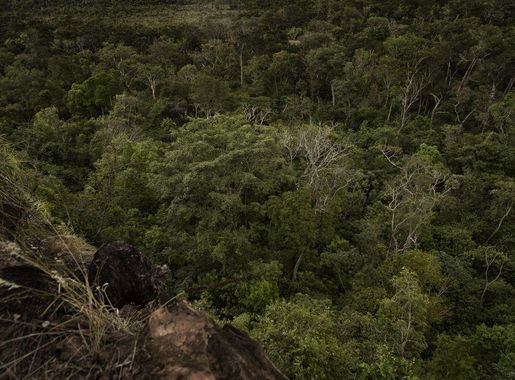


Exploring the Untamed Beauty of Northern Paraguay
Northern Paraguay is a land of diverse landscapes and rich cultural heritage. This region, often overlooked by tourists, offers a unique combination of natural wonders and traditional Paraguayan lifestyles. One of the highlights of Northern Paraguay is the Gran Chaco, a vast and arid plain that stretches into Bolivia and Argentina. The Gran Chaco is home to an array of wildlife, including jaguars, capybaras, and a variety of bird species. Visitors can explore the region through guided tours or embark on self-guided adventures to observe the stunning flora and fauna. The area is also known for its indigenous communities, who maintain their traditional ways of life. Tourists have the opportunity to learn about the customs, crafts, and daily activities of these communities, providing a deeper understanding of Paraguay's cultural mosaic. In addition to its natural and cultural attractions, Northern Paraguay is dotted with charming small towns and villages. These settlements offer a glimpse into the rural life of Paraguay, with markets, festivals, and local cuisine that are sure to delight visitors. Be sure to try the famous Paraguayan barbecue, or 'asado,' which is a staple of the region.