

San Pedro Highlands, Paraguay Travel Guide
Discover the San Pedro Highlands in Paraguay, where natural beauty meets cultural richness in a serene and captivating landscape.
The San Pedro Highlands in Paraguay offer a unique blend of natural beauty, cultural richness, and tranquil atmosphere. Nestled in the heart of the country, this off-the-beaten-path destination is perfect for those looking to escape the hustle and bustle of city life. Visitors to the San Pedro Highlands will be enchanted by rolling hills, lush forests, and crystal-clear streams. The region is a haven for outdoor enthusiasts, providing ample opportunities for hiking, bird-watching, and exploring the diverse flora and fauna. The breathtaking landscapes are a photographer's dream, with stunning vistas around every corner. In addition to its natural wonders, the San Pedro Highlands boast a rich cultural heritage. Small villages dot the region, where friendly locals are eager to share their traditions and crafts. The area is known for its artisanal products, such as handcrafted textiles and pottery, which make for unique souvenirs. A visit to the local markets is a must to experience the vibrant culture and warm hospitality. Food lovers will also find much to enjoy in the San Pedro Highlands. The local cuisine is a delightful mix of indigenous and Spanish flavors, with dishes featuring fresh, locally-sourced ingredients. Be sure to try traditional Paraguayan foods like sopa paraguaya and chipa, which are staples in the region. Whether you're seeking adventure, culture, or relaxation, the San Pedro Highlands in Paraguay offer a memorable and enriching travel experience. This hidden gem is waiting to be discovered, promising a journey filled with wonder and serenity.

Know before you go
Hi, I'm Eve. Here are a few practical things to know before exploring San Pedro Highlands.
- Visit during the dry season (May to September) for the best weather and optimal hiking conditions.
- Bring cash, as many small villages and local markets may not accept credit cards.
- Hire a local guide for hiking excursions to learn about the flora, fauna, and local history.
- Sample the local cuisine by dining at family-owned restaurants and food stalls.
- Pack insect repellent and sunscreen to ensure a comfortable outdoor experience.
Top City Travel Guides in San Pedro Highlands
The cities of San Pedro Highlands, and the easiest places to base yourself.


Destinations in San Pedro Highlands
Resorts, valleys and scenic spots worth a trip of their own.


Explore San Pedro Highlands: Things to Do, Places to Eat, Hotels & More
Handpicked recommendations for top attractions, local dining, accommodations, and more

Top Attractions & Sightseeing in San Pedro Highlands
Top-rated picks
Best Attractions
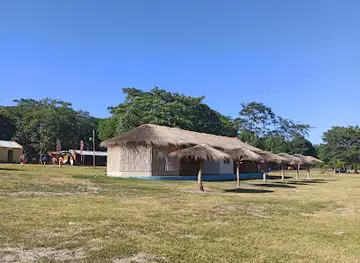
Ecotur Laguna Blanca
Discover the serene beauty of Ecotur Laguna Blanca, a farmstay retreat in Aguaray, Paraguay, where nature and relaxation seamlessly blend.
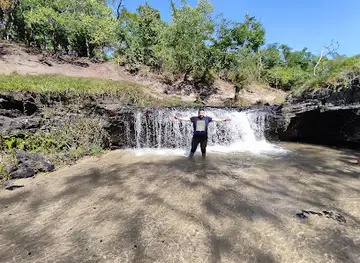
Laguna Syry, Santa Rosa Del Aguaray
Discover the serene beauty of Laguna Syry, a tranquil lagoon in Santa Rosa Del Aguaray, perfect for nature lovers and peaceful retreats.

Isla Pakova -Destinadas Ykua
Explore the serene beauty and rich history of Isla Pakova, a captivating landmark in San Antonio I, Paraguay, perfect for culture and nature lovers.

Límite "Concepción-San Pedro-Pdte. Hayes"
Explore the rich history at Límite Concepción-San Pedro-Pdte. Hayes, a significant historical landmark in Villa Hayes, Paraguay.

Best landmarks in San Pedro Highlands
Top-rated picks
Best Landmarks
Monday Falls
Explore the natural wonder of Monday Falls in Presidente Franco, Paraguay, a stunning national park with breathtaking waterfalls and lush scenery.

Plaza Uruguaya
Explore the vibrant Plaza Uruguaya in Asunción, a beautiful park filled with lush landscapes, cultural monuments, and local artistry, perfect for relaxation and exploration.

Plaza de la Democracia
Experience the essence of Paraguay at Plaza de la Democracia, a vibrant park blending history, culture, and relaxation in the heart of Asunción.

Centro Cultural Manzana de la Rivera
Explore the heart of Paraguayan culture at Centro Cultural Manzana de la Rivera, a vibrant hub of art, history, and tradition in Asunción.

Best restaurants in San Pedro Highlands
Top-rated picks
Best Restaurants

Bolsi
Discover Bolsi in Asunción - A family-friendly restaurant serving authentic Paraguayan cuisine alongside delightful breakfast options and sushi.

Lido Bar
Experience authentic Paraguayan cuisine at Lido Bar in Asunción - where tradition meets flavor in every bite.

Churrasquería O Gaúcho
Discover the authentic flavors of Paraguay at Churrasquería O Gaúcho – where every bite tells a story.

Paseo Carmelitas
Discover the heart of Asunción's nightlife at Paseo Carmelitas - a vibrant mix of bars and restaurants where fun never stops.

Best bars in San Pedro Highlands
Top-rated picks
Best Bars

Lido Bar
Experience the vibrant flavors of Paraguay at Lido Bar, Asunción's top restaurant for local and international cuisine.

Paseo Carmelitas
Discover the vibrant nightlife of Asunción at Paseo Carmelitas, where bars, restaurants, and nightclubs come alive.

Britannia Pub
Discover the vibrant atmosphere of Britannia Pub in Asunción, where delicious food, refreshing drinks, and lively entertainment await every visitor.

Territorio Chopp San Lorenzo
Savor the best of Paraguayan grilled cuisine at Territorio Chopp San Lorenzo, where flavor meets vibrant atmosphere for an unforgettable dining experience.

Best nightclubs in San Pedro Highlands
Top-rated picks
Best Nightclubs

O'Leary club
Discover the lively nightlife at O'Leary Club, a bar in Asunción known for its vibrant atmosphere, delicious drinks, and late-night entertainment.

Velvet Asuncion
Discover the vibrant nightlife at Velvet Asuncion, a premier disco club in Paraguay offering electrifying music and a lively atmosphere.

Morgan Warehouse, Nightclub
Experience the vibrant nightlife at Morgan Warehouse, Asunción's premier nightclub known for electrifying music, premium drinks, and unforgettable nights.

LA DISCO - DISCO - PUB KARAOKE
Experience the vibrant nightlife of Pedro Juan Caballero at LA DISCO, the ultimate destination for karaoke and dancing.

Best shops in San Pedro Highlands
Top-rated picks
Best Shops

Paseo La Galería
Explore the vibrant shopping and dining experience at Paseo La Galería, Asunción's top destination for tourists and locals alike.

delSol Shopping
Discover shopping, dining, and entertainment at delSol Shopping in Asunción, a vibrant destination for tourists and locals alike.

Shopping Mariscal
Explore a vibrant shopping experience at Shopping Mariscal, Asunción's premier mall offering diverse shops, dining, and entertainment.

Shopping Paris
Discover Shopping Paris in Ciudad del Este: A vibrant shopping mall with diverse stores, delicious dining, and family-friendly entertainment.

Explore San Pedro Highlands on the Map
A handpicked selection of must-see spots in San Pedro Highlands, mapped for you.
San Pedro Highlands Essentials
-
San Pedro Highlands is located in the San Pedro Department of Paraguay. The nearest major city is Asunción, the capital of Paraguay, which is approximately 200 kilometers away. From Asunción, you can take a bus or rent a car to reach the Highlands. Buses depart frequently from the main bus terminal in Asunción and the journey typically takes around 4 to 5 hours. For a more convenient and flexible option, renting a car allows you to explore the region at your own pace.
-
Within San Pedro Highlands, local buses and taxis are the primary modes of transportation. Buses are a cost-effective way to travel between towns and villages in the area. Taxis are available in larger towns and can be hired for short trips or full-day excursions. If you prefer more flexibility, renting a car is a viable option, allowing you to explore remote areas and natural attractions. Be aware that road conditions can vary, so a vehicle with good clearance is advisable.
-
The official currency in Paraguay is the Paraguayan Guarani (PYG). While credit cards are accepted in some hotels, restaurants, and larger shops, carrying cash is recommended, especially when traveling to rural areas and smaller establishments. ATMs are available in major towns, but it's wise to withdraw sufficient cash in Asunción before heading to the Highlands to ensure you have enough funds for your trip.
-
San Pedro Highlands is generally a safe destination for tourists, but it's important to take standard precautions. Avoid walking alone at night in unfamiliar areas and keep an eye on your belongings in crowded places. Some areas in larger towns may have higher crime rates, so it's best to stay informed and seek local advice on safe neighborhoods. Always be vigilant and aware of your surroundings.
-
In case of emergency, dial 911 for immediate assistance. The local police station and medical facilities are available in larger towns within the Highlands. It is recommended to have travel insurance that covers medical emergencies. For minor health issues, there are pharmacies in most towns where you can purchase over-the-counter medications. Additionally, make a note of the nearest hospital or clinic in case of a serious medical emergency.
-
Fashion: Do dress modestly, especially when visiting religious sites. Avoid wearing revealing clothing. Religion: Do respect local customs and traditions. When visiting churches, dress conservatively and remain quiet. Public Transport: Do be respectful and give up your seat to elderly passengers. Don't eat or drink on public transport. Greetings: Do greet people with a handshake and a friendly smile. A slight bow of the head is also a sign of respect. Eating & Drinking: Do try local delicacies and accept food offerings graciously. Don't refuse hospitality, as it is considered impolite.
-
To experience San Pedro Highlands like a local, visit the local markets where you can buy fresh produce and traditional Paraguayan goods. Engage with locals, as they are often friendly and willing to share stories about the region's history and culture. Don't miss exploring the natural beauty of the area, including the pristine rivers, waterfalls, and hiking trails. For a unique experience, participate in local festivals and events, which offer a glimpse into the vibrant cultural life of the Highlands.
When is the best time to visit San Pedro Highlands?
Useful Local Phrases for San Pedro Highlands
You don't need to speak the language perfectly. Even learning a few simple words can make conversations warmer—and locals usually appreciate the effort.
— Eve

Here are the phrases I use most often in San Pedro Highlands. Try a few—you'll be surprised how far they go! 😊
❤️
-
- HelloHola
[Ola] - GoodbyeAdiós
[Adios] - YesSí
[See] - NoNo
[No] - Please/You're welcomePor favor
[Por favor] - Thank youGracias
[Grasias] - Excuse me/SorryDisculpa
[Disculpa] - How are you?¿Cómo estás?
[Como estas] - Fine. And you?Bien. ¿Y tú?
[Bien. E tu] - Do you speak English?¿Hablas inglés?
[Hablas ingles] - I don't understandNo entiendo
[No entiendo]
- HelloHola
-
- I'd like to see the menu, pleaseMe gustaría ver el menú, por favor
[Me gustaria ver el menu, por favor] - I don't eat meatNo como carne
[No como carne] - Cheers!¡Salud!
[Salud] - I would like to pay, pleaseMe gustaría pagar, por favor
[Me gustaria pagar, por favor]
- I'd like to see the menu, pleaseMe gustaría ver el menú, por favor
-
- Help!¡Ayuda!
[Ayuda] - Go away!¡Vete!
[Vete] - Call the Police!¡Llama a la policía!
[Llama a la policia] - Call a doctor!¡Llama a un doctor!
[Llama a un doctor] - I'm lostEstoy perdido
[Estoy perdido] - I'm illEstoy enfermo
[Estoy enfermo]
- Help!¡Ayuda!
-
- I'd like to buy...Me gustaría comprar...
[Me gustaria comprar] - I'm just lookingSolo estoy mirando
[Solo estoy mirando] - How much is it?¿Cuánto cuesta?
[Cuanto cuesta] - That's too expensiveEso es muy caro
[Eso es muy caro] - Can you lower the price?¿Puedes bajar el precio?
[Puedes bajar el precio]
- I'd like to buy...Me gustaría comprar...
-
- What time is it?¿Qué hora es?
[Que hora es] - It's one o'clockEs la una
[Es la una] - Half past (10)Y media (10)
[Y media (10)] - MorningMañana
[Mañana] - AfternoonTarde
[Tarde] - EveningNoche
[Noche] - YesterdayAyer
[Ayer] - TodayHoy
[Hoy] - TomorrowMañana
[Mañana] - 1Uno
[Uno] - 2Dos
[Dos] - 3Tres
[Tres] - 4Cuatro
[Cuatro] - 5Cinco
[Cinco] - 6Seis
[Seis] - 7Siete
[Siete] - 8Ocho
[Ocho] - 9Nueve
[Nueve] - 10Diez
[Diez]
- What time is it?¿Qué hora es?
-
- Where's a/the...?¿Dónde está un/una...?
[Donde esta un/una] - What's the address?¿Cuál es la dirección?
[Cual es la direccion] - Can you show me (on the map)?¿Puedes mostrarme (en el mapa)?
[Puedes mostrarme en el mapa] - When's the next (bus)?¿Cuándo es el próximo (autobús)?
[Cuando es el proximo autobus] - A ticket (to ....)Un boleto (a ....)
[Un boleto a]
- Where's a/the...?¿Dónde está un/una...?
History of San Pedro Highlands
-
Long before the arrival of Europeans, the San Pedro Highlands were home to the indigenous Guarani people. The Guarani, known for their rich oral traditions and deep connection to the land, left an indelible mark on the region. Their influence can still be seen today in local customs, language, and agricultural practices. The Guarani cultivated crops such as maize, beans, and cassava, which remain staples in the Paraguayan diet.
-
In the 16th century, Spanish explorers and missionaries arrived in Paraguay, bringing with them a wave of colonization that profoundly shaped the region. The Jesuits established missions throughout the San Pedro Highlands, aiming to convert the indigenous population to Christianity and integrate them into colonial society. These missions became centers of education, art, and agriculture. Although the Jesuits were expelled in 1767, their architectural and cultural legacy endures in the remnants of mission buildings and local traditions.
-
The Paraguayan War, also known as the War of the Triple Alliance, had a significant impact on the San Pedro Highlands. As Paraguay fought against Brazil, Argentina, and Uruguay, the region became a strategic location for military operations and supply routes. The war resulted in devastating losses for Paraguay, with a dramatic reduction in population and economic hardship. Despite the destruction, the resilience of the local communities helped the region to recover and rebuild in the following decades.
-
In the late 19th and early 20th centuries, the San Pedro Highlands experienced an agricultural boom, particularly with the cultivation of yerba mate. This traditional Paraguayan crop, used to make a popular caffeinated beverage, became a major economic driver for the region. Large estancias (ranches) and yerba mate plantations transformed the landscape and economy. The cultivation methods and cultural significance of yerba mate remain an integral part of the region's identity.
-
In recent decades, the San Pedro Highlands have seen significant modernization while striving to preserve their cultural heritage. Infrastructure improvements, such as better roads and communication networks, have enhanced connectivity and access to the region. At the same time, local communities and organizations work diligently to protect historical sites, promote traditional crafts, and celebrate cultural festivals. The balance between progress and preservation is a key aspect of the region's contemporary identity.
Neighbouring Regions of San Pedro Highlands
The closest regions to San Pedro Highlands, if you have time for more than one.




Your all‑in‑one travel companion app
Explore expert travel guides, compare and book tours, experiences, hotels, and more—all from the palm of your hand. Download now for seamless trip planning wherever your wanderlust takes you.


Explore More of Paraguay

Looking beyond San Pedro Highlands? Discover Paraguay for broader travel guides, local hot-spots, and regional highlights.
Explore ParaguaySan Pedro Highlands in Photos
Browse through our photo collection highlighting the charm and character of the destination.


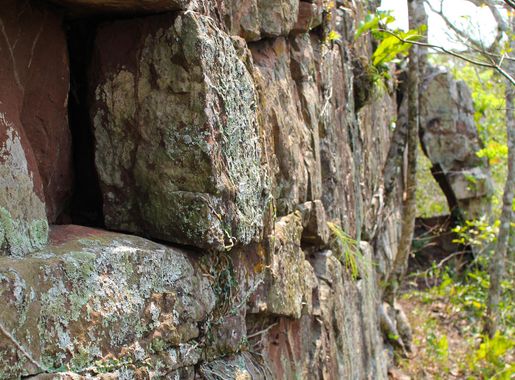


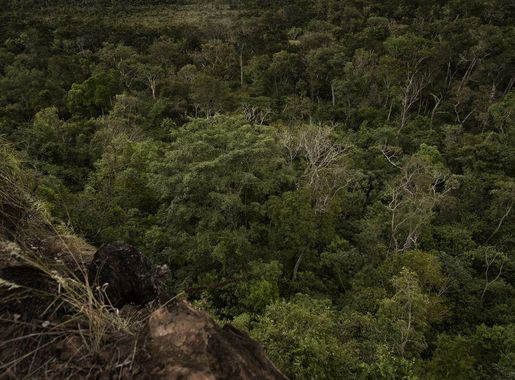

San Pedro Highlands: Paraguay's Hidden Gem
The San Pedro Highlands in Paraguay offer a unique blend of natural beauty, cultural richness, and tranquil atmosphere. Nestled in the heart of the country, this off-the-beaten-path destination is perfect for those looking to escape the hustle and bustle of city life. Visitors to the San Pedro Highlands will be enchanted by rolling hills, lush forests, and crystal-clear streams. The region is a haven for outdoor enthusiasts, providing ample opportunities for hiking, bird-watching, and exploring the diverse flora and fauna. The breathtaking landscapes are a photographer's dream, with stunning vistas around every corner. In addition to its natural wonders, the San Pedro Highlands boast a rich cultural heritage. Small villages dot the region, where friendly locals are eager to share their traditions and crafts. The area is known for its artisanal products, such as handcrafted textiles and pottery, which make for unique souvenirs. A visit to the local markets is a must to experience the vibrant culture and warm hospitality. Food lovers will also find much to enjoy in the San Pedro Highlands. The local cuisine is a delightful mix of indigenous and Spanish flavors, with dishes featuring fresh, locally-sourced ingredients. Be sure to try traditional Paraguayan foods like sopa paraguaya and chipa, which are staples in the region. Whether you're seeking adventure, culture, or relaxation, the San Pedro Highlands in Paraguay offer a memorable and enriching travel experience. This hidden gem is waiting to be discovered, promising a journey filled with wonder and serenity.