

Free Concepción Forest Travel Guide & Mobile App
Explore Concepción Forest with free travel guides. Discover regional history, expert tips, proposed trips, and audio guides on web or mobile app.


Explore Concepción Forest in northern Paraguay for dry woodland, river landscapes, historic Concepción and remote wildlife-rich countryside.
Read more about Concepción Forest
When is the best time to visit Concepción Forest?
Best: May–June, August · 23–26°C| Month | High (°C) | Rainfall (mm) |
|---|---|---|
| January | 32 | 135 |
| February | 32 | 125 |
| March | 31 | 120 |
| April | 28 | 110 |
| May (best) | 26 | 95 |
| June (best) | 23 | 90 |
| July | 23 | 85 |
| August (best) | 25 | 90 |
| September | 28 | 100 |
| October | 29 | 115 |
| November | 30 | 125 |
| December | 32 | 130 |
Getting to and around Concepción Forest
How to get there
Transportation
Destinations in Concepción Forest
Resorts, valleys and scenic spots worth a trip of their own.

Swipe for more destinations
Best attractions in Concepción Forest
Concepción Forest is primarily an attraction for landscape, wildlife and regional history rather than a concentration of formal visitor facilities. Concepción city offers the most accessible introduction, with historic streets, riverside views and museums that explain the town’s frontier and commercial past. Beyond the city, the Paraguay River and its associated wetlands provide opportunities for birdwatching and quiet observation, while rural roads pass through cattle country, dry woodland and seasonal watercourses. Paso Bravo National Park is the area’s major protected wilderness, preserving extensive forest and open habitats in a remote setting; visits require careful logistics, supplies and advance local advice. Private estancias may offer rural or nature-based experiences, but access must be arranged rather than assumed. The region is also suited to photography, low-key hiking and guided wildlife observation, although heat, distance and limited infrastructure make self-directed exploration demanding. Travellers should expect simple facilities and variable road conditions, with the greatest rewards coming from patient, well-prepared journeys rather than a tightly scheduled sightseeing circuit.
-
City park
Agustín Fernando de Pinedo Plaza
Discover the serene beauty of Agustín Fernando de Pinedo Plaza, a lush city park in Concepción, perfect for relaxation and local culture.
-
Park
Freedom Square, Concepción
Discover the vibrant essence of Concepción at Freedom Square, where nature meets culture and history unfolds.
-
Tourist attraction
Caverna Kambá Hópo
Discover the breathtaking beauty of Caverna Kambá Hópo, a unique underwater cave in Paraguay offering adventure and tranquility for every traveler.
-
Tourist attraction
Playa de Concepción
Experience the tranquility and natural beauty of Playa de Concepción, a hidden gem on the banks of the Paraguay River.


Best landmarks in Concepción Forest
Concepción’s cathedral and historic civic buildings are among the clearest architectural reminders of the city’s colonial foundation and later importance as a northern river port. The urban fabric is not a perfectly preserved colonial ensemble, but older façades, churches and public buildings help explain how commerce and administration developed along the Paraguay River. The riverside itself is a geographical landmark, linking the city to the road-and-water networks that shaped its history. Away from the capital, the broad woodland and open-country landscapes of Paso Bravo National Park form the region’s most significant natural landmark, representing one of the remaining protected areas of northern Paraguay’s dry forest environment. Seasonal streams, forest margins and distant rural horizons are less monumental than a castle or mountain, but they are central to the visual identity of Concepción Forest. These places are best understood through their relationship to the region’s frontier history, cattle economy, river trade and conservation challenges.
-
 National park
Monday Falls
Experience the breathtaking beauty of Monday Falls, a stunning national park in Paraguay known for its majestic waterfalls and lush landscapes.
-
Park
Plaza Uruguaya
Explore the beauty and cultural richness of Plaza Uruguaya, a serene park in Asunción, perfect for relaxation and local immersion.
-
Historical landmark
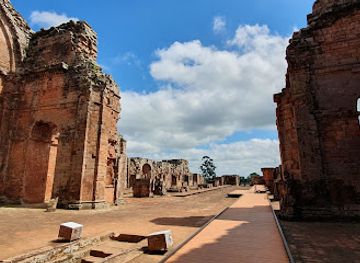
Jesuit Mission of the Holy Trinity
Explore the Jesuit Mission of the Holy Trinity, a UNESCO World Heritage Site showcasing the rich history and stunning architecture of Paraguay's past.
-
Bridge
International Friendship Bridge
Explore the International Friendship Bridge, a stunning architectural marvel symbolizing unity between Paraguay and Brazil, offering breathtaking views and cultural experiences.

Explore Concepción Forest on the map
Plan your trip on one map. See where the top cities, national parks and sights are, and book hotels and experiences in a few clicks.
Best hotels in Concepción Forest
Best restaurants in Concepción Forest
Dining in Concepción Forest is centred on Paraguayan home-style cooking, modest restaurants, neighbourhood eateries and provisions bought from local shops and markets. Typical choices include grilled beef, sopa paraguaya, chipa, mandioca and hearty rice or meat dishes, reflecting the region’s cattle economy and wider Paraguayan food traditions. River communities may offer locally caught fish when available, although availability and preparation vary and should not be assumed. Tereré, the cold herbal infusion widely consumed in Paraguay’s warm climate, is an important part of everyday social life. Concepción has the broadest selection of cafés, restaurants and bakeries, while rural settlements offer fewer choices and earlier closing patterns. Visitors heading into forest or estancia country should carry food and water rather than expecting a restaurant along the route. Local produce, fresh fruit and simple baked goods are useful picnic supplies for long overland journeys.
-
Family-friendly
Bolsi
Experience the vibrant flavors of Paraguay at Bolsi – where family-friendly dining meets culinary excellence.
-
Grill
Churrasquería O Gaúcho
Experience authentic Paraguayan barbecue at Churrasquería O Gaúcho – where flavor meets tradition in every bite.
-
Restaurant
La Cabrera
Discover La Cabrera: Asunción's premier steakhouse offering exquisite cuts and an unforgettable dining atmosphere.
-
Restaurant
Maurice de Talleyrand
Experience exquisite dining at Maurice de Talleyrand in Asunción, where culinary artistry meets elegant ambiance for an unforgettable meal.


Best bars in Concepción Forest
Evening life in Concepción Forest is modest and concentrated in Concepción city and larger settlements rather than in a dedicated clubbing district. Traditional bars, casual restaurants and neighbourhood venues provide spaces for conversation, cold drinks and televised sport, while occasional live music and community events add a social dimension. The region’s rural areas generally become quiet after dark, with evening activity focused on family gatherings, estancia life or small local celebrations. Visitors should not expect a large nightclub scene or late-night transport network. Tereré and other non-alcoholic drinks are part of ordinary social life, and alcohol is not necessary to participate in local evening culture. Because venues and schedules can change, accommodation staff are the most reliable source of current information about where residents are gathering on a particular night.
-
Pub
Britannia Pub
Experience the essence of Asunción at Britannia Pub, where vibrant atmosphere meets delicious cuisine, perfect for unwinding and socializing.
-
Restaurant
Bar San Roque
Experience the vibrant flavors of Asunción at Bar San Roque, where local cuisine meets a lively atmosphere.
-
Brewpub
Palo Santo Brewing Company
Experience the vibrant craft beer culture at Palo Santo Brewing Company, Asunción's leading brewpub offering unique flavors and a lively atmosphere.
-
Bar
Ko'ape Rooftop
Experience the vibrant nightlife of Asunción at Ko'ape Rooftop, the city's premier bar offering stunning views and delicious cocktails.


Best nightclubs in Concepción Forest
Evening life in Concepción Forest is modest and concentrated in Concepción city and larger settlements rather than in a dedicated clubbing district. Traditional bars, casual restaurants and neighbourhood venues provide spaces for conversation, cold drinks and televised sport, while occasional live music and community events add a social dimension. The region’s rural areas generally become quiet after dark, with evening activity focused on family gatherings, estancia life or small local celebrations. Visitors should not expect a large nightclub scene or late-night transport network. Tereré and other non-alcoholic drinks are part of ordinary social life, and alcohol is not necessary to participate in local evening culture. Because venues and schedules can change, accommodation staff are the most reliable source of current information about where residents are gathering on a particular night.
-
Bar
O'Leary club
Experience the vibrant nightlife of Asunción at O'Leary Club, where delicious cocktails and friendly vibes await every visitor.
-
Disco club
Velvet Asuncion
Discover the pulsating nightlife of Asuncion at Velvet, where vibrant beats and stylish ambiance create unforgettable nights.
-
Bar
Morgan Warehouse, Nightclub
Morgan Warehouse Nightclub: A vibrant nightlife hub in Asunción, blending electrifying music, dancing, and a chic atmosphere for an unforgettable experience.
-
Social club
Club Concepcion
Discover the vibrant culture and community spirit at Club Concepcion, a premier social club in the heart of Paraguay's Concepción.


Best shops in Concepción Forest
Shopping in Concepción Forest is practical and locally oriented, with small shops, bakeries, produce sellers and market stalls providing everyday supplies rather than an extensive retail experience. Concepción offers the greatest choice, including clothing, household goods, snacks, regional foods and modest handicrafts. Visitors can look for chipa, sopa paraguaya ingredients, tereré supplies and locally produced food items, provided that any agricultural products can legally be transported onwards. Rural communities have fewer shops and may not offer regular craft markets, so provisions for remote excursions should be purchased in the city. Paraguayan woven goods, carved items and other handicrafts may be available through local sellers, but quality and provenance vary; buying directly from makers where possible is preferable. There is little reason to travel to this region for luxury shopping, yet its small-scale commerce offers a useful view of everyday northern Paraguayan life.
-
Shopping mall
Paseo La Galería
Discover the ultimate shopping experience at Paseo La Galería, Asunción's premier shopping mall blending fashion, dining, and entertainment.
-
Shopping mall
delSol Shopping
Explore DelSol Shopping in Asunción for an unforgettable shopping and dining experience in the heart of Paraguay.
-
Shopping mall
Shopping Mariscal
Explore Shopping Mariscal in Asunción – your ultimate destination for shopping, dining, and entertainment in the heart of Paraguay.
-
Shopping mall
Shopping Paris
Discover the ultimate shopping experience at Shopping Paris in Ciudad del Este, where retail therapy meets local culture and flavor.



Get your free copy of our complete guide to Concepción Forest, delivered straight to you.
Everything on this page, from attractions and restaurants to essentials and local phrases, in one PDF you can read offline, print or share.
Already have an account? Sign in
Your Concepción Forest guide is ready.
We'll send it to · Not you? Sign out

Getting your guide ready…
We are putting together a fresh copy of the Concepción Forest guide. This can take up to a minute.
This can take a few moments. If your browser asks, choose Allow so the download can start. You'll find the guide in your Downloads folder.
Nothing happened? Download it again
Sorry, the guide is taking longer than usual. Please try again in a minute, or get it by email instead.
Concepción Forest essentials
Currency and Payment
Safety
Emergency Situations
Do's and Don'ts
Local Tips
From Eve
Local phrases worth knowing
You don't need to get them perfect. A few words go a long way, and locals appreciate the effort.
Basics
| English | Local | Say it |
|---|---|---|
| Hello | Hola | [Oh-lah] |
| Goodbye | Adiós | [Ah-dee-ohs] |
| Yes | Sí | [See] |
| No | No | [No] |
| Please/You’re welcome | Por favor/De nada | [Por fah-vor/Deh nah-dah] |
| Thank you | Gracias | [Grah-see-ahs] |
| Excuse me/Sorry | Perdón | [Pair-dohn] |
| How are you? | ¿Cómo estás? | [Koh-moh es-tahs] |
| Fine. And you? | Bien. ¿Y tú? | [Byen. Ee too] |
| Do you speak English? | ¿Hablas inglés? | [Ah-blahs een-glays] |
| I don't understand | No entiendo | [No en-tee-en-doh] |
Eating & Drinking
| English | Local | Say it |
|---|---|---|
| I’d like to see the menu, please | Me gustaría ver el menú, por favor | [May goos-tah-ree-ah ver el meh-noo, por fah-vor] |
| I don't eat meat | No como carne | [No koh-mo kar-neh] |
| Cheers! | ¡Salud! | [Sah-lood] |
| I would like to pay, please | Me gustaría pagar, por favor | [May goos-tah-ree-ah pah-gar, por fah-vor] |
Emergencies
| English | Local | Say it |
|---|---|---|
| Help! | ¡Ayuda! | [Ah-yoo-dah] |
| Go away! | ¡Vete! | [Veh-teh] |
| Call the Police! | ¡Llama a la policía! | [Yah-mah ah lah poh-lee-see-ah] |
| Call a doctor! | ¡Llama a un doctor! | [Yah-mah ah oon dok-tor] |
| I’m lost | Estoy perdido | [Es-toy pair-dee-doh] |
| I’m ill | Estoy enfermo/a | [Es-toy en-fair-mo/a] |
Shopping
| English | Local | Say it |
|---|---|---|
| I’d like to buy... | Quisiera comprar... | [Kee-see-air-ah kom-prar] |
| I’m just looking | Solo estoy mirando | [So-lo es-toy mee-ran-doh] |
| How much is it? | ¿Cuánto cuesta? | [Kwan-toh kwes-tah] |
| That’s too expensive | Es demasiado caro | [Es deh-mah-see-ah-doh kah-roh] |
| Can you lower the price? | ¿Puedes bajar el precio? | [Pweh-des bah-har el preh-syo] |
Time & Numbers
| English | Local | Say it |
|---|---|---|
| What time is it? | ¿Qué hora es? | [Ke oh-rah es] |
| It’s one o’clock | Es la una | [Es lah oo-nah] |
| Half past (10) | Y media (10) | [Ee meh-dee-ah (10)] |
| Morning | Mañana | [Mah-nyah-nah] |
| Afternoon | Tarde | [Tar-deh] |
| Evening | Noche | [Noh-cheh] |
| Yesterday | Ayer | [Ah-yer] |
| Today | Hoy | [Oy] |
| Tomorrow | Mañana | [Mah-nyah-nah] |
| 1 | Uno | [Oo-noh] |
| 2 | Dos | [Dohs] |
| 3 | Tres | [Trehs] |
| 4 | Cuatro | [Kwah-troh] |
| 5 | Cinco | [Seen-koh] |
| 6 | Seis | [Says] |
| 7 | Siete | [Syay-teh] |
| 8 | Ocho | [Oh-choh] |
| 9 | Nueve | [Nweh-beh] |
| 10 | Diez | [Dyehs] |
Transport & Directions
| English | Local | Say it |
|---|---|---|
| Where's a/the...? | ¿Dónde está un/una...? | [Don-deh es-tah oon/oo-nah] |
| What’s the address? | ¿Cuál es la dirección? | [Kwahl es lah dee-rehk-syon] |
| Can you show me (on the map)? | ¿Puedes mostrarme (en el mapa)? | [Pweh-des mos-trar-me (en el mah-pah)] |
| When’s the next (bus)? | ¿Cuándo es el próximo (autobús)? | [Kwan-doh es el prohk-see-mo (ow-toh-boos)] |
| A ticket (to ....) | Un boleto (a ...) | [Oon boh-leh-toh (ah ...)] |
History of Concepción Forest
Indigenous River and Forest Communities
Long before Spanish settlement, northern Paraguay was inhabited by Indigenous peoples whose lives were connected to the Paraguay River, forest resources and seasonal movement. Groups including the Payaguá and Mbayá maintained extensive knowledge of river travel, hunting and the dry woodland environment, while Guaraní-speaking communities occupied other parts of the wider region. Their presence shaped the routes later used by colonial expeditions and remains part of the deeper cultural history of Concepción, even though colonial records often described Indigenous societies from an outside perspective.
Foundation of Concepción in 1773
The Spanish colonial authorities founded Villa Real de la Concepción in 1773 as part of an effort to strengthen Paraguay’s northern frontier and consolidate control along the Paraguay River. The settlement served military, administrative and commercial purposes at a time when the area was distant from Asunción and subject to competition over territory and river movement. Concepción’s later street plan, religious buildings and civic traditions reflect this colonial foundation, although the town developed through successive periods of change rather than remaining a preserved colonial settlement.
River Trade and the Northern Frontier
During the nineteenth and early twentieth centuries, Concepción grew as a river port and commercial centre linking northern Paraguay with Asunción and the wider Río de la Plata trading system. Timber, cattle, agricultural products and imported goods moved through the port, while river craft connected the town with communities along the Paraguay River. This commercial role left a visible architectural legacy in Concepción and helped make the town one of the most important urban centres in northern Paraguay. The rise of road transport later reduced the river’s dominance but did not erase its regional importance.
Cattle, Timber and Rural Transformation
The surrounding countryside was transformed by the expansion of cattle ranching and the commercial use of woodland. Estancias became major features of the northern landscape, while timber extraction and agricultural development altered forest cover in accessible areas. These changes brought roads, labour movements and stronger links with national markets, but they also created pressure on dry forests and wildlife habitats. The present landscape, in which ranches, woodland, riverine vegetation and protected areas stand beside one another, is largely the result of this long economic transformation.
The Chaco War and Northern Paraguay
The Chaco War between Paraguay and Bolivia from 1932 to 1935 profoundly affected the country, including the northern departments that served as routes, supply areas and strategic approaches to the Chaco. Concepción’s river position gave it logistical importance, even though many of the principal battlefields lay farther west in the Chaco. The conflict strengthened military and transport links across northern Paraguay and left a lasting mark on national memory. Fortifications, military narratives and veterans’ histories remain part of the broader historical context of the region.
Protected Forests and Contemporary Conservation
Late twentieth-century conservation efforts recognised that northern Paraguay’s remaining dry forests and associated habitats required protection from uncontrolled conversion. Paso Bravo National Park, established in Concepción Department, preserves a large area of woodland, savannah and seasonal watercourses in a relatively remote setting. Conservation has not removed the economic importance of cattle ranching or rural landholding, but it has created a framework for safeguarding representative ecosystems. Today, the region’s historical identity as a frontier and trading zone is increasingly joined by an environmental identity centred on forest protection and responsible nature travel.
Concepción Forest in Photos
Browse through our photo collection highlighting the charm and character of the destination.
Neighbouring regions of Concepción Forest
The closest regions to Concepción Forest, if you have time for more than one.
-
-

-

-

-


Swipe for more regions
Explore more

Explore more of Paraguay
Discover Paraguay: A blend of history, culture, and natural beauty in the heart of South America. Visit Asunción, explore Jesuit ruins, and experience the local cuisine.
Explore Paraguay