

Chaco Austral, Paraguay Travel Guide
Discover Chaco Austral in Paraguay: An expansive wilderness of diverse wildlife, rich cultural heritage, and thrilling outdoor adventures, perfect for nature and history enthusiasts.
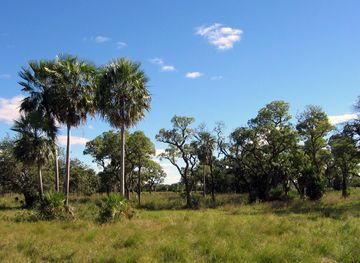
Chaco Austral in Paraguay is an expansive and captivating region known for its unique biodiversity and rich cultural history. This vast wilderness offers an immersive experience for nature lovers and history buffs alike. The region's diverse ecosystems range from dense forests to sprawling savannas, making it a haven for wildlife enthusiasts. Visitors can expect to encounter a variety of wildlife, including jaguars, anteaters, and exotic bird species, all thriving in their natural habitats. Beyond its natural wonders, Chaco Austral is steeped in cultural significance. The area is home to indigenous communities who have preserved their traditional ways of life for centuries. Tourists have the opportunity to learn about these cultures through guided tours and interactive experiences. Historical landmarks, such as the ruins of ancient settlements, provide a glimpse into the region's storied past. Adventure seekers will find plenty to do in Chaco Austral. From hiking and birdwatching to exploring hidden caves and rivers, the region promises an array of activities that cater to all levels of outdoor enthusiasts. The unique landscape and the sense of untouched beauty make every exploration in Chaco Austral a memorable one.

Know before you go
Hi, I'm Eve. Here are a few practical things to know before exploring Chaco Austral.
- Visit during the dry season (May to October) for more accessible roads and better wildlife viewing.
- Hire a local guide to enhance your experience and gain deeper insights into the region's biodiversity and cultural history.
- Pack insect repellent and lightweight, long-sleeved clothing to protect against insects, especially near water bodies.
- Ensure you have plenty of water and snacks, as amenities can be sparse in remote areas of Chaco Austral.
- Respect the local communities and their customs; always ask for permission before taking photographs of people or their homes.
Top City Travel Guides in Chaco Austral
The cities of Chaco Austral, and the easiest places to base yourself.


Destinations in Chaco Austral
Resorts, valleys and scenic spots worth a trip of their own.


Explore Chaco Austral: Things to Do, Places to Eat, Hotels & More
Handpicked recommendations for top attractions, local dining, accommodations, and more

Top Attractions & Sightseeing in Chaco Austral
Top-rated picks
Best Attractions

Iguazu Falls
Experience the breathtaking beauty of Iguazu Falls, a UNESCO World Heritage site and one of the most stunning waterfalls in the world.

International Friendship Bridge
Experience the stunning International Friendship Bridge, connecting Paraguay and Brazil with breathtaking views and cultural exchanges.

Jesuit Mission of Jesús de Tavarangüe
Explore the Jesuit Mission of Jesús de Tavarangue, a UNESCO World Heritage site showcasing stunning architecture and rich Paraguayan history.

Eco reserva Mbatoví
Explore Eco Reserva Mbatoví, a nature preserve in Paraguay that offers breathtaking landscapes, diverse wildlife, and unforgettable outdoor adventures.

Best landmarks in Chaco Austral
Top-rated picks
Best Landmarks

Parque de la Democracia
Explore the natural beauty and cultural richness of Parque de la Democracia in Resistencia, Chaco, a tranquil haven for all travelers.

Monday Falls
Explore the stunning Monday Falls in Presidente Franco, a national park showcasing breathtaking waterfalls and diverse wildlife in a tranquil natural setting.

Monalisa Paraguay
Explore Monalisa Paraguay, a bustling shopping mall in Ciudad del Este, offering a diverse selection of goods and a taste of local culture.

Plaza Uruguaya
Discover the serene beauty and cultural richness of Plaza Uruguaya, a must-visit park in the heart of Asunción, Paraguay.

Best restaurants in Chaco Austral
Top-rated picks
Best Restaurants

Bolsi
Experience the vibrant flavors of Paraguay at Bolsi - where family-friendly dining meets culinary excellence in Asunción.

Churrasquería O Gaúcho
Discover authentic Paraguayan barbecue at Churrasquería O Gaúcho - where every bite celebrates tradition and flavor.

El Café de Acá
Discover the taste of Paraguay at El Café de Acá—your go-to spot for delicious breakfasts and cozy lunches in Asunción.

La Cabrera
Discover La Cabrera: A premier steakhouse in Asunción offering exquisite Argentinian cuisine with a vibrant atmosphere.

Best bars in Chaco Austral
Top-rated picks
Best Bars

Paseo Carmelitas
Explore the vibrant nightlife at Paseo Carmelitas, a lively destination in Asunción featuring dynamic bars, restaurants, and an unforgettable atmosphere.

Britannia Pub
Enjoy the lively ambiance of Britannia Pub - Asunción’s go-to spot for delicious food, refreshing drinks, and vibrant nightlife.
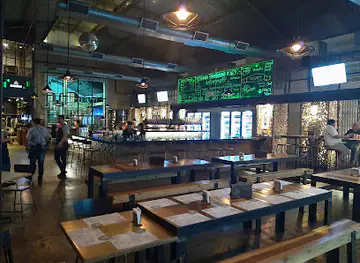
Palo Santo Brewing Company
Explore the heart of Asunción at Palo Santo Brewing Company, where craft beer and local culture unite in a vibrant brewpub experience.

O'Leary club
Experience the vibrant nightlife of Asunción at O'Leary Club—where local flavors meet lively atmosphere and unforgettable moments.

Best nightclubs in Chaco Austral
Top-rated picks
Best Nightclubs

O'Leary club
Discover the vibrant nightlife at O'Leary Club, a lively bar in Asunción offering a diverse drink menu and a welcoming atmosphere perfect for socializing.

Velvet Asuncion
Discover the heart of Asunción's nightlife at Velvet Asuncion, a premier disco club with vibrant energy and unforgettable experiences.

Absoluto Rock Bar
Discover the essence of Asunción's nightlife at Absoluto Rock Bar, where live music meets a vibrant atmosphere and an extensive drink selection.

Morgan Warehouse, Nightclub
Experience the vibrant nightlife of Asunción at Morgan Warehouse, an upscale nightclub known for its electrifying atmosphere and top-notch entertainment.

Best shops in Chaco Austral
Top-rated picks
Best Shops

Iguazu Falls
Experience the breathtaking beauty of Iguazu Falls, a UNESCO World Heritage site in Argentina, renowned for its stunning waterfalls and lush wildlife.

Paseo La Galería
Discover a vibrant shopping experience at Paseo La Galería in Asunción, featuring diverse shops, delicious dining, and exciting entertainment options.

delSol Shopping
Explore delSol Shopping in Asunción for a unique blend of fashion, food, and entertainment in a vibrant atmosphere.

Shopping Mariscal
Explore Shopping Mariscal: Asunción's premier shopping destination with diverse stores, dining, and entertainment for every tourist's delight.

Explore Chaco Austral on the Map
A handpicked selection of must-see spots in Chaco Austral, mapped for you.
Chaco Austral Essentials
-
Chaco Austral is located in the western region of Paraguay. The nearest major city is Asunción, the capital of Paraguay. From Asunción, you can take a domestic flight to the city of Filadelfia, which is the gateway to Chaco Austral. Alternatively, you can drive from Asunción to Filadelfia, a journey that typically takes around 6-7 hours by road. The Trans-Chaco Highway (Ruta 9) is the main route connecting Asunción to Chaco Austral.
-
Once in Chaco Austral, transportation options include renting a car, which is highly recommended for exploring the vast and often remote areas. Local buses and taxis are available in Filadelfia and other larger towns, but services can be infrequent. For those interested in more adventurous travel, guided tours and 4x4 vehicle rentals can provide access to more rugged terrain and hidden gems in the region.
-
The official currency in Paraguay is the Paraguayan Guarani (PYG). Credit cards are accepted in larger hotels, restaurants, and shops in Filadelfia, but in smaller towns and rural areas, it is advisable to carry cash. ATMs are available in Filadelfia and some other larger towns, but it is wise to withdraw sufficient cash in Asunción before traveling to Chaco Austral.
-
Chaco Austral is generally a safe region for tourists, but it is important to take standard precautions. Avoid walking alone at night in unfamiliar areas and keep an eye on your belongings in crowded places. Some areas can be remote and isolated, so it is advisable to travel with a guide or in a group, especially when exploring less frequented paths. There are no specific high-crime areas targeting tourists, but always stay vigilant and aware of your surroundings.
-
In case of emergency, dial 911 for immediate assistance. Medical facilities are available in Filadelfia, and it is recommended to have travel insurance that covers medical emergencies. For minor health issues, there are pharmacies in larger towns where you can purchase over-the-counter medications. It is also a good idea to carry a basic first-aid kit when traveling in remote areas.
-
Fashion: Do dress modestly and comfortably, considering the hot and arid climate. Lightweight, breathable clothing is recommended. Religion: Do respect local customs and traditions, especially in indigenous communities. Always ask for permission before taking photographs of people. Public Transport: Do be patient, as services can be infrequent. Don't rely solely on public transport for exploring remote areas. Greetings: Do greet people with a handshake and a friendly 'hola.' Eating & Drinking: Do try local delicacies such as 'sopa paraguaya' and 'chipá.' Don't refuse hospitality, as it is considered impolite.
-
To experience Chaco Austral like a local, visit the local markets where you can buy fresh produce and traditional Paraguayan goods. Engage with locals, as they are often friendly and willing to share stories about the region's history and culture. Don't miss visiting the Mennonite colonies, which offer a unique glimpse into the lives of the Mennonite communities that have thrived in the Chaco for nearly a century. For a unique experience, explore the natural reserves and national parks, such as Defensores del Chaco National Park, which boasts diverse wildlife and stunning landscapes.
When is the best time to visit Chaco Austral?
Useful Local Phrases for Chaco Austral
You don't need to speak the language perfectly. Even learning a few simple words can make conversations warmer—and locals usually appreciate the effort.
— Eve

Here are the phrases I use most often in Chaco Austral. Try a few—you'll be surprised how far they go! 😊
❤️
-
- HelloHola
[o-lah] - GoodbyeAdiós
[ah-dee-ohs] - YesSí
[see] - NoNo
[no] - Please/You're welcomePor favor
[por fah-vor] - Thank youGracias
[grah-syahs] - Excuse me/SorryPerdón
[pair-dohn] - How are you?¿Cómo estás?
[koh-moh es-tahs] - Fine. And you?Bien. ¿Y tú?
[byen. ee too] - Do you speak English?¿Hablas inglés?
[ah-blahs een-glays] - I don't understandNo entiendo
[no en-tyen-doh]
- HelloHola
-
- I'd like to see the menu, pleaseMe gustaría ver el menú, por favor
[meh goos-tah-ree-ah ver el meh-noo, por fah-vor] - I don't eat meatNo como carne
[no koh-moh kar-neh] - Cheers!¡Salud!
[sah-lood] - I would like to pay, pleaseMe gustaría pagar, por favor
[meh goos-tah-ree-ah pah-gar, por fah-vor]
- I'd like to see the menu, pleaseMe gustaría ver el menú, por favor
-
- Help!¡Ayuda!
[ah-yoo-dah] - Go away!¡Vete!
[veh-teh] - Call the Police!¡Llama a la policía!
[yah-mah ah lah poh-lee-see-ah] - Call a doctor!¡Llama a un doctor!
[yah-mah ah oon dok-tor] - I'm lostEstoy perdido
[es-toy pair-dee-doh] - I'm illEstoy enfermo
[es-toy en-fer-mo]
- Help!¡Ayuda!
-
- I'd like to buy...Me gustaría comprar...
[meh goos-tah-ree-ah kom-prar] - I'm just lookingSolo estoy mirando
[so-lo es-toy mee-ran-doh] - How much is it?¿Cuánto cuesta?
[kwan-toh kwes-tah] - That's too expensiveEs demasiado caro
[es deh-mah-see-ah-doh kah-roh] - Can you lower the price?¿Puedes bajar el precio?
[pwe-des bah-har el preh-syo]
- I'd like to buy...Me gustaría comprar...
-
- What time is it?¿Qué hora es?
[keh or-ah es] - It's one o'clockEs la una
[es lah oo-nah] - Half past (10)Y media (10)
[ee meh-dee-ah] - MorningMañana
[mah-nyah-nah] - AfternoonTarde
[tar-deh] - EveningNoche
[noh-cheh] - YesterdayAyer
[ah-yer] - TodayHoy
[oy] - TomorrowMañana
[mah-nyah-nah] - 1Uno
[oo-noh] - 2Dos
[dohs] - 3Tres
[tres] - 4Cuatro
[kwah-troh] - 5Cinco
[seen-koh] - 6Seis
[says] - 7Siete
[syay-teh] - 8Ocho
[oh-choh] - 9Nueve
[nweh-beh] - 10Diez
[dyehs]
- What time is it?¿Qué hora es?
-
- Where's a/the...?¿Dónde está un/una...?
[dohn-deh es-tah oon oon-ah] - What's the address?¿Cuál es la dirección?
[kwahl es lah dee-rec-syon] - Can you show me (on the map)?¿Puedes mostrarme (en el mapa)?
[pwe-des mos-trar-me en el mah-pah] - When's the next (bus)?¿Cuándo es el próximo (bus)?
[kwan-do es el prohk-see-mo] - A ticket (to ....)Un billete (a ...)
[oon bee-yeh-teh ah]
- Where's a/the...?¿Dónde está un/una...?
History of Chaco Austral
-
Before the arrival of Europeans, the Chaco Austral region was inhabited by various indigenous groups such as the Guarani, the Enxet, and the Nivaclé. These groups lived in harmony with the harsh environment, developing unique cultural practices and survival techniques suited to the arid landscape. Archaeological findings suggest the presence of complex societal structures and trade networks.
-
The Spanish conquest in the 16th century marked a significant turning point for Chaco Austral. Spanish explorers, including Álvar Núñez Cabeza de Vaca, ventured into the region in search of mythical cities of gold, leading to the eventual colonization. The establishment of missions and encomiendas disrupted the traditional ways of life of the indigenous populations, forcing them into labor and conversion to Christianity.
-
The Chaco War between Paraguay and Bolivia had a profound impact on the Chaco Austral region. The conflict was primarily over control of the Chaco Boreal, a region believed to be rich in oil. The harsh terrain and extreme climate made the war particularly brutal. Paraguay emerged victorious, solidifying its control over the region, but at a great cost in terms of human lives and resources.
-
In the late 1920s and early 1930s, Mennonite settlers from Canada, Russia, and Ukraine began to migrate to the Chaco Austral. They established colonies such as Filadelfia, Loma Plata, and Neuland. The Mennonites brought advanced agricultural techniques and a strong sense of community, transforming the region’s economy and landscape. They played a crucial role in developing infrastructure and modernizing agriculture in the Chaco.
-
In recent decades, Chaco Austral has seen significant development in terms of infrastructure, agriculture, and tourism. Efforts have been made to balance development with conservation, as the region boasts unique ecosystems and biodiversity. National parks and reserves, such as Defensores del Chaco National Park, have been established to protect the natural heritage and promote sustainable tourism.
Neighbouring Regions of Chaco Austral
The closest regions to Chaco Austral, if you have time for more than one.




Your all‑in‑one travel companion app
Explore expert travel guides, compare and book tours, experiences, hotels, and more—all from the palm of your hand. Download now for seamless trip planning wherever your wanderlust takes you.


Explore More of Paraguay

Looking beyond Chaco Austral? Discover Paraguay for broader travel guides, local hot-spots, and regional highlights.
Explore ParaguayChaco Austral in Photos
Browse through our photo collection highlighting the charm and character of the destination.


The Enigmatic Wilderness of Chaco Austral
Chaco Austral in Paraguay is an expansive and captivating region known for its unique biodiversity and rich cultural history. This vast wilderness offers an immersive experience for nature lovers and history buffs alike. The region's diverse ecosystems range from dense forests to sprawling savannas, making it a haven for wildlife enthusiasts. Visitors can expect to encounter a variety of wildlife, including jaguars, anteaters, and exotic bird species, all thriving in their natural habitats. Beyond its natural wonders, Chaco Austral is steeped in cultural significance. The area is home to indigenous communities who have preserved their traditional ways of life for centuries. Tourists have the opportunity to learn about these cultures through guided tours and interactive experiences. Historical landmarks, such as the ruins of ancient settlements, provide a glimpse into the region's storied past. Adventure seekers will find plenty to do in Chaco Austral. From hiking and birdwatching to exploring hidden caves and rivers, the region promises an array of activities that cater to all levels of outdoor enthusiasts. The unique landscape and the sense of untouched beauty make every exploration in Chaco Austral a memorable one.