

Misiones Plains, Paraguay Travel Guide
Discover the tranquil beauty and rich history of the Misiones Plains in Paraguay, where vast landscapes, wildlife, and historic Jesuit missions await.
The Misiones Plains in Paraguay offer a tranquil escape into nature's embrace. This serene region is characterized by its vast, open landscapes, rich biodiversity, and a sense of peace that is hard to find elsewhere. As you wander through the plains, you'll encounter endless expanses of grasslands dotted with grazing cattle, picturesque rivers, and small, welcoming communities that offer a glimpse into the traditional Paraguayan way of life. The Misiones Plains are also home to a number of historic Jesuit missions, which provide a fascinating look into the area's past. These well-preserved sites are a testament to the cultural and religious history that shaped the region. As you explore these missions, you'll gain insight into the lives of the indigenous people and the Jesuit priests who once called this area home. For nature enthusiasts, the Misiones Plains are a paradise. The area is teeming with wildlife, making it an ideal destination for bird watching and wildlife photography. The tranquil rivers and streams offer perfect spots for fishing or simply enjoying the calming sounds of nature. Whether you're looking to immerse yourself in history, connect with nature, or simply unwind in a peaceful setting, the Misiones Plains are an ideal destination.

Know before you go
Hi, I'm Eve. Here are a few practical things to know before exploring Misiones Plains.
- Visit during the dry season from May to October for the best weather and clearer skies.
- Bring binoculars and a camera for bird watching and wildlife photography.
- Hire a local guide to explore the Jesuit missions for a deeper understanding of their history.
- Pack comfortable walking shoes for exploring the plains and missions.
- Try the local cuisine in small towns for an authentic Paraguayan experience.
Top City Travel Guides in Misiones Plains
The cities of Misiones Plains, and the easiest places to base yourself.

Destinations in Misiones Plains
Resorts, valleys and scenic spots worth a trip of their own.

Explore Misiones Plains: Things to Do, Places to Eat, Hotels & More
Handpicked recommendations for top attractions, local dining, accommodations, and more

Top Attractions & Sightseeing in Misiones Plains


Best landmarks in Misiones Plains
Top-rated picks
Best Landmarks

Hito Tres Fronteras (Argentina)
Explore Hito Tres Fronteras, the iconic tri-border attraction where Argentina, Brazil, and Paraguay meet, offering stunning views and rich cultural experiences.

Ruins of San Ignacio Miní
Explore the captivating Ruins of San Ignacio Miní, a UNESCO World Heritage site steeped in rich Jesuit history and surrounded by the lush beauty of Misiones.

República del Paraguay Park
Discover the natural beauty and cultural richness of República del Paraguay Park in Posadas, a must-visit for nature lovers and tourists.

Monumento a Andresito Guacurarí
Experience the rich cultural heritage at Monumento a Andresito Guacurarí in Posadas, Argentina, where history and nature beautifully intertwine.

Best restaurants in Misiones Plains
Top-rated picks
Best Restaurants

La Cabrera
Savor the finest steaks at La Cabrera in Asunción – where every meal is a celebration of flavor and quality.

Cafetería La Martina
Discover the charm of Cafetería La Martina in San Ignacio - your go-to spot for delicious espresso and local delights.

Parador Sandivel
Experience exquisite dining at Parador Sandivel in San Miguel—where authentic flavors meet warm hospitality.

Hotel y Restaurante Marimex
Discover comfort and exceptional dining at Hotel y Restaurante Marimex in Ayolas - your perfect getaway for relaxation and flavor.

Best bars in Misiones Plains
Top-rated picks
Best Bars

Paseo Carmelitas
Discover the dynamic atmosphere of Paseo Carmelitas in Asunción, where vibrant nightlife and delectable dining await every visitor.

Britannia Pub
Experience the vibrant nightlife at Britannia Pub in Asunción, where delicious food, refreshing drinks, and live music create unforgettable moments.

Palo Santo Brewing Company
Discover the vibrant craft beer culture at Palo Santo Brewing Company, a top brewpub in Asunción, Paraguay, offering unique local brews and delicious food pairings.

Capitão Bar
Experience the vibrant nightlife of Ciudad del Este at Capitão Bar, where great food, drinks, and music come together for an unforgettable evening.

Best shops in Misiones Plains
Top-rated picks
Best Shops

Duty Free Shop Puerto Iguazu
Discover unbeatable deals on luxury items at Duty Free Shop Puerto Iguazu, your ultimate shopping destination near Iguazu Falls.

Paseo La Galería
Discover the vibrant shopping and dining experience at Paseo La Galería in Asunción, Paraguay's premier retail destination.

delSol Shopping
Explore delSol Shopping Mall in Asunción for an unparalleled shopping experience with diverse stores, dining, and entertainment options.

Shopping Mariscal
Discover Shopping Mariscal in Asunción, a vibrant shopping mall offering diverse stores, dining, and entertainment for an unforgettable experience.

Explore Misiones Plains on the Map
A handpicked selection of must-see spots in Misiones Plains, mapped for you.
Misiones Plains Essentials
-
Misiones Plains can be accessed from the capital city, Asunción. The nearest airport is Silvio Pettirossi International Airport in Asunción. From there, you can either rent a car or take a bus to Misiones. The bus journey typically takes about 4 to 5 hours and provides a scenic route through the Paraguayan countryside. Alternatively, taxis and private car services are available for a more comfortable and direct trip.
-
Local transportation in Misiones Plains primarily consists of buses and taxis. Buses are a cost-effective way to travel within and between towns, though they may not adhere strictly to schedules. Taxis are more flexible and can be hired for short distances or day trips. Renting a car is also an option if you prefer the freedom to explore at your own pace. Be aware that roads can be narrow and poorly marked in rural areas.
-
The official currency in Paraguay is the Paraguayan Guarani (PYG). While credit cards are accepted in most hotels and larger restaurants, smaller establishments and rural areas may only accept cash. ATMs are available in larger towns, but it is advisable to carry sufficient cash when traveling through the more remote parts of Misiones Plains.
-
Misiones Plains is generally safe for tourists, but it's important to take standard precautions. Avoid displaying valuable items and keep an eye on your belongings in crowded areas. While there are no specific high-crime neighborhoods targeting tourists, it's best to avoid isolated areas, especially after dark. Always use registered taxis and avoid unmarked vehicles.
-
In case of an emergency, dial 911 for immediate assistance. Hospitals and clinics are available in larger towns within Misiones Plains, but it is advisable to have travel insurance that covers medical emergencies. Pharmacies are also available for minor health issues. Knowing a few basic phrases in Spanish can be helpful in emergency situations.
-
Fashion: Do dress modestly, especially when visiting religious sites or local communities. Avoid overly casual attire in formal settings. Religion: Do respect local customs and traditions. Always dress appropriately when visiting churches. Public Transport: Do be respectful and give up your seat to elderly passengers. Don't eat or drink on public transport. Greetings: Do greet people with a handshake and a smile. A friendly 'Hola' is always appreciated. Eating & Drinking: Do try local dishes and accept food offerings graciously. Don't refuse hospitality, as it is considered impolite.
-
To experience Misiones Plains like a local, visit the local markets where you can buy fresh produce and traditional Paraguayan goods. Engage with locals, as they are often friendly and willing to share stories about the area’s history and culture. Don’t miss out on local festivals and events, which offer a deep dive into the region’s traditions and way of life. Consider taking a guided tour to learn more about the historical Jesuit missions scattered throughout the plains.
When is the best time to visit Misiones Plains?
Useful Local Phrases for Misiones Plains
You don't need to speak the language perfectly. Even learning a few simple words can make conversations warmer—and locals usually appreciate the effort.
— Eve

Here are the phrases I use most often in Misiones Plains. Try a few—you'll be surprised how far they go! 😊
❤️
-
- HelloHola
[Ola] - GoodbyeAdiós
[Adios] - YesSí
[Si] - NoNo
[No] - Please/You're welcomePor favor
[Por favor] - Thank youGracias
[Grasias] - Excuse me/SorryPerdón
[Perdon] - How are you?¿Cómo estás?
[Como estas] - Fine. And you?Bien. ¿Y tú?
[Bien. I tu] - Do you speak English?¿Hablas inglés?
[Hablas ingles] - I don't understandNo entiendo
[No entiendo]
- HelloHola
-
- I'd like to see the menu, pleaseMe gustaría ver el menú, por favor
[Me gustaria ver el menu, por favor] - I don't eat meatNo como carne
[No komo carne] - Cheers!¡Salud!
[Salud] - I would like to pay, pleaseMe gustaría pagar, por favor
[Me gustaria pagar, por favor]
- I'd like to see the menu, pleaseMe gustaría ver el menú, por favor
-
- Help!¡Ayuda!
[Ayuda] - Go away!¡Vete!
[Vete] - Call the Police!¡Llama a la policía!
[Llama a la policia] - Call a doctor!¡Llama a un médico!
[Llama a un medico] - I'm lostEstoy perdido
[Estoy perdido] - I'm illEstoy enfermo
[Estoy enfermo]
- Help!¡Ayuda!
-
- I'd like to buy...Quisiera comprar...
[Kisiera comprar] - I'm just lookingSolo estoy mirando
[Solo estoy mirando] - How much is it?¿Cuánto cuesta?
[Cuanto cuesta] - That's too expensiveEso es muy caro
[Eso es mui karo] - Can you lower the price?¿Puedes bajar el precio?
[Puedes bajar el precio]
- I'd like to buy...Quisiera comprar...
-
- What time is it?¿Qué hora es?
[Ke ora es] - It's one o'clockEs la una
[Es la una] - Half past (10)Y media (10)
[I media 10] - MorningMañana
[Maniana] - AfternoonTarde
[Tarde] - EveningNoche
[Noche] - YesterdayAyer
[Ayer] - TodayHoy
[Hoy] - TomorrowMañana
[Maniana] - 1Uno
[Uno] - 2Dos
[Dos] - 3Tres
[Tres] - 4Cuatro
[Kuwatro] - 5Cinco
[Sinko] - 6Seis
[Seis] - 7Siete
[Siete] - 8Ocho
[Ocho] - 9Nueve
[Nueve] - 10Diez
[Dies]
- What time is it?¿Qué hora es?
-
- Where's a/the...?¿Dónde está un/una...?
[Donde esta un/una] - What's the address?¿Cuál es la dirección?
[Cual es la direccion] - Can you show me (on the map)?¿Puedes mostrarme (en el mapa)?
[Puedes mostrarme en el mapa] - When's the next (bus)?¿Cuándo es el próximo (bus)?
[Cuando es el proximo bus] - A ticket (to ....)Un boleto (a ....)
[Un boleto a]
- Where's a/the...?¿Dónde está un/una...?
History of Misiones Plains
-
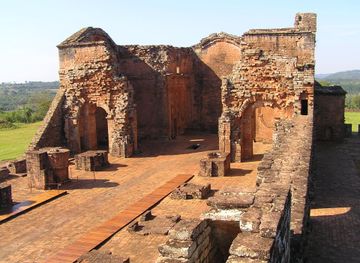
In the early 17th century, the Jesuit missionaries established a series of missions in the Misiones Plains to convert the indigenous Guaraní people to Christianity. These missions, known as 'reducciones', were self-sufficient communities that combined religious, social, and economic activities. The most famous of these is the Mission of San Ignacio Mini, which showcases impressive baroque architecture and intricate carvings.
-
The Misiones Plains played a significant role during the Paraguayan War (1864-1870), also known as the War of the Triple Alliance. This conflict involved Paraguay against Brazil, Argentina, and Uruguay. The region saw several battles and skirmishes, which had a lasting impact on the local population and infrastructure.
-
After the devastation of the Paraguayan War, the Misiones Plains underwent a period of reconstruction. The area saw an influx of European immigrants, particularly from Italy and Germany, who contributed to the cultural and economic revitalization of the region. This period also marked the beginning of modern agricultural practices in the plains.
-
The Misiones Plains are rich in cultural heritage, celebrated through various festivals and events. One of the most notable is the Festival of San Juan, where locals engage in traditional music, dance, and food. This festival is a vibrant display of the fusion of indigenous and European cultures that define the region.
-
Today, the Misiones Plains are a vital agricultural hub in Paraguay. The fertile lands produce a variety of crops, including soybeans, corn, and wheat. The region is also known for its cattle ranching, which plays a crucial role in the local economy. Agricultural fairs and markets are common, showcasing the region's produce and livestock.
-
The Misiones Plains are not only historically and culturally important but also ecologically significant. The area is home to diverse flora and fauna, including several endangered species. Efforts are underway to promote sustainable practices to preserve this unique ecosystem for future generations.
Neighbouring Regions of Misiones Plains
The closest regions to Misiones Plains, if you have time for more than one.



Your all‑in‑one travel companion app
Explore expert travel guides, compare and book tours, experiences, hotels, and more—all from the palm of your hand. Download now for seamless trip planning wherever your wanderlust takes you.


Explore More of Paraguay

Looking beyond Misiones Plains? Discover Paraguay for broader travel guides, local hot-spots, and regional highlights.
Explore ParaguayMisiones Plains in Photos
Browse through our photo collection highlighting the charm and character of the destination.




The Serene Beauty of Misiones Plains
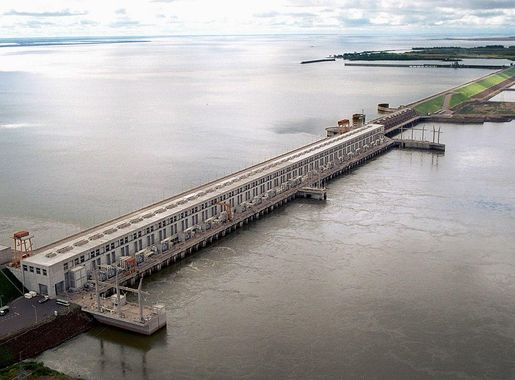
The Misiones Plains in Paraguay offer a tranquil escape into nature's embrace. This serene region is characterized by its vast, open landscapes, rich biodiversity, and a sense of peace that is hard to find elsewhere. As you wander through the plains, you'll encounter endless expanses of grasslands dotted with grazing cattle, picturesque rivers, and small, welcoming communities that offer a glimpse into the traditional Paraguayan way of life. The Misiones Plains are also home to a number of historic Jesuit missions, which provide a fascinating look into the area's past. These well-preserved sites are a testament to the cultural and religious history that shaped the region. As you explore these missions, you'll gain insight into the lives of the indigenous people and the Jesuit priests who once called this area home. For nature enthusiasts, the Misiones Plains are a paradise. The area is teeming with wildlife, making it an ideal destination for bird watching and wildlife photography. The tranquil rivers and streams offer perfect spots for fishing or simply enjoying the calming sounds of nature. Whether you're looking to immerse yourself in history, connect with nature, or simply unwind in a peaceful setting, the Misiones Plains are an ideal destination.