

Free Paraguay River Basin Travel Guide & Mobile App
Explore Paraguay River Basin with free travel guides. Discover regional history, expert tips, proposed trips, and audio guides on web or mobile app.


Explore Paraguay's great river corridor through Asunción, historic ports, Chaco wetlands, wildlife and landscapes shaped by water.
Read more about Paraguay River Basin
When is the best time to visit Paraguay River Basin?
Best: May, September–October · 23–27°C| Month | High (°C) | Rainfall (mm) |
|---|---|---|
| January | 30 | 150 |
| February | 30 | 140 |
| March | 29 | 130 |
| April | 27 | 120 |
| May (best) | 23 | 110 |
| June | 20 | 100 |
| July | 20 | 90 |
| August | 21 | 90 |
| September (best) | 25 | 100 |
| October (best) | 27 | 110 |
| November | 29 | 120 |
| December | 30 | 130 |
Getting to and around Paraguay River Basin
How to get there
Transportation
Top city travel guides in Paraguay River Basin
The cities of Paraguay River Basin, and the easiest places to base yourself.
-
-

-

-

-

-


Swipe for more cities
Destinations in Paraguay River Basin
Resorts, valleys and scenic spots worth a trip of their own.
-

-

-

-
-

-


Swipe for more destinations
Best attractions in Paraguay River Basin
The basin's attractions range from urban riverfronts to remote wetlands. In Asunción, the Costanera and Bahía de Asunción reveal the scale of the river and the low Chaco shore, while the historic centre and cultural museums provide context for the capital's river-based development. Concepción combines old commercial architecture with access to northern landscapes, ranch country and excursions on or near the river. The southern districts around Pilar and Humaitá are important for fortifications, cemeteries, churches and landscapes associated with the War of the Triple Alliance. Farther north, Alto Paraguay offers wildlife observation, sport fishing and boat journeys through the Paraguayan Pantanal, an area of seasonal lagoons, forest, palm savannah and floodplain. Access is more demanding there, and visits generally depend on local operators, suitable vessels and favourable conditions. The appeal lies less in a concentration of conventional attractions than in the contrast between working ports, historic settlements, open river horizons and habitats where birds and mammals remain central to the experience.
-
Tourist attraction
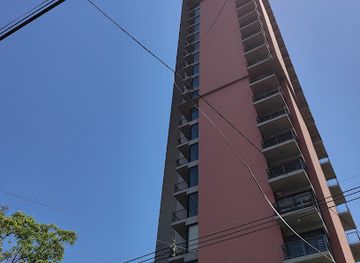
Icono Tower
Discover Icono Tower in Asunción, a modern architectural wonder offering breathtaking views and a glimpse into Paraguay's vibrant urban landscape.
Best landmarks in Paraguay River Basin
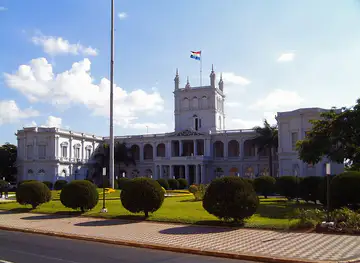
The Paraguay River itself is the basin's defining landmark, but its significance is expressed through a chain of historic and civic places. Asunción's Palacio de los López and the Costanera face the river and represent different phases of national political and urban development, while the capital's old port area recalls the waterway's role in trade. Concepción is notable for its surviving nineteenth-century civic and commercial architecture, a reminder of the city's importance as a northern river port. In the south, Humaitá's church ruins and military heritage evoke the War of the Triple Alliance, although the wider battlefield landscape extends beyond a single monument. The old ports of Pilar and nearby river settlements retain a strong relationship with navigation, trade and floodplain geography. Fuerte Olimpo, farther north, is associated with the historic occupation and administration of the upper Chaco frontier, while Bahía Negra marks a remote northern edge of Paraguay's river world. Natural landmarks include the broad floodplain, Chaco riverbanks and Pantanal wetlands, whose seasonal transformation is as important as any built structure.
-
National park
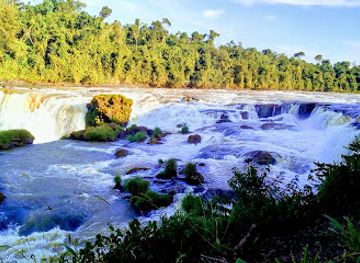
Monday Falls
Experience the breathtaking beauty of Monday Falls, a stunning national park in Paraguay, perfect for nature lovers and adventure seekers.
-
Park
Plaza Uruguaya
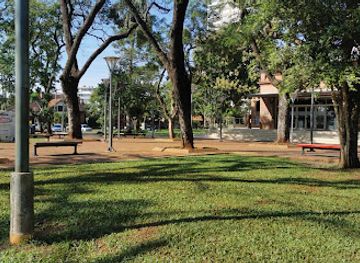
Explore the lush landscapes and cultural richness of Plaza Uruguaya, a must-visit park in the heart of Asunción, Paraguay.
-
Park
República del Paraguay Park
Discover the tranquil beauty and vibrant nature of República del Paraguay Park in Posadas, a perfect escape for tourists seeking relaxation and scenic views.
-
Historical landmark
Jesuit Mission of the Holy Trinity
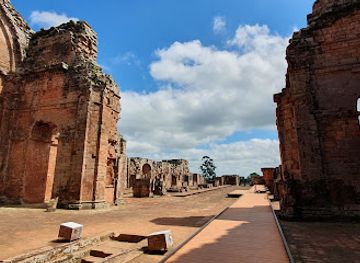
Discover the captivating Jesuit Mission of the Holy Trinity in Paraguay, a UNESCO World Heritage site filled with rich history and architectural beauty.
Explore Paraguay River Basin on the map
Plan your trip on one map. See where the top cities, national parks and sights are, and book hotels and experiences in a few clicks.
Best hotels in Paraguay River Basin
Best restaurants in Paraguay River Basin
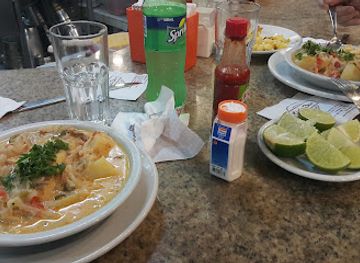
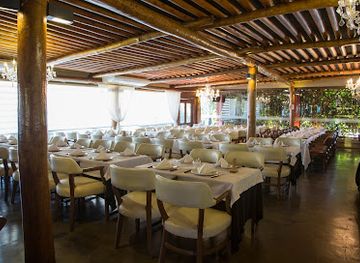
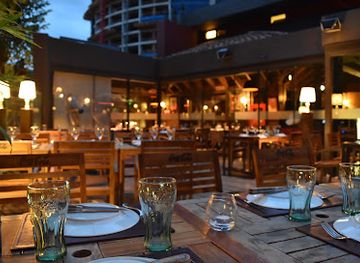
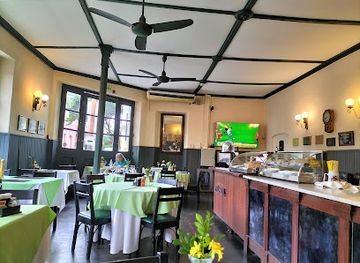
Dining along the Paraguay River reflects the country's broader culinary traditions while making particular use of freshwater fish, beef, mandioca, corn and locally grown produce. Asunción has the widest choice, from cafés and modern restaurants to traditional eateries serving grilled meats, sopa paraguaya, chipa and dishes influenced by Paraguay's Spanish and Guaraní heritage. In river towns, menus are often simpler and may feature surubí, dorado or other locally available fish, although exact availability varies with season and supply. Pilar, Concepción and other provincial centres offer family-run restaurants, bakeries and casual grills rather than a concentrated fine-dining scene. Rural lodges and fishing camps commonly serve hearty meals suited to hot-weather travel, with mandioca frequently replacing bread. Farmers' markets are useful for fruit, snacks and regional ingredients, but visitors in remote areas should favour establishments with good food storage and water practices. Tereré, a cold infusion of yerba mate, is a widely shared Paraguayan refreshment, particularly appropriate in the basin's heat.
-
Family-friendly
Bolsi
Discover Bolsi in Asunción: A family-friendly dining experience offering delicious Paraguayan cuisine and sushi in a welcoming atmosphere.
-
Restaurant
Lido Bar
Experience authentic Paraguayan flavors at Lido Bar in Asunción - a vibrant restaurant offering delicious local cuisine in a welcoming atmosphere.
-
Grill
Churrasquería O Gaúcho
Discover authentic Paraguayan barbecue at Churrasquería O Gaúcho – where every bite tells a story of flavor and tradition.
-
Restaurant
La Cabrera
Indulge in exquisite steaks at La Cabrera, Asunción's top steakhouse known for its warm hospitality and vibrant atmosphere.
Best bars in Paraguay River Basin
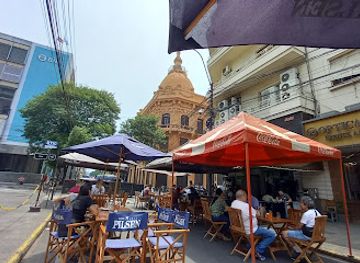
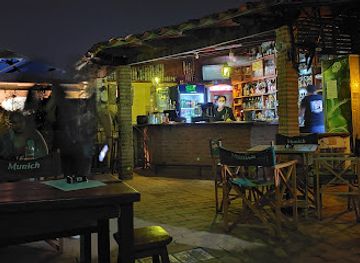
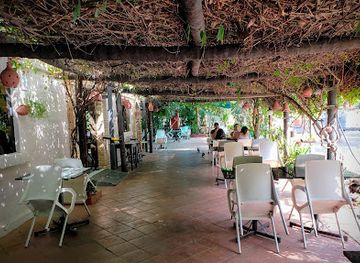
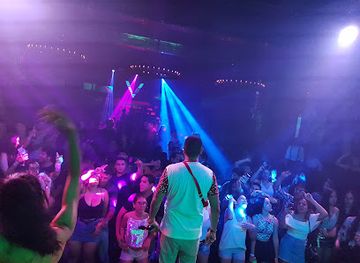
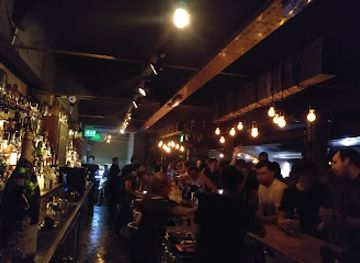
Nightlife is concentrated in Asunción, where the central districts, Villa Morra and areas around the city's newer commercial zones offer restaurants, bars, live music and late-evening social venues. The riverfront is more suited to sunset walks, outdoor gatherings and occasional cultural programming than to a continuous nightclub strip. In Concepción, Pilar and other river towns, evenings generally centre on family restaurants, neighbourhood bars, traditional tereré culture and local music, with a smaller selection of late venues. Remote settlements in Alto Paraguay have little conventional nightlife; lodges and boat camps provide conversation, stargazing and early starts rather than clubs. Paraguay's music scene includes polka paraguaya and guarania alongside contemporary Latin, rock and electronic styles, although events and venues change. Visitors should ask locally about current arrangements, return to accommodation with trusted transport and remember that riverbank darkness, heat and insects can make an apparently short journey impractical after nightfall.
-
Restaurant
Lido Bar
Experience authentic Paraguayan cuisine at Lido Bar, where tradition meets flavor in the heart of Asunción.
-
Pub
Britannia Pub
Discover the vibrant energy of Britannia Pub in Asunción, where traditional flavors meet a lively atmosphere, perfect for tourists and locals alike.
-
Restaurant
Bar San Roque
Experience the vibrant flavors of Paraguay at Bar San Roque, where traditional dishes meet a warm and inviting atmosphere in Asunción.
-
Restaurant
Bar San Miguel
Experience the heart of Paraguayan cuisine at Bar San Miguel, a historic restaurant blending tradition and modern espresso bar culture in Asunción.
Best nightclubs in Paraguay River Basin
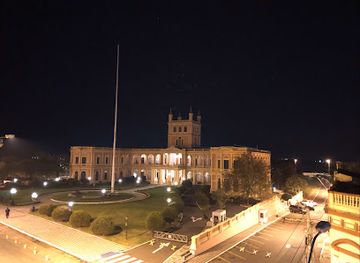
Nightlife is concentrated in Asunción, where the central districts, Villa Morra and areas around the city's newer commercial zones offer restaurants, bars, live music and late-evening social venues. The riverfront is more suited to sunset walks, outdoor gatherings and occasional cultural programming than to a continuous nightclub strip. In Concepción, Pilar and other river towns, evenings generally centre on family restaurants, neighbourhood bars, traditional tereré culture and local music, with a smaller selection of late venues. Remote settlements in Alto Paraguay have little conventional nightlife; lodges and boat camps provide conversation, stargazing and early starts rather than clubs. Paraguay's music scene includes polka paraguaya and guarania alongside contemporary Latin, rock and electronic styles, although events and venues change. Visitors should ask locally about current arrangements, return to accommodation with trusted transport and remember that riverbank darkness, heat and insects can make an apparently short journey impractical after nightfall.
-
Bar
O'Leary club
Discover the lively nightlife of Asunción at O'Leary Club, where local culture meets great drinks and unforgettable music.
-
Disco club
Velvet Asuncion
Discover the vibrant nightlife of Asuncion at Velvet, a premier disco club featuring top DJs, stunning ambiance, and unforgettable dance experiences.
-
Bar
Morgan Warehouse, Nightclub
Experience the vibrant nightlife at Morgan Warehouse, Asunción's premier nightclub for music, dancing, and unforgettable nights out.
-
Disco club
Toc Toc Disco Pub
Experience the vibrant nightlife of Asunción at Toc Toc Disco Pub, where music and dance create unforgettable memories in Paraguay's capital.
Best shops in Paraguay River Basin
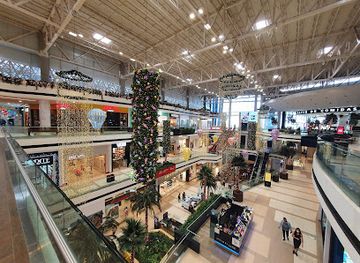
Shopping in the basin is most varied in Asunción, where established commercial districts, supermarkets, craft shops, galleries and markets supply both practical goods and Paraguayan souvenirs. For regional character, look for tereré sets, woven textiles, leatherwork, woodcraft, ceramics and food products rather than mass-produced items described simply as local. The Mercado 4 area in Asunción is a large, busy urban market, while smaller provincial markets in towns such as Concepción and Pilar are useful for fruit, snacks, household goods and everyday contact with local commerce. River towns may offer fish-related equipment, ranch supplies and modest handicraft selections rather than dedicated tourist shopping. In remote Chaco and Pantanal areas, purchases are generally made through lodges, small shops or community producers, when available, so do not postpone essentials until the end of a journey. Carrying guaraní cash is particularly important outside the capital, and visitors should respect fair prices and ask permission before photographing craft producers or market stalls.
-
Shopping mall
Paseo La Galería
Explore the vibrant shopping scene at Paseo La Galería in Asunción, where fashion, food, and fun come together in one dynamic location.
-
Shopping mall
Shopping Mariscal
Explore Shopping Mariscal, Asunción's vibrant shopping mall, where local culture meets global brands in a lively atmosphere.
-
Shopping mall
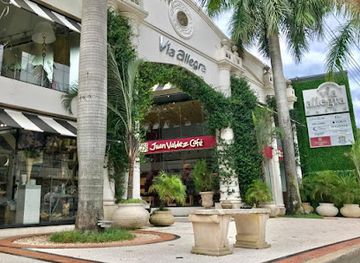
Paseo Via Allegra
Discover a European-style shopping haven in Asunción at Paseo Via Allegra with diverse shops, dining, and a vibrant atmosphere for all.
-
Souvenir store
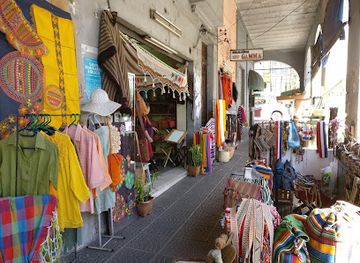
La Recova
Discover La Recova, the premier souvenir store in Asunción, offering authentic Paraguayan crafts and gifts that capture the spirit of Paraguay.

Get your free copy of our complete guide to Paraguay River Basin, delivered straight to you.
Everything on this page, from attractions and restaurants to essentials and local phrases, in one PDF you can read offline, print or share.
Already have an account? Sign in
Your Paraguay River Basin guide is ready.
We'll send it to · Not you? Sign out

Getting your guide ready…
We are putting together a fresh copy of the Paraguay River Basin guide. This can take up to a minute.
This can take a few moments. If your browser asks, choose Allow so the download can start. You'll find the guide in your Downloads folder.
Nothing happened? Download it again
Sorry, the guide is taking longer than usual. Please try again in a minute, or get it by email instead.
Paraguay River Basin essentials
Currency and Payment
Safety
Emergency Situations
Do's and Don'ts
Local Tips
From Eve
Local phrases worth knowing
You don't need to get them perfect. A few words go a long way, and locals appreciate the effort.
Basics
| English | Local | Say it |
|---|---|---|
| Hello | Hola | [Ola] |
| Goodbye | Adiós | [A-dios] |
| Yes | Sí | [Si] |
| No | No | [No] |
| Please/You're welcome | Por favor | [Por fa-vor] |
| Thank you | Gracias | [Gra-cias] |
| Excuse me/Sorry | Perdón | [Per-don] |
| How are you? | ¿Cómo estás? | [Ko-mo es-tas] |
| Fine. And you? | Bien. ¿Y tú? | [Bien. I tu] |
| Do you speak English? | ¿Hablas inglés? | [A-blas in-glés] |
| I don't understand | No entiendo | [No en-tien-do] |
Eating & Drinking
| English | Local | Say it |
|---|---|---|
| I'd like to see the menu, please | Quisiera ver el menú, por favor | [Ki-sie-ra ver el me-nu, por fa-vor] |
| I don't eat meat | No como carne | [No ko-mo car-ne] |
| Cheers! | ¡Salud! | [Sa-lud] |
| I would like to pay, please | Me gustaría pagar, por favor | [Me gus-ta-ria pa-gar, por fa-vor] |
Emergencies
| English | Local | Say it |
|---|---|---|
| Help! | ¡Ayuda! | [A-yu-da] |
| Go away! | ¡Vete! | [Ve-te] |
| Call the Police! | ¡Llama a la policía! | [Ya-ma a la po-li-cia] |
| Call a doctor! | ¡Llama a un doctor! | [Ya-ma a un doc-tor] |
| I'm lost | Estoy perdido | [Es-toy per-di-do] |
| I'm ill | Estoy enfermo | [Es-toy en-fer-mo] |
Shopping
| English | Local | Say it |
|---|---|---|
| I'd like to buy... | Quisiera comprar... | [Ki-sie-ra kom-prar] |
| I'm just looking | Solo estoy mirando | [So-lo es-toy mi-ran-do] |
| How much is it? | ¿Cuánto cuesta? | [Cuan-to kwes-ta] |
| That's too expensive | Eso es muy caro | [E-so es muy ca-ro] |
| Can you lower the price? | ¿Puedes bajar el precio? | [Pwe-des ba-har el pre-cio] |
Time & Numbers
| English | Local | Say it |
|---|---|---|
| What time is it? | ¿Qué hora es? | [Ke o-ra es] |
| It's one o'clock | Es la una | [Es la u-na] |
| Half past (10) | Y diez | [Y diez] |
| Morning | Mañana | [Ma-ña-na] |
| Afternoon | Tarde | [Tar-de] |
| Evening | Noche | [No-che] |
| Yesterday | Ayer | [A-yer] |
| Today | Hoy | [Oy] |
| Tomorrow | Mañana | [Ma-ña-na] |
| 1 | Uno | [U-no] |
| 2 | Dos | [Dos] |
| 3 | Tres | [Tres] |
| 4 | Cuatro | [Cua-tro] |
| 5 | Cinco | [Cin-co] |
| 6 | Seis | [Seis] |
| 7 | Siete | [Sie-te] |
| 8 | Ocho | [O-cho] |
| 9 | Nueve | [Nue-ve] |
| 10 | Diez | [Diez] |
Transport & Directions
| English | Local | Say it |
|---|---|---|
| Where's a/the...? | ¿Dónde está un/una...? | [Don-de es-ta un/una] |
| What's the address? | ¿Cuál es la dirección? | [Cual es la di-rec-ción] |
| Can you show me (on the map)? | ¿Puedes mostrarme (en el mapa)? | [Pwe-des mos-trar-me (en el ma-pa)] |
| When's the next (bus)? | ¿Cuándo es el próximo (autobús)? | [Cuan-do es el pro-xi-mo (au-to-bus)] |
| A ticket (to ....) | Un boleto (a ....) | [Un bo-le-to (a ....)] |
History of Paraguay River Basin
Indigenous River Networks Before European Settlement
Long before the arrival of Europeans, the Paraguay River and its tributaries formed routes for communication, fishing, exchange and seasonal movement among Indigenous peoples, including Guaraní-speaking communities and peoples of the Chaco. Riverbanks offered water, fish, fruit and transport through landscapes that could otherwise be difficult to cross. The basin was not an empty wilderness but a lived-in environment with established knowledge of flood cycles, animals and edible plants. Contemporary Paraguayan place names and the continuing importance of Guaraní preserve part of this earlier cultural geography.
Asunción and the Colonial River Frontier, 1537–1811
Asunción was founded by Spanish forces in 1537 beside the Paraguay River and became a major base for Spanish expansion in the interior of South America. Its river position linked settlements, missions, ranches and trading routes over a vast territory. Although the city was far from the Atlantic coast, river travel connected it indirectly with the Río de la Plata and the wider Spanish colonial economy. The early settlement developed around the port and administrative centre, establishing the river-oriented identity that still defines Paraguay's capital.
River Trade, Missions and Inland Commerce
During the colonial and early national periods, the basin supported the movement of yerba mate, timber, hides, tobacco, livestock and imported goods. River transport was particularly important because Paraguay's interior roads were slow and seasonally unreliable. Trading towns and ports grew where overland routes met navigable water, while settlements along tributaries connected the Paraguay with eastern Paraguay and neighbouring countries. The river therefore acted both as an economic highway and as a strategic frontier, linking communities while exposing them to regional political competition.
Independence and the River Republic
After independence in 1811, Paraguay's governments treated control of the river as essential to national security and economic survival. The country's landlocked position made navigation through neighbouring territories a constant diplomatic concern. Under nineteenth-century governments, state authority expanded through military posts, river ports, agricultural estates and export regulation. Asunción remained the political centre, while settlements such as Concepción and southern river towns became important points for commerce, customs and communication.
The War of the Triple Alliance, 1864–1870
The Paraguay River was the principal strategic corridor during the War of the Triple Alliance, fought between Paraguay and the alliance of Brazil, Argentina and Uruguay. River fortifications, naval actions, troop movements and supply lines shaped campaigns from the north towards Asunción and the southern interior. Places including Humaitá, Curupayty and the approaches to the capital became associated with some of the conflict's most decisive episodes. The war devastated Paraguay's population, economy and infrastructure, leaving a profound legacy in national memory and in the fortifications and battlefield landscapes along the river.
The Chaco War and Northern River Logistics, 1932–1935
The Chaco War between Paraguay and Bolivia was fought mainly west of the river, but the Paraguay River was central to Paraguay's logistics. Supplies, troops and equipment moved northwards through river ports before being transferred towards the Chaco front. Settlements such as Concepción and Puerto Casado gained strategic importance, while the river provided a comparatively dependable route across a country with few reliable roads. The conflict strengthened the significance of northern river settlements and contributed to the development of transport infrastructure in the region.
Modern Ports, Conservation and Changing River Economies
In the twentieth and twenty-first centuries, river transport remained important for Paraguay's export economy, especially for agricultural commodities moved through the Paraguay–Paraná waterway towards the Atlantic. At the same time, many small ports lost population or became less central as roads improved. Conservation has brought new attention to the basin's wetlands, Pantanal habitats and Chaco forests, while tourism, sport fishing and wildlife travel offer alternative sources of income. The modern river landscape therefore combines working navigation, historic memory and growing concern over drought, flooding, deforestation and habitat protection.
Paraguay River Basin in Photos
Browse through our photo collection highlighting the charm and character of the destination.
Neighbouring regions of Paraguay River Basin
The closest regions to Paraguay River Basin, if you have time for more than one.
-

-

-

-

-


Swipe for more regions
Explore more

Explore more of Paraguay
Discover Paraguay: A blend of history, culture, and natural beauty in the heart of South America. Visit Asunción, explore Jesuit ruins, and experience the local cuisine.
Explore Paraguay