

Itapúa Plains, Paraguay Travel Guide
Discover the serene Itapúa Plains of Paraguay, where vast green landscapes, rich wildlife, and historical wonders await in the heart of South America.
The Itapúa Plains in Paraguay offer a serene escape into the heart of South America's natural beauty. This region is known for its sprawling landscapes, rich biodiversity, and tranquil ambiance. Visitors can immerse themselves in the peaceful environment, experiencing the vast stretches of green fields that seem to go on forever. The plains are home to a variety of wildlife, making it a paradise for nature enthusiasts and bird watchers. Nearby, the Jesuit Missions of La Santísima Trinidad de Paraná and Jesús de Tavarangue provide a glimpse into the area's historical significance. These UNESCO World Heritage Sites are remnants of the Jesuit Reductions, where missionaries and indigenous people once lived and worked together. The ruins are well-preserved and offer a fascinating insight into the region's past. The Itapúa Plains are also a gateway to the Paraná River, one of the most important rivers in South America. The river is ideal for boating and fishing, adding a touch of adventure to your tranquil visit. The combination of natural beauty, historical intrigue, and outdoor activities makes the Itapúa Plains a unique and memorable destination for any traveler.

Know before you go
Hi, I'm Eve. Here are a few practical things to know before exploring Itapúa Plains.
- Visit during the dry season (May to September) for better weather and easier access to outdoor activities.
- Explore the Jesuit Missions early in the morning to avoid crowds and enjoy a more peaceful experience.
- Bring binoculars for bird watching; the plains are home to many unique species.
- Consider hiring a local guide for a more informative and enriching tour of the historical sites.
- Pack insect repellent, especially if you plan to spend time near the river or in the fields.
Top City Travel Guides in Itapúa Plains
The cities of Itapúa Plains, and the easiest places to base yourself.


Destinations in Itapúa Plains
Resorts, valleys and scenic spots worth a trip of their own.


Explore Itapúa Plains: Things to Do, Places to Eat, Hotels & More
Handpicked recommendations for top attractions, local dining, accommodations, and more

Top Attractions & Sightseeing in Itapúa Plains
Top-rated picks
Best Attractions

Ruins of San Ignacio Miní
Discover the rich history and stunning architecture of the Ruins of San Ignacio Miní, a UNESCO World Heritage site in Argentina's lush Misiones Province.

República del Paraguay Park
Discover tranquility and natural beauty at República del Paraguay Park, a premier destination in Posadas, Argentina with stunning river views.

Jesuit Mission of the Holy Trinity
Explore the majestic Jesuit Mission of the Holy Trinity in Trinidad, Paraguay—an architectural marvel and a UNESCO World Heritage site steeped in history.

Jesuit Mission of Jesús de Tavarangüe
Explore the Jesuit Mission of Jesús de Tavarangüe, a UNESCO World Heritage site showcasing stunning architecture and rich cultural history.

Best landmarks in Itapúa Plains
Top-rated picks
Best Landmarks

Jesuit Mission of the Holy Trinity
Explore the Jesuit Mission of the Holy Trinity in Trinidad, Paraguay - a UNESCO World Heritage Site rich in history and culture.

Ruins of Trinidad
Discover the captivating ruins of Trinidad, where history, architecture, and culture converge in a breathtaking UNESCO World Heritage site.

Jesuit Mission of Jesús de Tavarangüe
Explore the stunning Jesuit Mission of Jesús de Tavarangüé, a UNESCO World Heritage Site, rich in history and breathtaking architecture.

Eco Water Park and El Dorado
Discover the ultimate family-friendly adventure at Eco Water Park and El Dorado in Capitán Miranda, Paraguay, where fun and relaxation meet in a beautiful setting.

Best restaurants in Itapúa Plains
Top-rated picks
Best Restaurants

Novo Rodeio - Rey do lazo
Discover the essence of Paraguayan flavors at Novo Rodeio - Rey do Lazo, where every meal is a celebration of culture and tradition.

Hiroshima
Experience authentic Japanese cuisine at Hiroshima in Encarnación – where fresh seafood meets culinary artistry.

Pizza Hut
Experience delicious pizza and Italian cuisine at Pizza Hut Encarnación – the perfect dining spot for tourists in Paraguay.

Chipa Tía Bufet y Churrasqueria
Experience authentic Paraguayan cuisine at Chipa Tía Bufet y Churrasqueria with a delightful buffet and grilled specialties.

Best bars in Itapúa Plains
Top-rated picks
Best Bars

Paseo Carmelitas
Discover the vibrant nightlife and culinary delights at Paseo Carmelitas in Asunción, Paraguay, where entertainment meets exquisite dining.

Britannia Pub
Experience the vibrant nightlife of Asunción at Britannia Pub, where great food and drinks meet a lively ambiance.

Plaza de Armas
Discover the vibrant atmosphere of Plaza de Armas in Encarnación, Paraguay, a perfect blend of history, culture, and relaxation.
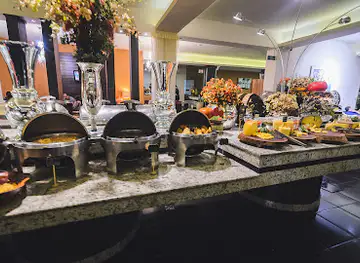
Novo Rodeio - Rey do lazo
Experience authentic Paraguayan flavors at Novo Rodeio - Rey do Lazo, a vibrant restaurant in Encarnación with a warm atmosphere and delicious local dishes.

Best nightclubs in Itapúa Plains
Top-rated picks
Best Nightclubs

IQELA BAR CLUB
Discover the electrifying nightlife at IQELA BAR CLUB in Encarnación - a premier destination for dancing, music, and unforgettable experiences.

Venus La Mega Disco
Discover the electrifying nightlife at Venus La Mega Disco, a premier destination for dance and entertainment in Encarnación, Paraguay.

Complejo Recreativo Nivel 5 Ciudad De Jesus Itapua
Discover the lively nightlife at Complejo Recreativo Nivel 5 Ciudad De Jesus, a premier night club in Kambay, Paraguay, perfect for unforgettable nights out.

Los Cedros -Itapua
Discover the energetic nightlife of Los Cedros in Itapua, where vibrant music and local culture create unforgettable experiences.

Best shops in Itapúa Plains
Top-rated picks
Best Shops

Super 6
Explore the rich flavors of Paraguay at Super 6, Encarnación's premier supermarket for fresh produce and local delights.

Shopping Costanera
Experience the best of Paraguayan retail at Shopping Costanera, where shopping meets entertainment in an inviting atmosphere.

Supermarket Family Route 1
Discover the vibrant local culture at Supermarket Family Route 1 in Encarnación, offering a rich selection of goods and authentic flavors.

ABC
Experience the essence of Paraguayan culture at ABC Hypermarket in Encarnación, where shopping meets local flavor and community spirit.

Explore Itapúa Plains on the Map
A handpicked selection of must-see spots in Itapúa Plains, mapped for you.
Itapúa Plains Essentials
-
Itapúa Plains in Paraguay can be accessed via the Silvio Pettirossi International Airport in Asunción, the capital city of Paraguay. From Asunción, you can take a domestic flight to Encarnación, the capital of the Itapúa Department, which is the gateway to the Itapúa Plains. Alternatively, you can travel by bus or rent a car to drive from Asunción to Encarnación, a journey that takes around 6 hours by road. Buses are frequent and provide a comfortable and cost-effective option.
-
Within Itapúa Plains, the primary modes of transportation include taxis, buses, and rental cars. Taxis are widely available and can be hailed on the street or booked via phone. Buses offer a reliable and economical way to travel between towns and villages. For those who prefer flexibility, renting a car is a convenient option, allowing you to explore the plains at your own pace. Ensure you have a good map or GPS, as some areas may be less well-signposted.
-
The official currency in Paraguay is the Paraguayan Guaraní (PYG). While credit cards are accepted in many hotels, restaurants, and shops in larger towns like Encarnación, it is advisable to carry cash, especially when traveling to smaller villages or rural areas. ATMs are available in major towns, but it is wise to withdraw sufficient cash before heading into more remote areas.
-
Itapúa Plains is generally safe for tourists, but it's always important to take standard precautions. Avoid walking alone at night in unfamiliar or poorly lit areas and keep an eye on your belongings in crowded places. While Encarnación is relatively safe, there have been occasional reports of petty theft. Areas near the borders and some rural regions may have higher crime rates, so it is best to stay informed and cautious.
-
In case of emergency, dial 911 for assistance. Encarnación has medical facilities, including hospitals and clinics, where you can receive urgent care. It is highly recommended to have travel insurance that covers medical emergencies. Pharmacies are available in towns for over-the-counter medications. Keep emergency contact numbers handy and know the location of the nearest medical facility.
-
Fashion: Do dress modestly, especially when visiting religious sites or rural communities. Avoid overly revealing clothing. Religion: Do respect local customs and traditions. When visiting churches, dress conservatively and behave respectfully. Public Transport: Do respect others' space and follow local etiquette on buses. Don't eat or drink on public transport. Greetings: Do greet people with a handshake and a friendly smile. It is polite to address people formally unless invited to do otherwise. Eating & Drinking: Do try local Paraguayan dishes and accept food graciously when offered. Don’t refuse hospitality, as it can be seen as impolite.
-
To experience Itapúa Plains like a local, visit the local markets, especially in Encarnación, where you can buy fresh produce and traditional Paraguayan crafts. Engage with locals, who are known for their friendliness and hospitality, and take the time to learn about their customs and history. Don't miss visiting the Jesuit Missions of La Santísima Trinidad de Paraná and Jesús de Tavarangue, which are UNESCO World Heritage Sites. For a unique experience, consider exploring the rural landscapes on horseback or taking part in a traditional Paraguayan barbecue (asado).
When is the best time to visit Itapúa Plains?
Useful Local Phrases for Itapúa Plains
You don't need to speak the language perfectly. Even learning a few simple words can make conversations warmer—and locals usually appreciate the effort.
— Eve

Here are the phrases I use most often in Itapúa Plains. Try a few—you'll be surprised how far they go! 😊
❤️
-
- HelloHola
[OH-lah] - GoodbyeAdiós
[ah-DYOS] - YesSí
[SEE] - NoNo
[NO] - Please/You're welcomePor favor
[POR fah-VOR] - Thank youGracias
[GRAH-syas] - Excuse me/SorryDisculpe
[dis-KOOL-peh] - How are you?¿Cómo estás?
[KOH-moh es-TAS] - Fine. And you?Bien. ¿Y tú?
[BYEN. EE TOO] - Do you speak English?¿Hablas inglés?
[AH-blas een-GLES] - I don't understandNo entiendo
[NO en-TYEN-doh]
- HelloHola
-
- I'd like to see the menu, pleaseMe gustaría ver el menú, por favor
[ME goo-STAH-ree-ah VER el meh-NOO, por fah-VOR] - I don't eat meatNo como carne
[NO KOH-moh KAR-neh] - Cheers!¡Salud!
[sah-LOOD] - I would like to pay, pleaseMe gustaría pagar, por favor
[ME goo-STAH-ree-ah pah-GAR, por fah-VOR]
- I'd like to see the menu, pleaseMe gustaría ver el menú, por favor
-
- Help!¡Ayuda!
[AH-yoo-dah] - Go away!¡Vete!
[VEH-teh] - Call the Police!¡Llama a la policía!
[YAH-mah ah lah poh-lee-SEE-ah] - Call a doctor!¡Llama a un doctor!
[YAH-mah ah oon dok-TOR] - I'm lostEstoy perdido
[es-TOY per-DI-doh] - I'm illEstoy enfermo
[es-TOY en-FER-mo]
- Help!¡Ayuda!
-
- I'd like to buy...Me gustaría comprar...
[ME goo-STAH-ree-ah kom-PRAR...] - I'm just lookingSolo estoy mirando
[SO-lo es-TOY mee-RAN-doh] - How much is it?¿Cuánto cuesta?
[KWAN-toh KWES-tah] - That's too expensiveEso es muy caro
[EH-so es MOO-ee KAH-roh] - Can you lower the price?¿Puedes bajar el precio?
[PWEH-des bah-HAR el PREH-syo]
- I'd like to buy...Me gustaría comprar...
-
- What time is it?¿Qué hora es?
[KEH OH-rah es] - It's one o'clockEs la una
[ES lah OO-nah] - Half past (10)Diez y media
[DYEZ ee MEH-dee-ah] - MorningMañana
[mah-NYAH-nah] - AfternoonTarde
[TAR-deh] - EveningNoche
[NOH-cheh] - YesterdayAyer
[ah-YER] - TodayHoy
[OY] - TomorrowMañana
[mah-NYAH-nah] - 1Uno
[OO-noh] - 2Dos
[DOS] - 3Tres
[TRES] - 4Cuatro
[KWAH-tro] - 5Cinco
[SEEN-koh] - 6Seis
[SACE] - 7Siete
[SYET-eh] - 8Ocho
[OH-choh] - 9Nueve
[NWEH-beh] - 10Diez
[DYEZ]
- What time is it?¿Qué hora es?
-
- Where's a/the...?¿Dónde está un/a...?
[DON-deh es-TA oon/ah...?] - What's the address?¿Cuál es la dirección?
[KWAL es lah dee-rek-SYON] - Can you show me (on the map)?¿Me puedes mostrar (en el mapa)?
[ME PWEH-des mos-TRAR (en el MAH-pah)?] - When's the next (bus)?¿Cuándo es el próximo (bus)?
[KWAN-doh es el PROK-see-mo (boos)?] - A ticket (to ....)Un boleto (a ....)
[OON bo-LEH-to (a ....)]
- Where's a/the...?¿Dónde está un/a...?
History of Itapúa Plains
-
Established in the early 17th century, the Jesuit missions of La Santísima Trinidad de Paraná and Jesús de Tavarangue are among the most significant historical landmarks in the Itapúa Plains. These missions were part of a network of 30 settlements created by the Jesuits to evangelize the indigenous Guaraní people. The ruins of these missions, now UNESCO World Heritage sites, reveal the architectural prowess and the cultural amalgamation that occurred during this period.
-
Long before the arrival of Europeans, the Itapúa Plains were home to the Guaraní people. The Guaraní, known for their semi-nomadic lifestyle and rich oral traditions, significantly influenced the cultural landscape of the region. Their presence is still felt today in local customs, language, and traditions.
-
The Spanish colonization of Paraguay began in the 16th century, marking a period of significant change for the Itapúa Plains. The introduction of Spanish language, Catholicism, and European agricultural practices reshaped the region. The city of Encarnación, founded in 1615, became a focal point of Spanish influence and remains a key urban center in the Itapúa Plains.
-
The Paraguayan War, also known as the War of the Triple Alliance, had a profound impact on the Itapúa Plains. The conflict, fought between Paraguay and the allied forces of Argentina, Brazil, and Uruguay, devastated the region. The war led to significant loss of life, economic hardship, and changes in land ownership, reshaping the social and economic fabric of Itapúa.
-
In the 20th and 21st centuries, the Itapúa Plains have seen significant modernization and economic growth. The construction of the Yacyretá Dam on the Paraná River in the late 20th century brought both economic benefits and environmental challenges. Today, the region is a hub for agriculture, particularly soy and cattle farming, and has become an important part of Paraguay's economy.
-
The Itapúa Plains are rich in cultural traditions and festivals that reflect the region's diverse heritage. One notable celebration is the annual Carnival in Encarnación, which is one of the largest and most vibrant in Paraguay. This festival showcases a blend of indigenous, Spanish, and contemporary influences through music, dance, and elaborate parades.
Neighbouring Regions of Itapúa Plains
The closest regions to Itapúa Plains, if you have time for more than one.


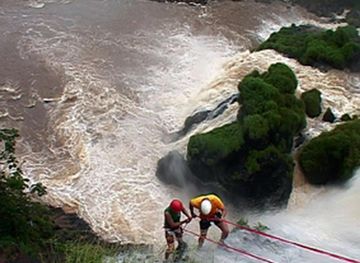
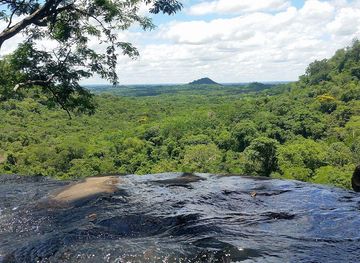


Your all‑in‑one travel companion app
Explore expert travel guides, compare and book tours, experiences, hotels, and more—all from the palm of your hand. Download now for seamless trip planning wherever your wanderlust takes you.


Explore More of Paraguay

Looking beyond Itapúa Plains? Discover Paraguay for broader travel guides, local hot-spots, and regional highlights.
Explore ParaguayItapúa Plains in Photos
Browse through our photo collection highlighting the charm and character of the destination.


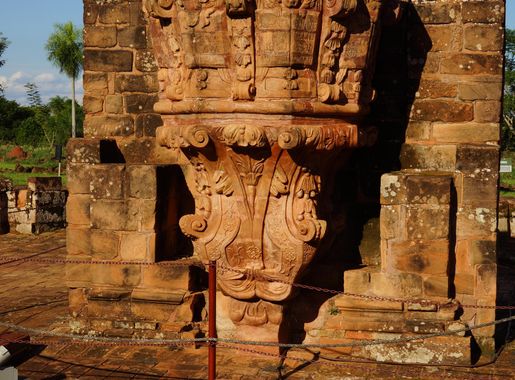


The Serene Itapúa Plains of Paraguay
The Itapúa Plains in Paraguay offer a serene escape into the heart of South America's natural beauty. This region is known for its sprawling landscapes, rich biodiversity, and tranquil ambiance. Visitors can immerse themselves in the peaceful environment, experiencing the vast stretches of green fields that seem to go on forever. The plains are home to a variety of wildlife, making it a paradise for nature enthusiasts and bird watchers. Nearby, the Jesuit Missions of La Santísima Trinidad de Paraná and Jesús de Tavarangue provide a glimpse into the area's historical significance. These UNESCO World Heritage Sites are remnants of the Jesuit Reductions, where missionaries and indigenous people once lived and worked together. The ruins are well-preserved and offer a fascinating insight into the region's past. The Itapúa Plains are also a gateway to the Paraná River, one of the most important rivers in South America. The river is ideal for boating and fishing, adding a touch of adventure to your tranquil visit. The combination of natural beauty, historical intrigue, and outdoor activities makes the Itapúa Plains a unique and memorable destination for any traveler.