

Southern Paraguay, Paraguay Travel Guide
Explore Southern Paraguay: A blend of natural beauty, rich history, and vibrant culture nestled in the heart of South America.
Southern Paraguay is a region rich in natural beauty and cultural heritage. It is a land where verdant hills meet wide rivers, creating stunning landscapes that are perfect for outdoor activities like hiking, bird-watching, and boating. The area is home to many national parks, including the famous Ybycuí National Park, which boasts lush forests, waterfalls, and a wealth of biodiversity. The region is also steeped in history and tradition. Small towns and villages preserve the essence of Paraguayan culture with their colonial architecture, traditional crafts, and vibrant local festivals. Exploring these settlements offers a glimpse into the everyday life of the Paraguayan people, who are known for their warmth and hospitality. Food lovers will delight in the local cuisine, which includes dishes like sopa paraguaya, a hearty cornbread, and asado, a type of barbecue that is a staple in the region. Fresh produce from the fertile land of Southern Paraguay ensures that every meal is a culinary adventure. Southern Paraguay is also an excellent base for exploring the broader region. The city of Encarnación, often referred to as the Pearl of the South, is known for its Carnaval, beautiful riverfront, and well-preserved Jesuit Missions, which are UNESCO World Heritage sites. Whether you are seeking adventure, culture, or relaxation, Southern Paraguay offers a diverse array of experiences that will make your visit unforgettable.

Know before you go
Hi, I'm Eve. Here are a few practical things to know before exploring Southern Paraguay.
- Visit Ybycuí National Park early in the morning to see the wildlife at its most active.
- Try to time your visit with the Encarnación Carnaval for an unforgettable cultural experience.
- Carry cash as many small towns and rural areas may not accept credit cards.
- Learn a few basic phrases in Spanish or Guarani to help communicate with locals.
- Sample local dishes like sopa paraguaya and asado for an authentic culinary experience.
Explore Southern Paraguay: Things to Do, Places to Eat, Hotels & More
Handpicked recommendations for top attractions, local dining, accommodations, and more

Top Attractions & Sightseeing in Southern Paraguay


Best landmarks in Southern Paraguay
Top-rated picks
Best Landmarks

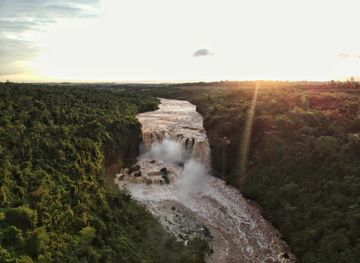
Monday Falls
Experience the breathtaking beauty of Monday Falls in Paraguay, a natural park where adventure and tranquility meet amidst stunning landscapes.

Plaza Uruguaya
Explore Plaza Uruguaya, a vibrant park in Asunción where history meets relaxation amidst lush greenery and lively cultural activities.

República del Paraguay Park
Explore the lush landscapes and cultural charm of República del Paraguay Park, a serene retreat in Posadas, Argentina.

Plaza de la Democracia
Explore the vibrant Plaza de la Democracia in Asunción, where history, culture, and community flourish in a picturesque park setting.

Best restaurants in Southern Paraguay
Top-rated picks
Best Restaurants

Bolsi
Discover Bolsi in Asunción: A family-friendly restaurant offering delicious Paraguayan dishes and international flavors in a warm café setting.

Lido Bar
Discover authentic Paraguayan cuisine at Lido Bar in Asunción - where tradition meets flavor in a lively atmosphere.

Churrasquería O Gaúcho
Experience the rich flavors of Paraguayan barbecue at Churrasquería O Gaúcho in Asunción - where every bite tells a story.
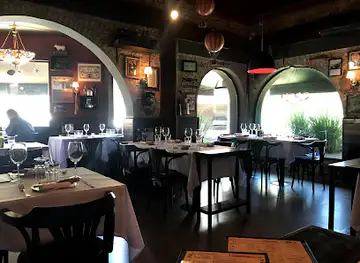
La Cabrera
Experience the finest Argentine steakhouse in Asunción at La Cabrera—where quality meets flavor in every bite.

Best bars in Southern Paraguay
Top-rated picks
Best Bars

Lido Bar
Experience authentic Paraguayan flavors at Lido Bar in Asunción, where delicious dishes and a vibrant atmosphere await every visitor.

Britannia Pub
Discover the lively Britannia Pub in Asunción, where great food, drinks, and a vibrant atmosphere await tourists seeking a memorable experience.

Arsenal Cué
Experience the vibrant nightlife of Asunción at Arsenal Cué, where great drinks and lively atmosphere await every night.

Vamos a jugar
Vamos a Jugar: Experience the Lively Nightlife of Asunción with Delicious Drinks and a Vibrant Atmosphere.

Best nightclubs in Southern Paraguay
Top-rated picks
Best Nightclubs

O'Leary club
Experience the vibrant nightlife at O'Leary Club, a popular bar in Asunción offering great drinks and a lively atmosphere for tourists and locals alike.

Velvet Asuncion
Discover the vibrant nightlife of Asuncion at Velvet Asuncion, an upscale disco club where unforgettable experiences and great music collide.

Morgan Warehouse, Nightclub
Experience the vibrant nightlife of Asunción at Morgan Warehouse, where upscale ambiance meets energetic dance vibes.

Club Condesa
Discover the electric atmosphere of Club Condesa in Asunción, where unforgettable nights of music and dance await in a vibrant disco club setting.

Best shops in Southern Paraguay
Top-rated picks
Best Shops

Paseo La Galería
Discover a vibrant shopping experience at Paseo La Galería, the top shopping mall in Asunción, Paraguay, offering fashion, dining, and entertainment.

delSol Shopping
Explore delSol Shopping in Asunción, where diverse shops, delightful dining, and vibrant entertainment await every visitor.

Shopping Mariscal
Discover the vibrant Shopping Mariscal in Asunción, where retail therapy meets Paraguayan culture and delightful dining options.

Shopping Multiplaza
Experience the vibrant shopping scene at Shopping Multiplaza, Asunción's premier destination for shopping, dining, and entertainment.

Explore Southern Paraguay on the Map
A handpicked selection of must-see spots in Southern Paraguay, mapped for you.
Southern Paraguay Essentials
-
Southern Paraguay is accessible primarily through Silvio Pettirossi International Airport in Asunción, the capital of Paraguay. From Asunción, you can travel by bus or rental car to various destinations in the southern region. Major bus companies like Nuestra Señora de la Asunción and Sol del Paraguay offer routes to cities such as Encarnación, Pilar, and Villarrica. Driving is also an option; the highways are generally in good condition, though some rural roads may be less maintained.
-
In Southern Paraguay, buses are the most common form of public transportation and connect larger cities with smaller towns and rural areas. Taxis are available in cities like Encarnación and Villarrica, but make sure to agree on the fare beforehand or ensure the meter is running. For a more flexible travel experience, renting a car is advisable, especially if you plan to explore rural areas. Bicycle rentals are also available in some cities for local touring.
-
The official currency in Paraguay is the Paraguayan Guaraní (PYG). Credit and debit cards are widely accepted in larger cities and tourist areas, but it is recommended to carry cash for transactions in smaller towns or rural areas. ATMs are plentiful in cities but may be scarce in remote regions. It's a good idea to have some local currency on hand for emergencies and small purchases.
-
Southern Paraguay is generally safe for tourists, but standard precautions should be taken. Avoid displaying valuables and be cautious in crowded areas to prevent pickpocketing. The city of Encarnación has seen instances of petty crime, particularly in tourist-heavy areas like the Costanera. It's advisable to avoid walking alone at night in poorly lit or unfamiliar areas. Always stay vigilant and aware of your surroundings.
-
In case of emergency, dial 911 for police, medical, or fire assistance. Major hospitals are located in cities like Encarnación and Villarrica. Pharmacies are available for minor health issues and over-the-counter medications. It's highly recommended to have travel insurance that covers medical emergencies and other unexpected events. Keep a copy of important documents such as your passport and insurance details.
-
Fashion: Do dress modestly, particularly when visiting religious sites. Avoid wearing overly revealing clothing. Religion: Do respect local customs and traditions. Always behave respectfully in churches and other religious sites. Public Transport: Do be courteous and offer seats to elderly, pregnant women, and people with disabilities. Don't eat or drink on public transport. Greetings: Do greet people with a handshake or a friendly 'hola.' A kiss on the cheek is also common among friends. Eating & Drinking: Do try local cuisine and graciously accept meal invitations. Don't refuse hospitality, as it is considered impolite.
-
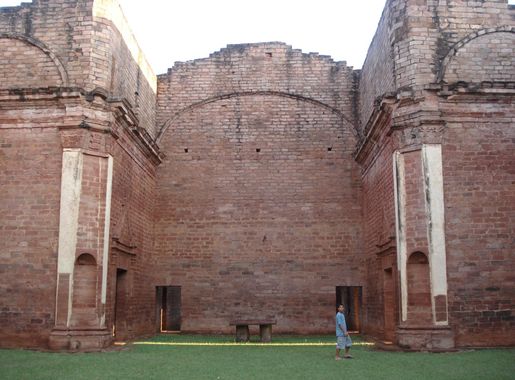
To experience Southern Paraguay like a local, visit the local markets where you can buy fresh produce and traditional Paraguayan goods. Engage with locals; they are often friendly and willing to share stories about their culture and history. Don't miss the Jesuit Missions of La Santísima Trinidad de Paraná and Jesús de Tavarangue, which are UNESCO World Heritage Sites. For a unique experience, attend a traditional festival or event, such as the Carnival in Encarnación, which showcases vibrant local culture.
When is the best time to visit Southern Paraguay?
Useful Local Phrases for Southern Paraguay
You don't need to speak the language perfectly. Even learning a few simple words can make conversations warmer—and locals usually appreciate the effort.
— Eve

Here are the phrases I use most often in Southern Paraguay. Try a few—you'll be surprised how far they go! 😊
❤️
-
- HelloHola
[Ola] - GoodbyeAdiós
[Adee-os] - YesSí
[See] - NoNo
[No] - Please/You're welcomePor favor
[Por favor] - Thank youGracias
[Gra-thee-as] - Excuse me/SorryDisculpe
[Dees-kool-peh] - How are you?¿Cómo estás?
[Koh-mo ehs-tas] - Fine. And you?Bien. ¿Y tú?
[Bee-en. Ee too] - Do you speak English?¿Hablas inglés?
[Ah-blas een-glays] - I don't understandNo entiendo
[No en-tyen-do]
- HelloHola
-
- I'd like to see the menu, pleaseQuisiera ver el menú, por favor
[Kee-sye-ra ver el meh-noo, por favor] - I don't eat meatNo como carne
[No koh-mo kar-ne] - Cheers!¡Salud!
[Sa-lood] - I would like to pay, pleaseMe gustaría pagar, por favor
[Me goo-sta-ree-a pa-gar, por favor]
- I'd like to see the menu, pleaseQuisiera ver el menú, por favor
-
- Help!¡Ayuda!
[A-yoo-da] - Go away!¡Vete!
[Veh-te] - Call the Police!¡Llama a la policía!
[Ya-ma a la po-lee-see-a] - Call a doctor!¡Llama a un doctor!
[Ya-ma a un dok-tor] - I'm lostEstoy perdido
[Es-toy per-dee-do] - I'm illEstoy enfermo
[Es-toy en-fer-mo]
- Help!¡Ayuda!
-
- I'd like to buy...Quisiera comprar...
[Kee-sye-ra kom-prar] - I'm just lookingSolo estoy mirando
[So-lo es-toy mee-ran-do] - How much is it?¿Cuánto cuesta?
[Kwan-to kwes-ta] - That's too expensiveEso es muy caro
[Eh-so es moy ka-ro] - Can you lower the price?¿Puedes bajar el precio?
[Pwe-des ba-har el pre-syo]
- I'd like to buy...Quisiera comprar...
-
- What time is it?¿Qué hora es?
[Ke o-ra es] - It's one o'clockEs la una
[Es la oo-na] - Half past (10)Y media (10)
[Ee me-dia (diez)] - MorningMañana
[Ma-nyana] - AfternoonTarde
[Tar-de] - EveningNoche
[No-che] - YesterdayAyer
[A-yer] - TodayHoy
[Oy] - TomorrowMañana
[Ma-nyana] - 1Uno
[Oo-no] - 2Dos
[Dos] - 3Tres
[Tres] - 4Cuatro
[Kwah-tro] - 5Cinco
[Seen-ko] - 6Seis
[Sace] - 7Siete
[Syet-e] - 8Ocho
[O-cho] - 9Nueve
[Nwe-ve] - 10Diez
[Dyez]
- What time is it?¿Qué hora es?
-
- Where's a/the...?¿Dónde hay un...?
[Don-de ai un] - What's the address?¿Cuál es la dirección?
[Kwal es la dee-rek-syon] - Can you show me (on the map)?¿Puedes mostrarme (en el mapa)?
[Pwe-des mos-trar-me (en el ma-pa)] - When's the next (bus)?¿Cuándo es el próximo (bus)?
[Kwan-do es el pro-ksi-mo (bus)] - A ticket (to ....)Un boleto (a ...)
[Un bo-le-to (a ...)]
- Where's a/the...?¿Dónde hay un...?
History of Southern Paraguay
-
Long before the arrival of European settlers, Southern Paraguay was home to the Guaraní people. The Guaraní are known for their rich oral traditions, agricultural practices, and deep connection to the land. Their influence can still be felt today in the language, customs, and traditional foods of the region.
-
In the 17th century, Jesuit missionaries established several missions in Southern Paraguay, aiming to convert and educate the indigenous population. These missions, such as those in Trinidad and Jesús de Tavarangue, became centers of cultural and religious life. The ruins of these missions are now UNESCO World Heritage sites and offer a glimpse into this fascinating period.
-
The Paraguayan War (1864-1870), also known as the War of the Triple Alliance, had a profound impact on Southern Paraguay. The war involved Paraguay fighting against Brazil, Argentina, and Uruguay. It led to significant loss of life and economic turmoil. The region still bears scars from this devastating conflict, and many memorials and historical sites commemorate the events.
-
In the early 20th century, Mennonite communities from Canada, Russia, and Germany settled in Southern Paraguay. They were granted land by the Paraguayan government and have since developed successful agricultural enterprises. The Mennonite influence is evident in the region’s architecture, language, and agricultural practices.
-
Completed in 1984, the Itaipú Dam is one of the largest hydroelectric dams in the world and a joint venture between Paraguay and Brazil. Located on the Paraná River, it provides a significant portion of Paraguay’s electricity. The dam is a marvel of engineering and an important symbol of cooperation between the two countries.
-
Southern Paraguay is known for its vibrant cultural festivals, which celebrate the region’s diverse heritage. Events such as the San Juan Festival in June feature traditional music, dance, and cuisine. These festivals provide a lively and immersive experience for visitors, showcasing the rich cultural tapestry of the region.
-
Yerba mate, a traditional South American drink, has deep roots in Southern Paraguay. The cultivation and consumption of yerba mate are integral parts of the local culture. Visitors can explore yerba mate plantations and learn about the production process, from cultivation to the ceremonial drinking of mate.
Neighbouring Regions of Southern Paraguay
The closest regions to Southern Paraguay, if you have time for more than one.


Your all‑in‑one travel companion app
Explore expert travel guides, compare and book tours, experiences, hotels, and more—all from the palm of your hand. Download now for seamless trip planning wherever your wanderlust takes you.


Explore More of Paraguay

Looking beyond Southern Paraguay? Discover Paraguay for broader travel guides, local hot-spots, and regional highlights.
Explore ParaguaySouthern Paraguay in Photos
Browse through our photo collection highlighting the charm and character of the destination.


Discover the Heart of Southern Paraguay
Southern Paraguay is a region rich in natural beauty and cultural heritage. It is a land where verdant hills meet wide rivers, creating stunning landscapes that are perfect for outdoor activities like hiking, bird-watching, and boating. The area is home to many national parks, including the famous Ybycuí National Park, which boasts lush forests, waterfalls, and a wealth of biodiversity. The region is also steeped in history and tradition. Small towns and villages preserve the essence of Paraguayan culture with their colonial architecture, traditional crafts, and vibrant local festivals. Exploring these settlements offers a glimpse into the everyday life of the Paraguayan people, who are known for their warmth and hospitality. Food lovers will delight in the local cuisine, which includes dishes like sopa paraguaya, a hearty cornbread, and asado, a type of barbecue that is a staple in the region. Fresh produce from the fertile land of Southern Paraguay ensures that every meal is a culinary adventure. Southern Paraguay is also an excellent base for exploring the broader region. The city of Encarnación, often referred to as the Pearl of the South, is known for its Carnaval, beautiful riverfront, and well-preserved Jesuit Missions, which are UNESCO World Heritage sites. Whether you are seeking adventure, culture, or relaxation, Southern Paraguay offers a diverse array of experiences that will make your visit unforgettable.