
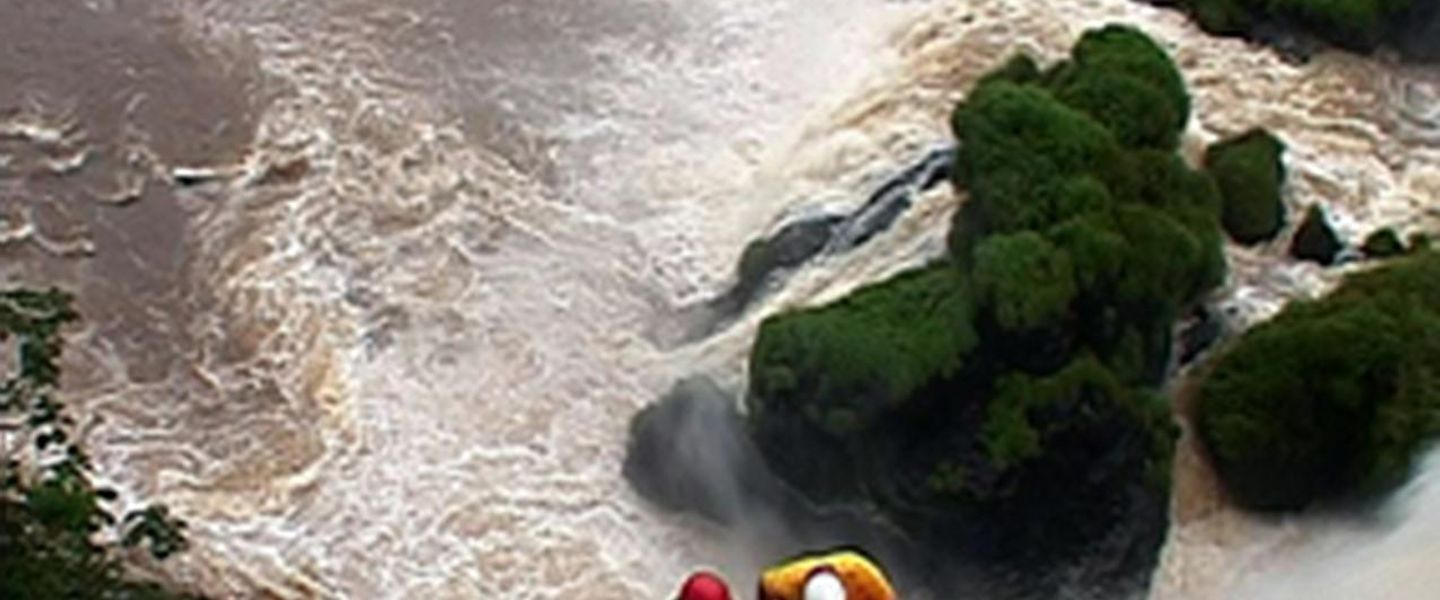
Ñeembucú Marshes, Paraguay Travel Guide
Explore the tranquil Ñeembucú Marshes in Paraguay, a paradise for bird watchers, history buffs, and adventure seekers alike.
Nestled in the heart of southwestern Paraguay, the Ñeembucú Marshes are a serene escape into nature. This vast wetland area is a haven for bird watchers, with over 400 species of birds making it their home. From the vibrant plumage of the jabiru stork to the melodic calls of the southern screamer, the marshes offer a symphony of sights and sounds for nature enthusiasts. The Ñeembucú Marshes are also rich in history and culture. The nearby town of Pilar, known for its colonial architecture and warm hospitality, serves as the perfect gateway to the marshes. Visitors can explore the local museums, enjoy traditional Paraguayan cuisine, and learn about the region's storied past. For adventure seekers, the marshes offer numerous activities such as boating, fishing, and guided tours. The tranquil waters and lush greenery create an ideal setting for a memorable outdoor experience. Whether you're paddling through the waterways or hiking along the trails, the Ñeembucú Marshes promise a unique and unforgettable journey into the natural beauty of Paraguay.

Know before you go
Hi, I'm Eve. Here are a few practical things to know before exploring Ñeembucú Marshes.
- Visit during the dry season from May to October for easier access and more wildlife sightings.
- Bring binoculars for bird watching; the diversity of species is astounding.
- Wear comfortable, waterproof footwear as the terrain can be marshy and uneven.
- Don't miss a visit to Pilar for a cultural experience and local cuisine.
- Hire a local guide to enhance your experience with expert knowledge of the area.
Top City Travel Guides in Ñeembucú Marshes
The cities of Ñeembucú Marshes, and the easiest places to base yourself.


Destinations in Ñeembucú Marshes
Resorts, valleys and scenic spots worth a trip of their own.


Explore Ñeembucú Marshes: Things to Do, Places to Eat, Hotels & More
Handpicked recommendations for top attractions, local dining, accommodations, and more

Top Attractions & Sightseeing in Ñeembucú Marshes
Top-rated picks
Best Attractions

Cabildo de Pilar
Explore the Cabildo de Pilar, a heritage museum that unveils the rich history and cultural legacy of Paraguay in an enchanting setting.

Quyquyhó
Experience the charm and beauty of Quyquyhó, Paraguay; a hidden treasure for culture and nature lovers alike.

Museo de Humaita
Explore the rich history of Paraguay at Museo de Humaita, where captivating exhibits bring the nation's past to life in a welcoming atmosphere.

Mural Artístico y Letras Corpóreas
Discover the vibrant murals and captivating three-dimensional letters at Mural Artístico y Letras Corpóreas in Quyquyhó, Paraguay, a true artistic gem.

Best landmarks in Ñeembucú Marshes
Top-rated picks
Best Landmarks

Asentamiento San Isidro (Colonia Yataity)
Explore the captivating history and serene landscapes of Asentamiento San Isidro, a significant historical landmark in Yataity, Paraguay.
Barrio 8 de Diciembre (Colonia Yataity)
Explore the cultural heritage and vibrant community spirit of Barrio 8 de Diciembre, a historical landmark in Colonia Yataity, Paraguay.

Best restaurants in Ñeembucú Marshes
Top-rated picks
Best Restaurants

Bolsi
Experience authentic Paraguayan cuisine at Bolsi in Asunción—where every meal is a celebration of flavor.

Churrasquería O Gaúcho
Experience authentic Paraguayan barbecue at Churrasquería O Gaúcho in Asunción, where flavor meets hospitality.

El Café de Acá
Discover El Café de Acá in Asunción: A delightful breakfast spot renowned for exceptional coffee and local flavors in a cozy setting.

La Cabrera
Experience the taste of authentic Paraguayan cuisine at La Cabrera Steakhouse in Asunción - a true haven for meat lovers.

Best bars in Ñeembucú Marshes
Top-rated picks
Best Bars

Tupi Electrodomésticos S.A
Discover quality home goods and appliances at Tupi Electrodomésticos S.A in Asunción, the ideal shopping destination for tourists seeking value and variety.

Paseo Carmelitas
Discover the lively nightlife at Paseo Carmelitas, featuring diverse bars, restaurants, and clubs in the heart of Asunción.

Luisito hypermarket Ñemby
Explore the bustling Luisito Hypermarket in Ñemby for a unique shopping experience rich in local culture and flavors.
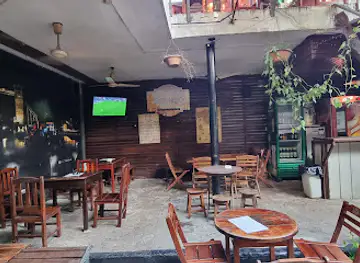
Britannia Pub
Discover the lively Britannia Pub in Asunción, where delicious food, great drinks, and vibrant music create an unforgettable experience.

Best nightclubs in Ñeembucú Marshes
Top-rated picks
Best Nightclubs

Morgan Warehouse, Nightclub
Experience the vibrant nightlife of Asunción at Morgan Warehouse, a premier nightclub offering stylish decor, great music, and an unforgettable atmosphere.

NAXOS CLUB PY
Immerse yourself in the vibrant nightlife of Pilar at NAXOS CLUB PY, where unforgettable dance experiences await amidst pulsating beats and stunning visuals.

FAMILIACUEVAS-SONIDO ENIGMA DISCO
Experience the vibrant nightlife of Pilar at FAMILIACUEVAS-SONIDO ENIGMA DISCO, where electrifying music and an energetic atmosphere await.
Huguito Cantina
Discover the heart of San Juan's nightlife at Huguito Cantina, where vibrant music and delicious drinks create unforgettable nights.

Best shops in Ñeembucú Marshes
Top-rated picks
Best Shops

Paseo La Galería
Discover the ultimate shopping experience at Paseo La Galería in Asunción, Paraguay, blending retail therapy with delightful dining and entertainment.

delSol Shopping
Explore delSol Shopping in Asunción: A vibrant mall with diverse shopping, dining, and entertainment experiences.

Shopping Mariscal
Discover Shopping Mariscal in Asunción, a bustling shopping mall offering diverse retail, dining, and entertainment experiences for all visitors.

Nissei
Discover Nissei in Ciudad del Este: Your ultimate shopping destination for electronics, perfumes, and more in a vibrant atmosphere.

Explore Ñeembucú Marshes on the Map
A handpicked selection of must-see spots in Ñeembucú Marshes, mapped for you.
Ñeembucú Marshes Essentials
-
Ñeembucú Marshes are located in the Ñeembucú Department of Paraguay. The nearest major city is Asunción, the capital of Paraguay. From Asunción, you can reach the marshes by car, which takes about 4 to 5 hours via Route 1 and then Route 4. Buses also operate from Asunción to Pilar, the capital of Ñeembucú Department, and the journey typically takes 5 to 6 hours. Alternatively, you can hire a private taxi or join an organized tour.
-
Once in Ñeembucú, transportation options include local buses, taxis, and boat tours for navigating through the marshes. Renting a car is also a viable option if you prefer to explore the area independently. Keep in mind that some roads may be unpaved and require a 4x4 vehicle. Additionally, bicycles can be rented in Pilar for a more eco-friendly way to explore the region.
-
The official currency in Paraguay is the Paraguayan Guarani (PYG). While credit cards are accepted in some hotels, restaurants, and shops in Pilar, it is advisable to carry cash, especially when traveling to more remote areas of the marshes. ATMs are available in Pilar but might be scarce in smaller villages, so plan accordingly.
-
Ñeembucú Marshes are generally safe for tourists, but standard precautions should be taken. Avoid walking alone at night in unfamiliar areas and keep an eye on your belongings in crowded places like markets. While there are no specific high-crime areas targeting tourists, it is always best to stay vigilant and aware of your surroundings. It's also advisable to travel with a guide when exploring remote areas of the marshes.
-
In case of emergency, dial 911 for immediate assistance. The local police station and medical facilities are available in Pilar. It is recommended to have travel insurance that covers medical emergencies. For minor health issues, there are pharmacies in Pilar where you can purchase over-the-counter medications. For more serious medical emergencies, it may be necessary to travel to Asunción for advanced care.
-
Fashion: Do dress comfortably and in layers, as the weather can vary. Wear waterproof clothing and sturdy shoes when exploring the marshes. Avoid overly flashy or revealing clothing. Religion: Do respect local customs and traditions. When visiting religious sites, dress modestly and behave respectfully. Public Transport: Do be courteous and offer your seat to elderly passengers. Don't eat or drink on public transport. Greetings: Do greet people with a handshake or a friendly 'Hola.' Personal space is respected, so avoid overly physical greetings. Eating & Drinking: Do try local delicacies and accept food offerings graciously. Don't refuse hospitality, as it is considered impolite.
-
To experience Ñeembucú Marshes like a local, visit the local markets in Pilar where you can buy fresh produce and traditional Paraguayan goods. Engage with locals, as they are often friendly and willing to share stories about the area's history and culture. Don't miss a boat tour through the marshes to observe the rich wildlife, including various bird species. For a unique experience, attend a local festival or event to immerse yourself in the vibrant culture of Ñeembucú.
When is the best time to visit Ñeembucú Marshes?
Useful Local Phrases for Ñeembucú Marshes
You don't need to speak the language perfectly. Even learning a few simple words can make conversations warmer—and locals usually appreciate the effort.
— Eve

Here are the phrases I use most often in Ñeembucú Marshes. Try a few—you'll be surprised how far they go! 😊
❤️
-
- HelloHola
[Ola] - GoodbyeAdiós
[Adios] - YesSí
[Si] - NoNo
[No] - Please/You're welcomePor favor
[Por favor] - Thank youGracias
[Grasias] - Excuse me/SorryDisculpe
[Diskulpe] - How are you?¿Cómo estás?
[Como estas] - Fine. And you?Bien. ¿Y tú?
[Bien. I tu] - Do you speak English?¿Hablas inglés?
[Hablas ingles] - I don't understandNo entiendo
[No entiendo]
- HelloHola
-
- I'd like to see the menu, pleaseMe gustaría ver el menú, por favor
[Me gustaria ver el menu, por favor] - I don't eat meatNo como carne
[No como karne] - Cheers!¡Salud!
[Salud] - I would like to pay, pleaseMe gustaría pagar, por favor
[Me gustaria pagar, por favor]
- I'd like to see the menu, pleaseMe gustaría ver el menú, por favor
-
- Help!¡Ayuda!
[Ayuda] - Go away!¡Vete!
[Vete] - Call the Police!¡Llama a la policía!
[Llama a la policia] - Call a doctor!¡Llama a un doctor!
[Llama a un doktor] - I'm lostEstoy perdido
[Estoy perdido] - I'm illEstoy enfermo
[Estoy enfermo]
- Help!¡Ayuda!
-
- I'd like to buy...Me gustaría comprar...
[Me gustaria comprar...] - I'm just lookingSolo estoy mirando
[Solo estoy mirando] - How much is it?¿Cuánto cuesta?
[Cuanto cuesta] - That's too expensiveEso es muy caro
[Eso es mui karo] - Can you lower the price?¿Puedes bajar el precio?
[Puedes bajar el precio]
- I'd like to buy...Me gustaría comprar...
-
- What time is it?¿Qué hora es?
[Que ora es] - It's one o'clockEs la una
[Es la una] - Half past (10)Y media (10)
[Y media (10)] - MorningMañana
[Mañana] - AfternoonTarde
[Tarde] - EveningNoche
[Noche] - YesterdayAyer
[Ayer] - TodayHoy
[Hoy] - TomorrowMañana
[Mañana] - 1Uno
[Uno] - 2Dos
[Dos] - 3Tres
[Tres] - 4Cuatro
[Cuatro] - 5Cinco
[Sinko] - 6Seis
[Seis] - 7Siete
[Siete] - 8Ocho
[Ocho] - 9Nueve
[Nueve] - 10Diez
[Diez]
- What time is it?¿Qué hora es?
-
- Where's a/the...?¿Dónde está un/una...?
[Donde esta un/una] - What's the address?¿Cuál es la dirección?
[Cual es la direccion] - Can you show me (on the map)?¿Puedes mostrarme (en el mapa)?
[Puedes mostrarme (en el mapa)] - When's the next (bus)?¿Cuándo es el próximo (bus)?
[Cuándo es el proximo] - A ticket (to ....)Un boleto (a ....)
[Un boleto (a ....)]
- Where's a/the...?¿Dónde está un/una...?
History of Ñeembucú Marshes
-
Before European colonization, the Ñeembucú Marshes were inhabited by the Guaraní people. They had a profound connection with the land, relying on its rich biodiversity for sustenance and medicinal purposes. The Guaraní culture, language, and traditions have left an indelible mark on the region, influencing its cultural landscape to this day.
-
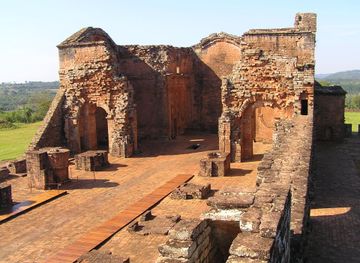
In the 16th century, Spanish explorers and settlers arrived in the region, leading to the establishment of Jesuit missions. These missions aimed to convert the indigenous population to Christianity while introducing European agricultural practices. The Jesuits played a pivotal role in shaping the early colonial history of Ñeembucú, often clashing with Spanish colonial authorities over the treatment of the indigenous people.
-
The Ñeembucú Marshes were a significant battleground during the War of the Triple Alliance (1864-1870), in which Paraguay fought against Brazil, Argentina, and Uruguay. The marshes served as a natural barrier and strategic defensive location for Paraguayan forces. Despite their efforts, Paraguay suffered a devastating defeat, and the war had a lasting impact on the region's demographics and infrastructure.
-
Following the War of the Triple Alliance, Ñeembucú faced a period of reconstruction. The Paraguayan government implemented various initiatives to rebuild infrastructure and revitalize the economy. Agricultural development, particularly cattle ranching, became a focus, transforming the landscape and economy of the marshes. This period also saw an influx of European immigrants, contributing to the cultural diversity of the region.
-
In recent decades, there has been growing recognition of the ecological importance of the Ñeembucú Marshes. Conservation efforts have been initiated to protect the unique wetlands and their biodiversity. These initiatives aim to balance environmental preservation with sustainable development, ensuring the marshes remain a vital ecosystem for future generations.
Neighbouring Regions of Ñeembucú Marshes
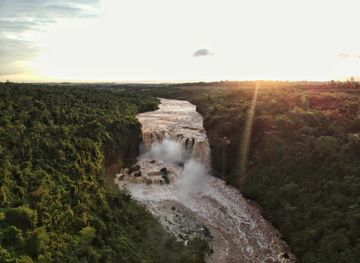
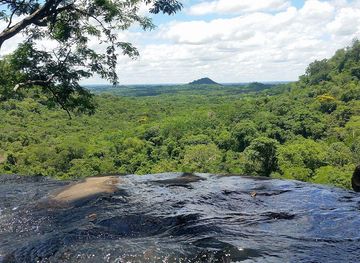
The closest regions to Ñeembucú Marshes, if you have time for more than one.



Your all‑in‑one travel companion app
Explore expert travel guides, compare and book tours, experiences, hotels, and more—all from the palm of your hand. Download now for seamless trip planning wherever your wanderlust takes you.


Explore More of Paraguay

Looking beyond Ñeembucú Marshes? Discover Paraguay for broader travel guides, local hot-spots, and regional highlights.
Explore ParaguayÑeembucú Marshes in Photos
Browse through our photo collection highlighting the charm and character of the destination.

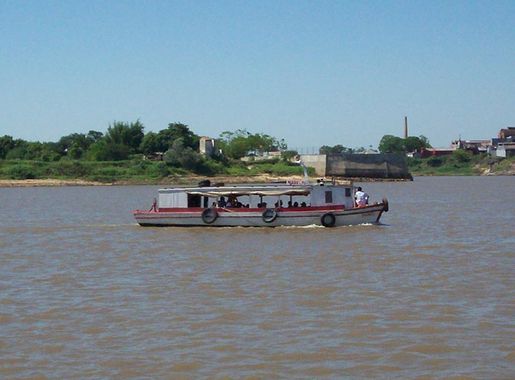


Ñeembucú Marshes: A Hidden Gem of Paraguay's Wetland Wonderland
Nestled in the heart of southwestern Paraguay, the Ñeembucú Marshes are a serene escape into nature. This vast wetland area is a haven for bird watchers, with over 400 species of birds making it their home. From the vibrant plumage of the jabiru stork to the melodic calls of the southern screamer, the marshes offer a symphony of sights and sounds for nature enthusiasts. The Ñeembucú Marshes are also rich in history and culture. The nearby town of Pilar, known for its colonial architecture and warm hospitality, serves as the perfect gateway to the marshes. Visitors can explore the local museums, enjoy traditional Paraguayan cuisine, and learn about the region's storied past. For adventure seekers, the marshes offer numerous activities such as boating, fishing, and guided tours. The tranquil waters and lush greenery create an ideal setting for a memorable outdoor experience. Whether you're paddling through the waterways or hiking along the trails, the Ñeembucú Marshes promise a unique and unforgettable journey into the natural beauty of Paraguay.