

Pantanal, Paraguay Travel Guide
Explore the Pantanal in Paraguay, a vast tropical wetland teeming with wildlife, offering unique eco-tourism experiences and unforgettable adventures.
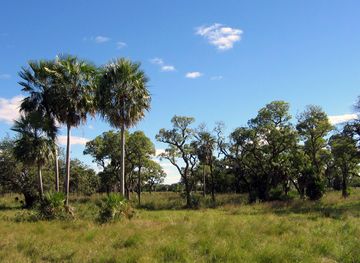
Discover the Pantanal, the world's largest tropical wetland, located in Paraguay. This natural wonder is a sanctuary for wildlife and a paradise for bird watchers. Spanning over 140,000 square kilometers, the Pantanal is a mosaic of lagoons, rivers, and marshes, teeming with life. The Pantanal offers a unique opportunity to see a variety of animals in their natural habitat. Jaguars, capybaras, giant otters, and hundreds of bird species call this place home. The landscape changes with the seasons, offering a different yet equally stunning experience whether you visit during the wet or dry season. Eco-tourism is thriving here, with numerous lodges and guided tours available. Whether you choose to explore by boat, on horseback, or on foot, you will be awed by the beauty and diversity of this untouched wilderness. Local guides, deeply familiar with the terrain and its inhabitants, can provide insights and ensure you make the most of your visit.

Know before you go
Hi, I'm Eve. Here are a few practical things to know before exploring Pantanal.
- Best time to visit is during the dry season from May to September when wildlife is easier to spot.
- Hire a local guide to enhance your experience and increase your chances of spotting rare animals.
- Pack light, breathable clothing and insect repellent to stay comfortable and protected.
- Consider staying in eco-lodges for an immersive and sustainable experience.
- Bring binoculars and a good camera to capture the breathtaking wildlife and landscapes.

Best landmarks in Pantanal
Top-rated picks
Best Landmarks

Monday Falls
Experience the breathtaking beauty of Monday Falls, a stunning national park in Presidente Franco, Paraguay, where nature and adventure await.

Plaza Uruguaya
Discover the charm of Plaza Uruguaya, a lush park in Asunción that seamlessly blends nature, culture, and history for an unforgettable tourist experience.

Jesuit Mission of the Holy Trinity
Explore the Jesuit Mission of the Holy Trinity in Trinidad, a UNESCO World Heritage Site showcasing Paraguay's rich history and stunning architecture.

Playa De Aregua
Discover the tranquil beauty of Playa De Aregua, a picturesque lakeside park in Areguá, perfect for relaxation and family outings.

Best restaurants in Pantanal
Top-rated picks
Best Restaurants
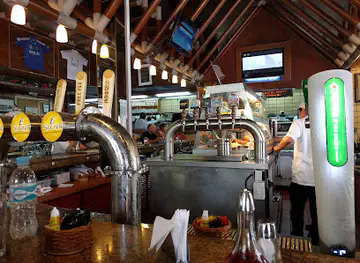
Bolsi
Experience the flavors of Paraguay at Bolsi - a family-friendly restaurant offering breakfast, sushi, and more in the heart of Asunción.

Lido Bar
Experience authentic Paraguayan flavors at Lido Bar, a beloved culinary destination in Asunción offering vibrant ambiance and delicious dishes.

Churrasquería O Gaúcho
Experience authentic Brazilian barbecue at Churrasquería O Gaúcho in Asunción - where every bite is a celebration of flavor.
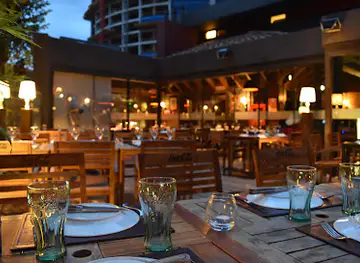
La Cabrera
Experience exquisite steak dining at La Cabrera in Asunción – where flavor meets tradition in a cozy setting.

Best bars in Pantanal
Top-rated picks
Best Bars

Paseo Carmelitas
Discover the lively energy of Paseo Carmelitas in Asunción, where nightlife, dining, and entertainment come together for an unforgettable experience.
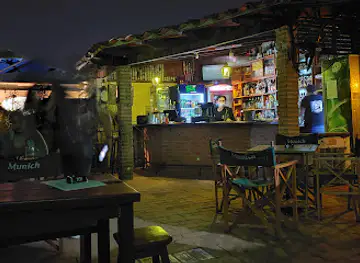
Britannia Pub
Discover the lively atmosphere of Britannia Pub, where delicious food and vibrant nightlife await in the heart of Asunción, Paraguay.

Bar San Miguel
Discover Bar San Miguel, a culinary gem in Asunción, where exquisite coffee meets delightful cuisine in a vibrant atmosphere.
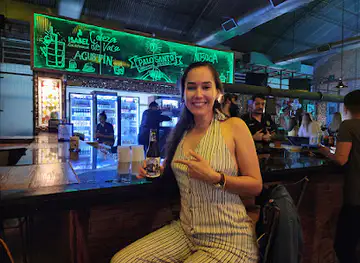
Palo Santo Brewing Company
Experience the vibrant craft beer culture at Palo Santo Brewing Company in Asunción, where local flavors meet innovative brewing.

Best nightclubs in Pantanal
Top-rated picks
Best Nightclubs

Paseo Carmelitas
Experience the vibrant nightlife of Asunción at Paseo Carmelitas, where delicious food meets lively entertainment in a perfect blend.

O'Leary club
Discover the vibrant nightlife at O'Leary Club in Asunción, where innovative cocktails and a lively atmosphere await every visitor.

Velvet Asuncion
Discover the heartbeat of Asuncion's nightlife at Velvet Asuncion, where dancing and vibrant energy create unforgettable memories.

Absoluto Rock Bar
Discover the vibrant nightlife at Absoluto Rock Bar, where live music and energetic vibes create an unforgettable experience in Asunción.

Best shops in Pantanal
Top-rated picks
Best Shops

Paseo La Galería
Explore shopping, dining, and entertainment at Paseo La Galería, Asunción's premier mall, where local culture meets modern retail.

delSol Shopping
Discover the vibrant DelSol Shopping mall in Asunción, a hub of shopping, dining, and entertainment that showcases the best of Paraguayan culture.

Shopping Mariscal
Discover Shopping Mariscal in Asunción, Paraguay: A vibrant shopping mall with diverse retail, dining options, and entertainment for an unforgettable experience.

Shopping Paris
Discover the ultimate shopping experience at Shopping Paris in Ciudad del Este, where shopping, dining, and entertainment come together for every visitor.

Explore Pantanal on the Map
A handpicked selection of must-see spots in Pantanal, mapped for you.
Pantanal Essentials
-
The Pantanal region in Paraguay can be accessed primarily by air and road. The nearest major airport is Silvio Pettirossi International Airport in Asunción, the capital of Paraguay. From Asunción, you can take a domestic flight to the city of Filadelfia, which is the gateway to the Pantanal. Alternatively, you can travel by bus or rent a car for the approximately 8-10 hour journey by road, depending on the weather and road conditions. During the wet season, roads can become challenging, so it's advisable to check conditions in advance.
-
Within the Pantanal, transportation options include 4x4 vehicles, boats, and guided tours. Many lodges and tour operators offer packages that include transportation. Given the vast and often challenging terrain, renting a car is not recommended unless you are very familiar with the area and have a suitable vehicle. Boat tours are popular for exploring the waterways and observing wildlife. Always ensure your transportation is arranged in advance, especially during peak tourist seasons.
-
The official currency in Paraguay is the Paraguayan Guarani (PYG). While credit cards are accepted in major hotels and some tourist facilities, cash is essential for smaller establishments and remote areas. ATMs are available in cities like Filadelfia, but it is advisable to carry sufficient cash before heading into the Pantanal. Exchange rates are generally better in larger cities, so consider exchanging currency before arriving in the region.
-
The Pantanal in Paraguay is generally safe for tourists, but standard precautions should be taken. Avoid traveling alone at night and keep your belongings secure. While crime rates targeting tourists are not significantly high, some areas in larger towns like Filadelfia may experience petty crime. Always stay informed about the local situation and avoid isolated areas without a guide. Wildlife encounters are common, so follow the advice of your guide to ensure safety.
-
In case of emergency, dial 911 for immediate assistance. Medical facilities in the Pantanal are limited, so it's important to have travel insurance that covers medical emergencies. For minor health issues, there are pharmacies in Filadelfia. It's also advisable to carry a basic first aid kit and any necessary medications. In case of severe medical emergencies, you may need to be transported to a larger city such as Asunción.
-
Fashion: Do wear comfortable, light clothing suitable for hot and humid conditions. Long sleeves and pants are recommended to protect against insects. Avoid flashy jewelry. Religion: Do respect local customs and traditions. If visiting indigenous communities, always ask for permission before taking photos. Public Transport: Do plan your journeys in advance as public transport options can be limited. Don’t rely on public transport for timely travel; private arrangements are more reliable. Greetings: Do greet people with a handshake and a smile. It's polite to use formal titles when addressing locals. Eating & Drinking: Do try local dishes and be open to new flavors. Don’t drink tap water; always opt for bottled or purified water.
-
To experience the Pantanal like a local, consider staying in a traditional estancia (ranch) where you can partake in daily activities such as cattle herding and traditional BBQs. Engage with local guides who can share their extensive knowledge of the wildlife and ecosystems. Visit local markets to purchase handmade crafts and local produce. Participate in birdwatching tours, as the Pantanal is home to a diverse array of bird species. Respect the natural environment by following eco-friendly practices and supporting local conservation efforts.
When is the best time to visit Pantanal?
Useful Local Phrases for Pantanal
You don't need to speak the language perfectly. Even learning a few simple words can make conversations warmer—and locals usually appreciate the effort.
— Eve

Here are the phrases I use most often in Pantanal. Try a few—you'll be surprised how far they go! 😊
❤️
-
- HelloHola
[Oh-lah] - GoodbyeAdiós
[Ah-dee-ohs] - YesSí
[See] - NoNo
[Noh] - Please/You're welcomePor favor
[Por fah-vor] - Thank youGracias
[Grah-syahs] - Excuse me/SorryPerdón
[Pehr-dohn] - How are you?¿Cómo estás?
[Koh-moh eh-stahs] - Fine. And you?Bien. ¿Y tú?
[Bee-ehn. Ee too] - Do you speak English?¿Hablas inglés?
[Ah-blahs een-glehs] - I don't understandNo entiendo
[Noh en-tyen-doh]
- HelloHola
-
- I'd like to see the menu, pleaseMe gustaría ver el menú, por favor
[Meh goo-stah-ree-ah vehr el meh-noo, por fah-vor] - I don’t eat meatNo como carne
[Noh koh-moh kar-neh] - Cheers!¡Salud!
[Sah-lood] - I would like to pay, pleaseMe gustaría pagar, por favor
[Meh goo-stah-ree-ah pah-gar, por fah-vor]
- I'd like to see the menu, pleaseMe gustaría ver el menú, por favor
-
- Help!¡Ayuda!
[Ah-yoo-dah] - Go away!¡Vete!
[Veh-teh] - Call the Police!¡Llama a la policía!
[Yah-mah ah la poh-lee-syah] - Call a doctor!¡Llama a un doctor!
[Yah-mah ah oon dok-tor] - I'm lostEstoy perdido
[Eh-stoy pehr-dee-doh] - I'm illEstoy enfermo
[Eh-stoy en-fehr-moh]
- Help!¡Ayuda!
-
- I'd like to buy...Me gustaría comprar...
[Meh goo-stah-ree-ah kom-prar] - I'm just lookingSolo estoy mirando
[Soh-lo eh-stoy mee-ran-doh] - How much is it?¿Cuánto cuesta?
[Kwan-toh kwes-tah] - That's too expensiveEs muy caro
[Es mwee kah-roh] - Can you lower the price?¿Puedes bajar el precio?
[Pweh-des bah-har el preh-syo]
- I'd like to buy...Me gustaría comprar...
-
- What time is it?¿Qué hora es?
[Keh oh-rah es] - It's one o'clockEs la una
[Es lah oo-nah] - Half past (10)Diez y media
[Dyehs ee meh-dee-ah] - MorningMañana
[Mah-nyah-nah] - AfternoonTarde
[Tar-deh] - EveningNoche
[Noh-cheh] - YesterdayAyer
[Ah-yer] - TodayHoy
[Oy] - TomorrowMañana
[Mah-nyah-nah] - 1Uno
[Oo-noh] - 2Dos
[Dohs] - 3Tres
[Trehs] - 4Cuatro
[Kwah-troh] - 5Cinco
[Seen-koh] - 6Seis
[Says] - 7Siete
[Syay-teh] - 8Ocho
[Oh-choh] - 9Nueve
[Nweh-veh] - 10Diez
[Dyehs]
- What time is it?¿Qué hora es?
-
- Where's a/the...?¿Dónde está un/a...?
[Dohn-deh es-tah oon/ah] - What's the address?¿Cuál es la dirección?
[Kwahl es lah dee-rehk-syon] - Can you show me (on the map)?¿Puedes mostrarme (en el mapa)?
[Pweh-des mos-trar-meh (en el mah-pah)] - When's the next (bus)?¿Cuándo es el próximo (bus)?
[Kwan-doh es el prohk-see-mo (boos)] - A ticket (to ....)Un boleto (a ....)
[Oon boh-leh-toh (ah ....)]
- Where's a/the...?¿Dónde está un/a...?
History of Pantanal
-
The Pantanal region in Paraguay has been home to various indigenous groups for centuries. The Guarani people, among others, have lived in harmony with this unique ecosystem, utilizing its resources sustainably. Their deep knowledge of the land, flora, and fauna has been passed down through generations, shaping the cultural landscape of the Pantanal.
-
The arrival of Spanish explorers in the 16th century marked a significant shift in the Pantanal's history. Colonization brought new agricultural practices, livestock, and European settlers, which began to alter the traditional ways of life for the indigenous populations. Missions were established to convert the native people to Christianity, leading to cultural intermingling and conflict.
-
The Chaco War (1932-1935) between Paraguay and Bolivia had a profound impact on the Pantanal region. This conflict was primarily over control of the Gran Chaco, a region thought to be rich in oil. The war disrupted local communities and led to significant changes in land use and military presence in the area. The aftermath of the war saw increased national interest in the Pantanal as part of Paraguay's territorial integrity.
-
In the late 20th and early 21st centuries, increased awareness of the Pantanal's ecological importance led to various conservation initiatives. Paraguayan and international organizations have worked to protect this vital wetland from threats such as deforestation, agriculture, and climate change. These efforts aim to preserve the Pantanal's unique biodiversity and cultural heritage for future generations.
-
The Pantanal region is rich in cultural traditions and festivals that reflect its diverse heritage. One notable celebration is the Fiesta de San Juan, which includes folk dances, traditional music, and local cuisine. These events are not only a testament to the region's vibrant culture but also serve as a means of preserving and promoting its historical legacy.
-
Today, the Pantanal in Paraguay is a blend of ancient traditions and modern influences. Ecotourism has become a significant part of the local economy, drawing visitors from around the world to experience its natural beauty and cultural richness. Ongoing efforts to balance development with conservation continue to shape the future of this remarkable region.
Neighbouring Regions of Pantanal
The closest regions to Pantanal, if you have time for more than one.



Your all‑in‑one travel companion app
Explore expert travel guides, compare and book tours, experiences, hotels, and more—all from the palm of your hand. Download now for seamless trip planning wherever your wanderlust takes you.


Explore More of Paraguay

Looking beyond Pantanal? Discover Paraguay for broader travel guides, local hot-spots, and regional highlights.
Explore ParaguayPantanal in Photos
Browse through our photo collection highlighting the charm and character of the destination.


Pantanal: The Hidden Gem of Paraguay
Discover the Pantanal, the world's largest tropical wetland, located in Paraguay. This natural wonder is a sanctuary for wildlife and a paradise for bird watchers. Spanning over 140,000 square kilometers, the Pantanal is a mosaic of lagoons, rivers, and marshes, teeming with life. The Pantanal offers a unique opportunity to see a variety of animals in their natural habitat. Jaguars, capybaras, giant otters, and hundreds of bird species call this place home. The landscape changes with the seasons, offering a different yet equally stunning experience whether you visit during the wet or dry season. Eco-tourism is thriving here, with numerous lodges and guided tours available. Whether you choose to explore by boat, on horseback, or on foot, you will be awed by the beauty and diversity of this untouched wilderness. Local guides, deeply familiar with the terrain and its inhabitants, can provide insights and ensure you make the most of your visit.