

Free Amish Country Travel Guide & Mobile App
Explore Amish Country with free travel guides. Discover regional history, expert tips, proposed trips, and audio guides on web or mobile app.


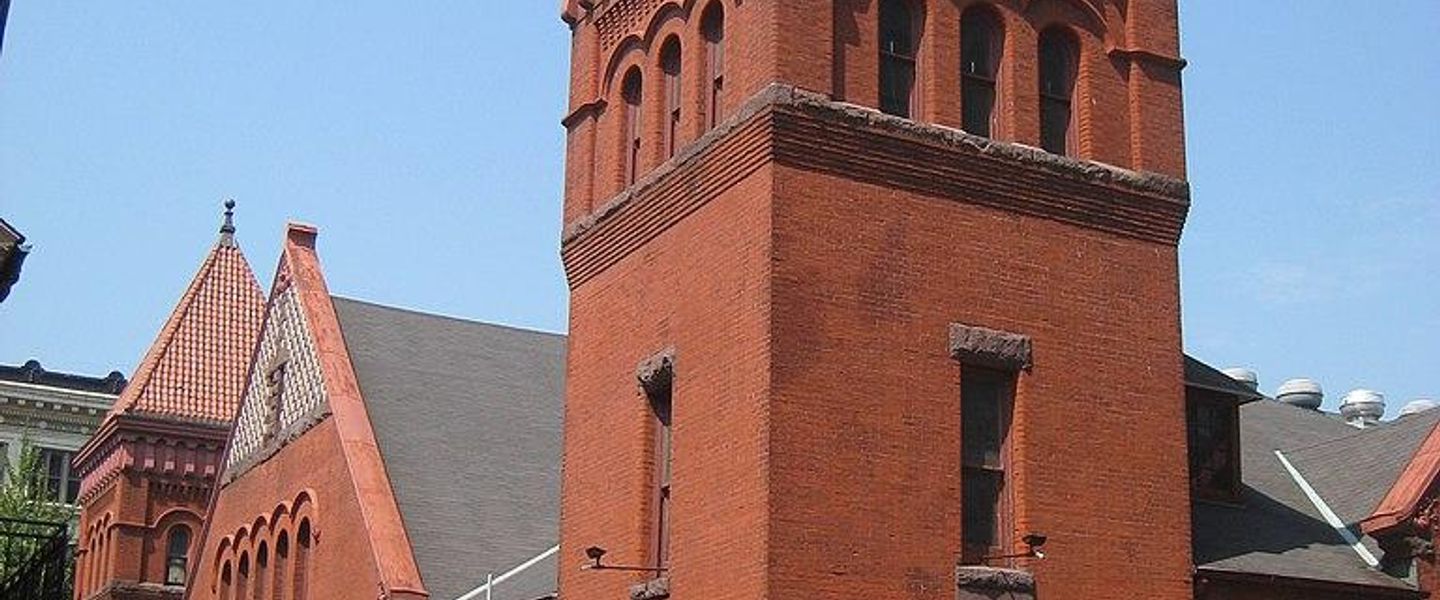


Explore Pennsylvania’s Amish Country for Lancaster County farmland, Pennsylvania German food, historic towns, rail heritage and respectful cultural encounters.
Read more about Amish Country
Getting to and around Amish Country
How to get there
Transportation
Top city travel guides in Amish Country
The cities of Amish Country, and the easiest places to base yourself.
-
-

-


Swipe for more cities
Destinations in Amish Country
Resorts, valleys and scenic spots worth a trip of their own.
-

-


Swipe for more destinations
Best attractions in Amish Country
Lancaster County’s attractions combine working countryside, religious history, transport heritage and small-town culture. Guided visits and interpretation centres around the Amish and Mennonite communities explain farming, worship and domestic life without turning private homes into spectacles. Ephrata Cloister presents the buildings and history of an eighteenth-century religious community, while Landis Valley Village & Farm Museum explores Pennsylvania German craftsmanship, agriculture and settlement. In Strasburg, the Railroad Museum of Pennsylvania and Strasburg Rail Road offer different perspectives on railway technology and passenger travel. Lancaster city contributes Central Market, museums, theatres and historic neighbourhoods, while rural districts provide farm shops, produce stands, quilt businesses and seasonal agricultural experiences. Families may find buggy rides, interactive farm attractions and railway excursions convenient, although the character and quality of individual experiences vary. Long’s Park and the county’s rural roads provide opportunities for outdoor time, while the wider attraction landscape is best understood as a meeting of living agriculture and carefully interpreted heritage rather than a single theme park.
-
Farmers' market
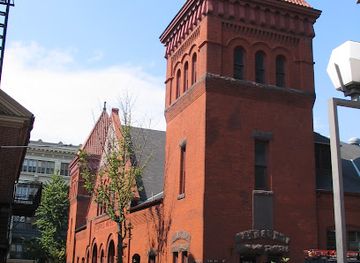
Lancaster Central Market
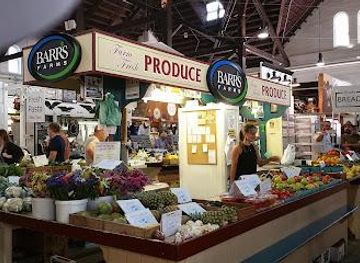
Explore the vibrant Lancaster Central Market, a historic farmers' market filled with fresh local produce, artisan goods, and warm community spirit.
-
Tourist attraction
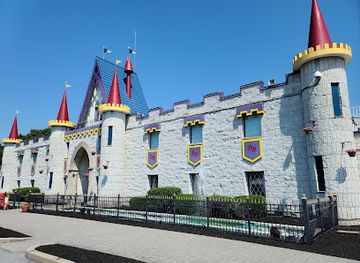
Dutch Wonderland Family Amusement Park
Discover the magic of Dutch Wonderland, a family-friendly amusement park in Lancaster, PA, offering rides, entertainment, and endless fun for all ages.
-
Heritage museum
The Amish Village
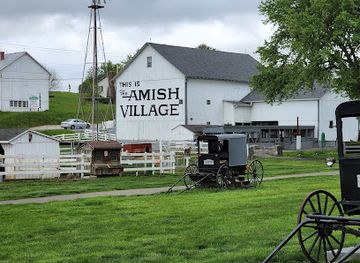
Discover the rich heritage of the Amish community at The Amish Village, a captivating museum in Ronks, Pennsylvania, showcasing their traditional way of life.
-
Museum
Amish Farm and House
Experience the rich heritage and tranquility of the Amish culture at the Amish Farm and House in beautiful Lancaster, Pennsylvania.

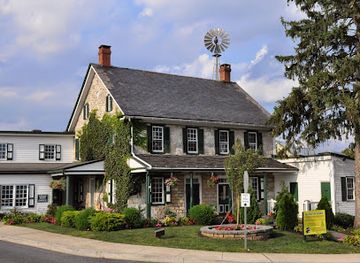
Best landmarks in Amish Country
Lancaster County’s most recognisable landmarks range from religious buildings and civic architecture to railway structures and an agricultural landscape that functions as a cultural landmark in its own right. Ephrata Cloister is significant for its surviving eighteenth-century buildings and its interpretation of communal religious life. Lancaster’s Central Market is an important architectural and civic marker of the county’s long relationship with agricultural trade, while the Fulton Theatre reflects the city’s continuing performing-arts tradition. The Railroad Museum of Pennsylvania and Strasburg Rail Road preserve substantial evidence of the railways that connected the county to wider markets. Landis Valley’s historic buildings, barns and farm landscape illustrate Pennsylvania German settlement patterns. Across the countryside, limestone farmhouses, large bank barns, churchyards and carefully worked fields provide a dispersed architectural identity, although many are private properties and should be viewed only from public roads or authorised visitor sites.
-
Farmers' market
Lancaster Central Market
Discover Lancaster Central Market, a vibrant farmers' market showcasing fresh local produce and authentic Pennsylvania Dutch delicacies in a historic setting.
-
Amusement park
Dutch Wonderland Family Amusement Park
Experience the joy of family fun at Dutch Wonderland, an enchanting amusement park in Lancaster, PA, perfect for kids and parents alike.
-
Farmers' market
Bird-in-Hand Farmers Market
Discover the authentic flavors and unique crafts of Pennsylvania's Amish country at Bird-in-Hand Farmers Market, a must-visit attraction for tourists.
-
Heritage railroad
Strasburg Rail Road
Discover the magic of vintage steam trains at Strasburg Rail Road, where history meets scenic beauty in Pennsylvania's Amish countryside.

Explore Amish Country on the map
Plan your trip on one map. See where the top cities, national parks and sights are, and book hotels and experiences in a few clicks.
Best hotels in Amish Country
Best restaurants in Amish Country
Dining in Amish Country reflects the broader Pennsylvania Dutch tradition of southeastern Pennsylvania while also embracing contemporary farm-to-table cooking. Traditional menus may include chicken pot pie, ham, scrapple, chow chow, apple butter, sausages, mashed potatoes and shoofly pie, with recipes varying between families and establishments. Family-style restaurants, rural inns, bakeries and farm shops are common around Lancaster’s countryside, while Lancaster city and Lititz offer cafés, breweries and modern restaurants using local dairy, eggs, meat and seasonal produce. Farmers’ markets and roadside stands are good places to find fruit, preserves, baked goods and fresh vegetables, although stalls may be seasonal and cash-friendly. Pretzels, dairy products, cider and regional baked goods make practical gifts, but Pennsylvania Dutch food should be understood as a living local cuisine rather than a uniform menu served everywhere.
-
Pennsylvania Dutch restaurant
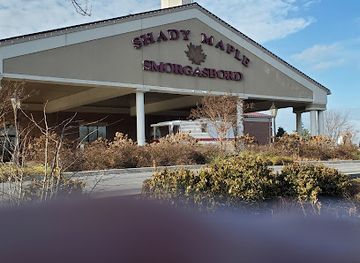
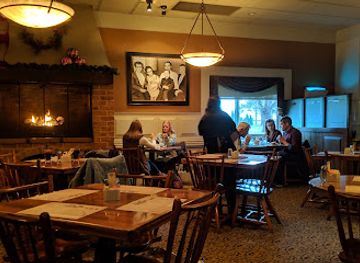
Shady Maple Smorgasbord
Experience authentic Pennsylvania Dutch cuisine at Shady Maple Smorgasbord—where delicious food meets warm hospitality.
-
Family-friendly
Dutch Valley Restaurant
Experience authentic American cuisine in Ohio's Amish country at Dutch Valley Restaurant—where family-friendly dining meets delightful baked goods.
-
Buffet
Mrs Yoders Kitchen
Discover authentic Amish comfort food at Mrs. Yoder's Kitchen in Mt. Hope - a buffet paradise for food lovers seeking traditional flavors.
-
Buffet
Miller's Smorgasbord Restaurant
Experience authentic Amish cuisine at Miller's Smorgasbord Restaurant - where hearty flavors meet warm hospitality in Pennsylvania Dutch Country.


Best bars in Amish Country
Nightlife is modest in the rural districts and generally centres on restaurants, traditional pubs, breweries, cafés and live entertainment rather than large clubs. Lancaster city has the county’s broadest evening choice, including bars, theatres, music venues and restaurants within or near the central districts. Lititz also offers a compact evening scene with eateries, breweries and independent venues, while rural towns tend to become quiet earlier and may require a car or pre-arranged transport. Historic inns and family restaurants provide a more characteristic evening than late-night clubbing, and performances at Lancaster’s theatres add a cultural option. Opening arrangements vary, particularly on Sundays and during holiday periods, so visitors should check locally rather than assume that rural venues operate late.
-
Pennsylvania Dutch restaurant
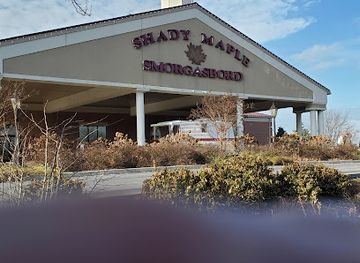
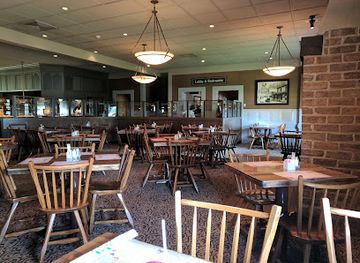
Shady Maple Smorgasbord
Discover the flavors of Pennsylvania Dutch cuisine at Shady Maple Smorgasbord, a buffet experience filled with hearty dishes and warm hospitality.
-
Buffet
Miller's Smorgasbord Restaurant
Experience traditional Amish cuisine at Miller's Smorgasbord, a buffet paradise in Ronks, Pennsylvania, perfect for food lovers and families.
-
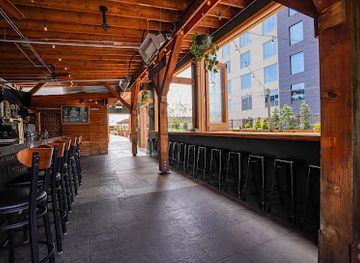
Bar
Annie Bailey's Irish Public House
Discover the vibrant atmosphere and authentic Irish cuisine at Annie Bailey's Irish Public House in Lancaster, a true gem for food lovers and culture seekers.
-
Irish pub
Tellus360
Discover Tellus360, an Irish pub in Lancaster, PA, offering live music, delicious food, and a vibrant atmosphere for an unforgettable experience.

Best nightclubs in Amish Country
Nightlife is modest in the rural districts and generally centres on restaurants, traditional pubs, breweries, cafés and live entertainment rather than large clubs. Lancaster city has the county’s broadest evening choice, including bars, theatres, music venues and restaurants within or near the central districts. Lititz also offers a compact evening scene with eateries, breweries and independent venues, while rural towns tend to become quiet earlier and may require a car or pre-arranged transport. Historic inns and family restaurants provide a more characteristic evening than late-night clubbing, and performances at Lancaster’s theatres add a cultural option. Opening arrangements vary, particularly on Sundays and during holiday periods, so visitors should check locally rather than assume that rural venues operate late.
-
Restaurant
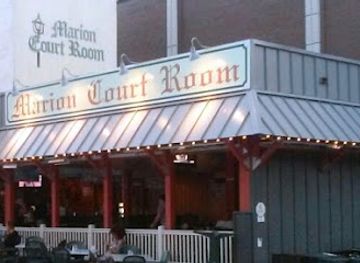
Marion Court Room
Discover the vibrant dining and nightlife scene at Marion Court Room in Lancaster, PA, where great food meets lively entertainment.
-
Bar
Vic's Wayside Inn
Experience the rustic charm and vibrant atmosphere at Vic's Wayside Inn, a premier bar in Ronks, Pennsylvania, perfect for travelers seeking relaxation.
-
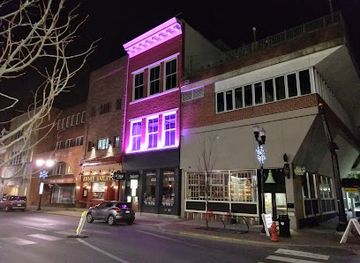
Restaurant
Altana Rooftop Lounge
Discover Altana Rooftop Lounge: where exquisite dining meets breathtaking views in the heart of Lancaster.
-
Restaurant
Conway Social Club
Experience the vibrant atmosphere of Conway Social Club in Lancaster, where culinary delights and exquisite cocktails meet.


Best shops in Amish Country
Shopping in Amish Country is strongest in market towns, village visitor areas and farm-focused businesses rather than large urban retail districts. Lancaster’s Central Market is a long-established place to browse produce, baked goods, meats and prepared foods, while the city’s independent shops and galleries add books, crafts and local artwork. The village area around Intercourse and Kitchen Kettle Village is oriented towards visitors, with quilts, furniture, food products, textiles and craft demonstrations; quality and provenance should be considered carefully, especially when products are marketed as Amish-made. Lititz has a compact centre of independent retailers, cafés and speciality shops, and Lancaster’s larger commercial zones provide mainstream shopping and outlets. Suitable regional purchases include preserves, cheese, baked goods, woodenware, quilts and locally produced pantry items, with seasonal markets and farm stands offering a more direct connection to the county’s agricultural economy.
-
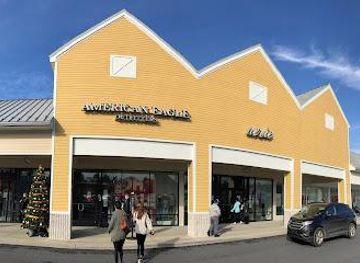
Outlet mall
Tanger Outlets Lancaster
Explore Tanger Outlets Lancaster for unbeatable deals on top brands in a vibrant shopping environment that delights visitors of all ages.
-
Shopping mall
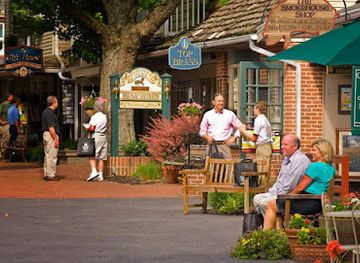
Kitchen Kettle Village
Discover unique crafts and delicious Amish treats at Kitchen Kettle Village, a charming shopping destination in Pennsylvania.
-
Farmers' market
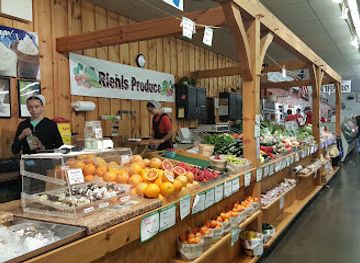
Bird-in-Hand Farmers Market
Discover the flavors and crafts of Pennsylvania at the Bird-in-Hand Farmers Market, a delightful blend of local produce and Amish culture.
-
Department store
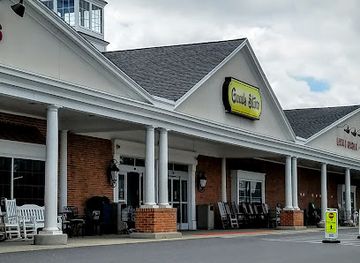
Good's Store
Explore Good's Store in East Earl, PA for an eclectic mix of clothing, home goods, toys, and unique gifts in a charming shopping paradise.
Get your free copy of our complete guide to Amish Country, delivered straight to you.
Everything on this page, from attractions and restaurants to essentials and local phrases, in one PDF you can read offline, print or share.
Already have an account? Sign in
Your Amish Country guide is ready.
We'll send it to · Not you? Sign out

Getting your guide ready…
We are putting together a fresh copy of the Amish Country guide. This can take up to a minute.
This can take a few moments. If your browser asks, choose Allow so the download can start. You'll find the guide in your Downloads folder.
Nothing happened? Download it again
Sorry, the guide is taking longer than usual. Please try again in a minute, or get it by email instead.
Amish Country essentials
Currency and Payment
Safety
Emergency Situations
Do's and Don'ts
Local Tips
From Eve
Local phrases worth knowing
You don't need to get them perfect. A few words go a long way, and locals appreciate the effort.
Basics
| English | Local | Say it |
|---|---|---|
| Hello | Guten Tag | [Goot-en Tahg] |
| Goodbye | Auf Wiedersehen | [Owf Veeder-zay-en] |
| Yes | Ja | [Yah] |
| No | Nein | [Nyn] |
| Please/You're welcome | Bitte | [Bit-teh] |
| Thank you | Danke | [Dahn-keh] |
| Excuse me/Sorry | Entschuldigung | [Ent-shool-dee-goong] |
| How are you? | Wie geht's? | [Vee gayts?] |
| Fine. And you? | Gut. Und dir? | [Gooot. Oond deer?] |
| Do you speak English? | Sprechen Sie Englisch? | [Shpreh-ken Zee Eng-lish?] |
| I don't understand | Ich verstehe nicht | [Ish fer-shtay-eh nikht] |
Eating & Drinking
| English | Local | Say it |
|---|---|---|
| I'd like to see the menu, please | Ich möchte die Speisekarte sehen, bitte | [Ish merkh-teh dee Shpy-zeh-kar-teh zay-en, bit-teh] |
| I don't eat meat | Ich esse kein Fleisch | [Ish ess-eh kyn Flysh] |
| Cheers! | Prost! | [Prohst!] |
| I would like to pay, please | Ich möchte bezahlen, bitte | [Ish merkh-teh beh-tsah-len, bit-teh] |
Emergencies
| English | Local | Say it |
|---|---|---|
| Help! | Hilfe! | [Hil-feh!] |
| Go away! | Geh weg! | [Gay veg!] |
| Call the Police! | Rufen Sie die Polizei! | [Roo-fen Zee dee Poh-lee-tsai!] |
| Call a doctor! | Rufen Sie einen Arzt! | [Roo-fen Zee eye-nen Artst!] |
| I'm lost | Ich habe mich verlaufen | [Ish hah-beh mikh fer-lau-fen] |
| I'm ill | Ich bin krank | [Ish bin krank] |
Shopping
| English | Local | Say it |
|---|---|---|
| I'd like to buy... | Ich möchte kaufen... | [Ish merkh-teh kow-fen...] |
| I'm just looking | Ich schaue nur | [Ish shau-eh noor] |
| How much is it? | Wie viel kostet es? | [Vee feel kos-tet es?] |
| That's too expensive | Das ist zu teuer | [Das ist tsoo toy-er] |
| Can you lower the price? | Könnten Sie den Preis senken? | [Kern-ten Zee den Pryce sen-ken?] |
Time & Numbers
| English | Local | Say it |
|---|---|---|
| What time is it? | Wie spät ist es? | [Vee shpate ist es?] |
| It's one o'clock | Es ist eins Uhr | [Es ist ayns Oor] |
| Half past (10) | Halb nach (10) | [Halb nahkh (10)] |
| Morning | Morgen | [Mor-gen] |
| Afternoon | Nachmittag | [Nahkh-mit-tahg] |
| Evening | Abend | [Ah-bend] |
| Yesterday | Gestern | [Geh-stern] |
| Today | Heute | [Hoy-teh] |
| Tomorrow | Morgen | [Mor-gen] |
| 1 | Eins | [Ayns] |
| 2 | Zwei | [Tsvy] |
| 3 | Drei | [Dry] |
| 4 | Vier | [Veer] |
| 5 | Fünf | [Fünf] |
| 6 | Sechs | [Zex] |
| 7 | Sieben | [Zee-ben] |
| 8 | Acht | [Acht] |
| 9 | Neun | [Noyn] |
| 10 | Zehn | [Tsen] |
Transport & Directions
| English | Local | Say it |
|---|---|---|
| Where's a/the...? | Wo ist ein/das...? | [Voh ist ayn/dahs...?] |
| What's the address? | Was ist die Adresse? | [Vas ist dee Ah-dres-seh?] |
| Can you show me (on the map)? | Könnten Sie mir (auf der Karte) zeigen? | [Kern-ten Zee meer (owf dare Kar-teh) tsay-gen?] |
| When's the next (bus)? | Wann kommt der nächste (Bus)? | [Vahn komt dare nay-sh-teh (Boos)?] |
| A ticket (to ....) | Ein Ticket (nach ....) | [Ayn Tee-ket (nahkh ....)] |
History of Amish Country
Indigenous Peoples and the Conestoga Valley
Long before European settlement, the Susquehanna Valley and the lands around present-day Lancaster were home to Indigenous peoples, including the Susquehannock and later communities connected with the wider Haudenosaunee, Lenape and Shawnee worlds. The Conestoga, also known as the Susquehannock, maintained an important presence in the region during the colonial period. Archaeological evidence and the county’s waterways, fertile soils and settlement patterns reflect a much older history than the farms and towns most visitors see today. The violent displacement of Indigenous peoples remains an essential part of understanding Pennsylvania’s colonial past.
William Penn’s Colony and German-Speaking Settlement
Pennsylvania’s policy of religious toleration, together with the opportunities offered by its agricultural lands, attracted immigrants from German-speaking parts of Europe during the eighteenth century. Mennonites, Amish, Brethren and other groups established farms and meeting communities in what became Lancaster County. Their languages, building methods, farming practices and religious traditions contributed to the Pennsylvania German culture that still influences local food, names and architecture. Lancaster County was organised in 1729, formalising a political centre for one of the colony’s most productive agricultural districts.
Amish and Mennonite Communities in the Eighteenth Century
Amish migration to southeastern Pennsylvania grew during the early eighteenth century, following divisions within the Anabaptist tradition in Europe. Amish and Mennonite congregations shared commitments to adult baptism, community discipline and peaceful religious practice, although their customs and degrees of separation from modern technology developed differently. Worship commonly took place in homes rather than purpose-built churches, helping shape a dispersed settlement pattern. The Old Order communities visible today are the result of generations of religious continuity, adaptation and internal diversity, not a community frozen unchanged in the colonial era.
The Conestoga Massacre of 1763
In December 1763, during the violence of Pontiac’s War, a group of vigilantes from the Paxton area murdered members of the peaceful Conestoga community near Lancaster. Further killings occurred in Lancaster when surviving Conestoga people were held in the county workhouse for protection. The episode exposed deep colonial tensions over frontier warfare, Indigenous rights and the limits of government authority. Pennsylvania officials and Quaker leaders attempted to protect other Indigenous people, but the massacre became a lasting example of the injustice and instability surrounding colonial expansion.
Agriculture, Market Towns and Pennsylvania German Culture
The county’s limestone-rich soils supported intensive farming, while market towns and Lancaster’s commercial institutions connected rural producers with regional buyers. Grain, dairy, livestock, tobacco and later diversified produce all contributed to the agricultural economy. Barns, bank houses, stone farm buildings, quilts, hex signs, church cemeteries and foodways helped preserve a recognisable Pennsylvania German material culture. Lancaster’s public market tradition and the growth of towns such as Lititz, Ephrata and Strasburg demonstrate how commerce, religious settlement and farming developed together rather than in isolation.
Railways and Industrial Change
Rail connections in the nineteenth century transformed Lancaster County by moving agricultural products, passengers and manufactured goods more efficiently. The Philadelphia and Columbia Railroad, completed in the 1830s, helped connect the county with larger commercial networks, while later railway development strengthened Lancaster and Strasburg. Rail transport also encouraged mills, workshops and urban growth without eliminating the county’s agricultural base. The surviving railway museums and heritage line at Strasburg preserve part of this transition, showing how modern transport entered a landscape still dominated by farms and horse-powered work.
Heritage Tourism and a Changing Rural Economy
During the twentieth century, Lancaster County increasingly presented its farming landscape, Pennsylvania German traditions and Amish communities as a cultural destination for visitors. Museums, farm attractions, craft shops, theatres and heritage railways developed alongside a modern economy of agriculture, manufacturing, healthcare and tourism. This shift brought income and wider recognition but also created questions about privacy, representation and development. Contemporary Amish Country is therefore both a working rural region and a visitor destination, with preservation efforts continuing alongside suburban growth and changing agricultural pressures.
Amish Country in Photos
Browse through our photo collection highlighting the charm and character of the destination.
Neighbouring regions of Amish Country
The closest regions to Amish Country, if you have time for more than one.
-
 Piedmont
Explore Piedmont Pennsylvania for rolling farmland, Brandywine gardens, historic battlefields, country markets and distinctive small-town culture.
Piedmont
Explore Piedmont Pennsylvania for rolling farmland, Brandywine gardens, historic battlefields, country markets and distinctive small-town culture.
-

-

-
-


Swipe for more regions
Explore more

Explore more of Pennsylvania
Discover Pennsylvania: A blend of rich history, breathtaking nature, and vibrant culture awaits you in the Keystone State.
Explore Pennsylvania