

Free Piedmont Travel Guide & Mobile App
Explore Piedmont with free travel guides. Discover regional history, expert tips, proposed trips, and audio guides on web or mobile app.


Explore Piedmont Pennsylvania for rolling farmland, Brandywine gardens, historic battlefields, country markets and distinctive small-town culture.
Read more about Piedmont
Getting to and around Piedmont
How to get there
Transportation
Top city travel guides in Piedmont
The cities of Piedmont, and the easiest places to base yourself.
-

-
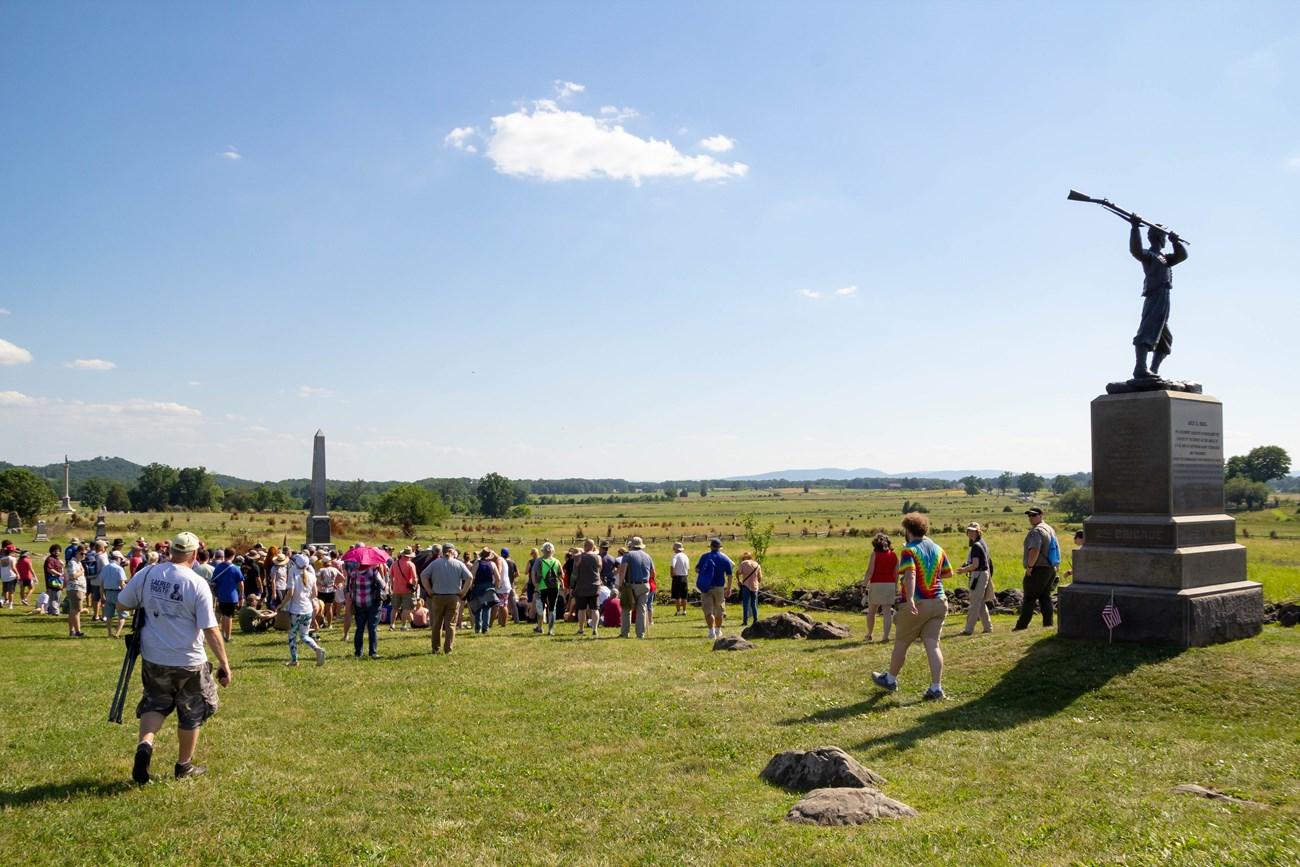 Gettysburg
, Pennsylvania, brings Civil War history to life through its battlefield, museums, historic streets, monuments and thoughtful local culture.
-
-

-

-


Swipe for more cities
Destinations in Piedmont
Resorts, valleys and scenic spots worth a trip of their own.
-
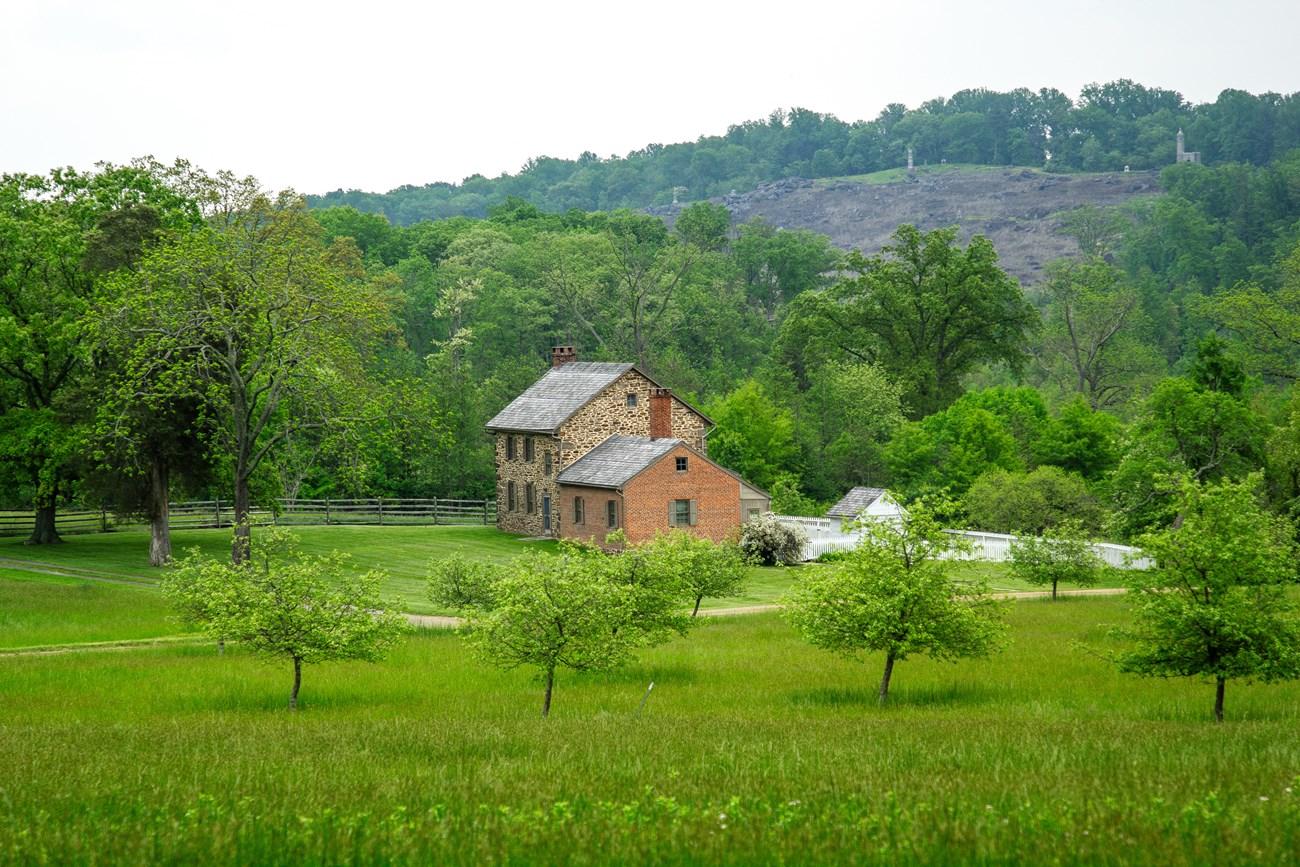 Gettysburg Battlefield
 in Pennsylvania traces the 1863 Civil War battle through monuments, historic fields, museum exhibits and guided tours near Gettysburg.
-

-


Swipe for more destinations
Best attractions in Piedmont
Piedmont Pennsylvania's attractions range from nationally significant historic sites to gardens, museums and working rural landscapes. Valley Forge National Historical Park interprets the Continental Army's winter encampment and offers extensive grounds for walking and cycling. Around Kennett Square, Longwood Gardens combines formal plantings, conservatories, fountains and seasonal displays, while the Brandywine Museum of Art explores the artistic legacy of the Brandywine Valley, including the work of the Wyeth family. Lancaster County provides a different experience through agricultural museums, markets, heritage rail travel and roads passing farms, covered bridges and small settlements. Gettysburg National Military Park and its museum landscape provide detailed Civil War interpretation across a wide area. The region also supports hiking, birdwatching, cycling and paddling along selected trails and waterways, although many outdoor activities require planning around weather and private land. Historic towns, country estates, local arts venues and food-producing communities add variety without obscuring the Piedmont's defining character: a cultivated, inhabited landscape in which conservation and everyday work remain visible together.
-
Hiking area
Bushkill Falls
Explore Bushkill Falls, the 'Niagara of Pennsylvania,' a stunning natural wonder with breathtaking waterfalls, hiking trails, and serene picnic spots.
-
Tourist attraction
Penn's Cave and Wildlife Park
Discover the breathtaking beauty of Penn's Cave and Wildlife Park, where adventure meets nature in the heart of Pennsylvania.
-
Tourist attraction
Field of Screams
Experience the thrill of fear and fun at Field of Screams in Mountville, PA, a premier haunted attraction with live music and spine-tingling entertainment.
-
History museum
Old Bedford Village
Discover the charm of Old Bedford Village, a living history museum showcasing 18th and 19th-century life in Pennsylvania's picturesque countryside.



Best landmarks in Piedmont
The Piedmont's most recognisable landmarks reflect military history, cultivated landscapes, architecture and geology. Valley Forge's preserved encampment grounds and reconstructed structures mark the Continental Army's difficult winter of 1777–78, while the Soldiers' National Cemetery and battlefield features at Gettysburg embody the region's Civil War significance. In the Brandywine Valley, Longwood Gardens is distinguished by its extensive conservatories, formal gardens and water displays, and the Brandywine Museum of Art occupies a setting closely linked with American landscape painting. Old stone farmhouses, large Pennsylvania bank barns and covered bridges are characteristic rural landmarks, particularly around Lancaster and Chester counties. The Susquehanna River provides a major natural boundary and viewpoint in the western Piedmont, with changing wooded banks and open agricultural horizons. Historic Quaker meetinghouses, colonial town centres and former iron-making sites add quieter architectural markers of settlement, faith and industry.
-
Tourist attraction
Hersheypark
Experience a day of thrills and sweet adventures at Hersheypark, the ultimate family amusement park filled with rides, water attractions, and animal encounters.
-
Historical place
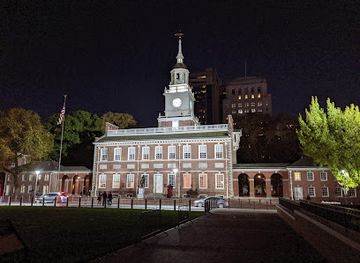
Independence National Historical Park
Explore the birthplace of American democracy at Independence National Historical Park, where history comes alive through iconic landmarks and engaging experiences.
-
Amusement park
Dorney Park & Wildwater Kingdom
Experience the thrills of Dorney Park & Wildwater Kingdom, a top amusement and water park destination in Allentown, PA, perfect for family fun and excitement.
-
Historical place
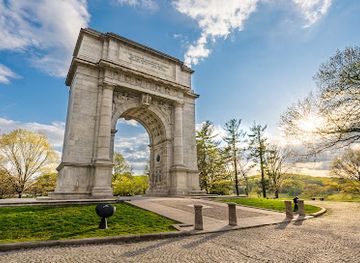
Valley Forge National Historical Park
Experience the rich history and beautiful landscapes of Valley Forge National Historical Park, a pivotal site of the American Revolutionary War.


Explore Piedmont on the map
Plan your trip on one map. See where the top cities, national parks and sights are, and book hotels and experiences in a few clicks.
Best hotels in Piedmont
Best restaurants in Piedmont
Dining across Piedmont Pennsylvania reflects both agricultural abundance and the region's connections to Philadelphia, Baltimore and the wider Mid-Atlantic. Lancaster and surrounding market towns are known for farm shops, bakeries, diners, family restaurants and Pennsylvania Dutch specialities such as scrapple, shoofly pie and a range of preserves and baked goods; these foods are regional traditions, not uniform representations of every local community. Chester County and the Brandywine Valley offer restaurants in historic towns, country inns, cafés and contemporary kitchens that make use of seasonal produce, mushrooms, dairy and locally raised meat. Kennett Square is particularly associated with mushroom growing, a major agricultural industry in the area. Farmers' markets and roadside stands are useful places to find fruit, vegetables, cider, honey and baked products, while York and Lancaster broaden the choice with breweries, independent eateries and international food. Tipping is customary in full-service restaurants, and menus, hours and seasonal availability vary outside the larger towns.
-
Restaurant
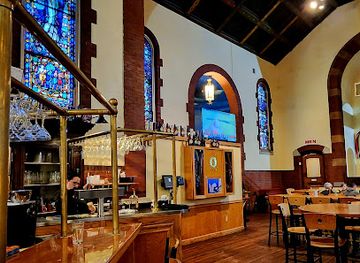
The Church Brew Works
Discover The Church Brew Works: Pittsburgh's iconic brewpub blending craft beer with gourmet cuisine in a stunning historic church setting.
-
American
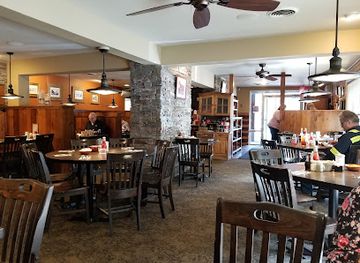
Jubilee Restaurant
Discover Jubilee Restaurant: A Family-Friendly Gem Offering Delicious American Breakfasts and Comfort Foods in Scenic Pocono Pines.
-
Restaurant
Barley Creek Brewing Company
Experience exceptional craft beer and delectable cuisine at Barley Creek Brewing Company in Tannersville – where tradition meets taste.
-
American
The Mill in Hershey
Discover The Mill in Hershey: A delightful blend of American cuisine and fresh seafood in a vibrant setting perfect for any occasion.


Best bars in Piedmont
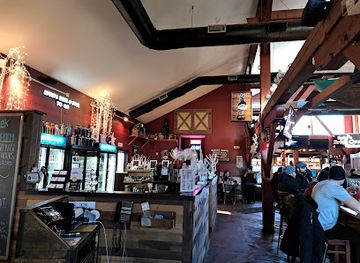
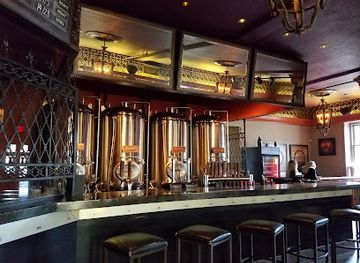
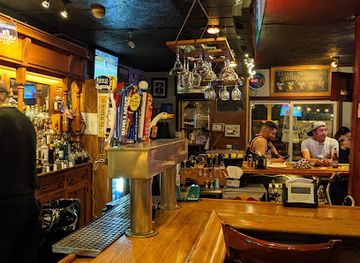
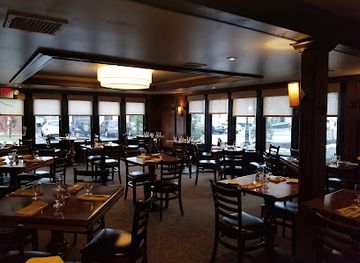
Evening life in Piedmont Pennsylvania is centred more on restaurants, brewpubs, traditional taverns, live music and small-town streets than on a concentrated nightclub scene. West Chester, Lancaster, York and Gettysburg provide the broadest selection of bars, cafés and entertainment, while Kennett Square and other Brandywine Valley communities support a smaller dining-led evening culture. Historic inns and neighbourhood pubs often serve local beer alongside food, and breweries provide tastings and community events, subject to Pennsylvania licensing rules. In rural areas, evenings are quieter and may revolve around an inn, restaurant or seasonal performance rather than late-night venues. Philadelphia, outside the region, offers a much larger nightlife choice and can be reached from eastern Piedmont communities, but should not be treated as part of the region itself. Check age requirements, transport arrangements and closing times before travelling between dispersed towns.
-
Restaurant
Barley Creek Brewing Company
Discover a unique brewpub experience at Barley Creek Brewing Company, where handcrafted beers and delicious cuisine await in Tannersville, Pennsylvania.
-
Gastropub
Vault Brewing Company
Discover the vibrant flavors of craft beer and gourmet cuisine at Vault Brewing Company, Yardley's premier gastropub and brewpub experience.
-
Restaurant
Original Pocono Pub And Grill
Experience the charm and flavor of the Pocono Mountains at Original Pocono Pub And Grill, a beloved restaurant offering delicious American cuisine and a welcoming atmosphere.
-
Restaurant
The Yardley Inn Restaurant and Bar
Experience culinary excellence at The Yardley Inn, where gourmet dining meets scenic riverside views in Yardley, Pennsylvania.
Best nightclubs in Piedmont
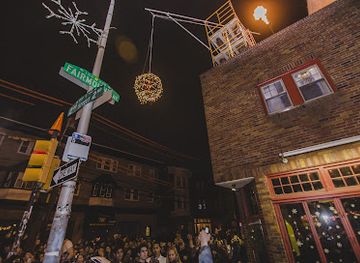
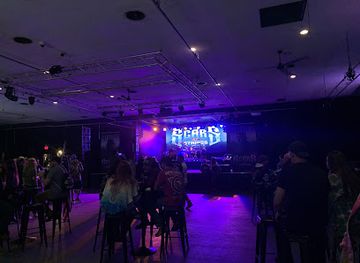
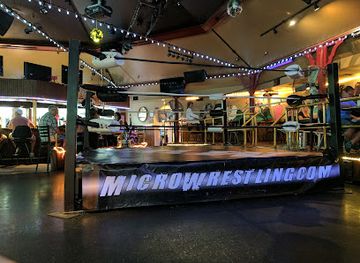
Evening life in Piedmont Pennsylvania is centred more on restaurants, brewpubs, traditional taverns, live music and small-town streets than on a concentrated nightclub scene. West Chester, Lancaster, York and Gettysburg provide the broadest selection of bars, cafés and entertainment, while Kennett Square and other Brandywine Valley communities support a smaller dining-led evening culture. Historic inns and neighbourhood pubs often serve local beer alongside food, and breweries provide tastings and community events, subject to Pennsylvania licensing rules. In rural areas, evenings are quieter and may revolve around an inn, restaurant or seasonal performance rather than late-night venues. Philadelphia, outside the region, offers a much larger nightlife choice and can be reached from eastern Piedmont communities, but should not be treated as part of the region itself. Check age requirements, transport arrangements and closing times before travelling between dispersed towns.
-
Night club
The 700
Experience the vibrant nightlife at The 700 in Northern Liberties, Philadelphia – a dynamic fusion of comedy, karaoke, and lively bar atmosphere.
-
Night club
Nightclub Reverb
Dive into the lively atmosphere at Nightclub Reverb, Reading's top spot for unforgettable nightlife, dance, and music.
-
Night club
Avalon Social
Discover Avalon Social, Pittsburgh's premier night club, where unforgettable nights filled with dancing, music, and fun await in the South Side Flats.
-
Night club
The Linden Grove
Discover Pittsburgh's nightlife at The Linden Grove, where live music and dancing create unforgettable memories.

Best shops in Piedmont
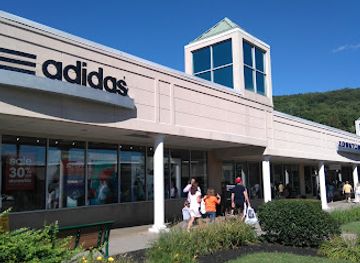
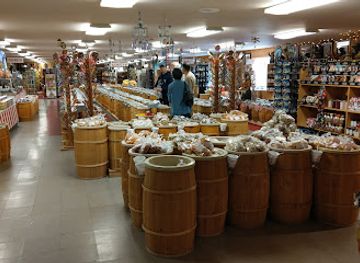
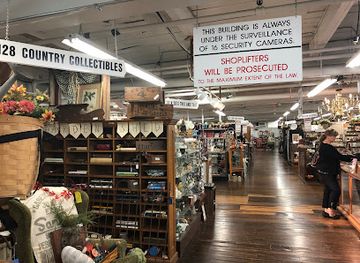
Shopping in Piedmont Pennsylvania is strongest in market towns, independent main streets, farm shops and seasonal producers' markets rather than in a single regional retail district. Lancaster County offers roadside stands, bakeries, quilt and textile shops, furniture makers, antiques and stalls selling preserves, honey and other agricultural products; visitors should distinguish commercial souvenirs from goods made by local craftspeople. West Chester, Kennett Square, Media and Lancaster have independent bookshops, galleries, clothing shops, cafés and gift stores, with different mixes of historic character and contemporary retail. Kennett Square is a useful place to look for mushroom-related food products, while rural farm shops sell fruit, vegetables, flowers, cider and baked goods according to the season. Gettysburg's historic centre includes bookshops, museum-related retail and Civil War interpretation products. Prices, opening patterns and market days vary, so check individual districts before making a special journey, particularly outside the larger towns.
-
Outlet mall
Pocono Premium Outlets
Explore Pocono Premium Outlets for unbeatable deals on top brands, delightful dining options, and a scenic shopping experience in the heart of the Poconos.
-
Gift shop
Country Kettle
Discover unique gifts and sweet treats at Country Kettle, East Stroudsburg's charming gift shop and candy store, perfect for tourists and locals alike.
-
Antique store
The Antique Marketplace of Lemoyne
Explore a vibrant collection of antiques and vintage treasures at The Antique Marketplace of Lemoyne, where history comes alive.
-
Gift shop
Volant Mills
Explore Volant Mills, a historic gift shop and Amish furniture store in Pennsylvania, offering unique local craftsmanship and a delightful shopping experience.

Get your free copy of our complete guide to Piedmont, delivered straight to you.
Everything on this page, from attractions and restaurants to essentials and local phrases, in one PDF you can read offline, print or share.
Already have an account? Sign in
Your Piedmont guide is ready.
We'll send it to · Not you? Sign out

Getting your guide ready…
We are putting together a fresh copy of the Piedmont guide. This can take up to a minute.
This can take a few moments. If your browser asks, choose Allow so the download can start. You'll find the guide in your Downloads folder.
Nothing happened? Download it again
Sorry, the guide is taking longer than usual. Please try again in a minute, or get it by email instead.
Piedmont essentials
Currency and Payment
Safety
Emergency Situations
Do's and Don'ts
Local Tips
From Eve
Local phrases worth knowing
You don't need to get them perfect. A few words go a long way, and locals appreciate the effort.
Basics
| English | Local | Say it |
|---|---|---|
| Hello | Howdy | [Ha-dee] |
| Goodbye | See ya | [See yah] |
| Yes | Yep | [Yep] |
| No | Nope | [Nope] |
| Please/You're welcome | Please/No problem | [Please/No pro-blem] |
| Thank you | Thanks | [Thanks] |
| Excuse me/Sorry | Excuse me/Sorry | [Excuse me/Sorry] |
| How are you? | How ya doin'? | [How yah doin'?] |
| Fine. And you? | Good. And you? | [Good. And you?] |
| Do you speak English? | Do ya speak English? | [Do yah speak English?] |
| I don't understand | I don’t get it | [I don't get it] |
Eating & Drinking
| English | Local | Say it |
|---|---|---|
| I'd like to see the menu, please | Can I see the menu, please? | [Can I see the menu, please?] |
| I don't eat meat | I ain't eatin' meat | [I ain't eatin' meat] |
| Cheers! | Cheers! | [Cheers!] |
| I would like to pay, please | Can I pay, please? | [Can I pay, please?] |
Emergencies
| English | Local | Say it |
|---|---|---|
| Help! | Help! | [Help!] |
| Go away! | Leave me alone! | [Leave me alone!] |
| Call the Police! | Call the cops! | [Call the cops!] |
| Call a doctor! | Get a doctor! | [Get a doctor!] |
| I'm lost | I’m lost | [I’m lost] |
| I'm ill | I ain't feelin' good | [I ain't feelin' good] |
Shopping
| English | Local | Say it |
|---|---|---|
| I'd like to buy... | I wanna buy... | [I wanna buy...] |
| I'm just looking | Just lookin' | [Just lookin'] |
| How much is it? | How much is this? | [How much is this?] |
| That's too expensive | That’s too pricey | [That’s too pricey] |
| Can you lower the price? | Can ya lower the price? | [Can yah lower the price?] |
Time & Numbers
| English | Local | Say it |
|---|---|---|
| What time is it? | What time is it? | [What time is it?] |
| It's one o'clock | It’s one o'clock | [It’s one o'clock] |
| Half past (10) | Half past ten | [Half past ten] |
| Morning | Mornin' | [Mornin'] |
| Afternoon | Afternoon | [Afternoon] |
| Evening | Evenin' | [Evenin'] |
| Yesterday | Yesterday | [Yesterday] |
| Today | Today | [Today] |
| Tomorrow | Tomorrow | [Tomorrow] |
| 1 | One | [One] |
| 2 | Two | [Two] |
| 3 | Three | [Three] |
| 4 | Four | [Four] |
| 5 | Five | [Five] |
| 6 | Six | [Six] |
| 7 | Seven | [Seven] |
| 8 | Eight | [Eight] |
| 9 | Nine | [Nine] |
| 10 | Ten | [Ten] |
Transport & Directions
| English | Local | Say it |
|---|---|---|
| Where's a/the...? | Where's the...? | [Where's the...?] |
| What's the address? | What’s the address? | [What’s the address?] |
| Can you show me (on the map)? | Can ya show me on the map? | [Can yah show me on the map?] |
| When's the next (bus)? | When's the next bus? | [When's the next bus?] |
| A ticket (to ....) | A ticket to... | [A ticket to...] |
History of Piedmont
Indigenous Landscapes and Early Settlement
Long before European settlement, Indigenous peoples used the rivers, forests and fertile valleys of southeastern Pennsylvania for farming, hunting and trade. The Susquehanna and its tributaries were important travel corridors, while the Piedmont's well-drained soils supported settled agriculture in some areas. European colonisation altered land ownership, ecology and patterns of movement, but Indigenous place-names and archaeological evidence remain part of the region's deeper history. Visitors should understand the modern landscape of farms, roads and towns as the result of many layers of occupation rather than an untouched rural setting.
William Penn and the Quaker Commonwealth
Pennsylvania was founded in the late seventeenth century by William Penn as a proprietary colony intended to provide religious liberty, especially for Quakers. The southeastern Piedmont became one of the colony's principal zones of settlement, with planned communities, meetinghouses and farms connected to Philadelphia and the Delaware River. Quaker ideas influenced local approaches to education, commerce and civic life, while other European religious groups also established communities. Historic meetinghouses, colonial settlements and the street plans of older towns preserve aspects of this formative period.
Agricultural Colonisation and Pennsylvania Dutch Culture
During the eighteenth and nineteenth centuries, German-speaking immigrants and their descendants developed highly productive farms across Lancaster, York and neighbouring counties. Referred to broadly as Pennsylvania Dutch, from a rendering of Deutsch, these communities included Lutheran, Reformed, Amish and Mennonite traditions, among others. Barns, limestone houses, covered bridges and carefully cultivated fields remain visible expressions of this agricultural history. Modern visitors encounter living communities as well as museums and markets, so cultural interpretation is best balanced with respect for privacy, religious practice and ordinary working life.
Revolutionary War and Valley Forge
The Piedmont was central to the American Revolutionary War because of its proximity to Philadelphia and its roads leading westwards. The Continental Army spent the winter of 1777–78 at Valley Forge, where disease, shortages and harsh conditions tested the army under George Washington's command. The encampment became an important episode in the development of American national memory. Valley Forge National Historical Park now preserves the setting and interprets military organisation, civilian supply networks and the experiences of soldiers and local residents.
Canals, Railways and Industrial Growth
Nineteenth-century transport improvements connected Piedmont farms and towns to Philadelphia, Baltimore and wider markets. Turnpikes, canals and railways moved grain, iron, manufactured goods and agricultural products, encouraging the growth of market towns and industries. The iron-making tradition around the Brandywine and the textile and manufacturing history of places such as York demonstrate that the region was never exclusively agricultural. Rail lines also shaped later suburban expansion, linking eastern Piedmont communities more closely with Philadelphia and changing the balance between rural land and developed corridors.
The Civil War and the Battle of Gettysburg
In July 1863, Union and Confederate forces fought at Gettysburg in south-central Pennsylvania in the largest battle of the American Civil War. The three-day battle caused enormous casualties and became a turning point in the conflict. In November that year, Abraham Lincoln delivered the Gettysburg Address at the dedication of the Soldiers' National Cemetery. Gettysburg National Military Park preserves the battlefield and associated historic buildings, while museums and guided interpretation examine both the military campaign and the lives of civilians affected by the fighting.
Conservation, Heritage and the Modern Rural Landscape
During the twentieth and twenty-first centuries, suburbanisation, industrial change and intensive agriculture transformed much of the Piedmont. At the same time, land trusts, public parks, historic-site organisations and private foundations protected farmland, gardens, waterways and cultural landscapes. The Brandywine Valley, Valley Forge and Gettysburg illustrate different approaches to preservation, while farmers' markets, local food businesses and adaptive reuse sustain older towns. The region today is therefore neither wholly rural nor simply suburban: it is a managed landscape where historic identity, development and conservation remain closely connected.
Neighbouring regions of Piedmont
The closest regions to Piedmont, if you have time for more than one.
-
-
-
-

-


Swipe for more regions
Explore more

Explore more of Pennsylvania
Discover Pennsylvania: A blend of rich history, breathtaking nature, and vibrant culture awaits you in the Keystone State.
Explore Pennsylvania