

Free Lancaster Travel Guide & Mobile App
Plan your Lancaster trip with Evendo. Get free guides to top attractions, restaurants, hotels, and bars. Web access or download the mobile app.


Lancaster, Pennsylvania blends colonial history, Amish Country traditions, Central Market, art, theatre and farm-to-table culture in a walkable city.
Colonial Streets and Living History
Lancaster stands in the fertile Susquehanna Valley of south-eastern Pennsylvania, where a compact historic centre, an active arts scene and the agricultural traditions of Lancaster County meet. Its brick streets and civic buildings reflect the city's colonial origins, while Central Market, operating in a handsome nineteenth-century building, remains a working place for local farmers, bakers, butchers and food producers. Lancaster also holds an unusual place in American history: for one day in September 1777, during the Revolutionary War, it served as the capital of the United States after the Continental Congress left Philadelphia.Read more about Lancaster
Markets, Museums and the County Beyond
When is the best time to visit Lancaster?
Best: May–June, September · 22–27°C| Month | High (°C) | Rainfall (mm) |
|---|---|---|
| January | 3 | 75 |
| February | 4 | 70 |
| March | 10 | 85 |
| April | 17 | 95 |
| May (best) | 22 | 100 |
| June (best) | 27 | 105 |
| July | 29 | 110 |
| August | 28 | 105 |
| September (best) | 25 | 95 |
| October | 18 | 85 |
| November | 12 | 80 |
| December | 6 | 85 |
Getting to and around Lancaster
How to get there
Transportation
Best attractions in Lancaster
Lancaster's principal attractions are concentrated around an approachable downtown. Lancaster Central Market brings together regional produce, baked goods, meats and prepared foods in a historic market hall, while the Fulton Theatre presents drama and musicals in a building with deep local and national theatrical associations. At Wheatland, guided interpretation explores the home and political world of President James Buchanan. LancasterHistory provides broader context on the county's people and development, and the Demuth Museum introduces the precisionist work of Lancaster-born artist Charles Demuth. The Lancaster Museum of Art, Phillips Museum of Art at Franklin & Marshall College and Lancaster Science Factory add visual art and hands-on learning to the cultural offer. Beyond the centre, the city's streets quickly give way to the farmland for which the wider county is known, making Lancaster a useful base for understanding the relationship between an urban county seat and its agricultural surroundings.
-
Farmers' market
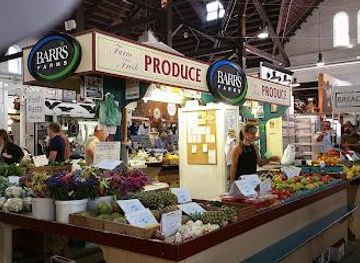
Lancaster Central Market
Experience the vibrant atmosphere and local flavors at Lancaster Central Market, the oldest farmers' market in the U.S., located in beautiful Lancaster, Pennsylvania.
8 min walk · 0.6 km from city centre
-
Farmers' market
Lancaster Central Market
Explore Lancaster Central Market, a historic farmers' market offering fresh produce, local delicacies, and a taste of Pennsylvania Dutch culture.
8 min walk · 0.6 km from city centre
-
Tourist attraction
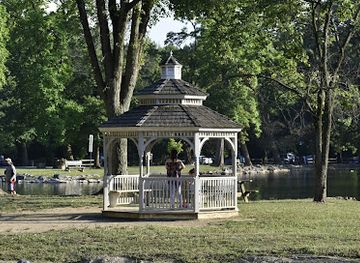
Long's Park
Explore Long's Park, a serene urban park in Lancaster, PA, featuring lush landscapes, recreational activities, and vibrant local events for all ages.
11 min drive · 3.6 km from city centre
-
Performing arts theater
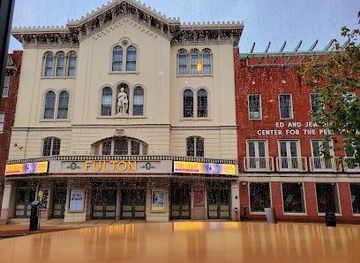
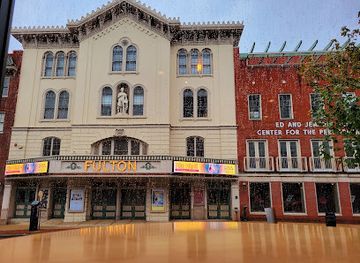
Fulton Theatre
Discover the historic Fulton Theatre in Lancaster, PA, where captivating performances and rich cultural heritage come together for an unforgettable experience.
10 min walk · 0.8 km from city centre

Best landmarks in Lancaster
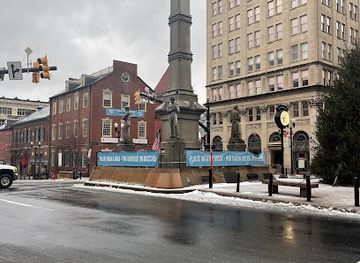
Lancaster's built landmarks trace the city's development from colonial market town to industrial and cultural centre. Lancaster Central Market is a defining civic and commercial building, its long market hall embodying the continuing link between the city and surrounding farms. The Fulton Theatre occupies a former nineteenth-century theatre building and is one of downtown's most distinctive cultural landmarks. Wheatland, the preserved Lancaster home of James Buchanan, connects local architecture with national political history. The Soldiers and Sailors Monument in Penn Square commemorates Lancaster County's Civil War dead, while the nearby courthouse and historic commercial streets express the civic importance of the county seat. Churches and brick townhouses around the central grid add evidence of the city's varied religious and immigrant communities. Together these places show Lancaster less as a collection of isolated monuments than as a compact historic urban landscape.
-
Farmers' market
Lancaster Central Market
Experience the essence of Lancaster at Central Market, a historic farmers' market brimming with local flavors, artisan goods, and vibrant community spirit.
8 min walk · 0.6 km from city centre
-
Performing arts theater
Fulton Theatre
Experience the magic of live performances at The Fulton Theatre, a historic gem in Lancaster, PA, showcasing a diverse array of captivating shows.
10 min walk · 0.8 km from city centre
-
Irish pub
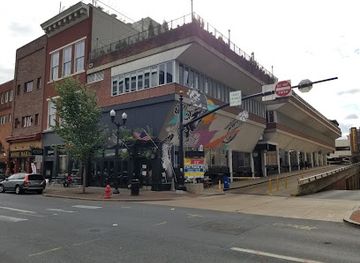
Tellus360
Discover the heart of Lancaster at Tellus360, an Irish pub and live music venue offering a unique blend of culture, cuisine, and community.
7 min walk · 0.5 km from city centre
-
Tour agency
Lokal Experiences
Experience the charm of Lancaster, PA with Lokal Experiences - your local guide to unforgettable sightseeing tours and cultural adventures.
5 min walk · 0.4 km from city centre
Explore Lancaster on the map
Plan your Lancaster trip on one map. See where the top attractions, landmarks, restaurants, bars and hotels are, find what's near where you're staying, and book hotels and experiences in a few clicks.
Best hotels in Lancaster
Best restaurants in Lancaster
Lancaster's food culture reflects the region's Pennsylvania German heritage as well as its current agricultural economy. Traditional specialities associated with the county include scrapple, shoofly pie, chow-chow, Pennsylvania Dutch-style pot pie and soft pretzels, while local dairies, farms and bakeries supply ingredients to contemporary kitchens. Central Market is an important place to encounter this food culture through vendor stalls rather than a single restaurant experience. Downtown restaurants, cafés and bars cluster around Queen Street and nearby historic blocks, with menus ranging from familiar American cooking to international cuisines shaped by Lancaster's changing population. Farm-to-table language is common because the surrounding county genuinely produces much of the region's food, but the dining scene is not limited to heritage dishes: independent chefs and coffee shops bring a modern, creative character to the city centre.
-
Irish
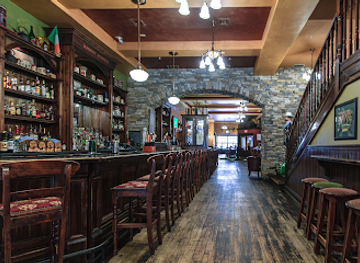
Annie Bailey's Irish Public House
Discover the vibrant flavors of Ireland at Annie Bailey's Irish Public House in Lancaster - where tradition meets modern pub culture.
7 min walk · 0.5 km from city centre
-
Brewpub
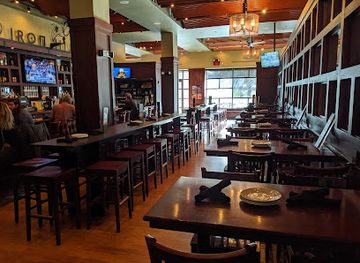
Iron Hill Brewery & Restaurant
Experience culinary excellence at Iron Hill Brewery & Restaurant in Lancaster with house-made brews and locally sourced dishes.
5 min drive · 1.8 km from city centre
-
American
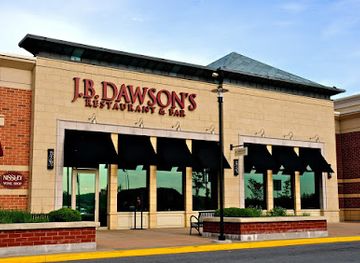
JB Dawson's Restaurant and Bar
Experience delicious American cuisine at JB Dawson's Restaurant and Bar in Lancaster with family-friendly dining options and fresh seafood delights.
13 min drive · 4.3 km from city centre
-
Italian
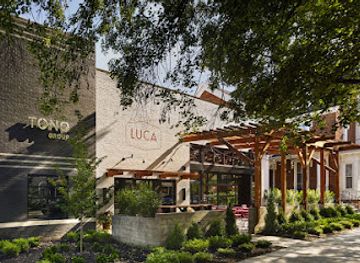
LUCA
Discover LUCA: An exquisite Italian restaurant in Lancaster offering authentic dishes made from fresh ingredients in an elegant setting.
16 min walk · 1.3 km from city centre
Best bars in Lancaster
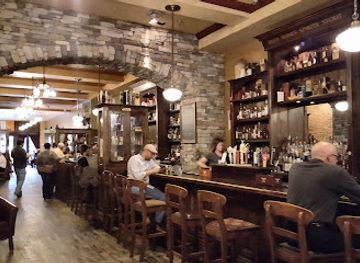
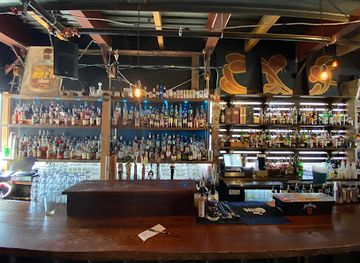
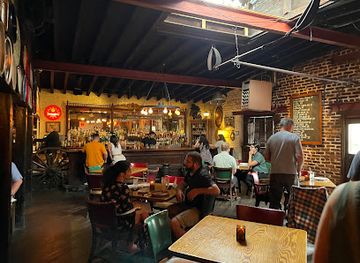
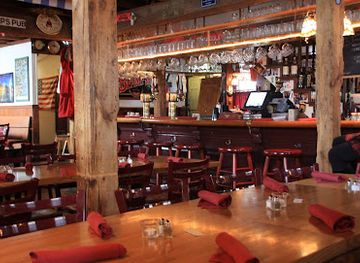
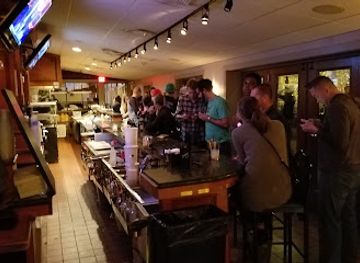
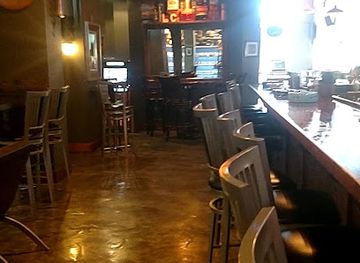
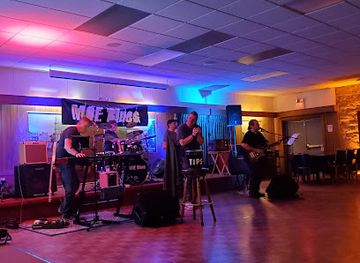
Lancaster's nightlife is centred on downtown rather than a large club district. Queen Street and adjoining blocks offer craft beer bars, cocktail rooms, breweries, cafés and live-music venues, while Tellus360 is a prominent multi-level entertainment venue with concerts and evening events. The Fulton Theatre provides a more formal night out, and other downtown performance spaces contribute theatre, music and comedy to the after-dark calendar. The atmosphere generally moves from relaxed early-evening dining and drinks to busier live performances on selected nights, with activity varying according to the theatre and events programme. Lancaster is not a major late-night clubbing destination, so visitors seeking nightlife should check current venue schedules rather than assume continuous entertainment. Alcohol service follows Pennsylvania regulations, and valid identification may be required.
-
Bar
Annie Bailey's Irish Public House
Experience the charm of Ireland at Annie Bailey's Irish Public House in Lancaster, PA, where traditional dishes meet a lively atmosphere.
7 min walk · 0.5 km from city centre
-
Irish pub
Tellus360
Discover Tellus360, Lancaster's vibrant Irish pub, offering delicious food, craft drinks, and live entertainment in a warm and welcoming setting.
7 min walk · 0.5 km from city centre
-
American
Horse Inn
Discover Horse Inn in Lancaster: A delightful American restaurant and lounge offering a cozy atmosphere, exquisite dishes, and an extensive whiskey selection.
7 min walk · 0.6 km from city centre
-
Pub
Quips Pub
Experience authentic British cuisine and warm hospitality at Quips Pub, Lancaster's favorite destination for fish and chips and craft brews.
8 min walk · 0.6 km from city centre
Best nightclubs in Lancaster
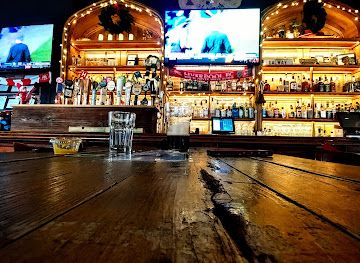
Lancaster's nightlife is centred on downtown rather than a large club district. Queen Street and adjoining blocks offer craft beer bars, cocktail rooms, breweries, cafés and live-music venues, while Tellus360 is a prominent multi-level entertainment venue with concerts and evening events. The Fulton Theatre provides a more formal night out, and other downtown performance spaces contribute theatre, music and comedy to the after-dark calendar. The atmosphere generally moves from relaxed early-evening dining and drinks to busier live performances on selected nights, with activity varying according to the theatre and events programme. Lancaster is not a major late-night clubbing destination, so visitors seeking nightlife should check current venue schedules rather than assume continuous entertainment. Alcohol service follows Pennsylvania regulations, and valid identification may be required.
-
Irish pub
Tellus360
Discover Tellus360: An Irish pub in Lancaster offering live music, delicious food, and a vibrant atmosphere perfect for tourists and locals alike.
7 min walk · 0.5 km from city centre
-
Restaurant
Marion Court Room
Discover Marion Court Room, Lancaster's vibrant restaurant and bar, perfect for dining and nightlife adventures in a lively atmosphere.
5 min walk · 0.4 km from city centre
-
Bar
Lancaster Cigar Bar
Discover the charm of Lancaster Cigar Bar, where fine cigars meet a vibrant social atmosphere in the heart of Lancaster.
9 min walk · 0.7 km from city centre
-
Karaoke bar
Dirty Ol' Tavern
Experience the vibrant energy of Dirty Ol' Tavern in Lancaster, PA, where karaoke meets a welcoming atmosphere for an unforgettable night out.
7 min drive · 2.2 km from city centre
Best shops in Lancaster
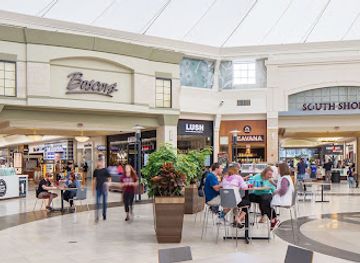
Shopping in Lancaster combines a working public market with independent downtown retail. Lancaster Central Market is the essential starting point for regional foods, baked goods, preserves, meats, cheeses and seasonal produce, while nearby Queen Street and the surrounding blocks contain boutiques, bookshops, galleries, gift shops and locally made goods. Gallery Row and adjacent parts of the city centre reflect Lancaster's arts-led retail character, with paintings, craft objects and design pieces available alongside more practical shopping. Visitors may also find Pennsylvania Dutch-inspired foods, textiles, pottery and woodwork, although the quality and provenance of individual products varies and should be considered carefully. Large-scale outlet shopping and many Amish Country retail attractions lie outside Lancaster city in the wider county, so they should not be confused with the walkable downtown shopping area.
-
Shopping mall
Park City Center
Discover Park City Center in Lancaster, PA – a premier shopping destination with diverse stores, delightful dining, and exciting entertainment options.
13 min drive · 4.3 km from city centre
-
Shopping mall
The Shoppes at Belmont
Discover unique shopping, delicious dining, and vibrant entertainment at The Shoppes at Belmont in Lancaster, Pennsylvania.
9 min drive · 3.0 km from city centre
-
Shopping mall
Red Rose Commons
Discover an array of shops, dining, and entertainment at Red Rose Commons, a premier shopping destination in Lancaster, PA.
10 min drive · 3.3 km from city centre
-
Shopping mall
Lancaster Shopping Center
Explore Lancaster Shopping Center, a vibrant hub of shopping, dining, and entertainment in beautiful Lancaster, PA.
9 min drive · 2.9 km from city centre
Get your free copy of our complete guide to Lancaster, delivered straight to you.
Everything on this page, from attractions and restaurants to essentials and local phrases, in one PDF you can read offline, print or share.
Already have an account? Sign in
Your Lancaster guide is ready.
We'll send it to · Not you? Sign out

Getting your guide ready…
We are putting together a fresh copy of the Lancaster guide. This can take up to a minute.
This can take a few moments. If your browser asks, choose Allow so the download can start. You'll find the guide in your Downloads folder.
Nothing happened? Download it again
Sorry, the guide is taking longer than usual. Please try again in a minute, or get it by email instead.
Lancaster essentials
Currency and Payment
Safety
Emergency Situations
Do's and Don'ts
Local Tips
From Eve
Local phrases worth knowing
You don't need to get them perfect. A few words go a long way, and locals appreciate the effort.
Basics
| English | Local | Say it |
|---|---|---|
| Hello | Hey | [hey] |
| Goodbye | See ya | [see yah] |
| Yes | Ya | [yuh] |
| No | Nah | [nah] |
| Please/You're welcome | Please/No problem | [please/no problem] |
| Thank you | Thanks | [thanks] |
| Excuse me/Sorry | Pardon me/Sorry | [pardon me/sorry] |
| How are you? | How ya doin'? | [how ya doin'] |
| Fine. And you? | Good. How 'bout you? | [good. how 'bout yuh] |
| Do you speak English? | Ya speak English? | [ya speak english] |
| I don't understand | I don't get it | [I don't get it] |
Eating & Drinking
| English | Local | Say it |
|---|---|---|
| I'd like to see the menu, please | Can I see the menu? | [can I see the menu] |
| I don't eat meat | I don't eat meat | [I don't eat meat] |
| Cheers! | Cheers! | [cheers] |
| I would like to pay, please | Can I pay, please | [can I pay please] |
Emergencies
| English | Local | Say it |
|---|---|---|
| Help! | Help! | [help] |
| Go away! | Get outta here! | [get outta here] |
| Call the Police! | Call the cops! | [call the cops] |
| Call a doctor! | Get a doc! | [get a doc] |
| I'm lost | I'm lost | [I'm lost] |
| I'm ill | I'm sick | [I'm sick] |
Shopping
| English | Local | Say it |
|---|---|---|
| I'd like to buy... | I wanna buy... | [I wanna buy] |
| I'm just looking | I'm just lookin' | [I'm just lookin'] |
| How much is it? | How much? | [how much] |
| That's too expensive | That's pricey | [that's pricey] |
| Can you lower the price? | Can ya lower it? | [can ya lower it] |
Time & Numbers
| English | Local | Say it |
|---|---|---|
| What time is it? | What time is it? | [what time is it] |
| It's one o'clock | It's one | [it's one] |
| Half past (10) | Half past ten | [half past ten] |
| Morning | Morning | [morning] |
| Afternoon | Afternoon | [afternoon] |
| Evening | Evening | [evening] |
| Yesterday | Yesterday | [yesterday] |
| Today | Today | [today] |
| Tomorrow | Tomorrow | [tomorrow] |
| 1 | One | [one] |
| 2 | Two | [two] |
| 3 | Three | [three] |
| 4 | Four | [four] |
| 5 | Five | [five] |
| 6 | Six | [six] |
| 7 | Seven | [seven] |
| 8 | Eight | [eight] |
| 9 | Nine | [nine] |
| 10 | Ten | [ten] |
Transport & Directions
| English | Local | Say it |
|---|---|---|
| Where's a/the...? | Where's the...? | [where's the] |
| What's the address? | What's the address? | [what's the address] |
| Can you show me (on the map)? | Can you show me (on the map)? | [can you show me on the map] |
| When's the next (bus)? | When's the next (bus)? | [when's the next bus] |
| A ticket (to ....) | A ticket (to ....) | [a ticket to] |
History of Lancaster
Indigenous Lands and Early Settlement
The Lancaster region was inhabited and travelled by Indigenous peoples long before European settlement, including the Susquehannock, whose homeland extended through the Susquehanna Valley. By the early eighteenth century, the area was being settled by immigrants from central Europe, particularly German-speaking communities who established farms and villages in the fertile limestone country. The name Lancaster was adopted for the emerging settlement in Pennsylvania's British colonial context, linking it symbolically with Lancaster in England. Indigenous displacement, colonial land acquisition and changing trade networks formed the background to the town's growth, while the agricultural practices and German-language culture of early settlers left a lasting mark on the county's identity.
A Borough Takes Shape
Lancaster was laid out as a town in 1729 and developed as a market and administrative centre for the surrounding farms. Its position between Philadelphia and the western frontier gave it importance in regional trade, while roads connected the settlement with the Susquehanna River and neighbouring counties. Lancaster County was established in 1729, and the town later became its seat of government. Brick houses, churches, workshops and public buildings gradually replaced the earliest wooden structures, creating the urban pattern still visible around the central streets. Pennsylvania German settlers, Quakers, Scots-Irish and other communities contributed to the town's commercial and religious life during the colonial period.
Revolutionary Capital for a Day
Lancaster's most unusual national distinction came during the American Revolution. On 27 September 1777, the Continental Congress moved there after British forces threatened Philadelphia, making Lancaster the capital of the United States for a single day. Congress then continued west to York, where it remained for several months. The episode reflected Lancaster's strategic position and its importance as a substantial inland town rather than the creation of a permanent political centre. Revolutionary associations survive in the city's historical interpretation, while the event is remembered as one of the brief and improvised chapters in the early republic's search for secure government.
Commerce, Industry and the Railroad
During the nineteenth century, Lancaster expanded from an agricultural market town into a manufacturing and transport centre. The arrival of rail connections linking the city with Philadelphia and the Susquehanna corridor strengthened trade in farm produce, iron, textiles and manufactured goods. Central Market, rebuilt in its present form in the 1880s, represented the continuing relationship between the city and its agricultural hinterland. Industrial growth brought workshops, foundries and a larger wage-earning population, while churches, schools and civic institutions multiplied. The Victorian and Italianate buildings around downtown reflect this period of prosperity and urban consolidation.
Presidential and Cultural Legacies
Lancaster's nineteenth-century public life included the career of James Buchanan, the only president of the United States never to have married. His Lancaster home, Wheatland, later became a museum and preserves the domestic and political world associated with his presidency from 1857 to 1861. The city also became associated with artists, educators and reformers. Charles Demuth, born in Lancaster in 1883, developed a precisionist style that responded to the modern industrial landscape, and his former home is now connected with the Demuth Museum. These legacies show how a county seat could participate in national politics while developing its own artistic identity.
A Contemporary Small City
In the twentieth and twenty-first centuries, Lancaster retained its role as a commercial centre for one of Pennsylvania's most productive farming regions while adapting its downtown to new cultural and economic uses. Historic buildings have been joined by galleries, restaurants, theatres, educational institutions and independent businesses. The city remains closely connected to Old Order Amish and Mennonite areas in the wider county, but contemporary Lancaster is also shaped by immigration, higher education, the arts and urban revitalisation. Its present character rests on this overlap of agricultural tradition, preserved architecture and a renewed city centre rather than on a single historical period.
Lancaster in Photos
Browse through our photo collection highlighting the charm and character of the destination.
Cities near Lancaster
The closest cities to Lancaster, if you have time for more than one stop.
-
-

-
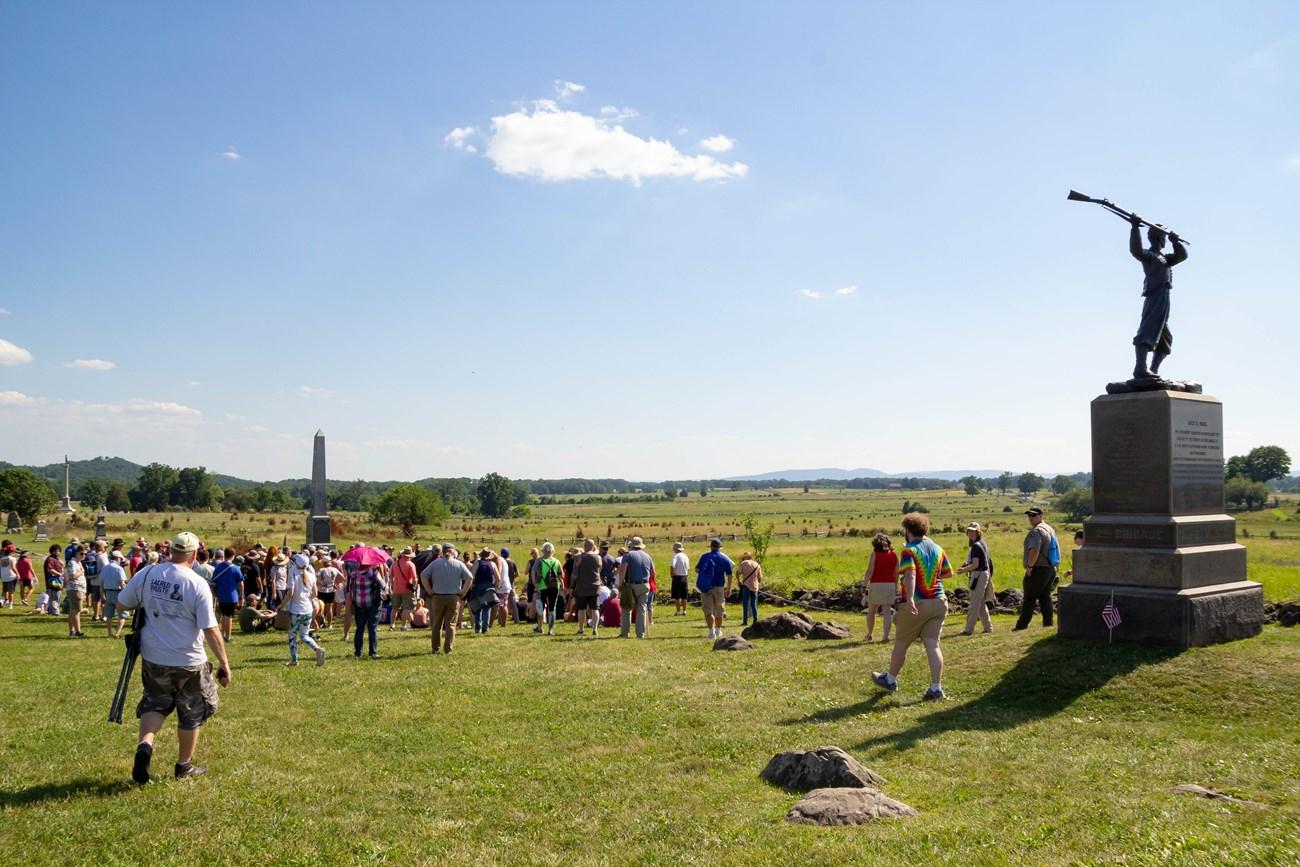 Gettysburg
, Pennsylvania, brings Civil War history to life through its battlefield, museums, historic streets, monuments and thoughtful local culture.
1 h 43 min drive · 83 km from city centre
Gettysburg
Gettysburg, Pennsylvania, brings Civil War history to life through its battlefield, museums, historic streets, monuments and thoughtful local culture.
1 h 43 min drive · 83 km from city centre
-

-


Swipe for more cities
Explore more

Explore more of Pennsylvania
Discover Pennsylvania: A blend of rich history, breathtaking nature, and vibrant culture awaits you in the Keystone State.
Explore Pennsylvania