

Free Reading Travel Guide & Mobile App
Plan your Reading trip with Evendo. Get free guides to top attractions, restaurants, hotels, and bars. Web access or download the mobile app.


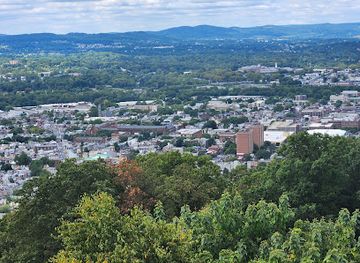
Explore Reading, Pennsylvania: A charming city where history, culture, and scenic beauty converge to offer a unique and enriching travel experience.
Read more about Reading
When is the best time to visit Reading?
Best: May–June, September · 22–27°C| Month | High (°C) | Rainfall (mm) |
|---|---|---|
| January | 3 | 80 |
| February | 4 | 70 |
| March | 11 | 90 |
| April | 16 | 100 |
| May (best) | 22 | 110 |
| June (best) | 27 | 110 |
| July | 29 | 120 |
| August | 28 | 120 |
| September (best) | 24 | 100 |
| October | 18 | 90 |
| November | 12 | 90 |
| December | 6 | 90 |
Getting to and around Reading
How to get there
Transportation
Best attractions in Reading
Reading, Pennsylvania offers visitors a blend of history, culture, and natural beauty. Explore the fascinating Reading Public Museum, home to an impressive collection of art and artifacts from around the world. Step back in time at the Daniel Boone Homestead, where you can learn about the life of the famous frontiersman. Take a leisurely stroll through the stunning GoggleWorks Center for the Arts, a hub of creativity and inspiration. Nature lovers will enjoy a visit to the scenic Blue Marsh Lake, perfect for hiking, boating, and picnicking. With its rich history and diverse attractions, Reading is a must-visit destination for any traveler.
-
Tourist attraction
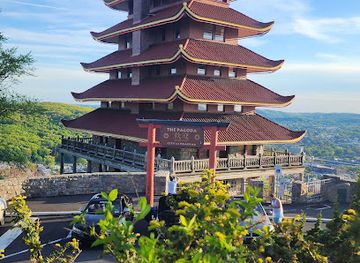
Reading Pagoda
Explore the Reading Pagoda, a breathtaking fusion of Eastern and Western architecture offering stunning views and rich historical insights in Pennsylvania.
5 min drive · 1.8 km from city centre
-
Tourist attraction
Reading Public Museum Arboretum
Explore the beauty of nature at Reading Public Museum Arboretum—your perfect retreat for relaxation, education, and breathtaking landscapes.
7 min drive · 2.3 km from city centre
-
Tourist attraction
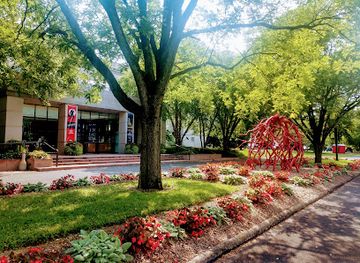
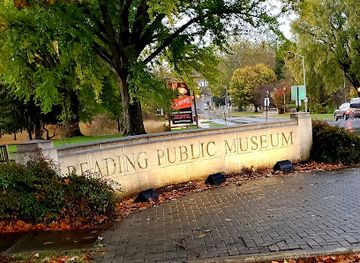
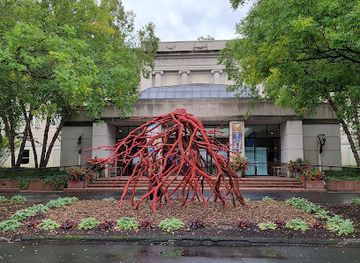
Reading Public Museum
Explore the rich art and history at Reading Public Museum, a cultural gem in Pennsylvania offering diverse exhibitions and engaging programs.
7 min drive · 2.3 km from city centre
-
Tourist attraction
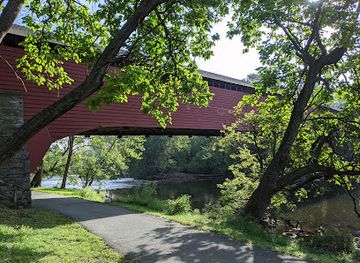
Gring's Mill Recreation Area
Explore the natural beauty and rich history of Gring's Mill Recreation Area in Reading, PA, a hidden gem for outdoor enthusiasts and families.
14 min drive · 4.6 km from city centre
Best landmarks in Reading
Reading in Pennsylvania offers visitors a rich historical experience with landmarks such as the Pagoda, a unique Japanese-style building with stunning views of the city; the Reading Public Museum, showcasing art and science exhibits; and the GoggleWorks Center for the Arts, a vibrant hub for creativity. Visitors can also explore the Historic Penn Street Market, a bustling marketplace with local vendors, or take a stroll through the Antietam Lake Park for a peaceful retreat in nature.
-
Historical landmark
Reading Pagoda
Discover the Reading Pagoda: A Historical Landmark Offering Stunning Views and Rich Cultural Heritage in Pennsylvania.
5 min drive · 1.8 km from city centre
-
Hotel
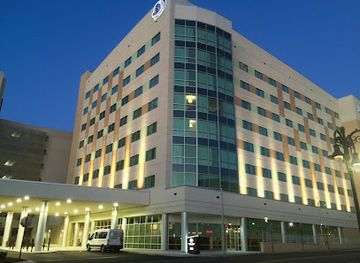
DoubleTree by Hilton Hotel Reading
Experience unparalleled comfort and hospitality at DoubleTree by Hilton Hotel Reading, your ideal base for exploring Pennsylvania's vibrant attractions.
4 min walk · 0.3 km from city centre
-
Arena
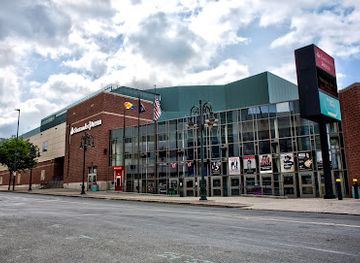
Santander Arena
Discover the excitement of live sports and concerts at Santander Arena, Reading's premier event venue for unforgettable entertainment experiences.
4 min walk · 0.3 km from city centre
-
Arboretum
Reading Public Museum Arboretum
Explore the lush landscapes of Reading Public Museum Arboretum, a tranquil escape in Pennsylvania, perfect for nature lovers and families alike.
7 min drive · 2.3 km from city centre
Explore Reading on the map
Plan your Reading trip on one map. See where the top attractions, landmarks, restaurants, bars and hotels are, find what's near where you're staying, and book hotels and experiences in a few clicks.
Best hotels in Reading
Best restaurants in Reading
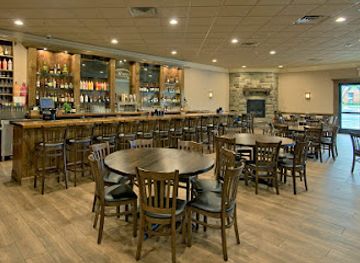
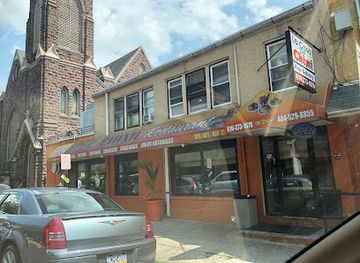
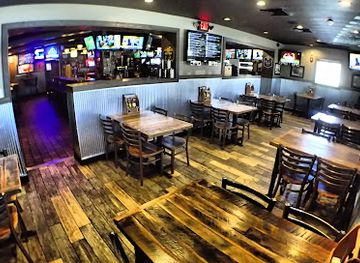
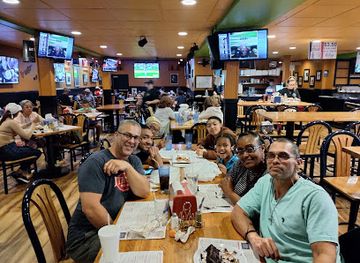
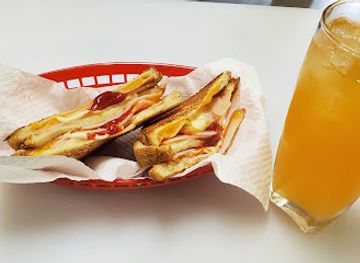
The dining scene in Reading offers a diverse range of culinary experiences that cater to every taste and budget. From cozy cafes serving up freshly baked pastries to upscale restaurants offering gourmet cuisine, visitors can indulge in a variety of flavors from around the world. Local favorites include traditional Pennsylvania Dutch dishes like shoofly pie and chow-chow, as well as ethnic cuisines such as Mexican, Italian, and Asian. Whether you're craving comfort food or looking to try something new, Reading's restaurants are sure to satisfy any palate.
-
Italian
Mimmo's Italian Restaurant & Pizzeria
Discover authentic Italian cuisine at Mimmo's Italian Restaurant & Pizzeria in Reading—where every meal feels like a celebration!
5 min drive · 1.7 km from city centre
-
Dominican
La Casa del Chimi Restaurant
Experience authentic Dominican cuisine at La Casa del Chimi Restaurant in Reading - where every dish tells a story of Caribbean heritage.
4 min walk · 0.3 km from city centre
-
Grill
Brewer's Bar & Grill
Discover delicious grill favorites at Brewer's Bar & Grill in West Reading—where flavor meets friendly service in a cozy setting.
18 min walk · 1.5 km from city centre
-
Restaurant
Pike Cafe
Experience the lively atmosphere of Pike Cafe in Reading, PA - where great food meets fun times in a vibrant restaurant and bar setting.
7 min drive · 2.4 km from city centre
Best bars in Reading
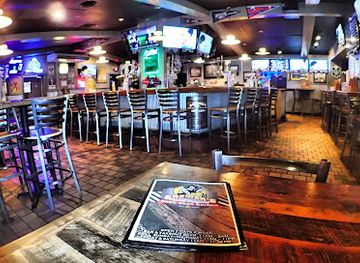
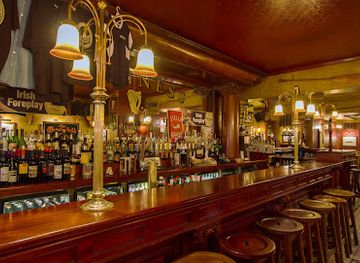
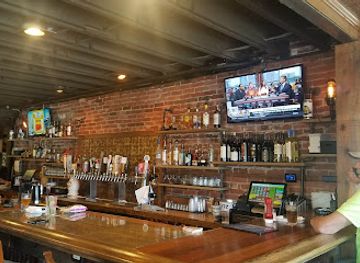
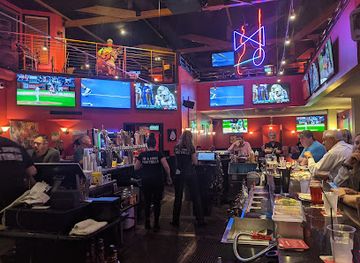
The nightlife scene in Reading offers a vibrant and diverse range of options for visitors to enjoy. From trendy cocktail bars to lively nightclubs, there is something for everyone to experience. You can dance the night away to live music or DJs, sip on craft cocktails, or simply relax in a cozy pub. With a mix of local favorites and popular chains, you can explore different atmospheres and vibes throughout the city. Whether you're looking for a high-energy party or a laid-back evening, Reading's nightlife scene has it all.
-
Grill
Brewer's Bar & Grill
Discover unique grill flavors and vibrant atmosphere at Brewer's Bar & Grill in West Reading, PA, ideal for food lovers and casual diners alike.
18 min walk · 1.5 km from city centre
-
Irish pub
Ugly Oyster Drafthaus
Experience the lively atmosphere of Ugly Oyster Drafthaus, Reading's favorite Irish pub with hearty dishes and a great selection of drinks.
2 min walk · 0.1 km from city centre
-
Pub
Liberty Ale House
Discover Liberty Ale House in Reading, PA: A local pub offering craft beers and delicious fare in a welcoming atmosphere.
10 min drive · 3.4 km from city centre
-
Grill
3rd & Spruce Drafthaus
Experience the vibrant atmosphere of 3rd & Spruce Drafthaus, a grill and gastropub in Reading, PA, known for its craft beers and delicious comfort food.
5 min drive · 1.6 km from city centre
Best nightclubs in Reading
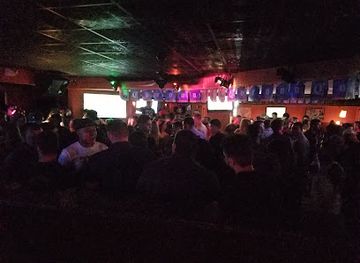
The nightlife scene in Reading offers a vibrant and diverse range of options for visitors to enjoy. From trendy cocktail bars to lively nightclubs, there is something for everyone to experience. You can dance the night away to live music or DJs, sip on craft cocktails, or simply relax in a cozy pub. With a mix of local favorites and popular chains, you can explore different atmospheres and vibes throughout the city. Whether you're looking for a high-energy party or a laid-back evening, Reading's nightlife scene has it all.
-
Night club
Nightclub Reverb
Dive into Reading's nightlife at Nightclub Reverb, where music pulses, drinks flow, and unforgettable memories are made.
7 min drive · 2.4 km from city centre
-
Bar
Legends Inc.
Discover Legends Inc., a lively bar in Reading, PA, offering great food, live music, and a vibrant atmosphere for an unforgettable night out.
11 min drive · 3.8 km from city centre
-
Bar
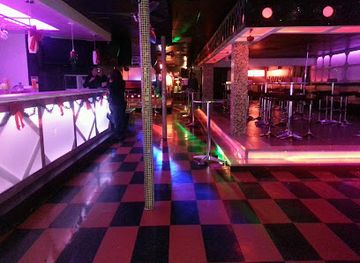
La Cabaña lounge nightclub
Discover the vibrant nightlife at La Cabaña Lounge Nightclub, Reading's top spot for dancing, cocktails, and unforgettable Latin nights.
2 min walk · 0.2 km from city centre
-
Lounge
Rancho Merengue Inc
Discover the lively nightlife at Rancho Merengue Inc, Reading's premier lounge with vibrant music and exquisite drinks.
10 min walk · 0.8 km from city centre

Best shops in Reading
Shopping in Reading offers a unique blend of vintage charm and modern convenience, with a variety of quaint boutiques, antique shops, and specialty stores lining the historic streets. From trendy fashion stores to artisanal craft shops, visitors can find one-of-a-kind treasures and souvenirs to take home. The bustling farmers' markets and flea markets also provide a vibrant shopping experience, where locals and tourists alike can discover fresh produce, handmade goods, and local delicacies. Whether you're looking for a stylish new outfit or a special gift, Reading's shopping scene has something for everyone to enjoy.
-
Shopping mall
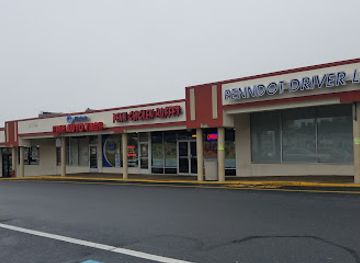
Shillington Shopping Center
Discover a vibrant shopping destination in Reading, PA, offering diverse stores and dining options at the Shillington Shopping Center.
12 min drive · 4.1 km from city centre
-
Collectibles store
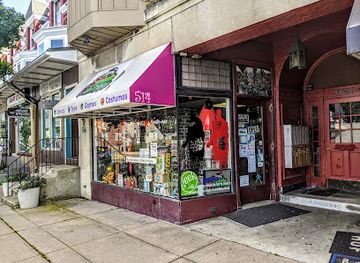
Symbiote Collectibles
Discover a world of nostalgia at Symbiote Collectibles, where comic books, toys, and video games come together for fans and collectors alike.
5 min drive · 1.8 km from city centre
-
Hobby store
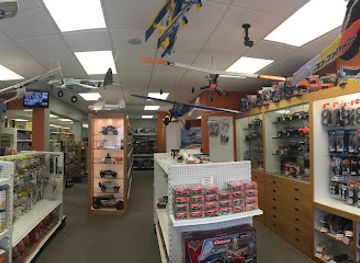
Iron Horse Hobby House
Explore Iron Horse Hobby House in Reading, PA—a paradise for hobbyists and families with a vast selection of models, toys, and collectibles.
3 min walk · 0.2 km from city centre
-
Women's clothing store
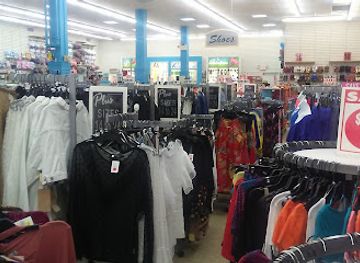
Rainbow Shops
Discover the latest fashion trends at Rainbow Shops in Reading, PA, your affordable destination for women's clothing, accessories, and more.
1 min walk · 0.1 km from city centre
Get your free copy of our complete guide to Reading, delivered straight to you.
Everything on this page, from attractions and restaurants to essentials and local phrases, in one PDF you can read offline, print or share.
Already have an account? Sign in
Your Reading guide is ready.
We'll send it to · Not you? Sign out

Getting your guide ready…
We are putting together a fresh copy of the Reading guide. This can take up to a minute.
This can take a few moments. If your browser asks, choose Allow so the download can start. You'll find the guide in your Downloads folder.
Nothing happened? Download it again
Sorry, the guide is taking longer than usual. Please try again in a minute, or get it by email instead.
Reading essentials
Currency and Payment
Safety
Emergency Situations
Do's and Don'ts
Local Tips
From Eve
Local phrases worth knowing
You don't need to get them perfect. A few words go a long way, and locals appreciate the effort.
Basics
| English | Local | Say it |
|---|---|---|
| Hello | Hey | [hey] |
| Goodbye | See ya | [see ya] |
| Yes | Yeah | [yeah] |
| No | Nah | [nah] |
| Please/You're welcome | Please/No problem | [please/no problem] |
| Thank you | Thanks | [thanks] |
| Excuse me/Sorry | Excuse me/Sorry | [excuse me/sorry] |
| How are you? | How ya doin'? | [how ya doin'?] |
| Fine. And you? | Good. You? | [good. you?] |
| Do you speak English? | Ya speak English? | [ya speak english?] |
| I don't understand | I don't get it | [i don't get it] |
Eating & Drinking
| English | Local | Say it |
|---|---|---|
| I'd like to see the menu, please | Can I see the menu? | [can i see the menu?] |
| I don't eat meat | I don't eat meat | [i don't eat meat] |
| Cheers! | Cheers! | [cheers!] |
| I would like to pay, please | I'll pay now | [i'll pay now] |
Emergencies
| English | Local | Say it |
|---|---|---|
| Help! | Help! | [help!] |
| Go away! | Get lost! | [get lost!] |
| Call the Police! | Call the cops! | [call the cops!] |
| Call a doctor! | Get a doctor! | [get a doctor!] |
| I'm lost | I'm lost | [i'm lost] |
| I'm ill | I feel sick | [i feel sick] |
Shopping
| English | Local | Say it |
|---|---|---|
| I'd like to buy... | I wanna buy... | [i wanna buy...] |
| I'm just looking | Just browsing | [just browsing] |
| How much is it? | How much? | [how much?] |
| That's too expensive | Too pricey | [too pricey] |
| Can you lower the price? | Can you make it cheaper? | [can you make it cheaper?] |
Time & Numbers
| English | Local | Say it |
|---|---|---|
| What time is it? | What time is it? | [what time is it?] |
| It's one o'clock | It's one | [it's one] |
| Half past (10) | Half past ten | [half past ten] |
| Morning | Morning | [morning] |
| Afternoon | Afternoon | [afternoon] |
| Evening | Evening | [evening] |
| Yesterday | Yesterday | [yesterday] |
| Today | Today | [today] |
| Tomorrow | Tomorrow | [tomorrow] |
| 1 | One | [one] |
| 2 | Two | [two] |
| 3 | Three | [three] |
| 4 | Four | [four] |
| 5 | Five | [five] |
| 6 | Six | [six] |
| 7 | Seven | [seven] |
| 8 | Eight | [eight] |
| 9 | Nine | [nine] |
| 10 | Ten | [ten] |
Transport & Directions
| English | Local | Say it |
|---|---|---|
| Where's a/the...? | Where's the...? | [where's the...?] |
| What's the address? | What's the address? | [what's the address?] |
| Can you show me (on the map)? | Can you show me (on the map)? | [can you show me (on the map)?] |
| When's the next (bus)? | When's the next (bus)? | [when's the next (bus)?] |
| A ticket (to ....) | A ticket (to ....) | [a ticket (to ....)] |
History of Reading
Founding and Early Years
Reading, Pennsylvania was established in 1748 by the sons of William Penn, the founder of Pennsylvania. Named after Reading, Berkshire in England, the town quickly became a center for trade and industry due to its strategic location along the Schuylkill River and its proximity to Philadelphia.
The Reading Railroad
The Reading Railroad, officially known as the Philadelphia and Reading Railroad, was incorporated in 1833. It played a crucial role in the transportation of coal from the rich anthracite fields of northeastern Pennsylvania to markets across the country. The railroad's success transformed Reading into an industrial hub and contributed to the city's rapid growth during the 19th century.
Civil War Era
During the Civil War, Reading was a significant manufacturing center, producing goods and materials essential to the Union war effort. The city's factories and foundries made everything from iron products to textiles. Reading also served as a recruitment and training site for Union soldiers.
Immigration and Industrialization
In the late 19th and early 20th centuries, Reading experienced a wave of immigration, with many newcomers from Eastern and Southern Europe. This influx of diverse cultures contributed to the city's rich cultural tapestry. The industrial boom continued, with the city becoming known for its production of textiles, hats, and hardware.
The Pagoda
One of Reading's most iconic landmarks, the Pagoda, was completed in 1908. Originally built as a luxury resort, it never served its intended purpose and was instead donated to the city in 1911. The Pagoda sits atop Mount Penn and offers panoramic views of Reading and the surrounding area. It has become a symbol of the city and a popular tourist attraction.
The Great Depression and World War II
Like many American cities, Reading was deeply affected by the Great Depression. However, the city's robust industrial base helped it recover. During World War II, Reading's factories were once again vital to the war effort, producing military equipment and supplies. The city also hosted a prisoner-of-war camp for German soldiers.
Post-War Suburbanization
The post-war era saw significant suburbanization, with many residents moving to newly developed areas outside the city. Despite this, Reading remained an important center of industry and culture. The city adapted to the changes, focusing on revitalizing its downtown area and preserving its historical landmarks.
The Modern Era
Today, Reading is a vibrant city known for its cultural diversity, historical significance, and scenic beauty. Efforts to revitalize the downtown area have led to a resurgence in local businesses, arts, and entertainment. The city hosts numerous festivals and events, celebrating its rich history and cultural heritage.
Reading in Photos
Browse through our photo collection highlighting the charm and character of the destination.
Cities near Reading
The closest cities to Reading, if you have time for more than one stop.
-
 Lancaster
Explore Lancaster, Pennsylvania: A charming blend of Amish culture, historic landmarks, and scenic beauty in the heart of Pennsylvania Dutch Country.
1 h 6 min drive · 46 km from city centre
Lancaster
Explore Lancaster, Pennsylvania: A charming blend of Amish culture, historic landmarks, and scenic beauty in the heart of Pennsylvania Dutch Country.
1 h 6 min drive · 46 km from city centre
-
 Allentown
Discover Allentown, Pennsylvania – a perfect blend of history, nature, and modern attractions in the heart of the Lehigh Valley.
1 h 9 min drive · 49 km from city centre
Allentown
Discover Allentown, Pennsylvania – a perfect blend of history, nature, and modern attractions in the heart of the Lehigh Valley.
1 h 9 min drive · 49 km from city centre
-
 Hershey
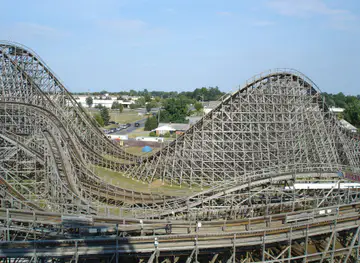
Explore Hershey, Pennsylvania, where chocolate dreams come true in a town filled with fun, history, and scenic beauty. Discover the magic of The Sweetest Place on Earth.
1 h 22 min drive · 62 km from city centre
Hershey
Explore Hershey, Pennsylvania, where chocolate dreams come true in a town filled with fun, history, and scenic beauty. Discover the magic of The Sweetest Place on Earth.
1 h 22 min drive · 62 km from city centre
-
 Philadelphia
Discover Philadelphia: A city where American history meets vibrant culture, delicious food, and diverse neighborhoods, making it an unforgettable travel destination.
1 h 37 min drive · 77 km from city centre
Philadelphia
Discover Philadelphia: A city where American history meets vibrant culture, delicious food, and diverse neighborhoods, making it an unforgettable travel destination.
1 h 37 min drive · 77 km from city centre
-
 Scranton
Explore Scranton, Pennsylvania: A city where history meets nature, and where industrial heritage and vibrant arts create a unique and memorable experience.
2 h 21 min drive · 121 km from city centre
Scranton
Explore Scranton, Pennsylvania: A city where history meets nature, and where industrial heritage and vibrant arts create a unique and memorable experience.
2 h 21 min drive · 121 km from city centre
Swipe for more cities

