

Free Main Line Travel Guide & Mobile App
Explore Main Line with free travel guides. Discover regional history, expert tips, proposed trips, and audio guides on web or mobile app.


Explore Pennsylvania's Main Line for historic railway towns, college architecture, gardens, restaurants and rolling countryside west of Philadelphia.
Read more about Main Line
Getting to and around Main Line
How to get there
Transportation
Top city travel guides in Main Line
The cities of Main Line, and the easiest places to base yourself.

Swipe for more cities
Best attractions in Main Line
The Main Line's attractions reflect its unusual mixture of suburban history, academic institutions, designed landscapes and surviving countryside. In the eastern communities, visitors can explore historic town centres, railway architecture and cultural venues such as the Bryn Mawr Film Institute. The colleges at Haverford, Bryn Mawr and Villanova contribute notable buildings, sculpture and mature landscapes, although access varies because they are working campuses rather than conventional museums. Around Wayne, Chanticleer combines a former estate setting with highly individual garden design, while Jenkins Arboretum and Gardens in Devon offers woodland walks and extensive plant collections. Further west, the landscape becomes more rural, with horse farms, country roads and open views around Malvern and the Chester County edge. Main Line attractions are often best approached as a series of short visits linked by rail, car or carefully planned walks, rather than as one concentrated visitor complex. Valley Forge National Historical Park lies nearby to the north but outside the Main Line itself and can be added as a separate excursion.
-
Tourist attraction
Hershey's Chocolate World
Experience the magic of chocolate-making at Hershey's Chocolate World, where sweet dreams come true for chocolate lovers and families alike.
-
Historical place
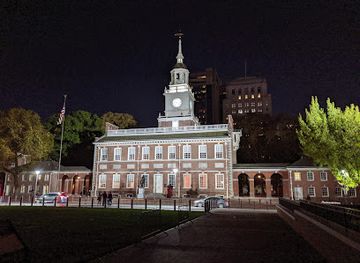
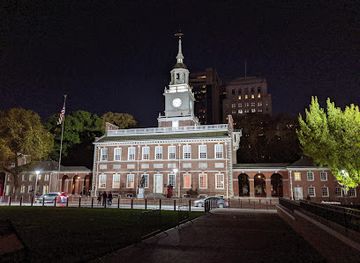
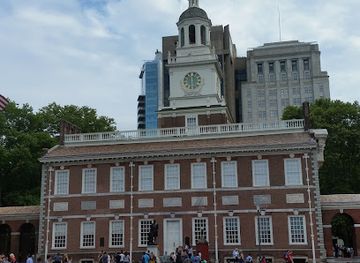
Independence National Historical Park
Discover the rich history of America's founding at Independence National Historical Park, home to the Liberty Bell and Independence Hall in Philadelphia.
-
Zoo
Philadelphia Zoo
Explore the Philadelphia Zoo, a historic sanctuary for over 1,300 animals, blending conservation, education, and unforgettable experiences in a lush setting.
-
Park
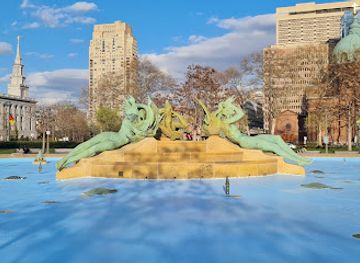
JFK Plaza (Love Park)
Discover the iconic LOVE sculpture and vibrant community events at Love Park, Philadelphia's heart of art and culture.

Best landmarks in Main Line
The Main Line's most recognisable landmarks are less concentrated than those of an old city, but they form a coherent record of railway suburbia and institutional architecture. The stone stations along the Paoli/Thorndale corridor, including those at Bryn Mawr, Haverford, Wayne, Devon and Malvern, express the railway's role in creating the region and remain useful visual markers. Haverford College's historic campus and Bryn Mawr College's Collegiate Gothic buildings and landscaped grounds are important architectural ensembles, while Villanova University's campus includes prominent late nineteenth- and twentieth-century structures linked to its Augustinian history. Chanticleer's former estate setting and gardens in Wayne and Jenkins Arboretum's wooded landscape in Devon are significant designed landmarks rather than purely recreational spaces. The region also retains Quaker meetinghouses, substantial stone residences and historic town streets that reveal earlier layers of settlement. Many celebrated houses are private, so the public character of the Main Line is found chiefly in its stations, campuses, gardens, meetinghouses and town centres rather than in a single monumental building.
-
Tourist attraction
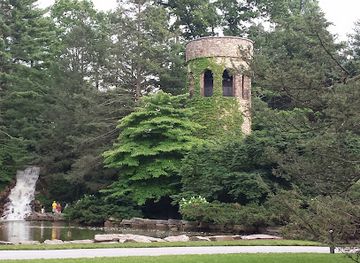
Longwood Gardens
Explore the stunning beauty of Longwood Gardens, a tranquil botanical paradise in Pennsylvania, showcasing diverse flora and captivating landscapes.
-
Historical place
Independence National Historical Park
Explore Independence National Historical Park, a cornerstone of American history, featuring Independence Hall and the Liberty Bell in Philadelphia.
-
Tourist attraction
Philadelphia Museum of Art
Explore the artistic grandeur of the Philadelphia Museum of Art, a cultural hub featuring masterpieces and breathtaking city views.
-
Historical landmark
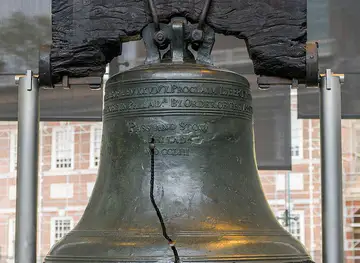
Liberty Bell
Discover the Liberty Bell in Philadelphia, a historic symbol of freedom and independence that echoes the spirit of American democracy.

Explore Main Line on the map
Plan your trip on one map. See where the top cities, national parks and sights are, and book hotels and experiences in a few clicks.
Best hotels in Main Line
Best restaurants in Main Line
Dining on the Main Line is concentrated in its town centres, where independent cafés, bakeries, delis, pubs and contemporary restaurants serve residents as well as visitors. Ardmore and Narberth offer particularly walkable clusters, while Bryn Mawr, Wayne and Malvern provide further choices around their commercial streets. The food scene reflects the Philadelphia region rather than a sharply separate Main Line cuisine: expect American comfort food, sandwiches, pizza, cheesesteaks, seasonal farm-to-table cooking and a wide range of international restaurants. The corridor's affluent suburbs also support polished dining rooms, wine-led restaurants and specialist coffee shops, while western communities sit close to the farms and equestrian landscapes of Chester County. Farmers' markets and local food shops are useful for Pennsylvania produce, baked goods and prepared foods, and historic inns and neighbourhood pubs offer a more traditional setting. Visitors should distinguish local specialities from broader Philadelphia favourites, as many familiar dishes are regional or national rather than inventions of the Main Line.
-
American
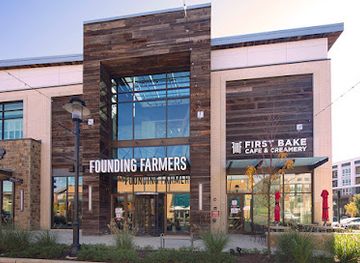
Founding Farmers King of Prussia
Experience the best of American comfort food at Founding Farmers King of Prussia—where every meal feels like home.
-
Breakfast
Minella's Diner
Discover Minella's Diner: Where hearty breakfasts meet Greek and Italian culinary delights in Wayne, PA.
-
American
White Dog Cafe Wayne
Experience delightful American cuisine at White Dog Cafe Wayne, where local ingredients meet creative culinary artistry in a charming setting.
-
Fine Dining
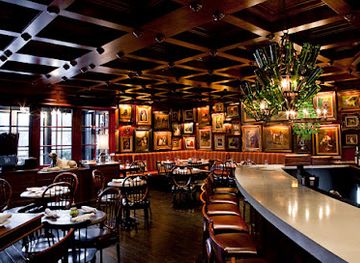
Fleming’s Prime Steakhouse & Wine Bar
Experience the pinnacle of fine dining at Fleming’s Prime Steakhouse & Wine Bar with exquisite steaks and an extensive wine selection.


Best bars in Main Line
Evening life on the Main Line is suburban and dispersed rather than dominated by a major nightclub district. Ardmore, Bryn Mawr, Wayne and Malvern have the greatest concentration of restaurants, pubs, bars and occasional live-music or performance venues, while Narberth offers a compact evening scene around its small centre. Traditional pubs, sports bars, cocktail-led restaurants and craft-beer venues are more characteristic than large clubs, and college communities around Haverford, Bryn Mawr and Villanova create additional activity during the academic year. Cinemas and theatres provide alternatives to drinking, including the Bryn Mawr Film Institute. In the western communities, evenings often centre on dining or a quiet drink rather than late-night entertainment, and some venues close earlier than visitors may expect from a major city. Philadelphia, outside the Main Line, remains the nearby destination for a much broader club and concert programme.
-
Brewpub
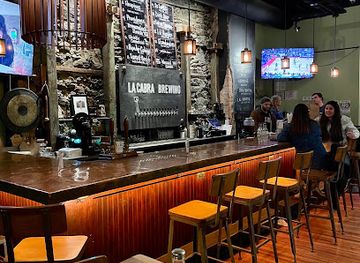
La Cabra Brewing
Discover La Cabra Brewing: A Berwyn gem offering unique craft beers and Latin-inspired cuisine in a lively brewpub setting.
-
American
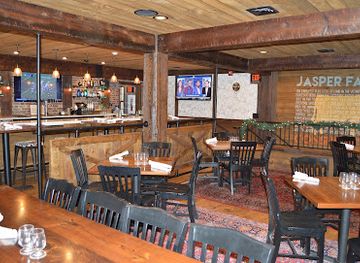
Jasper's Backyard
Discover Jasper's Backyard: A lively American bar and grill in Conshohocken, famous for its culinary delights, craft cocktails, and vibrant live music scene.
-
Bar
Bok Bar
Discover Bok Bar: Philadelphia's vibrant rooftop bar with stunning views, craft cocktails, and a lively atmosphere, perfect for tourists seeking local experiences.
-
Bar
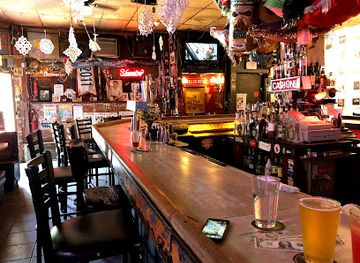
Dirty Franks
Experience the unique charm and vibrant atmosphere of Dirty Franks, Philadelphia's favorite bar for affordable drinks and great vibes.

Best nightclubs in Main Line
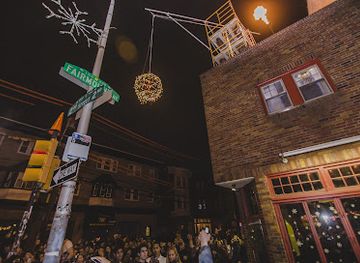
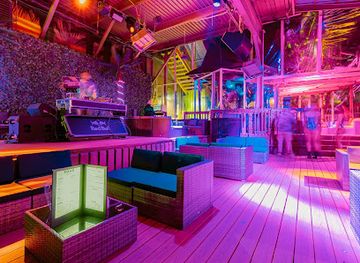
Evening life on the Main Line is suburban and dispersed rather than dominated by a major nightclub district. Ardmore, Bryn Mawr, Wayne and Malvern have the greatest concentration of restaurants, pubs, bars and occasional live-music or performance venues, while Narberth offers a compact evening scene around its small centre. Traditional pubs, sports bars, cocktail-led restaurants and craft-beer venues are more characteristic than large clubs, and college communities around Haverford, Bryn Mawr and Villanova create additional activity during the academic year. Cinemas and theatres provide alternatives to drinking, including the Bryn Mawr Film Institute. In the western communities, evenings often centre on dining or a quiet drink rather than late-night entertainment, and some venues close earlier than visitors may expect from a major city. Philadelphia, outside the Main Line, remains the nearby destination for a much broader club and concert programme.
-
Bar
The 700
Experience the best of Philadelphia's nightlife at The 700, featuring comedy, karaoke, and sports in a lively bar atmosphere.
-
Night club
Roar Nightclub
Dive into the electrifying nightlife at Roar Nightclub in Philadelphia, where great music and an unforgettable atmosphere await every weekend.
-
Adult entertainment club
Just Enuff Lounge
Discover the vibrant nightlife at Just Enuff Lounge, your go-to adult entertainment club in King of Prussia, PA, for unforgettable performances and a welcoming atmosphere.
-
Night club
Brasil's Nightclub
Discover the heart of Philadelphia's nightlife at Brasil's Nightclub, where vibrant music and dancing create an unforgettable experience.


Best shops in Main Line
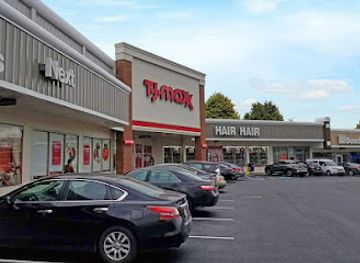
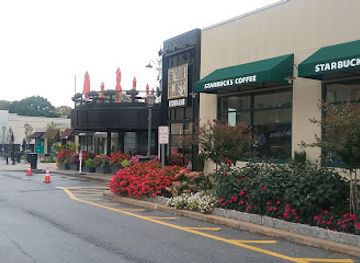
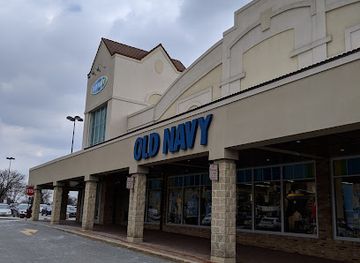
Shopping on the Main Line is organised around independent town centres, suburban retail areas and specialist food businesses rather than one dominant shopping district. Ardmore has a broad mix of restaurants, services and independent shops, while Narberth's compact centre is suited to browsing boutiques, books, gifts and everyday local businesses. Wayne and Bryn Mawr offer further clothing, homeware, beauty and speciality retail, with a more intimate scale than central Philadelphia. Farmers' markets and food shops are good places to look for Pennsylvania produce, baked goods, preserves and locally made items, although schedules vary by season. Art galleries, garden-related shops and independent bookstores reflect the corridor's educated and horticulturally minded communities. Large-scale retail is available in suburban commercial areas, but visitors seeking memorable regional purchases will generally find more character in small shops, markets, delis and bakeries than in generic shopping centres. Antique and specialist shopping exists but is dispersed, so it is sensible to check current locations before making a dedicated trip.
-
Shopping mall
City Avenue Shopping Center
Explore City Avenue Shopping Center in Philadelphia for an exceptional shopping experience with diverse stores and delightful dining options.
-
Shopping mall
Suburban Square
Explore Suburban Square, a premier shopping destination in Ardmore, PA, featuring unique shops, diverse dining, and a vibrant community atmosphere.
-
Shopping mall
Wynnewood Shopping Center
Discover the vibrant Wynnewood Shopping Center, a premier shopping mall in Pennsylvania offering diverse retail options and delightful dining experiences.
-
Shopping mall
Ardmore Shopping Center
Experience the vibrant atmosphere of Ardmore Shopping Center, where shopping, dining, and community come together in perfect harmony.
Get your free copy of our complete guide to Main Line, delivered straight to you.
Everything on this page, from attractions and restaurants to essentials and local phrases, in one PDF you can read offline, print or share.
Already have an account? Sign in
Your Main Line guide is ready.
We'll send it to · Not you? Sign out

Getting your guide ready…
We are putting together a fresh copy of the Main Line guide. This can take up to a minute.
This can take a few moments. If your browser asks, choose Allow so the download can start. You'll find the guide in your Downloads folder.
Nothing happened? Download it again
Sorry, the guide is taking longer than usual. Please try again in a minute, or get it by email instead.
Main Line essentials
Currency and Payment
Safety
Emergency Situations
Do's and Don'ts
Local Tips
From Eve
Local phrases worth knowing
You don't need to get them perfect. A few words go a long way, and locals appreciate the effort.
Basics
| English | Local | Say it |
|---|---|---|
| Hello | Hi there | [hai thɛr] |
| Goodbye | See you later | [si ju leɪtər] |
| Yes | Sure | [ʃʊr] |
| No | Nah | [nɑ] |
| Please/You're welcome | No problem | [noʊ ˈprɒbləm] |
| Thank you | Thanks a lot | [θæŋks ə lɒt] |
| Excuse me/Sorry | Pardon me | [ˈpɑrdən mi] |
| How are you? | How's it going? | [haʊz ɪt ˈɡoʊɪŋ] |
| Fine. And you? | Doing well, and you? | [ˈduːɪŋ wɛl, ənd ju] |
| Do you speak English? | Do you speak English? | [du ju spiːk ˈɪŋɡlɪʃ] |
| I don't understand | I’m not following | [aɪm nɑt ˈfɑloʊɪŋ] |
Eating & Drinking
| English | Local | Say it |
|---|---|---|
| I'd like to see the menu, please | Can I see the menu? | [kæn aɪ si ðə ˈmɛnju] |
| I don't eat meat | I’m a vegetarian | [aɪm ə ˌvɛdʒəˈtɛriən] |
| Cheers! | Cheers! | [ʧɪrz] |
| I would like to pay, please | Can I get the check? | [kæn aɪ gɛt ðə ʧɛk] |
Emergencies
| English | Local | Say it |
|---|---|---|
| Help! | Help! | [hɛlp] |
| Go away! | Leave me alone! | [liːv mi əˈloʊn] |
| Call the Police! | Call 911! | [kɔl naɪn wʌn wʌn] |
| Call a doctor! | Get a doctor! | [ɡɛt ə ˈdɑktər] |
| I'm lost | I can’t find my way | [aɪ kænt faɪnd maɪ weɪ] |
| I'm ill | I’m not feeling well | [aɪm nɑt ˈfiːlɪŋ wɛl] |
Shopping
| English | Local | Say it |
|---|---|---|
| I'd like to buy... | I want to buy... | [aɪ wɑnt tə baɪ] |
| I'm just looking | Just browsing | [dʒʌst ˈbraʊzɪŋ] |
| How much is it? | What’s the price? | [wʌts ðə praɪs] |
| That's too expensive | That’s a bit pricey | [ðæts ə bɪt ˈpraɪsi] |
| Can you lower the price? | Can you give me a better deal? | [kæn ju gɪv mi ə ˈbɛtər diːl] |
Time & Numbers
| English | Local | Say it |
|---|---|---|
| What time is it? | What time is it? | [wʌt taɪm ɪz ɪt] |
| It's one o'clock | It's one o'clock | [ɪts wʌn əˈklɒk] |
| Half past (10) | Half past ten | [hæf pæst tɛn] |
| Morning | Morning | [ˈmɔrnɪŋ] |
| Afternoon | Afternoon | [ˌɑftərˈnun] |
| Evening | Evening | [ˈivnɪŋ] |
| Yesterday | Yesterday | [ˈjɛstərdeɪ] |
| Today | Today | [təˈdeɪ] |
| Tomorrow | Tomorrow | [təˈmɔroʊ] |
| 1 | One | [wʌn] |
| 2 | Two | [tu] |
| 3 | Three | [θri] |
| 4 | Four | [fɔr] |
| 5 | Five | [faɪv] |
| 6 | Six | [sɪks] |
| 7 | Seven | [ˈsɛvən] |
| 8 | Eight | [eɪt] |
| 9 | Nine | [naɪn] |
| 10 | Ten | [tɛn] |
Transport & Directions
| English | Local | Say it |
|---|---|---|
| Where's a/the...? | Where's the...? | [wɛrz ðə] |
| What's the address? | What’s the address? | [wʌtʃ ði ˈædrɛs] |
| Can you show me (on the map)? | Can you point it out? | [kæn ju pɔɪnt ɪt aʊt] |
| When's the next (bus)? | When's the next bus? | [wɛnʌs ðə nɛkst bʌs] |
| A ticket (to ....) | A ticket to... | [ə ˈtɪkɪt tə] |
History of Main Line
Lenape Lands and Early European Settlement
Before European colonisation, the area now known as the Main Line formed part of the homeland of the Lenape, whose communities used the region's streams, woodlands and fertile ground. Welsh Quakers and other settlers arrived in the late seventeenth century, particularly around what became Haverford and Merion. The Welsh Tract, granted by William Penn, left a lasting mark on local place names, religious institutions and landholding patterns. Quaker meetinghouses and early farmsteads testify to a settlement culture based on agriculture, worship and community governance rather than dense urban development.
Turnpikes, Farms and Quaker Communities
During the eighteenth and early nineteenth centuries, the corridor remained predominantly rural. The Lancaster Pike, developed as a major turnpike west from Philadelphia, improved movement through the region and helped connect farms and market towns with the growing city. Quaker meetings at places including Haverford and Radnor provided important religious and social institutions. Large farms, mills and country estates occupied land that would later be subdivided into suburbs, while roads and waterways established the basic east-west geography that still shapes travel across the Main Line.
The Pennsylvania Railroad and the Main Line
The corridor's defining transformation began with the Pennsylvania Railroad's westward route from Philadelphia towards Lancaster and Pittsburgh in the 1830s. Stations created a connected chain of settlements whose names remain central to the modern Main Line, including Ardmore, Bryn Mawr, Haverford, Radnor, Wayne, Devon, Berwyn, Paoli and Malvern. Reliable rail access allowed wealthy Philadelphians to build commuting residences beyond the city while retaining urban employment and social connections. The phrase Main Line originally referred to this railway corridor before becoming a wider cultural and geographic term.
Colleges, Schools and Institutional Landscapes
The nineteenth century saw the establishment and growth of institutions that continue to define the corridor. Haverford College, founded by Quakers in 1833, and Bryn Mawr College, founded in 1885, brought distinctive academic traditions and architecture to the area. Villanova University, whose roots reach back to an Augustinian foundation established in the nineteenth century, became another major presence. These campuses preserved open land, mature trees and notable buildings while contributing to the Main Line's reputation as an educational and cultural centre within the Philadelphia metropolitan region.
Country Estates and the Gilded Age Suburb
From the late nineteenth century into the early twentieth, prosperous Philadelphia families built substantial houses and landscaped estates along the railway. Architects and landscape designers produced stone residences, formal gardens and country properties influenced by English, Colonial Revival and other historic styles. The surviving estates and garden traditions around Wayne, Devon and Villanova illustrate how the Main Line became associated with a form of suburban life that combined rural space, private wealth and rapid rail access. Many properties were later adapted for institutional, public or horticultural use.
African American Communities and Inclusive Local Histories
The Main Line's history also includes long-established African American communities whose experiences are often overshadowed by the corridor's estate narrative. Ardmore and the Coopertown neighbourhood in Haverford Township developed as important centres of Black family life, civic activity and local business. Residents built churches, homes and community networks despite discrimination in housing and employment. Their history forms part of the region's broader twentieth-century story, revealing that the Main Line was never socially or culturally uniform.
Twentieth-Century Suburbanisation and Road Expansion
After the Second World War, automobile ownership, new housing and commercial development reshaped the corridor. Traditional station towns acquired shopping centres, office districts and larger road networks, while some farmland and estates disappeared under suburban growth. The Main Line remained closely tied to Philadelphia through commuter rail, even as daily life became more dispersed. Preservation efforts subsequently protected selected historic buildings, landscapes and town centres, while SEPTA's continued operation of the former Pennsylvania Railroad route maintains a visible link with the region's origins.
Main Line in Photos
Browse through our photo collection highlighting the charm and character of the destination.
Neighbouring regions of Main Line
The closest regions to Main Line, if you have time for more than one.
-

-
-

-

-


Swipe for more regions
Explore more

Explore more of Pennsylvania
Discover Pennsylvania: A blend of rich history, breathtaking nature, and vibrant culture awaits you in the Keystone State.
Explore Pennsylvania