

Free Delaware Valley Travel Guide & Mobile App
Explore Delaware Valley with free travel guides. Discover regional history, expert tips, proposed trips, and audio guides on web or mobile app.


Explore Pennsylvania's Delaware Valley for Philadelphia history, river towns, museums, gardens, food culture and green countryside close to the city.
Read more about Delaware Valley
Getting to and around Delaware Valley
How to get there
Transportation
Top city travel guides in Delaware Valley
The cities of Delaware Valley, and the easiest places to base yourself.
-

-

-

-


Swipe for more cities
Destinations in Delaware Valley
Resorts, valleys and scenic spots worth a trip of their own.

Swipe for more destinations
Best attractions in Delaware Valley
The Pennsylvania Delaware Valley offers an unusually broad range of attractions within a metropolitan region. Philadelphia's Independence National Historical Park presents the central story of the American founding through Independence Hall, the Liberty Bell and associated historic buildings, while the National Constitution Center, Museum of the American Revolution and African American Museum in Philadelphia extend that context. The city's art museums, science institutions, historic houses and neighbourhood food markets provide a substantial urban programme. Outside the city, Valley Forge National Historical Park combines revolutionary history with wooded trails, meadows and monuments. Bucks County follows the Delaware River through Washington Crossing Historic Park, New Hope and canal-side landscapes, while the Brandywine Valley includes battlefield history, museums, estates and major gardens. Longwood Gardens lies in Chester County near Kennett Square, and Tyler Arboretum occupies a large historic landscape in Delaware County. The Schuylkill River Trail, Delaware Canal towpath and regional park systems support walking and cycling, although rural access is easier by car than by public transport. Farm stands, vineyards, breweries and seasonal events add a changing countryside dimension without replacing the region's strong historical identity.
-
Garden
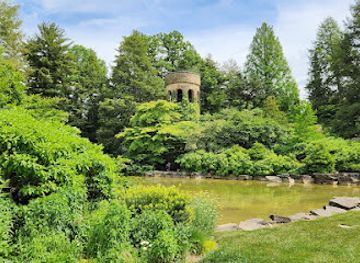
Longwood Gardens
Explore Longwood Gardens, a stunning botanical garden in Pennsylvania, showcasing nature's beauty through diverse flora and breathtaking landscapes.
-
Historical place
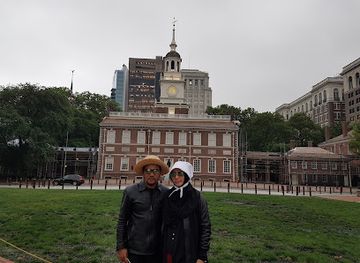
Independence National Historical Park
Explore the rich history of Independence National Historical Park in Philadelphia, where the spirit of American independence comes alive.
-
Historical landmark
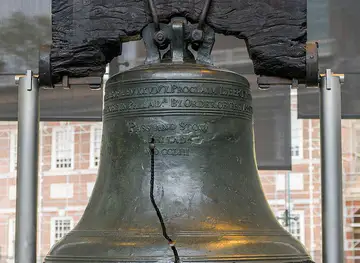
Liberty Bell
Discover the Liberty Bell in Philadelphia, an iconic symbol of American freedom, rich in history and significance, attracting visitors from all over the world.
-
State park
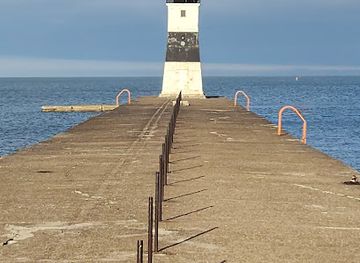
Presque Isle State Park
Explore the breathtaking natural beauty and diverse outdoor activities at Presque Isle State Park, a premier destination on Lake Erie.

Best landmarks in Delaware Valley
Independence Hall and the Liberty Bell are the defining historic landmarks of the Pennsylvania Delaware Valley, representing Philadelphia's central role in the founding debates of the United States. Philadelphia City Hall, crowned by the statue of William Penn, is a major example of nineteenth-century civic architecture, while the Benjamin Franklin Parkway forms a monumental cultural axis between City Hall and the Philadelphia Museum of Art. Boathouse Row, illuminated along the Schuylkill River, reflects the city's rowing tradition and river landscape. Eastern State Penitentiary is a distinctive nineteenth-century prison complex whose radial design influenced penal architecture. Beyond the city, Valley Forge's memorials and encampment landscape mark the Continental Army's winter of 1777–78, and Washington Crossing Historic Park commemorates the Delaware River crossing associated with George Washington's 1776 campaign. The stone farmhouses, bridges and meetinghouses of the Brandywine and Delaware River corridors express the area's Quaker and agricultural heritage. Longwood Gardens, in Chester County, is a landmark of designed landscape and horticultural history, while the Delaware Canal and Schuylkill River provide enduring physical evidence of the transport systems that helped shape regional commerce.
-
Park
Valley Forge National Historical Park
Discover the rich history and scenic beauty of Valley Forge National Historical Park, where America's revolutionary spirit comes alive amidst breathtaking landscapes.
-
History museum
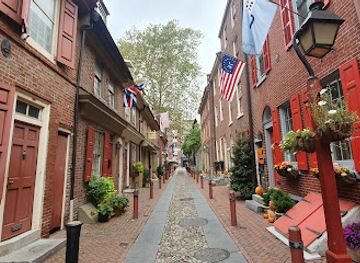
Elfreth's Alley Museum
Discover Elfreth's Alley Museum, a living testament to Philadelphia's rich history and the oldest residential street in America.
-
Wildlife refuge
John Heinz National Wildlife Refuge at Tinicum
Explore the natural beauty and diverse wildlife of John Heinz National Wildlife Refuge at Tinicum, a peaceful escape in Philadelphia.
-
State park
Washington Crossing Historic Park
Discover the historic significance and natural beauty of Washington Crossing Historic Park, where George Washington's legacy comes to life amidst stunning landscapes.



Explore Delaware Valley on the map
Plan your trip on one map. See where the top cities, national parks and sights are, and book hotels and experiences in a few clicks.
Best hotels in Delaware Valley
Best restaurants in Delaware Valley
Dining in the Delaware Valley ranges from Philadelphia's dense, internationally influenced restaurant scene to roadside farm shops, suburban cafés and historic inns. Local staples include cheesesteaks, roast pork sandwiches with provolone and greens, soft pretzels, scrapple and water ice, while South Philadelphia's Italian Market reflects generations of immigrant food businesses. Reading Terminal Market offers a broad introduction to Pennsylvania and regional cooking, including Pennsylvania Dutch specialities, baked goods and prepared foods, although it is a city market rather than a representative sample of every county. Chester County around Kennett Square is associated with mushroom cultivation, and rural areas support produce stands, farm markets, dairies and seasonal fruit businesses. Across the region, visitors will find Jewish, Italian, Irish, Puerto Rican, Vietnamese, Mexican, West African and many other culinary traditions. Craft breweries, bakeries and contemporary restaurants are particularly prominent in Philadelphia and larger suburban centres, while rural dining often centres on pubs, inns and restaurants using locally sourced produce.
-
American
Historic Dimmick Inn
Discover the charm of Milford at the Historic Dimmick Inn - where rich history meets exceptional American dining.
-
Family-friendly
Apple Valley Family Restaurant
Discover comfort food at Apple Valley Family Restaurant in Milford, PA - where families gather for great meals and warm memories.
-
American
Black Powder Tavern
Discover Black Powder Tavern: A premier American restaurant in Wayne offering delicious food and drinks in a cozy atmosphere.
-
Italian
Anthony’s Ristorante & Ballroom
Experience authentic Italian cuisine at Anthony's Ristorante & Ballroom in Springfield – where every meal is a celebration of flavor and tradition.


Best bars in Delaware Valley
Evening life is concentrated in Philadelphia, where Old City, Rittenhouse, Fishtown, Northern Liberties, Midtown Village and South Philadelphia contain different mixes of bars, breweries, cocktail venues, live-music rooms and late-night restaurants. The city also has substantial theatre, concert and comedy programmes, though schedules and venues change regularly. In suburban towns such as West Chester, Media, Doylestown and Phoenixville, nightlife is more compact and commonly revolves around independent restaurants, craft beer, wine bars, traditional pubs and occasional live music. Rural Chester and Bucks counties generally offer a quieter evening culture based on inns, taverns, breweries and restaurants rather than large clubs. Pennsylvania alcohol licensing rules affect service and closing arrangements, so visitors should check individual venues. The wider Delaware Valley's nightlife also includes New Jersey and Delaware centres across the river, but these are outside the Pennsylvania region described here.
-
Restaurant
The Yardley Inn Restaurant and Bar
Experience exquisite dining at The Yardley Inn Restaurant and Bar, where seasonal flavors meet stunning river views in a charming setting.
-
Grill
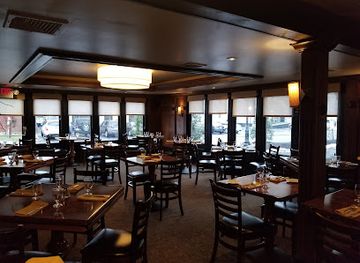
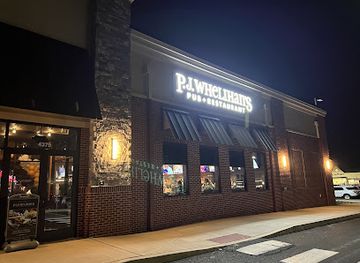
P.J. Whelihan's Pub + Restaurant - Doylestown
Discover a vibrant sports bar and grill in Doylestown, offering delicious meals, craft beers, and a lively atmosphere perfect for all occasions.
-
Irish pub
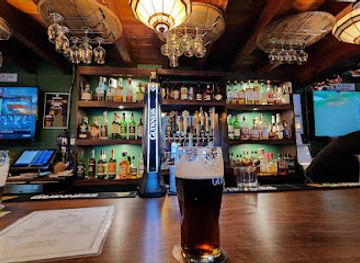
The Dubliner on the Delaware
Discover the essence of Ireland at The Dubliner on the Delaware, where authentic cuisine meets a vibrant atmosphere in New Hope.
-
American
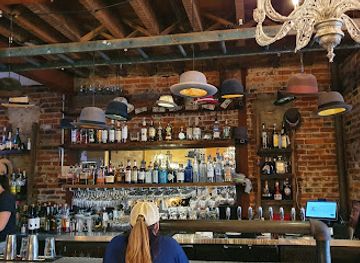
The Hattery Stove & Still
Discover a vibrant dining experience at The Hattery Stove & Still, where eclectic decor meets delicious American cuisine in Doylestown.
Best nightclubs in Delaware Valley
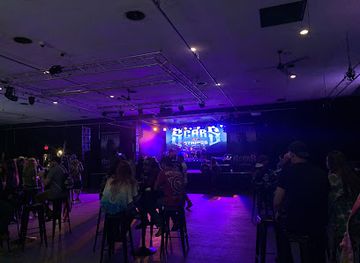
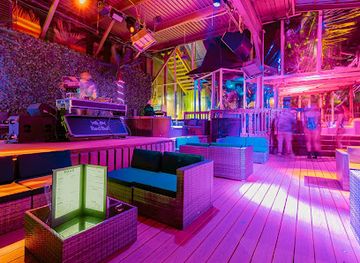
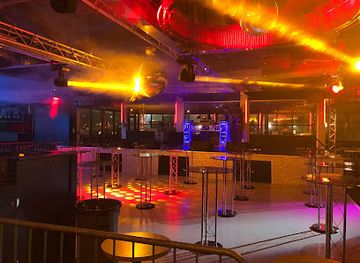
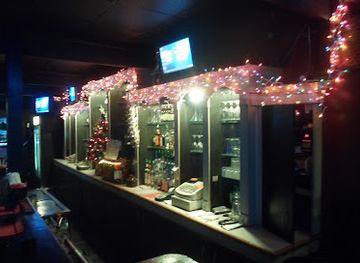
Evening life is concentrated in Philadelphia, where Old City, Rittenhouse, Fishtown, Northern Liberties, Midtown Village and South Philadelphia contain different mixes of bars, breweries, cocktail venues, live-music rooms and late-night restaurants. The city also has substantial theatre, concert and comedy programmes, though schedules and venues change regularly. In suburban towns such as West Chester, Media, Doylestown and Phoenixville, nightlife is more compact and commonly revolves around independent restaurants, craft beer, wine bars, traditional pubs and occasional live music. Rural Chester and Bucks counties generally offer a quieter evening culture based on inns, taverns, breweries and restaurants rather than large clubs. Pennsylvania alcohol licensing rules affect service and closing arrangements, so visitors should check individual venues. The wider Delaware Valley's nightlife also includes New Jersey and Delaware centres across the river, but these are outside the Pennsylvania region described here.
-
Night club
Nightclub Reverb
Discover the vibrant nightlife of Reading, PA at Nightclub Reverb, a premier venue for music, dancing, and unforgettable memories.
-
Night club
Roar Nightclub
Experience the vibrant nightlife of Philadelphia at Roar Nightclub, where electrifying music and a lively atmosphere await you.
-
Night club
MainGate Nightclub
Discover lively nights at MainGate Nightclub, Allentown's top spot for dancing, live music, and a vibrant beer garden atmosphere.
-
Night club
Rusty Nail Tavern / Nightclub
Discover the excitement of Rusty Nail Tavern, Ardmore's premier nightclub and bar, where unforgettable nights unfold with great music and delicious drinks.
Best shops in Delaware Valley
Philadelphia provides the region's widest retail range, from department stores and high-street shops around Center City to independent boutiques, bookshops, galleries and specialist food businesses in neighbourhoods such as Old City, Rittenhouse, Fishtown and South Philadelphia. Reading Terminal Market is useful for regional foods, baked goods and gifts, while the Italian Market offers long-established food shops and produce businesses. Outside the city, established town centres including West Chester, Doylestown, Media and New Hope combine independent retailers, antiques, galleries, cafés and locally oriented shops, though their character differs from one another. Farmers' markets and farm stands are important in Chester and Bucks counties, particularly for seasonal fruit, vegetables, mushrooms, honey, preserves and baked goods. Craft products may include pottery, jewellery, artwork, textiles and small-batch food and drink. Visitors should distinguish durable local products from generic souvenirs and check market days in advance, as rural markets and seasonal stalls do not operate every day.
-
Shopping mall
Christiana Mall
Explore Christiana Mall, a premier shopping destination in Newark, Delaware, offering diverse retail, dining, and entertainment experiences for all.
-
Shopping mall
Peddler's Village
Discover the enchanting Peddler's Village, where unique shops, delectable dining, and rich history create an unforgettable experience for every visitor.
-
Outlet mall
Pocono Premium Outlets
Pocono Premium Outlets: Your ultimate shopping destination in the heart of the Pocono Mountains, offering incredible deals and a variety of brands.
-
Shopping mall
Lehigh Valley Mall
Experience shopping bliss at Lehigh Valley Mall, where a diverse array of stores and delightful dining await every visitor.


Get your free copy of our complete guide to Delaware Valley, delivered straight to you.
Everything on this page, from attractions and restaurants to essentials and local phrases, in one PDF you can read offline, print or share.
Already have an account? Sign in
Your Delaware Valley guide is ready.
We'll send it to · Not you? Sign out

Getting your guide ready…
We are putting together a fresh copy of the Delaware Valley guide. This can take up to a minute.
This can take a few moments. If your browser asks, choose Allow so the download can start. You'll find the guide in your Downloads folder.
Nothing happened? Download it again
Sorry, the guide is taking longer than usual. Please try again in a minute, or get it by email instead.
Delaware Valley essentials
Currency and Payment
Safety
Emergency Situations
Do's and Don'ts
Local Tips
From Eve
Local phrases worth knowing
You don't need to get them perfect. A few words go a long way, and locals appreciate the effort.
Basics
| English | Local | Say it |
|---|---|---|
| Hello | Howdy | [How-dee] |
| Goodbye | See ya | [See yah] |
| Yes | Yeah | [Yah] |
| No | Nah | [Nah] |
| Please/You're welcome | No problem | [No prob-lum] |
| Thank you | Thanks | [Thangs] |
| Excuse me/Sorry | Pardon me | [Par-don mee] |
| How are you? | How ya doin'? | [How yah doin'?] |
| Fine. And you? | I'm good, you? | [I'm good, you?] |
| Do you speak English? | You speakin' English? | [Yah speakin' English?] |
| I don't understand | I ain't gettin' it | [I ain't gettin' it] |
Eating & Drinking
| English | Local | Say it |
|---|---|---|
| I'd like to see the menu, please | Can I see the menu? | [Can I see the men-yoo?] |
| I don't eat meat | I don't do meat | [I don't do meat] |
| Cheers! | Cheers! | [Cheers!] |
| I would like to pay, please | Can I get the check? | [Can I get the check?] |
Emergencies
| English | Local | Say it |
|---|---|---|
| Help! | Help! | [Help!] |
| Go away! | Get lost! | [Get lost!] |
| Call the Police! | Call the cops! | [Call the cops!] |
| Call a doctor! | Get a doc! | [Get a doc!] |
| I'm lost | I'm turned around | [I'm turned around] |
| I'm ill | I'm not feelin' well | [I'm not feelin' well] |
Shopping
| English | Local | Say it |
|---|---|---|
| I'd like to buy... | I wanna buy... | [I wanna buy...] |
| I'm just looking | Just browsin' | [Just browsin'] |
| How much is it? | What’s the price? | [What’s the price?] |
| That's too expensive | That's way too much | [That's way too much] |
| Can you lower the price? | Can you bring it down? | [Can you bring it down?] |
Time & Numbers
| English | Local | Say it |
|---|---|---|
| What time is it? | What time's it? | [What time's it?] |
| It's one o'clock | It's one | [It's one] |
| Half past (10) | Half past ten | [Half past ten] |
| Morning | Mornin' | [Mornin'] |
| Afternoon | Afternoon | [Afternoon] |
| Evening | Evenin' | [Evenin'] |
| Yesterday | Yesterday | [Yesterday] |
| Today | Today | [Today] |
| Tomorrow | Tomorrow | [Tomorrow] |
| 1 | One | [One] |
| 2 | Two | [Two] |
| 3 | Three | [Three] |
| 4 | Four | [Four] |
| 5 | Five | [Five] |
| 6 | Six | [Six] |
| 7 | Seven | [Seven] |
| 8 | Eight | [Eight] |
| 9 | Nine | [Nine] |
| 10 | Ten | [Ten] |
Transport & Directions
| English | Local | Say it |
|---|---|---|
| Where's a/the...? | Where's the...? | [Where's the...?] |
| What's the address? | What's the address? | [What's the address?] |
| Can you show me (on the map)? | Can you point it out? | [Can you point it out?] |
| When's the next (bus)? | When's the next bus? | [When's the next bus?] |
| A ticket (to ....) | A ticket to ... | [A ticket to ...] |
History of Delaware Valley
Lenape Homeland and Early Colonial Settlement
Before European colonisation, the Delaware Valley was home to Lenape communities whose territories extended along the Delaware River and its tributaries. The river supported travel, fishing and exchange, while wooded and agricultural landscapes sustained settled communities. Swedish and Dutch activity preceded the expansion of English colonial control, and William Penn's Pennsylvania, founded in 1681, encouraged migration and planned settlement. Philadelphia was established in 1682 on Lenapehoking, as the Lenape homeland is often known, and Quaker ideals influenced the colony's early political and religious culture. Indigenous displacement, treaty violations and changing land ownership accompanied colonial expansion across the region.
Philadelphia and the American Revolution
Philadelphia became one of British North America's most important ports and political centres during the eighteenth century. The Continental Congress met there, the Declaration of Independence was adopted in 1776, and the Constitutional Convention met in 1787. Independence Hall, the Pennsylvania State House during this period, remains the clearest physical reminder of those events. The surrounding countryside also witnessed wartime disruption: in 1777 British forces occupied Philadelphia while the Continental Army established its winter encampment at Valley Forge in Montgomery County. The wider region supplied, transported and debated the people and resources that sustained the revolutionary cause.
Quaker Communities, Agriculture and the Countryside
Quaker settlement left a lasting mark on the Pennsylvania portion of the Delaware Valley through meetinghouses, farms, schools and communities established from the colonial period onwards. In the countryside around Chester, Delaware, Montgomery and Bucks counties, carefully managed fields and historic villages reflect a long agricultural tradition. The Brandywine Valley also became associated with mills, estates and later garden landscapes, while the Delaware River corridor developed market towns linked to commerce and transport. Some historic buildings survive as museums or protected landscapes, although the region's rural character has been reshaped by suburban growth since the nineteenth century.
Industrial Philadelphia and River Commerce
During the nineteenth and early twentieth centuries, Philadelphia became a major manufacturing, shipbuilding and commercial centre. Textile production, metalworking, printing, food processing and machinery helped transform the Schuylkill and Delaware waterfronts, while canals, railways and improved roads connected the city with its hinterland. Industrial activity also influenced towns in Montgomery, Delaware and Bucks counties. The expansion of railways encouraged suburban development along routes later associated with the Main Line and other commuter corridors. Although many factories have disappeared or been converted, historic mills, warehouses, bridges and waterfront districts reveal the scale of the region's industrial past.
Migration and the Making of a Diverse Metropolis
Philadelphia's growth attracted large numbers of Irish, German, Italian, Jewish and other European migrants during the nineteenth and early twentieth centuries. The city later became home to substantial African American communities, including migrants from the American South, and to communities from the Caribbean, Latin America, Asia and Africa. These movements reshaped neighbourhoods, religious institutions, music, food and political life throughout the metropolitan area. South Philadelphia's Italian Market, the city's Black cultural institutions and its developing Asian and Latin American commercial districts reflect this layered history. Suburban communities have also changed through migration and post-war metropolitan expansion.
Suburbanisation, Conservation and Metropolitan Change
After the Second World War, housing development, highway construction and rising car ownership transformed the Delaware Valley. Established rail suburbs expanded, new office and retail corridors appeared, and farmland was increasingly surrounded by metropolitan development. At the same time, historic preservation and landscape conservation gained importance. Places such as Valley Forge, the Brandywine battlefield area, the Delaware Canal corridor and major gardens protect parts of the region's cultural and environmental inheritance. Philadelphia has also experienced neighbourhood reinvestment, population change and renewed attention to riverfronts, public transport, parks and the adaptive reuse of industrial buildings.
Delaware Valley in Photos
Browse through our photo collection highlighting the charm and character of the destination.
Neighbouring regions of Delaware Valley
The closest regions to Delaware Valley, if you have time for more than one.
-

-
-

-

-


Swipe for more regions
Explore more

Explore more of Pennsylvania
Discover Pennsylvania: A blend of rich history, breathtaking nature, and vibrant culture awaits you in the Keystone State.
Explore Pennsylvania