

Free Southeastern Pennsylvania Travel Guide & Mobile App
Explore Southeastern Pennsylvania with free travel guides. Discover regional history, expert tips, proposed trips, and audio guides on web or mobile app.


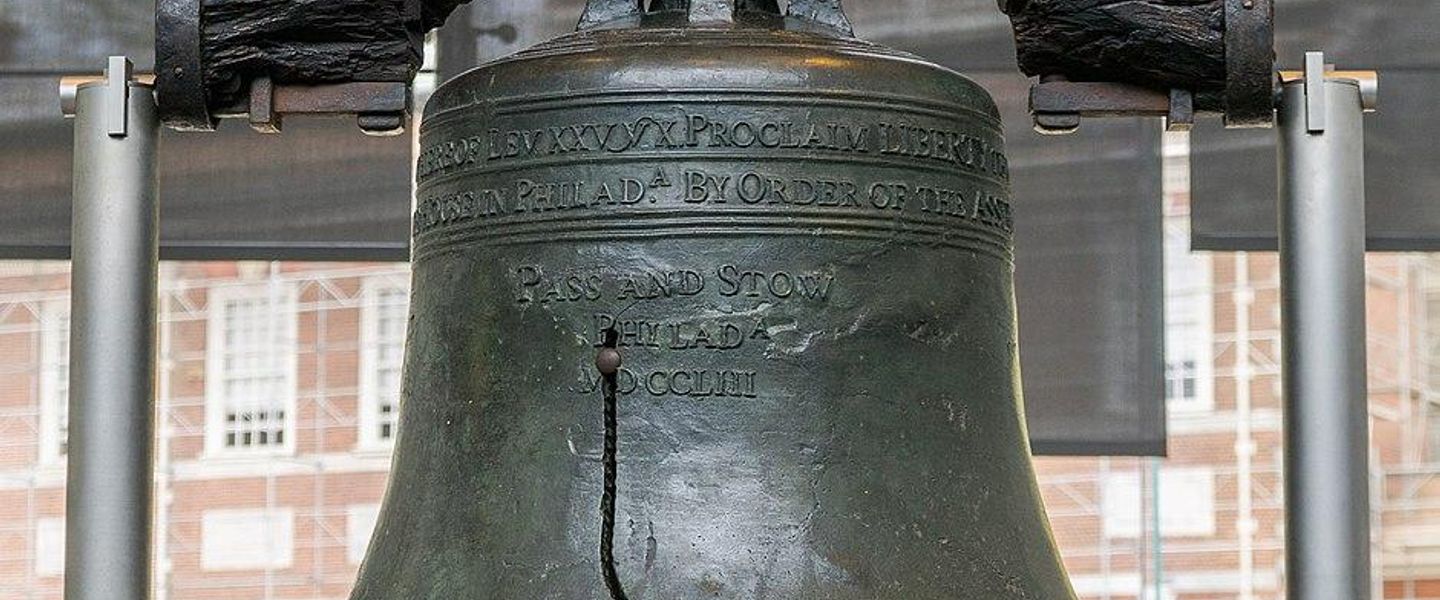


Explore Southeastern Pennsylvania for Philadelphia history, Delaware River towns, museums, gardens, farmland and distinctive regional food.
Read more about Southeastern Pennsylvania
Getting to and around Southeastern Pennsylvania
How to get there
Transportation
Top city travel guides in Southeastern Pennsylvania
The cities of Southeastern Pennsylvania, and the easiest places to base yourself.
-

-

-

-


Swipe for more cities
Best attractions in Southeastern Pennsylvania
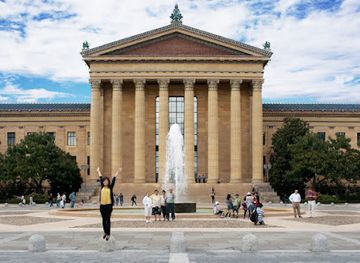
Southeastern Pennsylvania offers an unusually broad range of attractions, with Philadelphia providing the densest concentration. Independence National Historical Park, the National Constitution Center, the Philadelphia Museum of Art, the Barnes Foundation and the Franklin Institute cover American political history, art, science and civic culture. Fairmount Park and the Wissahickon Valley add extensive urban woodland and trails. Outside the city, Valley Forge National Historical Park interprets the Revolutionary War through landscapes, monuments and reconstructed structures, while Brandywine Battlefield and Washington Crossing Historic Park examine other important Revolutionary sites. Bucks County contributes the Delaware Canal towpath, New Hope and Doylestown’s museums, and Chester County is known for Longwood Gardens, historic farms and Brandywine landscapes. Smaller museums, preserved mills, arboreta, rail trails and river parks allow visitors to explore the region at a slower pace. Because attractions are dispersed across five counties, combining city culture with countryside visits usually requires separate day itineraries.
-
Amusement park
Hersheypark
Discover Hersheypark: A thrilling amusement park with rides, water attractions, and animal encounters in the heart of Pennsylvania.
-
Market
Reading Terminal Market
Discover the vibrant flavors of Philadelphia at Reading Terminal Market, a historic culinary destination offering fresh produce, local delicacies, and diverse cuisines.
-
Historical place
Independence National Historical Park
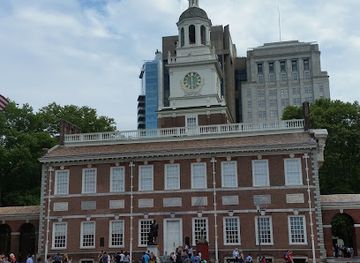
Explore the heart of American history at Independence National Historical Park, home to Independence Hall and the Liberty Bell.
-
Art museum
Philadelphia Museum of Art
Explore the Philadelphia Museum of Art, a cultural treasure showcasing art from around the globe with stunning architecture and engaging programs.


Best landmarks in Southeastern Pennsylvania
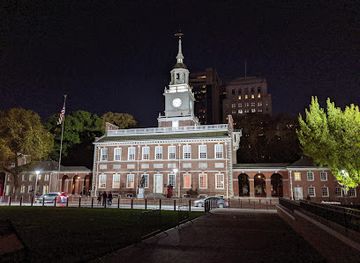
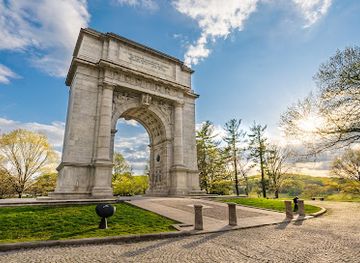
Independence Hall is the region’s most internationally recognisable historic landmark: its Assembly Room was associated with both the Declaration of Independence and the United States Constitution. The Liberty Bell, though a relatively modest object, has become a powerful symbol of American history and civic ideals. Philadelphia’s City Hall, with its prominent statue of William Penn, remains a defining piece of nineteenth-century civic architecture, while the Benjamin Franklin Bridge forms a major visual landmark over the Delaware River. Outside the city, Valley Forge’s National Memorial Arch and surrounding historic landscape commemorate the Continental Army’s winter encampment. The covered bridge at Washington Crossing and the historic buildings of the village preserve the setting of Washington’s 1776 Delaware crossing, while the stone buildings and battlefield landscape at Brandywine reflect the Revolutionary War’s impact on the region. Longwood Gardens contributes a different kind of landmark, combining formal horticultural design, fountains and conservatory architecture in the Brandywine Valley.
-
Historical place
Independence National Historical Park
Discover the heart of American history at Independence National Historical Park, home to Independence Hall and the Liberty Bell, in vibrant Philadelphia.
-
Historical landmark
Liberty Bell
Explore the Liberty Bell in Philadelphia, a historic landmark symbolizing freedom and independence, and discover its rich heritage and significance.
-
Park
Valley Forge National Historical Park
Discover the rich history and breathtaking landscapes of Valley Forge National Historical Park, a premier destination for tourists and history lovers alike.
-
Historical place
Gettysburg National Military Park
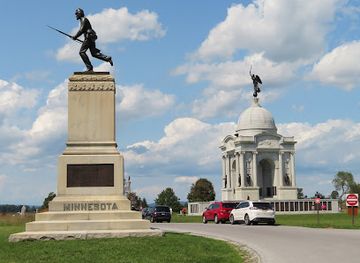
Explore the historic Gettysburg National Military Park, where the Civil War's pivotal battle unfolded and shaped America's future.
Explore Southeastern Pennsylvania on the map
Plan your trip on one map. See where the top cities, national parks and sights are, and book hotels and experiences in a few clicks.
Best hotels in Southeastern Pennsylvania
Best restaurants in Southeastern Pennsylvania
Philadelphia’s dining identity is shaped by both local staples and successive waves of immigration. Cheesesteaks, roast pork sandwiches, hoagies, soft pretzels and scrapple are familiar regional foods, while Reading Terminal Market provides a long-established setting for produce, baked goods, prepared food and Pennsylvania Dutch specialities. Neighbourhoods such as South Philadelphia, Chinatown, East Passyunk and parts of West and North Philadelphia offer Italian, Chinese, Vietnamese, Mexican, Caribbean, Middle Eastern, West African and other cuisines. Beyond the city, the Brandywine and Delaware valleys support farm shops, bakeries, breweries, cideries and restaurants using locally grown produce, while older river towns have cafés, pubs and independent dining rooms. Chester and Lancaster County food traditions should not be treated as identical: Lancaster is a neighbouring region, whereas southeastern Pennsylvania’s rural food culture is particularly varied across the Philadelphia hinterland. Reservations are useful for popular restaurants and destination dining at busy times.
-
Restaurant
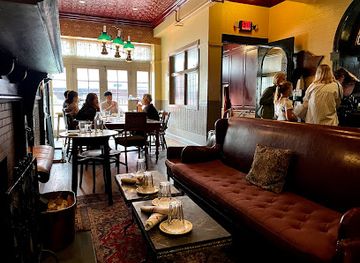
Parc
Discover the charm of French-American cuisine at Parc in Rittenhouse Square – where every meal is a delightful experience.
-
Restaurant
The Dandelion
Discover The Dandelion in Rittenhouse Square: A cozy British pub offering hearty meals and a charming atmosphere for every visitor.
-
Pennsylvania Dutch restaurant
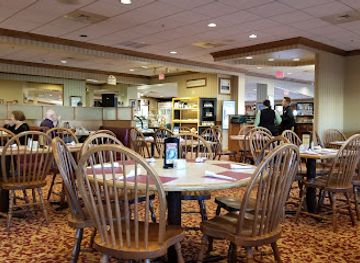
Bird-in-Hand Family Restaurant & Smorgasbord
Savor authentic Pennsylvania Dutch flavors at Bird-in-Hand Family Restaurant & Smorgasbord - A must-visit dining experience for tourists.
-
Steak
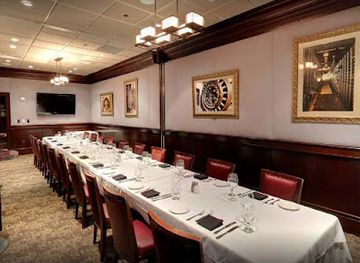
Del Frisco's Double Eagle Steakhouse
Experience unparalleled fine dining at Del Frisco's Double Eagle Steakhouse in Philadelphia - where exquisite steaks meet sophisticated ambiance.
Best bars in Southeastern Pennsylvania
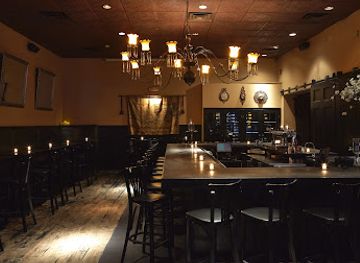
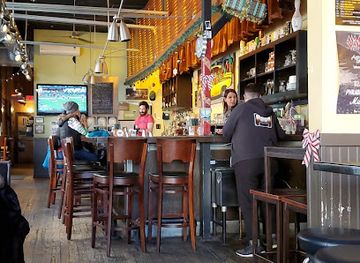
Philadelphia is the region’s main centre for evening entertainment, with traditional pubs, cocktail bars, breweries, live-music rooms, comedy venues, theatres and dance clubs spread across areas including Center City, Old City, Fishtown, Northern Liberties, South Philadelphia and University City. The city’s nightlife is shaped by a large student and professional population, but establishments vary considerably by neighbourhood and should be checked individually for current arrangements. In towns such as West Chester, Media, Doylestown and New Hope, evening life tends to focus on restaurants, bars, breweries, music and theatre rather than a large nightclub circuit. Rural Chester, Bucks and Montgomery counties are better suited to relaxed pub evenings, craft drinks and restaurant dining, with driving or pre-arranged transport important when venues are dispersed.
-
Irish pub
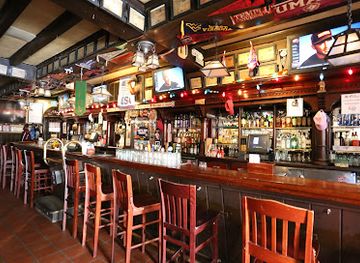
McGillin's Olde Ale House
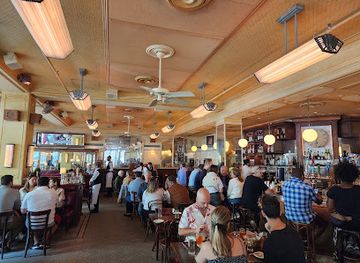
Experience the rich history and vibrant atmosphere at McGillin's Olde Ale House, Philadelphia's cherished Irish pub with hearty cuisine and local brews.
-
Bar
Time
Discover the enchanting blend of cocktails and live jazz at Time, Philadelphia's premier bar and jazz club, perfect for nightlife enthusiasts.
-
Bar
MilkBoy Philadelphia
Discover MilkBoy Philadelphia - your go-to bar for craft drinks, delicious bites, and unforgettable live music in the heart of the city.
-
Irish pub
New Deck Tavern
Discover the vibrant ambiance and delicious fare at New Deck Tavern, a beloved Irish pub in West Philadelphia, perfect for tourists and locals alike.

Best nightclubs in Southeastern Pennsylvania
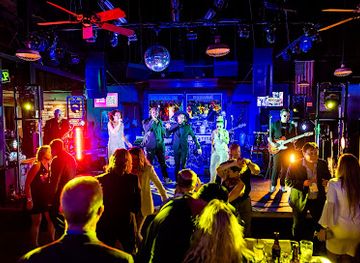
Philadelphia is the region’s main centre for evening entertainment, with traditional pubs, cocktail bars, breweries, live-music rooms, comedy venues, theatres and dance clubs spread across areas including Center City, Old City, Fishtown, Northern Liberties, South Philadelphia and University City. The city’s nightlife is shaped by a large student and professional population, but establishments vary considerably by neighbourhood and should be checked individually for current arrangements. In towns such as West Chester, Media, Doylestown and New Hope, evening life tends to focus on restaurants, bars, breweries, music and theatre rather than a large nightclub circuit. Rural Chester, Bucks and Montgomery counties are better suited to relaxed pub evenings, craft drinks and restaurant dining, with driving or pre-arranged transport important when venues are dispersed.
-
Bar
Howl at the Moon Pittsburgh
Discover Pittsburgh's vibrant nightlife at Howl at the Moon, where live music and craft cocktails create an unforgettable experience.
-
Grill
The FunHouse
Experience the vibrant atmosphere of The FunHouse, where delicious grill flavors meet live music for an unforgettable night out in Bethlehem.

Best shops in Southeastern Pennsylvania
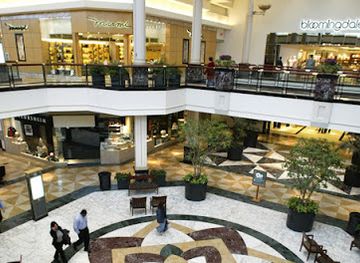
Philadelphia offers the region’s widest range of shopping, from the food stalls and independent vendors of Reading Terminal Market to established retail streets around Center City, including Walnut Street and Chestnut Street. Old City is associated with galleries, design shops, craft goods and independent retailers, while neighbourhood commercial districts provide more localised browsing. Outside the city, Doylestown, New Hope, West Chester and Media have walkable concentrations of independent shops, booksellers, galleries, antiques and cafés, although the mix changes over time. Farm shops and seasonal markets across Chester, Bucks and Montgomery counties are useful for regional produce, baked goods, preserves, cider and locally made products. Visitors should distinguish Pennsylvania-made food and crafts from generic souvenirs, and should check market days before making a special journey. Larger shopping centres and outlet-style retail are found in the suburban counties, but the region’s most distinctive purchases are often food products, books, artwork, antiques and small-batch crafts.
-
Shopping mall
King of Prussia
Discover King of Prussia, the ultimate shopping destination in Pennsylvania, featuring hundreds of stores, diverse dining options, and unique events for all ages.
-
Shopping mall
Peddler's Village
Explore Peddler's Village: A charming shopping destination filled with unique boutiques, delightful dining, and picturesque scenery in Pennsylvania.
-
Outlet mall
Pocono Premium Outlets
Shop designer brands at huge discounts in the beautiful Pocono Mountains at Pocono Premium Outlets, a shopper's paradise for great deals.
-
Outlet mall
Philadelphia Premium Outlets
Discover incredible savings and a delightful shopping experience at Philadelphia Premium Outlets, where style meets affordability.
Get your free copy of our complete guide to Southeastern Pennsylvania, delivered straight to you.
Everything on this page, from attractions and restaurants to essentials and local phrases, in one PDF you can read offline, print or share.
Already have an account? Sign in
Your Southeastern Pennsylvania guide is ready.
We'll send it to · Not you? Sign out

Getting your guide ready…
We are putting together a fresh copy of the Southeastern Pennsylvania guide. This can take up to a minute.
This can take a few moments. If your browser asks, choose Allow so the download can start. You'll find the guide in your Downloads folder.
Nothing happened? Download it again
Sorry, the guide is taking longer than usual. Please try again in a minute, or get it by email instead.
Southeastern Pennsylvania essentials
Currency and Payment
Safety
Emergency Situations
Do's and Don'ts
Local Tips
From Eve
Local phrases worth knowing
You don't need to get them perfect. A few words go a long way, and locals appreciate the effort.
Basics
| English | Local | Say it |
|---|---|---|
| Hello | Howdy | [Ha-dee] |
| Goodbye | See ya | [See yah] |
| Yes | Yup | [Yup] |
| No | Nah | [Nah] |
| Please/You're welcome | No problem | [No prob-lem] |
| Thank you | Thanks | [Thanks] |
| Excuse me/Sorry | Excuse me | [Ex-cuse me] |
| How are you? | How ya doin'? | [How yah doin'?] |
| Fine. And you? | Good. And you? | [Good. And you?] |
| Do you speak English? | You speakin' English? | [You speakin' In-glish?] |
| I don't understand | I ain't gettin' it | [I ain't gettin' it] |
Eating & Drinking
| English | Local | Say it |
|---|---|---|
| I'd like to see the menu, please | Can I see the menu? | [Can I see the men-u?] |
| I don't eat meat | I’m a vegetarian | [I'm a ve-ge-ta-rian] |
| Cheers! | Cheers! | [Cheers!] |
| I would like to pay, please | Can I get the check? | [Can I get the check?] |
Emergencies
| English | Local | Say it |
|---|---|---|
| Help! | Help! | [Help!] |
| Go away! | Get lost! | [Get lost!] |
| Call the Police! | Call the cops! | [Call the cops!] |
| Call a doctor! | Call a doc! | [Call a doc!] |
| I'm lost | I’m turned around | [I'm turned a-round] |
| I'm ill | I feel sick | [I feel sick] |
Shopping
| English | Local | Say it |
|---|---|---|
| I'd like to buy... | I wanna buy... | [I wanna buy...] |
| I'm just looking | I'm just browsin' | [I'm just brow-zin'] |
| How much is it? | What’s the price? | [What's the price?] |
| That's too expensive | That's way too pricey | [That's way too pri-cy] |
| Can you lower the price? | Can you give me a deal? | [Can you give me a deal?] |
Time & Numbers
| English | Local | Say it |
|---|---|---|
| What time is it? | What time ya got? | [What time ya got?] |
| It's one o'clock | It's one | [It's one] |
| Half past (10) | Half past ten | [Half past ten] |
| Morning | Mornin' | [Mornin'] |
| Afternoon | Afternoon | [Afternoon] |
| Evening | Evenin' | [Evenin'] |
| Yesterday | Yest'day | [Yes-ter-day] |
| Today | To-day | [To-day] |
| Tomorrow | To-morrow | [To-morrow] |
| 1 | One | [One] |
| 2 | Two | [Two] |
| 3 | Three | [Three] |
| 4 | Four | [Four] |
| 5 | Five | [Five] |
| 6 | Six | [Six] |
| 7 | Seven | [Seven] |
| 8 | Eight | [Eight] |
| 9 | Nine | [Nine] |
| 10 | Ten | [Ten] |
Transport & Directions
| English | Local | Say it |
|---|---|---|
| Where's a/the...? | Where's the...? | [Where's the...?] |
| What's the address? | What's the addy? | [What's the addy?] |
| Can you show me (on the map)? | Can ya point it out on the map? | [Can yah point it out on the map?] |
| When's the next (bus)? | When's the next bus? | [When's the next bus?] |
| A ticket (to ....) | A ticket to ... | [A ticket to ...] |
History of Southeastern Pennsylvania
Lenape Homeland and Indigenous History
Before European colonisation, the Delaware Valley was home to Lenape communities whose societies were connected to the rivers, forests and fertile floodplains of present-day southeastern Pennsylvania. Lenape place names and cultural connections remain part of the region’s historical landscape, although colonial expansion, land dispossession, warfare and disease severely disrupted Indigenous life. The area around the Delaware River became a major zone of contact during the seventeenth and eighteenth centuries. Understanding this earlier history places Philadelphia and the surrounding counties within a much longer human story than the colonial buildings alone suggest.
William Penn and the Founding of Philadelphia, 1681–1682
In 1681, King Charles II granted William Penn the Province of Pennsylvania, and Penn established Philadelphia on the Delaware River the following year. Planned around a rational street grid and promoted as a place of religious toleration, the city attracted Quakers and other European settlers. The Delaware and Schuylkill rivers supported trade, while surrounding agricultural settlements supplied the growing port. Penn’s design and the early street network remain visible in Philadelphia’s central districts, although the colonial city developed through complex relationships with Indigenous peoples, enslaved people, indentured workers and diverse immigrant communities.
Philadelphia and the American Founding Era
Philadelphia was the largest and most politically important city in British North America during the late eighteenth century. The Continental Congress met there, the Declaration of Independence was adopted in 1776, and the Constitutional Convention assembled in 1787. The city also served for a time as the capital of the United States. Independence Hall, Congress Hall, the Liberty Bell’s historic setting and the surviving street pattern around them reflect this period. The founding story is also contested and incomplete, since political liberty coexisted with slavery, restricted citizenship and the exclusion of women and many others from formal power.
Revolutionary War in the Delaware Valley
Southeastern Pennsylvania was a major theatre of the American Revolutionary War. British forces occupied Philadelphia in 1777–78, while George Washington’s army spent the difficult winter of 1777–78 at Valley Forge. The campaign included fighting and manoeuvres around Brandywine, Germantown and the Delaware crossings. Valley Forge became a powerful symbol of endurance and military reorganisation, while Brandywine Battlefield preserves the setting of the largest single-day land engagement of the war. Historic sites across the region reveal that the conflict affected farms, towns, loyalists, enslaved people and civilians as well as armies.
Industrialisation and the Delaware Valley Economy
During the nineteenth and early twentieth centuries, rivers, canals, railways and expanding markets transformed southeastern Pennsylvania. Philadelphia developed major shipbuilding, textile, engineering, publishing and manufacturing industries, while towns along the Delaware, Schuylkill and associated waterways supported mills and transport businesses. The Schuylkill Navigation and the Delaware Canal formed part of an important internal transport network before railway expansion changed the balance. Industrial decline later reshaped many river communities, leaving converted mills, canal paths, civic buildings and former factory districts as reminders of the region’s manufacturing past.
Immigration, Migration and Modern Philadelphia
Philadelphia’s population and culture were profoundly shaped by successive arrivals from Ireland, Germany, Italy, Eastern Europe, the Caribbean, Asia, Latin America and elsewhere, alongside the Great Migration of African Americans from the southern United States. These communities influenced neighbourhoods, religious institutions, music, food, labour movements and political life. The surrounding counties also underwent major suburban growth after the Second World War, while older industrial centres experienced economic change. Contemporary southeastern Pennsylvania is therefore not simply a colonial landscape: it is a densely layered metropolitan region whose identity continues to evolve through migration and urban reinvention.
Southeastern Pennsylvania in Photos
Browse through our photo collection highlighting the charm and character of the destination.
Neighbouring regions of Southeastern Pennsylvania
The closest regions to Southeastern Pennsylvania, if you have time for more than one.
-

-

-

-

-


Swipe for more regions
Explore more

Explore more of Pennsylvania
Discover Pennsylvania: A blend of rich history, breathtaking nature, and vibrant culture awaits you in the Keystone State.
Explore Pennsylvania