

Free Northern Tier Travel Guide & Mobile App
Explore Northern Tier with free travel guides. Discover regional history, expert tips, proposed trips, and audio guides on web or mobile app.


Explore Northern Tier Pennsylvania for forested mountains, the Pine Creek Gorge, waterfall trails, historic towns and quiet outdoor adventures.
Read more about Northern Tier
Getting to and around Northern Tier
How to get there
Transportation
Destinations in Northern Tier
Resorts, valleys and scenic spots worth a trip of their own.
-
-


Swipe for more destinations
Best attractions in Northern Tier
Northern Tier attractions are shaped by landscape and distance. The Pine Creek Gorge is the region's best-known natural feature, with viewpoints and walking opportunities at Leonard Harrison State Park and across the gorge at Colton Point State Park. Ricketts Glen State Park is noted for its waterfall trail, while Worlds End State Park offers forested ridges, a narrow valley and access to hiking and paddling. Pine Creek Rail Trail provides a long, relatively level route through Tioga County for cycling and walking. Wellsboro, Mansfield, Towanda, Sayre and Montrose add historic streets, local museums, civic buildings and community events, while smaller towns provide farm stands and seasonal fairs. Fishing, birdwatching, boating and foliage drives are important outdoor pursuits, although facilities and mobile coverage can be limited away from town centres. The region is best approached as a collection of landscapes and communities rather than a concentrated circuit of attractions.
-
Theme park
Six Flags Great Adventure
Experience the ultimate thrill at Six Flags Great Adventure, a premier theme park in New Jersey featuring exhilarating rides, a water park, and wildlife encounters.
-
Historical landmark
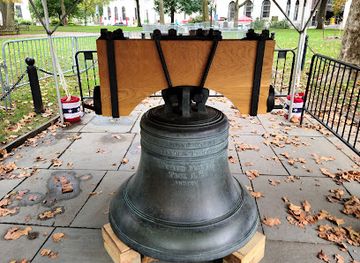
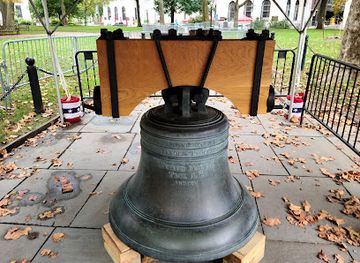
Liberty Bell
Discover the Liberty Bell, an iconic emblem of freedom and democracy in the heart of Philadelphia's historic district.
-
Casino
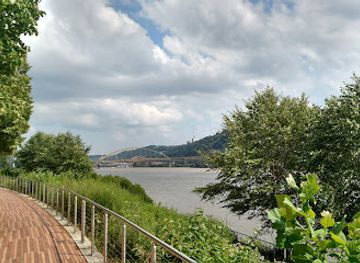
Rivers Casino
Discover Rivers Casino: Pittsburgh's ultimate gaming, dining, and entertainment destination on the Ohio River.
-
Hiking area
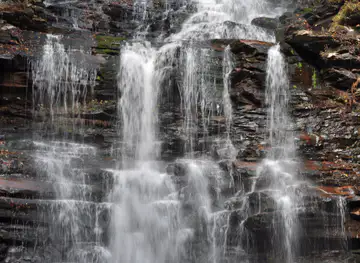
Bushkill Falls
Explore the breathtaking Bushkill Falls, a natural wonder in Pennsylvania featuring stunning waterfalls, scenic trails, and perfect picnic spots for an unforgettable outdoor adventure.


Best landmarks in Northern Tier
The Pine Creek Gorge is Northern Tier Pennsylvania's defining geographical landmark, a long wooded canyon whose overlooks at Leonard Harrison and Colton Point state parks show the scale of the Allegheny Plateau landscape. Ricketts Glen's waterfalls and Kitchen Creek valley form another recognisable natural landmark, while Worlds End is marked by steep forested slopes and the winding Loyalsock Creek corridor. In the towns, Wellsboro's central streetscape and traditional gas lighting give its civic core a distinctive historic character, while the Bradford County communities of Towanda and Sayre retain substantial buildings associated with nineteenth-century river, railway and commercial growth. Montrose's courthouse-centred townscape reflects its long administrative role in Susquehanna County. These places are significant not merely as photo stops but as evidence of how geology, waterways, transport and county government shaped settlement across the region.
-
Garden
Longwood Gardens
Explore the enchanting beauty of Longwood Gardens, a breathtaking botanical paradise featuring stunning floral displays and serene landscapes in Pennsylvania.
-
Historical place
Independence National Historical Park
Discover America's revolutionary history at Independence National Historical Park, home to Independence Hall and the Liberty Bell in Philadelphia.
-
Historical landmark
Liberty Bell
Discover the Liberty Bell, a historic symbol of freedom and American independence, in the heart of Philadelphia's vibrant historic district.
-
 Hotel
Wind Creek Bethlehem
Discover the ultimate entertainment experience at Wind Creek Bethlehem, where luxury accommodations meet thrilling casino action and exquisite dining options.

Explore Northern Tier on the map
Plan your trip on one map. See where the top cities, national parks and sights are, and book hotels and experiences in a few clicks.
Best hotels in Northern Tier
Best restaurants in Northern Tier
Dining in Northern Tier Pennsylvania is generally informal, local and dispersed. Family restaurants, diners, taverns and cafés provide dependable bases in towns such as Wellsboro, Towanda, Sayre, Mansfield and Montrose, while rural roads lead to farm stands, bakeries and seasonal produce sellers rather than dense restaurant districts. Pennsylvania countryside traditions appear in hearty breakfasts, pies, baked goods, soups, sandwiches and comfort food, alongside wider American favourites. Dairy farming, orchard produce, maple syrup and other seasonal goods are important parts of the agricultural setting, though availability varies by county and season. Some contemporary restaurants and craft producers have broadened the choice without displacing the older town-and-country pattern. Visitors should plan meals when travelling to remote parks, particularly outside peak daytime hours, and can look for local fairs and farmers' markets for a more direct taste of regional produce.
-
American
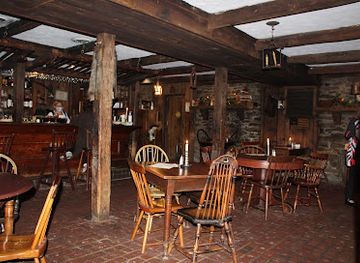
Dobbin House Tavern
Discover historic dining at Dobbin House Tavern in Gettysburg – where delicious American cuisine meets rich Civil War history.
-
Seafood
Cooper's Seafood House
Discover the freshest seafood delights at Cooper's Seafood House in Scranton—where culinary creativity meets coastal flavors.
-
Restaurant
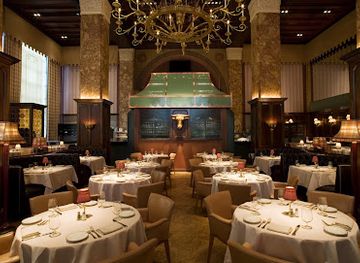
Butcher and Singer
Experience unparalleled fine dining at Butcher and Singer, where classic American chophouse meets modern sophistication in the heart of Philadelphia.
-
Restaurant
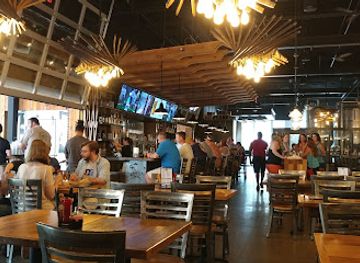
Southern Tier Brewery Pittsburgh
Experience the best of Pittsburgh's craft beer scene at Southern Tier Brewery - where flavor meets community in every sip.
Best bars in Northern Tier
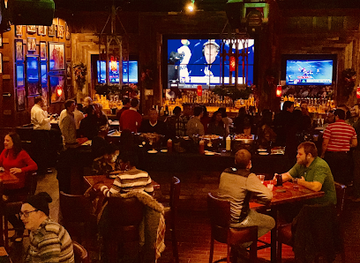
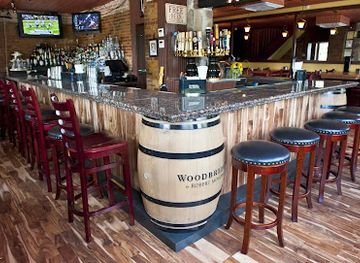
Evening life in the Northern Tier is centred on traditional pubs, taverns, restaurants, cafés and community events rather than a large nightclub scene. Wellsboro, Mansfield, Towanda and Sayre offer the broadest choice of places for an evening meal or drink, with Mansfield's student population contributing a somewhat younger atmosphere during the academic year. Smaller communities tend to close earlier, and rural accommodation may be separated from nightlife by dark, winding roads. Live music, local performances, seasonal festivals and brewery or tasting-room experiences may provide alternatives to conventional bars, but schedules change and should be checked locally. The region's evening appeal is often quieter: a meal after a day outdoors, a walk through a historic town or a community event rather than late-night entertainment.
-
Restaurant
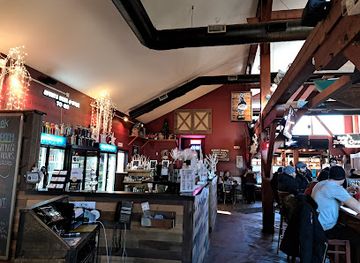
Barley Creek Brewing Company
Discover the flavors of Pennsylvania at Barley Creek Brewing Company, a premier brewpub offering craft beers, delicious food, and a warm, inviting atmosphere.
-
Pub
Bulls Head Public House
Discover the heart of Lititz at Bulls Head Public House, where traditional flavors meet modern craft in a cozy pub atmosphere.
-
Grill
Tequila Cowboy
Experience the best of Pittsburgh nightlife at Tequila Cowboy - a grill and nightclub featuring amazing cocktails and live entertainment.
-
American
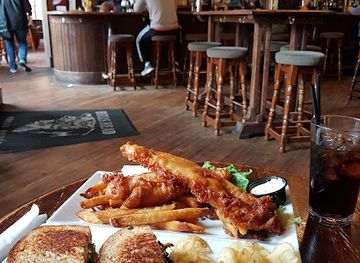
The Sturges Speakeasy
Experience a blend of rustic charm and modern American cuisine at The Sturges Speakeasy in Harrisburg, PA.
Best nightclubs in Northern Tier
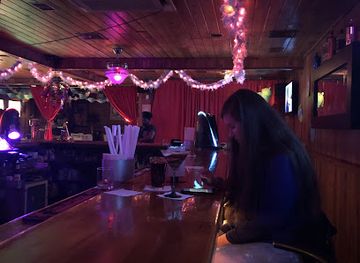
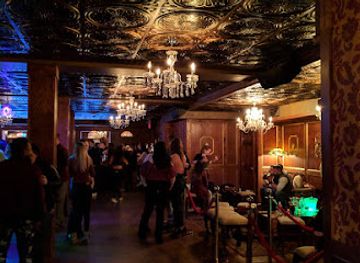
Evening life in the Northern Tier is centred on traditional pubs, taverns, restaurants, cafés and community events rather than a large nightclub scene. Wellsboro, Mansfield, Towanda and Sayre offer the broadest choice of places for an evening meal or drink, with Mansfield's student population contributing a somewhat younger atmosphere during the academic year. Smaller communities tend to close earlier, and rural accommodation may be separated from nightlife by dark, winding roads. Live music, local performances, seasonal festivals and brewery or tasting-room experiences may provide alternatives to conventional bars, but schedules change and should be checked locally. The region's evening appeal is often quieter: a meal after a day outdoors, a walk through a historic town or a community event rather than late-night entertainment.
-
Gay bar
Heat Bar & Night Club
Discover the lively atmosphere of Heat Bar & Night Club in Wilkes-Barre, where fun, drag shows, and dancing await all visitors.
-
Night club
MainGate Nightclub
Discover the energetic nightlife at MainGate Nightclub in Allentown, featuring live music, a vibrant dance floor, and a relaxing beer garden.
-
Night club
The Basement Nightspot
Dive into the electrifying nightlife of The Basement Nightspot, where music, dancing, and unforgettable memories await in State College.
-
Night club
Level 2
Discover the energetic nightlife at Level 2, a premier bar and night club in Harrisburg, PA, offering cocktails and great music for a memorable evening.


Best shops in Northern Tier
Shopping in the Northern Tier is concentrated in traditional town centres rather than large metropolitan retail districts. Wellsboro, Towanda, Sayre, Mansfield and Montrose offer independent shops, bookshops, galleries, cafés and practical services, with the character of each main street shaped by its surrounding rural community. Farm stands and seasonal markets are useful places to find maple syrup, honey, fruit, vegetables, baked goods and locally made preserves. Craft items, artwork, pottery and wood products may be available through galleries, studio outlets and community events, although selection and opening patterns vary. Antique and second-hand shops appear in some towns, while larger routine purchases are usually made from supermarkets and standard retail areas. Visitors should treat local food products as the most dependable regional souvenir and carry suitable packaging if buying syrup, preserves or other farm goods.
-
Shopping mall
King of Prussia
Discover King of Prussia, Pennsylvania's premier shopping destination with over 400 stores, dining experiences, and family-friendly entertainment.
-
Shopping mall
Peddler's Village
Explore the enchanting Peddler's Village, where unique shopping, delightful dining, and beautiful scenery come together for an unforgettable experience.
-
Outlet mall
Pocono Premium Outlets
Discover unbeatable deals at Pocono Premium Outlets, where shopping meets breathtaking mountain views.
-
Outlet mall
Philadelphia Premium Outlets
Experience unbeatable deals at Philadelphia Premium Outlets, where luxury shopping meets affordable prices in a vibrant outdoor atmosphere.


Get your free copy of our complete guide to Northern Tier, delivered straight to you.
Everything on this page, from attractions and restaurants to essentials and local phrases, in one PDF you can read offline, print or share.
Already have an account? Sign in
Your Northern Tier guide is ready.
We'll send it to · Not you? Sign out

Getting your guide ready…
We are putting together a fresh copy of the Northern Tier guide. This can take up to a minute.
This can take a few moments. If your browser asks, choose Allow so the download can start. You'll find the guide in your Downloads folder.
Nothing happened? Download it again
Sorry, the guide is taking longer than usual. Please try again in a minute, or get it by email instead.
Northern Tier essentials
Currency and Payment
Safety
Emergency Situations
Do's and Don'ts
Local Tips
From Eve
Local phrases worth knowing
You don't need to get them perfect. A few words go a long way, and locals appreciate the effort.
Basics
| English | Local | Say it |
|---|---|---|
| Hello | Howdy | [haʊdi] |
| Goodbye | See ya | [si jə] |
| Yes | Yep | [jɛp] |
| No | Nah | [nɑ] |
| Please/You're welcome | No problem | [noʊ ˈprɑbləm] |
| Thank you | Thanks | [θæŋks] |
| Excuse me/Sorry | Pardon me | [ˈpɑrdən mi] |
| How are you? | How ya doin'? | [haʊ jə ˈduɪn] |
| Fine. And you? | Good. And you? | [ɡʊd. ənd jə] |
| Do you speak English? | You speakin' English? | [ju ˈspikɪn ˈɪŋɡlɪʃ] |
| I don't understand | I don’t get it | [aɪ doʊnt ɡɛt ɪt] |
Eating & Drinking
| English | Local | Say it |
|---|---|---|
| I'd like to see the menu, please | Can I see the menu? | [kæn aɪ si ðə ˈmɛnju] |
| I don't eat meat | I don't eat meat | [aɪ doʊnt it miːt] |
| Cheers! | Cheers! | [tʃɪrz] |
| I would like to pay, please | Can I pay, please? | [kæn aɪ peɪ pliz] |
Emergencies
| English | Local | Say it |
|---|---|---|
| Help! | Help! | [hɛlp] |
| Go away! | Get lost! | [ɡɛt lɔst] |
| Call the Police! | Call the cops! | [kɔl ðə kɑps] |
| Call a doctor! | Get a doctor! | [ɡɛt ə ˈdɑktər] |
| I'm lost | I’m lost | [aɪm lɔst] |
| I'm ill | I’m not feelin’ well | [aɪm nɑt ˈfilɪn wɛl] |
Shopping
| English | Local | Say it |
|---|---|---|
| I'd like to buy... | I wanna buy... | [aɪ ˈwɑnə baɪ] |
| I'm just looking | Just browsing | [dʒʌst ˈbraʊzɪŋ] |
| How much is it? | What’s the price? | [wʌts ðə praɪs] |
| That's too expensive | That’s too pricey | [ðæts tu ˈpraɪsi] |
| Can you lower the price? | Can you bring the price down? | [kæn ju brɪŋ ðə praɪs daʊn] |
Time & Numbers
| English | Local | Say it |
|---|---|---|
| What time is it? | What time is it? | [wʌt taɪm ɪz ɪt] |
| It's one o'clock | It's one | [ɪts wʌn] |
| Half past (10) | Half past ten | [hæf pæst tɛn] |
| Morning | Morning | [ˈmɔrnɪŋ] |
| Afternoon | Afternoon | [ˌæftərˈnun] |
| Evening | Evening | [ˈivnɪŋ] |
| Yesterday | Yesterday | [ˈjɛstərˌdeɪ] |
| Today | Today | [təˈdeɪ] |
| Tomorrow | Tomorrow | [təˈmɔroʊ] |
| 1 | One | [wʌn] |
| 2 | Two | [tu] |
| 3 | Three | [θri] |
| 4 | Four | [fɔr] |
| 5 | Five | [faɪv] |
| 6 | Six | [sɪks] |
| 7 | Seven | [ˈsɛvən] |
| 8 | Eight | [eɪt] |
| 9 | Nine | [naɪn] |
| 10 | Ten | [tɛn] |
Transport & Directions
| English | Local | Say it |
|---|---|---|
| Where's a/the...? | Where's the...? | [wɛrz ðə] |
| What's the address? | What’s the address? | [wʌts ði əˈdrɛs] |
| Can you show me (on the map)? | Can you show me on the map? | [kæn ju ʃoʊ mi ɑn ðə mæp] |
| When's the next (bus)? | When's the next bus? | [wɛn ðə nɛkst bʌs] |
| A ticket (to ....) | A ticket to ... | [ə ˈtɪkɪt tə ...] |
History of Northern Tier
Indigenous Homelands and the Susquehanna Valley
Long before European settlement, the Northern Tier formed part of the homelands and travel networks of Indigenous peoples, including communities associated with the Susquehannock and Haudenosaunee worlds. The Susquehanna River and its tributaries provided routes through the valleys, while the uplands supplied woodland resources and hunting grounds. Colonial expansion, warfare, treaties and forced displacement profoundly altered these relationships. Although many visible settlements date from later periods, the region's rivers, ridges and old travel corridors reflect a much older human geography.
European Settlement and Agricultural Towns
European-American settlement expanded during the eighteenth and early nineteenth centuries as roads, mills and farms developed along the Susquehanna and its tributaries. Towns including Towanda, Montrose, Wellsboro and later communities in Tioga County became centres for courts, trade and administration. Most farming remained small-scale and locally oriented, with dairy production, livestock, grain and timber shaping the countryside. County seats and courthouse squares still express this period of civic growth, even where later commercial changes have reduced the importance of traditional rural markets.
Canals, Railways and River Commerce
The Susquehanna corridor became more closely connected to wider markets during the nineteenth century through river navigation, canals and railways. The North Branch Canal, constructed along parts of the Susquehanna in the 1830s, linked communities to larger commercial networks before rail transport became dominant. Railways subsequently carried agricultural goods, timber, passengers and manufactured products, helping towns such as Sayre and Towanda expand. Remnants of these transport systems survive in historic buildings, rail corridors, bridges and trails that now support recreation rather than freight.
Lumbering and the Transformation of the Forests
The region's extensive forests supported a major lumber economy during the late nineteenth and early twentieth centuries. Logging camps, sawmills and timber railways operated across the uplands, particularly in Tioga and Sullivan counties, while bark and wood products supported related industries. Clear-cutting radically changed the landscape and contributed to erosion and degraded watersheds. Forest regeneration, changing markets and public conservation gradually produced the broad second-growth woods seen today. State parks and public forests preserve parts of this environmental and industrial history.
Extractive Industries and Local Manufacturing
Coal, clay, stone, iron-related activity and other local resources contributed to the Northern Tier's industrial development, although the region was never as heavily urbanised as Pennsylvania's major coal and steel districts. The valleys also supported mills, foundries, agricultural processing and railway workshops. Towanda and Sayre benefited from their position on regional transport routes, while smaller settlements remained tied to farms and timber. The decline of some extractive and manufacturing activities left a dispersed industrial heritage visible in former worksites, workers' housing and transport infrastructure.
Conservation and the Modern Outdoor Economy
During the twentieth century, concerns about deforestation, soil erosion and watershed protection encouraged public ownership and conservation across the Northern Tier. State parks such as Worlds End and Ricketts Glen, together with protected landscapes around Pine Creek Gorge, helped shift the region's public identity from resource extraction towards recreation and landscape stewardship. Hiking, fishing, paddling, cycling and autumn foliage travel now complement agriculture and smaller industries. This transformation has not erased the working countryside, but it has given forests and waterways a renewed economic and cultural importance.
Northern Tier in Photos
Browse through our photo collection highlighting the charm and character of the destination.
Neighbouring regions of Northern Tier
The closest regions to Northern Tier, if you have time for more than one.
-

-
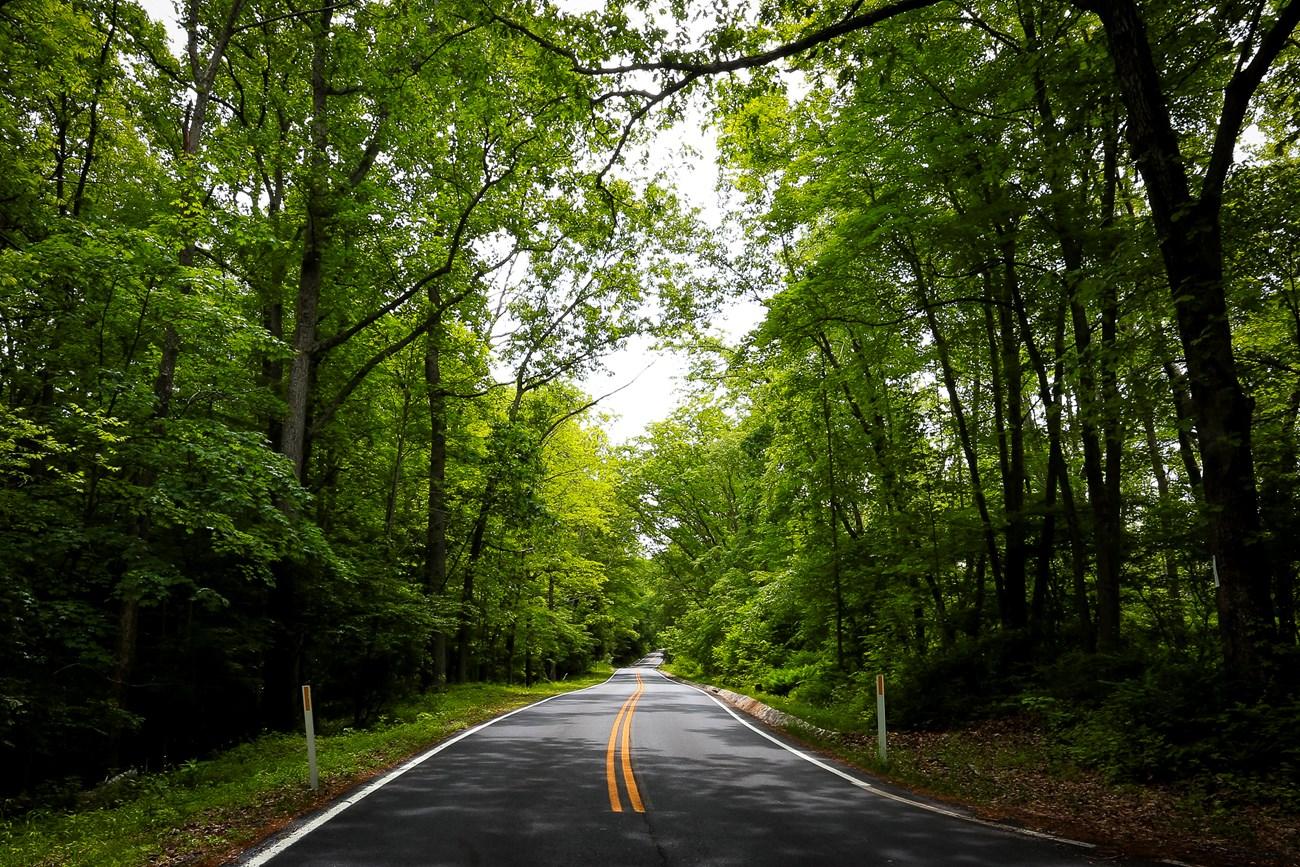 Appalachian Mountains
Explore Pennsylvania’s Appalachian Mountains for forested ridges, waterfall trails, historic towns, river valleys and landmark architecture.
-

-

-


Swipe for more regions
Explore more

Explore more of Pennsylvania
Discover Pennsylvania: A blend of rich history, breathtaking nature, and vibrant culture awaits you in the Keystone State.
Explore Pennsylvania