
Bald Eagle State Park, Pennsylvania Travel Guide
Explore Bald Eagle State Park in Pennsylvania, where natural beauty and outdoor adventure await amidst serene landscapes and diverse wildlife.
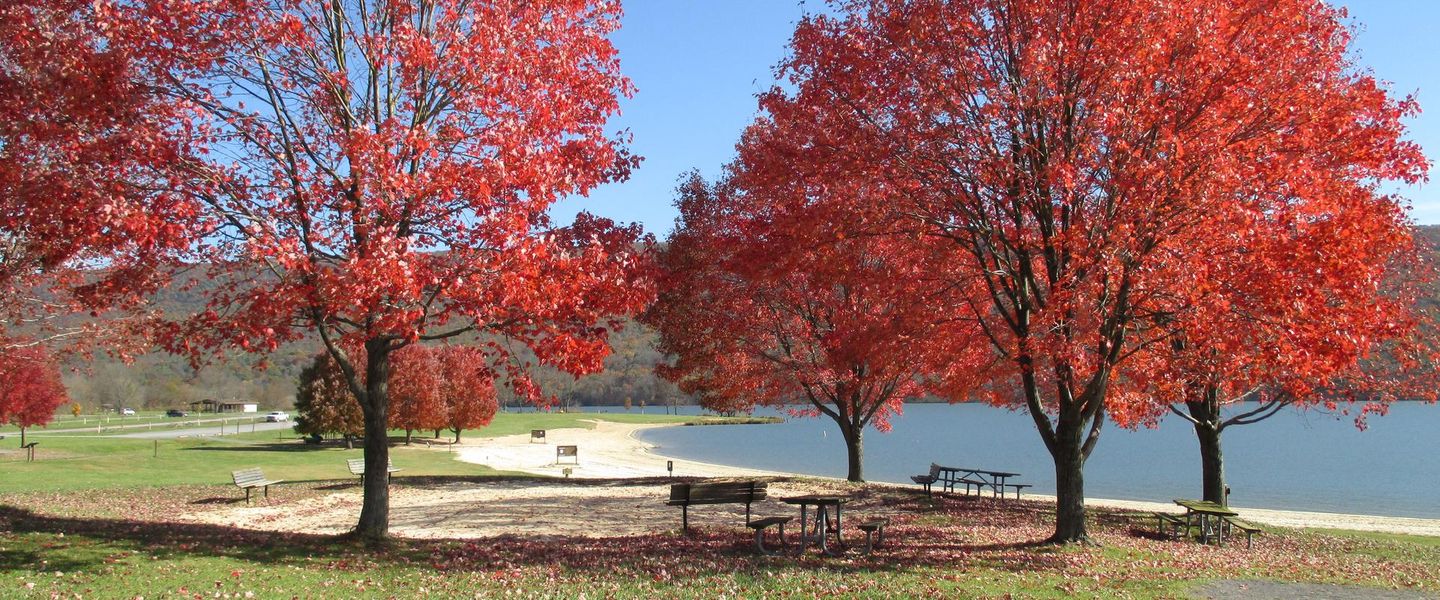
Bald Eagle State Park, nestled in the scenic landscapes of Pennsylvania, is a paradise for nature lovers and outdoor enthusiasts. Spanning over 5,900 acres, the park offers a diverse array of activities and breathtaking sights that make it a must-visit destination. The park is named after the majestic bald eagles that inhabit the area, and spotting one of these iconic birds soaring overhead is a highlight for many visitors. Lake Arthur, the centerpiece of Bald Eagle State Park, provides ample opportunities for water-based recreation. From boating and fishing to swimming and kayaking, the lake is a hub of activity during the warmer months. For those who prefer to stay on land, the park boasts an extensive network of trails perfect for hiking, biking, and wildlife watching. Each trail offers unique perspectives of the park's diverse ecosystems, from dense woodlands to open fields. In addition to its natural beauty, Bald Eagle State Park is equipped with modern amenities to ensure a comfortable visit. There are several picnic areas, playgrounds, and even a nature center that provides educational programs for visitors of all ages. Whether you're planning a day trip or an extended stay at one of the park's campgrounds, Bald Eagle State Park promises a memorable experience that combines relaxation with adventure.

Know before you go
Hi, I'm Eve. Here are a few practical things to know before exploring Bald Eagle State Park.
- Visit in early morning or late afternoon for the best chances of spotting bald eagles.
- Bring insect repellent during summer months as mosquitoes can be prevalent.
- Check the park’s event calendar for guided hikes and educational programs.
- Fishing enthusiasts should remember to bring a valid Pennsylvania fishing license.
- Consider downloading offline maps as cell service can be spotty in some areas of the park.
Explore Bald Eagle State Park: Things to Do, Places to Eat, Hotels & More
Handpicked recommendations for top attractions, local dining, accommodations, and more

Best attractions in Bald Eagle State Park
Top-rated picks
Best Attractions

Delaware Water Gap National Recreation Area
Discover the breathtaking landscapes and outdoor adventures at Delaware Water Gap National Recreation Area, a perfect getaway for nature lovers.

Allegheny National Forest
Explore the captivating landscapes and diverse wildlife of Allegheny National Forest, a premier tourist attraction in Pennsylvania.

Penn's Cave and Wildlife Park
Discover the enchanting underground cave and wildlife experiences at Penn's Cave and Wildlife Park in scenic Pennsylvania.

Nay Aug Park
Explore Nay Aug Park, Scranton's premier natural destination, offering scenic trails, playgrounds, and a rich blend of history and nature.

Best landmarks in Bald Eagle State Park
Top-rated picks
Best Landmarks

Bald Eagle State Forest
Explore the serene wilderness of Bald Eagle State Forest in Pennsylvania, a perfect getaway for hiking, camping, and enjoying nature's beauty.

Bald Eagle State Forest- Reeds Gap Unit
Explore the stunning landscapes and diverse wildlife at Bald Eagle State Forest - Reeds Gap Unit, a serene escape for nature lovers in Pennsylvania.

Best restaurants in Bald Eagle State Park
Top-rated picks
Best Restaurants

The Brass Eagle Restaurant
Experience delightful dining at The Brass Eagle Restaurant in Gap, PA – where delicious meals meet family-friendly hospitality.

Hublersburg Inn
Discover the authentic taste of America at Hublersburg Inn - where delicious cuisine meets warm hospitality in beautiful Pennsylvania.

Bloom Southern Kitchen
Experience the essence of American cuisine at Bloom Southern Kitchen in Chester Springs - where comfort meets flavor.

URBN Flavourhaus Lamar
Discover URBN Flavourhaus Lamar in Mill Hall - where American comfort food meets artisan baked delights for an unforgettable dining experience.

Best bars in Bald Eagle State Park
Top-rated picks
Best Bars

Hublersburg Inn
Discover the charm of Hublersburg Inn, where American cuisine meets cozy pub vibes in the heart of Pennsylvania.

Robin Hood Brewing Co.
Discover the craft of brewing at Robin Hood Brewing Co., where local flavors and welcoming atmosphere create a must-visit experience in Bellefonte.

Federal Taphouse
Discover the vibrant atmosphere and delicious flavors of Federal Taphouse, your go-to bar and grill in State College, offering craft beers and gourmet grilled dishes.

Ruby Tuesday
Savor the flavors of America at Ruby Tuesday, where delicious food and a welcoming atmosphere create unforgettable dining experiences.

Best nightclubs in Bald Eagle State Park
Top-rated picks
Best Nightclubs

MainGate Nightclub
Dive into the electrifying nightlife at MainGate Nightclub, a premier destination for live music, dancing, and unforgettable moments in Allentown, PA.

Swig
Discover the electrifying nightlife at Swig Nightclub in Warrington, PA, where live music and dancing create unforgettable experiences.

The Mines
Discover the underground nightlife at The Mines in Wilkes-Barre, a premier destination for live music and vibrant clubbing experiences.

Best shops in Bald Eagle State Park
Top-rated picks
Best Shops

Peddler's Village
Explore Peddler's Village: A charming shopping destination in Pennsylvania offering unique shops, delicious dining, and rich history.

Nittany Mall
Discover Nittany Mall in State College, PA: Your ultimate shopping and dining destination, offering a diverse mix of stores and family-friendly entertainment.

Student Book Store
Explore The Student Book Store in State College, a vibrant destination for books, clothing, and unique souvenirs celebrating local culture.

The Family Clothesline
Explore The Family Clothesline in State College for unique clothing and gifts that embody the spirit of Penn State and local craftsmanship.

Explore Bald Eagle State Park on the Map
A handpicked selection of must-see spots in Bald Eagle State Park, mapped for you.
Bald Eagle State Park Essentials
-
Bald Eagle State Park is located in Centre County, Pennsylvania. The nearest major airport is University Park Airport in State College, approximately 30 miles away. From the airport, you can rent a car or take a taxi to reach the park. Alternatively, if you're driving, the park is accessible via U.S. Route 220 and Pennsylvania Route 150.
-
Within Bald Eagle State Park, the best way to get around is by car. There are several parking areas throughout the park. Biking and hiking are also popular ways to explore the park's extensive trail system. Public transportation options are limited, so having your own vehicle is advisable.
-
The official currency is the United States Dollar (USD). Credit cards are widely accepted at nearby hotels, restaurants, and shops. However, it is a good idea to carry some cash for park fees and smaller establishments that may not accept cards. ATMs can be found in nearby towns.
-
Bald Eagle State Park is generally very safe for tourists. However, it is important to follow standard safety precautions. Keep your belongings secure and do not leave valuables in your car. Be aware of your surroundings, especially in parking areas and trailheads. There are no specific high-crime areas targeting tourists, but it is always best to stay vigilant.
-
In case of an emergency, dial 911 for immediate assistance. The park has emergency contact stations and park rangers are available to assist. It is recommended to have travel insurance that covers medical emergencies. For minor injuries or health issues, first aid kits are available at the park office.
-
Fashion: Do wear comfortable, weather-appropriate clothing and sturdy hiking boots. Don't wear high heels or flip-flops on trails. Religion: Do respect the natural environment and any cultural sites within the park. Public Transport: Do note that public transport is limited; plan to have your own vehicle. Greetings: Do greet fellow hikers with a friendly nod or hello. Eating & Drinking: Do bring your own food and water, and always pack out what you pack in. Don't feed the wildlife, as it can be harmful to them and you.
-
To experience Bald Eagle State Park like a local, visit during the off-peak seasons to avoid crowds. Early morning hikes offer the best opportunities for wildlife sightings. Engage with park rangers for insider tips on the best trails and fishing spots. Don't miss kayaking on the Foster Joseph Sayers Reservoir for a serene experience.
When is the best time to visit Bald Eagle State Park?
Useful Local Phrases for Bald Eagle State Park
You don't need to speak the language perfectly. Even learning a few simple words can make conversations warmer—and locals usually appreciate the effort.
— Eve

Here are the phrases I use most often in Bald Eagle State Park. Try a few—you'll be surprised how far they go! 😊
❤️
-
- HelloHowdy
[haʊ-di] - GoodbyeSee ya
[siː jə] - YesYup
[jʌp] - NoNah
[nɑː] - Please/You're welcomePlease 'n thank ya
[pliːz ən θæŋk jə] - Thank youThanks a lot
[θæŋks ə lɑt] - Excuse me/SorryPardon me
[pɑːrdən miː] - How are you?Howdy do?
[haʊ-di duː] - Fine. And you?Fine 'n you?
[faɪn ən jʊ] - Do you speak English?Ya speak English?
[jə spiːk ɪŋɡlɪʃ] - I don't understandI ain't catchin' on
[aɪ eɪnt ˈkætʃɪn ɒn]
- HelloHowdy
-
- I'd like to see the menu, pleaseCan I take a gander at the menu, please
[kæn aɪ teɪk ə ˈɡændər æt ðə ˈmɛnjuː pliːz] - I don't eat meatI don't touch meat
[aɪ doʊnt tʌtʃ mit] - Cheers!Bottoms up!
[ˈbɑtəmz ʌp] - I would like to pay, pleaseI reckon I'll settle up, please
[aɪ ˈrɛkən aɪl ˈsɛtəl ʌp pliːz]
- I'd like to see the menu, pleaseCan I take a gander at the menu, please
-
- Help!SOS!
[ɛs oʊ ɛs] - Go away!Skedaddle!
[skɪˈdædəl] - Call the Police!Contact the Sheriff!
[ˈkɒntækt ðə ˈʃɛrɪf] - Call a doctor!Fetch the Doc!
[fɛtʃ ðə dɑk] - I'm lostI'm turned around
[aɪm tɜrnd əˈraʊnd] - I'm illI'm under the weather
[aɪm ˈʌndər ðə ˈwɛðər]
- Help!SOS!
-
- I'd like to buy...I'm hankerin' to purchase...
[aɪm ˈhæŋkərɪn tuː ˈpɜrtʃəs] - I'm just lookingI'm jest browsin'
[aɪm dʒʌst ˈbraʊzɪn] - How much is it?What's the damage?
[wɑːts ðə ˈdæmɪdʒ] - That's too expensiveThat's a mite pricey
[ðæts ə maɪt ˈpraɪsi] - Can you lower the price?Kin ya knock it down a peg?
[kɪn jə nɑk ɪt daʊn ə pɛɡ]
- I'd like to buy...I'm hankerin' to purchase...
-
- What time is it?What's the hour?
[wɑːts ðə ˈaʊər] - It's one o'clockIt's a-one
[ɪts ə-wʌn] - Half past (10)Half-ten
[hæf-tɛn] - MorningMornin'
[ˈmɔrnɪn] - AfternoonAfternoon
[ˌæf.tərˈnun] - EveningEvenin'
[ˈiv.nɪn] - YesterdayYest'day
[ˈjɛstˌdeɪ] - TodayToday
[təˈdeɪ] - TomorrowMorrow
[ˈmɑr.oʊ] - 1One
[wʌn] - 2Two
[tuː] - 3Three
[θriː] - 4Four
[fɔːr] - 5Five
[faɪv] - 6Six
[sɪks] - 7Seven
[ˈsɛv.ən] - 8Eight
[eɪt] - 9Nine
[naɪn] - 10Ten
[tɛn]
- What time is it?What's the hour?
-
- Where's a/the...?Where's the...
[wɛərz ðə] - What's the address?Where's it at?
[wɛərz ɪt ət] - Can you show me (on the map)?Can ya point it out?
[kæn jə pɔɪnt ɪt aʊt] - When's the next (bus)?When's the next jitney?
[wɛnz ðə nɛkst ˈdʒɪtni] - A ticket (to ....)A pass (to ....)
[ə pæs tuː]
- Where's a/the...?Where's the...
History of Bald Eagle State Park
-
Long before European settlers arrived, the area now known as Bald Eagle State Park was inhabited by Native American tribes, primarily the Susquehannock and the Lenape. They relied on the rich natural resources of the region, using the waterways for transportation and fishing, and the forests for hunting and gathering.
-
The region saw its first European settlers in the early 18th century. The area was named after the Lenape chief Woapalanne, which translates to 'bald eagle'. These settlers established small farms and communities, utilizing the fertile land and abundant natural resources.
-
In the mid-19th century, the Bald Eagle Valley Railroad was constructed, running through the area that would become Bald Eagle State Park. This railroad was crucial in the transportation of coal and lumber, contributing significantly to the economic development of the region.
-
Bald Eagle State Park was officially established in 1971. The creation of the park was part of a broader initiative to preserve Pennsylvania's natural landscapes and provide recreational opportunities for the public. The park's centerpiece is the 1,730-acre Foster Joseph Sayers Reservoir, named after a local World War II hero.
-
Since its establishment, Bald Eagle State Park has been a focal point for environmental conservation. Various programs and initiatives have been implemented to protect the park's diverse ecosystems, including its forests, wetlands, and wildlife habitats. These efforts ensure the preservation of the park's natural beauty for future generations.
-
Today, Bald Eagle State Park is a hub for cultural and recreational activities. The park hosts events such as historical reenactments, educational programs, and outdoor festivals. Visitors can enjoy a wide range of activities, including hiking, fishing, boating, and bird watching, making it a cherished destination for both locals and tourists.
Neighbouring destination travel guides
Browse our curated selection of top destinations, scenic points, and must-visit spots in the area.


Your all‑in‑one travel companion app
Explore expert travel guides, compare and book tours, experiences, hotels, and more—all from the palm of your hand. Download now for seamless trip planning wherever your wanderlust takes you.


Explore More of Happy Valley

Looking beyond Bald Eagle State Park? Discover Happy Valley for broader travel guides, local hot-spots, and regional highlights.
Explore Happy ValleyExplore More of Pennsylvania

Looking beyond Bald Eagle State Park? Discover Pennsylvania for broader travel guides, local hot-spots, and regional highlights.
Explore PennsylvaniaBald Eagle State Park in Photos
Browse through our photo collection highlighting the charm and character of the destination.





Bald Eagle State Park: A Natural Haven in Pennsylvania
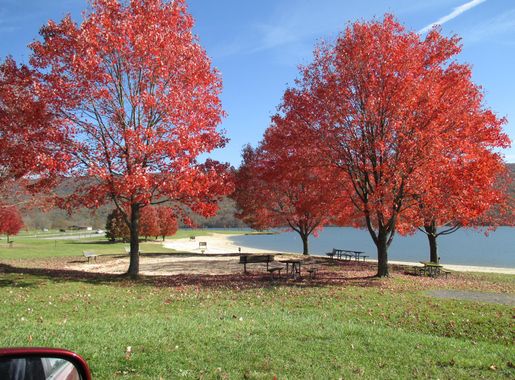
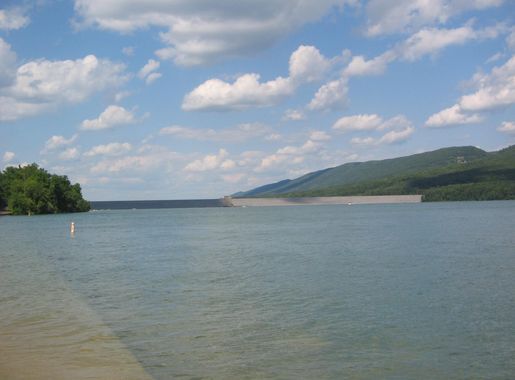
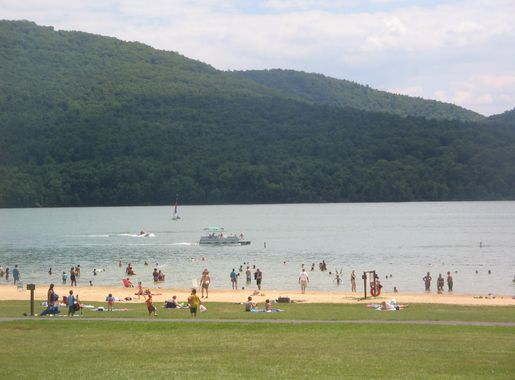
Bald Eagle State Park, nestled in the scenic landscapes of Pennsylvania, is a paradise for nature lovers and outdoor enthusiasts. Spanning over 5,900 acres, the park offers a diverse array of activities and breathtaking sights that make it a must-visit destination. The park is named after the majestic bald eagles that inhabit the area, and spotting one of these iconic birds soaring overhead is a highlight for many visitors. Lake Arthur, the centerpiece of Bald Eagle State Park, provides ample opportunities for water-based recreation. From boating and fishing to swimming and kayaking, the lake is a hub of activity during the warmer months. For those who prefer to stay on land, the park boasts an extensive network of trails perfect for hiking, biking, and wildlife watching. Each trail offers unique perspectives of the park's diverse ecosystems, from dense woodlands to open fields. In addition to its natural beauty, Bald Eagle State Park is equipped with modern amenities to ensure a comfortable visit. There are several picnic areas, playgrounds, and even a nature center that provides educational programs for visitors of all ages. Whether you're planning a day trip or an extended stay at one of the park's campgrounds, Bald Eagle State Park promises a memorable experience that combines relaxation with adventure.