
Ricketts Glen State Park, Pennsylvania Travel Guide
Discover the enchanting beauty of Ricketts Glen State Park in Pennsylvania, home to 21 mesmerizing waterfalls, lush forests, and a serene lake perfect for outdoor adventures.
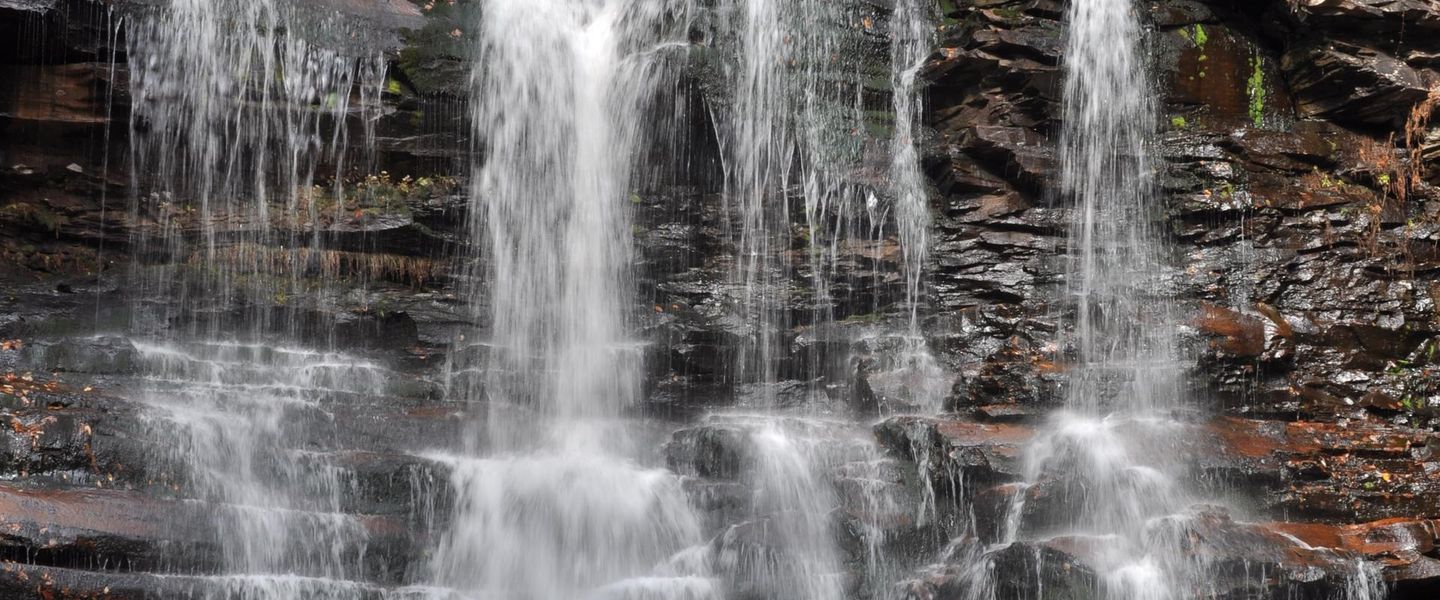
Ricketts Glen State Park is a haven for nature lovers and adventure seekers alike. Nestled in the scenic hills of northeastern Pennsylvania, this 13,050-acre park is renowned for its exceptional beauty and diverse ecosystems. The park's crown jewel is the Falls Trail, a magnificent 7.2-mile loop featuring 21 stunning waterfalls, each more captivating than the last. As you hike along the trail, you'll be treated to the soothing sounds of cascading water and the sight of lush, verdant foliage, making it a truly immersive experience in nature. In addition to its breathtaking waterfalls, Ricketts Glen State Park offers a variety of other outdoor activities. Visitors can enjoy boating, fishing, and swimming in the park's pristine Lake Jean, which spans 245 acres. The park also boasts numerous picnic areas, making it an ideal spot for a family outing. For those who prefer a more leisurely pace, the park's diverse network of trails offers opportunities for bird-watching, wildlife photography, and peaceful nature walks. Camping enthusiasts will find Ricketts Glen State Park to be a perfect destination, with a range of camping options including rustic tent sites, modern cabins, and RV hookups. The park's campgrounds are well-maintained and provide a serene setting for a night under the stars. Whether you're seeking a thrilling adventure or a tranquil escape, Ricketts Glen State Park promises an unforgettable experience amidst the natural splendor of Pennsylvania.

Know before you go
Hi, I'm Eve. Here are a few practical things to know before exploring Ricketts Glen State Park.
- Wear sturdy hiking boots for the Falls Trail as it can be slippery, especially after rain.
- Arrive early in the day to avoid crowds and to secure a good parking spot.
- Bring plenty of water and snacks, as there are limited facilities along the trails.
- Check the weather forecast before your visit; trails may close during severe weather.
- Don't forget your camera – the waterfalls and scenery are incredibly photogenic!
Explore Ricketts Glen State Park: Things to Do, Places to Eat, Hotels & More
Handpicked recommendations for top attractions, local dining, accommodations, and more

Best attractions in Ricketts Glen State Park
Top-rated picks
Best Attractions

Ganoga Waterfall
Explore the breathtaking Ganoga Waterfall in Ricketts Glen State Park, where cascading waters and lush nature await your discovery.

State Game Lands Number 13
Discover the beauty and adventure of State Game Lands Number 13 in Pennsylvania, a prime location for hunting and wildlife observation amidst stunning natural landscapes.

Adams Falls at Ricketts Glen
Discover the beauty of Adams Falls at Ricketts Glen, a stunning cascade surrounded by lush forests and picturesque hiking trails in Pennsylvania.

Falls Natural Trail, Rickett's Glen
Explore the breathtaking Falls Natural Trail at Rickett's Glen, where stunning waterfalls and scenic views await every hiker.

Best landmarks in Ricketts Glen State Park
Top-rated picks
Best Landmarks

Ganoga Waterfall
Explore the stunning Ganoga Waterfall in Sweet Valley, PA, a natural wonder offering breathtaking views and serene hiking experiences for nature lovers.

State Game Lands Number 13
Explore the natural wonder of State Game Lands Number 13, Pennsylvania's premier hunting preserve and outdoor adventure destination.

Lake Leigh Dam
Explore Lake Leigh Dam, a historical landmark in Sweet Valley, PA, where nature and history come together for an unforgettable experience.

Best restaurants in Ricketts Glen State Park
Top-rated picks
Best Restaurants

Cracker Barrel Old Country Store
Discover delicious Southern comfort food at Cracker Barrel Old Country Store in Bloomsburg – perfect for families and travelers alike.

LongHorn Steakhouse
Discover the ultimate steak dining experience at LongHorn Steakhouse in Moosic, PA—where flavor meets tradition in every bite.

The Inn at Turkey Hill
Experience comfort and charm at The Inn at Turkey Hill – your perfect retreat in Pennsylvania with fine dining and local brews.

D & D Brew Works
Discover the flavors of Muncy Valley at D & D Brew Works - where delicious grill fare meets handcrafted brews in a welcoming atmosphere.

Best bars in Ricketts Glen State Park
Top-rated picks
Best Bars

Ricketts Glen State Park
Explore Ricketts Glen State Park, a stunning Pennsylvania destination with cascading waterfalls, lush hiking trails, and abundant wildlife for all outdoor lovers.

Keswick Tavern
Experience the charm of Keswick Tavern in Glenside, PA, where delicious food and a warm atmosphere await every visitor.

Ricketts Glen Hotel
Discover the natural beauty and tranquility of Ricketts Glen Hotel in Pennsylvania, your perfect retreat for adventure and relaxation.

Trail's End
Discover Trail's End in Sweet Valley, PA - the perfect family-friendly restaurant for hearty meals and unforgettable moments.

Best nightclubs in Ricketts Glen State Park
Top-rated picks
Best Nightclubs

Ricketts Glen State Park
Explore breathtaking waterfalls, lush forests, and endless outdoor fun at Ricketts Glen State Park, Pennsylvania's natural gem.

Ricketts Glen Hotel
Discover Ricketts Glen Hotel, your peaceful haven nestled in the heart of Pennsylvania's natural beauty, ideal for relaxation and outdoor adventures.

Cell Block
Discover the vibrant nightlife at Cell Block, a lively bar and night club in Williamsport, PA, featuring great drinks and live entertainment.

Deer Oak Restaurant and Lounge
Experience the lively Deer Oak Restaurant and Lounge in Cambra, PA, where delicious cuisine meets vibrant nightlife in a cozy atmosphere.

Best shops in Ricketts Glen State Park
Top-rated picks
Best Shops

Ricketts Glen State Park
Explore the breathtaking waterfalls and scenic trails of Ricketts Glen State Park, a natural paradise in Pennsylvania, perfect for outdoor adventures.

Street of Shops
Explore the Street of Shops in Lewisburg, PA, where unique gifts and local artistry create an unforgettable shopping experience.

Loyalsock State Forest
Explore the serene trails and breathtaking views of Loyalsock State Forest, a natural paradise for outdoor enthusiasts in Pennsylvania.

Ricketts Glen Hotel
Experience the tranquility of nature at Ricketts Glen Hotel, a charming retreat near stunning waterfalls and scenic hiking trails.

Explore Ricketts Glen State Park on the Map
A handpicked selection of must-see spots in Ricketts Glen State Park, mapped for you.
Ricketts Glen State Park Essentials
-
Ricketts Glen State Park is located in northeastern Pennsylvania. The nearest major airport is Wilkes-Barre/Scranton International Airport (AVP), about 45 miles away. From the airport, you can rent a car and take I-81 N to PA-118 W, which will lead you directly to the park. Alternatively, Philadelphia International Airport (PHL) is approximately 130 miles away, and from there, you can also rent a car and follow I-476 N to PA-118 W.
-
The best way to get around Ricketts Glen State Park is by car. The park covers over 13,000 acres, and having a car will allow you to explore its various trails, waterfalls, and scenic overlooks at your own pace. There is ample parking available at the park's main entrance and at trailheads. Biking is also a popular option within the park. Note that there is no public transportation directly to or within the park, so plan accordingly.
-
The United States Dollar (USD) is the official currency. While most establishments near the park accept credit and debit cards, it is advisable to carry some cash, especially for smaller shops and local vendors. ATMs are available in nearby towns such as Benton and Red Rock, but it's a good idea to withdraw cash in advance.
-
Ricketts Glen State Park is generally a safe destination. However, always stay on marked trails to avoid getting lost and be cautious around waterfalls and steep areas. There are no specific high-crime areas targeting tourists, but it's always wise to secure your belongings and keep an eye on your surroundings. Avoid hiking alone, especially during dusk or dawn, and inform someone of your hiking plans.
-
In case of an emergency, dial 911 for immediate assistance. The park rangers are also available to help with any issues and can be contacted via the park office. It's recommended to carry a first aid kit and a map of the park. For medical emergencies, the nearest hospital is Geisinger Medical Center in Danville, about 30 miles away. Always carry a charged mobile phone and know the location of the nearest ranger station.
-
Fashion: Do wear comfortable hiking shoes and dress in layers to accommodate changing weather conditions. Avoid wearing flip-flops or sandals when hiking. Religion: There are no specific religious customs to observe, but always be respectful of nature and other visitors. Public Transport: As there is no public transport within the park, plan to use a private vehicle or bike. Greetings: A friendly hello or a nod is common when passing fellow hikers. Eating & Drinking: Do bring your own food and water, as there are limited dining options within the park. Always pack out what you pack in to keep the park clean.
-
To experience Ricketts Glen State Park like a local, consider visiting during the weekdays to avoid the weekend crowds. Early mornings offer the best lighting for photography, especially at the waterfalls. Engage with park rangers and volunteers; they often have insider tips and can recommend less-traveled trails. Don't miss the Falls Trail, which features 22 named waterfalls, and consider a visit during the fall for breathtaking foliage.
When is the best time to visit Ricketts Glen State Park?
Useful Local Phrases for Ricketts Glen State Park
You don't need to speak the language perfectly. Even learning a few simple words can make conversations warmer—and locals usually appreciate the effort.
— Eve

Here are the phrases I use most often in Ricketts Glen State Park. Try a few—you'll be surprised how far they go! 😊
❤️
-
- HelloHowdy
[haw-dee] - GoodbyeSee ya
[see yah] - YesYep
[yep] - NoNah
[nah] - Please/You're welcomePlease/No problem
[pleez / no prob-lem] - Thank youThanks
[thanks] - Excuse me/SorryPardon me/My bad
[par-dun me / mah bad] - How are you?How ya doin'?
[how yah doin] - Fine. And you?Good. How 'bout yourself?
[good. how 'bout yur-self] - Do you speak English?Ya speak English?
[yah speak ing-lish] - I don't understandI ain't gettin' it
[I aint get-tin it]
- HelloHowdy
-
- I'd like to see the menu, pleaseCan I check out the menu, please
[kan i chek out the men-yoo, please] - I don't eat meatI don't eat meat
[I don't eat meat] - Cheers!Cheers!
[cheers] - I would like to pay, pleaseI'd like to settle up, please
[I'd like to set-tul up, please]
- I'd like to see the menu, pleaseCan I check out the menu, please
-
- Help!Help!
[help] - Go away!Get lost!
[get lost] - Call the Police!Call the cops!
[call the cops] - Call a doctor!Get a doc!
[get a doc] - I'm lostI'm all turned around
[I'm all turned around] - I'm illI ain't feelin' so good
[I aint feelin so good]
- Help!Help!
-
- I'd like to buy...I wanna buy...
[I wanna buy...] - I'm just lookingJust browsin'
[just brow-zin] - How much is it?How much?
[how much] - That's too expensiveThat's steep
[that's steep] - Can you lower the price?Can ya knock the price down?
[can ya knock the price down]
- I'd like to buy...I wanna buy...
-
- What time is it?What's the time?
[what's the time] - It's one o'clockIt's one
[It's one] - Half past (10)Half ten
[half ten] - MorningMornin'
[mornin] - AfternoonAfternoon
[afternoon] - EveningEvenin'
[evenin] - YesterdayYest'day
[yest'day] - TodayToday
[today] - TomorrowTomorrah
[tomorrah] - 1One
[one] - 2Two
[two] - 3Three
[three] - 4Four
[four] - 5Five
[five] - 6Six
[six] - 7Seven
[seven] - 8Eight
[eight] - 9Nine
[nine] - 10Ten
[ten]
- What time is it?What's the time?
-
- Where's a/the...?Where's the...?
[where's the] - What's the address?What's the addy?
[what's the addy] - Can you show me (on the map)?Can ya point it out (on the map)?
[can ya point it out (on the map)] - When's the next (bus)?When's the next bus?
[when's the next bus] - A ticket (to ....)A ticket (to ....)
[A ticket (to ....)]
- Where's a/the...?Where's the...?
History of Ricketts Glen State Park
-
Ricketts Glen State Park is named after Colonel Robert Bruce Ricketts, a notable figure in the history of the area. Ricketts was a Union Army officer during the American Civil War, renowned for his leadership at the Battle of Gettysburg. After the war, he purchased large tracts of land in Pennsylvania, including the area that would become Ricketts Glen State Park. His vision and efforts to conserve the natural beauty of the region laid the foundation for the park's establishment.
-
Long before European settlers arrived, the land that is now Ricketts Glen State Park was inhabited by Native American tribes, including the Iroquois and the Lenape. The park area was part of a network of trails used for trade, hunting, and communication. Artifacts and archaeological findings in the region provide a glimpse into the rich cultural heritage and the deep connection these tribes had with the land.
-
The transformation of Ricketts Glen from private land to a state park began in the early 20th century. After Robert Bruce Ricketts' death in 1918, his heirs began selling parcels of the land to the Commonwealth of Pennsylvania. In 1942, the area was officially designated as Ricketts Glen State Park. The park was developed with the aim of preserving its stunning waterfalls, old-growth forests, and diverse wildlife, making it accessible for public enjoyment and recreation.
-
During the 1930s, the Civilian Conservation Corps (CCC), a New Deal program aimed at providing jobs and improving public lands, played a significant role in the development of Ricketts Glen State Park. The CCC built trails, roads, and park facilities that are still in use today. Their work not only enhanced the park's accessibility but also helped to preserve its natural beauty for future generations.
-
One of the most remarkable features of Ricketts Glen State Park is its Falls Trail System, which showcases 24 named waterfalls. These waterfalls, ranging in height from 11 to 94 feet, are part of Kitchen Creek's descent through the park's rugged terrain. The trail system was originally developed in the early 20th century and has been continuously maintained and improved, offering visitors a breathtaking hiking experience amidst a stunning natural landscape.
-
Ricketts Glen State Park is home to some of Pennsylvania's most impressive old-growth forests. These ancient trees, some of which are over 300 years old, have been preserved thanks to the conservation efforts initiated by Robert Bruce Ricketts and continued by the state. The old-growth forests provide a rare glimpse into the region's natural history and serve as a crucial habitat for diverse wildlife species.
-
Since its establishment, Ricketts Glen State Park has become a cherished destination for outdoor enthusiasts, nature lovers, and history buffs. The park's cultural significance is highlighted by its inclusion in the National Register of Historic Places, recognizing its historical and environmental importance. Each year, thousands of visitors flock to the park to hike its trails, marvel at its waterfalls, and immerse themselves in its rich history and natural beauty.
Neighbouring destination travel guides
Browse our curated selection of top destinations, scenic points, and must-visit spots in the area.



Your all‑in‑one travel companion app
Explore expert travel guides, compare and book tours, experiences, hotels, and more—all from the palm of your hand. Download now for seamless trip planning wherever your wanderlust takes you.


Explore More of Northeastern Pennsylvania
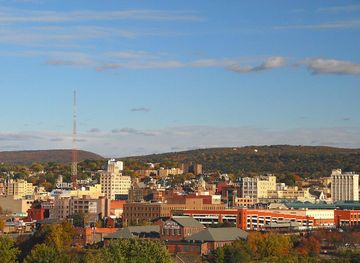
Looking beyond Ricketts Glen State Park? Discover Northeastern Pennsylvania for broader travel guides, local hot-spots, and regional highlights.
Explore Northeastern PennsylvaniaExplore More of Pennsylvania

Looking beyond Ricketts Glen State Park? Discover Pennsylvania for broader travel guides, local hot-spots, and regional highlights.
Explore PennsylvaniaRicketts Glen State Park in Photos
Browse through our photo collection highlighting the charm and character of the destination.


Nature's Cascade Wonderland: Ricketts Glen State Park
Ricketts Glen State Park is a haven for nature lovers and adventure seekers alike. Nestled in the scenic hills of northeastern Pennsylvania, this 13,050-acre park is renowned for its exceptional beauty and diverse ecosystems. The park's crown jewel is the Falls Trail, a magnificent 7.2-mile loop featuring 21 stunning waterfalls, each more captivating than the last. As you hike along the trail, you'll be treated to the soothing sounds of cascading water and the sight of lush, verdant foliage, making it a truly immersive experience in nature. In addition to its breathtaking waterfalls, Ricketts Glen State Park offers a variety of other outdoor activities. Visitors can enjoy boating, fishing, and swimming in the park's pristine Lake Jean, which spans 245 acres. The park also boasts numerous picnic areas, making it an ideal spot for a family outing. For those who prefer a more leisurely pace, the park's diverse network of trails offers opportunities for bird-watching, wildlife photography, and peaceful nature walks. Camping enthusiasts will find Ricketts Glen State Park to be a perfect destination, with a range of camping options including rustic tent sites, modern cabins, and RV hookups. The park's campgrounds are well-maintained and provide a serene setting for a night under the stars. Whether you're seeking a thrilling adventure or a tranquil escape, Ricketts Glen State Park promises an unforgettable experience amidst the natural splendor of Pennsylvania.