

Free Callao Travel Guide & Mobile App
Explore Callao with free travel guides. Discover regional history, expert tips, proposed trips, and audio guides on web or mobile app.


Explore Callao in Peru for historic fortresses, Pacific islands, naval heritage, seafood and waterfront districts beside Lima.
Read more about Callao
When is the best time to visit Callao?
Best: January–March · 25–26°C| Month | High (°C) | Rainfall (mm) |
|---|---|---|
| January (best) | 25 | 1 |
| February (best) | 26 | 1 |
| March (best) | 26 | 1 |
| April | 24 | 1 |
| May | 22 | 1 |
| June | 20 | 1 |
| July | 20 | 1 |
| August | 20 | 1 |
| September | 20 | 1 |
| October | 21 | 1 |
| November | 23 | 1 |
| December | 24 | 1 |
Getting to and around Callao
How to get there
Transportation
Best attractions in Callao
Callao’s attractions combine maritime history, urban culture and Pacific wildlife. The Real Felipe Fortress is the province’s principal historical monument, with defensive walls and courtyards that explain the port’s colonial importance and its role during independence. The Museo Naval del Perú adds a national naval perspective through collections linked to Peru’s seafaring history. In the old centre, Callao Monumental brings together murals, galleries, public art and restored historic buildings, though visits are best planned with local guidance. La Punta offers promenades, bay views and a quieter residential atmosphere, while Chucuito and La Perla show different aspects of the province’s coastal urban fabric. Boat excursions to the Palomino Islands are a major outdoor attraction, particularly for observing sea lions and seabirds from the water; the islands are not a conventional beach destination and landing arrangements may be restricted. The bay, port and naval environment also reward visitors interested in photography, architecture and working waterfronts. Families and independent travellers should distinguish between formal attractions, which may have changing admission arrangements, and public areas where security advice and local conditions matter.
-
Park
Kennedy Park
Experience the vibrant culture and lush beauty of Kennedy Park, a must-visit urban oasis in Miraflores, Lima, Peru.
-
Catholic church
Iglesia Las Nazarenas
Discover the architectural beauty and spiritual essence of Iglesia Las Nazarenas, a stunning Catholic church and a key tourist attraction in Lima, Peru.
-
Park
Maria Reiche Park
Discover the tranquil charm of Maria Reiche Park in Miraflores, a perfect blend of nature, art, and stunning coastal views.
-
Park
Parque Antonio Raimondi
Explore Parque Antonio Raimondi, a tranquil retreat in Miraflores, Peru, with breathtaking ocean views and lush landscapes for an unforgettable experience.



Best landmarks in Callao
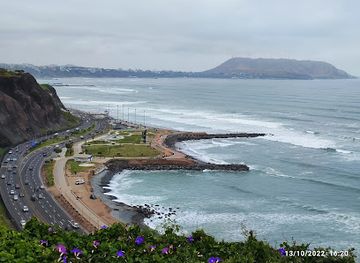
The Real Felipe Fortress is Callao’s defining built landmark, a broad eighteenth-century military complex whose bastions, ramparts and gateways embody the strategic importance of Peru’s colonial port. Its connection with the 1746 earthquake and tsunami, and with the final royalist resistance during independence, gives the structure significance beyond its architecture. The historic port centre contains further reminders of Callao’s past in its churches, civic buildings and surviving republican façades, although the condition and accessibility of individual structures vary. The Monumental Zone is notable for the way murals and contemporary art have been placed against an older urban setting, creating a changing visual record of local cultural activity. La Punta’s narrow peninsula is a geographical landmark as much as a district: its low coastline, promenades and villas face the bay and the open Pacific. Offshore, the Palomino Islands form Callao’s most recognisable natural landmark, with rocky contours, seabird colonies and sea lions visible from boat excursions. San Lorenzo Island, the largest island off the Peruvian coast, is also part of Callao’s maritime landscape, but access is controlled and it should not be treated as an ordinary public day-trip destination.
-
Historical place
Historic Sanctuary of Machu Picchu
Explore the breathtaking ancient citadel of Machu Picchu, a UNESCO World Heritage Site, and immerse yourself in Inca history and stunning landscapes.
-
Historical landmark
Lima Main Square
Discover the vibrant history and culture at Lima Main Square, the heart of Peru's capital, surrounded by stunning colonial architecture and lively local events.
-
Park
Magic Water Circuit of the Reserve Park
Discover the enchanting Magic Water Circuit in Lima, where mesmerizing fountains dance to music and light, offering a magical experience for all visitors.
-
 Historical landmark
St Martin Square
Discover St Martin Square, Lima's historical landmark, where culture and architecture converge in a vibrant park setting, ideal for exploration.


Explore Callao on the map
Plan your trip on one map. See where the top cities, national parks and sights are, and book hotels and experiences in a few clicks.
Best hotels in Callao
Best restaurants in Callao
Callao’s food culture is rooted in the Pacific and in the movement of people through Peru’s principal port. Ceviche, tiradito, pescado a lo macho and mixed seafood dishes are prominent choices, with preparations varying from straightforward neighbourhood cevicherías to more contemporary restaurants. Fried fish, jalea and rice-based seafood dishes suit a more substantial meal, while coastal staples such as sweet potato, maize and chilli provide familiar accompaniments. The province also reflects Peru’s wider culinary history: Chinese-Peruvian chifa cooking, criollo dishes, Andean influences and international food brought through the port all appear in its dining scene. La Punta and other established coastal areas are associated with seafood restaurants and cafés, while markets and local eateries provide a more everyday perspective. Because seafood is highly perishable, choose busy premises with good hygiene and turnover, and be cautious with raw dishes if they have not been properly chilled. Pisco-based drinks and Peruvian soft drinks are widely available, but dining customs and service styles vary by establishment.
-
Restaurant
EL TRONCO
Experience authentic Peruvian flavors at El Tronco - where culinary tradition meets modern dining in Callao.
-
Restaurant
El Mirador
Experience breathtaking ocean views and authentic Peruvian seafood at El Mirador in La Punta.
-
Restaurant
Pescaditos
Discover the flavors of Peru at Pescaditos in Callao – where fresh seafood meets vibrant culinary traditions.
-
Peruvian
Tanta - Aeropuerto
Experience authentic Peruvian cuisine at Tanta - Aeropuerto; a delightful culinary stop at Lima's main airport offering fresh flavors and vibrant dishes.


Best bars in Callao
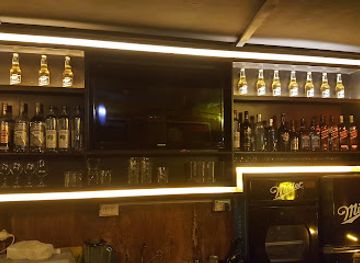
Evening life in Callao is varied but does not centre on one large, clearly defined nightclub district. Traditional bars, neighbourhood restaurants and cevicherías provide much of the social atmosphere, while La Punta has seaside venues where visitors can eat or have a drink with views across the bay. The historic centre and Callao Monumental may host cultural performances, galleries and community events, but programmes and opening arrangements change. Music and dancing are found in local venues and in the wider Lima–Callao metropolitan area, although visitors should choose venues carefully and arrange their return transport in advance. The province’s nightlife also includes relaxed cafés, pisco-based drinks and occasional live entertainment rather than a single uniform scene. After dark, avoid isolated waterfront stretches and unfamiliar streets, keep valuables secure and use a trusted taxi or pre-arranged ride. A quiet dinner, an organised cultural event or an early evening walk in a busy public area is often more practical than exploring districts without local guidance.
-
Grill
Rovira
Experience the best of Peruvian grilling at Rovira, a must-visit restaurant in Callao for authentic flavors and a vibrant dining atmosphere.
-
Bar
Curupira Rock Peru
Experience the vibrant nightlife at Curupira Rock Peru, a top bar in Callao, blending local culture with great music and drinks.
-
Bar
Oriundo Cantina
Experience the lively spirit of San Miguel at Oriundo Cantina, where local flavors and vibrant nightlife unite in a charming bar setting.
-
Bar
Colonial Vintage Resto Bar
Discover the vibrant blend of Peruvian flavors and lively ambiance at Colonial Vintage Resto Bar in Bellavista.



Best nightclubs in Callao
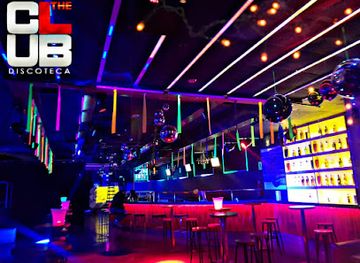
Evening life in Callao is varied but does not centre on one large, clearly defined nightclub district. Traditional bars, neighbourhood restaurants and cevicherías provide much of the social atmosphere, while La Punta has seaside venues where visitors can eat or have a drink with views across the bay. The historic centre and Callao Monumental may host cultural performances, galleries and community events, but programmes and opening arrangements change. Music and dancing are found in local venues and in the wider Lima–Callao metropolitan area, although visitors should choose venues carefully and arrange their return transport in advance. The province’s nightlife also includes relaxed cafés, pisco-based drinks and occasional live entertainment rather than a single uniform scene. After dark, avoid isolated waterfront stretches and unfamiliar streets, keep valuables secure and use a trusted taxi or pre-arranged ride. A quiet dinner, an organised cultural event or an early evening walk in a busy public area is often more practical than exploring districts without local guidance.
-
Dance club
La Casona de Camana
Immerse yourself in Lima's nightlife at La Casona de Camana, a premier dance club and bar offering vibrant music and unforgettable experiences.
-
Disco club
Kalúa
Experience the vibrant nightlife at Kalúa, Pueblo Libre's premier disco club and bar, where the music never stops and the dance floor awaits.
-
Disco club
The Club Discoteca
Discover the vibrant nightlife at The Club Discoteca in Pueblo Libre, where dance, music, and fun come together for an unforgettable experience.
-
Disco club
Murcia Club
Dive into the heart of Independencia’s nightlife at Murcia Club, where the beats are infectious and the nights are unforgettable.



Best shops in Callao
Shopping in Callao is primarily local and practical, with traditional markets, neighbourhood high streets, supermarkets and small independent businesses rather than a major luxury retail scene. The historic centre and Callao Monumental may offer art, prints, crafts and locally themed souvenirs through galleries, cultural projects and temporary stalls, but availability changes. Visitors can look for Peruvian food products such as coffee, chocolate, sauces, sweets and pisco, as well as textiles, ceramics and small handmade items associated with the wider country. La Punta has a more residential, small-scale retail character, while larger commercial options are found across the metropolitan area, including in neighbouring Lima, rather than concentrated in a single Callao shopping quarter. Markets are useful for observing everyday life, but shoppers should check prices, inspect goods carefully and carry only the cash required. Airport shops provide a convenient final opportunity for packaged souvenirs, although independent retailers may offer a broader selection and more direct contact with local producers.
-
Shopping mall
Larcomar
Experience the blend of shopping, dining, and breathtaking ocean views at Larcomar in Miraflores, Peru.
-
Shopping mall
Minka
Explore Minka in Callao, Peru - a vibrant shopping mall filled with local shops, delicious food, and a family-friendly atmosphere.
-
Shopping mall
Mallplaza Bellavista
Experience the best of shopping, dining, and entertainment at Mallplaza Bellavista, the heart of Bellavista's vibrant culture.
-
Shopping mall
Polvos Azules
Discover the vibrant shopping experience at Polvos Azules in La Victoria, Peru, where fashion meets culture in a bustling marketplace.


Get your free copy of our complete guide to Callao, delivered straight to you.
Everything on this page, from attractions and restaurants to essentials and local phrases, in one PDF you can read offline, print or share.
Already have an account? Sign in
Your Callao guide is ready.
We'll send it to · Not you? Sign out

Getting your guide ready…
We are putting together a fresh copy of the Callao guide. This can take up to a minute.
This can take a few moments. If your browser asks, choose Allow so the download can start. You'll find the guide in your Downloads folder.
Nothing happened? Download it again
Sorry, the guide is taking longer than usual. Please try again in a minute, or get it by email instead.
Callao essentials
Currency and Payment
Safety
Emergency Situations
Do's and Don'ts
Local Tips
From Eve
Local phrases worth knowing
You don't need to get them perfect. A few words go a long way, and locals appreciate the effort.
Basics
| English | Local | Say it |
|---|---|---|
| Hello | Hola | [OH-lah] |
| Goodbye | Adiós | [ah-DYOS] |
| Yes | Sí | [SEE] |
| No | No | [NO] |
| Please/You're welcome | Por favor | [por fah-VOR] |
| Thank you | Gracias | [GRAH-syahs] |
| Excuse me/Sorry | Disculpa | [dis-KUL-pah] |
| How are you? | ¿Cómo estás? | [KOH-moh es-TAS] |
| Fine. And you? | Bien. ¿Y tú? | [BYEN. ee TOO] |
| Do you speak English? | ¿Hablas inglés? | [AH-blas een-GLES] |
| I don't understand | No entiendo | [NO en-TYEN-doh] |
Eating & Drinking
| English | Local | Say it |
|---|---|---|
| I'd like to see the menu, please | Me gustaría ver el menú, por favor | [meh goos-tah-REE-ah BEHR el meh-NOO, por fah-VOR] |
| I don't eat meat | No como carne | [NO KOH-moh KAR-neh] |
| Cheers! | ¡Salud! | [sah-LOOD] |
| I would like to pay, please | Me gustaría pagar, por favor | [meh goos-tah-REE-ah pah-GAR, por fah-VOR] |
Emergencies
| English | Local | Say it |
|---|---|---|
| Help! | ¡Ayuda! | [ah-YOO-dah] |
| Go away! | ¡Vete! | [BEH-teh] |
| Call the Police! | ¡Llama a la policía! | [YAH-mah ah lah poh-lee-SEE-ah] |
| Call a doctor! | ¡Llama a un doctor! | [YAH-mah ah oon dok-TOR] |
| I'm lost | Estoy perdido | [es-TOY per-DEE-doh] |
| I'm ill | Estoy enfermo | [es-TOY en-FER-mo] |
Shopping
| English | Local | Say it |
|---|---|---|
| I'd like to buy... | Me gustaría comprar... | [meh goos-tah-REE-ah kohm-PRAR] |
| I'm just looking | Solo estoy mirando | [SOH-lo es-TOY mee-RAN-doh] |
| How much is it? | ¿Cuánto cuesta? | [KWAN-toh KWES-tah] |
| That's too expensive | Eso es demasiado caro | [EH-so es deh-mah-SYA-doh KAH-roh] |
| Can you lower the price? | ¿Puedes bajar el precio? | [PWEH-des bah-HAR el PREH-syo] |
Time & Numbers
| English | Local | Say it |
|---|---|---|
| What time is it? | ¿Qué hora es? | [KEH OH-rah es] |
| It's one o'clock | Es la una | [es lah OO-nah] |
| Half past (10) | Diez y media | [DYEZ ee MEH-dyah] |
| Morning | Mañana | [mah-NYAH-nah] |
| Afternoon | Tarde | [TAR-deh] |
| Evening | Noche | [NO-cheh] |
| Yesterday | Ayer | [ah-YER] |
| Today | Hoy | [OY] |
| Tomorrow | Mañana | [mah-NYAH-nah] |
| 1 | Uno | [OO-no] |
| 2 | Dos | [DOS] |
| 3 | Tres | [TRES] |
| 4 | Cuatro | [KWA-tro] |
| 5 | Cinco | [SEEN-koh] |
| 6 | Seis | [SAYS] |
| 7 | Siete | [SYE-teh] |
| 8 | Ocho | [OH-choh] |
| 9 | Nueve | [NEW-eh-veh] |
| 10 | Diez | [DYEZ] |
Transport & Directions
| English | Local | Say it |
|---|---|---|
| Where's a/the...? | ¿Dónde hay un/una...? | [DON-deh aye oon/OO-nah] |
| What's the address? | ¿Cuál es la dirección? | [KWAL es lah dee-rek-SYON] |
| Can you show me (on the map)? | ¿Puedes mostrarme (en el mapa)? | [PWEH-des mos-TRAR-meh (en el MAH-pah)] |
| When's the next (bus)? | ¿Cuándo es el próximo (bus)? | [KWAN-doh es el PROK-see-mo (boos)] |
| A ticket (to ....) | Un boleto (a ....) | [OON bo-LEH-toh (ah ....)] |
History of Callao
Pre-Hispanic Settlements and Coastal Exchange
The Callao area formed part of the densely occupied central coast long before Spanish arrival. Communities used the bay, river valleys and nearby islands for fishing, gathering marine resources and exchanging goods with settlements inland. The wider Lima region contains important pre-Hispanic remains, and Callao’s geography made its coast a natural point of contact between maritime activity and the agricultural valleys around the Rímac and Chillón rivers. Much of the ancient landscape has been absorbed by modern urban development, but the continuing importance of marine food and coastal trade reflects this long relationship with the Pacific.
The Spanish Port and Colonial Callao
The Spanish established Callao as the maritime outlet for Lima during the sixteenth century, and the port became a crucial link in the colonial Pacific economy. Ships connected Peru with Panama, Spain and other parts of the Spanish Empire, carrying silver, provisions and manufactured goods. Warehouses, churches, administrative buildings and defensive works grew around the harbour. Because Callao was both commercially valuable and exposed to attack, its history combined trade with military protection, creating the port-centred identity that still distinguishes it from inland Lima.
The Real Felipe and Eighteenth-Century Defences
The fortress now known as the Real Felipe was constructed in the eighteenth century as the principal defence of Callao’s harbour. Its thick walls, bastions and strategic position reflected the importance of protecting Peru’s Pacific shipping from foreign naval attacks and privateers. The fortress was named after King Philip V and became one of the most substantial colonial military complexes on the South American coast. Its surviving structure offers a tangible account of the port’s strategic role and of the resources invested in defending the Spanish viceroyalty.
The Earthquake and Tsunami of 1746
On 28 October 1746, a major earthquake devastated Lima and Callao, followed by a tsunami that destroyed much of the port and caused extensive loss of life. The disaster transformed the settlement’s physical and political history. Reconstruction required new defensive planning, stronger buildings and renewed investment in the harbour, while the catastrophe became one of the defining events in the memory of colonial Peru. The Real Felipe’s later prominence is closely associated with the need to protect and reorganise Callao after this devastating combination of earthquake and sea surge.
Independence and the Siege of Callao
Callao remained a strategically important royalist stronghold during the wars of independence. The Real Felipe and the harbour defended the Spanish position after independence was declared in Lima, and the fortress was among the last major royalist bases in South America. The surrender of the garrison in 1826 marked the end of Spanish resistance in Peru. This episode gave Callao an important place in the country’s national history and helped preserve the fortress as a symbol of the transition from colonial rule to the independent republic.
The Constitutional Province and Port Expansion
In 1857, Callao was granted the status of a Constitutional Province, a distinctive administrative position that it retains within Peru. During the nineteenth and twentieth centuries, the port expanded in step with the growth of Lima and Peru’s export economy. Steam navigation, improved harbour facilities, immigration and commercial investment altered the waterfront and brought new populations and occupations. The province’s neighbourhoods developed beyond the old fortified core, while port labour, fishing, naval service and trade continued to shape its social and cultural life.
Aviation, Naval Institutions and the Modern Gateway
Callao became increasingly important to national transport during the twentieth century through the development of aviation facilities and major naval institutions. Jorge Chávez International Airport, located in the province, turned Callao into Peru’s main international air gateway as well as its principal seaport. The naval museum and maritime establishments preserve aspects of the country’s military and ocean-going history, while the contemporary port handles a major share of Peru’s international trade. Today, Callao combines historic buildings with infrastructure serving a rapidly changing metropolitan economy.
Callao in Photos
Browse through our photo collection highlighting the charm and character of the destination.
Neighbouring regions of Callao
The closest regions to Callao, if you have time for more than one.
-

-
-

-

-


Swipe for more regions
Explore more

Explore more of Peru
Discover the wonders of Peru: ancient ruins, stunning landscapes, and a vibrant culture that will captivate your heart and soul.
Explore Peru