

Free Junín Travel Guide & Mobile App
Explore Junín with free travel guides. Discover regional history, expert tips, proposed trips, and audio guides on web or mobile app.


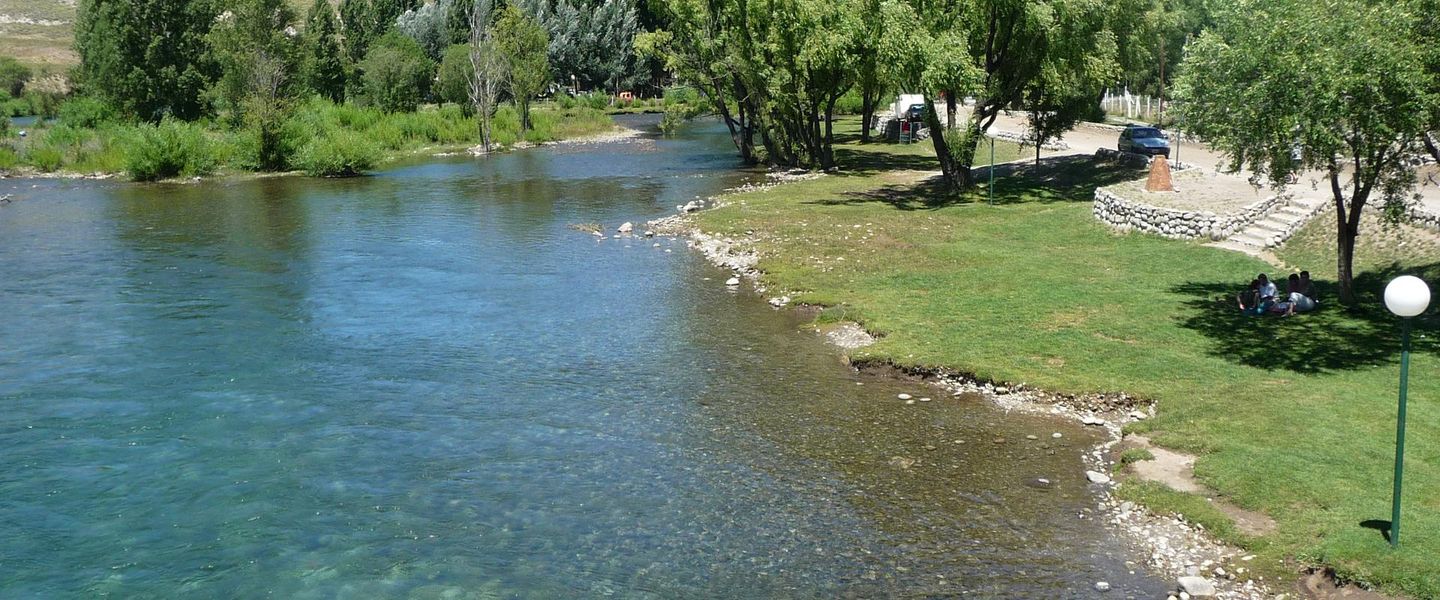


Explore Junín in Peru for Huancayo's Wanka culture, Lake Junín wetlands, Andean history and the coffee- and cacao-growing Selva Central.
Read more about Junín
When is the best time to visit Junín?
Best: June–August · 17°C| Month | High (°C) | Rainfall (mm) |
|---|---|---|
| January | 17 | 120 |
| February | 17 | 110 |
| March | 18 | 100 |
| April | 18 | 80 |
| May | 18 | 60 |
| June (best) | 17 | 40 |
| July (best) | 17 | 30 |
| August (best) | 17 | 40 |
| September | 17 | 60 |
| October | 17 | 80 |
| November | 17 | 100 |
| December | 17 | 110 |
Getting to and around Junín
How to get there
Transportation
Top city travel guides in Junín
The cities of Junín, and the easiest places to base yourself.
-

-

-


Swipe for more cities
Destinations in Junín
Resorts, valleys and scenic spots worth a trip of their own.

Swipe for more destinations
Best attractions in Junín
Junín's attractions span several ecological and cultural zones. Around Huancayo, visitors find Wanka cultural sites, craft villages, agricultural landscapes and viewpoints across the Mantaro Valley, while the city's markets and museums provide an accessible introduction to regional life. Jauja and its surrounding countryside lead towards Lake Junín, whose broad high-altitude wetlands support important birdlife and form part of the Junín National Reserve, extending across the regional boundary. Tarma combines a mild mountain climate with gardens, rural scenery and access to routes descending towards the east. In Chanchamayo, La Merced and San Ramón are bases for visiting waterfalls, rivers, forested slopes, coffee farms and fruit-growing areas. Satipo opens onto a more humid landscape of tropical agriculture, river valleys and Indigenous cultural initiatives. Outdoor choices include birdwatching, walking, rafting in suitable locations, plantation tours and visits to rural communities arranged with local consent. Distances are substantial, and the contrast between cold puna, cultivated valley and humid forest is itself one of Junín's defining attractions.
-
Park
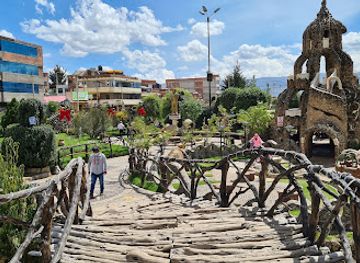
Parque de la Identidad Huanca
Discover the cultural essence and natural beauty of Parque de la Identidad Huanca, a serene park in Huancayo, Peru, perfect for relaxation and exploration.
-
Nature preserve
Laguna de Gómez Natural Park
Experience the natural beauty and adventure of Laguna de Gómez Natural Park in Junín, Buenos Aires Province, where nature lovers find peace and excitement.
-
Park
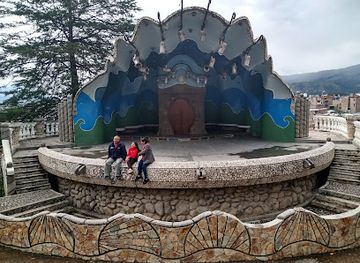
Cerrito de la Libertad
Discover the beauty and culture of Huancayo at Cerrito de la Libertad, a scenic park perfect for relaxation and outdoor activities.
-
Park
Municipal Intendente Borchex Park
Explore Municipal Intendente Borchex Park in Junín, Argentina – a lush urban oasis perfect for relaxation, recreation, and unforgettable moments.
Best landmarks in Junín
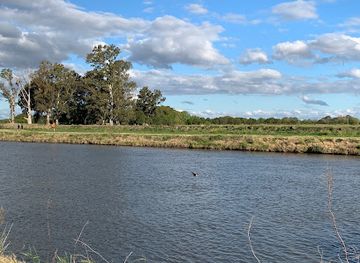
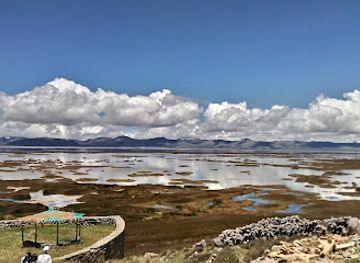
The Pampa de Junín and the commemorative complex associated with the Battle of Junín are among the region's most important historical landscapes, marking the 1824 victory that helped secure South American independence. Lake Junín, also known as Chinchaycocha, is a major geographical landmark: its expansive high-altitude waters and reed-fringed wetlands define the northern plateau and support distinctive birdlife. Huancayo's civic and religious centre provides an urban point of reference for the Mantaro Valley, while nearby Wanka archaeological remains connect the modern region with its pre-Inca past. Jauja's historic townscape recalls its brief role as the first Spanish capital of Peru, and its surrounding churches and valley settlements add depth to the area's colonial history. Tarma is recognised by its sloping Andean setting, gardens and traditional urban form. Farther east, the forested mountain walls and river corridors around Chanchamayo and Satipo become natural landmarks in their own right, revealing the dramatic descent from puna to humid lowland. These places are best read as parts of Junín's wider historical and ecological geography, not as isolated monuments.
-
National reserve
Reserva Nacional de Junín
Explore the stunning landscapes and rich biodiversity of Reserva Nacional de Junín, a natural haven for wildlife and nature lovers in Peru.
-
Tourist attraction
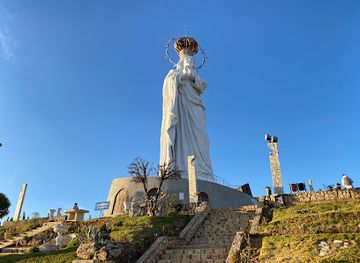
Virgen de la Concepcion
Discover the spiritual beauty and cultural significance of Virgen de la Concepcion, a must-visit tourist attraction in Concepción, Peru.
-
Park
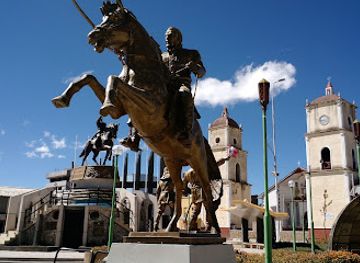
Plaza de Armas "Heroic City of Junín"
Explore the vibrant Plaza de Armas in Junín, a cultural hub with stunning architecture, lively atmosphere, and rich local traditions.
-
Historical landmark
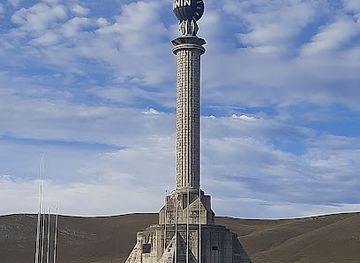
Chacamarca obelisk Junín
Discover the historical significance of the Chacamarca Obelisk in Junín, a monument honoring Peru's heroes of independence surrounded by vibrant landscapes.
Explore Junín on the map
Plan your trip on one map. See where the top cities, national parks and sights are, and book hotels and experiences in a few clicks.
Best hotels in Junín
Best restaurants in Junín
Junín's cooking reflects its changes in altitude and climate. In the Mantaro Valley and other highland areas, look for pachamanca, in which meat, potatoes, maize and other ingredients are cooked in an earth oven, as well as trout, cuy, soups, Andean grains and the region's wide variety of potatoes. Huancayo and the market towns offer everyday regional dishes, breads, fruit drinks and sweets, while rural restaurants may specialise in substantial meals built around local produce. Tarma and the upper valleys combine highland ingredients with produce from lower elevations. In Chanchamayo and Satipo, coffee and cacao are central to the food economy, joined by citrus fruit, bananas, passion fruit and other tropical crops. Small cafés, plantation visits and producer-led tastings can explain how these products are grown and processed. Hygiene and refrigeration standards vary outside the main towns, so choose busy establishments and drink treated or bottled water when appropriate.
-
Restaurant
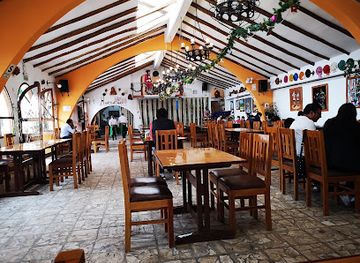
Restaurante Huancahuasi Huancayo
Experience the rich flavors of Peru at Restaurante Huancahuasi – where tradition meets taste in a family-friendly setting.
-
Grill
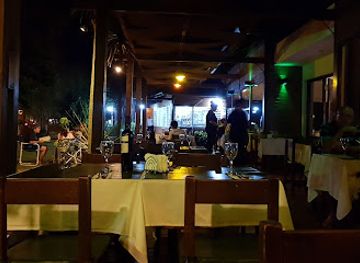
"MARIA MARIA" Resto Bar
Discover the vibrant flavors and lively atmosphere at 'Maria Maria' Resto Bar in Junín, where every meal is a celebration of Argentine cuisine.
-
Restaurant
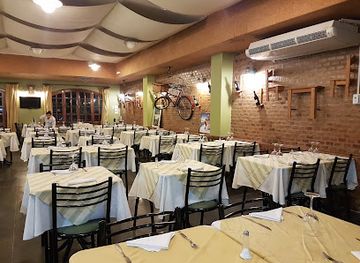
Restaurante El Boliche
Discover the heart of Argentine gastronomy at Restaurante El Boliche in Junín – where every dish tells a story.
-
Peruvian
El Inca Restaurante
Discover authentic Peruvian cuisine at El Inca Restaurante in Huancayo – where tradition meets flavor in every dish.
Best bars in Junín
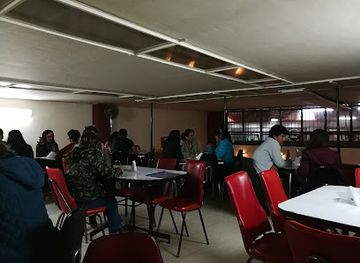
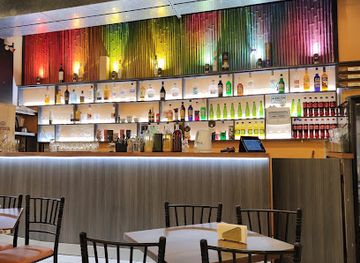
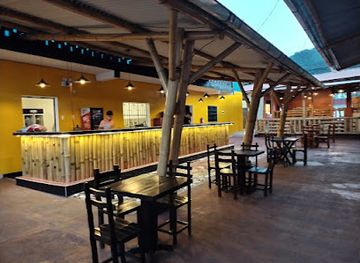
Evening life in Junín is concentrated in Huancayo and the larger provincial towns rather than spread evenly across the region. Huancayo has a broad selection of casual bars, restaurants, peñas and venues featuring Andean music and dancing, alongside contemporary cafés and late-night establishments. Jauja and Tarma offer a quieter mix of traditional bars, restaurants and social venues, with activity often linked to local celebrations or weekends. In Chanchamayo, La Merced and San Ramón, warm evenings encourage open-air restaurants, bars and music venues, while Satipo's nightlife is primarily local and town-centred. Rural Junín is more likely to revolve around family gatherings, community festivities and small eateries than nightclubs. Visitors should confirm current opening arrangements locally, use registered taxis or trusted transport after drinking, and remember that participation in local music or dance settings should be respectful rather than treated as a performance staged solely for tourists.
-
Bar
Bar Junín
Experience Lima's vibrant nightlife at Bar Junín, where eclectic drinks and lively atmosphere await.
-
Pizza
KALABRIA Restobar Pizzería
Experience the vibrant flavors of KALABRIA Restobar Pizzería in Junín, offering gourmet pizzas, live music, and an unforgettable dining atmosphere.
-
Restaurant
RESTAURANTE SEÑORIAL turístico
Experience authentic Peruvian cuisine at Restaurante Señorial Turístico, where local flavors meet cultural ambiance in Junín.
-
Restaurant
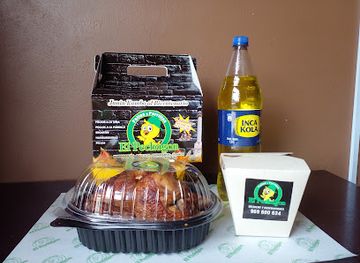
Pechugon Pollos Y Parrillas
Discover the authentic taste of Peru at Pechugon Pollos Y Parrillas, where grilled chicken and local delights await every food lover.
Best nightclubs in Junín
Evening life in Junín is concentrated in Huancayo and the larger provincial towns rather than spread evenly across the region. Huancayo has a broad selection of casual bars, restaurants, peñas and venues featuring Andean music and dancing, alongside contemporary cafés and late-night establishments. Jauja and Tarma offer a quieter mix of traditional bars, restaurants and social venues, with activity often linked to local celebrations or weekends. In Chanchamayo, La Merced and San Ramón, warm evenings encourage open-air restaurants, bars and music venues, while Satipo's nightlife is primarily local and town-centred. Rural Junín is more likely to revolve around family gatherings, community festivities and small eateries than nightclubs. Visitors should confirm current opening arrangements locally, use registered taxis or trusted transport after drinking, and remember that participation in local music or dance settings should be respectful rather than treated as a performance staged solely for tourists.
-
Dance club
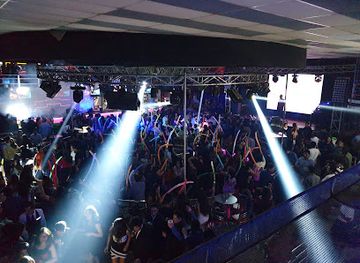
Insomnio House Music
Discover the electrifying nightlife at Insomnio House Music, Huancayo's top dance club, where music and energy collide for an unforgettable experience.
-
Disco club
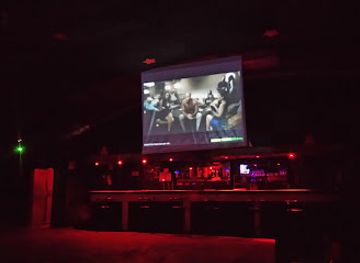
SONICA
Discover the lively atmosphere and pulsating beats at SONICA, Huancayo's premier disco club, perfect for dancing and nightlife adventures.
-
Disco club
El Faraon Club
Experience the vibrant nightlife at El Faraon Club, Satipo's top disco destination for music, dancing, and unforgettable memories.
-
Bar
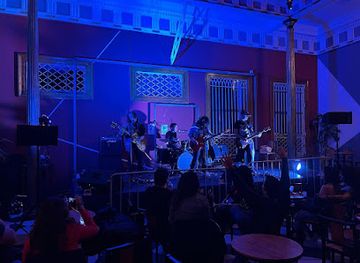
La Residencia Club
Experience the energetic nightlife and local flavors at La Residencia Club, a must-visit bar in the heart of Lima.

Best shops in Junín
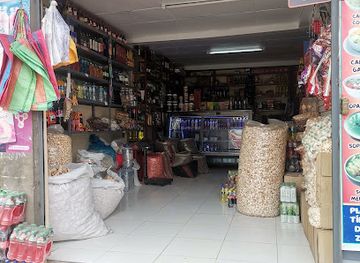
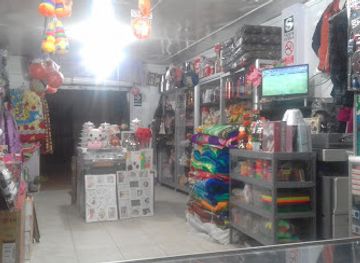
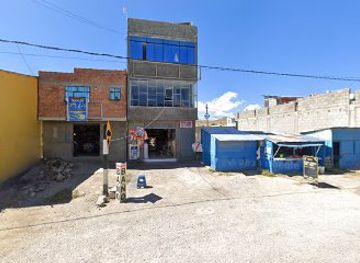
Shopping in Junín is strongest in its market towns, where local produce, food traditions and practical crafts are more significant than large-scale luxury retail. Huancayo has the region's broadest choice of markets, independent shops and artisan outlets, with woven goods, ceramics, carved objects, Andean textiles and regional foods available alongside everyday commerce. Jauja and Tarma offer smaller-scale highland shopping, including local breads, sweets, agricultural products and craft items. In Chanchamayo and Satipo, coffee, cacao, honey, fruit preserves and other plantation products make useful purchases when bought from reputable producers or cooperatives; ask about processing and packaging for international travel. Markets are also good places to see the agricultural diversity of the Mantaro Valley, including potatoes, maize and native grains. Prices and stock vary by town and season, so compare quality and provenance rather than assuming every item is locally made. Respectful bargaining may be accepted in informal markets, but it is not appropriate to pressure small-scale producers.
-
Shopping mall
AndinaVip JUNÍN
Experience the lively atmosphere of AndinaVip JUNÍN, a vibrant shopping mall offering a blend of local culture, diverse shopping, and delicious dining in the heart of Peru.
-
Shopping mall
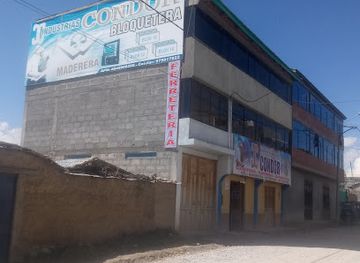
Industrias Condor
Discover the vibrant shopping scene at Industrias Condor in Junín, Peru, where local culture meets diverse retail experiences.
-
Shopping mall
Tiendas Alva
Explore Tiendas Alva in Junín for an authentic Peruvian shopping experience, blending local culture, artisan crafts, and delicious cuisine.
-
Shopping mall
MARKET MACA ORGANICA
Discover the essence of Junín at Market Maca Organica, where local flavors and cultural experiences come together in a vibrant shopping paradise.
Get your free copy of our complete guide to Junín, delivered straight to you.
Everything on this page, from attractions and restaurants to essentials and local phrases, in one PDF you can read offline, print or share.
Already have an account? Sign in
Your Junín guide is ready.
We'll send it to · Not you? Sign out

Getting your guide ready…
We are putting together a fresh copy of the Junín guide. This can take up to a minute.
This can take a few moments. If your browser asks, choose Allow so the download can start. You'll find the guide in your Downloads folder.
Nothing happened? Download it again
Sorry, the guide is taking longer than usual. Please try again in a minute, or get it by email instead.
Junín essentials
Currency and Payment
Safety
Emergency Situations
Do's and Don'ts
Local Tips
From Eve
Local phrases worth knowing
You don't need to get them perfect. A few words go a long way, and locals appreciate the effort.
Basics
| English | Local | Say it |
|---|---|---|
| Hello | Hola | [Ola] |
| Goodbye | Adiós | [Adyos] |
| Yes | Sí | [See] |
| No | No | [No] |
| Please/You're welcome | Por favor | [Por favor] |
| Thank you | Gracias | [Gracias] |
| Excuse me/Sorry | Disculpe | [Disculpe] |
| How are you? | ¿Cómo estás? | [Komo estas] |
| Fine. And you? | Bien. ¿Y tú? | [Byen. Ee tu] |
| Do you speak English? | ¿Hablas inglés? | [Ablas ingles] |
| I don't understand | No entiendo | [No entiendo] |
Eating & Drinking
| English | Local | Say it |
|---|---|---|
| I'd like to see the menu, please | Me gustaría ver el menú, por favor | [Me gustaria ver el menu, por favor] |
| I don't eat meat | No como carne | [No komo karne] |
| Cheers! | ¡Salud! | [Salud] |
| I would like to pay, please | Me gustaría pagar, por favor | [Me gustaria pagar, por favor] |
Emergencies
| English | Local | Say it |
|---|---|---|
| Help! | ¡Ayuda! | [Ayuda] |
| Go away! | ¡Vete! | [Vete] |
| Call the Police! | ¡Llama a la policía! | [Llama a la policia] |
| Call a doctor! | ¡Llama a un doctor! | [Llama a un doktor] |
| I'm lost | Estoy perdido | [Estoy perdido] |
| I'm ill | Estoy enfermo | [Estoy enfermo] |
Shopping
| English | Local | Say it |
|---|---|---|
| I'd like to buy... | Me gustaría comprar... | [Me gustaria comprar] |
| I'm just looking | Solo estoy mirando | [Solo estoy mirando] |
| How much is it? | ¿Cuánto cuesta? | [Kwanto cuesta] |
| That's too expensive | Eso es muy caro | [Eso es muy karo] |
| Can you lower the price? | ¿Puedes bajar el precio? | [Puedes bajar el precio] |
Time & Numbers
| English | Local | Say it |
|---|---|---|
| What time is it? | ¿Qué hora es? | [Ke ora es] |
| It's one o'clock | Es la una | [Es la una] |
| Half past (10) | Y media (10) | [Y media (10)] |
| Morning | Mañana | [Manyana] |
| Afternoon | Tarde | [Tarde] |
| Evening | Noche | [Noche] |
| Yesterday | Ayer | [Ayer] |
| Today | Hoy | [Hoy] |
| Tomorrow | Mañana | [Manyana] |
| 1 | Uno | [Uno] |
| 2 | Dos | [Dos] |
| 3 | Tres | [Tres] |
| 4 | Cuatro | [Kuwatro] |
| 5 | Cinco | [Sinko] |
| 6 | Seis | [Seys] |
| 7 | Siete | [Siete] |
| 8 | Ocho | [Ocho] |
| 9 | Nueve | [Nueve] |
| 10 | Diez | [Dyez] |
Transport & Directions
| English | Local | Say it |
|---|---|---|
| Where's a/the...? | ¿Dónde está un/una...? | [Donde esta un/una] |
| What's the address? | ¿Cuál es la dirección? | [Kual es la direccion] |
| Can you show me (on the map)? | ¿Puedes mostrarme (en el mapa)? | [Puedes mostrarme (en el mapa)] |
| When's the next (bus)? | ¿Cuándo es el próximo (bus)? | [Kuando es el proximo (bus)] |
| A ticket (to ....) | Un boleto (a ....) | [Un boleto (a ....)] |
History of Junín
Wanka societies before Inca rule
The Mantaro Valley was a major centre of Wanka society before the Inca conquest. Wanka communities developed agricultural settlements across the valley and surrounding uplands, using varied elevations to cultivate potatoes, maize and other Andean crops. Their political organisation was not simply erased by later imperial rule: local identities, settlement patterns and agricultural knowledge continued to shape the region. Archaeological remains and living cultural traditions around Huancayo and neighbouring valleys provide important evidence of this pre-Hispanic past.
Inca expansion into the central Andes
The Inca incorporated the central highlands into their expanding state after conflict with the Wanka and other local groups. Roads, administrative arrangements and imperial demands connected the Mantaro region more closely with the wider Andes, while existing communities remained responsible for much agricultural production. Inca influence is part of Junín's layered history rather than a complete replacement of earlier cultures. The region's strategic position between the southern highlands, the coast and eastern lowlands helped make it significant to imperial communications.
Jauja and the early colonial period
After the Spanish conquest, Jauja became the first Spanish-founded capital of Peru in 1534, although the colonial centre was soon moved to the Pacific coast and ultimately established at Lima. Jauja's location in the Mantaro basin nevertheless preserved its importance as an Andean settlement and administrative centre. Spanish rule introduced Catholic institutions, new landholding patterns and livestock, while indigenous communities continued to sustain local agriculture, labour systems and cultural practices under difficult colonial conditions.
Colonial towns, churches and changing agriculture
During the colonial and early republican periods, settlements across Junín developed around farming, trade, religious institutions and routes linking the highlands with the eastern slopes. Towns such as Tarma and Jauja acquired distinctive urban and ecclesiastical identities, while the Mantaro Valley remained one of central Peru's productive agricultural areas. Churches, plazas, hacienda landscapes and older town plans still reveal aspects of these transformations, although the colonial legacy also includes dispossession and unequal systems imposed on indigenous populations.
The Battle of Junín, 1824
On 6 August 1824, independence forces under Simón Bolívar confronted the royalist army on the high plateau at the Battle of Junín. The cavalry engagement, fought near the northern shores of Lake Junín in what is now the Junín area, became an important victory in the campaign that ended Spanish imperial rule in South America. The battlefield and surrounding pampa carry national commemorative significance, and the battle explains why Junín occupies such a prominent place in Peru's independence history.
Roads, mining and the Central Railway
Modern Junín was reshaped by improved transport links and the expansion of mining in the central Andes. La Oroya, in the region's west, became closely associated with metallurgy and mineral processing, while the Central Railway connected the highlands with Lima and the coast through an exceptionally demanding mountain corridor. These developments stimulated trade and urban growth but also brought serious environmental and labour concerns. The region's roads and rail heritage reflect the continuing economic importance of connecting Andean resources and markets.
The Selva Central and Asháninka heritage
The eastern valleys of Junín have long been home to Asháninka and other Indigenous peoples, whose knowledge of forests, rivers and cultivated plants predates modern plantation agriculture. From the nineteenth century onwards, migration, colonisation, missionary activity, commercial farming and road construction transformed Chanchamayo and Satipo. Coffee, cacao and tropical fruit became important products, but the region also experienced conflict, displacement and pressure on Indigenous territories. Contemporary travel should recognise communities as living societies rather than treating their culture as a historical display.
Junín in Photos
Browse through our photo collection highlighting the charm and character of the destination.
Neighbouring regions of Junín
The closest regions to Junín, if you have time for more than one.
-

-

-

-

-


Swipe for more regions

